9 Mastiff Breeds: Giants of Protection and Loyalty
Today’s mastiff breeds are generally more mellow than their ancestors, yet they remain massive and powerful. With over 20 mastiff types, these dogs instinctively [protect their protect home and family.
Mastiff owners should prioritize careful socialization and training to prevent overprotectiveness or aggression. Most guardian breeds, including many mastiffs, are unsuitable for first-time dog parents or people who are not committed to consistent training.
Let’s explore the different types of mastiff breeds and discover what makes each unique.
Breed Characteristics
Mastiff breeds are giant dog breeds, with some exceeding 200 pounds. Even smaller mastiffs typically weigh more than 100 pounds.
Mastiffs make excellent family dogs, known for their courage, alertness, and protective nature. These breeds are extremely loyal to their families. Being watchful and observant, mastiffs can detect minor signs of danger and alert their people.
These large dogs are generally quiet and calm in demeanor as long as they get enough exercise and have been properly trained and well-socialized.
01 of 09
Mastiff (English Mastiff)
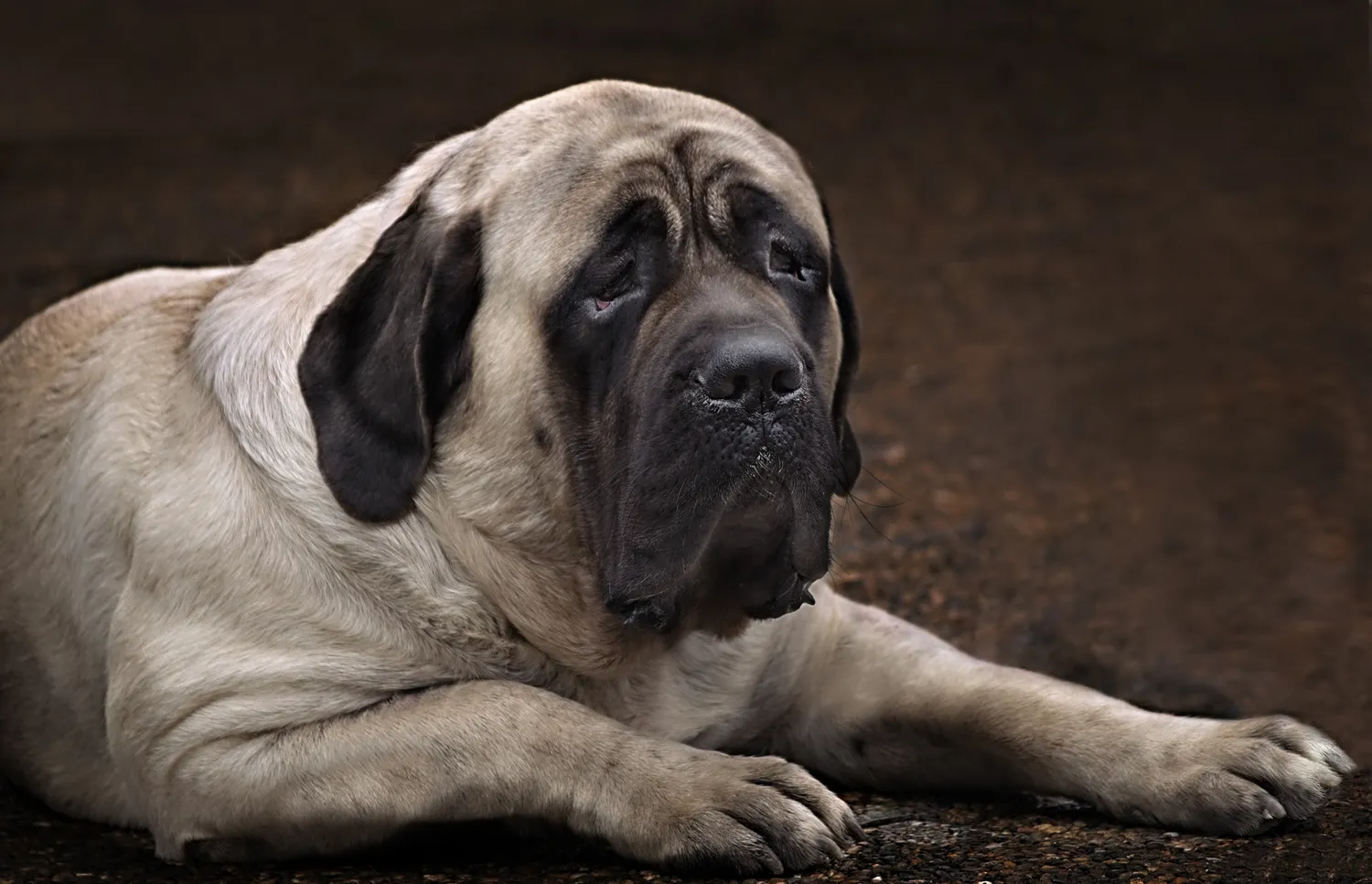
The mastiff, also known as the English mastiff, is the original British mastiff breed, which has been around since medieval times. The breed was traditionally used for hunting and guarding and as war dogs. Today’s mastiff is less ferocious than the mastiffs of old, but the breed retains great courage and protective instincts.
The mastiff is one of the largest and most powerful of all dog breeds—an adult mastiff can weigh more than a full-grown human man. Though suspicious of strangers, mastiffs are affectionate, gentle, and calm with their beloved human family. Due to their sheer size and natural wariness, a responsible mastiff puppy owner must provide clear and consistent training and plenty of socialization.
Breed Overview
GROUP: Working
HEIGHT: 27.5 inches and up
WEIGHT: 120 to 220 pounds
PERSONALITY/TEMPERAMENT: Calm, affectionate, protective, loyal, peaceful, sweet-tempered
Energy Level: Medium
COAT AND COLOR: Short and sleek; fawn, apricot, or brindle; dark mask on the muzzle, ears, and nose
02 of 09
Boerboel (South African Mastiff)
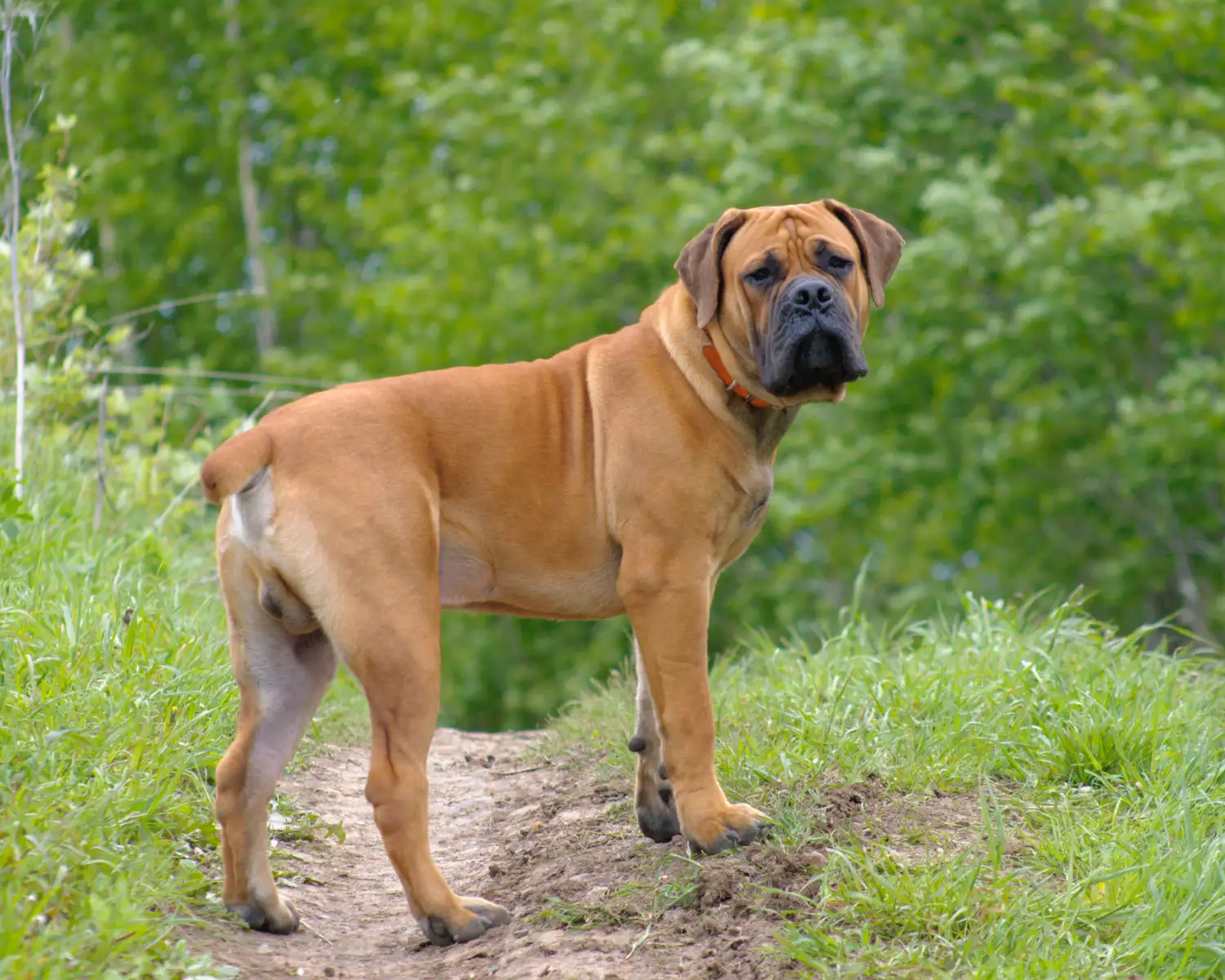
The boerboel, also known as the South African mastiff, was developed in South Africa from mastiff-type dogs that had arrived in the country with 17th-century European settlers as well as local African dogs.
The boerboel was used as a farm guardian, protecting livestock from predators and thieves, and keeping the family safe. Although this massive dog is protective, they are not aggressive toward friendly people and are gentle with respectful children.
Massive, stocky, and muscular, boerboels need space, so they are not well-suited to apartments or city life. The breed responds well to positive reinforcement training, but because of their large size and dominant nature, this dog is not for inexperienced dog parents. Consistent and early training and socialization are extremely important.
Breed Overview
GROUP: Working
HEIGHT: 22 to 25 inches (female); 24 to 27 inches (male)
WEIGHT: 150 to 200 pounds
PERSONALITY/TEMPERAMENT: Courageous, alert, protective
Energy Level: Medium
COAT AND COLOR: Short and smooth; brindle, brown, cream, red, reddish brown, or tawny with/without white markings, black mask, piebald, and/or Irish marked
LIFE SPAN: 9 to 11 years
03 of 09
Bullmastiff
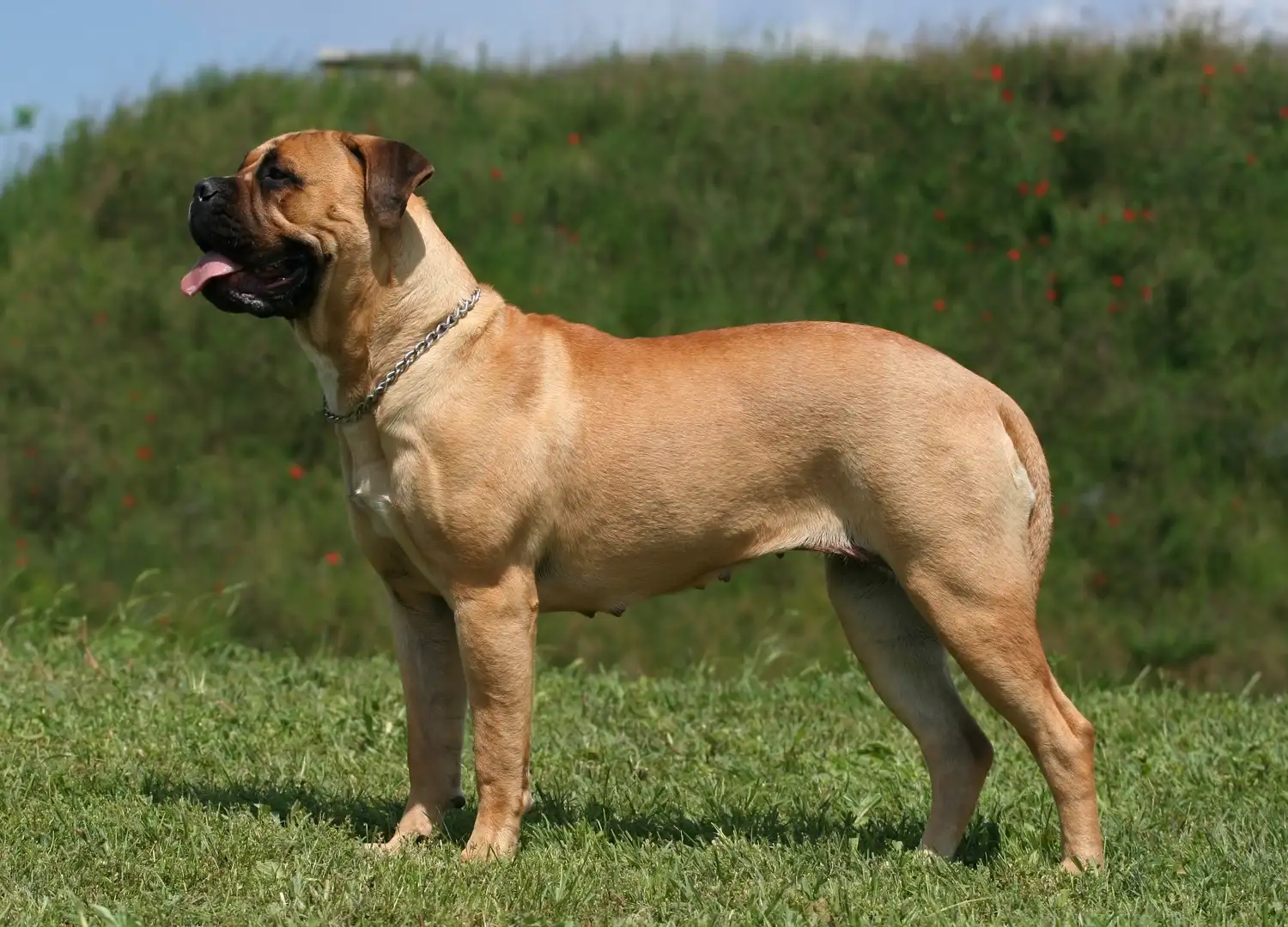
The bullmastiff was originally known as “The Gamekeeper’s Night Dog” owing to their job assisting 19th-century estate gamekeepers who patrolled the grounds at night on the lookout for poachers trying to illegally hunt and steal game. The bullmastiff was created by breeding mastiffs with old-style bulldogs, who were much larger than today’s bulldogs.
The bullmastiff is extremely protective and requires careful socialization and training in puppyhood so they can learn to be discerning without being overprotective. Bullmastiffs love children, but the breed’s large size and rambunctiousness in young dogs can result in knock-downs if training isn’t started early. Bullmastiffs are extremely loyal to their human family.
Breed Overview
GROUP: Working
HEIGHT: 24 to 27 inches
WEIGHT: 100 to 130 pounds
PERSONALITY/TEMPERAMENT: Loyal, protective, alert, loving, companionable, calm
Energy Level: Medium
COAT AND COLOR: Short, dense; fawn, red, or brindle with accents of black
LIFE SPAN: 7 to 9 years
04 of 09
Cane Corso (Italian Mastiff)
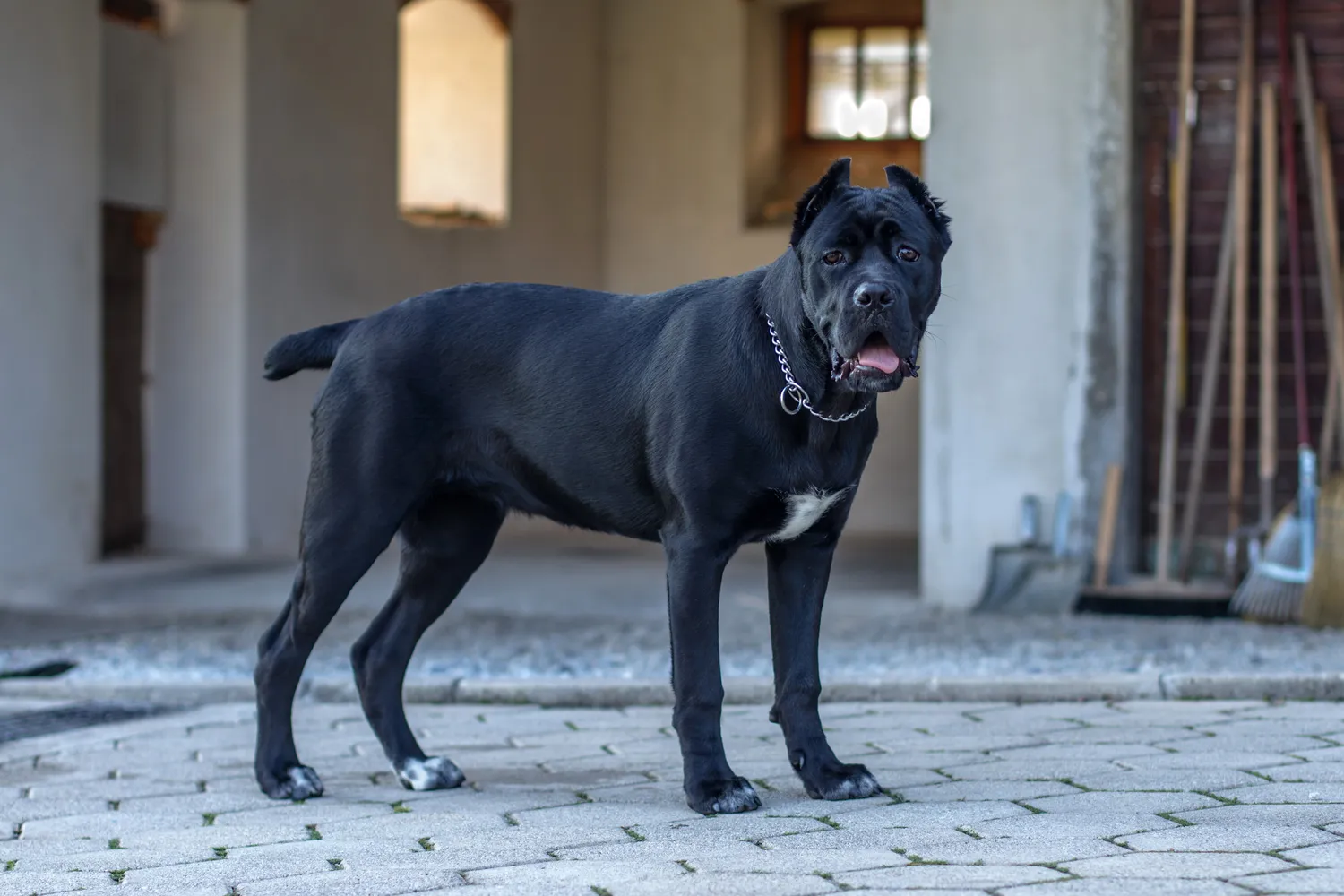
Also known as the Italian mastiff, the cane corso was developed from an ancient and massive type of dog known as the Molossus or Molloser—the same canine ancestor that brought us most of the mastiff breeds, including the English mastiff and Neapolitan mastiff. Over time the cane corso was refined to be smaller, lighter in body, and more athletic and agile than some other mastiff breeds.
Originally used as war dogs, the cane corso eventually transitioned to less ferocious work, including hunting wild boar, working on farms and with livestock droving, and guarding homes and property.
The cane corso can be willful, so they need intensive socialization to avoid aggression toward people or other dogs. It is considered an expert-level breed, but with the right person, the cane corso can be a loyal and affectionate family companion.
Breed Overview
GROUP: Working
HEIGHT: 23.5 to 27.5 inches
WEIGHT: 80 to 120 pounds
PERSONALITY/TEMPERAMENT: Reserved, quiet, gentle, calm, stable, even-tempered
Energy Level: Medium
COAT AND COLOR: Short and coarse; black, gray, fawn, and red; brindle is possible in all colors; may have black or gray mask; may have small patches of white
LIFE SPAN: 9 to 12 years
05 of 09
Dogue de Bordeaux (French Mastiff)
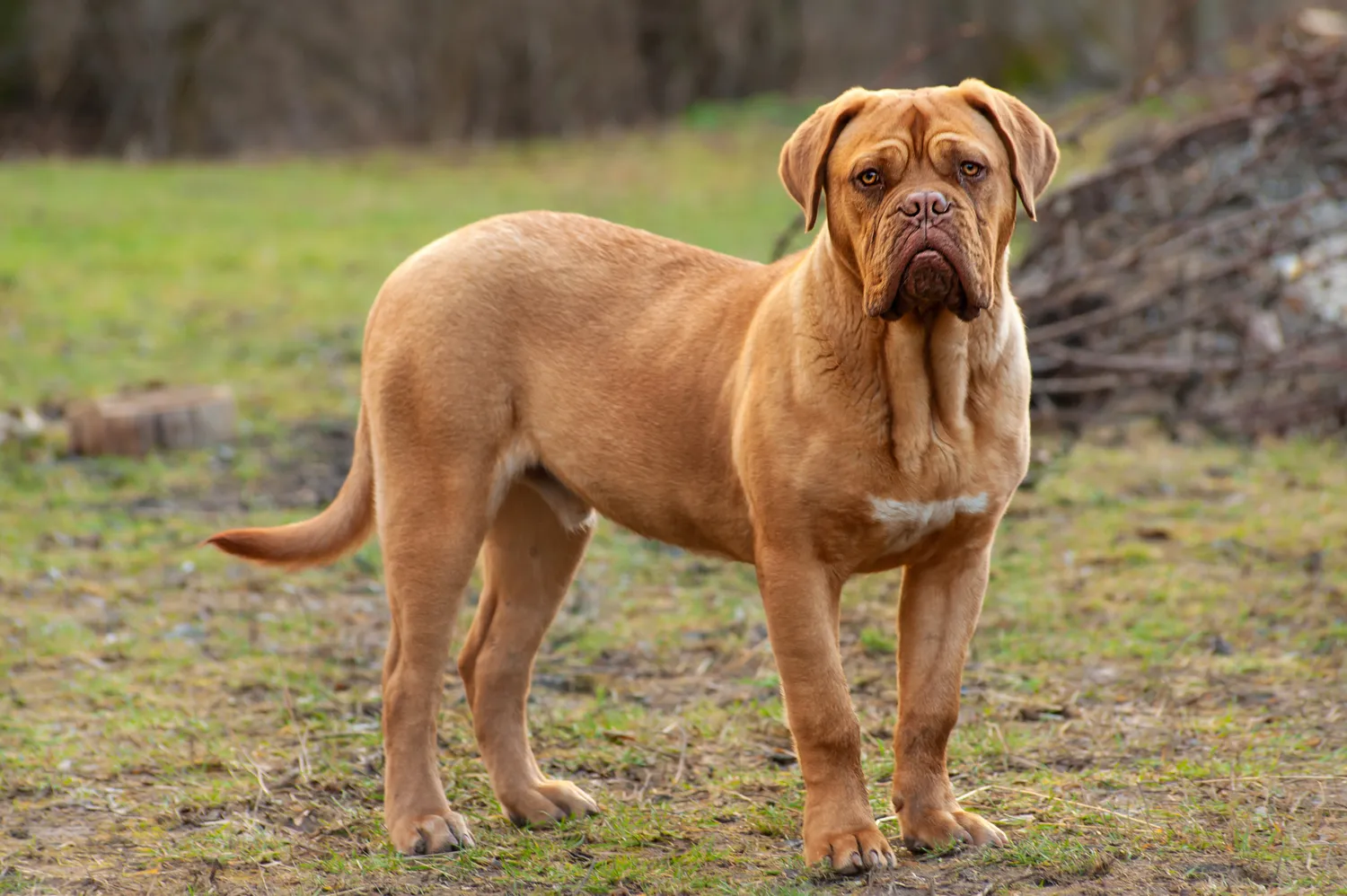
Sometimes called the French mastiff, the ancient Dogue de Bordeaux comes from France and was once called the “Bordeaux Mastiff” or the “Bordeaux Bulldog.” The massive Dogue de Bordeaux was once used as a war dog and sadly, a fighting dog. They eventually moved on to guard dog duties, patrolling large estates in France on the lookout for intruders, and driving livestock.
Today, the Dogue de Bordeaux is a protective and loyal companion that is very affectionate with and attached to family. The Dogue de Bordeaux can get along wonderfully with kids, but they need plenty of exercise, training, and socialization to be the best they can be.
Breed Overview
GROUP: Working
HEIGHT: 23 to 27 inches
WEIGHT: 99 pounds and up (female); 110 pounds and up (male)
PERSONALITY/TEMPERAMENT: Calm, balanced, self-assured, affectionate
Energy Level: Medium
COAT AND COLOR: Fine, short, and soft; all shades of fawn, from a dark red fawn to a light fawn
LIFE SPAN: 5 to 8 years
06 of 09
Fila Brasileiro (Brazilian Mastiff)
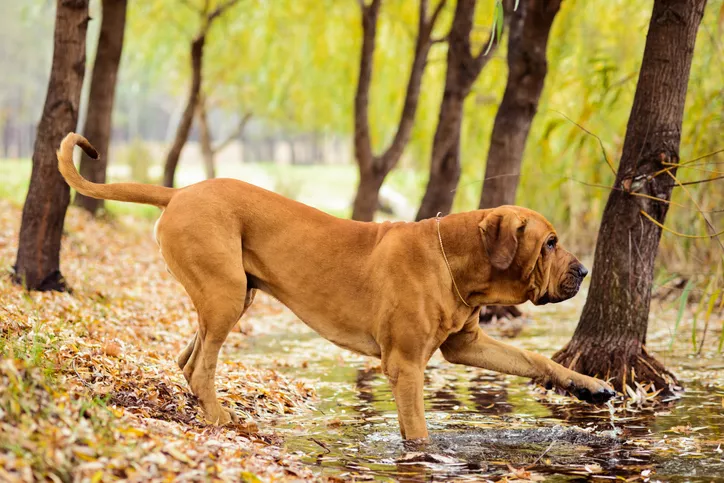
Also called the Brazilian mastiff, the Fila Brasileiro was developed in Brazil centuries ago. Their origins are uncertain, but they’re believed to have originated from mastiffs, bloodhounds, and ancient bulldogs. Filas were valued for their protective instincts and power, which enabled them to hunt and subdue large prey such as jaguars.
The Fila Brasileiro is bold, strong, and devoted to their human family, and they can do well with respectful children. They like to stay close and keep watch over their people. The Fila is fiercely protective of loved ones and property but is often reserved with strangers.
Filas may not do well with small pets due to their strong hunting instinct, but usually get along well with other medium and large dogs if they’re raised together.
Breed Overview
GROUP: Molossoid breeds, Mastiff type (FCI)
HEIGHT: 24 to 28 inches (female); 26 to 30 inches (male)
WEIGHT: 130 to 160 pounds (female); 140 to 180 pounds (male)
PERSONALITY/TEMPERAMENT: Reserved, protective, fearless, active, alert
Energy Level: Medium
COAT AND COLOR: Short, smooth, dense; brindle, fawn, and black; with or without black markings on the face
LIFE SPAN: 9 to 11 years
07 of 09
Neapolitan Mastiff
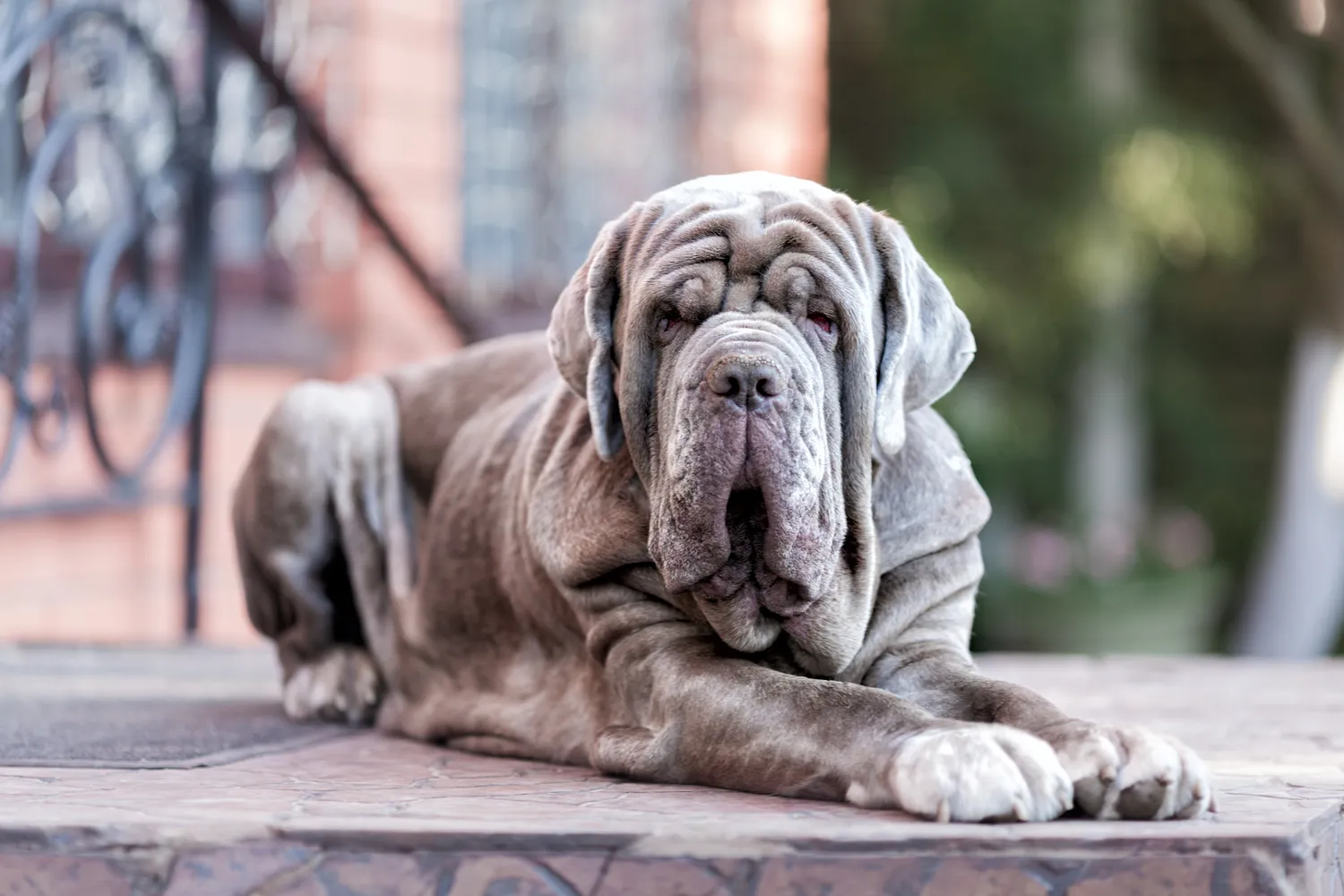
With their enormous build, wrinkled skin, and formidable expression, the Neapolitan mastiff looks every bit the war dog that they once were in Ancient Rome. It is believed that the breed was purposely developed to look intimidating so the appearance alone would be enough to stop attackers, and the effect works extremely well.
With family, the Neapolitan mastiff is calm, gentle, and affectionate, and they get along well with children they are familiar with. Due to the breed’s guarding background and great size, early training and socialization are needed to help the Neapolitan mastiff mature into a well-balanced and well-behaved family member.
Breed Overview
GROUP: Working
HEIGHT: 24 to 31 inches
WEIGHT: 110 to 150 pounds
PERSONALITY/TEMPERAMENT: Protective, stubborn, fearless, companionable, loyal
Energy Level: Low
COAT AND COLOR: Short and shiny; black, blue, mahogany, tawny, or brindle
LIFE SPAN: 7 to 9 years
08 of 09
Spanish Mastiff
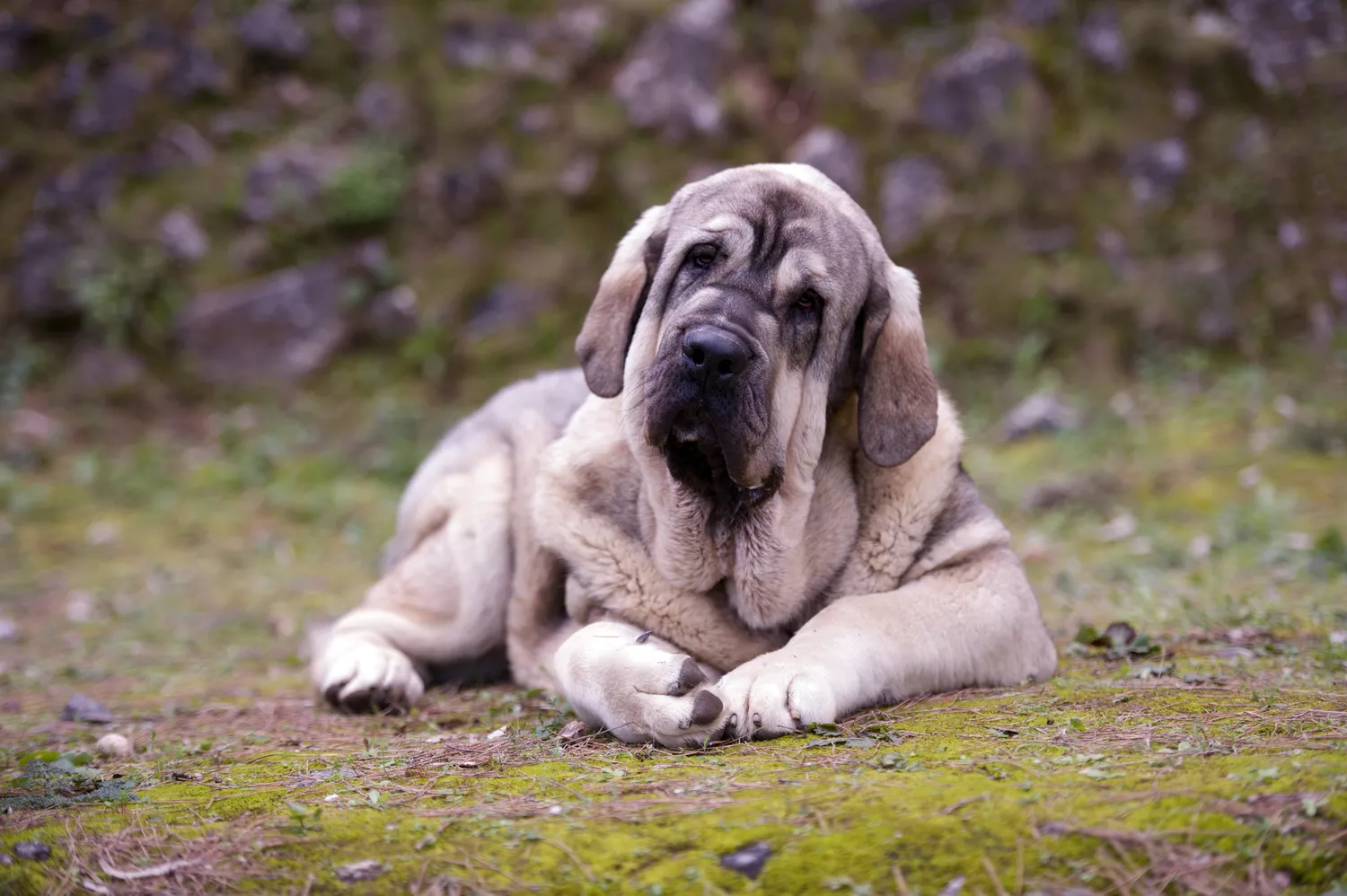
The Spanish mastiff is an ancient breed from the Iberian Peninsula that was primarily used to protect livestock from predators. The breed’s exact origin is uncertain, but their role became vital in 10th-century Spain due to the importance of sheep farming.
This is one of the friendliest mastiff breeds. Spanish mastiffs typically exhibit a warm and laid-back demeanor with their family. However, their cautiousness towards unfamiliar people and even other dogs can significantly influence their behavior. With proper training and socialization, Spanish mastiffs are amiable and well-behaved companions.
Breed Overview
GROUP: Working
HEIGHT: 28 to 35 inches
WEIGHT: 140 to 200 pounds
PERSONALITY/TEMPERAMENT: Affectionate, protective, alert
Energy Level: Medium
COAT AND COLOR: Short, smooth double coat; black, fawn, red, wolf gray, or yellow with/without white and/or brindle markings
LIFE SPAN: 10 to 12 years
09 of 09
Tibetan Mastiff
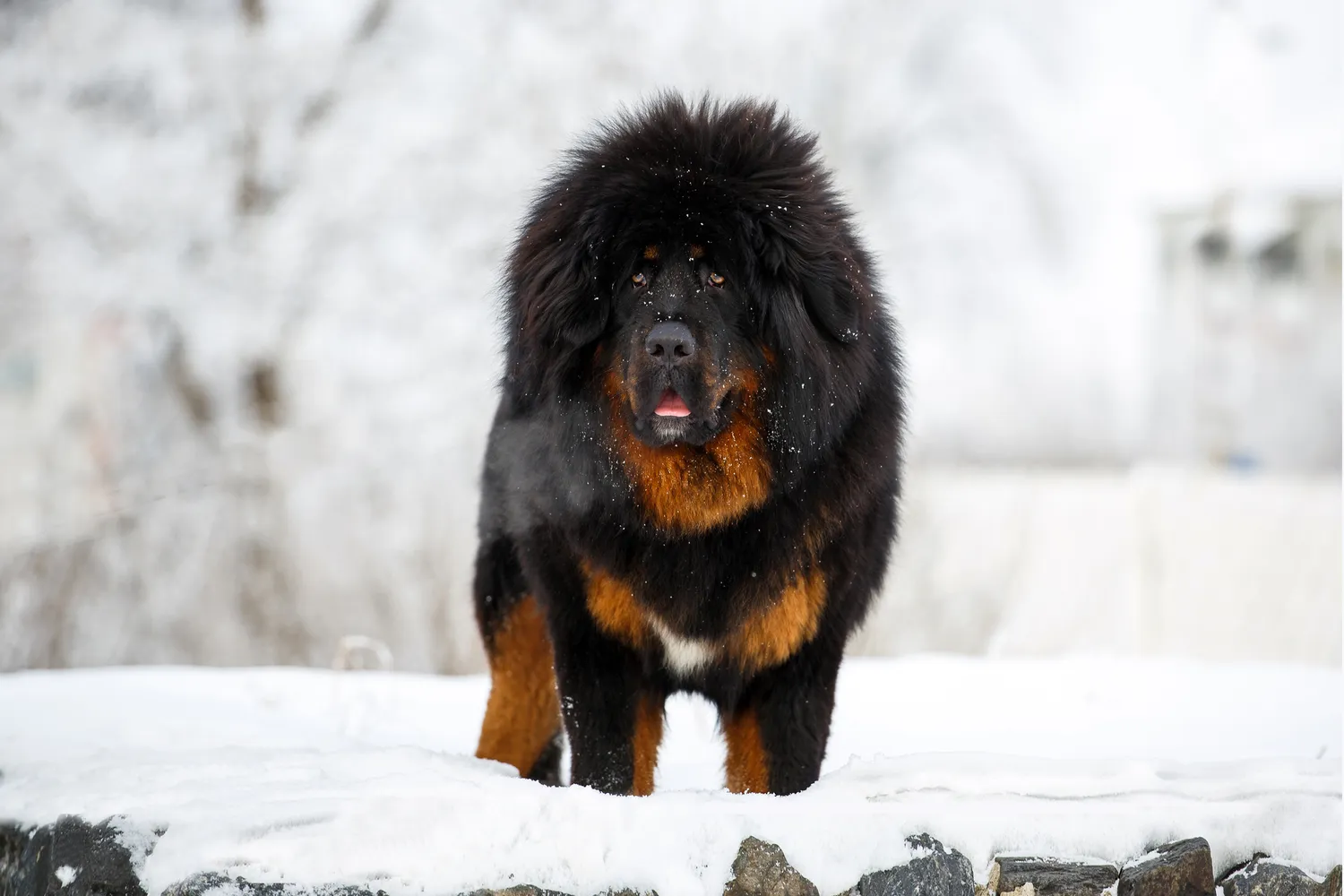
The history of the ancient Tibetan mastiff is not as well-documented as other breeds due to the isolation of their country of origin—Tibet—and a lack of written information about the breed, but the dog has existed for thousands of years in Central Asia, where they were used to guard estates.
The massive Tibetan mastiff retains their protective instincts, committed to watching over their home and human family with endless tenacity.
The Tibetan mastiff requires extensive socialization, and the breed can be difficult to train, so this breed requires a confident dog parent who can be a firm yet fair leader. For knowledgeable pet parents with guardian dog experience, the Tibetan mastiff is unparalleled for their loyalty, devotion, and drive to protect family.
Breed Overview
GROUP: Working
HEIGHT: 24 to 26 inches
WEIGHT: 70 to 150 pounds
PERSONALITY/TEMPERAMENT: Intelligent, protective, strong-willed, tenacious, aloof
Energy Level: Low
COAT AND COLOR: Outer coat is fine, hard, straight, and stand-off; undercoat is heavy, soft, and woolly; hues of black, brown, blue/grey, or gold
LIFE SPAN: 10 to 12 years



