10 of the Biggest Dog Breeds That Are Strong Yet Gentle
Dogs come in all shapes and sizes, from tiny breeds like the Chihuahua to the biggest dog breeds like the enormous Great Dane. If you’re someone who loves big dogs, you have many large dog breeds to choose from, in a variety of personalities and coat types.
Here are 10 of the biggest dog breeds in the canine kingdom.
Breed Characteristics
The biggest dog breeds definitely make their presence known when they are in a room with you. They are often tall and muscular, and typically weigh well over 100 pounds. Be sure you can handle such a large canine, from training and leading them to walking them on a leash.
Because they are bigger, large dogs need more food, more space, and the right toys that will be an appropriate size and be tough enough to handle their strong teeth and nails. Ultimately, large dog breeds will require more of everything than smaller breeds, so consider the extra costs of food, medications, grooming, and dog supplies before bringing one home.
Also consider the amount of space you have. Some large breeds are calm and can do well in small spaces, but others do best in larger homes with yards.
01 of 10
Boerboel
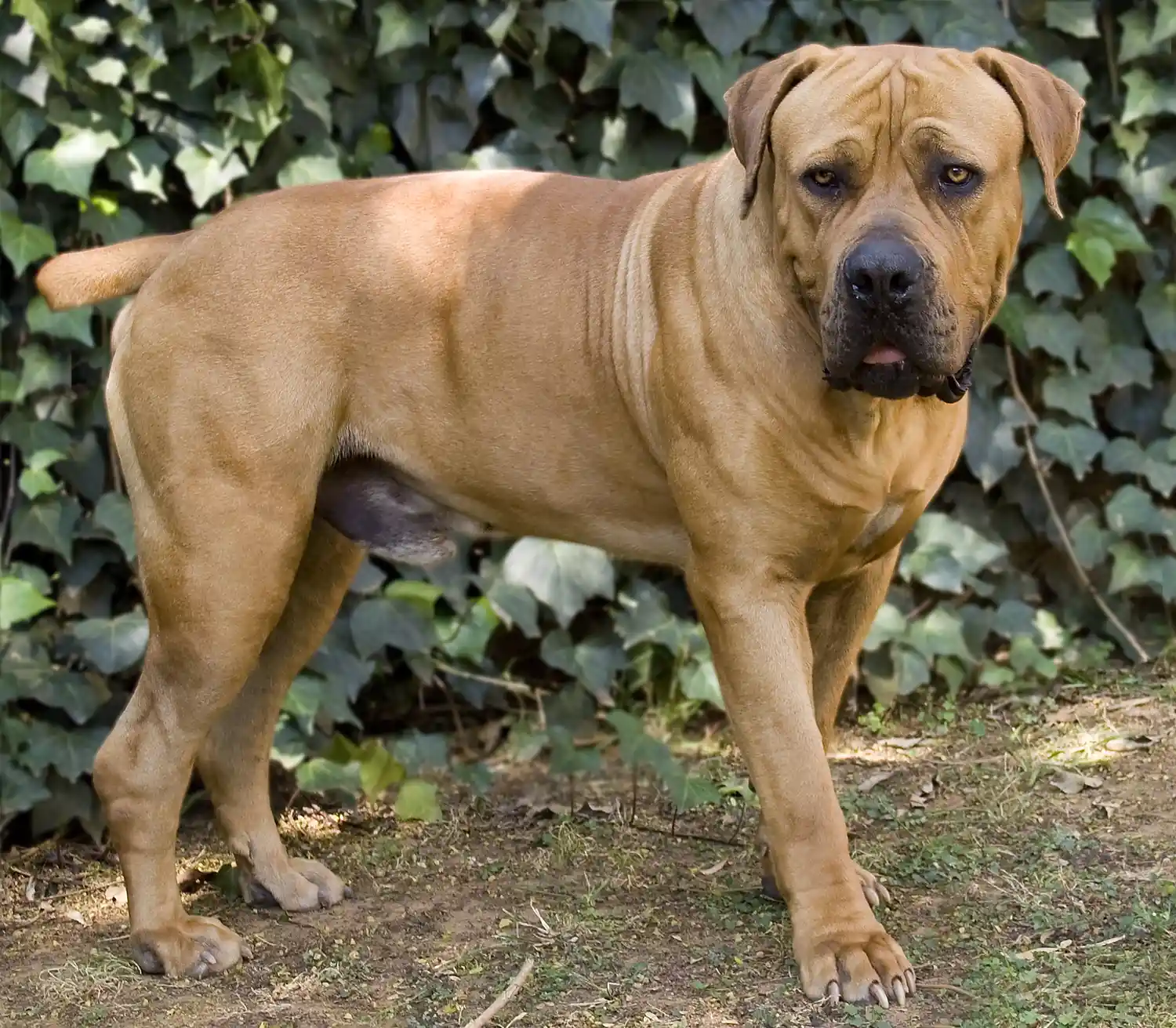
At 150 to 200 pounds, the boerboel, also known as the South African mastiff, is stocky, muscular, and powerful, making it one of the biggest dog breeds.
The breed’s exact origins are unknown, but several mastiff-type breeds as well as Victorian bulldogs and local African dogs likely contributed to the breed. A farm guardian in rural South Africa, the boerboel protected livestock from predators and thieves and guarded family.
Breed Overview
02 of 10
Great Dane
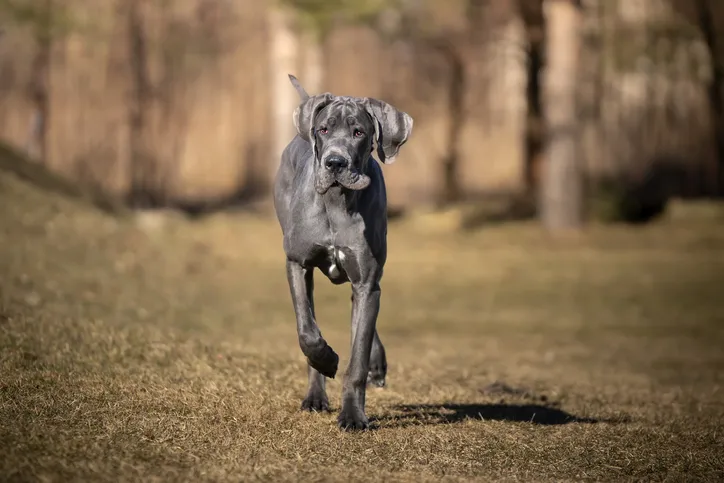
The Great Dane is well-known for their imposing size (males can be 200 pounds), but most people are surprised to learn how friendly and mellow these gentle giants are in real life. Originally, Great Danes were hunting dogs, but the breed morphed into a laid-back, gentle companion that we see today.
As with any giant breed, early and consistent training are crucial to prevent any accidental injuries from their sheer size.
Breed Overview
03 of 10
Irish Wolfhound
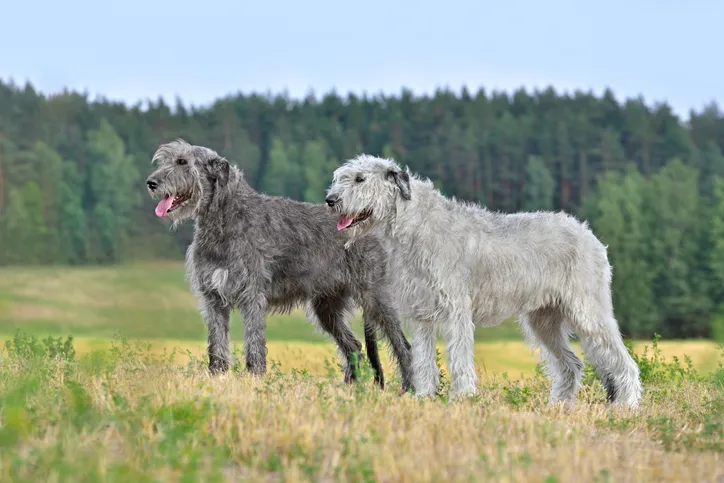
Though not the heaviest breed, the Irish wolfhound holds the record of being the tallest of all breeds, so it’s considered one of the biggest dog breeds. Male Irish wolfhounds can be at least 32 inches tall at the shoulder and weigh as much as 180 pounds.
The Irish wolfhound was developed in Ireland as far back as the 5th century. They were originally used by noblemen and kings to hunt elk, boar, and wolves.
Breed Overview
04 of 10
Leonberger
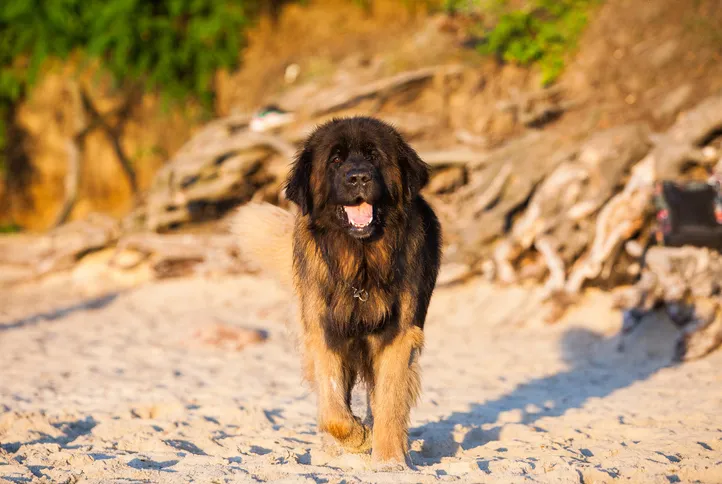
The majestic Leonberger originated in the 1800s in the city of Leonberg in Baden-Württemberg, Germany. Originally used as a family, farm, and draft dog, the breed was developed using Newfoundlands, Saint Bernards, and Pyrenean mountain dogs.
Despite being large and muscular, the Leonberger is surprisingly agile and light on their feet. Although they are gentle, friendly dogs, their sheer size and strength make early and consistent training a must.
Breed Overview
05 of 10
Mastiff
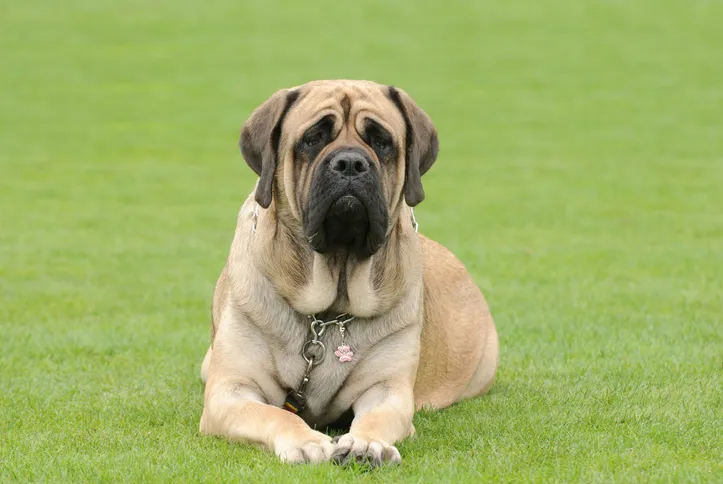
The mastiff, also known as the English mastiff or Old English mastiff, is an ancient breed that was originally used for hunting and guarding. They can be traced back to ancient times with depictions of the breed seed on Egyptian monuments and mentions by Caesar.
The mastiff was once quite ferocious, but today’s breed is gentle and friendly, but they retain their courage and protective instincts.
Breed Overview
06 of 10
Neapolitan Mastiff
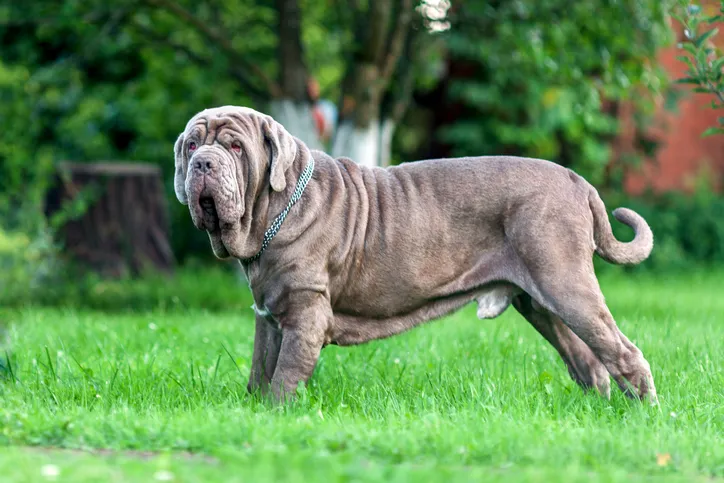
The Neapolitan mastiff looks extremely intimidating thanks to their massive size, wrinkled skin, and dour expression. It’s not hard to imagine this dog fighting on the war field—something the Neapolitan mastiff did for the Ancient Romans.
At home, the Neapolitan mastiff is loving, loyal, and affectionate, but early training and socialization are a must with this breed, which is best for experienced dog parents.
Breed Overview
07 of 10
Newfoundland
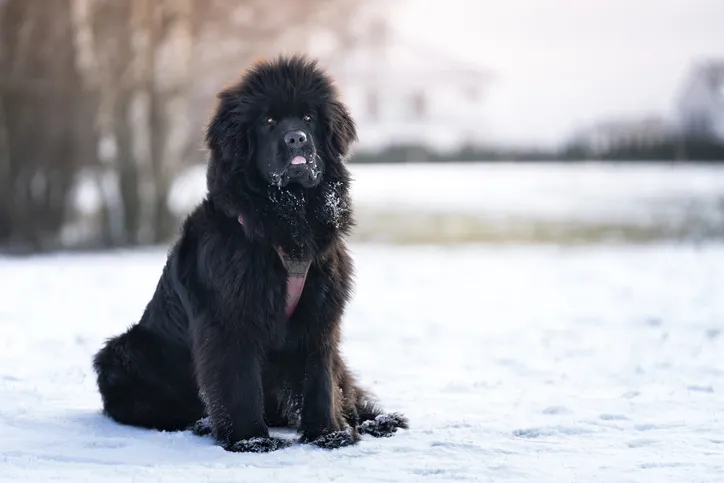
The Newfoundland originated on the Canadian island of Newfoundland. When European fishermen brought their dogs with them to Newfoundland, a new breed evolved in response to the island’s terrain and climate.
On land, the massive Newfoundland pulled carts and hauled wood, and in the water, they worked alongside fishermen hauling nets out from icy water, swimming to deliver lines, and serving as rescue dogs.
Today, the breed is still well-known for their natural life-saving instincts, both on land and in the water. Docile and sweet-natured, the Newfoundland is truly a gentle giant.
Breed Overview
08 of 10
Saint Bernard
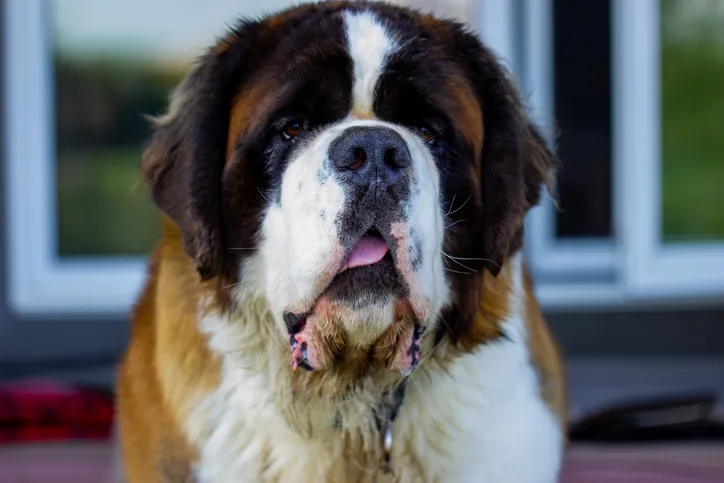
The Saint Bernard was developed in the Swiss Alps by monks who used the giant dogs to search and rescue stranded travelers in the snowy mountains. In addition to their massive size—males weigh on average 140 to 180 pounds—the Saint Bernard was well-suited to such work thanks to a thick, warm coat and brave temperament.
Today’s Saint Bernard is unlikely to head out into the snow on a rescue mission, but they will keep a watchful eye on the goings-on at home. The breed’s affinity for children is well-known—they're often called “nanny dogs.”
Breed Overview
09 of 10
Tibetan Mastiff
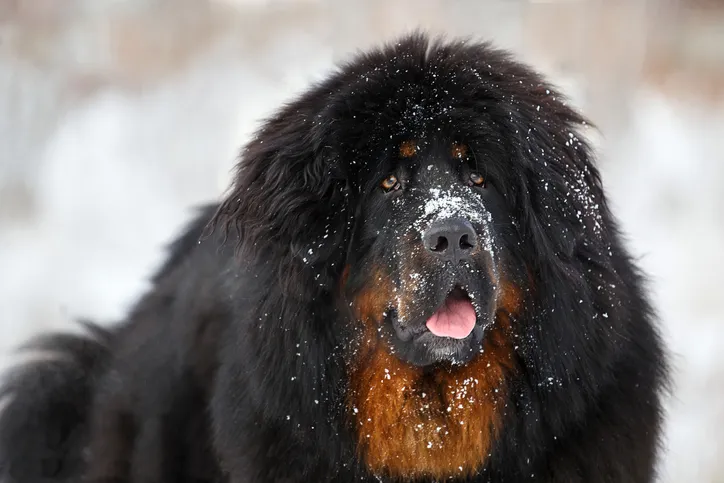
The Tibetan mastiff developed in isolation in its country of origin, Tibet. Though we don’t have much written information about the breed, most experts agree that it has existed for thousands of years in Central Asia. Once used as an estate guardian, the breed remains protective and takes seriously the job of watching over their property and human family.
Because the Tibetan mastiff is very large, naturally wary of strangers, and can be difficult to train, the breed is best left in the hands of a knowledgeable dog parent who is experienced with giant guardian breeds.
Breed Overview
10 of 10
Tosa Inu
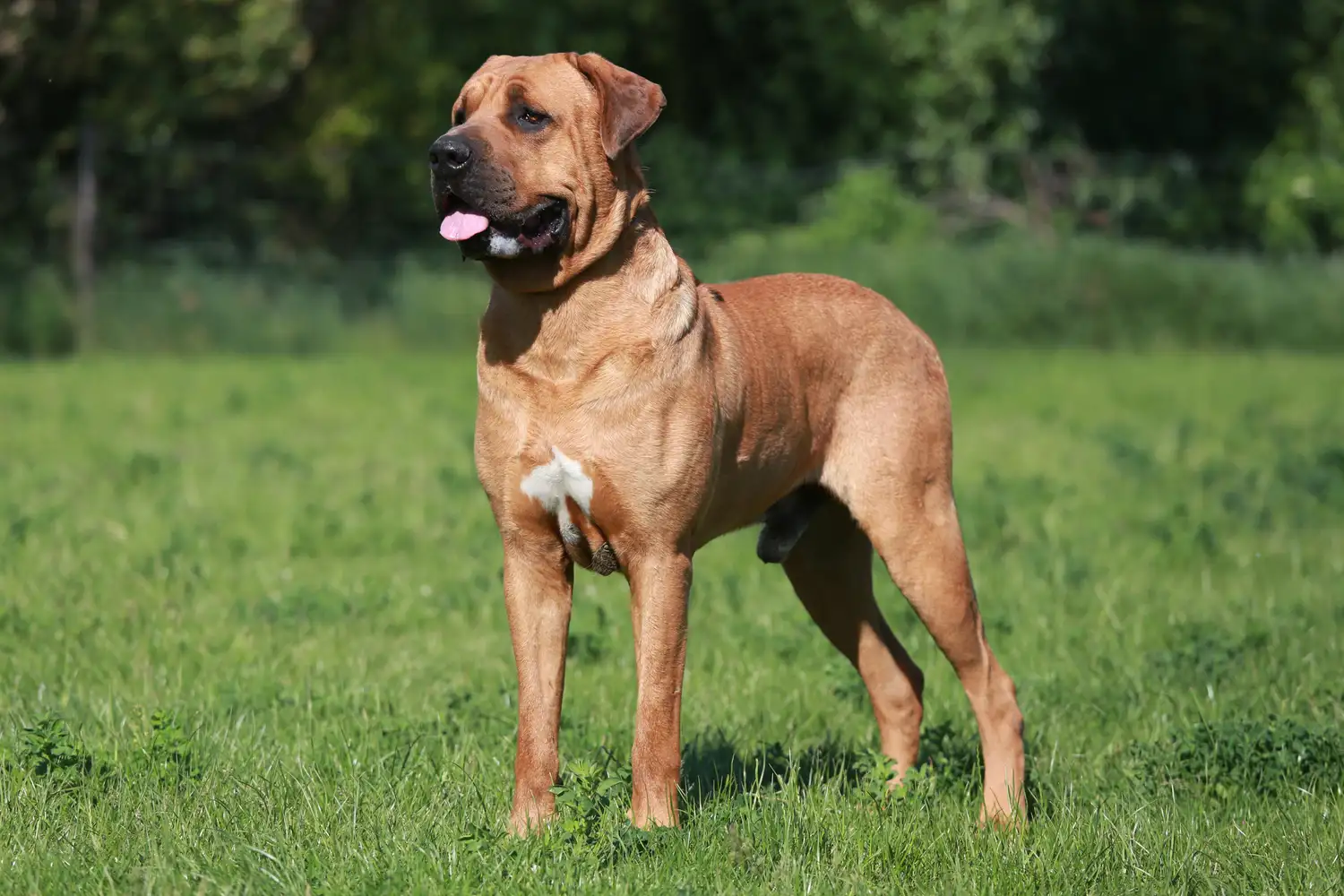
Sometimes called the Japanese mastiff, the Tosa Inu was developed in Japan using a native Japanese breed called the Shikoku and a few Western breeds, including the bulldog, mastiff, German pointer, Great Dane, and possibly others.
Originally bred for dog fighting, the Tosa Inu is now mostly seen as a family dog for the right family. This is an expert-level breed best suited for those with extensive experience with large guardian breeds.
Breed Overview
Breeds to Avoid
If you prefer getting one of the biggest dog breeds for your family, you’ll want to avoid dogs that are known for their smaller stature. There are many small and medium sized dogs that would not be appropriate if you want a big and intimidating canine at your side. Examples include the dachshund, Boston terrier, Australian shepherd, and beagle, to name just a few.



