Kurilian Bobtail: Cat Breed Profile, Characteristics & Care
The Kurilian bobtail is a Russian cat breed known for its wild appearance and short "pom-pom" tail. Although it looks a bit like a wild cat, this breed is gentle, friendly, and completely domesticated. The breed developed naturally on remote islands of Russia's Kamchatka Peninsula and was perpetuated by the likes of sailors, soldiers, and cat fanciers in Russia and Europe. Today, these relatively rare cats make delightfully affectionate and easygoing family pets.
Kurilian Bobtail Characteristics
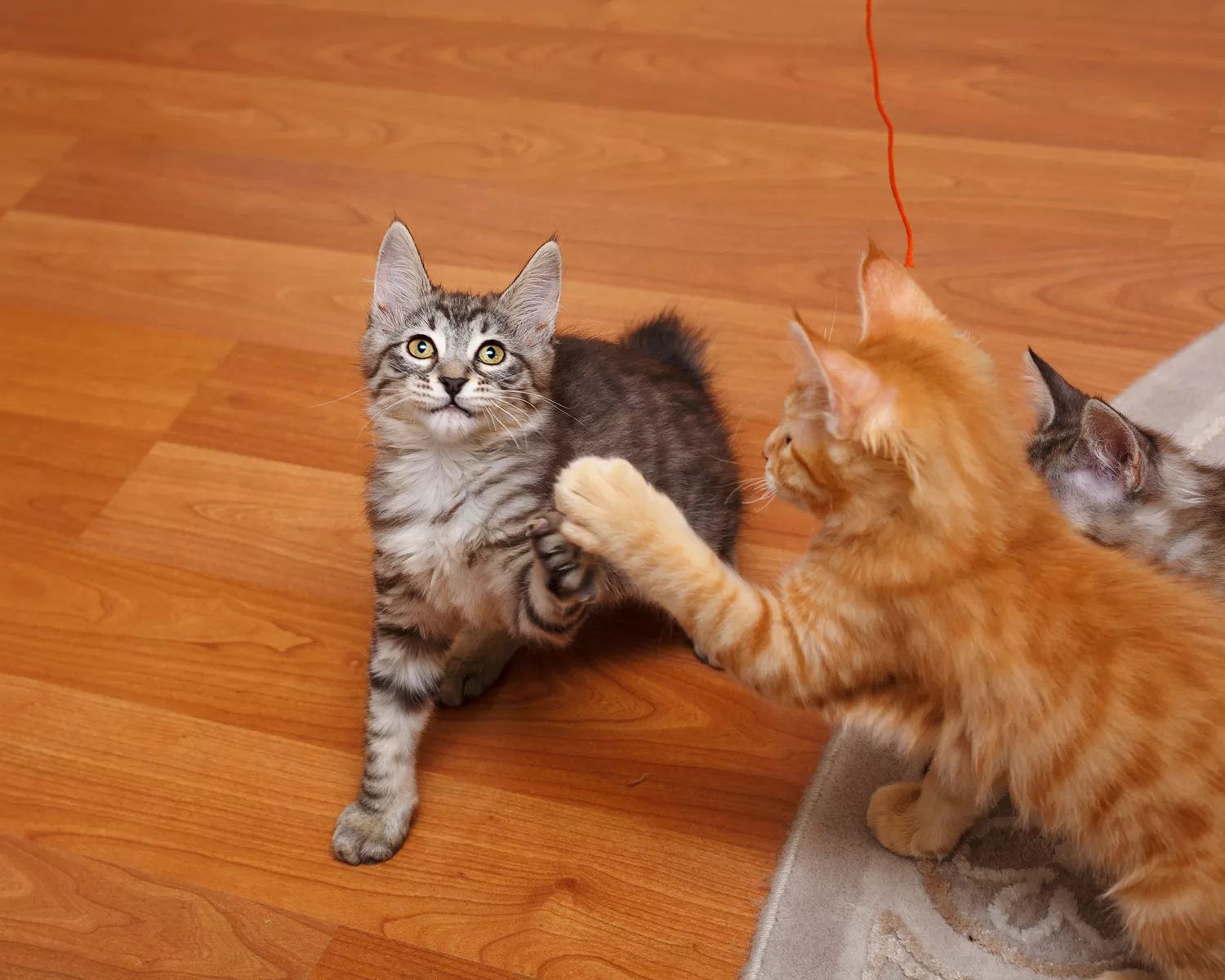
Active and outgoing, Kurilian bobtails are charming companions that love to cuddle and play. Thanks to its exceptionally easy-going personality, the Kurilian bobtail gets along with everyone, including gentle children. That laid-back temperament extends to the animal kingdom as well; the Kurilian bobtail typically co-exists peacefully with family pets including other cats and friendly dogs.
History of the Kurilian Bobtail
The Kurilian bobtail hails from the Russian Kamchatka peninsula on the islands of Sakhalin and Kuril. Though no one knows for sure exactly how old the breed is, the Kurilian bobtail developed naturally on the islands at least 200 years ago.
The unique cat with its distinctive tail caught the eye of visiting explorers (sailors, scientists, or military personnel), and they brought some of the cats back with them to central Russia in the mid-1900s. Russians appreciated the cats' fine hunting skills and put them to work dispatching rodents. The breed spread to Europe, but it is still largely unknown in North America.
The Kurilian bobtail is recognized by the International Cat Association (TICA). In 2012, the breed was granted championship status by TICA, which allows cats to compete in cat shows for titles.
Kurilian Bobtail Care
Grooming
The Kurilian bobtail’s silky coat resists matting, so it is easy to care for. Weekly brushing with a slicker brush will remove loose hair. The occasional bath will keep the coat feeling clean and soft.
Trim your Kurilian bobtail’s nails every two weeks, and check inside the ears weekly. If you see any redness or notice any odor, or if your cat is shaking its head or scratching at the ears, schedule an appointment with your veterinarian. If the ears appear dirty, clean with a pet ear cleaner using a cotton ball and or gauze (never use a cotton swab to clean a cat’s ear).
Exercise
Kurilian bobtails are highly intelligent and love learning new things. You might be surprised to learn that Kurilian bobtails can easily be taught tricks. It’s also simple to teach your Kurilian bobtail the house rules, though your cat may or may not choose to follow them. In general, the breed is easy to live with and fun to be around.
Kurilian bobtails are naturally quite active, but you can help your cat get enough exercise and indoor enrichment by providing places to climb and perch like cat trees and kitty condos, and engaging your cat in fun play by teasing with feather wands, toy mice, and interactive toys. To allow your cat to enjoy scratching, which is a natural behavior, provide a variety of acceptable scratching surfaces. Some cats like to scratch vertically (as with scratching posts or cat trees) and others prefer to scratch horizontally (as with cardboard or sisal scratchers that lie on the ground).
Common Health Problems
While some pedigree cats may face genetic health issues, the Kurilian bobtail is notably healthy with no known common health problems. Responsible breeders select healthy breeding stock and often provide a health guarantee.
Appearance
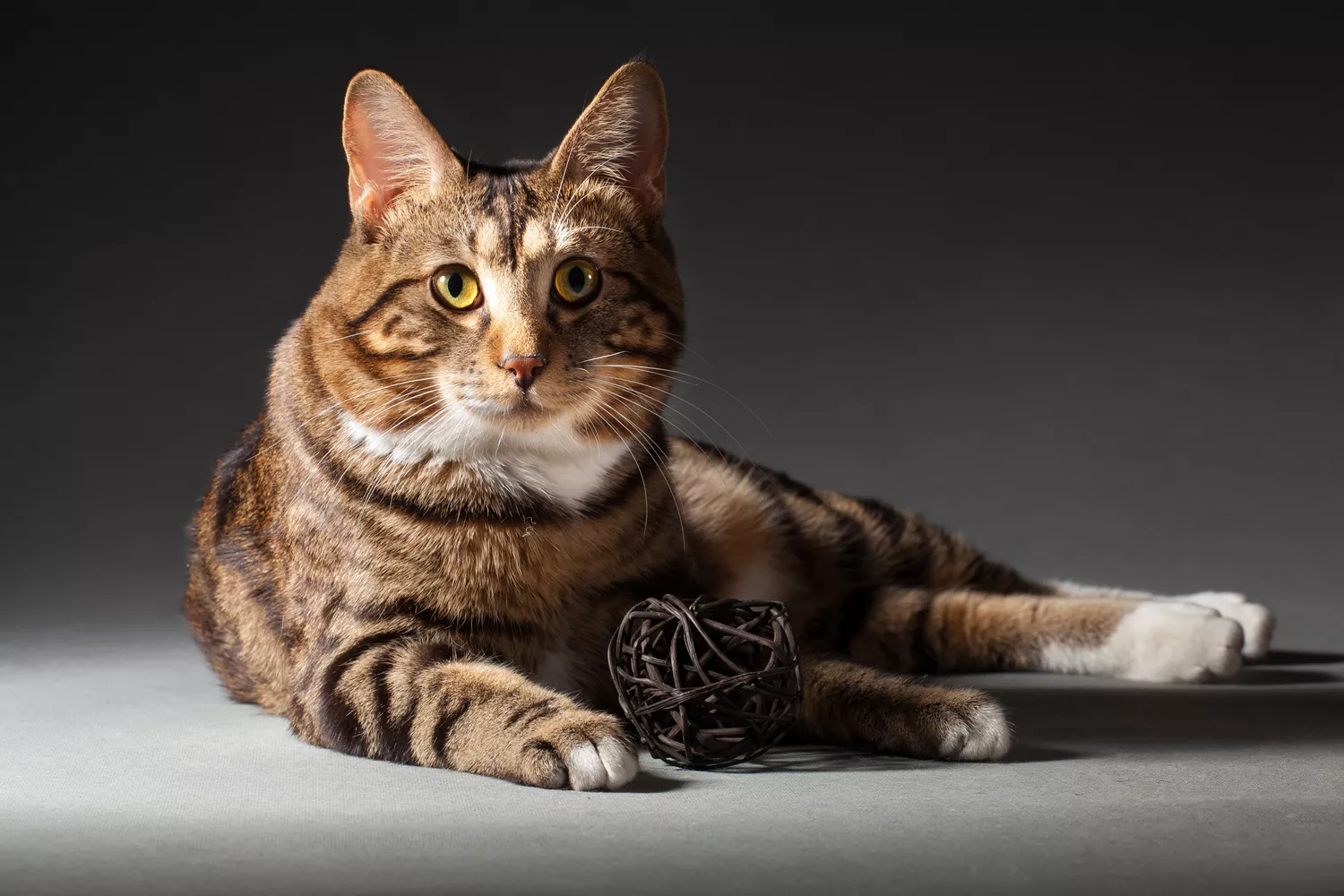
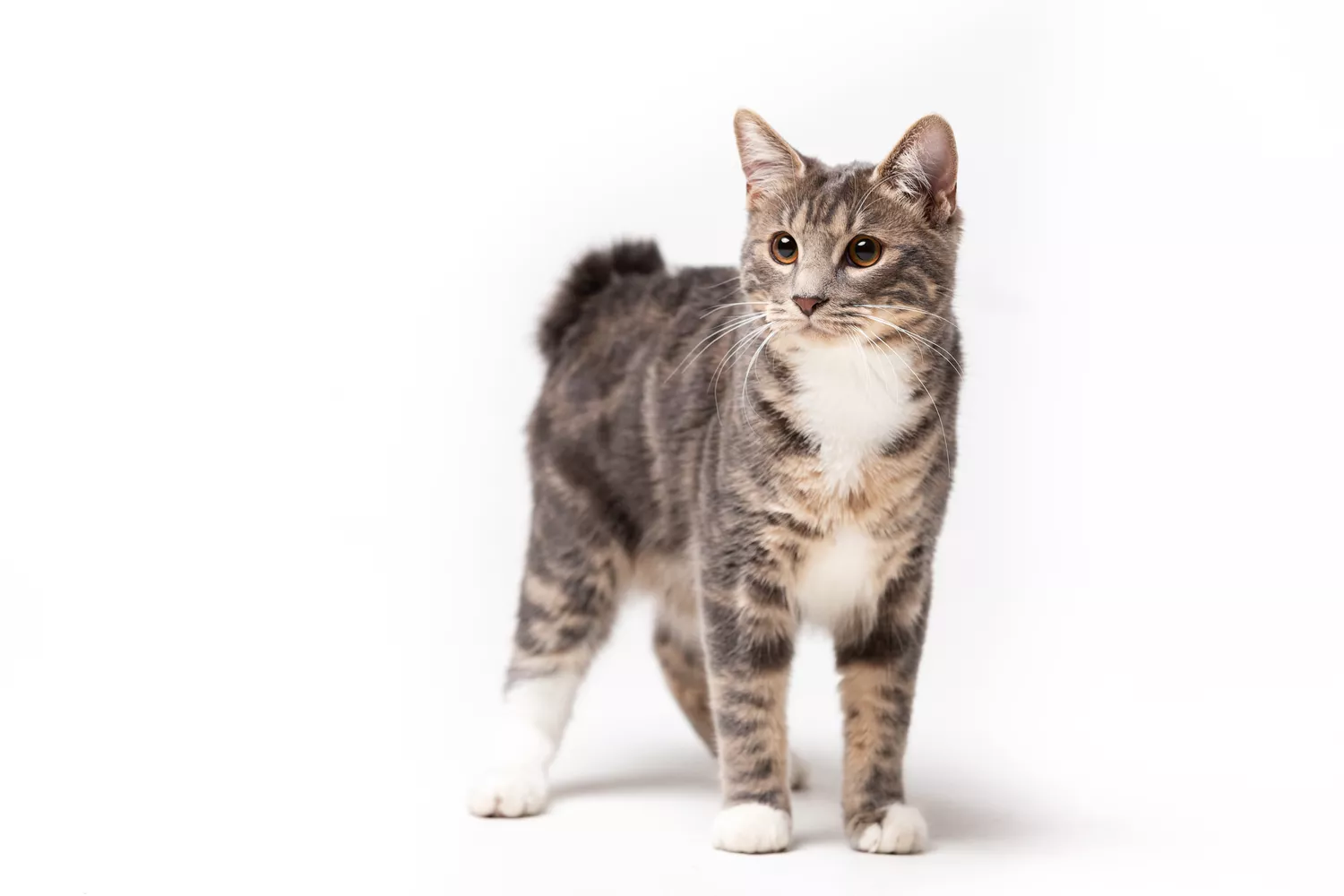
A compact and hefty cat, the medium to large-sized Kurilian bobtail has a solid build and substantial boning. The Kurilian bobtail is what is known as a natural breed, meaning it initially developed on its own without human intervention. It comes in various traditional solid or tabby colors, with or without white markings.
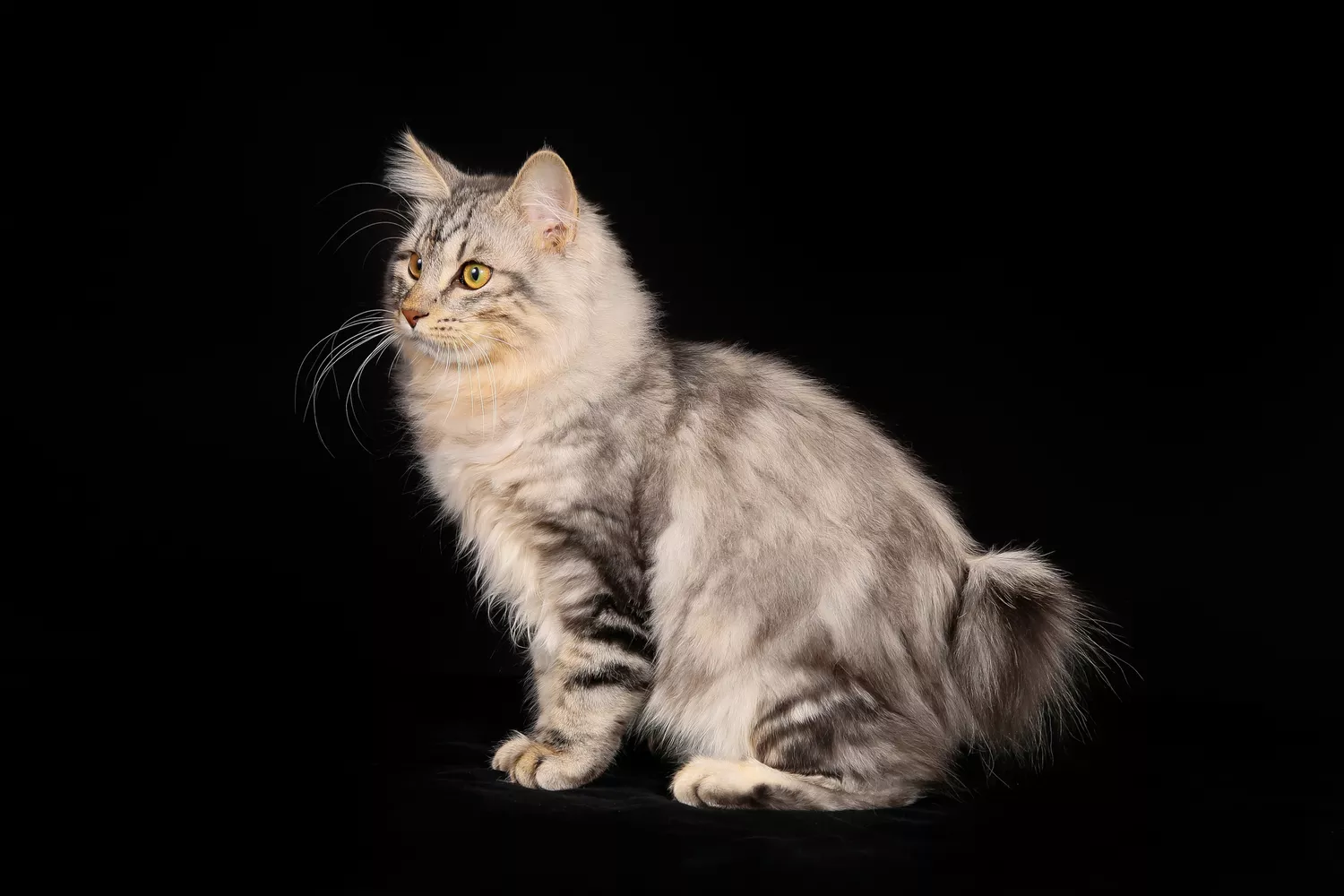
The Kurilian bobtail comes in two coat varieties: short and long (described as semi-long-haired by the breed standard). In both coat types, the soft, silky hair lies flat and has a moderate undercoat. In the short-haired variety, the tail hair is the same length as the hair on the body. Semi-long-haired Kurilians have a full, plumed tail.
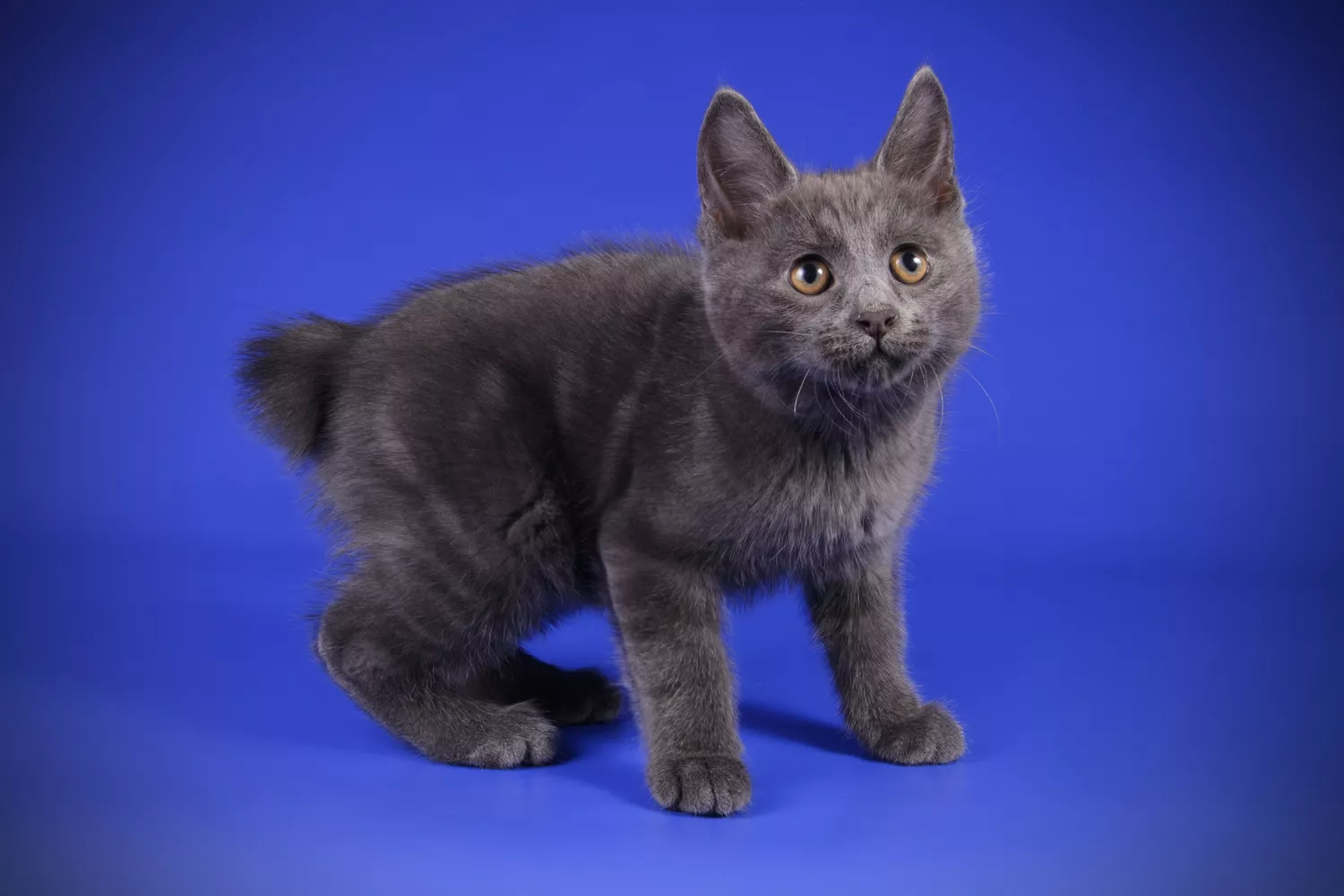
The Kurilian's tail is less than 5 inches long and has fewer than ten vertebrae (the average cat tail has 19 to 23 of these small spinal bones). The tail kinks or curves in a variety of directions, lending different looks described by the breed standard as “snag," “spiral,” or “whisk.” Like fingerprints or snowflakes, no two Kurilian bobtail tails are alike.
Diet and Nutrition
Obesity is a concern among cats in general. Cats should not be overfed or allowed to become overweight. Keeping your Kurilian bobtail at an ideal weight can reduce the incidence of certain health issues like diabetes, heart disease, and arthritis. Feed your Kurilian bobtail measured amounts of food at regular meal times (twice a day for adult cats). Free-feeding (leaving food out all day), leads to mindless snacking, which can contribute to weight gain. Ask your breeder or veterinarian to recommend a healthy food for your Kurilian bobtail cat.
Where to Adopt or Buy a Kurilian Bobtail
If you’re thinking about buying a Kurilian bobtail kitten, consider visiting a local cat show, where you can see many different cat breeds and connect with reputable breeders. To find a cat show in your area, do an internet search for “cat show near me."
Even if you're looking to rescue, contact breeders first. Due to the rarity of the breed, finding a Kurilian bobtail at local shelters is improbable. The International Cat Association maintains a list of active breeders on its website.
Kurilian Bobtail Overview
The naturally developed Kurilian bobtail breed bears the wild look of its Russian ancestry with a charming personality that garners worldwide adoration. Although it is difficult to find one of these cats due to their rarity in the US, lucky owners enjoy the playful and affectionate companionship of their big, bob-tailed companions.
More Cat Breeds and Further Research
If you’re interested in similar breeds, check out:
Japanese Bobtail
Pixie-Bob
Siberian Cat
Otherwise, check out all of our other cat breed profiles.



