Dogue de Bordeaux: French Mastiff Characteristics and Care
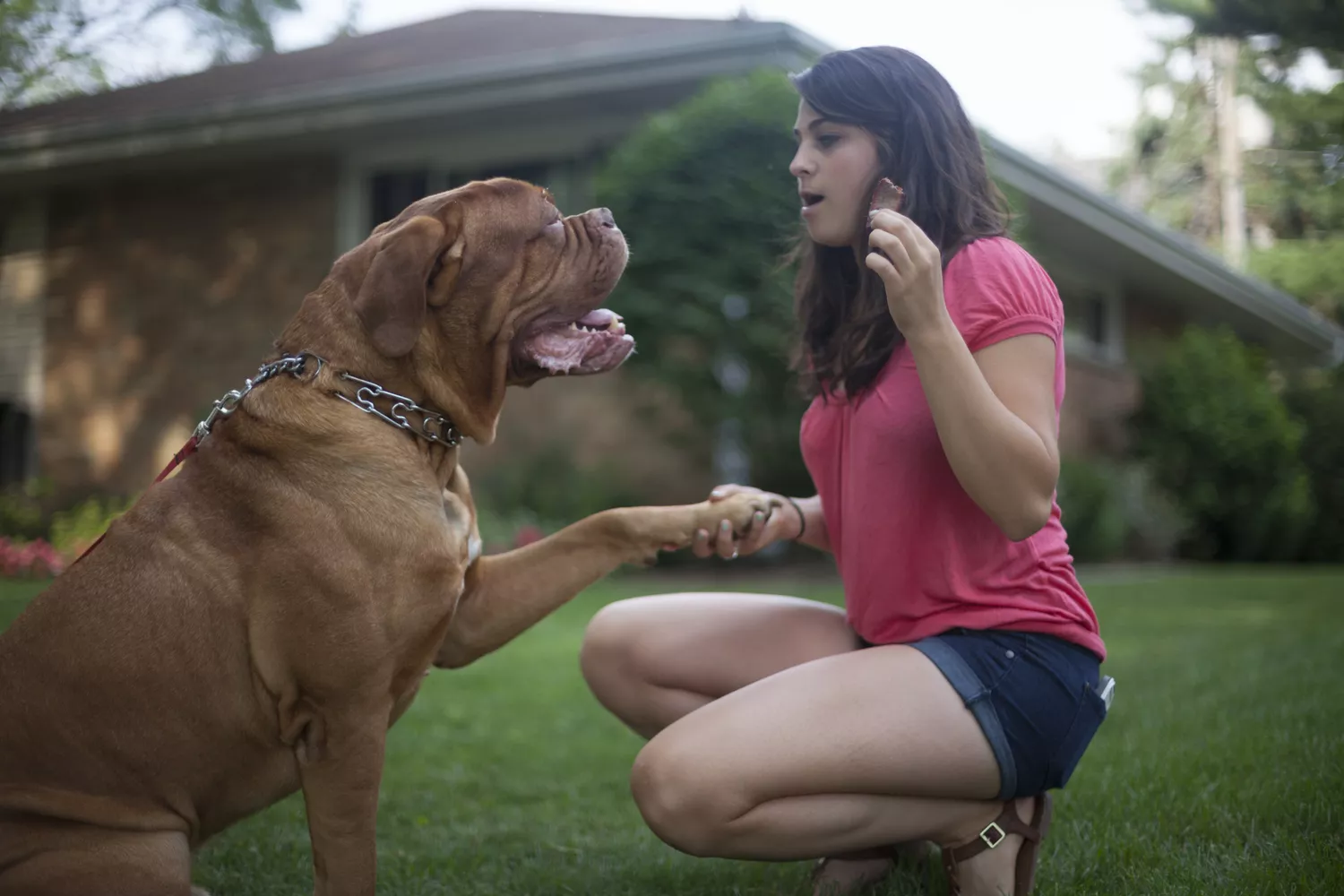
The Dogue de Bordeaux, also known as the French mastiff, is a large French working dog renowned for its gentle and quiet demeanor, making it an excellent family pet. As one of the oldest and rarest breeds in France, this mastiff is muscular, stocky, and well-balanced, possessing the largest head in the dog kingdom.
This breed dates back to the middle ages in France where these dogs were used to hunt wild game. Despite their powerful appearance, the Dogue is notably gentle in demeanor, while their intense loyalty makes them highly effective guard dogs.
Discover more about the Dogue de Bordeaux, including its size, temperament, housing needs, and care tips.
Breed Overview
GROUP: Working
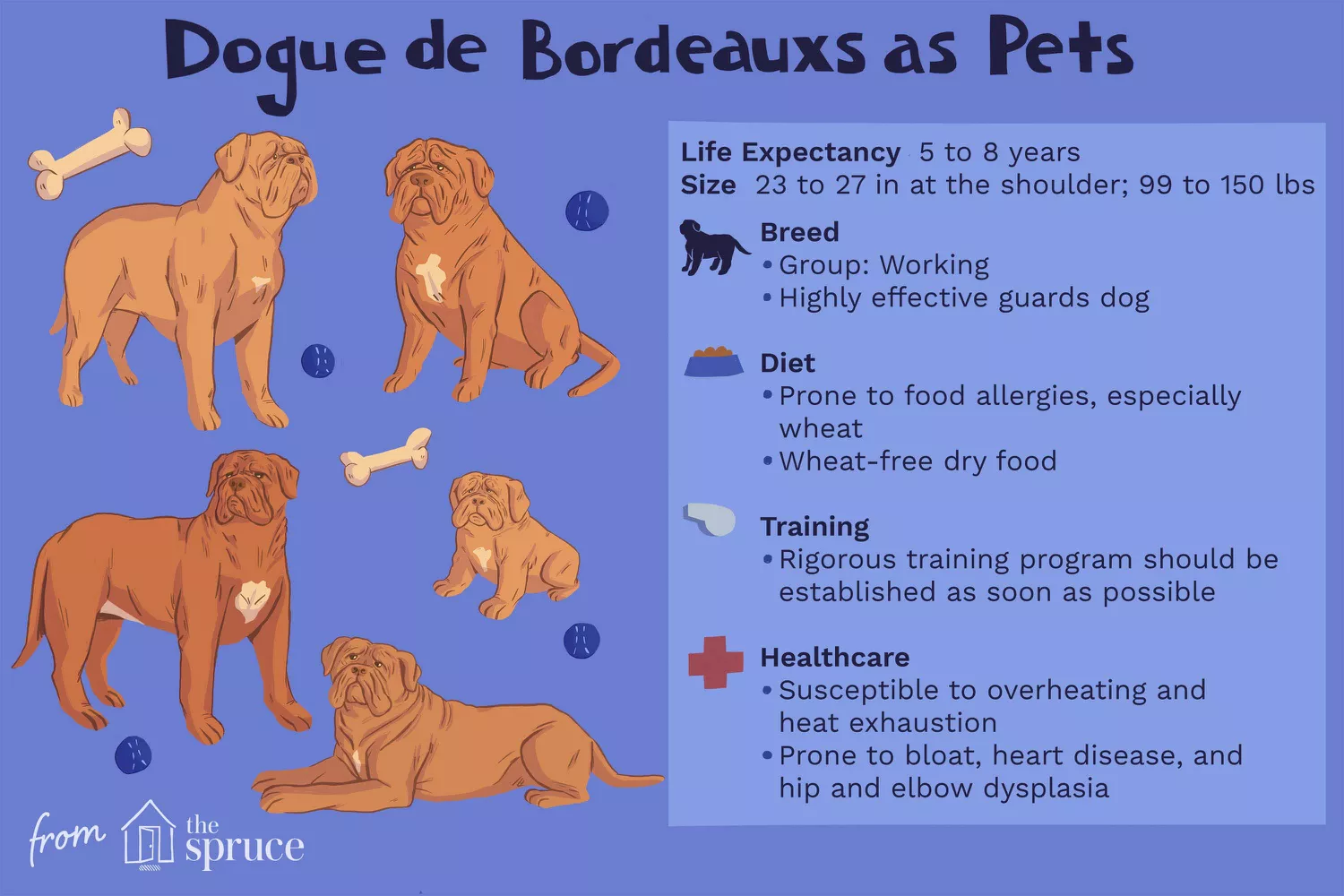
HEIGHT: 23 to 27 inches at the shoulder
WEIGHT: 99 to 150 pounds
COAT: Short, soft
COAT COLOR: Various shades of fawn, ranging from light to dark red; small patches of white may be present
LIFE SPAN: 5 to 8 years
TEMPERAMENT: Devoted, even-tempered, vigilant, loyal, companionable
HYPOALLERGENIC: No
ORIGIN: France
Characteristics of the Dogue de Bordeaux
The Dogue de Bordeaux has a strong temperament and is an excellent dog for most households. They typically get along well with children, but caution should be exercised around small kids as this giant dog may not fully realize its size. Overall, the Dogue de Bordeaux is an ideal choice if you're seeking a large canine that makes a wonderful protector and companion.
Major differences between a French mastiff and a mastiff include that French mastiffs are slightly shorter, have a more protective personality, and require more grooming. They can be higher maintenance due to drooling, yet both breeds make great family dogs.
Affection Level | High |
Friendliness | Low |
Kid-Friendly | High |
Pet-Friendly | Low |
Exercise Needs | High |
Playfulness | Medium |
Energy Level | Medium |
Trainability | Medium |
Intelligence | Medium |
Tendency to Bark | Low |
Amount of Shedding | Medium |
History of the Dogue de Bordeaux
Although the Dogue de Bordeaux did not become eligible for AKC registration until 2007, they are considered one of the oldest breeds in France. While their true origins are not completely clear, the Dogue is likely a relative of the bulldog and bullmastiff.
The Dogue was traditionally employed to protect, herd cattle, hunt, and engage in bull-baiting. Historically found in affluent French homes, the breed endured numerous hardships and attempts at extinction over time.
In the 1960s, breeders advanced the development of the Dogue de Bordeaux, boosting its popularity. The breed is perhaps best known for its charming role in the 1989 film *Turner & Hooch*, starring Tom Hanks.
Dogue de Bordeaux Care
The Dogue de Bordeaux may have a strong instinct to chase smaller animals, such as cats. The breed also might not tolerate another dog in the household, especially of the same sex. While socialization and training can mitigate issues, they may not completely eliminate the risks.
Exercise
The Dogue de Bordeaux is moderately energetic for its size and requires a proper outlet. This breed is not suited for apartment living, as it needs space to play and daily exercise. Alongside training, adequate exercise, like one long walk or a few shorter walks each day totaling about 45 minutes, is crucial.
Fun activities for this breed include:
Short hikes
Agility
Swimming
Fetch
Scent work
However, avoid overexerting this large breed, which may be prone to orthopedic problems. Walk them at a comfortable pace, not a vigorous one.
Additionally, the Dogue is a brachycephalic (short-nosed) breed that may overheat or develop breathing issues. Ensure a firm understanding of your dog's endurance level, as you won't be able to carry this mega-sized dog home if it can't complete a walk on its own four paws.
Grooming
The Dogue de Bordeaux has a short, soft coat that requires minimal attention. Occasionally using a grooming mitt or glove is usually sufficient. Due to their giant size, establish a grooming routine early so your dog becomes accustomed to it.
The numerous skin folds on the Dogue's face and body require routine cleaning to avoid irritation and infection. These folds can trap moisture, dirt, and debris, so keeping them clean and dry is imperative. Use gentle yet effective dog wipes and shampoos.
Regularly brushing your dog's teeth (daily if possible) helps prevent dental disease. Although the Dogue's nails may wear down naturally, check them periodically and trim as needed. Bathe your dog only a couple of times per year, as frequent bathing can lead to skin irritation.
To protect your Dogue’s skin from the sun’s harsh rays outdoors, apply dog sunscreen.
Training
An untrained dog of this size can become uncontrollable. Establish a rigorous training program as soon as possible after acquiring a Dogue. Socialization is equally important, particularly due to the breed's massive size.
Leash training is essential for controlling your large, strong dog and keeping them safe outdoors. Your dog should walk beside you without pulling, allowing you to maintain control at all times.
Positive reinforcement techniques are most effective for this breed, which can be stubborn and challenging to train at times.
Common Health Problems
The Dogue de Bordeaux typically has a shorter lifespan than smaller dog breeds. This breed may face several hereditary health problems. Responsible breeders aim to maintain high breed standards as established by kennel clubs like the AKC, reducing the likelihood of inherited health conditions. Pet parents can prevent some issues by avoiding over-exercising or overfeeding growing puppies, preventing excessive weight gain.
Here are common health problems to watch for in the Dogue de Bordeaux breed:
Cancer: This breed is prone to developing canine lymphoma. This type of cancer affects the formation of a certain type of white blood cell. The disease is treatable and the prognosis for the dog is usually excellent.
Heart disease: Many dogs of this breed die from heart diseases, including dilated cardiomyopathy (the heart does not pump or contract properly) and sub-aortic stenosis (when a dog's aortic valve is abnormally narrow).
Gastric dilation/volvulus: This condition is also known as bloat and stomach torsion. In this condition, gas is produced in the intestinal tract, and the stomach twists, which leads to a medical emergency.
Hip dysplasia: This is a condition where the hip is abnormally developed, affecting the joints and sockets, and eventually resulting in lameness.
Elbow dysplasia: Dysplasia is a genetic disorder that causes abnormal growth of cells in the joints, resulting in the malformation of the joints, pain, and lameness unless it is properly treated.
Hereditary footpad hyperkeratosis: With this inherited problem, the dog’s pads become hard and thick and end up cracking. This is painful and makes walking difficult, and increases the risk of infection.
Skin issues: Keep an eye on your Dogue’s skin to look for signs of irritation or infection, such as dry, flaky skin, redness, and itchiness. This is especially important for skin folds.
Diet and Nutrition
Adult dogs require four to seven cups of dry food daily, divided into two meals. Prevent your dog from gulping large amounts of food, as this increases the risk of bloat and stomach torsion. Feed your dog twice a day, and don't allow free-feeding or exercise for one to two hours post-meal. Ensure clean, fresh water is always available.
This breed is prone to food allergies, particularly to wheat, and may require a special diet. Fortunately, high-quality commercial large breed dog foods are available in wheat-free options.
These dogs can be expensive to feed, as an adult male may consume a 50-pound bag of dry food monthly. Monitor your dog for weight gain and consult your veterinarian about any necessary changes in your dog's diet, feeding schedule, or exercise regimen.
Where to Adopt or Buy a Dogue de Bordeaux
The breed remains rare in both the United States and its native country. While finding a rescue may be difficult, it's not impossible. If acquiring a Dogue de Bordeaux puppy from a breeder, expect to pay between $1,400 and $2,500, with show-ready puppies possibly fetching as much as $5,000.
The best places for you to start your search include the following:
Dogue de Bordeaux Society of America Breeder Listing Service
Dogue de Bordeaux Rescue
Dogue de Bordeaux Overview
The Dogue de Bordeaux is a big dog with a big heart, but it requires considerable training and grooming. These loyal dogs can be loads of fun for an active family and are always ready to protect you.
Pros of Dogue de Bordeaux
Loyal
Courageous and protective
Affectionate and even-tempered
Cons of Dogue de Bordeaux
Slobbery
Expensive nutrition needs
Does not get along well with other pets, particularly other dogs
More Dog Breeds and Further Research
If you believe the Dogue de Bordeaux is the right breed for you, conduct thorough research before acquiring one. Seek advice from veterinarians, Dogue de Bordeaux owners, breeders, and giant dog rescue groups.
If you're interested in similar breeds, consider these options to compare their pros and cons:
Mastiff
Bullmastiff
Saint Bernard
Perro de Presa Canario
There's a world of potential dog breeds out there. With a bit of research, you can find the right one to bring home.



