Borzoi: Dog Breed Characteristics & Care
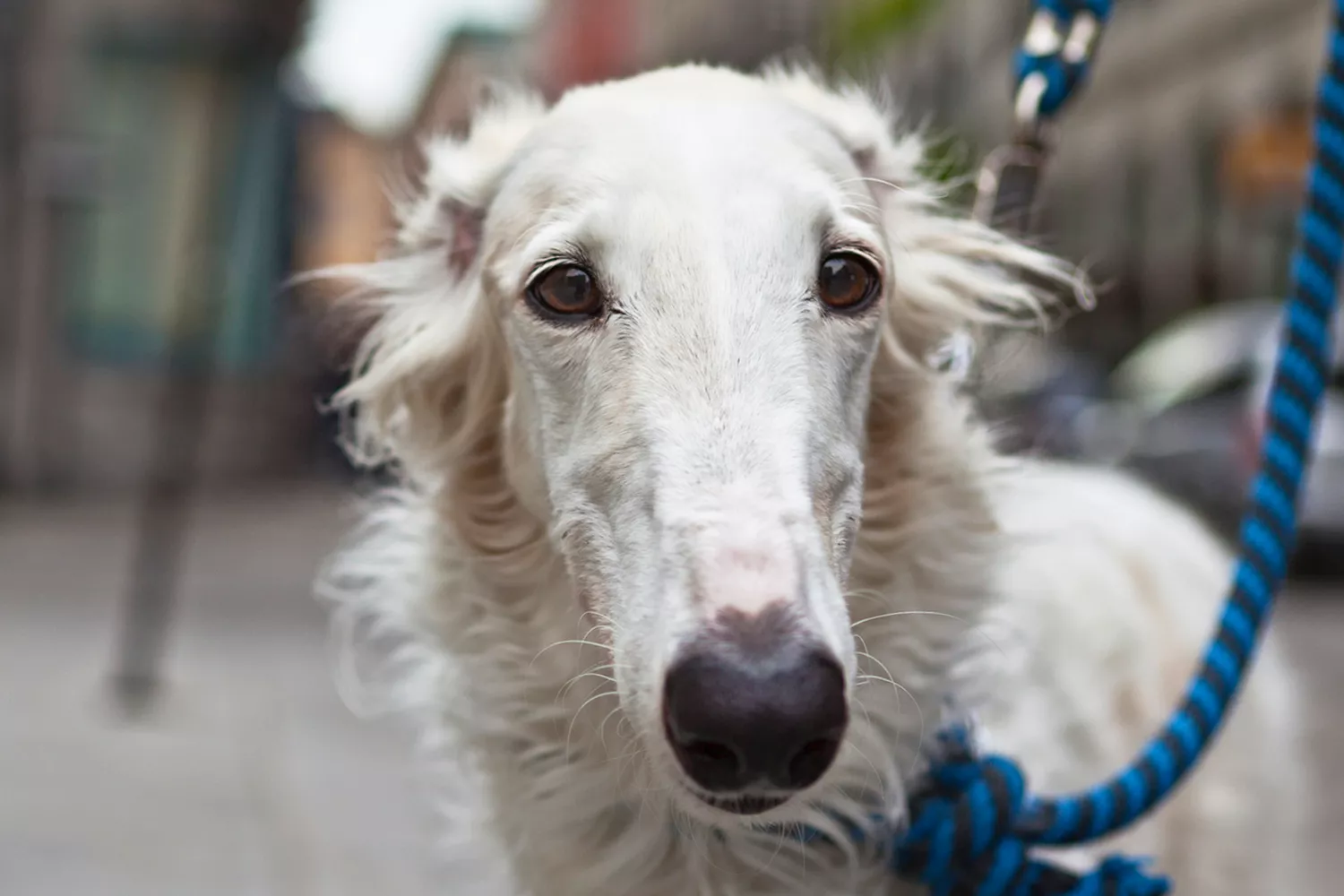
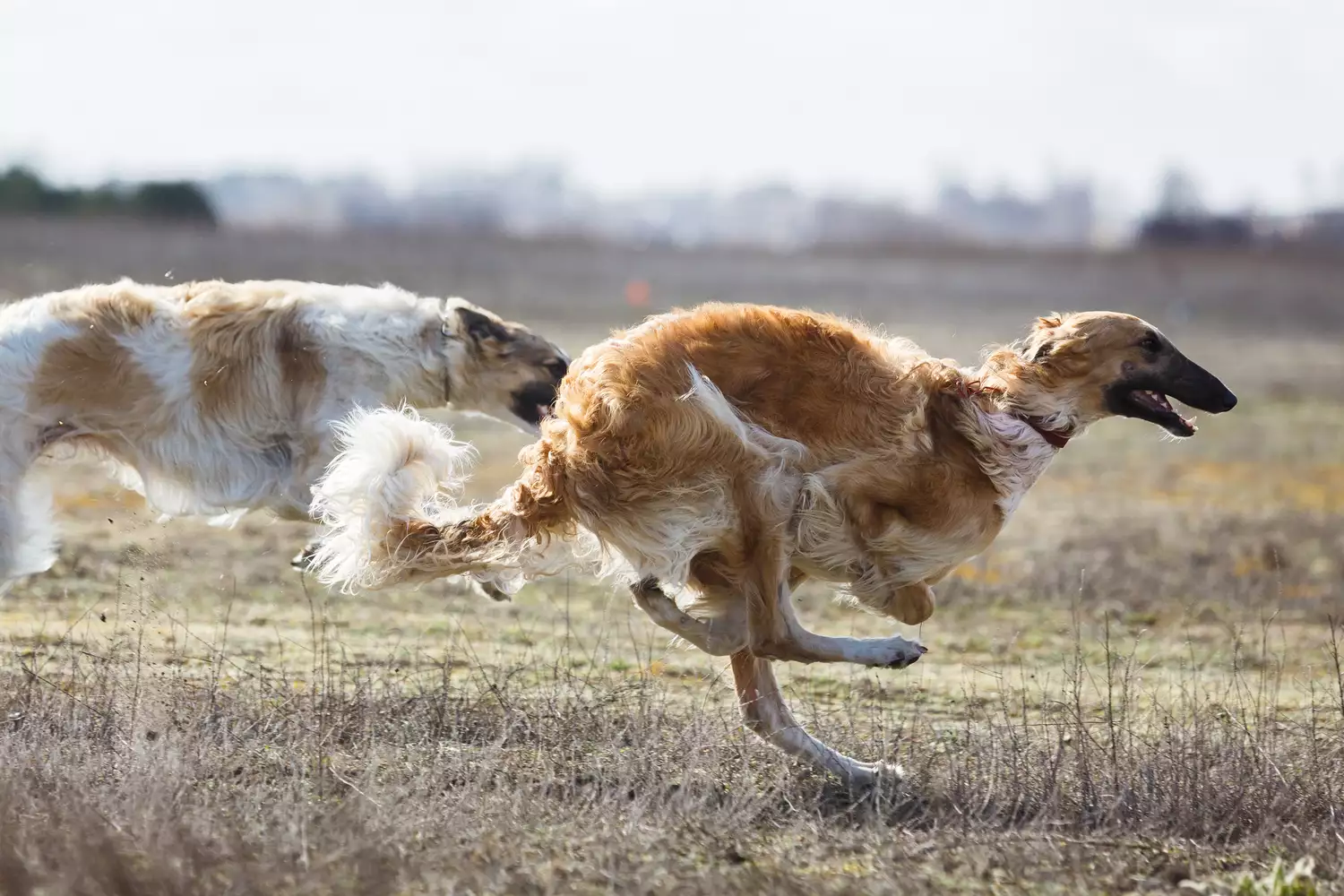
The Borzoi, also known as the Russian wolfhound, is a large hound native to Russia characterized by its deep chest, narrow limbs, and long, smooth fur. Borzois can reach speeds of 35 to 40 miles per hour, a testament to their lineage from greyhounds. Historically, their impressive speed made them formidable wolf hunters, while today, Borzois are celebrated for being affectionate and loyal family pets, epitomizing both strength and elegance.
Discover more about the Borzoi's history, care, and characteristics.
Breed Overview
Group: Hound
Height: 28 to 34 inches (males); 26 to 32 inches (females)
Weight: 75 to 105 pounds (males); 60 to 85 pounds (females)
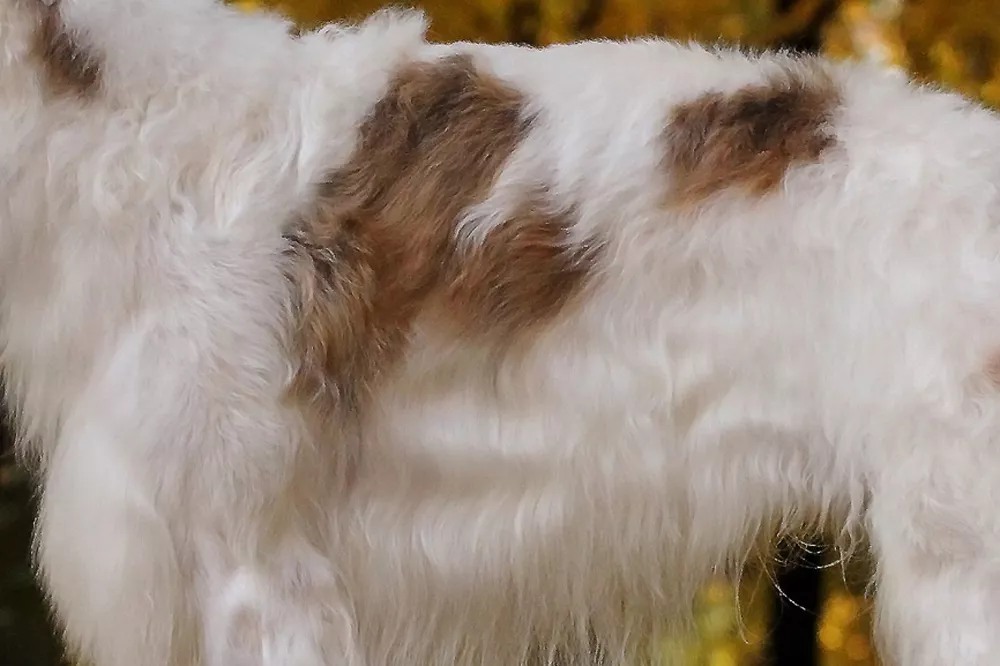
Coat: Flat, wavy, or curly
Coat Color: White, brown, black, cream, tan, and other variations
Life Span: 9 to 14 years
Temperament: Calm, quiet, athletic, gentle, attentive, intelligent
Hypoallergenic: No
Origin: Russia
Characteristics of the Borzoi
Like the greyhound, the Borzoi is known for its even-tempered, calm, and quiet demeanor, paired with gentle and elegant mannerisms. While they are loyal and affectionate family pets, Borzois are generally too dignified to engage in much roughhousing with children.
Borzois often appear reserved with strangers but are affectionate with their family and familiar people. Due to their strong prey drive and natural hunting instincts, Borzois may not be well-suited to households with other pets unless they are introduced to them as puppies.
Affection Level | High |
Friendliness | Medium |
Kid-Friendly | High |
Pet-Friendly | Medium |
Exercise Needs | High |
Playfulness | Medium |
Energy Level | High |
Trainability | Medium |
Intelligence | High |
Tendency to Bark | Low |
Shedding | High |
History of the Borzoi
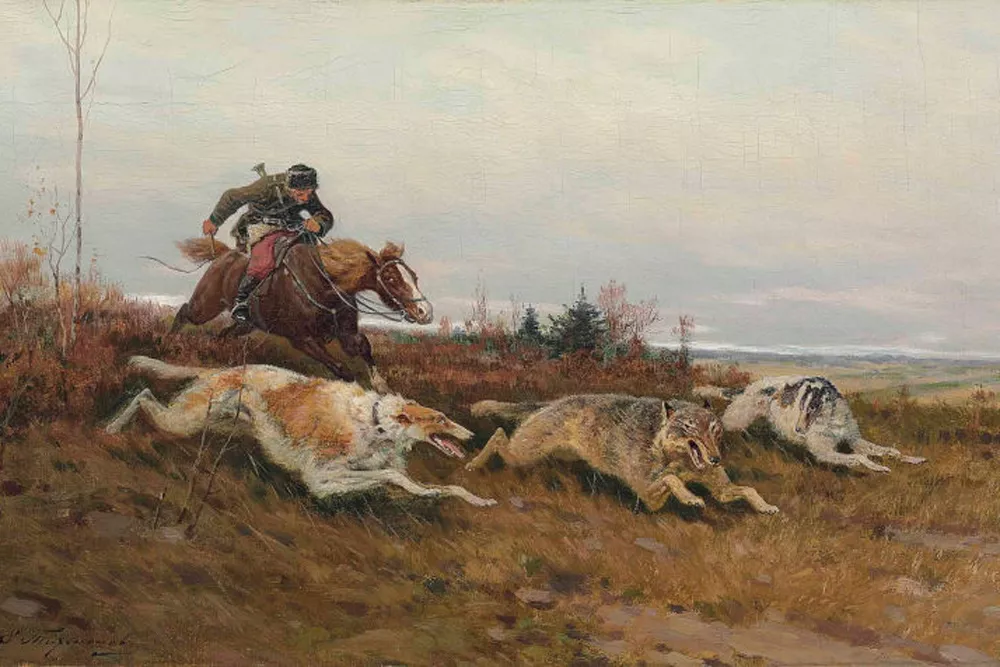
Originally called the Russian wolfhound until 1936, the Borzoi was bred for speed, strength, and endurance to pursue formidable quarry. They originated in 17th-century Russia, where Arabian greyhounds were crossbred with thick-coated Russian dogs. The name "Borzoi" derives from the masculine singular form of an archaic Russian adjective meaning "fast."
During the era of the Tsars, hunting trials were developed in Russia to select Borzoi breeding stock, aiming to breed only the fastest and most intelligent hunting dogs. Borzois hunted in packs, sometimes comprising more than 100 dogs, aided by foxhounds and people. They pursued various game, including hares and small animals, but they were primarily used to hunt wolves.
The first Borzoi breed standard was established in 1650, and these dogs were bred by the Russian aristocracy for centuries. While Borzoi exports were rare during the Soviet era, enough were brought to other countries, including England, Scandinavia, Western Europe, and America by the late 19th century, allowing the breed to establish itself outside Russia. The Borzoi is reported to have arrived in America in 1889 when William Wade of Hulton, Pennsylvania, imported a dog originally purchased from Freeman Lloyd.
Borzoi Care
Known as gentle giants, Borzois might appear low-maintenance, but their even temperament requires regular exercise and positive reinforcement-based training for a fulfilling life. Consistent grooming is also essential to maintain their silky coat.
Exercise
As one of the fastest breeds, Borzois require at least an hour of daily exercise, ideally achieved through long walks. It's essential to have a fenced yard and to keep Borzois on a leash, as their strong pursuit instinct makes wildlife like cats or squirrels irresistible.
Borzois also enjoy participating in active, outdoor activities with their owners and excel in canine sports such as lure coursing and agility.
Grooming
The Borzoi's coat is distinct in both texture and distribution; it features a frill on the neck and feathering on the hindquarters and tail. This long, silky coat causes Borzois to shed, necessitating brushing every couple of days using a pin or slicker brush and/or comb to remove loose hair and dirt. Borzois also experience an annual shedding season in the summer and fall when more frequent grooming is required.
Like most dogs, Borzois require regular bathing and nail trimming. Additionally, their ears and teeth should be cleaned regularly, as with all breeds.
Training
Owning a Borzoi requires patience, consistency, and a bit of humor. These dogs can be catlike, displaying both quietness and stubbornness. Despite being intelligent, gentle, and well-mannered, Borzois' independence can pose training challenges.
Borzois can become easily bored with repetitive, seemingly pointless activities. Like other sighthounds, they are highly sensitive to harsh treatment, unable to cope with raised voices or punishment-based training. Early socialization and positive reinforcement training are crucial.
Common Health Problems
Borzois are generally healthy, but some health issues can affect their stomach, joints, and eyes. Awareness of the following common conditions is important:
Gastric dilatation-volvulus (GDV or Bloat): Because they are a large, deep-chested breed, borzois can be susceptible to gastric dilatation-volvulus, a sudden and life-threatening stomach condition. Borzoi owners should educate themselves about the symptoms, treatment, and even preventative care like prophylactic gastropexy surgery.
Sensitivity to drugs: Compared to other breeds, sighthounds like the borzoi tend to be more sensitive to anesthesia. Discuss this sensitivity with your veterinarian if your dog needs a procedure or medication, and avoid exposing your dog to chemicals, such as lawn chemicals and other toxins that can be harmful.
Elbow and hip dysplasia: Common in large breeds, dysplasia is a degenerative condition that affects a dog's joints. Many dogs experience elbow or hip dysplasia from genetic abnormalities that progressively develop from a young age.
Osteochondritis dissecans (OCD): Osteochondritis dissecans is another condition that affects the joints. Unlike dysplasia, OCD is a malformation caused by calcium deposits in joint cartilage that fails to develop into bone.
Progressive retinal atrophy (PRA): Affecting a dog's sight and potentially causing blindness, progressive renal atrophy is a hereditary, deteriorating condition that begins in the retina.
Diet and Nutrition
Surprisingly, Borzois generally eat less than other dogs their size, although puppies may consume more due to rapid growth. An adult Borzoi might eat between 4 to 8 cups of food daily, divided into at least two meals.
Owners should be cautious about overfeeding or giving too many treats, as Borzois might become overweight and face obesity-related issues.
Borzois thrive on high-quality dog food, whether commercially manufactured or home-prepared under veterinary supervision. Food selection should match your dog's age—puppy, adult, or senior—and correlate with specific feeding recommendations. Consult your veterinarian to determine a safe, healthy eating plan as your Borzoi matures.
Due to Borzois' tendency to run and chase, careful meal timing is crucial. Avoid feeding them before or after strenuous activity, as this can contribute to bloat. Ensure clean, fresh water is always available for this active breed.
Where to Adopt or Buy a Borzoi
Purchasing a Borzoi puppy from a breeder usually costs between $1,000 and $2,000, though prices can reach up to $5,000 depending on the breeder.
Check local animal shelters and rescue groups for Borzois. The national Borzoi rescue group, the Borzoi Club of America, can also assist in finding your new companion.
Below are online resources to help rescue a Borzoi in need of a forever home:
Borzoi Club of America
National Borzoi Rescue Foundation
Gentle Giants Rescue and Adoptions
Borzoi Overview
The Borzoi is a large, athletic dog suitable for active families. While they have high grooming needs and require patience in training, their endearing personalities make them lovable companions.
Pros of Borzois
Calm and gentle
Intelligent
Loyal to family, friendly with children
Cons of Borzois
High shedding
Sensitive; needs positive reinforcement-based training
Needs regular grooming
More Dog Breeds and Further Research
When considering if a Borzoi is the right addition to your family, research all aspects of the breed and consult with other Borzoi owners, breeders, and rescue groups for more information. Explore other similar breeds:
Greyhound
Afghan Hound
Saluki
With a little bit of research, you're sure to find the dog breed that's right for you!



