Top 10 Most Playful Dog Breeds
If you are thinking about getting a furry friend who will enjoy playtime with you or your children or another fun-loving dog, choose a breed known for having a playful temperament. Of course, every dog is an individual—so a type of breed as a predictor of playfulness is only one part of the equation. Breed type only increases your probability. Nurture your dog to play with you, and it likely will.
Here are 10 of the most exuberant dog breeds that make perfect playmate pups.
How to Train Your Dog to Play
Breed Characteristics
A playful dog is a dog with tons of energy. If a dog gets plenty of exercise and is well-balanced, it's not depressed or anxious; it's exuberant and eager to please you. Dogs at play are usually well-trained, good at recall, and easygoing when socializing with other dogs and people.
01 of 10
Labrador Retriever
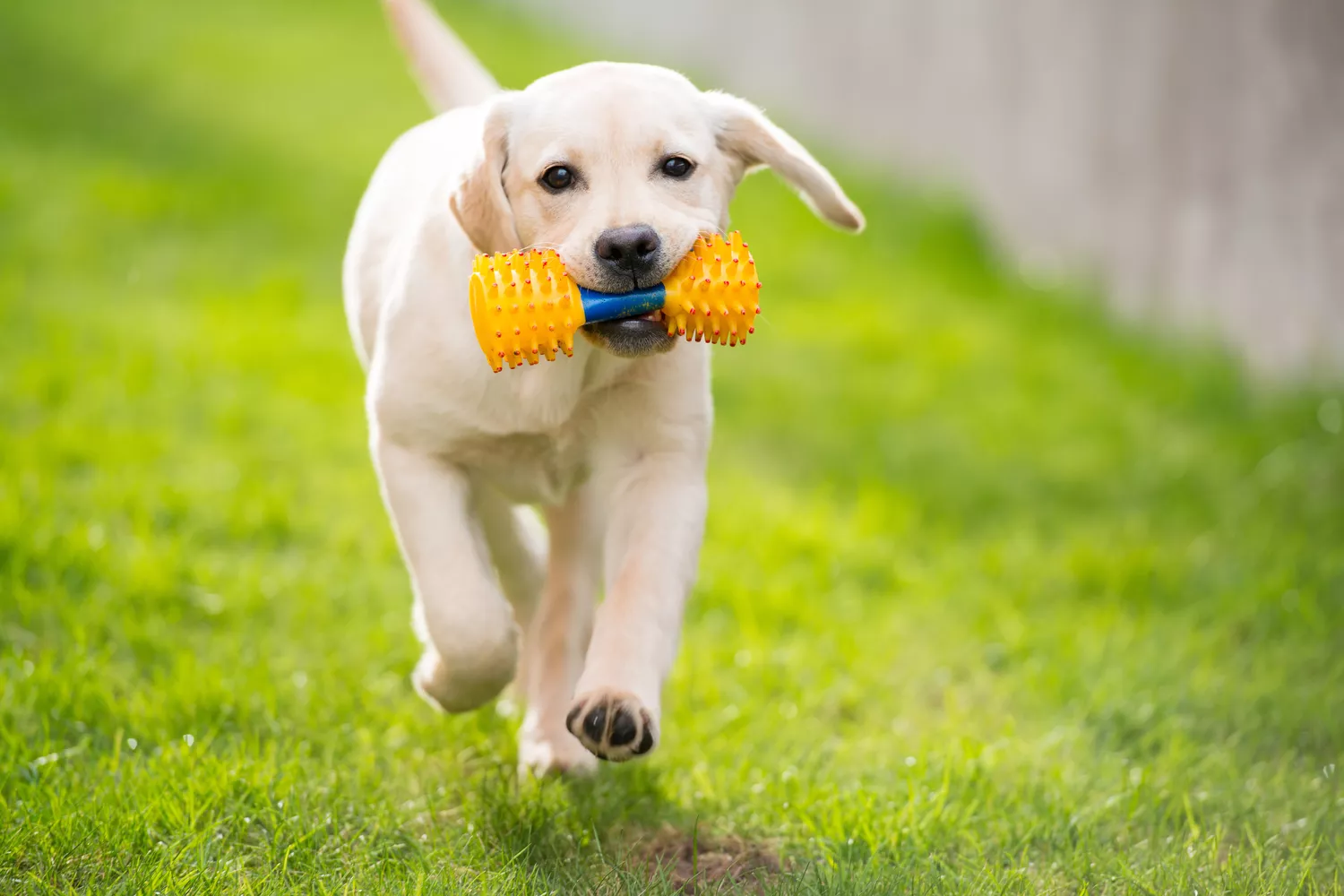
Labrador retrievers are large, goofy dogs that love anything to do with playing. They often love a game of fetch and splashing around in the water. The breed is originally from Newfoundland, bred from a water dog, and was eventually brought to England to work as waterfowl retrievers. They were recognized by the American Kennel Club in 1917, quickly stealing the hearts of dog lovers across the nation. Labs are known for being sociable and even-tempered and are a top choice for a family pet.
Breed Overview
02 of 10
Boxer
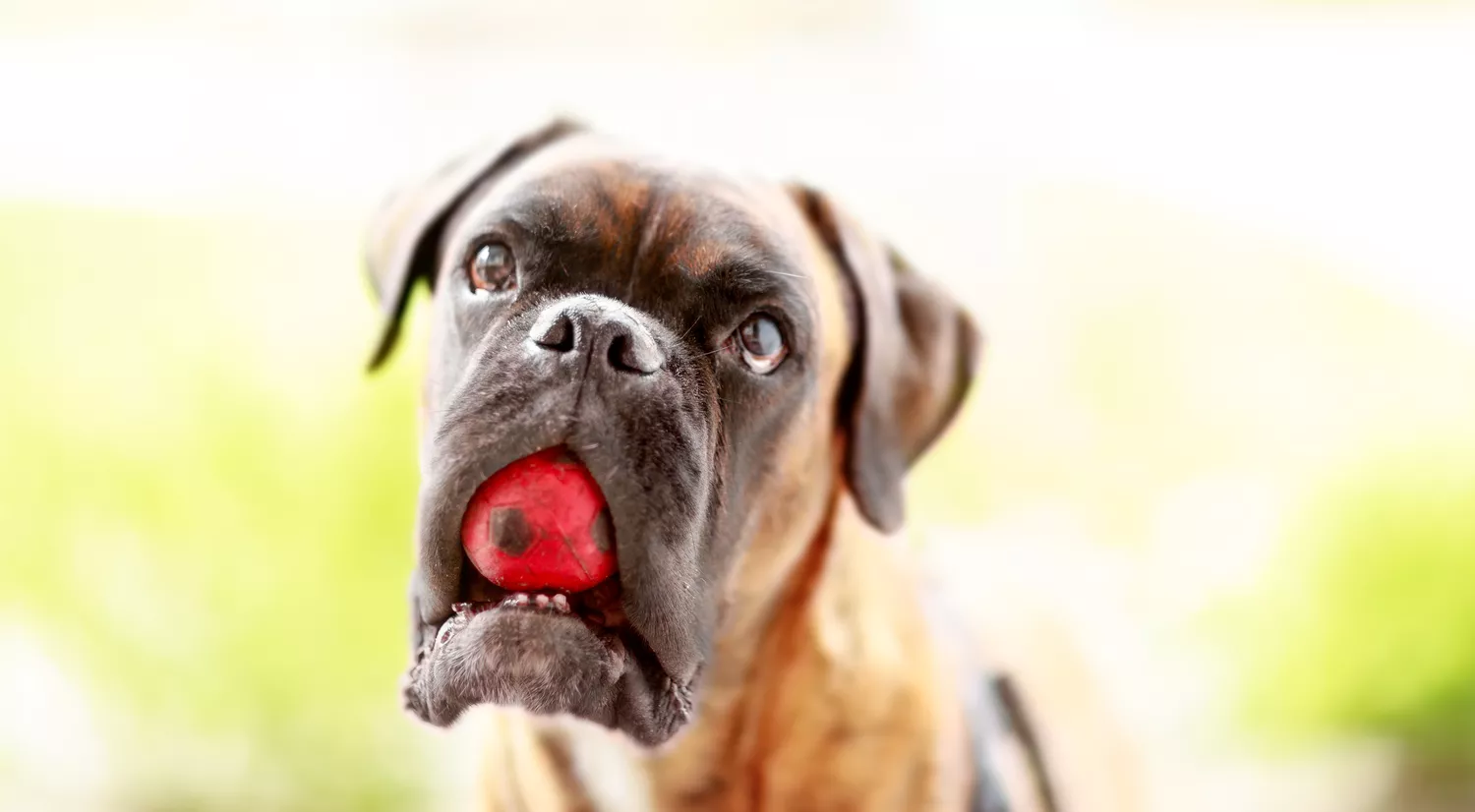
Muscular and athletic, boxers have a storied history as fighting dogs but have also been lauded for their bravery, intelligence, and loyalty. Working as hunting or guarding dogs, these intelligent canines were also used as couriers. Boxers are a widely sought-after family pet. They love to play, especially with their family. With their happy disposition and energetic personality, boxers make great companions for active homes. However, they may not be ideal for households with infants or toddlers, as their exuberance can unintentionally lead to knocking over young children.
Breed Overview
03 of 10
Golden Retriever
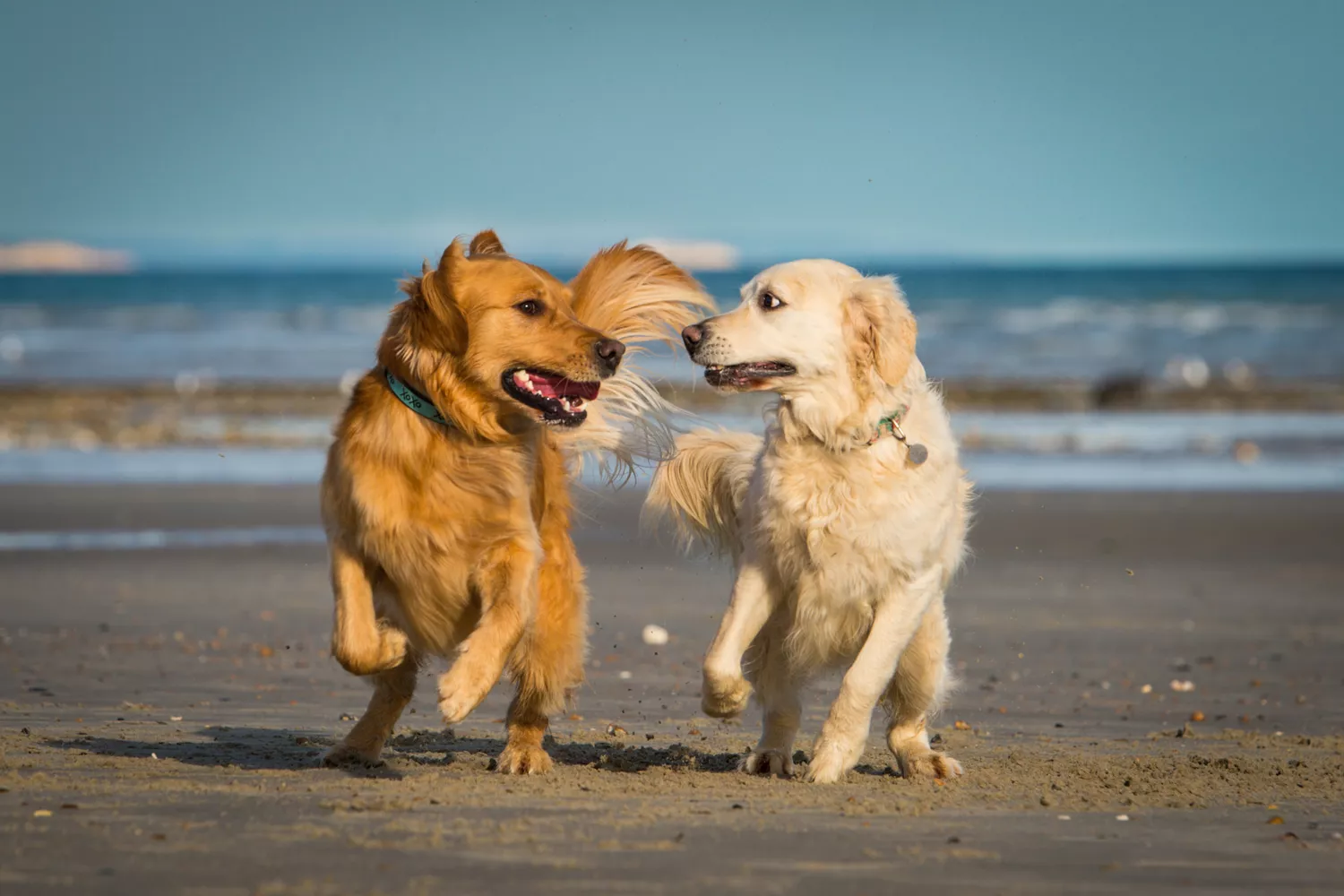
No breed probably typifies an American family dog more than a golden retriever. Big, beautiful golden retrievers have long, flowing blonde or honey-colored fur. They are loyal and intelligent but also goofy and lively. Similar to Labs, they enjoy water play, fetch, and accompanying you everywhere. They are great companions for humans of all ages and get along with most other animals.
Breed Overview
04 of 10
Pomeranian
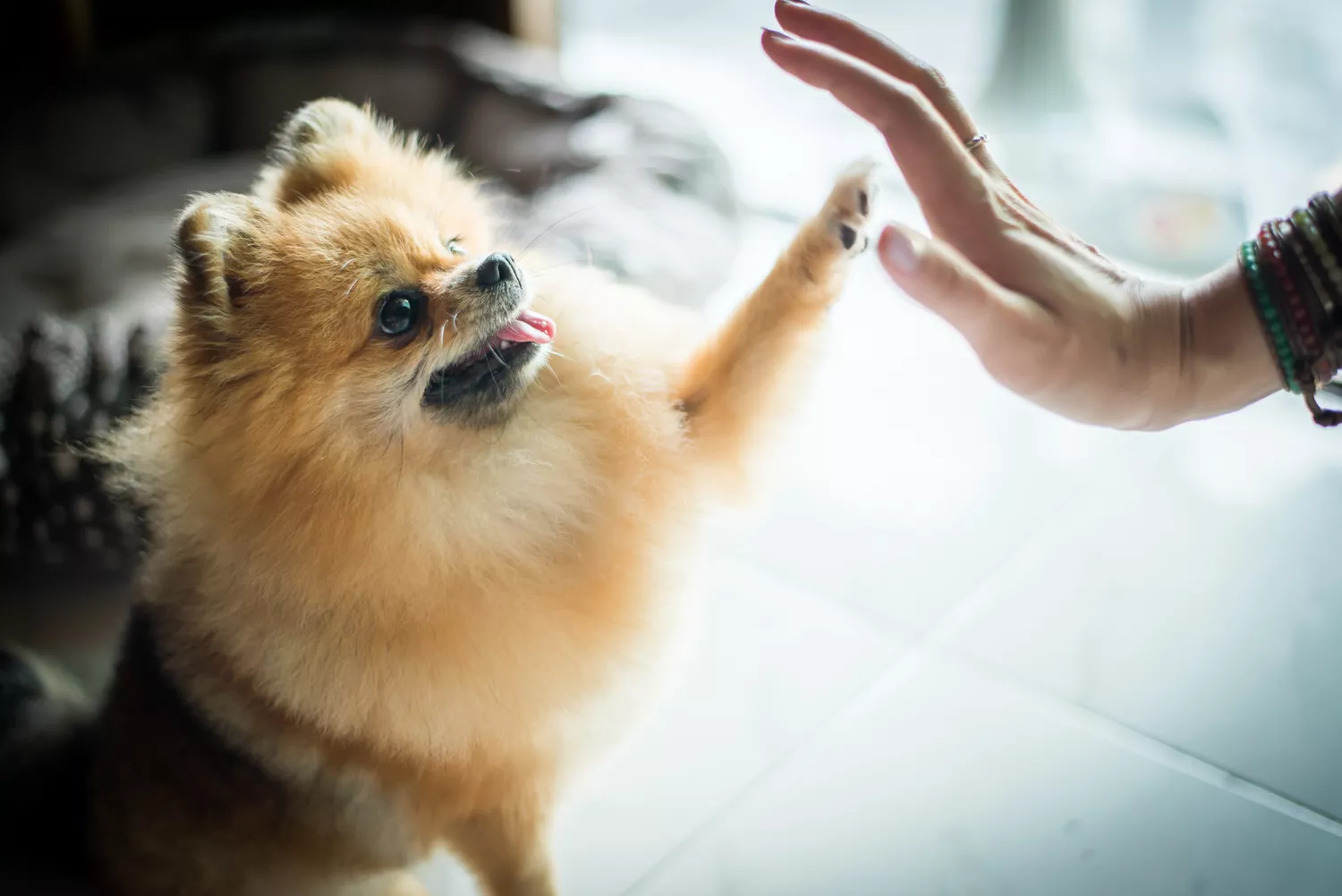
This spitz breed is descended from sled dogs in Iceland and Lapland and is distantly related to big Malamutes and Samoyeds. Queen Victoria had Poms in the late 1800s, which helped them gain popularity in Europe and beyond. If you’re considering a small playful dog, put Pomeranians on your shortlist. Poms are fun-loving, affectionate pups in a small, fluffy package, although they can have a stubborn streak.
Breed Overview
05 of 10
Australian Shepherd
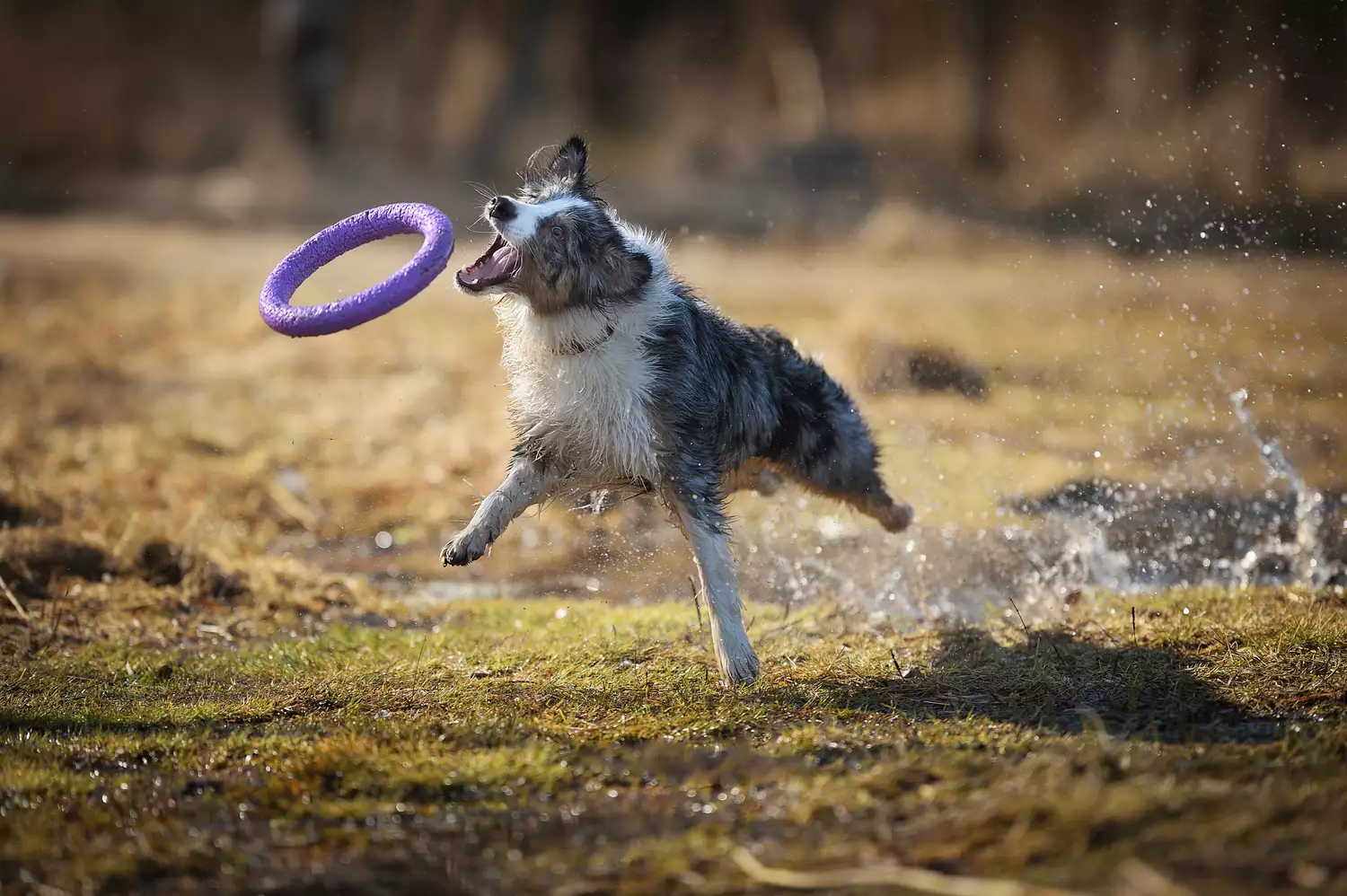
Australian shepherds or Aussies are one of the most athletic dog breeds. These dogs love to run, jump, and play whenever they get the chance. They are exceptionally skilled at agility and playing frisbee, but their innate value lies in herding. Aussies were developed in the United States, where ranchers bred them as livestock herders and farmworkers. The medium-sized Aussie also comes in a smaller size—miniature American shepherds. Be prepared to give this dog a lot of physical and mental stimulation; it will need it for a balanced life.
Breed Overview
06 of 10
English Springer Spaniel
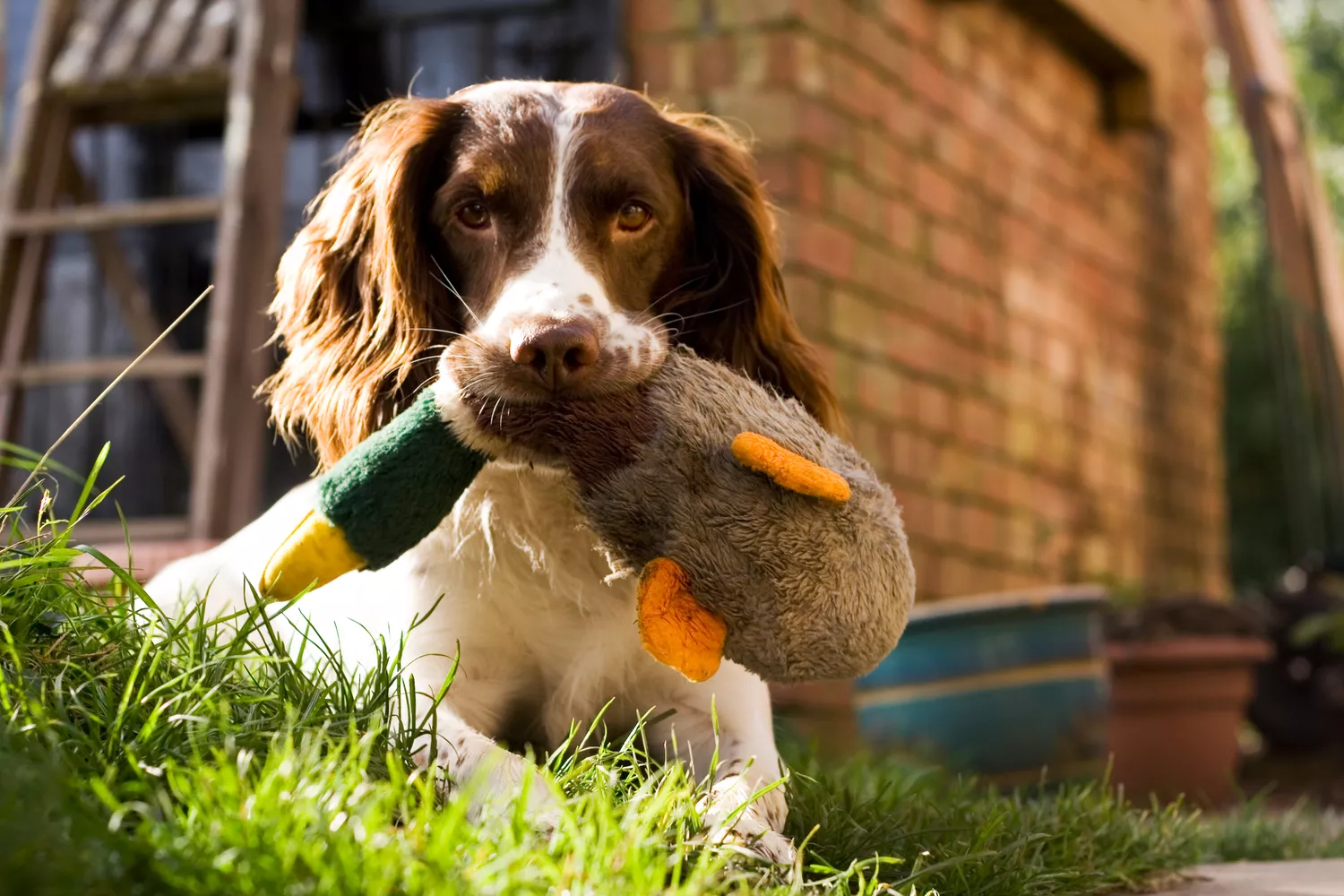
The English springer spaniel first became popular in Europe in the early 1900s, making its way to America a few years later. Year after year, it's listed in the top 30 most popular list in the U.S., according to the American Kennel Club. The English Springer Spaniel (ESS), known for its friendly, fun-loving, and intelligent nature, is a well-rounded breed ideal for active families. These dogs are generally kid- and pet-friendly and profoundly affectionate; however, they have notable high energy levels and can suffer from separation anxiety.
Breed Overview
07 of 10
Pembroke Welsh Corgi
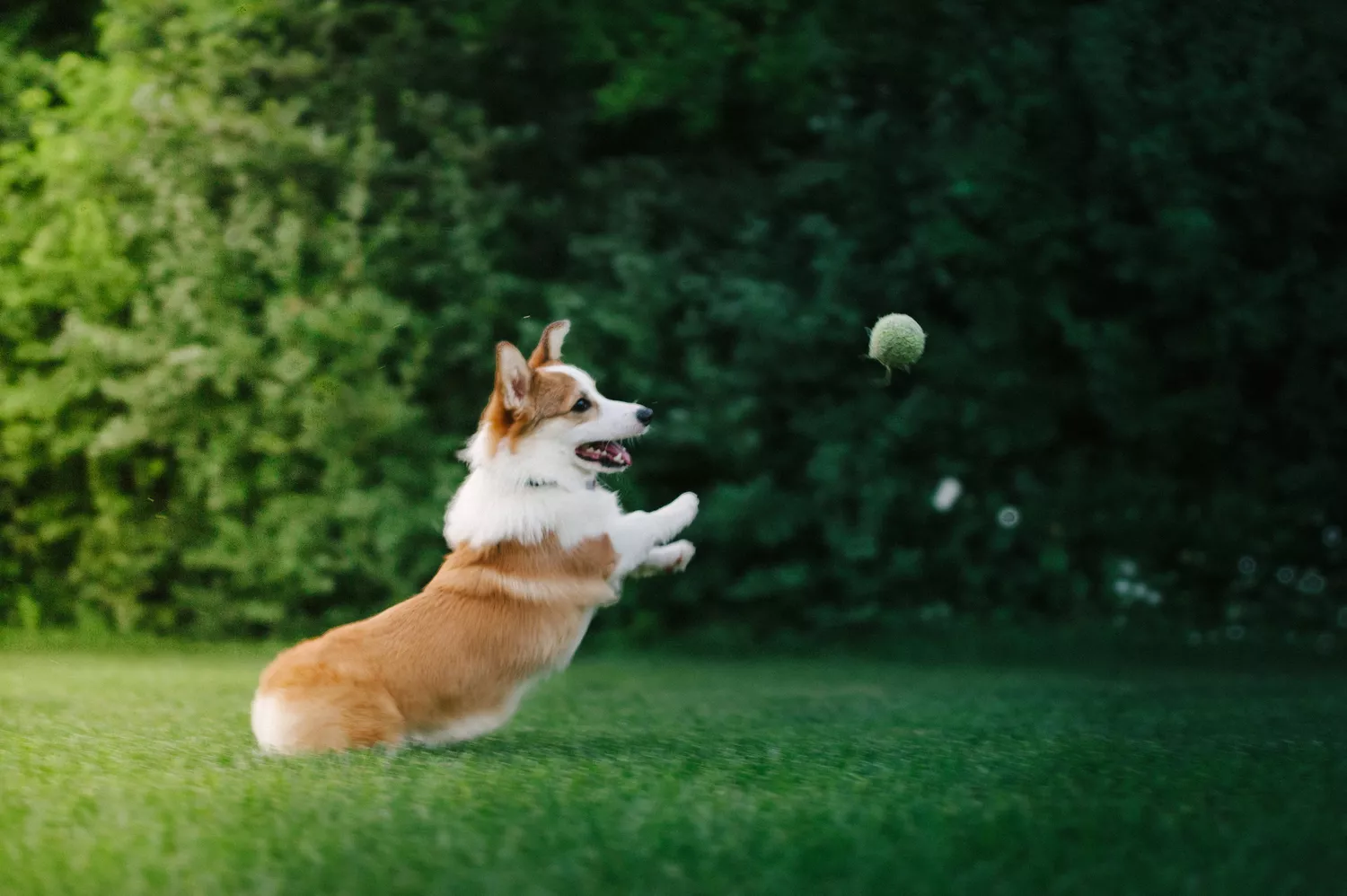
Pembroke Welsh Corgis are a favorite breed of Queen Elizabeth II. Corgis are small, but they don’t act like it. They are short and stout herding dogs with large bunny-like ears and a short and stubby tail. Corgis are intelligent, active, and loyal dogs that make excellent companions and playmates. This breed can be prone to weight gain and consequent back problems. Keep them engaged with lots of games of fetch.
Breed Overview
08 of 10
Jack Russell Terrier
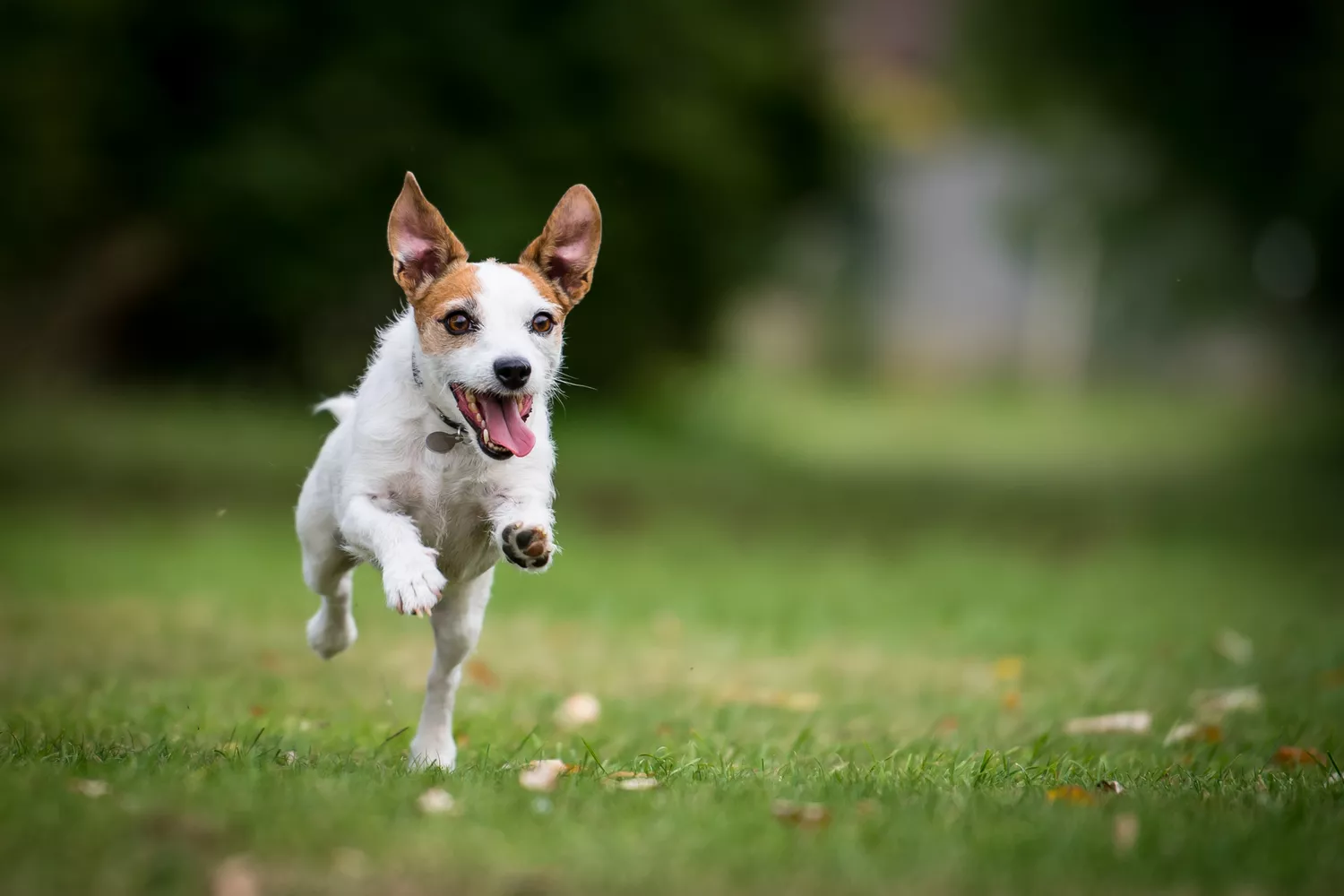
The Jack Russell terrier originated in England in the 1800s in response to a need for a small but feisty hunting dog that was small enough to pursue foxes in the ground. They are popular family dogs loved for their spunky and intelligent personalities and playful disposition. Be aware that they can be rather noisy. They also have a high prey drive and may not be a good match for homes with small furries.
Breed Overview
09 of 10
French Bulldog
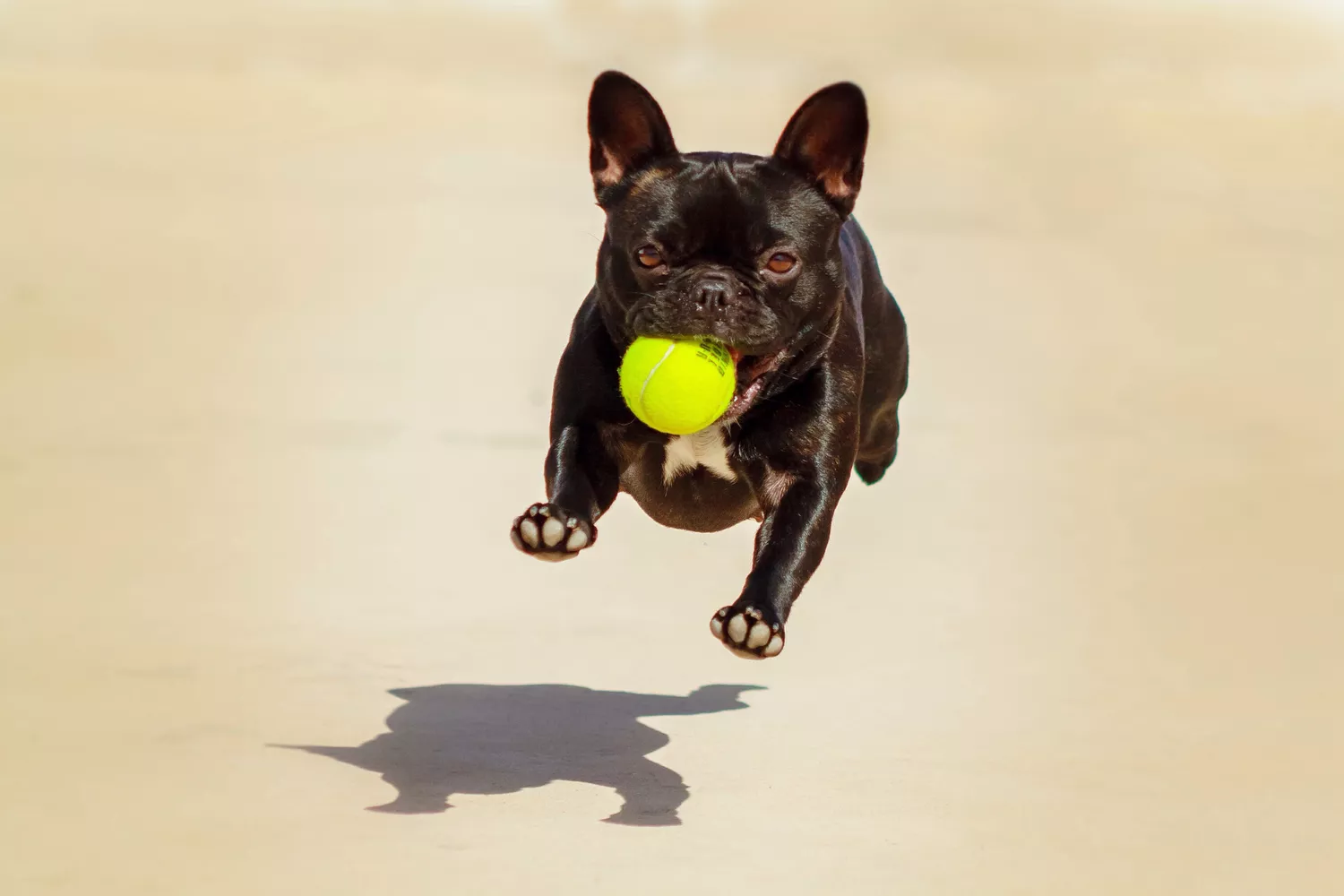
The popularity of the French bulldog has exploded in recent years mainly because of their goofy, fun-loving personalities; they're also intensely loyal. They are generally in the top five most popular dogs in the U.S. Their unique look with erect ears and wrinkly faces has captured the hearts of millions. Their flat faces (boxers, too) can make them prone to respiratory issues and easy overheating. Be particularly careful if you are playing with a brachycephalic dog in the yard during the summer.
Breed Overview
10 of 10
Portuguese Water Dog
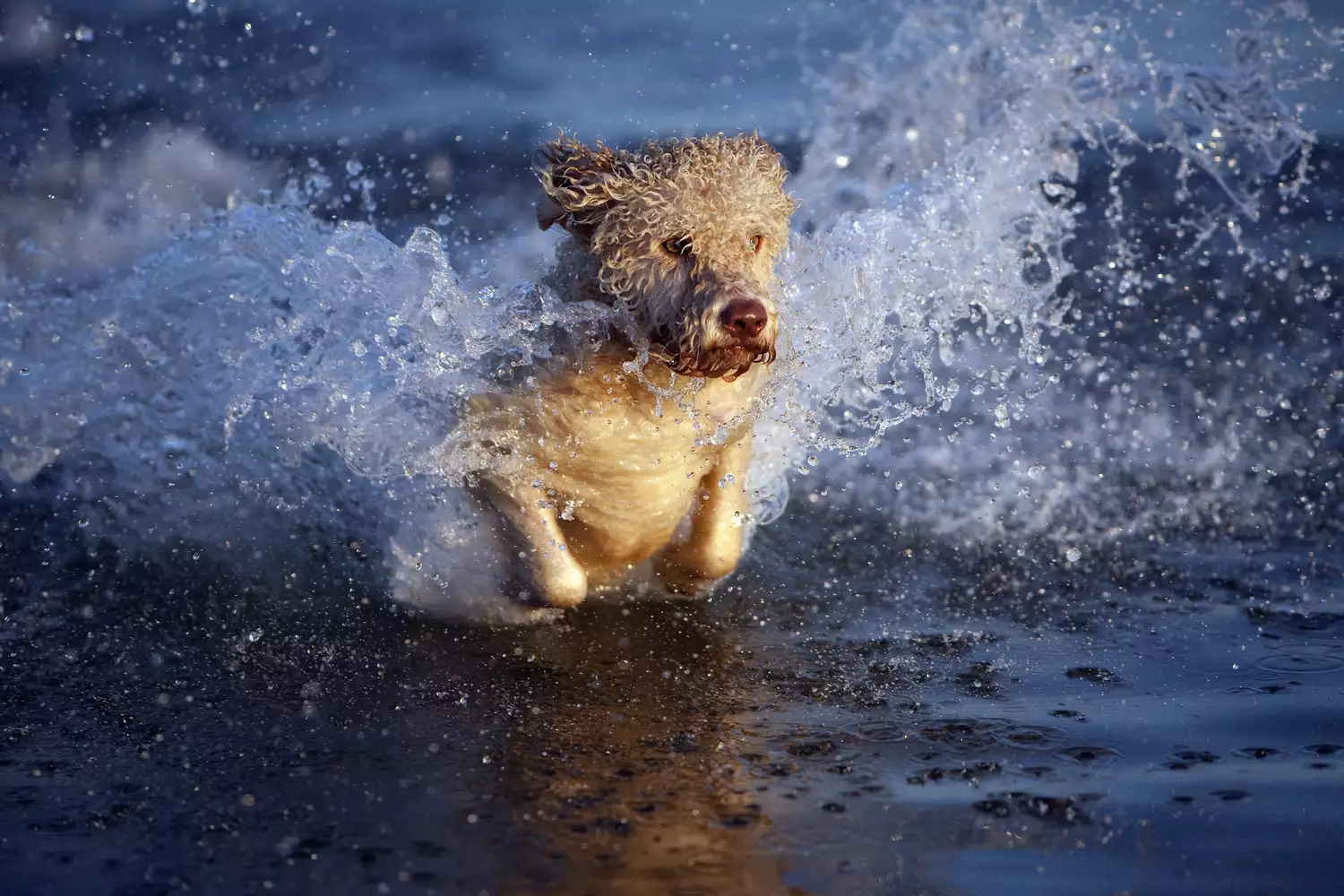
If you suffer from allergies but can’t resist owning a dog, you may find a furry BFF in the Portuguese water dog. While no dog is truly hypoallergenic, this medium-sized breed with a fluffy coat does not shed significantly, although regular grooming is recommended to prevent mats. Portuguese water dogs are working dogs that are fun-loving and intelligent, which means they make fantastic active family pets. They get along with all ages and love to romp and play.
Breed Overview
Breeds to Avoid
Although some playful dogs are smarties, there are a few brainy dogs that prefer to remain independent and rather not play a game of fetch. Those breeds may include Akitas, Afghan hounds, and Siberian huskies. Their stubborn, independent streaks might affect their potential as future playmates. These dogs are often task-oriented and driven by their job over their playtime.



