10 Strongest Dog Breeds for Getting Work Done
People have bred working dogs throughout history to assist in hunting, farming, herding, and other challenging jobs. These dogs are powerful, robust breeds with the intelligence and endurance to get the job done. The brute strength of a few breeds may surprise you.
Here are ten of the strongest dog breeds used for hunting, herding, and tasks that require endurance.
If you plan to get a powerful breed, then you will need to be able to manage that dog in many situations: in your home, during walks, meeting other dogs, and greeting people. All dogs—but stronger ones especially—need to follow your instructions and training is a must.
Breed Characteristics
Many strong dogs are selected to work alongside people as police and military dogs, guard dogs, search and rescue dogs, herdingor hunting. They have natural talent and undergo intensive training. Therefore, these breeds tend to be eager to please, willing to work, and easy to train.
01 of 10
Rottweiler
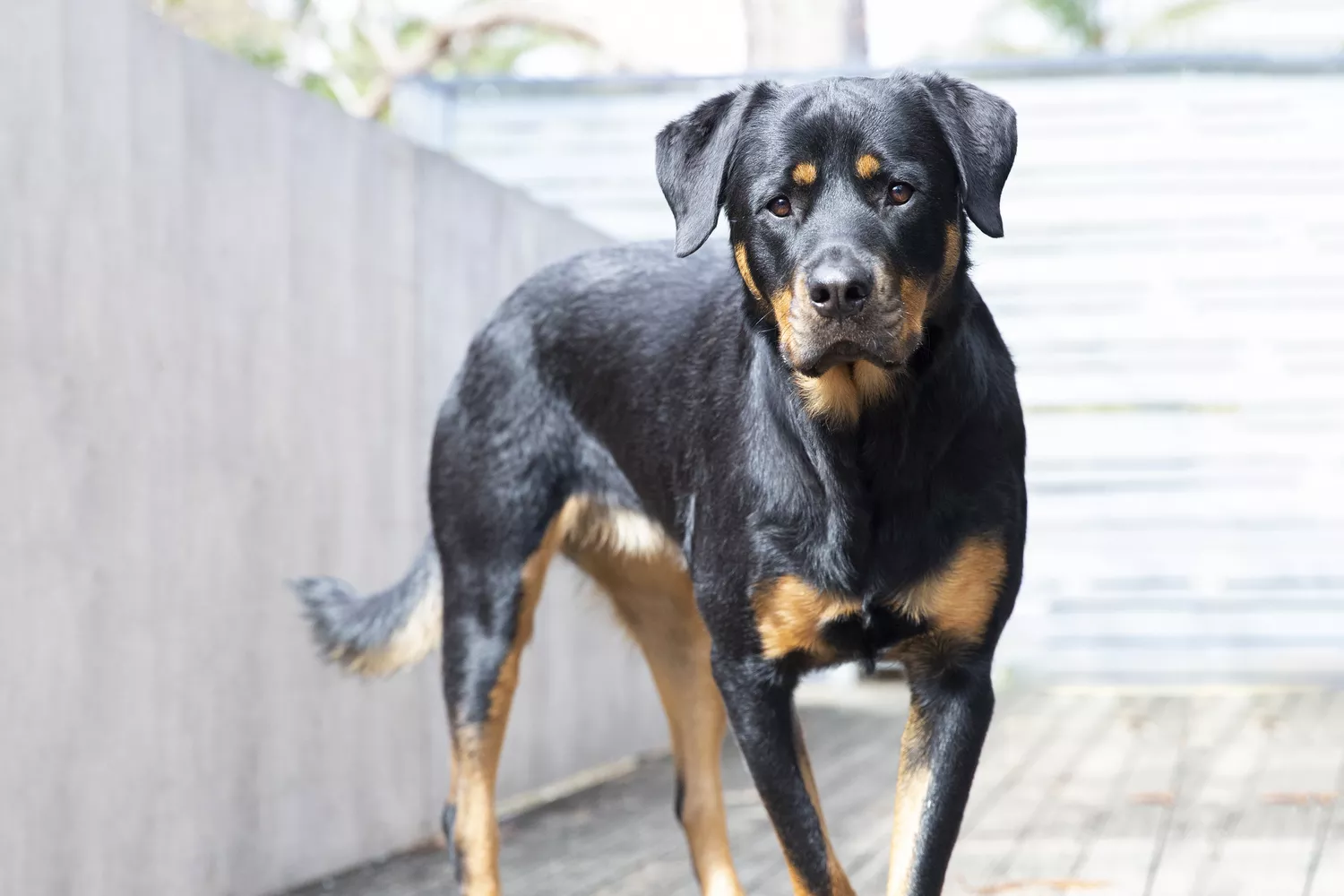
Like many dog breeds, rottweilers were initially bred to herd large animals, pull carts, and serve as security dogs. To do their jobs, they had to be extremely big and strong.
Today's rottweilers still tend to nudge objects, other animals, and people. They can be great family dogs, but don't pair well with the elderly or families with small kids; their prodding can topple people who are prone to falling.
Breed Overview
Group: Working (AKC)
Height: 22 to 27 inches
Weight: 80 to 130 pounds
Personality/Temperament: Steady, alert, self-assured
Energy Level: Medium
Coat and Color: Short double coat; black with tan, rust, or mahogany
02 of 10
Great Dane
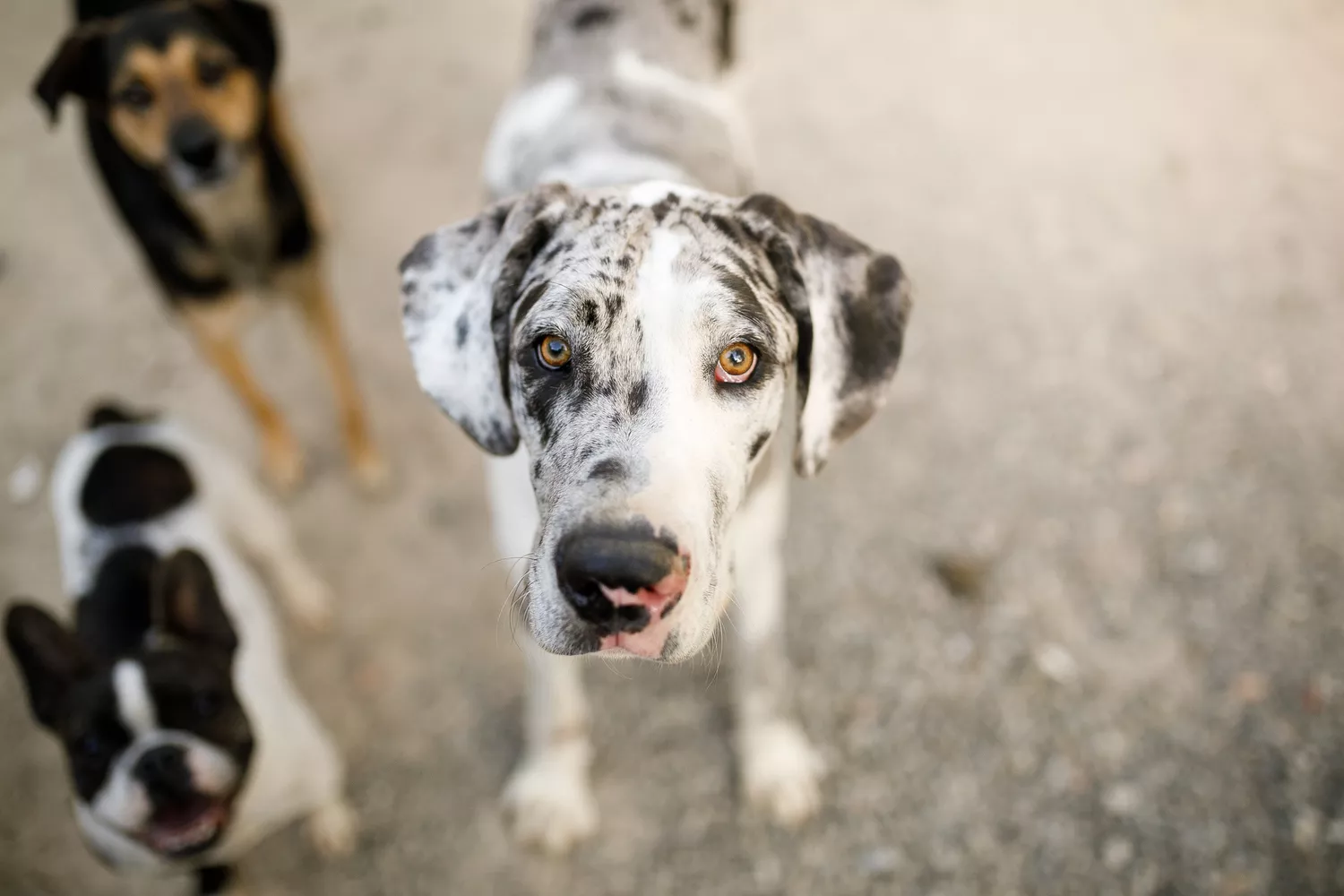
Great Danes are massive and have sweet, calm personalities; they are the "gentle giants" of the dog world. Great Danes were originally bred to be powerful boar hunting dogs that could hold their prey until the hunter caught up.
Over time, they became watchdogs and family companions. As they became popular family dogs, breeders selectively bred out their tough, hunting personalities to make them the gentle, sweet dogs we know today.
Breed Overview
Group: Working (AKC)
Height: 28 to 34 inches
Weight: 100 to 200 pounds
Personality/Temperament: Calm, gentle, friendly
Energy Level: Medium
Coat and Color: Short, coarse hair; black, blue, brindle, fawn, and other color variations
Life Span: 8 to 10 years
03 of 10
Siberian Husky
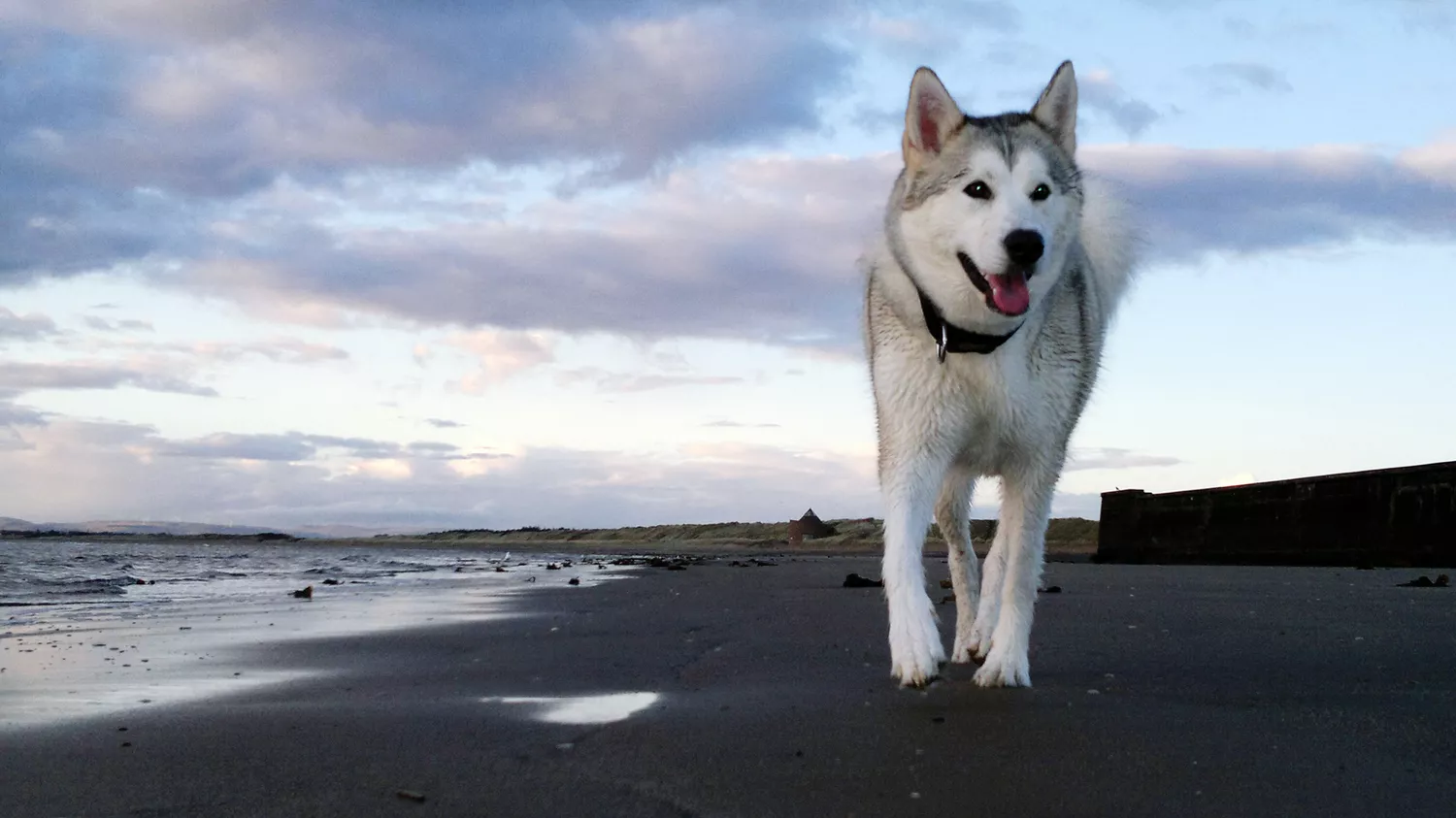
Stories about huskies are well known; they have incredible strength that allows them to pull heavy sleds across challenging, snowy terrain. But how did these sled dogs get so strong? About 3,000 years ago, the nomadic Chukchi tribe in Siberia first bred the Chukchi dog to pull their heavy hunting sleds across long distances.
In addition to brute strength, the Chukchi dog possessed an extremely warm winter coat and astounding metabolism. These dogs could constantly exercise with minimal food. The Siberian husky is a direct descendant of the Chukchi dog and still has incredible strength, speed, and endurance.
Breed Overview
Group: Working (AKC)
Height: 20 to 23.5 inches
Weight: 35 to 60 pounds
Personality/Temperament: Intelligent, alert, friendly
Energy Level: High
Coat and Color: Dense, double coat; variety of colors
Life Span: 12 to 15 years
04 of 10
German Shepherd
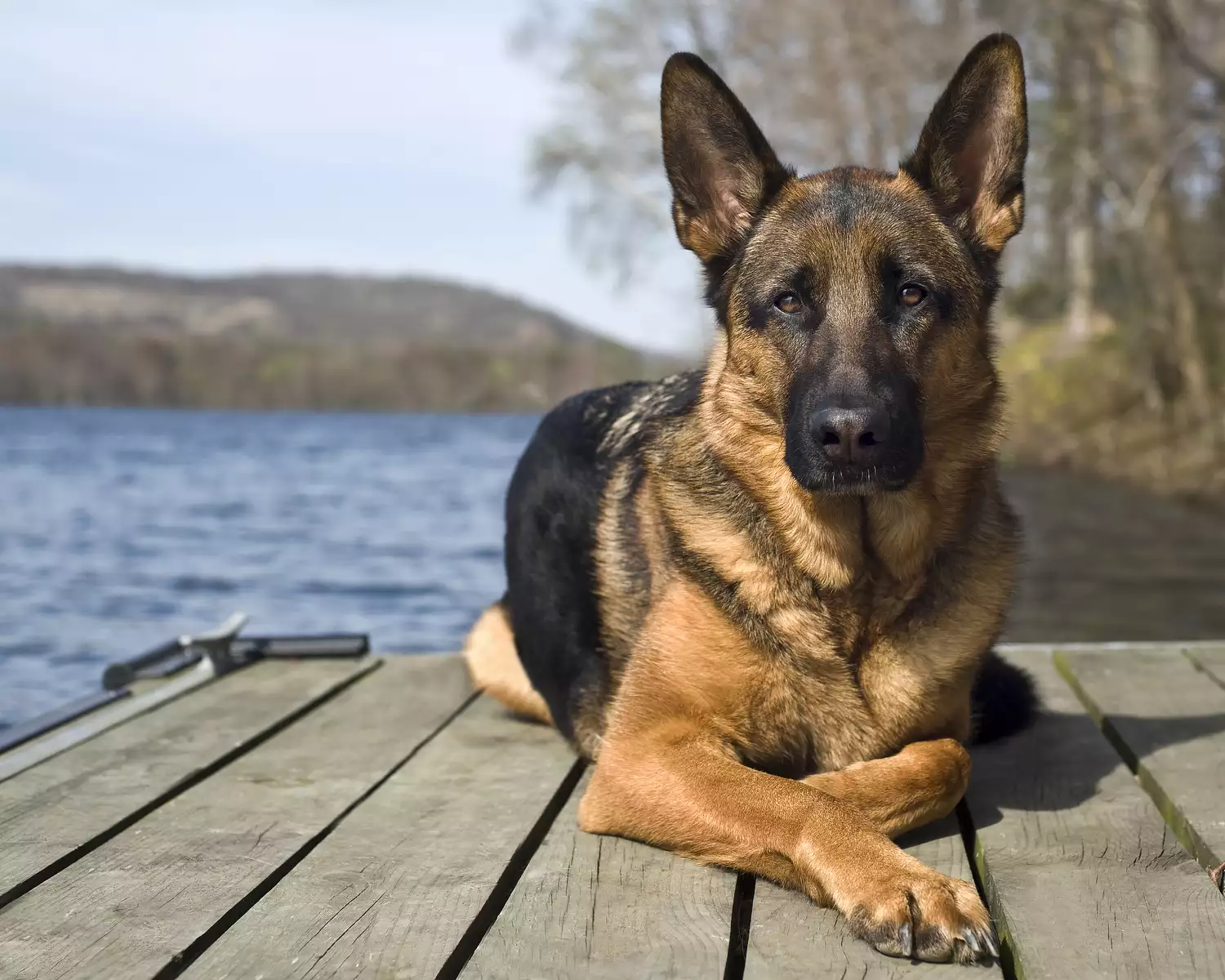
German shepherds have been employed as working dogs for hundreds of years for their strength and endurance. They originated in Germany as hunting and herding dogs, and this is one of the strongest dog breeds.
Due to their extreme athleticism and intelligence, today's German shepherds often serve as guide dogs for the blind or service dogs, search dogs, and military and police dogs. Their sweet, loving personalities make them excellent family dogs, too.
Breed Overview
Group: Herding (AKC)
Height: 22 to 26 inches
Weight: 60 to 100 pounds
Personality/Temperament: Intelligent, courageous, alert
Energy Level: High
Coat and Color: Coarse, medium-length double coat; variety of colors, but primarily golden, tan, black, and brindle
Life Span: 9 to 13 years
05 of 10
Bulldog
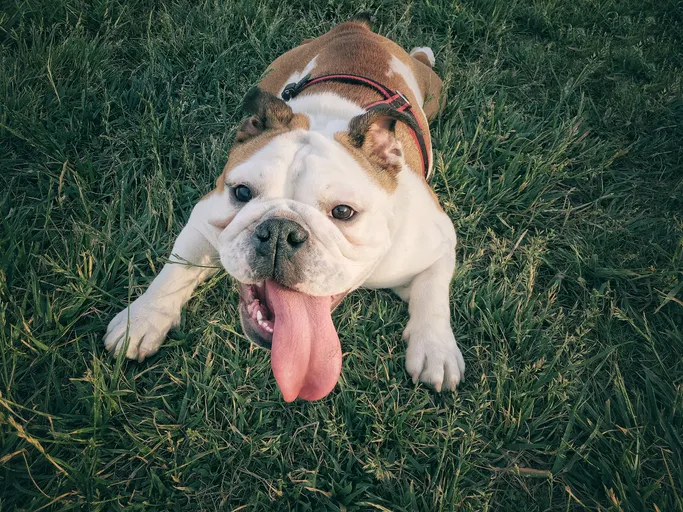
Don't let their shorter stature fool you. bulldogs are extremely strong, powerful dogs due to their history as fighting dogs. In 13th century England, bulldogs were used in a horrific sport known as bull-baiting. During these matches, they would fight much larger, more powerful bulls.
Those fighting bulldogs had aggressive, fierce personalities—a far cry from today's sweet, calm bulldogs. When bull-baiting was banned, bulldog breeders softened their tough personalities, producing the gentle, loving companion dogs that we know today.
Breed Overview
Group: Non-Sporting (AKC)
Height: 14 to 15 inches
Weight: 40 to 50 pounds
Personality/Temperament: Willful, friendly, gregarious
Energy Level: Low
Coat and Color: Short, fine, glossy; red, white, fawn, and fallow, among other color combinations and patterns
Life Span: 8 to 10 years
06 of 10
Saint Bernard
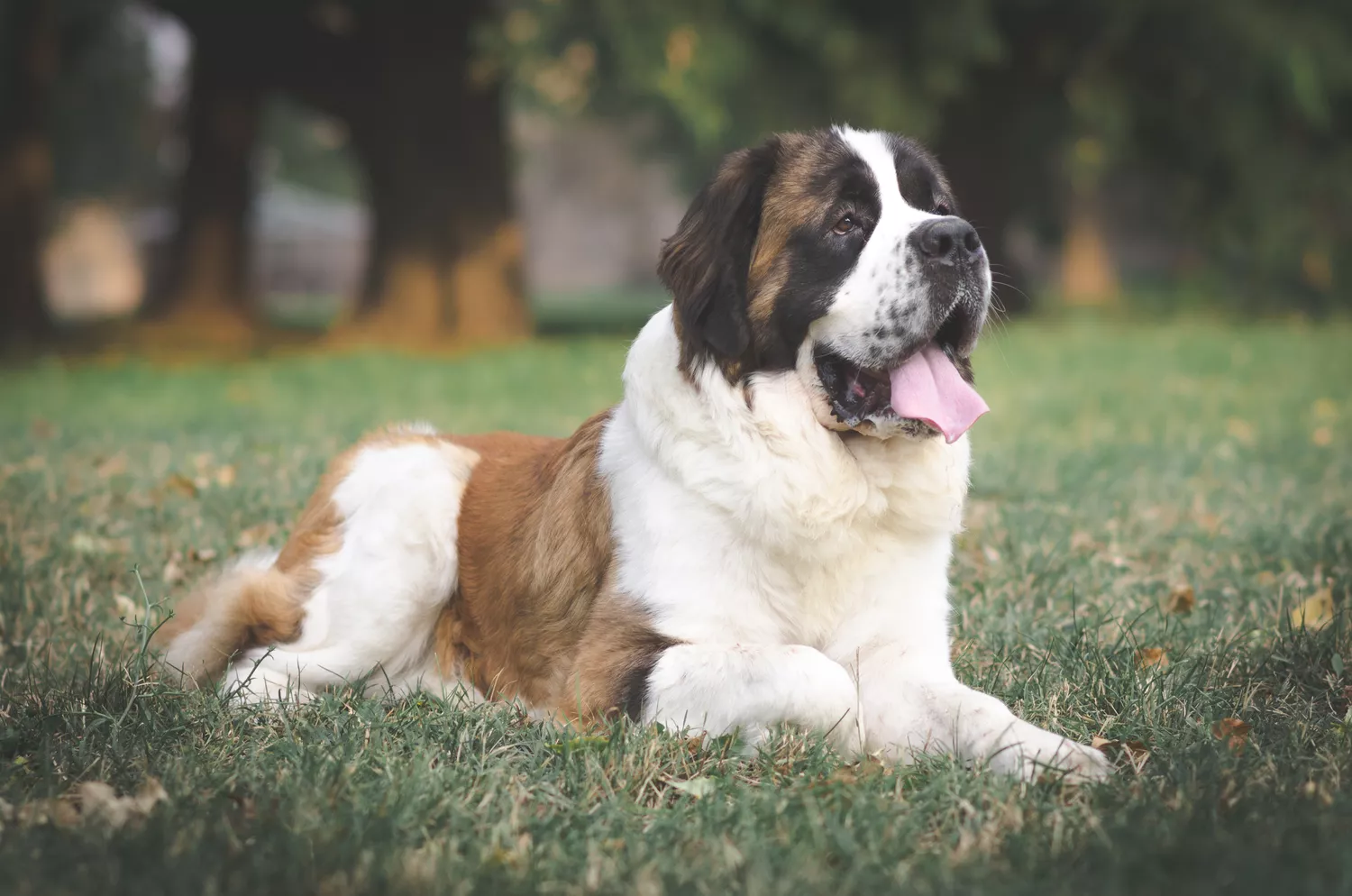
When you think of an image of a Saint Bernard, you probably imagine a big, hairy dog with a wooden cask of brandy strapped around their neck on a snow-topped mountain. This imagery accurately depicts how these dogs worked to rescue lost travelers in the snowy Swiss Alps.
The breed originated over 1,000 years ago. This dog had a keen sense of smell and brute strength that has saved thousands of people from snowy terrain. Today, Saint Bernards are typically companion dogs and make excellent service dogs due to their loyalty, affection, and fierce protection of their people.
Breed Overview
Group: Working (AKC)
Height: 25.5 to 27.5 inches
Weight: 130 to 180 pounds
Personality/Temperament: Gentle, affectionate, protective
Energy Level: Medium
Coat and Color: Short and smooth or long and silky; white with red, brown, or brindle markings; black "mask" across the face
Life Span: 8 to 10 years
07 of 10
Alaskan Malamute
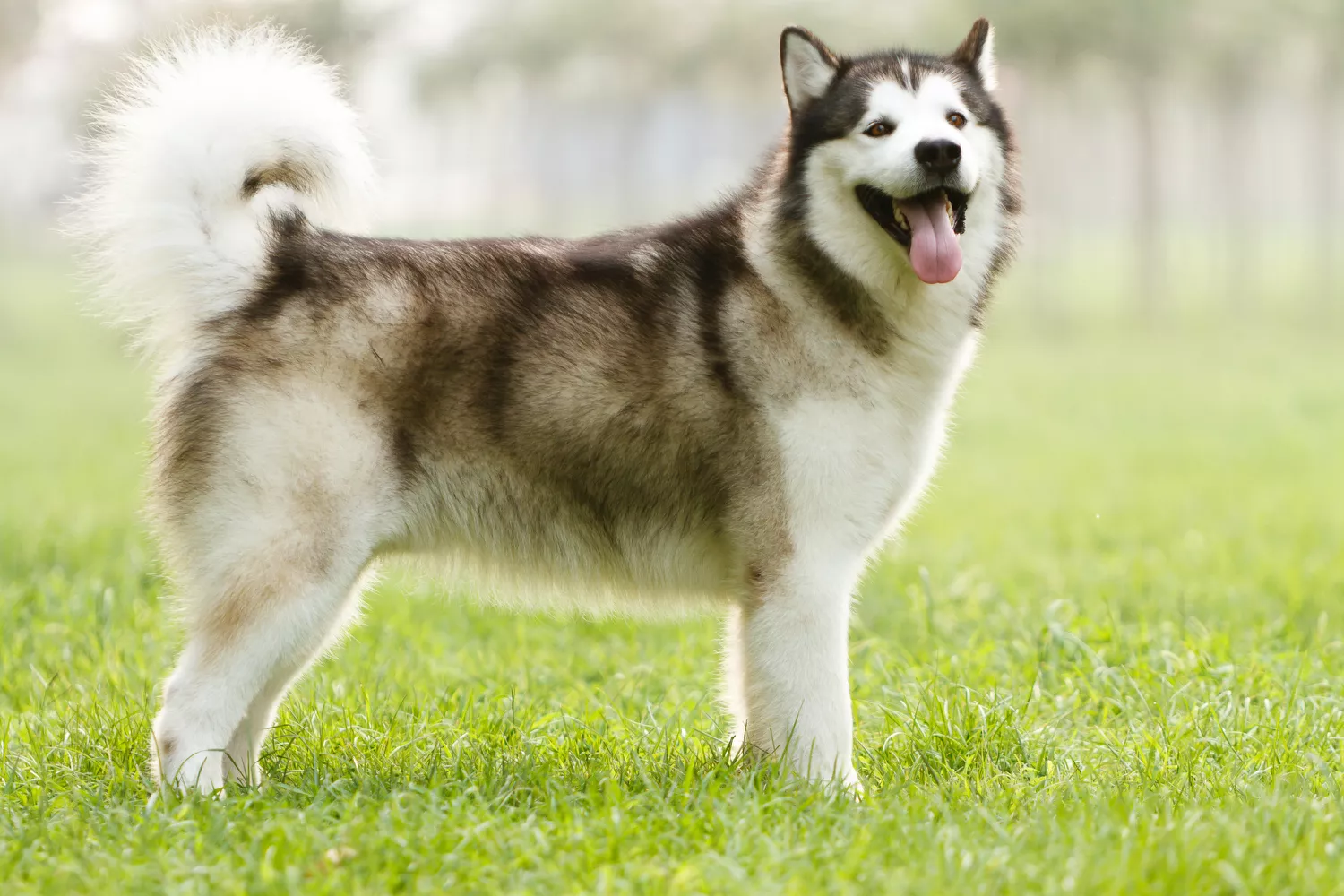
The Alaskan malamute looks a lot like the much smaller Siberian husky; however, the indigenous people bred the two closely-related Arctic dogs for different needs. The sleeker husky was bred more for the speed and endurance needed to pull sleds over long distances, while the Alaskan malamute was developed for sheer strength.
Malamutes were sometimes used to pull sleds, and they also hunted polar bears, seals, and other powerful prey, so it’s no surprise this is another one of the strongest dog breeds.
It's commonly believed that Alaskan malamutes are wolf-dog hybrids, but today's malamutes are fully domesticated and make sweet, loving, and loyal companions.
Breed Overview
Group: Working (AKC)
Height: 24 to 27 inches (males); 22 to 24 inches (females)
Weight: 75 to 100+ pounds
Personality/Temperament: Friendly, loyal, playful
Energy Level: High
Coat and Color: Thick, double coat; many color variations, but primarily white with black, sable, brown, and gray
Life Span: 10 to 12 years
08 of 10
Doberman Pinscher
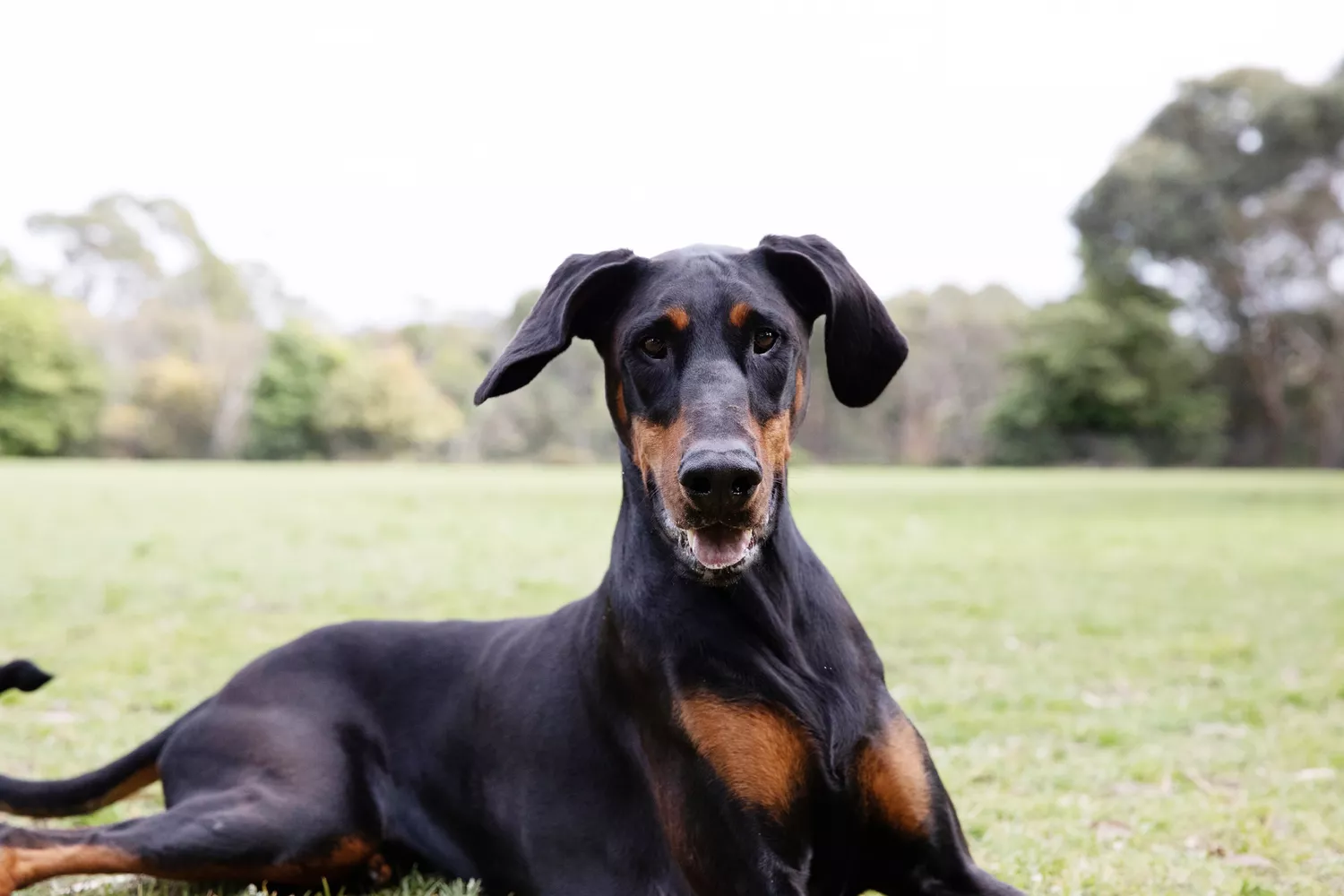
Doberman pinschers, otherwise known as Dobies, first originated in Germany in the early 1900s. Karl Friedrich Louis Dobermann developed the breed and aimed to produce a medium-sized companion dog that could also work as a fierce guard dog.
As one of the strongest dog breeds, the Doberman is a muscular, athletic dog with high endurance and a good personality. The U.S. Marine Corps selected the Doberman as its official dog during World War II for their athleticism and endurance. They are still used as security, military, and police dogs today.
Breed Overview
Group: Working (AKC)
Height: 24 to 28 inches
Weight: 65 to 100 pounds
Personality/Temperament: Intelligent, loyal, alert
Energy Level: High
Coat and Color: Short, sleek; red, blue, black, and fawn
Life Span: 10 to 12 years
09 of 10
Rhodesian Ridgeback
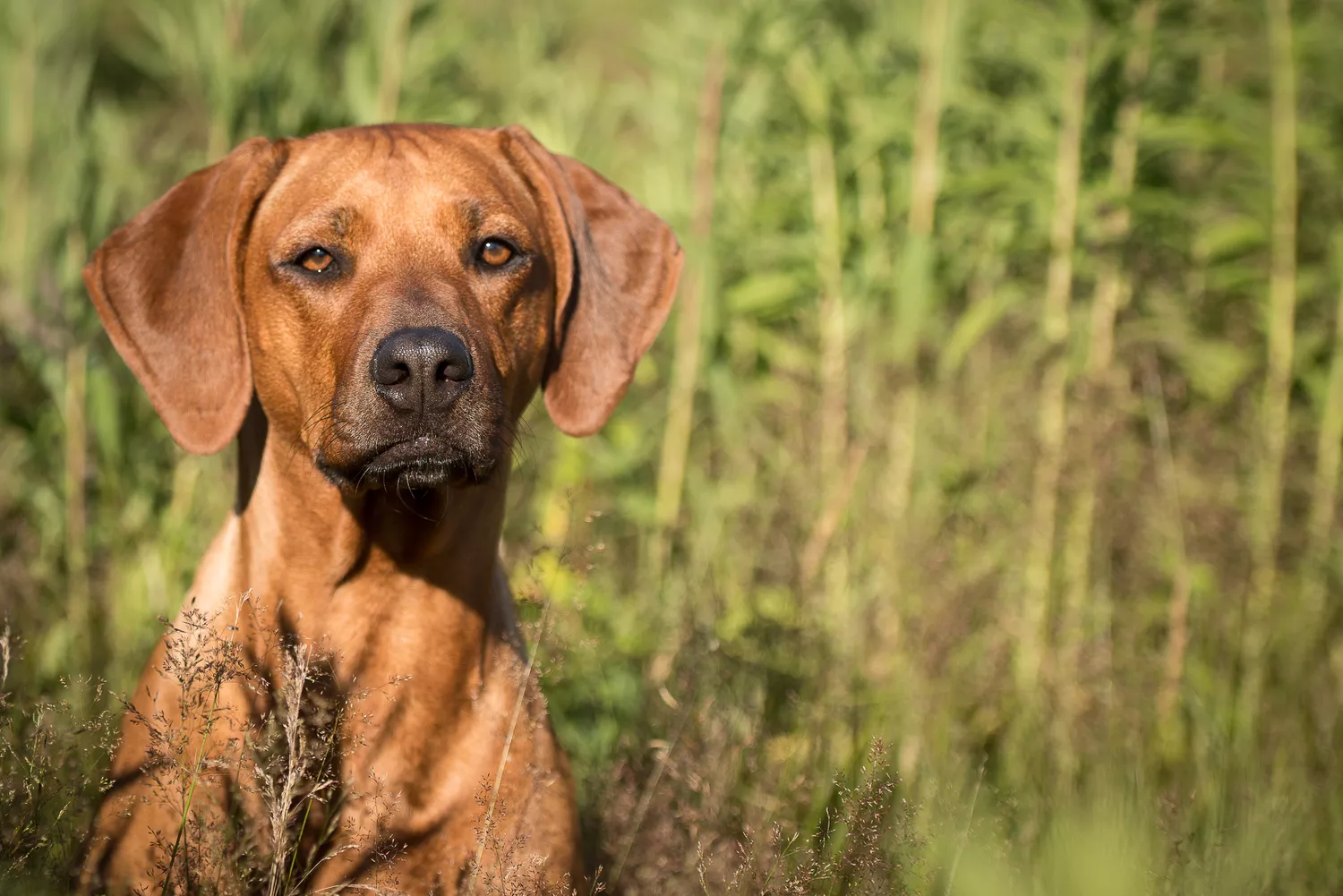
Known for the distinctive "ridge" along their backs, Rhodesian ridgebacks originated more than 500 years ago when European immigrants brought domesticated dog breeds to South Africa and bred them with a native, ridgebacked dog. This new crossbreed, the Rhodesian ridgeback, was trained to hunt large game, like lion and boar, in packs of four to six.
Modern Rhodesians have retained their ancestors' strength and endurance and are now companion dogs to very active, athletic families or guard dogs.
Breed Overview
Group: Hound (AKC)
Height: 24 to 27 inches
Weight: 70 to 85 pounds
Personality/Temperament: Courageous, independent, protective
Energy Level: Medium
Coat and Color: Short and smooth; light wheaten to red wheaten
Life Span: 10 to 12 years
10 of 10
Chow Chow
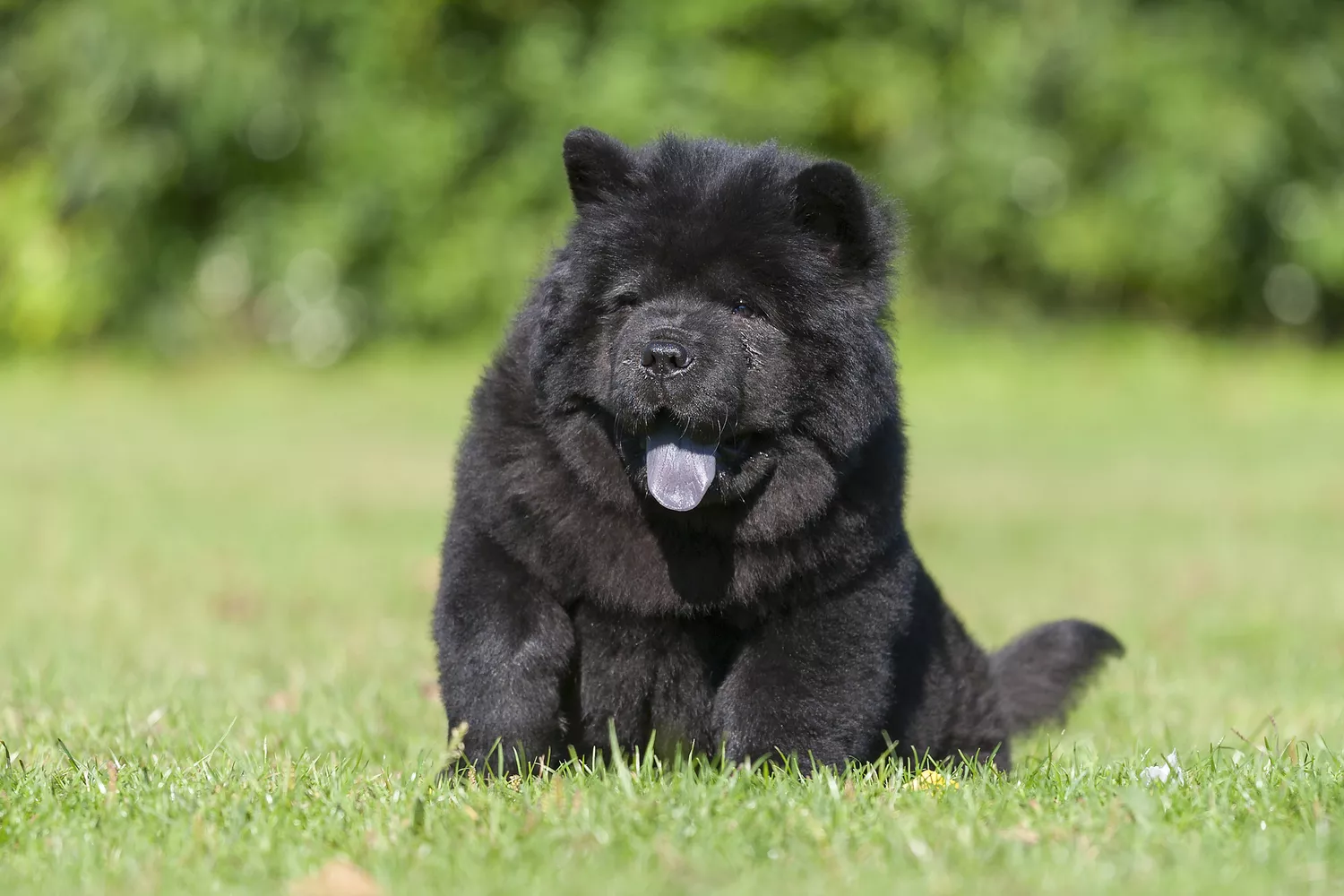
Despite their fluffy, teddy bear appearance, chow chows are compact, mighty dogs with a long history as aggressive guard dogs. Their DNA dates back to 206 B.C.E. when they were temple guard dogs in China and other parts of Asia.
It's mistakenly believed that modern-day chow chows have all retained their ancestors' aggressive behaviors; most are gentle, loving family dogs. They are sturdy and strong-willed but are fiercely loyal, and most still enjoy a game of chase.
Breed Overview
Group: Non-Sporting (AKC)
Height: 17 to 20 inches
Weight: 40 to 70 pounds
Personality/Temperament: Aloof, independent, loyal
Energy Level: Medium
Coat and Color: Rough or smooth; black, blue, red, and cream
Life Span: 9 to 13 years
Breeds to Avoid
If you're looking for a dog that will help you haul or go ranging with you over long distances, you're likely looking for larger, more muscular dogs, such as the strongest dog breeds above.
Dogs to avoid are usually smaller canines bred for lap sitting and prefer perching in your arms, like shih tzus, pugs, and Pekingese. These breeds tend to opt for lounging when given the opportunity.



