10 Best Dog Breeds That Don't Shed Much
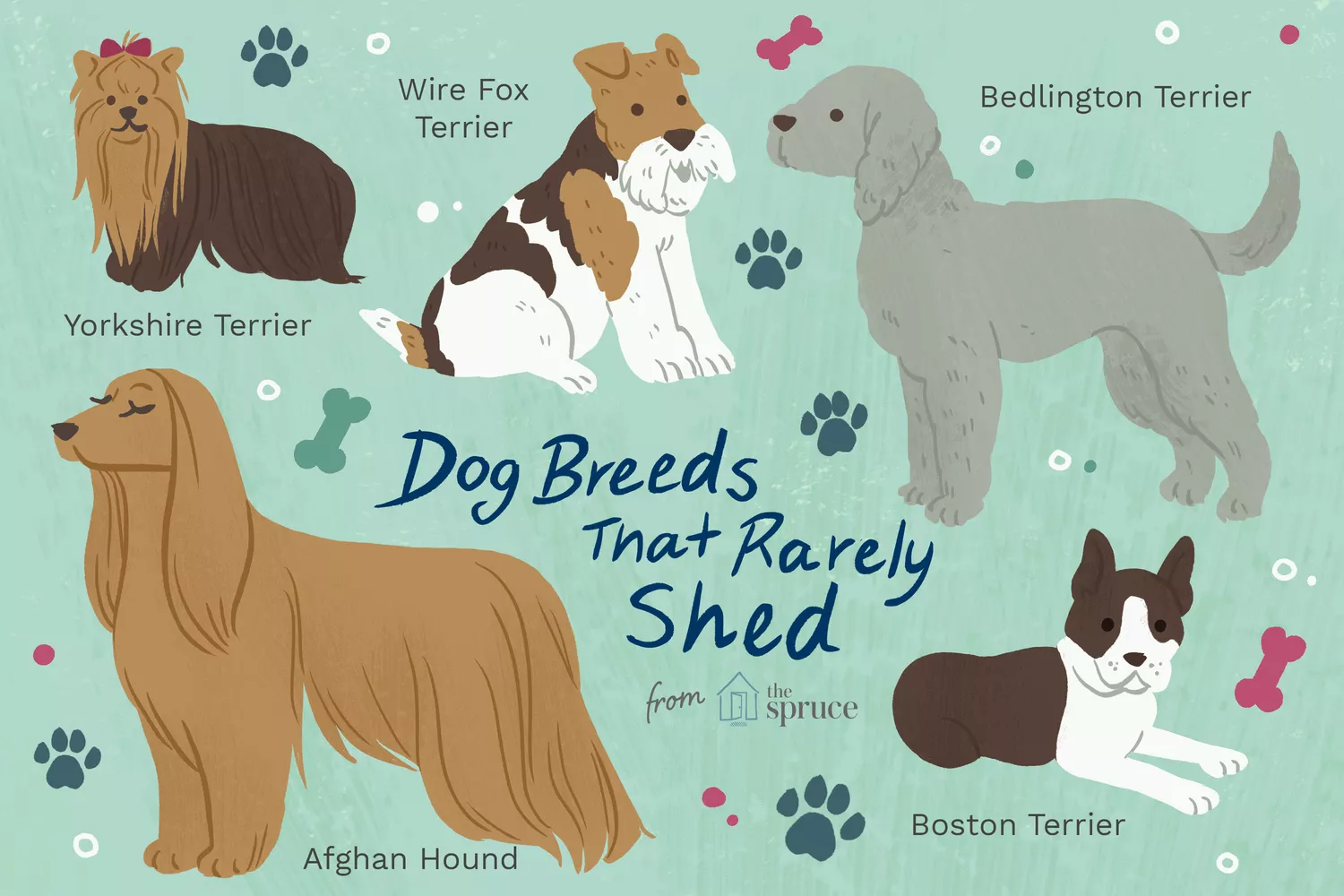
While all dogs shed their fur, some don't shed as much as others. Hair follicles determine texture, length, and rate of growth and shedding. Most low-shedding dogs have the hair type that grows long, and this often means they have special grooming needs, such as requiring regular haircuts.
If you're looking for a low-shedding dog, here are 10 excellent breeds to choose from.
01 of 10
Afghan Hound
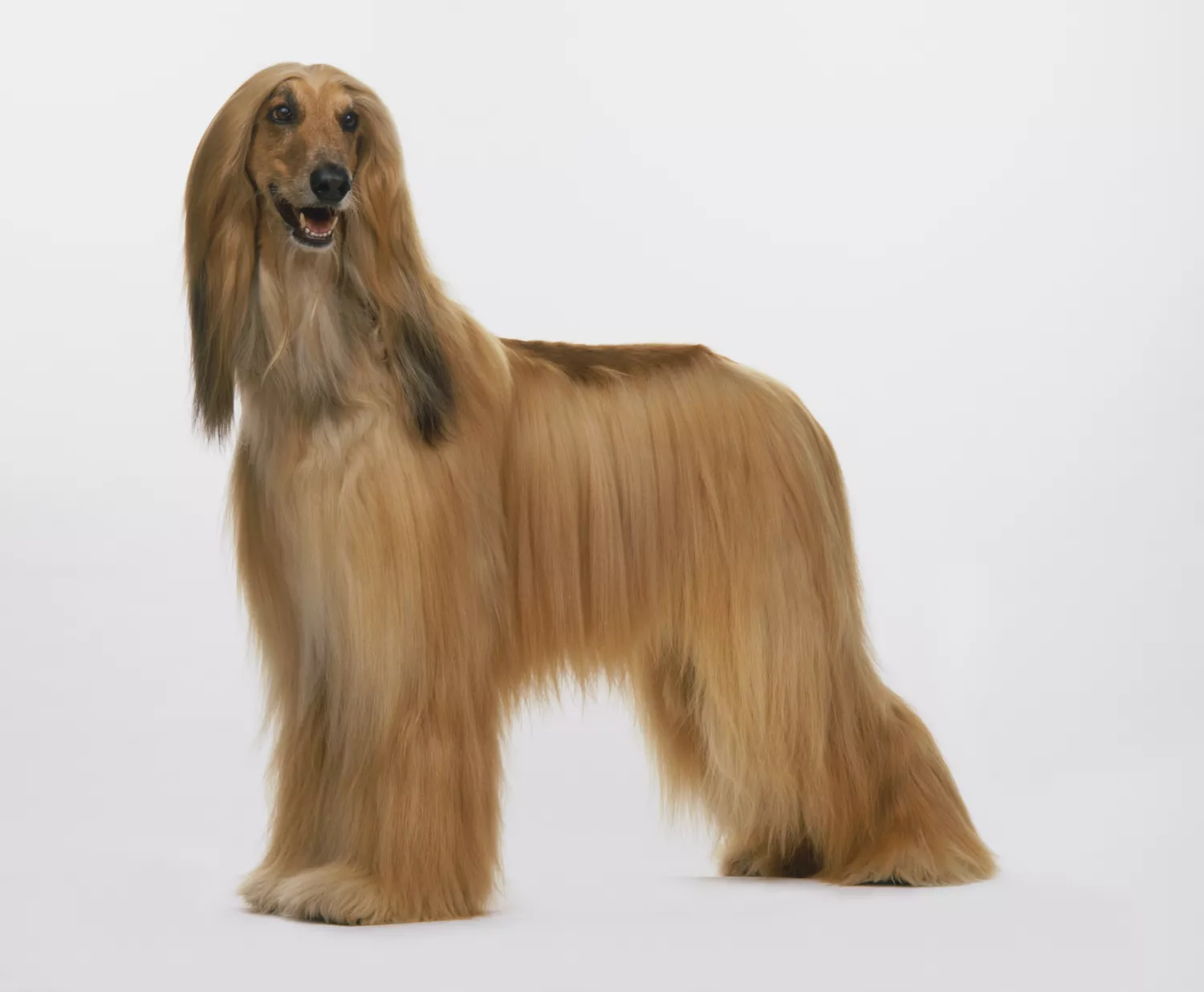
The Afghan is a large sighthound known for its glamorous tresses. That long, silky hair requires ample attention to keep it healthy. Daily brushing is a must to remove tangles and prevent mats. The coat should also be washed with shampoo and conditioner as needed. Some owners keep their dogs' coats trimmed short to minimize maintenance.
Breed Overview
02 of 10
Bedlington Terrier
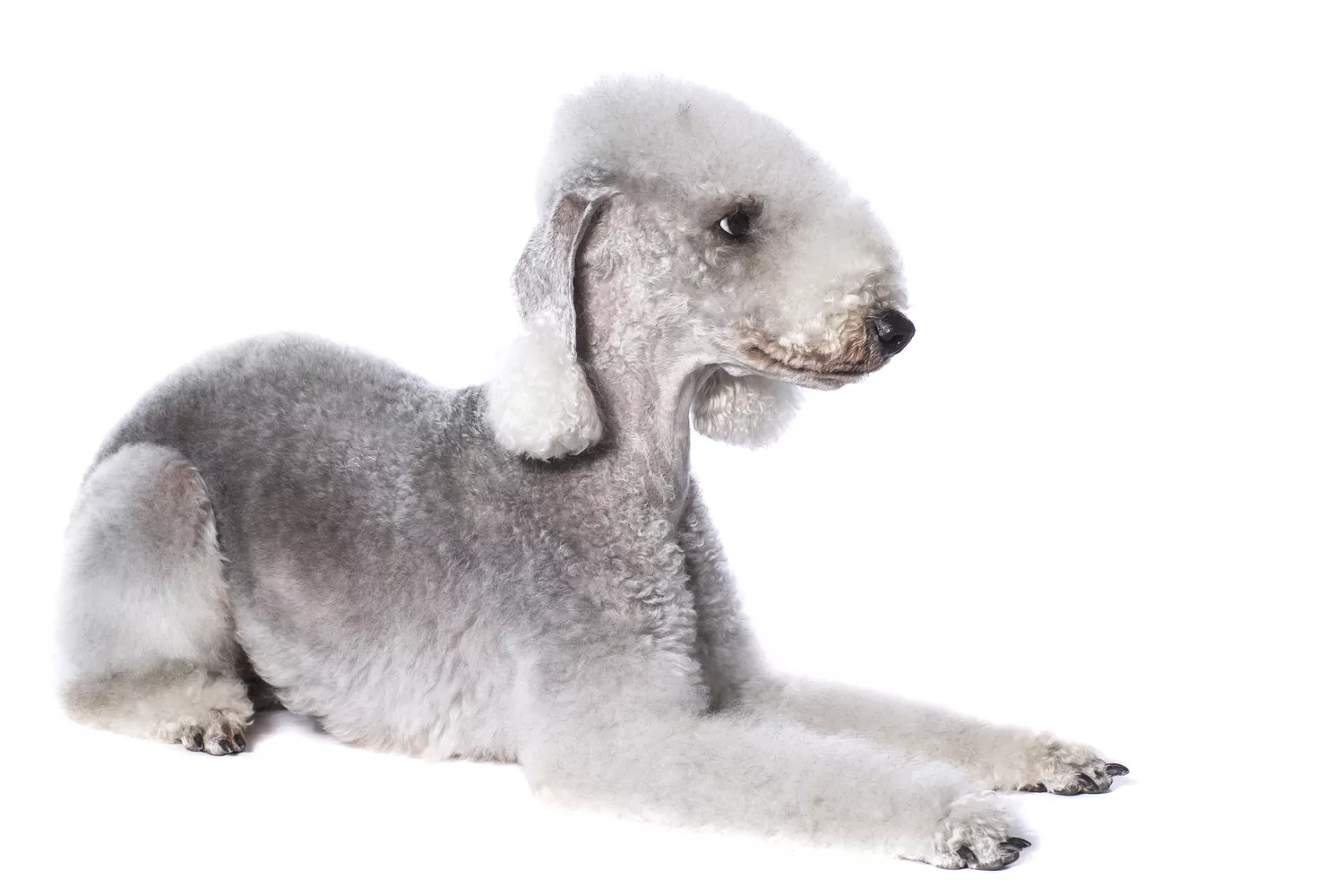
The lamb-like appearance of the Bedlington Terrier matches its gentle nature. This dog has a unique, low-shedding coat with both soft and coarse hair. The coat grows quickly and requires regular trimming. It is recommended to brush or comb twice weekly to prevent tangles and mats.
Breed Overview
03 of 10
Bichon Frise
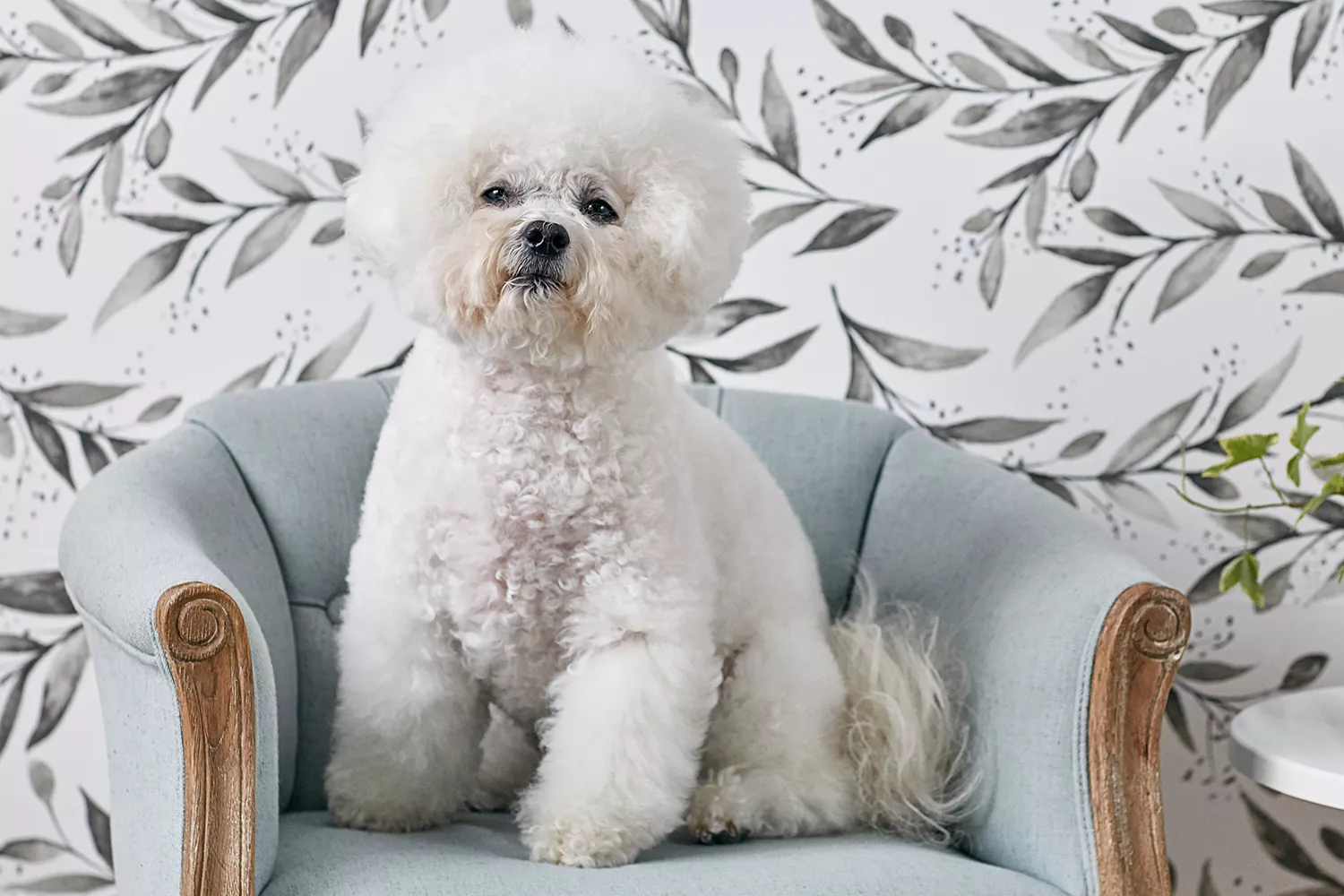
The bichon frise is a playful dog with a cheerful personality. It needs haircuts about every four to six weeks as well as regular baths to keep its white coat fresh. The coat should be brushed several times a week, if not daily, to prevent loose, dead hair from forming mats.
Breed Overview
04 of 10
Boston Terrier
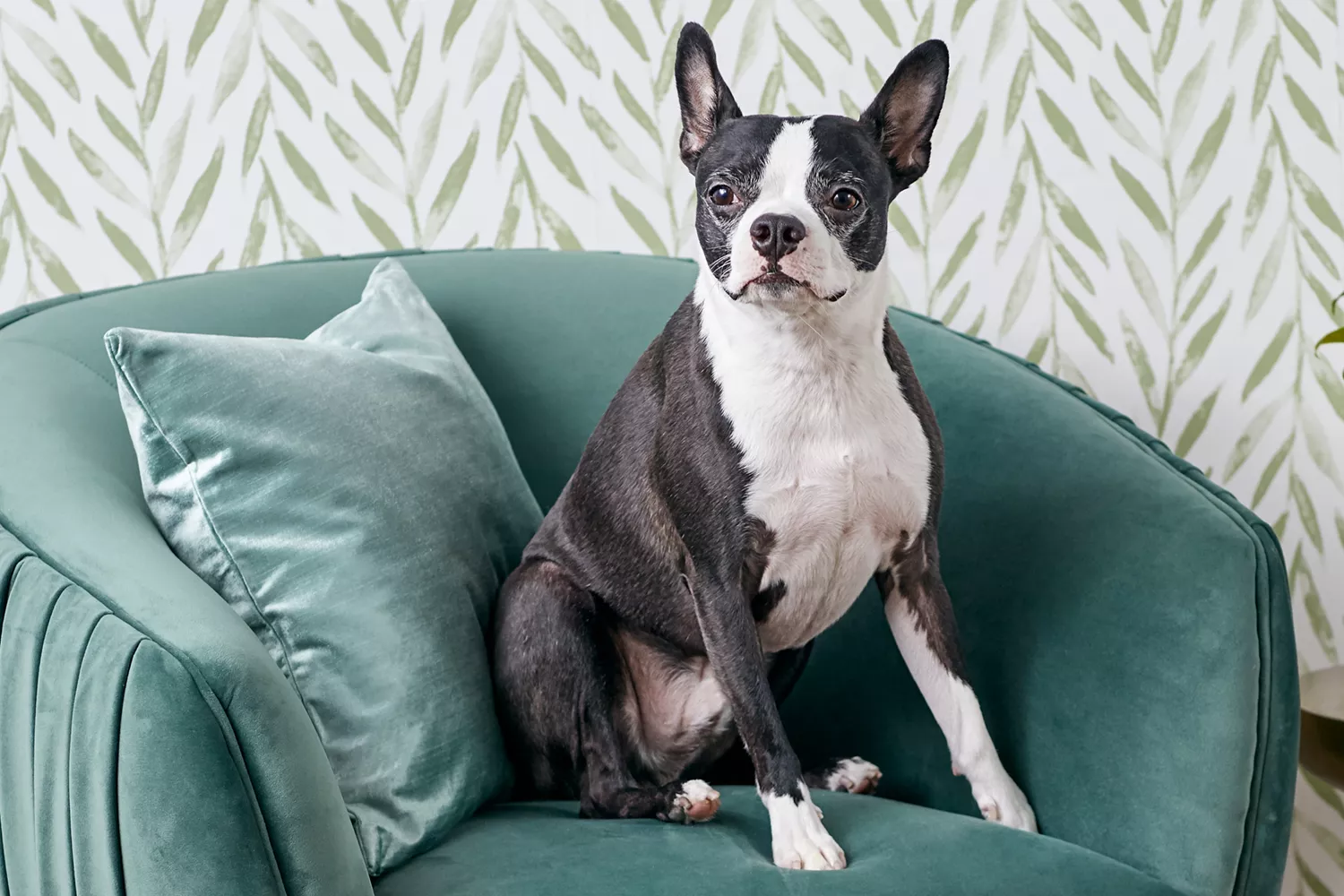
The Boston terrier is typically an energetic and friendly dog. Its short and sleek coat tends to shed very little, though more noticeable seasonal sheds occur roughly twice a year. Weekly brushing with a soft-bristle brush or grooming mitt can help to remove loose fur and keep the coat healthy.
Breed Overview
05 of 10
Lhasa Apso
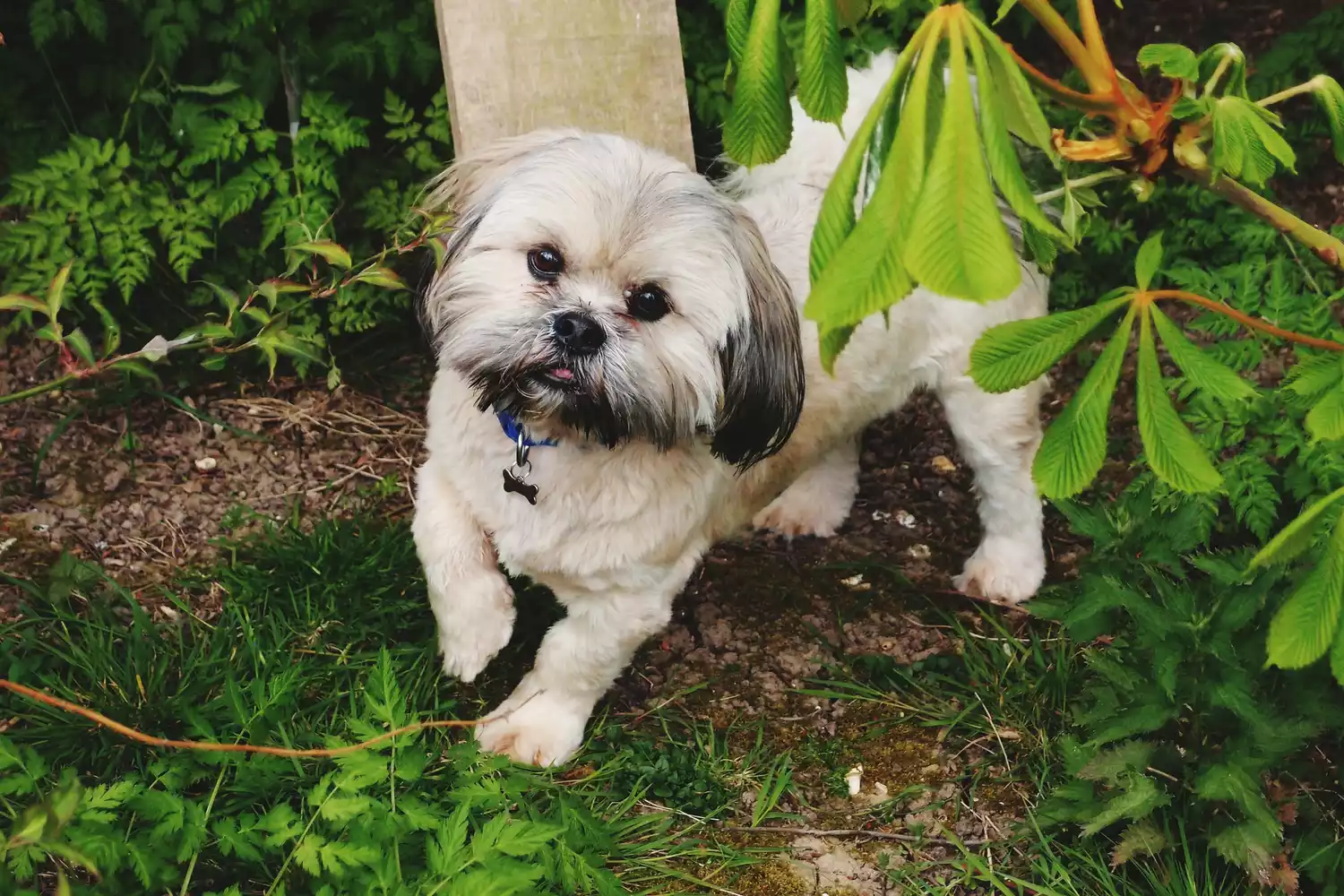
The Lhasa apso is generally playful and loving with its family, though some Lhasas are aloof with strangers. Its coat may be kept long or trimmed short. Long hair must be brushed several times a week and bathed regularly. Short hair should be trimmed regularly and brushed once or twice a week.
Breed Overview
06 of 10
Maltese
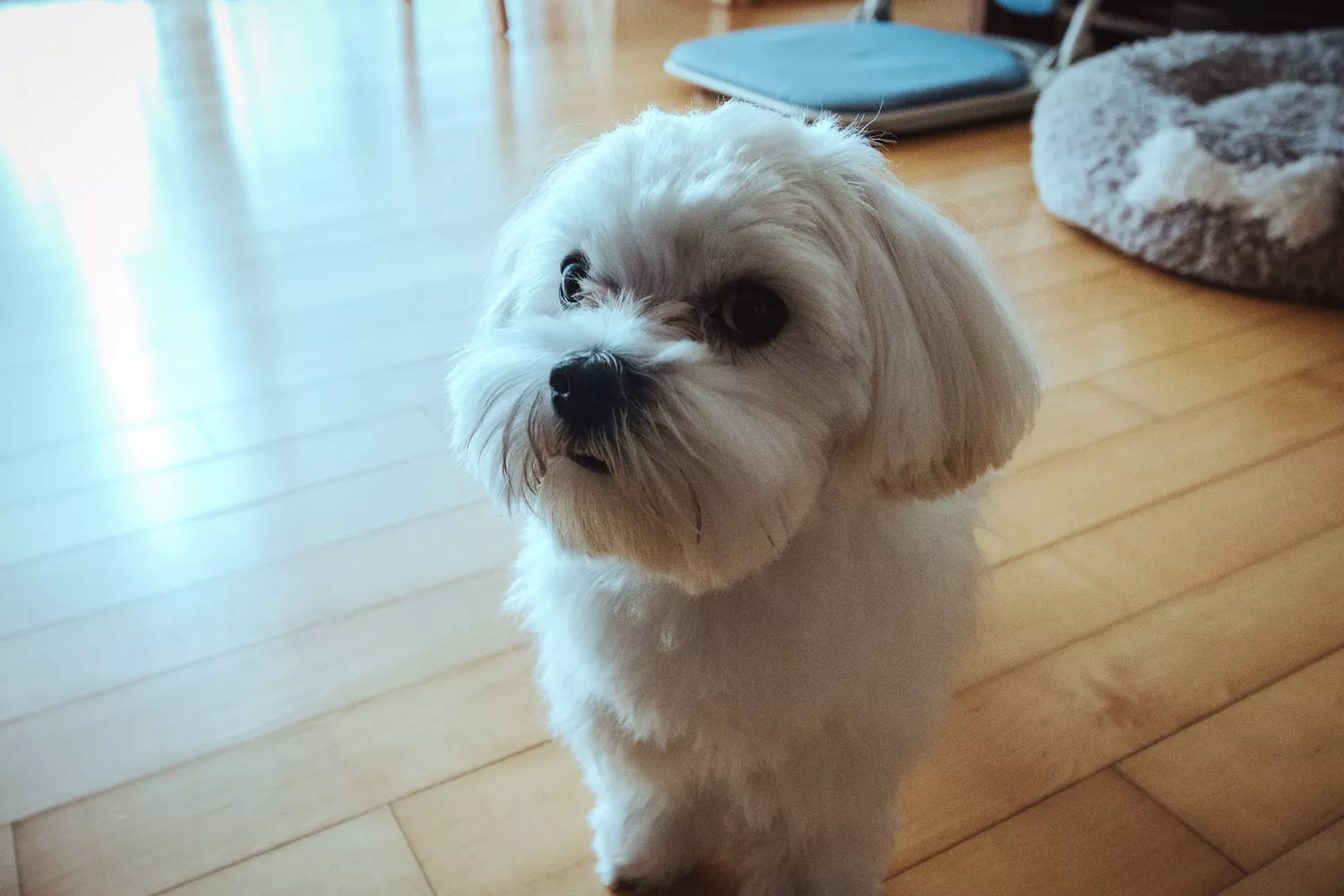
The Maltese is graceful and playful yet hardy and fearless. Its coat should be brushed daily to prevent tangles, and it should have regular baths with conditioner. Some owners choose to keep the hair trimmed short for easier upkeep. Short coats should still be brushed once or twice a week.
Breed Overview
07 of 10
Poodle
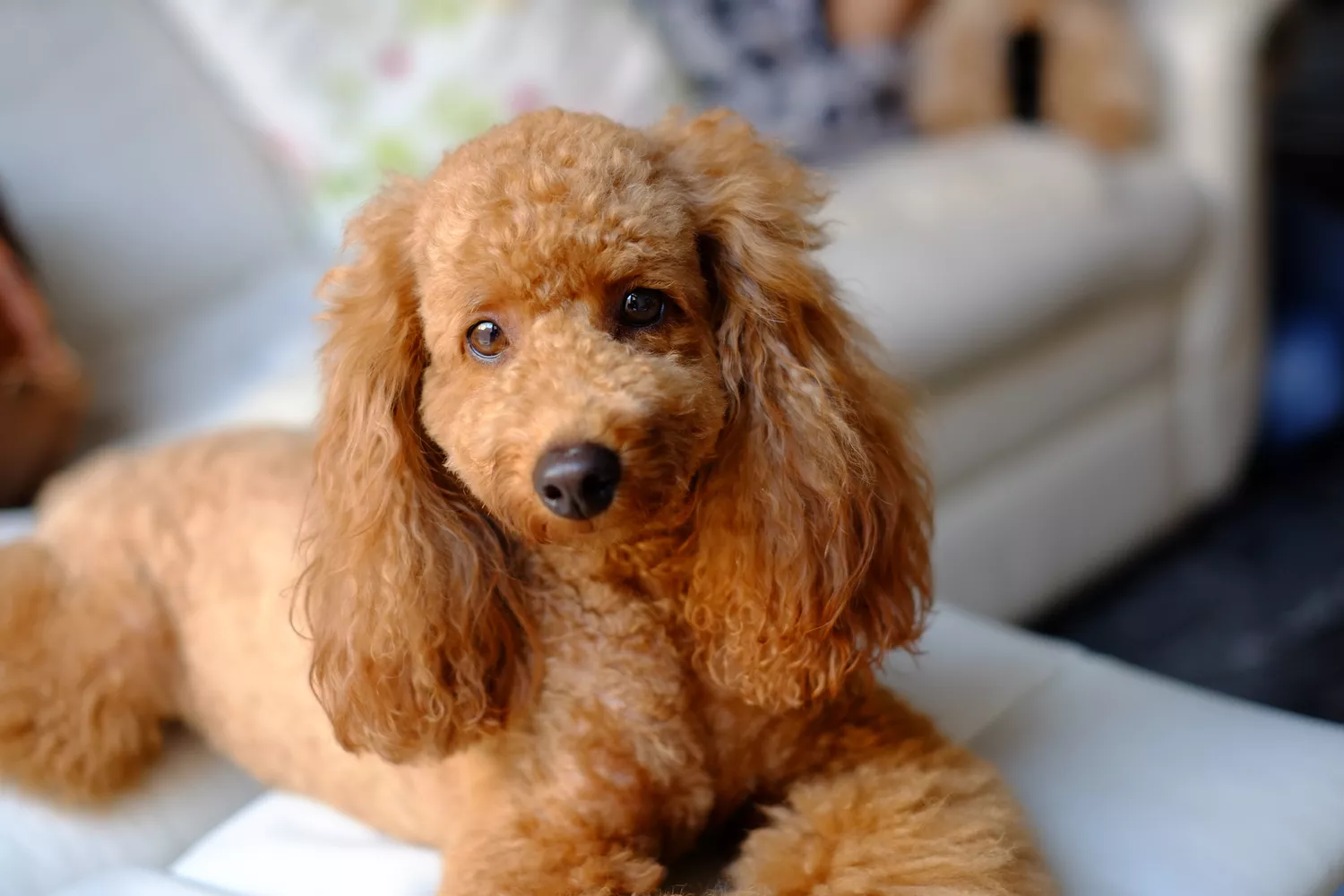
All poodle varieties—standard, miniature, and toy—have curly hair that needs regular grooming. If the coat is long, daily brushing is necessary to prevent mats. Poodles with short haircuts should be brushed about once a week. And they should be clipped and bathed about every four to six weeks.
Breed Overview
08 of 10
Shih Tzu
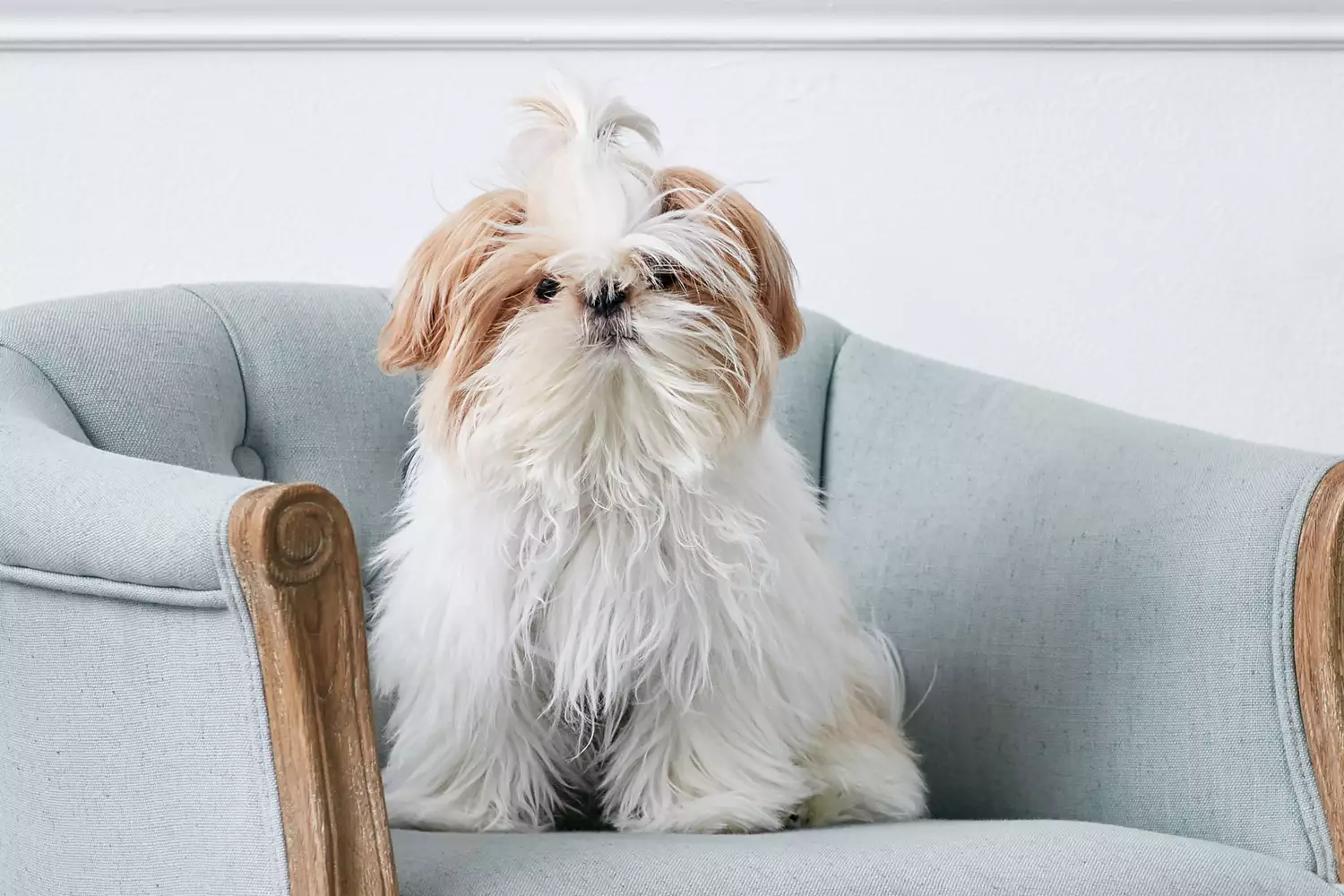
The Shih Tzu is a perfect lap dog that requires daily brushing and styling. Achieving the desired topknot style may take practice. For shorter haircuts, brushing twice a week suffices. Regular grooming appointments every four to eight weeks help maintain the coat’s desired length.
Breed Overview
09 of 10
Wire Fox Terrier
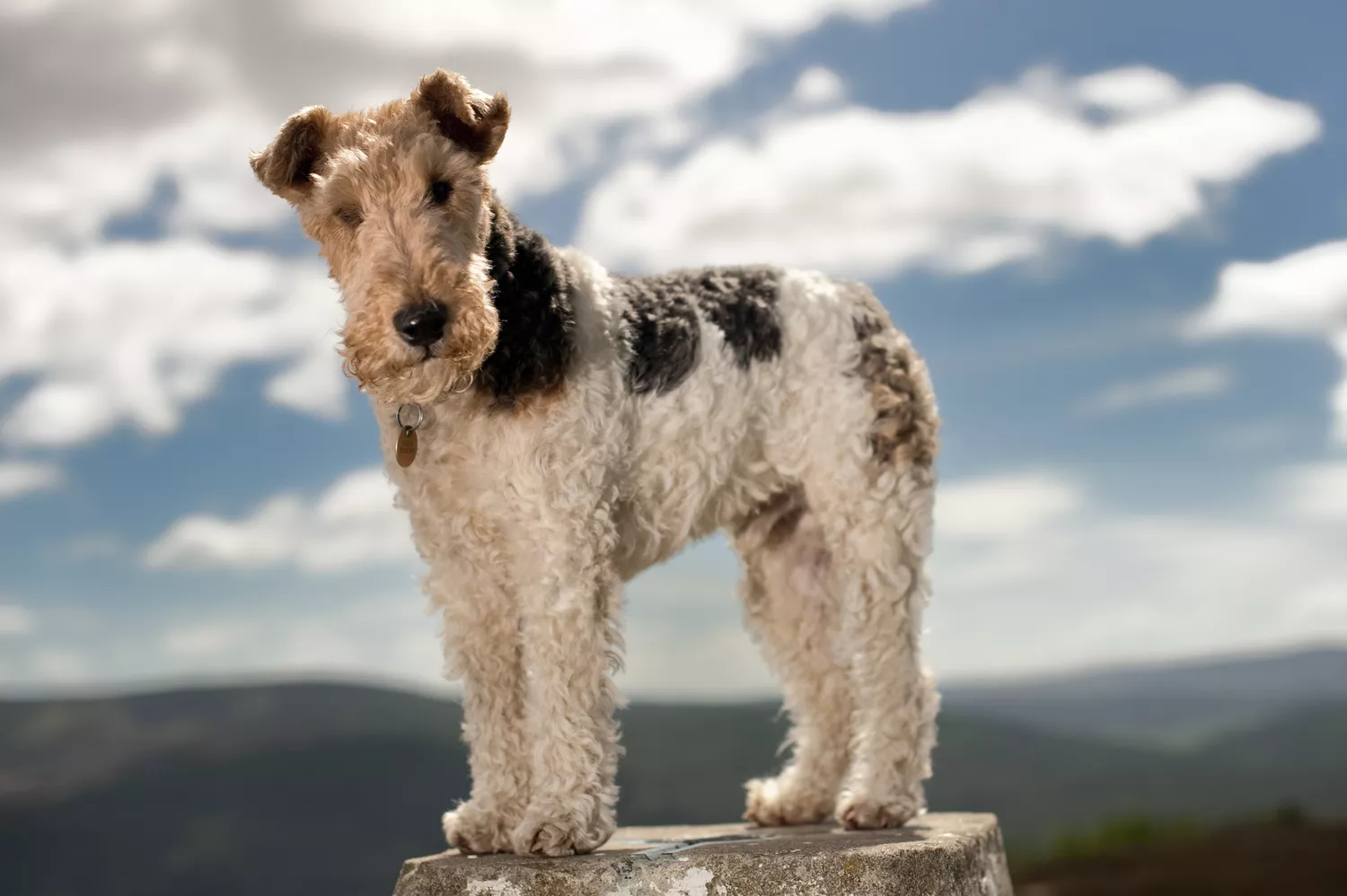
The wire fox terrier is a bold, sociable, and active dog with a low-shedding coat. Some people choose to hand-strip their dogs' coats periodically to remove dead fur, while others prefer to trim the coat with clippers. Either way, the coat should be brushed about once or twice a week.
Breed Overview
10 of 10
Yorkshire Terrier
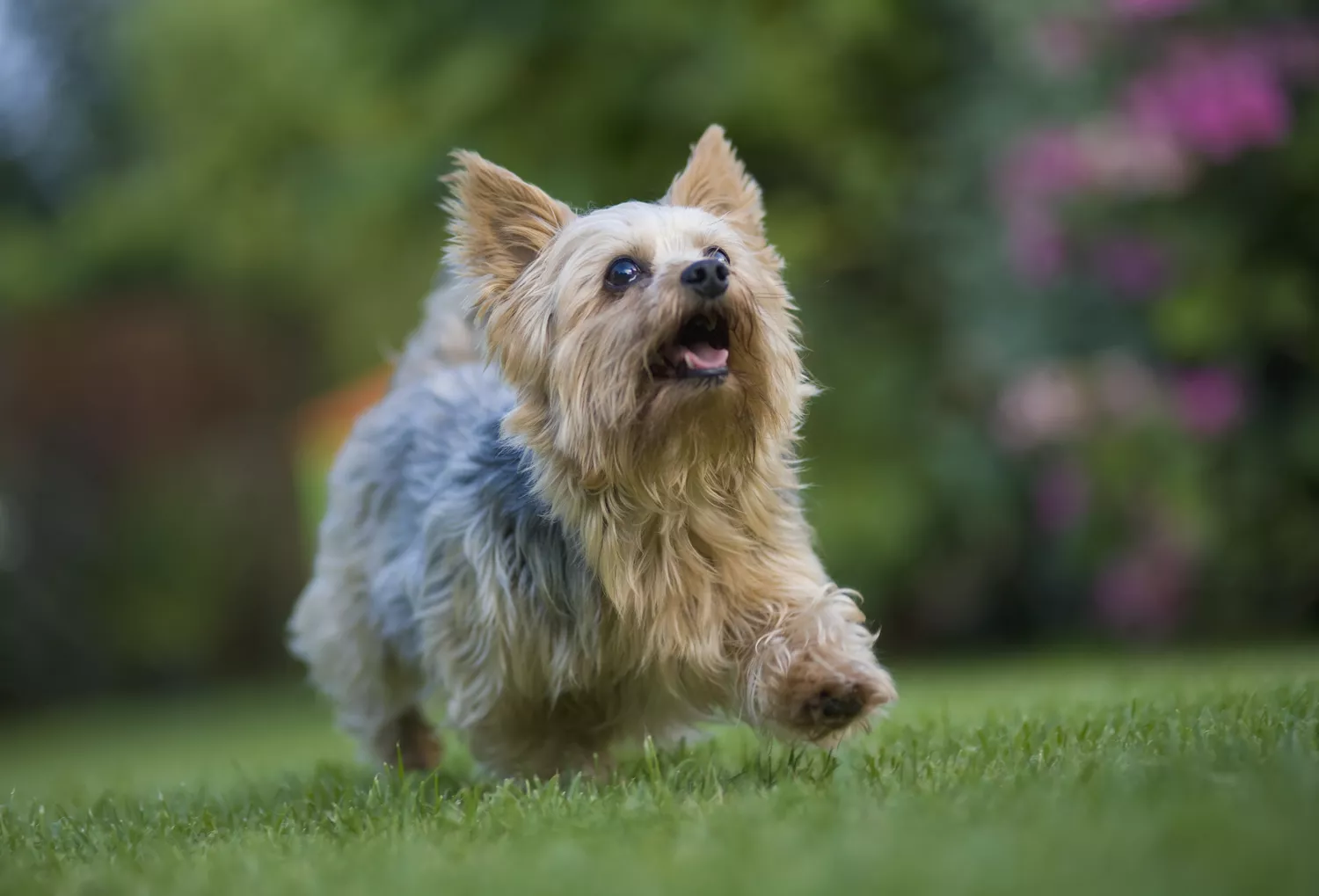
The Yorkshire terrier is a fearless little dog. Its low-shedding, silky coat is similar to human hair and needs to be brushed daily to prevent tangles. Yorkies with short-trimmed coats should be brushed about once a week. Plan to visit the groomer every six to eight weeks, depending on the desired coat length.
Breed Overview
Breeds to Avoid
Many dog breeds, including the Siberian husky, German shepherd, and Saint Bernard, have thick coats that will inevitably shed all over your home. Even the popular Labrador and golden retrievers have dense coats that tend to shed a lot. Brushing several times a week to remove loose fur can help keep their shedding to a minimum.
Grooming Tips for Your Dog



