Tosa Inu: Dog Breed Characteristics & Care
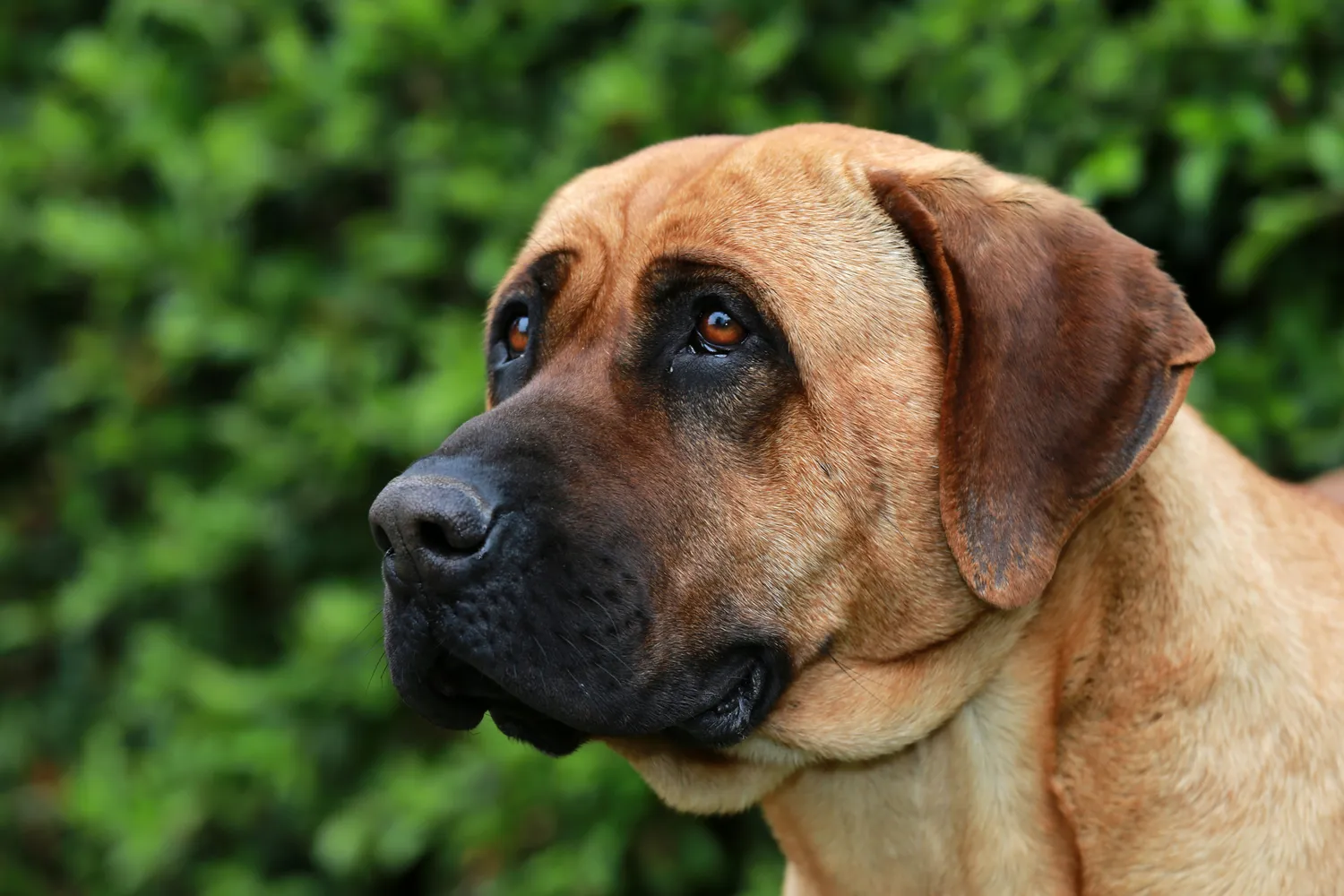
The Tosa Inu, also referred to as the Tosa Ken or Japanese mastiff, is a large mastiff-type breed with short fur. Tosa Inus can be quietly affectionate with their families, but they are usually aloof with strangers. They require extensive socialization to help them become accepting of welcome visitors. Due to their history of dogfighting, they can also be aggressive toward other dogs, especially those they don't know.
Learn more about the Tosa Inu’s history, temperament, and care needs.
Breed Overview
Group: Molossoid breeds, Mastiff type (FCI)
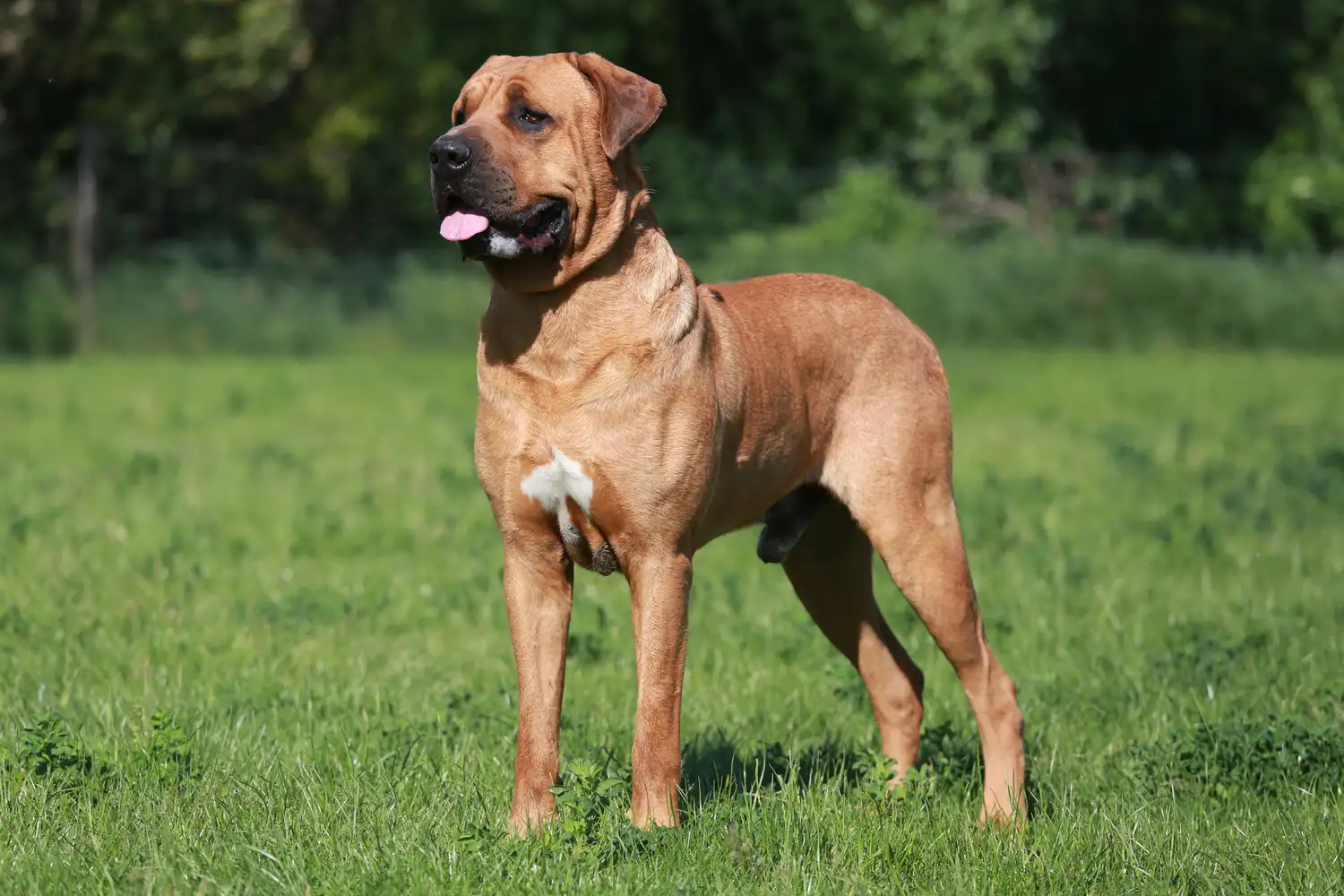
Height: 21.5 to 23.5 inches
Weight: 100 to 200 pounds
Coat: Short, hard, and dense
Coat Color: Red, fawn, apricot, black, or brindle
Life Span: 10 to 12 years
Temperament: Intelligent, courageous, alert, fearless, protective, calm
Hypoallergenic: No
Origin: Japan
Characteristics of the Tosa Inu
Though Tosa Inus are massive, powerful dogs, their temperament is calm, quiet, and obedient. They are innately watchful and will alert you to anything deemed threatening or out of the ordinary.
Although a Tosa might react aggressively toward a trespasser or a person threatening their home or family, they are not aggressive toward non-threatening humans. Tosas also have gentle and tolerant personalities with children in the family who are taught to interact with the dog respectfully.
If raised together and socialized properly, Tosas might be able to live peacefully with other dogs that are members of the family. Keeping a pair of dogs of the opposite sex (one male and one female) is typically recommended, as they might be more likely to get along. Keeping Tosas with cats or other small pets is generally not advised.
Affection Level | Medium |
Friendliness | Low |
Kid-Friendly | Medium |
Pet-Friendly | Low |
Exercise Needs | Medium |
Playfulness | Low |
Energy Level | Medium |
Trainability | Medium |
Intelligence | Medium |
Tendency to Bark | Low |
Amount of Shedding | Low |
History of the Tosa Inu
Dogfighting as a sport has a long history in Japan. The Tosa Inu was purposefully created to be a larger, stronger, more skilled fighting dog than other breeds.
Around the mid-19th century, Europeans introduced some of their prized fighting dogs to Japan. When Japanese dog fanciers saw the dogs' prowess, they began introducing them into lines of fighting dogs in Japan.
The breeds used to create the Tosa include another Japanese breed, the Shikoku, as well as Western breeds that had been newly introduced to Japan, including bulldogs, mastiffs, German pointers, Great Danes, and possibly other breeds.
The Tosa Inu is not fully recognized by the American Kennel Club. However, it’s part of the AKC’s Foundation Stock Service, which is a stepping stone toward eventual full registration.
The Tosa is recognized by the United Kennel Club. Internationally, the breed is recognized and classified as a molossoid breed by the Fédération Cynologique Internationale (FCI).
Tosa Inu Care
When it comes to exercise and grooming, the Tosa Inu is relatively low-maintenance. Training must be consistent, especially in puppyhood, and used in combination with socialization to help your dog acclimate to life at home and in public.
Exercise
The Tosa Inu is rather athletic for a giant breed. However, exercise requirements fall in the moderate range.
The Tosa needs daily exercise and mental stimulation in the form of long walks, hikes, or chasing after a toy or ball in your safely enclosed yard.
Due to the breed's tendency toward dog aggression, you should always keep your Tosa secure on a leash when out of the home.
Grooming
The Tosa’s coat is simple to care for. The short, straight, dense fur lies tight to the body and needs no trimming, and it only sheds moderately. Brushing a few times a week can keep this under control.
Trim your dog's nails every two weeks and check inside the ears periodically. If they appear dirty, clean them with a pet-safe ear cleaner and cotton balls or gauze squares. If you see redness or inflammation, have your dog examined by a veterinarian. Also, brush your dog’s teeth daily to keep them clean and the gums healthy.
Training
Although the Tosa Inu is intelligent and wants to please, the breed is self-assured and can be willful. Use firm-but-fair training methods, including positive-reinforcement training and consistently enforcing the rules.
Early, frequent socialization in puppyhood is absolutely vital to reduce overprotectiveness. If your dog begins showing signs of aggression early on, seek an expert with experience in behavioral training. Ignoring these signs in puppies can lead to problems later in your dog's life; considering their large size, this can be especially dangerous when combined with aggression.
Common Health Problems
Like all purebred dogs, the Tosa Inu may be prone to developing certain genetically linked health conditions. Responsible breeders test their adult Tosas before breeding them to ensure they don’t pass on undesirable health conditions. Below, find common problems that this breed may experience:
Elbow and hip dysplasia: These conditions are caused by malformations in your dog's joints as they grow. Common in large breeds, dysplasia can require surgery in severe cases to help your dog live comfortably.
Gastric dilatation-volvulus (GDV or bloat): Like many large, deep-chested breeds, the Tosa may be at higher risk of developing gastric dilatation-volvulus (often called bloat), a life-threatening condition where the stomach fills with air and twists on itself. Veterinarians often recommend bloat prevention through surgery, called prophylactic gastropexy, which tacks the stomach down to keep it from twisting.
Allergies: Most dog breeds can experience allergies at some point in their lives. If your Tosa has problems with itching, rashes, or consistent sneezing and coughing, consult your veterinarian to begin appropriate treatment.
How to Care for Large and Giant Dogs
Diet and Nutrition
Weighing between 100 and 200 pounds, Tosa Inus are massive dogs. They eat a large volume of food, but it’s important to monitor their portions. This is especially important in puppyhood. Giant breeds need slow and steady growth to prevent joint disorders like hip and elbow dysplasia.
Another important factor in the diets of giant-breed dogs is the timing of their meals. Your veterinarian might recommend feeding smaller portions of high-quality dog food several times throughout the day to prevent conditions like bloat, along with avoiding meals before or after exercise.
Excess weight, including canine obesity, can also lead to the development of other health conditions like diabetes. Ask your veterinarian to provide a suitable feeding schedule for your specific dog that considers their age, weight, and activity level.
Where to Adopt or Buy a Tosa Inu
Before embarking on Tosa Inu ownership, check your country’s laws. In Japan, the breed is used for dogfighting, but in other parts of the world, the Tosa is bred to be a show dog and companion.
Due to the breed's history of dogfighting, owning a Tosa is banned outright or legally restricted in certain countries, including Australia, the United Kingdom, New Zealand, Norway, Denmark, and more. Some states, cities, local governments, landlords, and insurance companies also exclude the Tosa.
This breed is rare, so finding a Tosa Inu at a shelter or even through breeders can be a challenge. Large-breed rescues and local shelters are a great place to start your search. Be prepared to join a waiting list for a puppy.
The price of puppies can range from $1,500 to $5,000, depending on their pedigree and your region.
The American Kennel Club maintains a list of breeders for all breeds, including those like the Tosa that are not yet fully recognized but are part of the AKC’s Foundation Stock Service.
The following are resources for getting a Tosa through responsible breeders and large-breed rescues:
AKC Tosa Breeders
Gentle Giants Rescue and Adoptions
Tosa Inu Overview
The Tosa Inu is a large dog that’s best for experienced dog parents. These canines need appropriate training and socialization, as well as a lot of physical and mental stimulation daily. Plus, it can be difficult to find this rare breed.
Pros of Tosa Inus
Easy-care coat
Calm and docile with their family
Excellent watchdog and guard dog
Cons of Tosa Inus
Dog- and animal-aggressive
Breed ownership is restricted in many countries
Requires abundant exercise, socialization, and training
11 Fascinating Japanese Dog Breeds to Discover
More Dog Breeds and Further Research
If you like the Tosa Inu, check out these similar breeds:
Bullmastiff
Mastiff
Neapolitan Mastiff
Otherwise, check out other dog breeds to help you find the perfect dog for you and your family. With a little research, you can find your new best friend!



