Lhasa Apso: Dog Breed Characteristics & Care
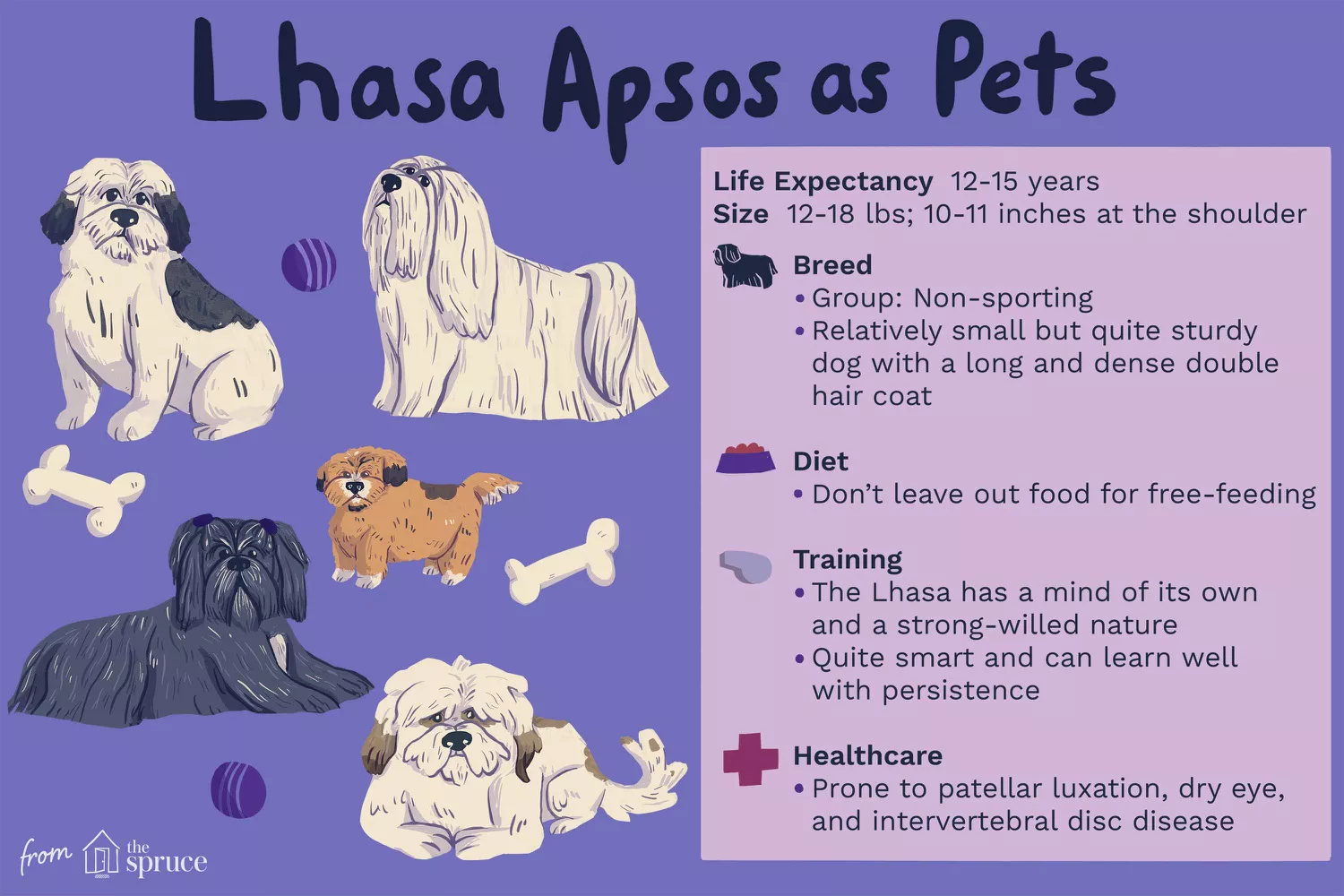
The Lhasa apso is a small non-sporting dog breed from Tibet that has a long, silky coat, which is touted for being low-shedding. Some pet parents trim the coat short in what’s called a “puppy cut” for easier maintenance. The Lhasa apso’s eyes are typically dark and oval, and their tail curls over their back.
These dogs have a well-balanced build and tend to believe they’re larger than their actual size. Hardy and smart, these little dogs are confident yet comical. Their history as a guard dog stretches back centuries, where they were trained to watch over their home and family.
Discover more about the Lhasa Apso, including the breed’s history, care needs, and temperament.
Breed Overview
GROUP: Non-sporting
HEIGHT: 10 to 11 inches (male), slightly smaller (female)
WEIGHT: 12 to 18 pounds
COAT: Long, silky
COAT COLOR: Black, black and tan, cream, golden, grizzle, red, red gold, or white with/without white markings, black tips, brindle, sable, black mask with tips, or parti-color
LIFE SPAN: 12 to 15 years
TEMPERAMENT: Alert, affectionate, intelligent
HYPOALLERGENIC: Yes
ORIGIN: Tibet
Characteristics of the Lhasa Apso
The Lhasa Apso typically has an affectionate personality with family members, exhibiting incredible loyalty and sometimes experiencing separation anxiety. However, they may be standoffish toward strangers, showcasing a vigilant watchdog temperament and moderate barking tendency.
Affection Level | High |
Friendliness | Medium |
Kid-Friendly | Medium |
Pet-Friendly | Medium |
Exercise Needs | Medium |
Playfulness | Medium |
Energy Level | Medium |
Trainability | Medium |
Intelligence | High |
Tendency to Bark | Medium |
Amount of Shedding | Low |
History of the Lhasa Apso
The Lhasa Apso originated in Tibet approximately a thousand years ago, evolving for the harsh climate of the Himalayas. Named after the city of Lhasa, their original name was Abso Seng Kye, which means the “Bark Lion Sentinel Dog.”
These small canines served as indoor watchdogs in temples and palaces. With their highly developed hearing, they alerted monks and others if anyone got past the outdoor guard dogs, often Tibetan mastiffs.
Lhasa Apsos have long been associated with the Dalai Lama. Notably, the Dalai Lama gifted a pair of Lhasas to naturalist and world traveler Suydam Cutting in the early 1900s, which helped to establish the breed in the United States.
The American Kennel Club first recognized the breed in 1935 as part of the terrier group. Later, in 1959, it was reclassified into the non-sporting group.
Many celebrities have shared their homes with Lhasa Apsos, including Elizabeth Taylor, Ellen DeGeneres, Gwen Stefani, and Jane Lynch.

Lhasa Apso Care
Lhasa Apsos require a moderate amount of daily exercise and need consistent training and socialization to remain well-adjusted. Grooming demands can be considerable, depending on the length of their coat.
Exercise
These dogs don’t need too much exercise, and they are excellent lap dogs. Plan on around an hour of daily exercise for a Lhasa apso via walks, romping around in a secure area, playtime, dog sports, and other activities.
Lhasa Apsos often entertain themselves with toys to expend mental and physical energy. However, they enjoy activities with their humans too. Puzzle toys are especially suitable for providing mental challenges.
Grooming
The Lhasa Apso's coat grows continuously, necessitating regular trims. For easier maintenance, some owners opt for a puppy cut, where the hair is clipped to about 1–2 inches long. However, it's common to see Lhasa Apsos with a long coat parted down the middle, extending near the ground.
A short coat should be brushed at least weekly, while a long coat demands daily brushing to prevent tangles and mats. You can use a wire brush and rake-like comb to keep the coat smooth.
Plan to bathe your Lhasa apso roughly every other week, especially when maintaining a long coat. Dog-safe conditioner or finishing spray helps in detangling. Ensure the coat is well brushed and dried post-bath.
Inspect your dog’s ears weekly for wax buildup, debris, and irritation. Check their nails monthly to determine if a trim is needed. Additionally, aim to brush their teeth daily, as these dogs are prone to dental issues like underbites.
Training
Lhasa Apsos are intelligent dogs; however, their occasional stubbornness can make training moderately challenging. They favor interesting, varied training sessions over repetitive tasks. Positive reinforcement is crucial, as opposed to harsh corrections.
Begin training early to thwart undesirable habits and maintain consistency in commands. Likewise, start socialization from a young age to temper the breed's vigilance and stranger-wariness. Expose your dog to different people, other dogs, and various settings to enhance their comfort and adaptability.

Common Health Problems
Lhasa Apsos are generally a healthy breed but are prone to certain hereditary health issues1, including:
Kidney dysfunction: This breed can inherit glomerular disease, a cause of chronic kidney disease. They can also be born with renal dysplasia, or abnormal kidneys.
Dry eye: Also known as keratoconjunctivitis sicca (KCS), this is when the cornea becomes dehydrated. Symptoms include excessive blinking, thick eye discharge, eye redness, and corneal ulcers.
Progressive retinal atrophy (PRA): This condition causes cells in the retina to degenerate, resulting in vision loss over time. Dogs can become blind because of PRA.
Luxating patella: This is when the knee cap slips out of its groove. A dog may start limping, licking their knee, and keeping their knee bent.
Hip dysplasia: This is an orthopedic condition that targets the hips, causing the joint to develop abnormally. Dogs with this problem experience pain and difficulty moving.
Cherry eye: This is a prolapsed third eyelid. Your dog may paw at their eye, and you will see a red or pink bulge in their eye.
Underbite: This is a type of malocclusion in which the lower jaw juts out too far. Dogs can have a snaggletoothed look.
Allergies: Dogs can have allergic reactions to things in their environment, parasites like fleas, and even the food they eat. Look for signs of allergies, such as itchy skin and digestive issues, and consult a veterinarian for treatment.
Dental disease: Check your dog’s teeth and gums often to look for signs of gum inflammation or plaque and tartar buildup. Brushing your dog’s teeth daily can help keep their mouth healthy.
Diet and Nutrition
Ensure your dog always has access to fresh water and eats a high-quality, nutritionally balanced diet. Adequate protein and fat are essential for maintaining the breed’s thick skin and coat.
Feeding two measured meals per day typically prevents overfeeding, but always consult with your vet regarding diet type and quantity to meet your dog’s individual needs.
Where to Adopt or Buy a Lhasa Apso
If you're looking for a puppy from a reputable breeder, expect to pay around $600 to $1,500 on average,2 although this price can vary.
The Lhasa Apso is a fairly popular breed, making it worth checking animal shelters and breed-specific rescue groups for a dog needing a home.
For further information to help you find a Lhasa Apso, check out:
The American Lhasa Apso Club
Lhasa Apso Rescue
Lhasa Apso Overview
They are fun-loving, loyal, and protective. However, they can develop separation anxiety, so it's essential to spend quality time with them daily.
Pros of Lhasa Apsos
Intelligent
Low shedder
Affectionate
Cons of Lhasa Apsos
Requires lots of grooming
Can be strong-willed
Can be wary of strangers
More Dog Breeds and Further Research
Like any breed, if you believe the Lhasa Apso is the right dog for you, ensure thorough research before bringing one home. Speak with Lhasa Apso owners, reputable breeders, rescue groups, and veterinarians to gather more information.
If you're interested in similar breeds, check out:
Shih Tzu
Silky Terrier
Maltese
There’s a whole world of potential dog breeds out there—with a little research, you can find the right one to bring home!



