Miniature Dachshund: Dog Breed Characteristics & Care
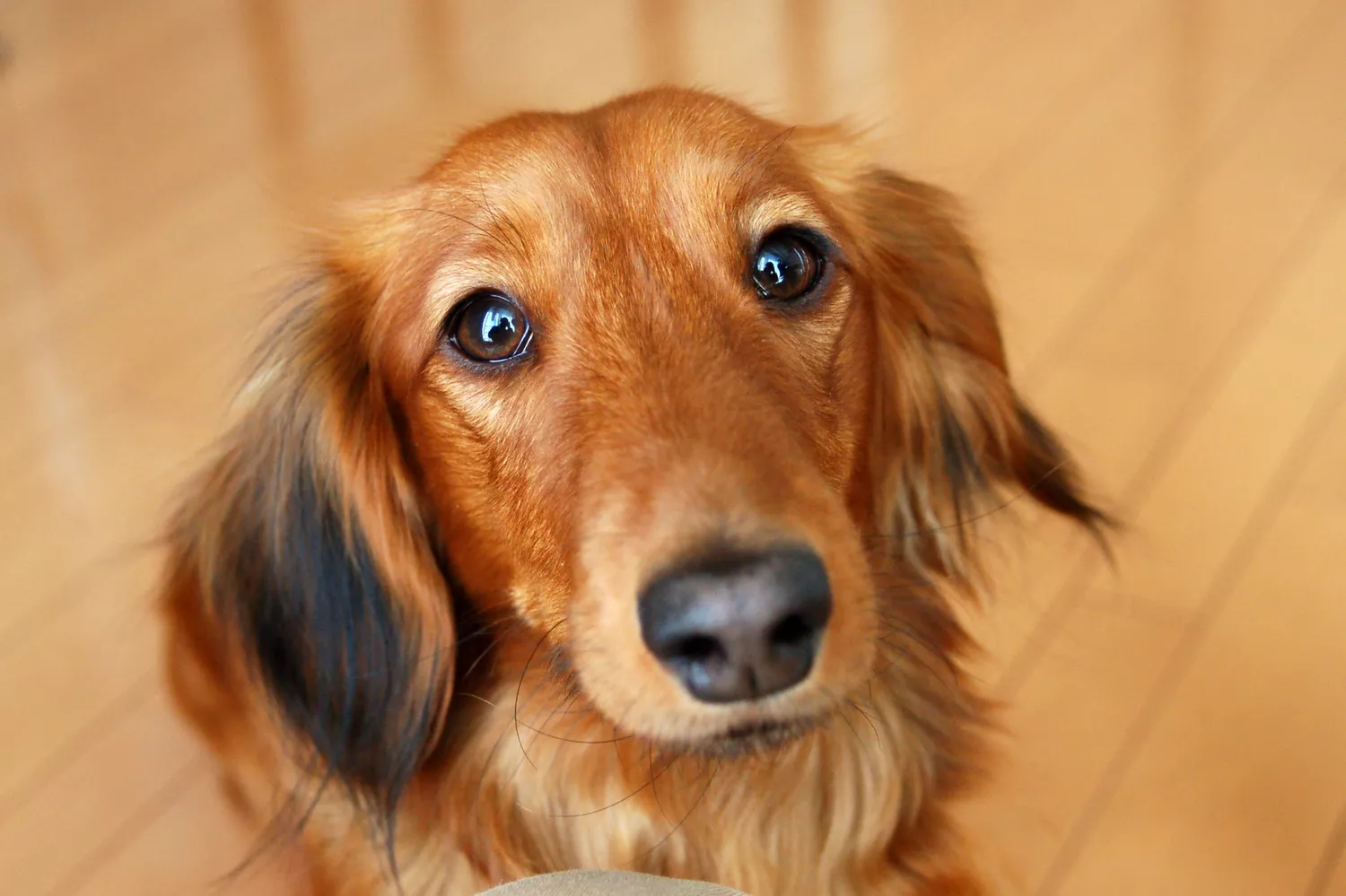
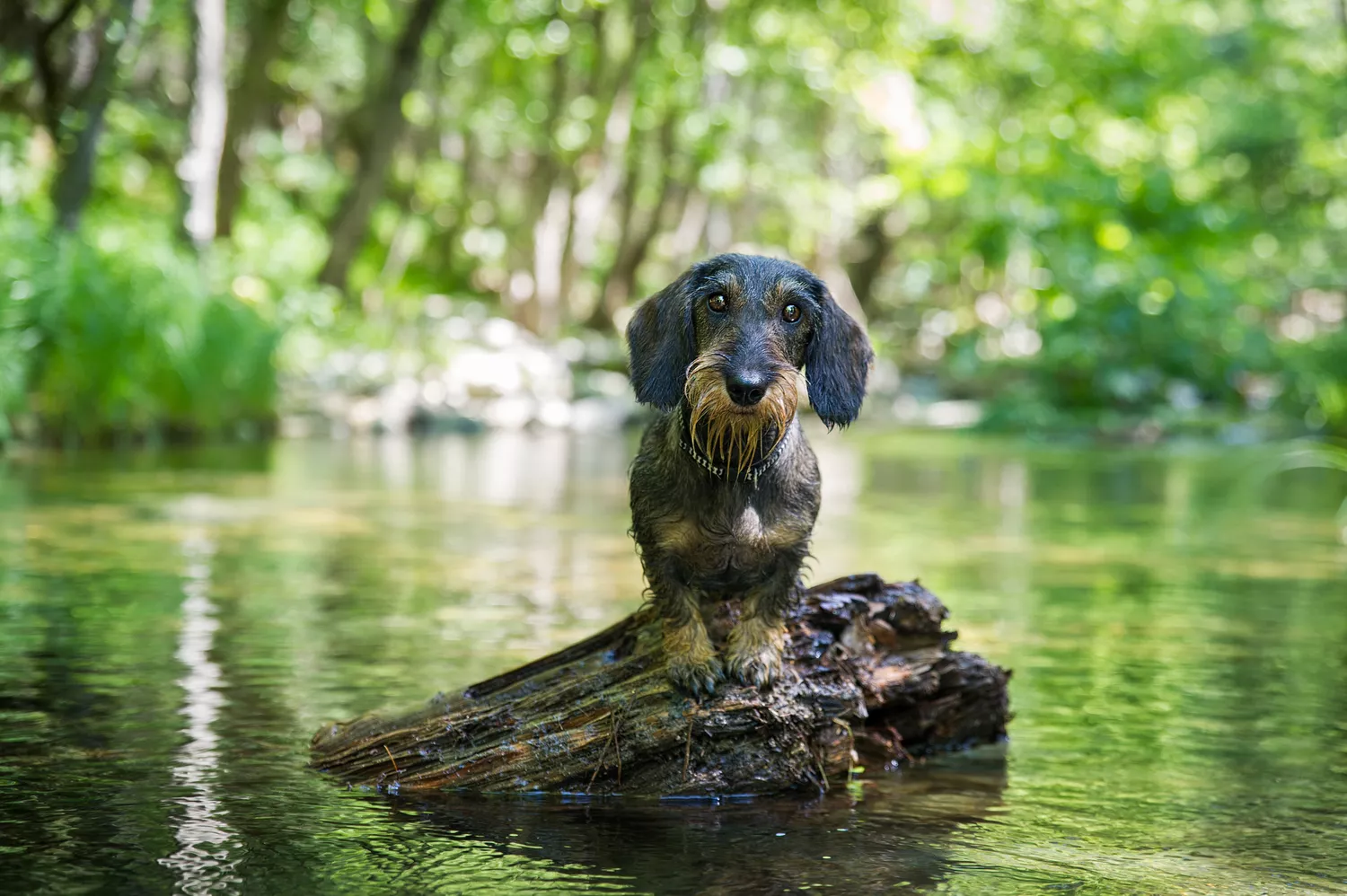
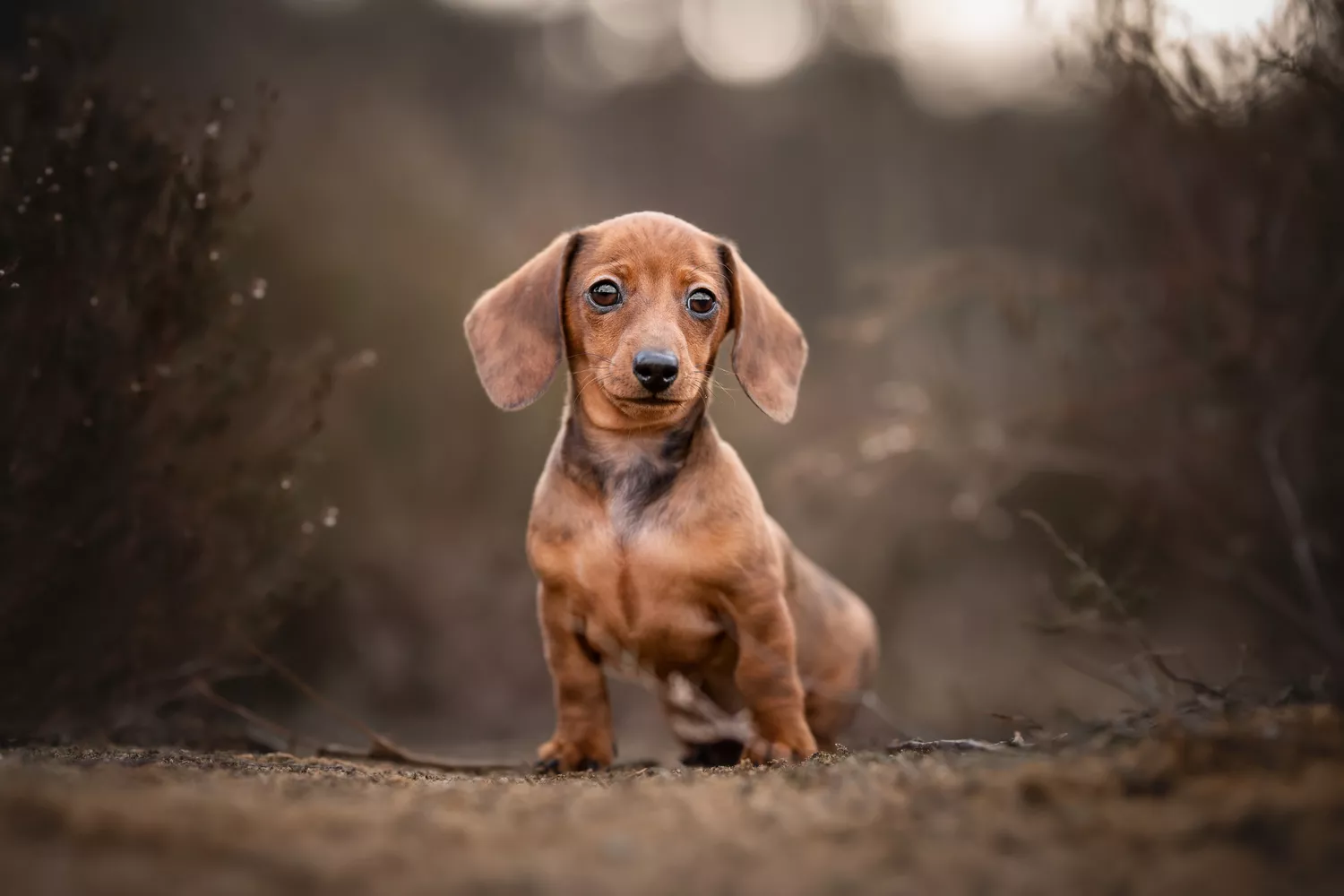
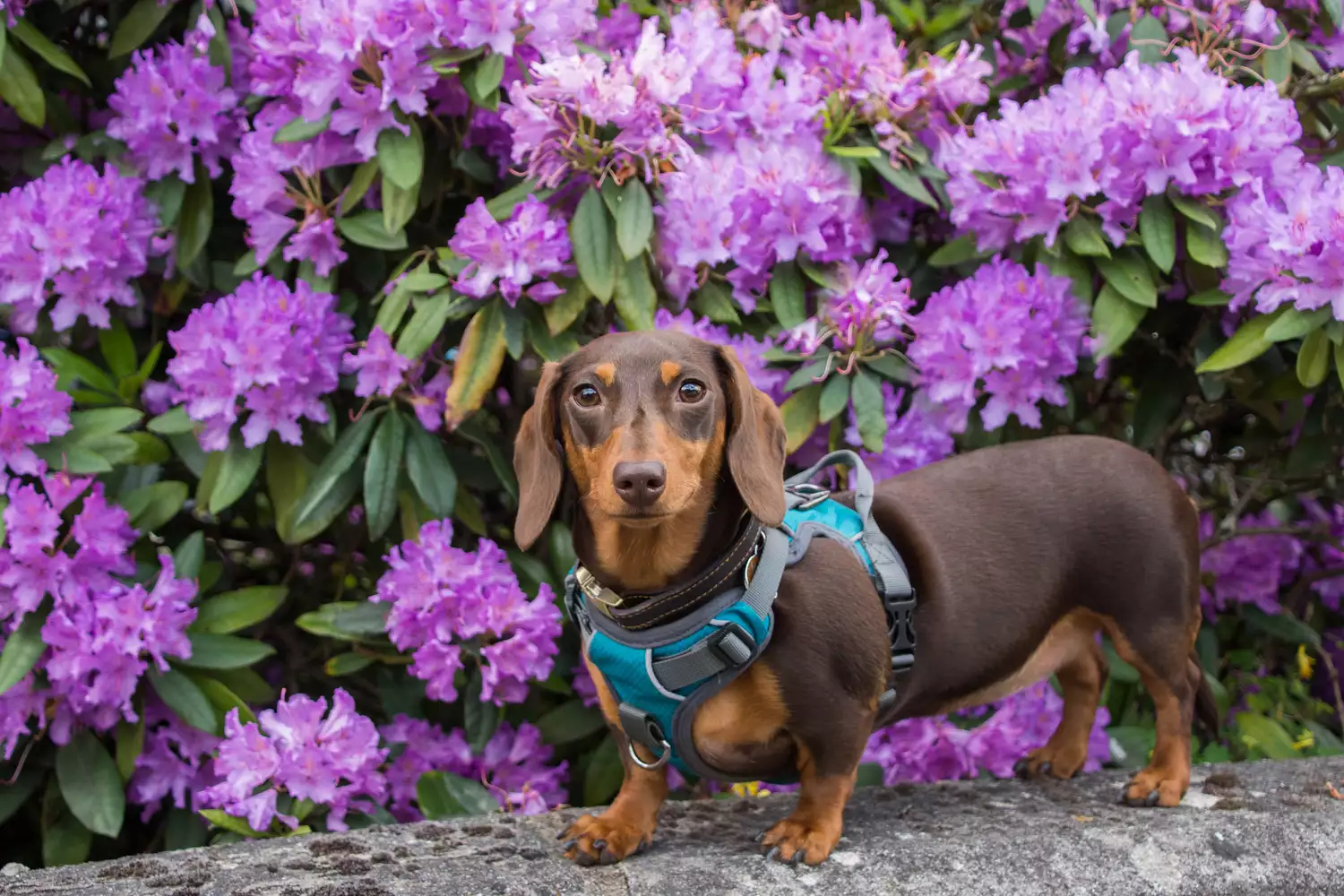
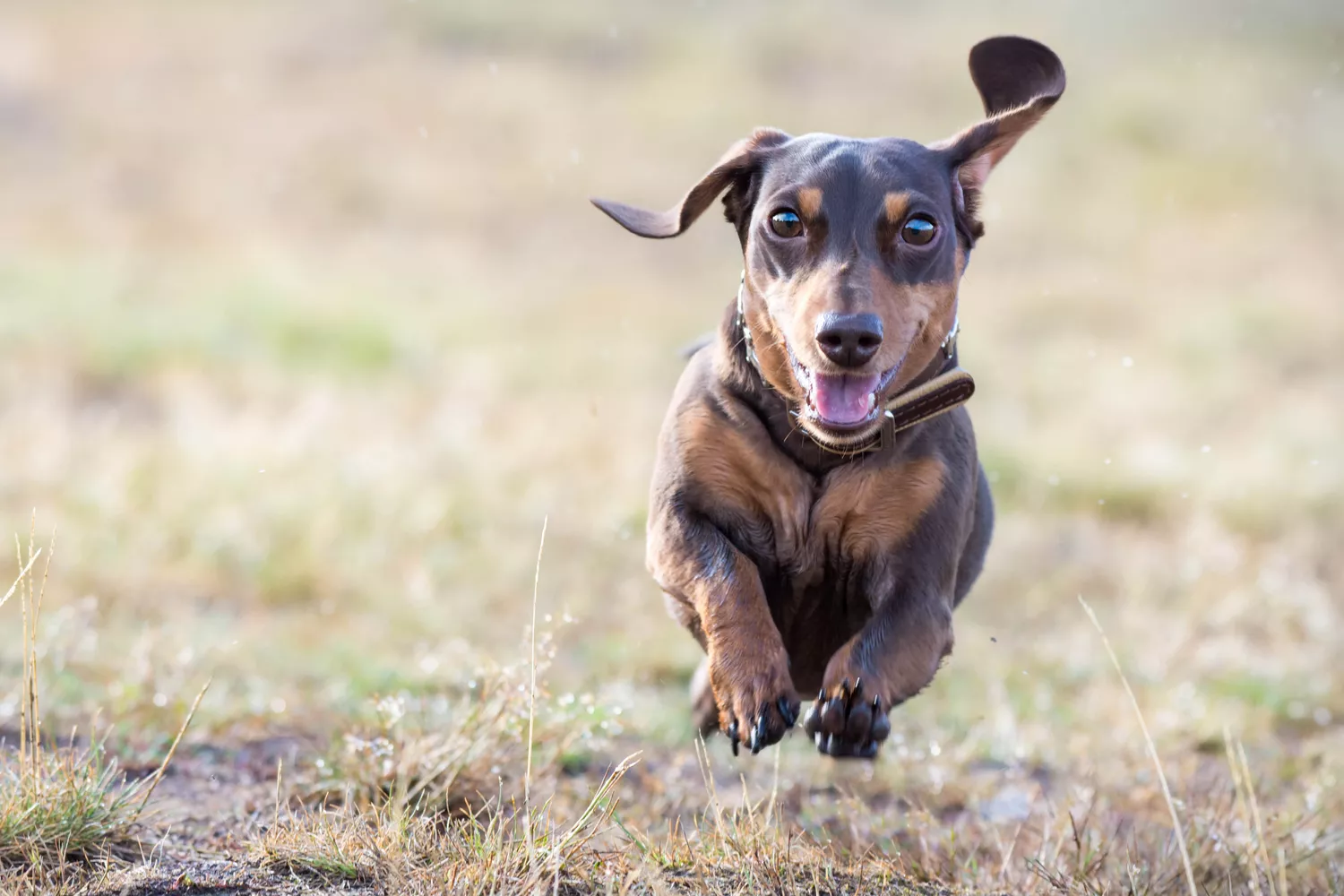
Miniature dachshunds are a small hound dog breed from Germany. They have a long, low body and can have short, wirehaired, or longhaired coats. These dogs are a smaller version of the dachshund dog breed, with mini dachshunds usually weighing 11 pounds or less, while standard dachshunds weigh between 16 and 32 pounds. Known for being spunky and playful, they are excellent little watchdogs.
Breed Overview
Group: Hound
Weight: 11 pounds or less
Height: 5 to 6 inches
Coat: Smooth, wirehaired, or longhaired
Coat Color: Black and cream, black and tan, blue and tan, chocolate and tan, cream, red, wheaten, wild boar, blue and cream, fawn and tan, fawn and cream, or chocolate and cream with/without brindle, sable, piebald, or dapple
Life Span: 12 to 16 years
Temperament: Affectionate, friendly, alert
Hypoallergenic: No
Origin: Germany
Characteristics of the Mini Dachshund
Mini dachshunds generally have a friendly and upbeat temperament. They tend to be quite playful and need a moderate amount of exercise, despite their small size. There often is a stubborn streak to their personality that can complicate training.
Affection Level | High |
Friendliness | High |
Kid-Friendly | Medium |
Pet-Friendly | Medium |
Exercise Needs | Medium |
Playfulness | High |
Energy Level | Medium |
Trainability | Medium |
Intelligence | Medium |
Tendency to Bark | High |
Amount of Shedding | Medium |
History of the Mini Dachshund
Dachshunds, known as “badger dogs” in German, originated around 600 years ago in Germany. They were specifically bred for their long, low-to-the-ground bodies, which enabled them to dig into badger dens during hunts.
The dogs also had to be bold, athletic, and clever enough to take on the badgers. And they needed a loud bark, so their humans could keep track of them as they burrowed into the underground dens. Today’s dachshunds still retain these traits.
Breeders continued to refine the dachshund, producing different sizes to hunt different types of game. Various coat types and colors also took shape toward the end of the 1800s. The American Kennel Club first recognized the breed in 1885.

Mini Dachshund Care
Mini dachshunds don’t need a lot of exercise, but they require daily mental stimulation and physical activity. Grooming varies with coat type and is generally simple. Early, consistent training and socialization are crucial.
Exercise
Don’t expect a mini dachshund to be content sitting around the house all day. These dogs may be small, but they still need to exercise. Plan on at least an hour a day of activity. Moderate-length morning and evening walks plus vigorous playtime should suffice. Puzzle toys and dog sports, such as tracking, also can help to burn mental energy.
Always keep your dog on a leash or in a securely fenced area when outside. The dachshund’s high prey drive can cause him or her to run off quickly if they see a small animal or other perceived prey. Likewise, be aware that these dogs often enjoy digging and might burrow under fences if you’re not watching them.
Furthermore, aim to prevent your dachshund from jumping on and off furniture or racing up and down stairs to prevent back injuries.1
Grooming
If you have a smooth-coated dachshund, plan on brushing roughly once a week to remove loose fur. The longhaired variety should be brushed a few times a week to prevent tangles and mats. The wirehaired variety should have their coat stripped several times a year plus a weekly brushing. You also might have to trim the beard and eyebrows to keep them looking neat.
Plan on a bath roughly every month, depending on how dirty your dog gets. The longhaired variety might benefit from a canine detangler spray. Also, check your dog’s nails monthly to see whether they need a trim. And look in the ears at least weekly for signs of wax buildup and infection. Finally, aim to brush their teeth every day.
Training
Dachshunds are quite smart. But they also can be independent and stubborn, which may make training a challenge. Plus, they can get distracted if they see something they perceive as prey that they want to chase.
Start training and socialization from as young of an age as possible. Dachshunds respond well to positive-reinforcement methods, such as treats. Harsh corrections can cause them to shut down and refuse to learn.
In addition to obedience training, aim to expose your dachshund to different people and other dogs from an early age. Dachshunds don’t always like strangers (people and dogs). But having positive experiences around them can help to boost their comfort and confidence.
Common Health Problems
Dachshunds that are well cared for typically have long, healthy lives. But they are prone to some hereditary health issues2, including:
Disc damage and other back problems: Because of their elongated spine, mini dachshunds are susceptible to back problems such as intervertebral disc disease or IVDD. This disc damage is similar to a slipped disc in humans. It can lead to damage to the spine or even paralysis.
Ear infections: Mini dachshunds’ ears are prone to holding moisture and they have poor air flow in them, which can cause ear infections.
Obesity: A dachshund is considered obese if they weigh more than 15% of what the dog should weigh. Dachshunds are prone to obesity due to their small legs.
Diet and Nutrition
Always have fresh water accessible for your dachshund. And feed him or her a nutritionally balanced canine diet, typically via two measured meals per day. Always discuss both the type of diet and the amount with your vet. Plus, be mindful of treats and other extra food. It’s imperative that dachshunds don’t become overweight. The excess weight can put too much strain on the breed’s long back and result in disc problems.2
Where to Adopt or Buy a Mini Dachshund
Mini dachshunds can be difficult, but not impossible, to find at animal shelters. See whether your local shelter has a breed wait list you can get your name on. Or check out dachshund rescue groups to find a dog in need of a home. If you’re looking for mini dachshund puppies for sale from a reputable breeder, expect to pay around $1,000 to $2,0003, though this can vary widely.3
For further information to help you find a mini dachshund, check out:
The Dachshund Club of America
Dachshund Rescue List
Mini Dachshund Overview
Pros
Small and portable
Generally affectionate with family
Active and playful companion
Cons
Tends to be very vocal
Can engage in problem behaviors, such as digging
Prone to back problems
More Dog Breeds and Further Research
Before bringing home a mini dachshund, make sure you’ve done thorough research on the breed. Talk to mini dachshund owners, veterinary professionals, reputable breeders, and rescue groups to learn more.
If you’re interested in similar breeds, check out:
Dachshund
Basset hound
Dandie Dinmont
Pembroke Welsh corgi
There’s a whole world of potential dog breeds out there—with a little research, you can find the right one to bring home!



