West Highland White Terrier (Westie): Dog Breed Characteristics & Care
The West Highland white terrier, or Westie, is a small terrier dog breed from Scotland with a medium-length coat that’s typically pure white. Their dark, almond-shaped eyes and black nose pop against their white coat. This dog also has a muscular build with a deep chest, and their tail is fairly short and thick.
Westies are typically confident and charming little dogs. They were bred to hunt, but they also tend to love playtime with their family.
Learn all about the West Highland white terrier, from the breed’s history and temperament to their care needs and more.
Breed Overview
Group: Terrier
Height: 10 inches (females); 11 inches (males)
Weight: 15 to 20 pounds
Coat: Medium-length double coat
Coat Color: White
Life Span: 13 to 15 years
Temperament: Affectionate, playful, friendly
Hypoallergenic: Yes
Origin: Scotland
1:49
Click Play to Learn More About the Independent West Highland White Terrier
Characteristics of the West Highland White Terrier
Westies tend to have very affectionate and playful personalties. While they do make for good watchdogs, they also are usually open to meeting strangers. High intelligence helps to shape this terrier’s personality, as well, and can make them strong-willed at times.
Affection Level | High |
Friendliness | High |
Kid-Friendly | High |
Pet-Friendly | Medium |
Exercise Needs | Medium |
Playfulness | High |
Energy Level | Medium |
Trainability | Medium |
Intelligence | High |
Tendency to Bark | High |
Amount of Shedding | Low |
History of the West Highland White Terrier
Terriers have a long history in the Scottish Highlands, dating back centuries as working farm dogs and hunting dogs. Many were used to keep the rodent population at bay. Besides the West Highland terrier, the Scottish terrier, cairn terrier, and Dandie Dinmont are other breeds that descended from these dogs.
The Westie breed can trace its roots to the 1700s when Edward Donald Malcolm, 16th Laird of Poltalloch, bred for white terriers to exterminate the rodents on his estate. Thus, the breed was sometimes referred to as the Poltalloch terrier. It’s said that Malcolm had a reddish dog that was shot when they were mistaken for a fox. Consequently, he wanted only white dogs that would be identifiable.
By the end of the 1800s, the West Highland white terrier had its present name and was being entered in dog shows. The American Kennel Club first recognized the breed in 1908, and since then it’s become quite popular in the U.S. People might recognize the breed as the mascot for the dog food Cesar.
West Highland White Terrier Care
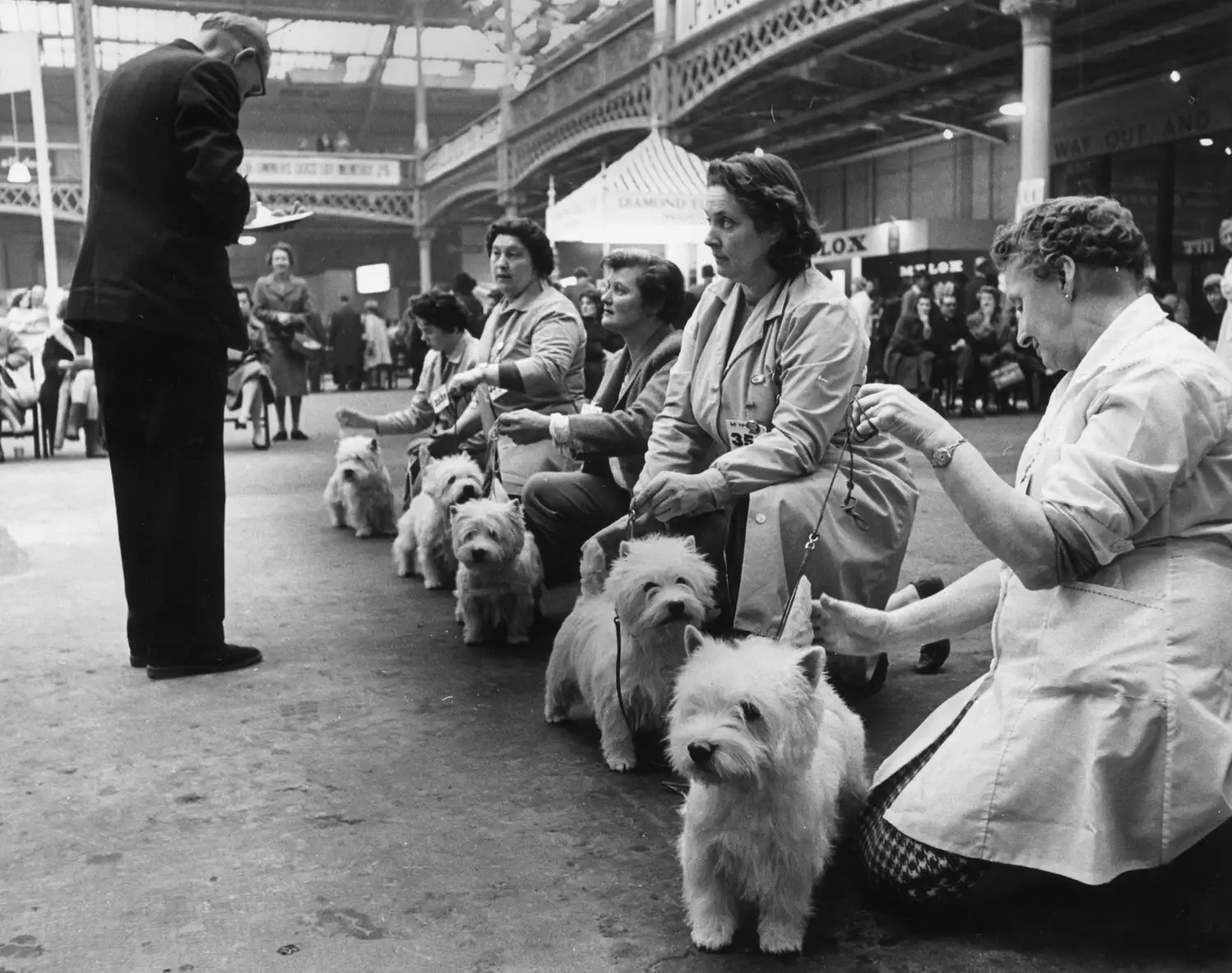
West Highland white terriers need a moderate amount of exercise each day and have somewhat involved grooming. They also should receive training and socialization from a young age.
Exercise
Plan to give your Westie at least an hour per day of exercise to keep them healthy and happy. A couple of daily walks and some vigorous playtime are ideal ways to burn both mental and physical energy. Westies also enjoy dog sports, including agility, rally, and earthdog events.
Unless your West Highland white terrier is in a securely fenced area, avoid letting them off leash outside. This breed’s high prey drive can cause them to take off quickly chasing small animals and other perceived prey.
200 Unique Scottish Dog Names: Find the Perfect Name for Your Pup
Grooming
The traditional way of grooming a Westie’s coat is stripping (the plucking of dead hairs with a special tool) roughly every month. But some people opt to have the coat clipped instead every four to six weeks, which tends to make it softer and curlier.
You also should brush your Westie’s coat at least weekly to remove any loose hair and dirt, prevent tangles, and distribute oils.
Plan on a bath every four to six weeks, depending on how dirty your dog gets. Check your dog’s nails roughly every month to see whether they’re in need of a trim. Look in their ears at least weekly for wax buildup, debris, and irritation. Aim to brush their teeth daily.
Training
West Highland white terriers are quite smart. But they can have an independent and stubborn streak that might make training difficult. Start both training and socialization from an early age to prevent bad habits from forming. Keep training sessions fun and varied to hold your dog’s attention, and always use positive reinforcement.
Try to expose your Westie to different people and other dogs starting when they are young to help them become comfortable around strangers. Westies usually can get along with other dogs and even cats when raised together from a young age. But they might view smaller household pets as prey, especially rodents.
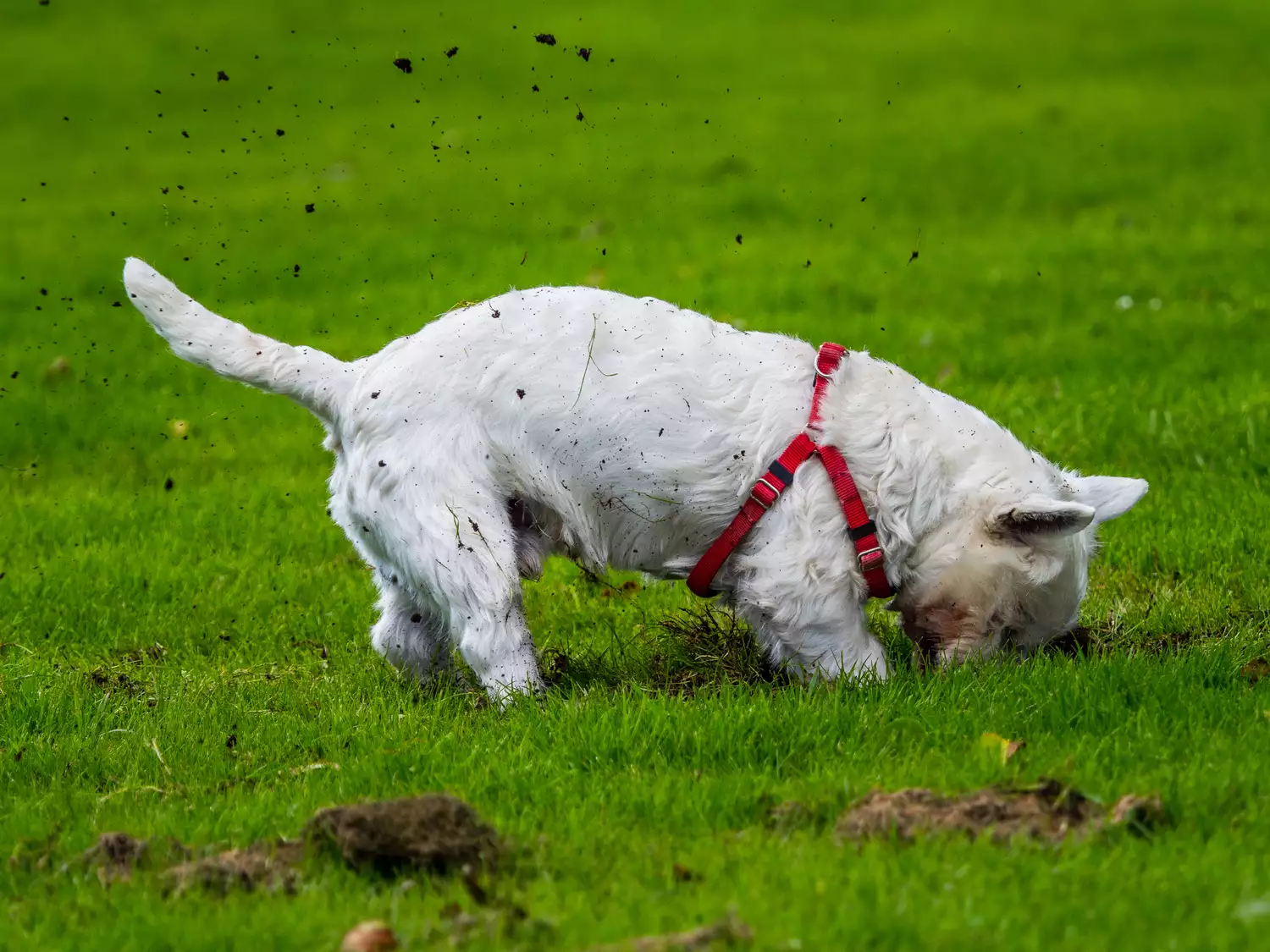
Westies often can be problem barkers, alerting you to every passerby and moving creature. But if you are diligent, you can train them to bark just once and quiet on command. Westies also can have a tendency to dig. But if you’re consistent about redirecting that behavior from a young age, you might be able to put a stop to it.
Common Health Problems
West Highland white terriers are prone to some hereditary health issues1, including:
Heart disease: Dogs can be born with heart disease or develop it later in life. Symptoms include heart murmur, lethargy, weight loss, exercise intolerance, coughing, and weakness.
Patellar luxation: This condition causes the knee cap to slip out of the groove it should stay in. Symptoms include limping, licking the knee, and keeping the leg bent.
Hip dysplasia: This orthopedic problem is common in dogs. It causes the hip joint to develop abnormally, leading to pain and mobility issues.
Legg-Calve-Perthes disease: This is an uncommon, congenital disease that causes degeneration of the hip joint. Symptoms include stiffness, lameness, licking or chewing the hip area, pain, and restlessness.
Eye problems: Westies can be prone to juvenile cataracts, which causes the lens of the eye to become cloudy, affecting vision. This breed can also be susceptible to keratoconjunctivitis sicca (dry eye), which can cause various symptoms, from redness to corneal ulcers.
Craniomandibular osteopathy: Also known as Westie jaw, this causes the bones of the skull, especially the lower jaw, to grow excessively. It leads to pain and difficulty eating.
Diet and Nutrition
Always have fresh water accessible for your West Highland white terrier. Feed a high-quality canine diet that has balanced nutrition.
It’s typical to feed two measured meals per day. But you should always discuss the amount and type of food with your vet to make sure it’s suitable for your individual dog. Also, monitor treats and other extra food to prevent your dog from overeating.
Where to Adopt or Buy a West Highland White Terrier
Westies are a fairly popular dog breed in the United States. So it’s possible to find one in need of a home at local animal shelters and breed-specific rescue groups.
If you’re looking for a puppy from a reputable breeder, expect to pay around $1,000 to $1,500 on average.2
For further information to help you find a Westie, check out:
West Highland White Terrier Club of America
Westie Rescue USA
West Highland White Terrier Overview
If you’re looking for a compact dog who will make a loving and loyal companion, the West Highland terrier may be right for you. These white dogs are cute and fun, but do need plenty of daily exercise and consistent grooming. Also, if you have other pets, consider that this breed has a high prey drive.
Pros of West Highland White Terriers
Very affectionate and playful
Typically good with respectful kids
Doesn't shed excessively
Cons of West Highland White Terriers
Tends to dig
Can be stubborn about training
Can be very vocal
More Dog Breeds and Further Research
As with any breed, if you think the West Highland white terrier is right for you, be sure to do plenty of research before obtaining one. Talk to veterinarians, pet professionals, Westie owners, reputable breeders, and rescue groups to learn more.
If you’re interested in similar breeds, check out:
Scottish Terrier
Skye Terrier
Cairn Terrier
There’s a whole world of potential dog breeds out there—with a little research, you can find the right one to bring home!



