Australian Shepherd (Aussie): Dog Breed Characteristics & Care
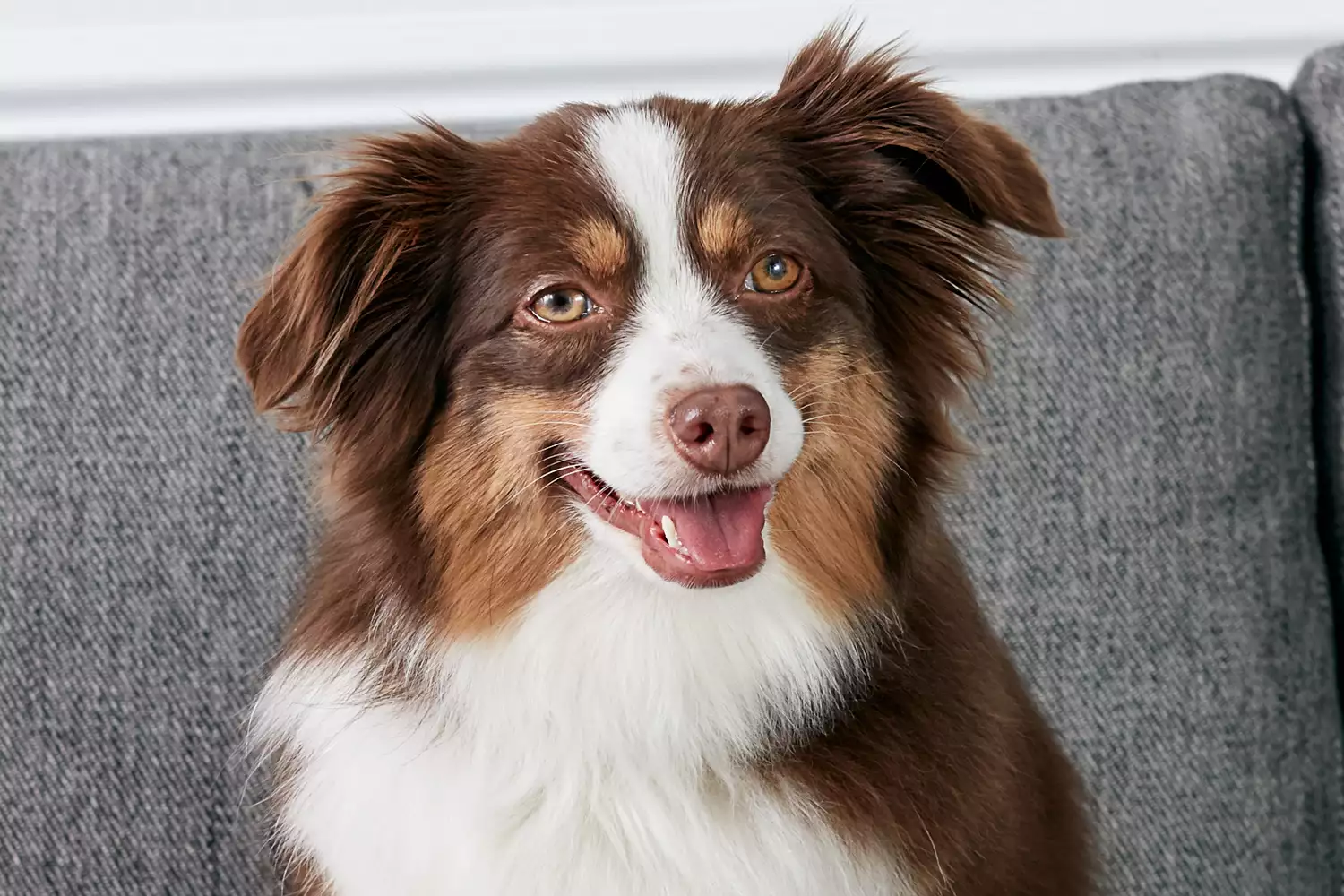
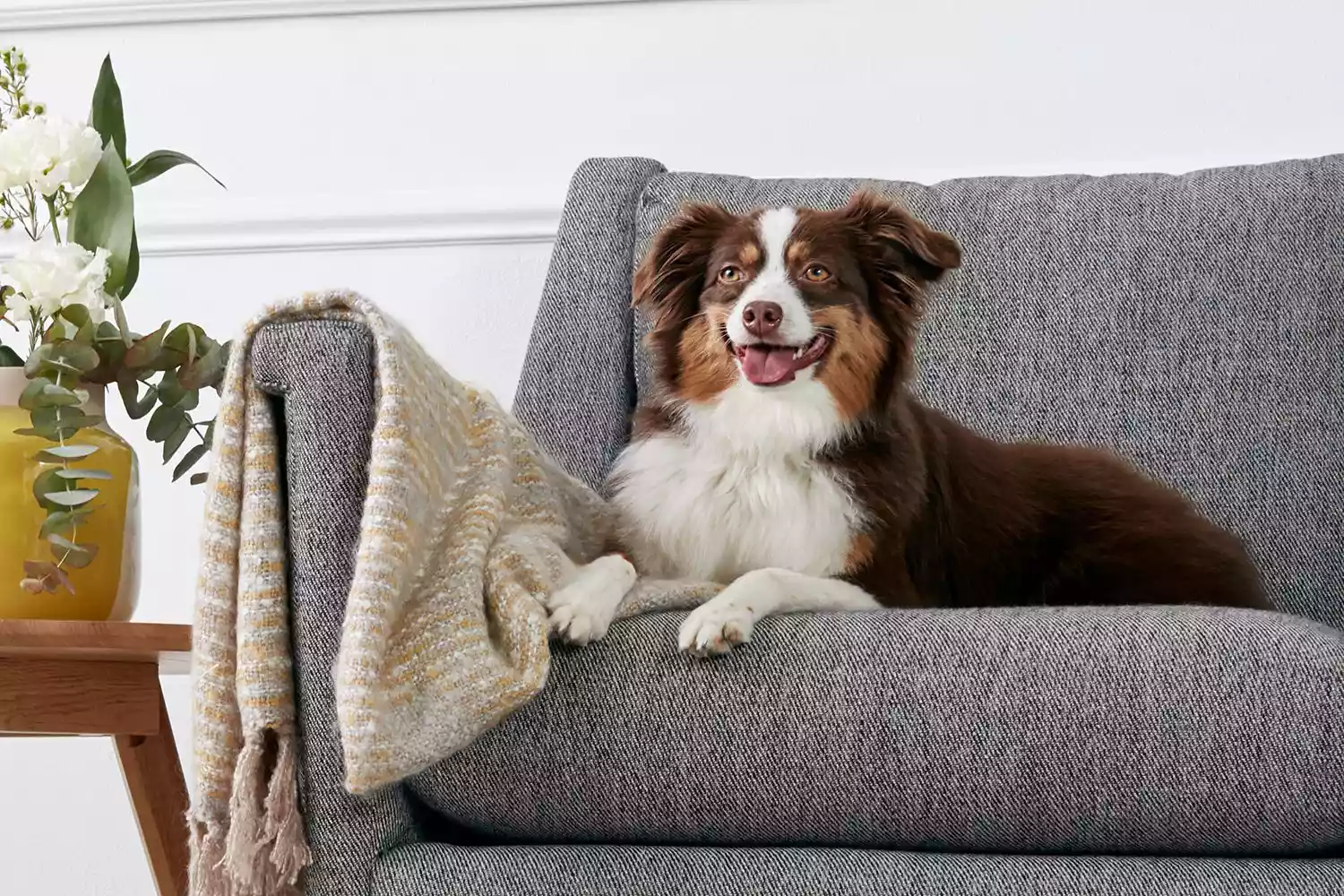
The Australian shepherd dog, or Aussie, is a medium-sized herding dog with medium-length fur and an agile, athletic build. The breed's ancestors came to the U.S. from Europe by way of Australia, hence the name.
Aussies are extremely intelligent, loyal, and hardworking. They make excellent companions for active people and families. They are adept at herding, dog sports, and search-and-rescue—they can even be therapy or service dogs.
Learn more about the Australian shepherd dog to decide if this is the right breed to welcome into your home.
Breed Overview
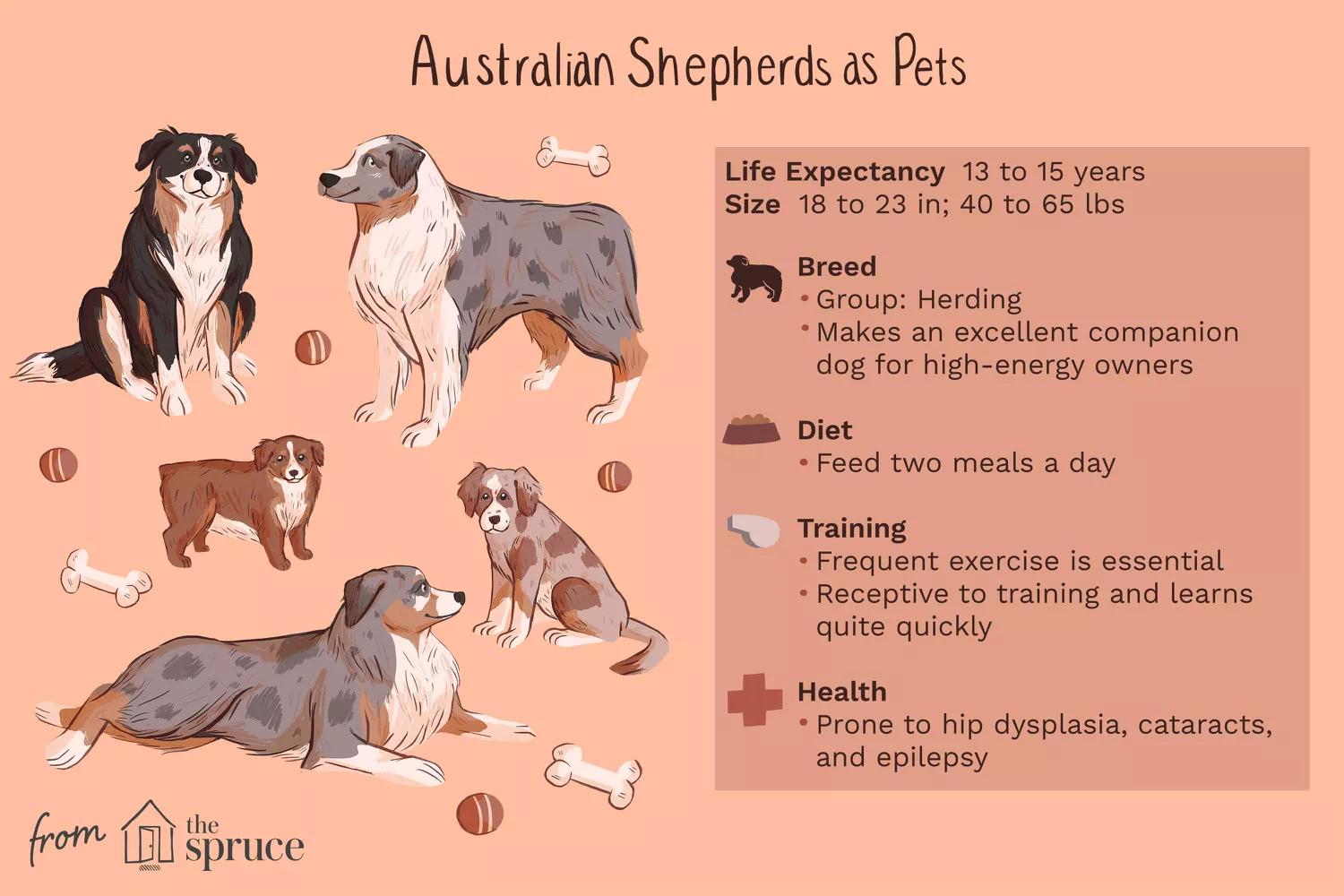
Group: Herding
Height: 18 to 21 inches (females); 20 to 23 inches (males)
Weight: 40 to 55 pounds (females); 50 to 65 pounds (males)
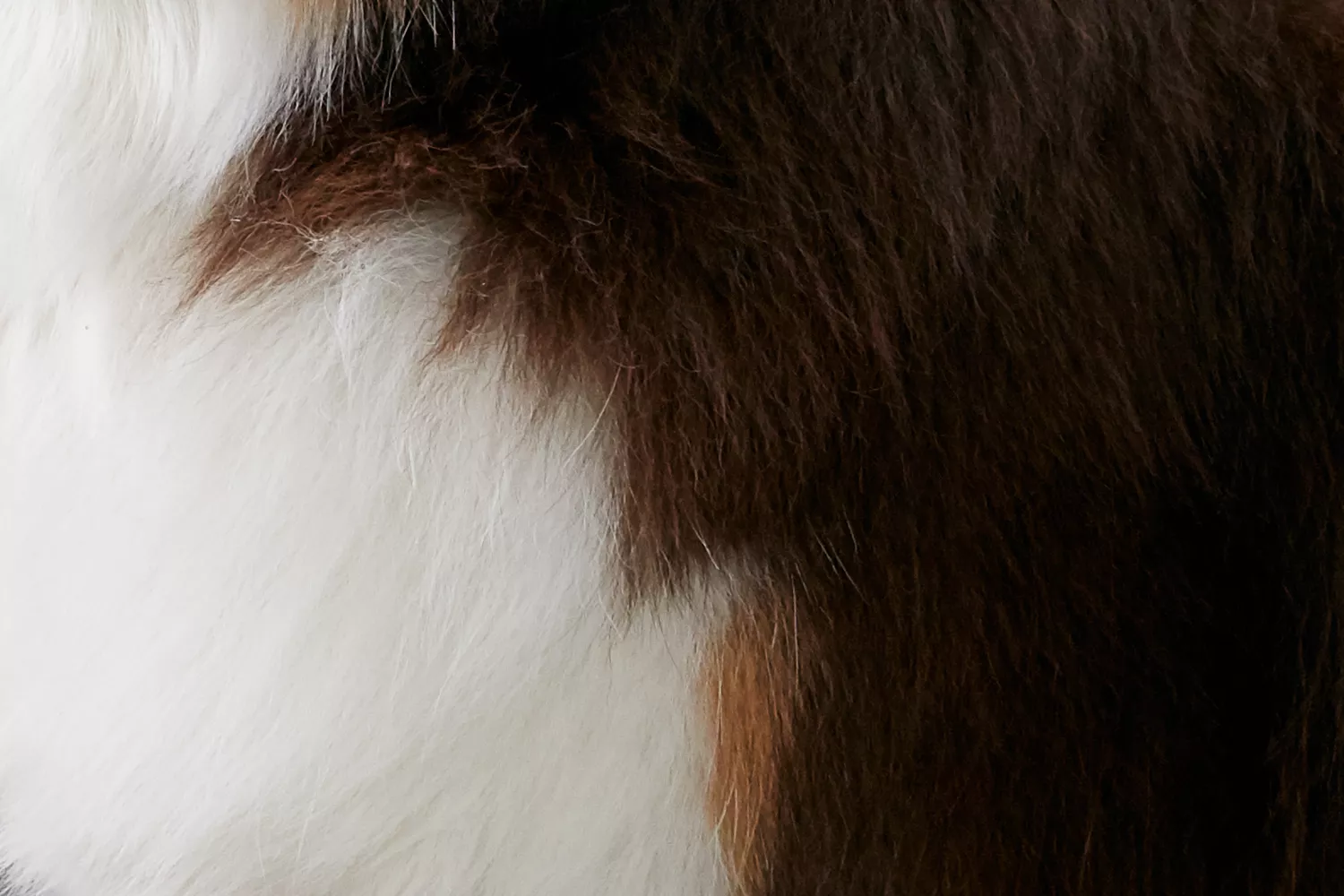
Coat: Medium double coat
Coat Color: Blue merle, red merle, black, or red; may have white markings and/or tan (copper) points
Life Span: 12 to 15 years
Temperament: Intelligent, active, energetic
Hypoallergenic: No
Origin: United States
Characteristics of the Australian Shepherd Dog
Australian shepherd dogs tend to have an exuberant temperament. They are high-energy dogs with the intelligence to match, so they need lots of mental stimulation and physical activity. The good news is most Aussies have very trainable personalities and are eager to please.
Affection Level | Medium |
Friendliness | Medium |
Kid-Friendly | High |
Pet-Friendly | Medium |
Exercise Needs | High |
Playfulness | High |
Energy Level | High |
Trainability | High |
Intelligence | High |
Tendency to Bark | Medium |
Amount of Shedding | Medium |
History of the Australian Shepherd Dog
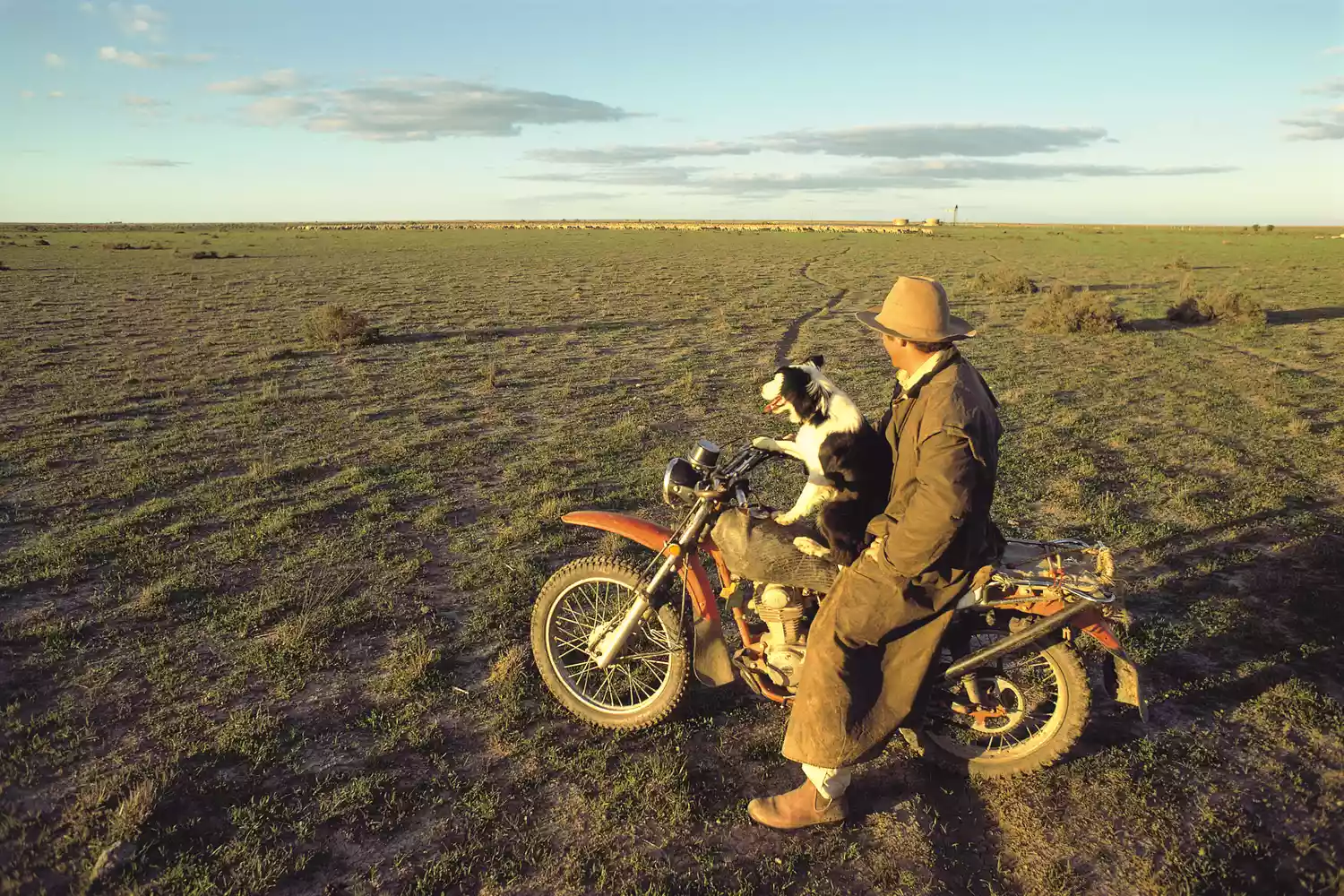
Despite the breed’s name, the Australian shepherd dog was developed in the United States.1 The breed descends from European herding dogs that lived around the Pyrenees Mountains. In the 1800s, some of the indigenous Basque people took their dogs from this region and traveled to Australia, hoping to find more cattle land.
The Basque herding dogs then were crossed with border collies and other dogs in Australia1 and eventually made their way to California. Ranchers in the U.S. assumed these Basque dogs were native to Australia and dubbed them Australian shepherds. The breed continued to be refined in the U.S. into what we know as the Aussie today and became especially popular in Western U.S. culture as a ranch and rodeo dog.
The American Kennel Club first recognized the Australian shepherd dog breed in 1991. The AKC later recognized the miniature American shepherd, a smaller version of the Aussie, in 2015.
Australian Shepherd Dog Care
The Aussie can make a wonderful companion for the right family. This dog tends to adapt well to different kinds of active households, as long as they can provide proper exercise and training. Aussies also need regular grooming.
Grooming
The Australian shepherd dog has a thick, medium-length double coat that sheds year-round, so routine grooming is important to remove loose fur and prevent tangles and mats. Brush at least one to two times per week, making sure to brush all areas, including behind the ears where the fur can become matted. Don’t forget to brush the tail, which is naturally short in many Aussies.1
Aussies will typically shed their thicker winter coat in the spring. You'll likely have to brush more frequently during this time to keep up with all the loose fur.
The coat is quite weather-resistant and generally only needs an occasional bath. It's also important to keep the ears clean to prevent infections, brush your dog's teeth regularly, and trim the nails regularly for healthy and comfortable feet.
Exercise
It is essential for your Australian shepherd dog to get frequent exercise, even more than most dogs. This intelligent and high-energy dog can become bored, frustrated, destructive, and hyperactive if they don’t get enough mental and physical stimulation.
Aussies should get at least one to two hours per day of fairly strenuous activity, such as:
Running
Walking
Playing fetch or frisbee
Training in dog sports, such as agility, flyball, and herding tests
Enrichment activities, including puzzle toys or scent work
Be sure to walk an Australian shepherd dog on a leash, as the breed has a natural instinct to chase (i.e., herd) moving objects, including passersby, bicycles, other animals, and even cars.
Aussies also will need a secure solid fence when they are out in the yard rather than an electronic fence, which won't always dissuade their urge to chase and herd.
Aussies have high exercise requirements and need to be mentally stimulated, so they aren’t the right choice if you don’t have the time to give them the attention and active lifestyle they need.
Training
Due to their high intelligence, Australian shepherd dogs are generally receptive to training and learn quickly. With proper and consistent training, Aussies tend to be extremely obedient.
Start training when the dogs are puppies with socialization to different people and environments as well as basic commands like sit and stay. Proper socialization is important, as Aussies tend to be reserved around new people and can become shy or defensive.
Remember that these dogs were bred to work—and work hard. Most Aussies are happiest with a job, and training in different activities can be that job. Getting your Aussie involved in dog sports, therapy work, herding activities, or other activities is a great way to channel their energy and strengthen your bond.
Common Health Problems
The Australian shepherd is a generally healthy breed, but these dogs are prone to a few health conditions, including:
Eye problems: Various eye conditions are common in Aussies, including cataracts, which affects the lens of the eye, making it cloudy or opaque; progressive rod cone degeneration (PRCD), a form of progressive retinal atrophy that causes damage to rods and cones; and canine multifocal retinopathy (CMR), which causes retinal detachment.
Epilepsy: This is the most common cause of seizures.
Hip and elbow dysplasia: These conditions affect a dog’s hip or elbow joint, causing it to develop abnormally and causing mobility issues and pain.
Blindness and deafness: Double merle Aussies typically have eye defects and are also at greater risk of being deaf.
Cancer: Lymphoma and hemangiosarcoma are inherited cancers that can affect Aussies.
Diet and Nutrition
An Australian shepherd dog typically should be fed two meals per day of a nutritionally balanced dog food. The amount will depend on your dog's size, activity level, age, and other factors.
An adult Australian shepherd dog might eat as many as 5 cups daily, split between two meals.
Discuss your dog's nutritional needs with your veterinarian to get appropriate recommendations, and consistently monitor your dog's weight. Also, make sure fresh water is always available to your Aussie, especially in hot weather and during periods of intense exercise.
Where to Adopt or Buy an Australian Shepherd Dog
Australian shepherd puppies can cost around $1,000 to $2,000 from breeders on average, though this can vary widely.2 Adult dogs and rescue groups often have lower costs.
Check your local animal shelter and breed-specific rescue groups for Australian shepherd dogs. It's fairly common for people to realize they can't handle the Aussie's high energy level and intelligence, so they give up their dog for adoption. Thus, as you're considering this breed, make sure you're realistic about the time and energy you have to devote to them.
Some groups that can help connect you with an Australian shepherd dog include:
The Australian Shepherd Club of America
Aussie Rescue & Placement Helpline
New Spirit 4 Aussie Rescue
United States Australian Shepherd Association
Australian Shepherd Dog Overview
The Australian shepherd dog can be a perfect companion, especially if you want an active dog that will be happy to learn commands and tricks. However, they are protective and wary of strangers, so early socialization is important. And because they might try to herd children by nipping, they might not be the right choice for all families.
Pros of Australian Shepherd Dogs
Affectionate and loyal
Trainable and eager to please
Excels at "jobs" and athletic endeavors
Cons of Australian Shepherd Dogs
Boundless energy that must be channeled through training and activities
Can become destructive without enough mental and physical stimulation
Can be wary of strangers
More Dog Breeds and Further Research
If you want to become the proud owner of an Australian shepherd dog, take the time to do your research first. Talk to your veterinarian, Aussie owners, reputable breeders, and rescue groups to learn more.
If you’re interested in similar breeds, check out:
Miniature American Shepherd
Border Collie
Australian Cattle Dog
There's a whole world of potential dog breeds out there—with a little research, you can find the right one to bring home!



