Miniature Schnauzer: Hypoallergenic Companion with a Lively Spirit
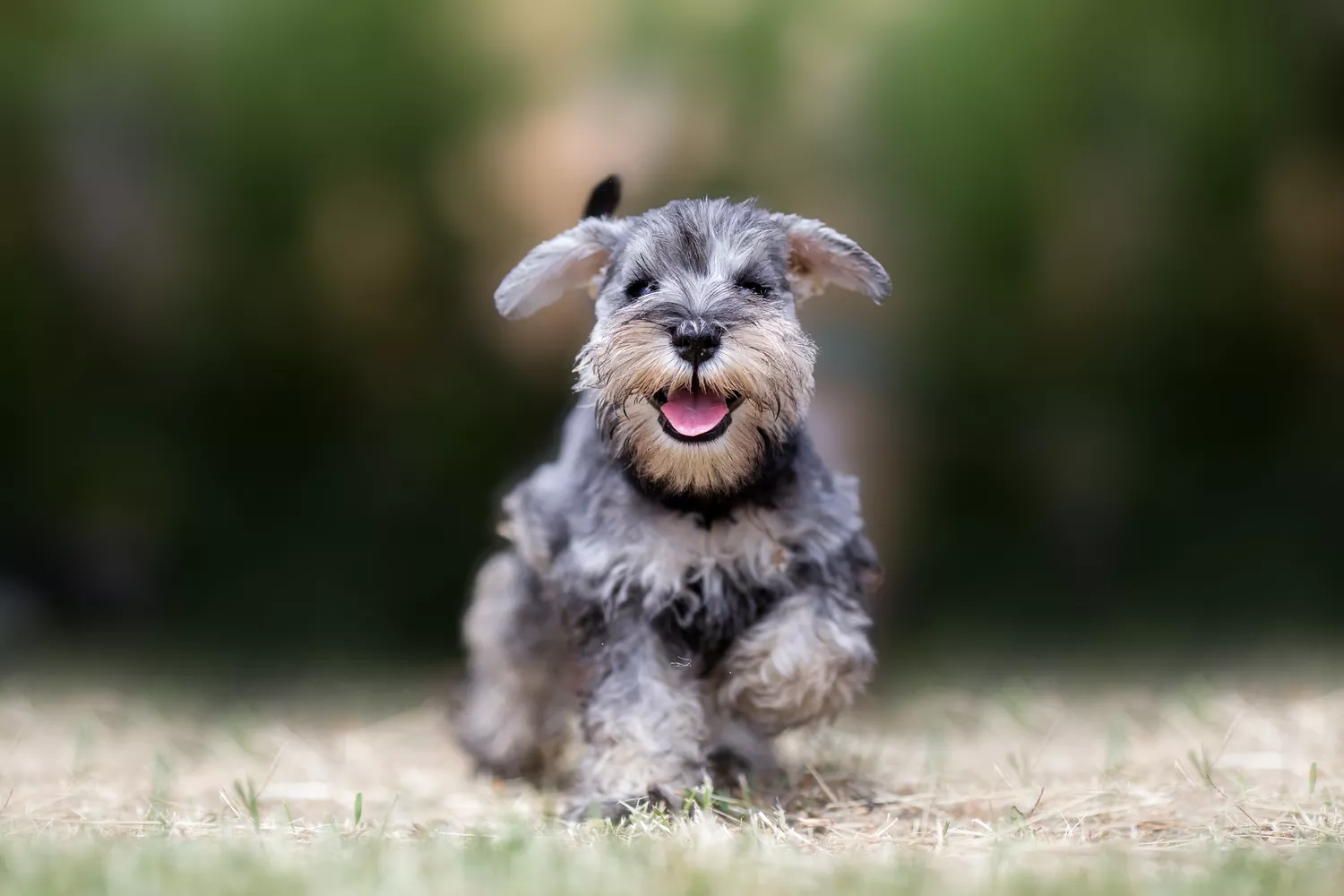
The miniature schnauzer is a small terrier dog from Germany who was bred as a farm dog meant to exterminate vermin. Today, these hardy, feisty little dogs—bred down from the larger standard schnauzer—are favorites of allergy sufferers and apartment dwellers.
Miniature schnauzers don't shed much, so they're considered hypoallergenic. Their size, usually around 1 foot tall and weighing under 20 pounds, can make them perfect for apartments. But mini schnauzers are smart and will frequently bark, so make sure you can keep them busy.
Learn more about the popular miniature schnauzer, including their history, care needs, and temperament.
Breed Overview
GROUP: Terrier
HEIGHT: 12 to 14 inches
WEIGHT: 11 to 20 pounds
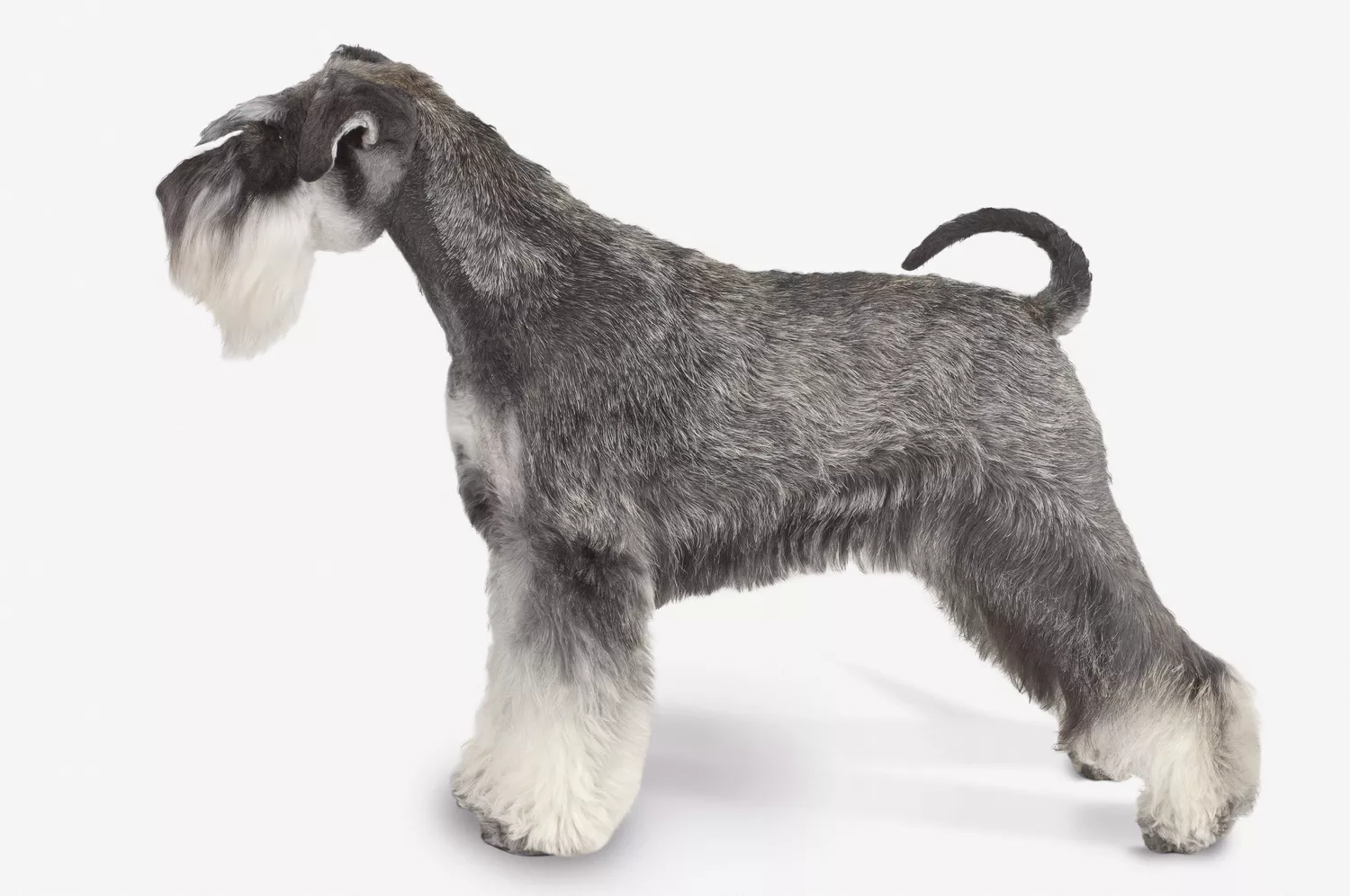
COAT: Medium-length, wiry double coat
COAT COLOR: Black, black and silver, or salt and pepper
LIFE SPAN: 12 to 15 years
TEMPERAMENT: Friendly, lively, alert
HYPOALLERGENIC: Yes
ORIGIN: Germany
Characteristics of the Miniature Schnauzer
Miniature schnauzers typically have a bright and vigilant temperament. They tend to be quite vocal and make for good watchdogs because they’re wary of strangers and devoted to their family.1 Usually, they're very affectionate and enjoy playtime.
Affection Level | High |
Friendliness | Medium |
Kid-Friendly | High |
Pet-Friendly | Medium |
Exercise Needs | Medium |
Playfulness | Medium |
Energy Level | Medium |
Trainability | High |
Intelligence | High |
Tendency to Bark | High |
Amount of Shedding | Low |
History of the Miniature Schnauzer
Standard schnauzers can trace their roots back to the 15th century in Germany.2 They were sturdy working dogs on farms where they protected property, herded livestock, and exterminated vermin. The giant schnauzer, a larger spinoff from the standard, performed those tasks as well.
Then, in the late 19th century, farmers wanted a smaller dog who could hunt vermin. Besides the standard schnauzer, the poodle and affenpinscher also went into creating the mini schnauzer1. The combination of these breeds made the mini schnauzer more friendly and eager to please than many other dogs in the terrier group.
Thus, the miniature schnauzer also quickly caught on as a lovable companion dog. Actor Mary Tyler Moore, politicians Elizabeth and Bob Dole, and martial artist/actor Bruce Lee were mini schnauzer owners.1
The American Kennel Club first recognized the breed in 1926, and it's been one of the most popular breeds in the United States for years.

Miniature Schnauzer Care
Miniature schnauzers need a moderate amount of exercise each day, and they should receive training and socialization from a young age. Plus, their coat needs regular grooming because it rarely sheds.
Exercise
Miniature schnauzers are no couch potatoes. These little dogs should get at least one hour of exercise per day in the form of various activities, such as:
Walks
Jogs
Running freely in a secure area
Fetch
Dog sports
Obedience
Rally
Flyball
Barn hunt
Agility
Lure coursing
Puzzle toys also can provide these smart dogs with mental stimulation.
Make sure always to keep your mini schnauzer on a leash or in a fenced area when exercising outdoors. The breed’s strong prey drive can cause them to quickly take off after perceived quarry when given the chance.3
Grooming
The miniature schnauzer has a double coat consisting of a wiry topcoat and soft undercoat1. They rarely shed, but they are a bit high maintenance, requiring regular brushing and trimming. And even though no dog is 100% hypoallergenic, the mini schnauzer is a good choice for those with allergies.
A quick daily brushing will remove any loose fur and prevent tangles. You'll also want to clean and brush out their beard, which may collect food and dirt.
Most pet parents opt to take their dog to a groomer every one or two months to have the coat clipped, though you also can learn to do this at home. It’s also important to trim the fur around the eyes regularly so it doesn’t impact their ability to see everything around them clearly.
Plan on a bath roughly every month, depending on how dirty your dog gets. Check your dog’s ears at least weekly for wax buildup and abnormalities, and use ear cleaners made for dogs when needed. Also, make sure your dog’s ears are dry if they’ve gotten wet.
These dogs need a nail trim about every month as well. Plan to brush their teeth daily.
Training
Proper training and socialization are both essential for a happy, well-adjusted miniature schnauzer. Start as young as possible to prevent bad habits from forming. The breed generally learns quickly, but their high intelligence can make them bored with repetitive training.1 Thus, it’s important to keep training sessions fun, using positive reinforcement methods.
Expose your dog to different people, dogs, and places from a young age. Mini schnauzers are generally semi-open to meeting strangers and other dogs. But because of their prey drive, they might not coexist peacefully with smaller household pets like rodents.
Furthermore, miniature schnauzers can bark a lot. If that bothers you or your neighbors, you can limit the barking through training, exercise, and help from a professional trainer or behavior expert. They may sometimes bark when left alone, meaning separation anxiety could be at play.
Common Health Problems
The miniature schnauzer overall is healthy, but the breed is prone to some hereditary health issues1, including:
Cataracts: This condition causes the lens of the eye to become cloudy. As a result, a dog’s vision can be reduced.
Hyperlipidemia: This is high cholesterol or triglycerides, and mini schnauzers can genetically inherit this condition. When symptoms are present, they include digestive problems, skin problems, behavioral changes, seizures, and eye problems.
Pancreatitis: This is inflammation of the pancreas. It is painful, can be acute or chronic, and could be life-threatening.
Liver shunt: This is a congenital abnormality. Blood that should go through the liver to be filtered ends up bypassing it, so this problem could lead to serious health issues.
Urinary stones: Stones can develop for various reasons, and can cause symptoms like blood in the urine and difficulty urinating.
Mycobacterium Avium Complex (MAC): Though it's very rare, this is fatal. It affects the immune system, resulting in a systemic infection.
Diet and Nutrition
Always have fresh water available for your miniature schnauzer. For food, feed them high-quality, nutritionally balanced canine diets.
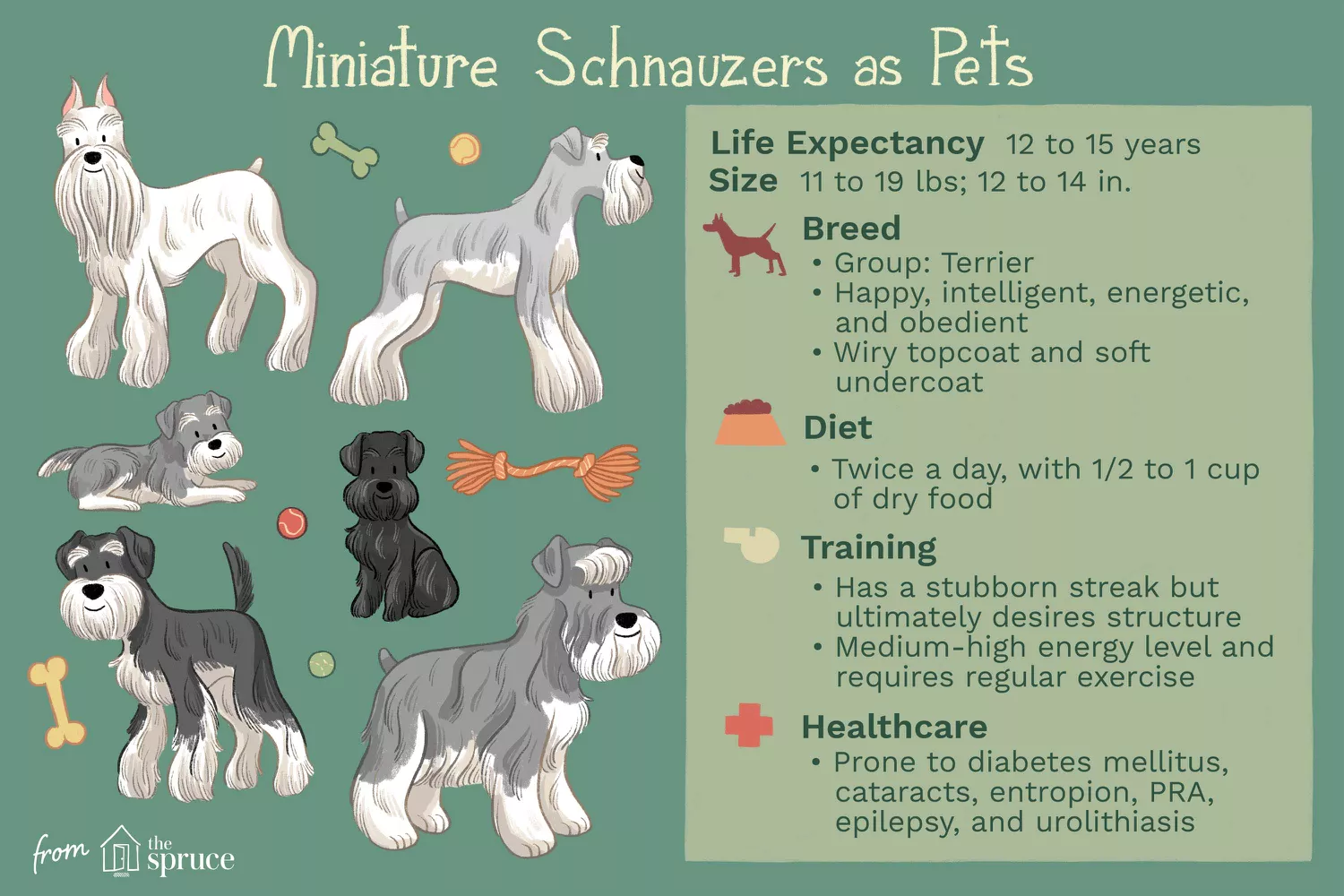
It’s typical to feed two measured meals per day. But you should discuss both the amount and type of diet with your vet to make sure you’re meeting the dog’s needs. Be mindful about treats and other extra food to prevent overeating.
As miniature schnauzers are prone to having high fat levels (hyperlipidemia), some might need a special diet to help manage their fats. This should always be prescribed by a veterinarian.
Where to Adopt or Buy a Miniature Schnauzer
If you’re looking for a puppy from a reputable breeder, expect to pay around $500 to $2,800 on average, though the price can vary widely.4
The mini schnauzer is a fairly popular breed, so it’s worth checking local animal shelters and breed-specific rescue groups for a dog in need of a home.
For further information to help you find a miniature schnauzer, check out:
American Miniature Schnauzer Club
American Miniature Schnauzer Club Rescue Program
American Kennel Club Marketplace
Miniature Schnauzer Overview
The miniature schnauzer is a hypoallergenic breed that can make a wonderful family pet. These active dogs are friendly and enjoy a range of fun activities with their humans. However, they have a high prey drive and tendency to bark.
Pros of Miniature Schnauzers
Friendly and affectionate
Can get along well with kids
Doesn't shed much
Cons of Miniature Schnauzers
Can be very vocal
Somewhat involved grooming needs
High prey drive
More Dog Breeds and Further Research
As with any breed, do plenty of research on the miniature schnauzer before deciding to bring one home. Talk to veterinarians, pet parents, reputable breeders, and rescue groups to learn more.
If you’re interested in similar breeds, check out:
Yorkshire Terrier
Shih Tzu
Scottish Terrier
There’s a whole world of potential dog breeds out there—with a little research, you can find the right one to bring home!



