Berger Picard: Dog Breed Characteristics & Care
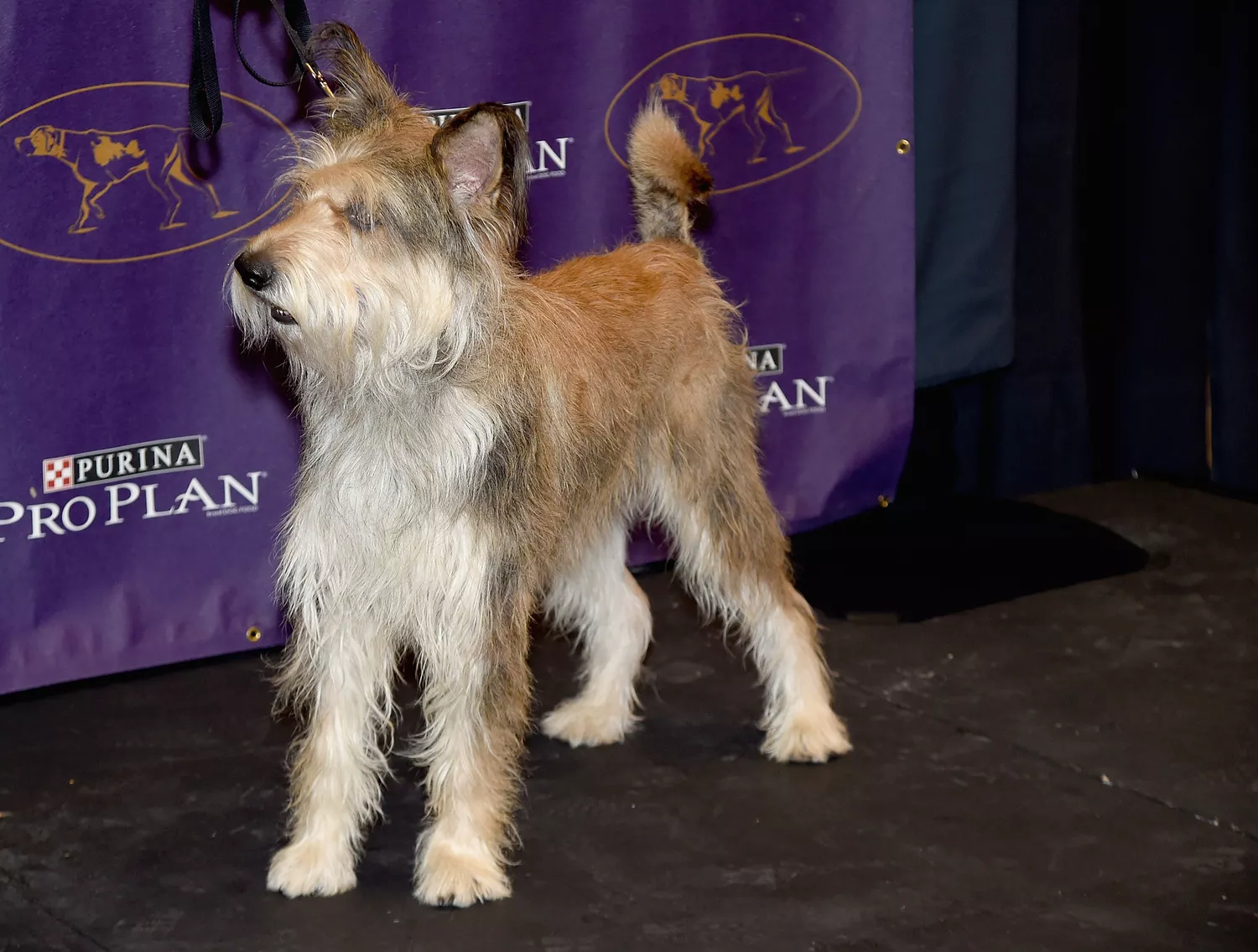
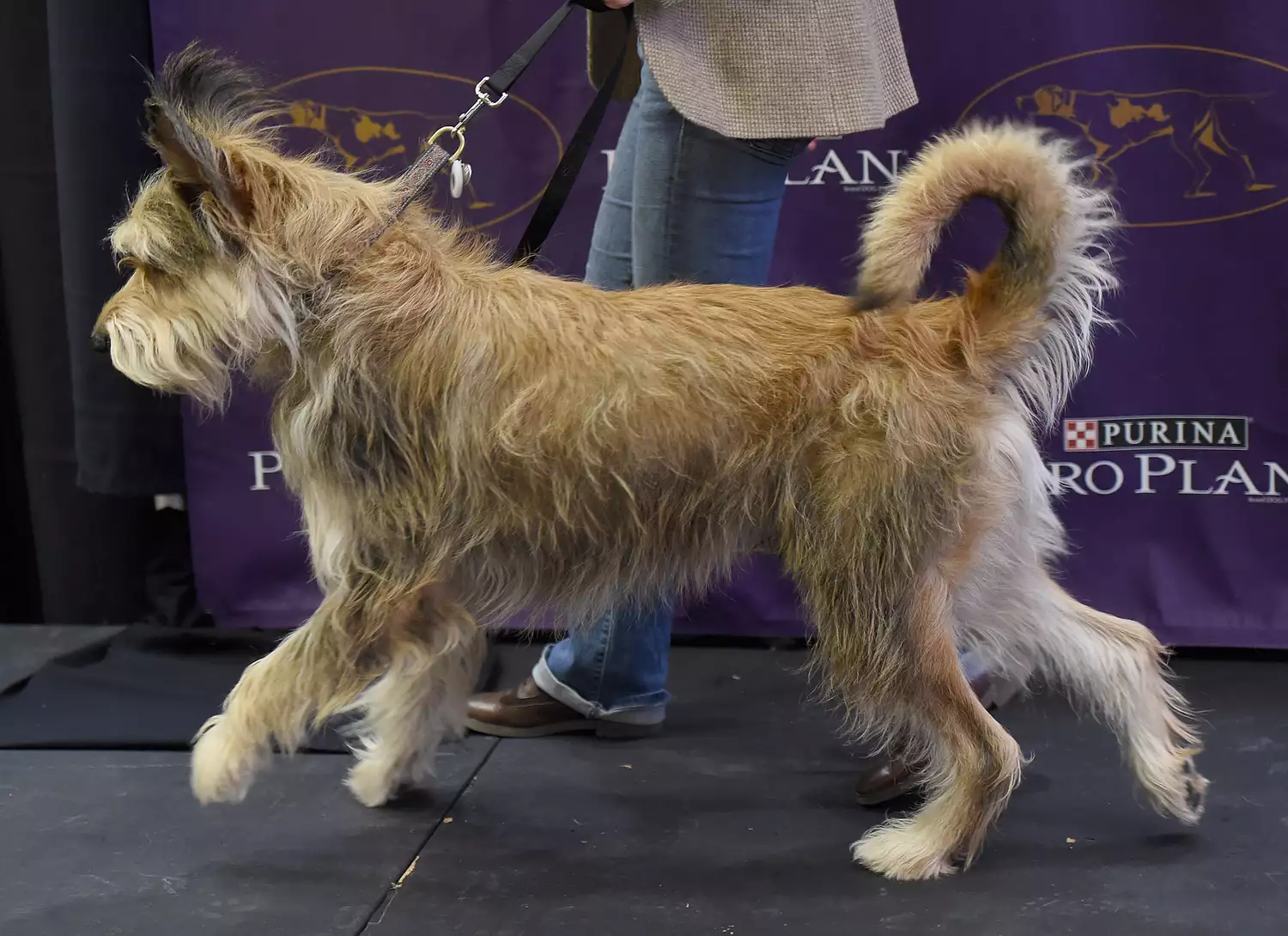
The Berger Picard (pronounced: bare ZHAY pee CARR) is a medium-size herding dog breed from France that has a medium-length, wiry coat that forms its trademark shaggy beard, eyebrows, and mustache. The dog's erect ears are notably large and taper from a broad base to a slightly rounded tip. And their tail has a slight curve at the end.
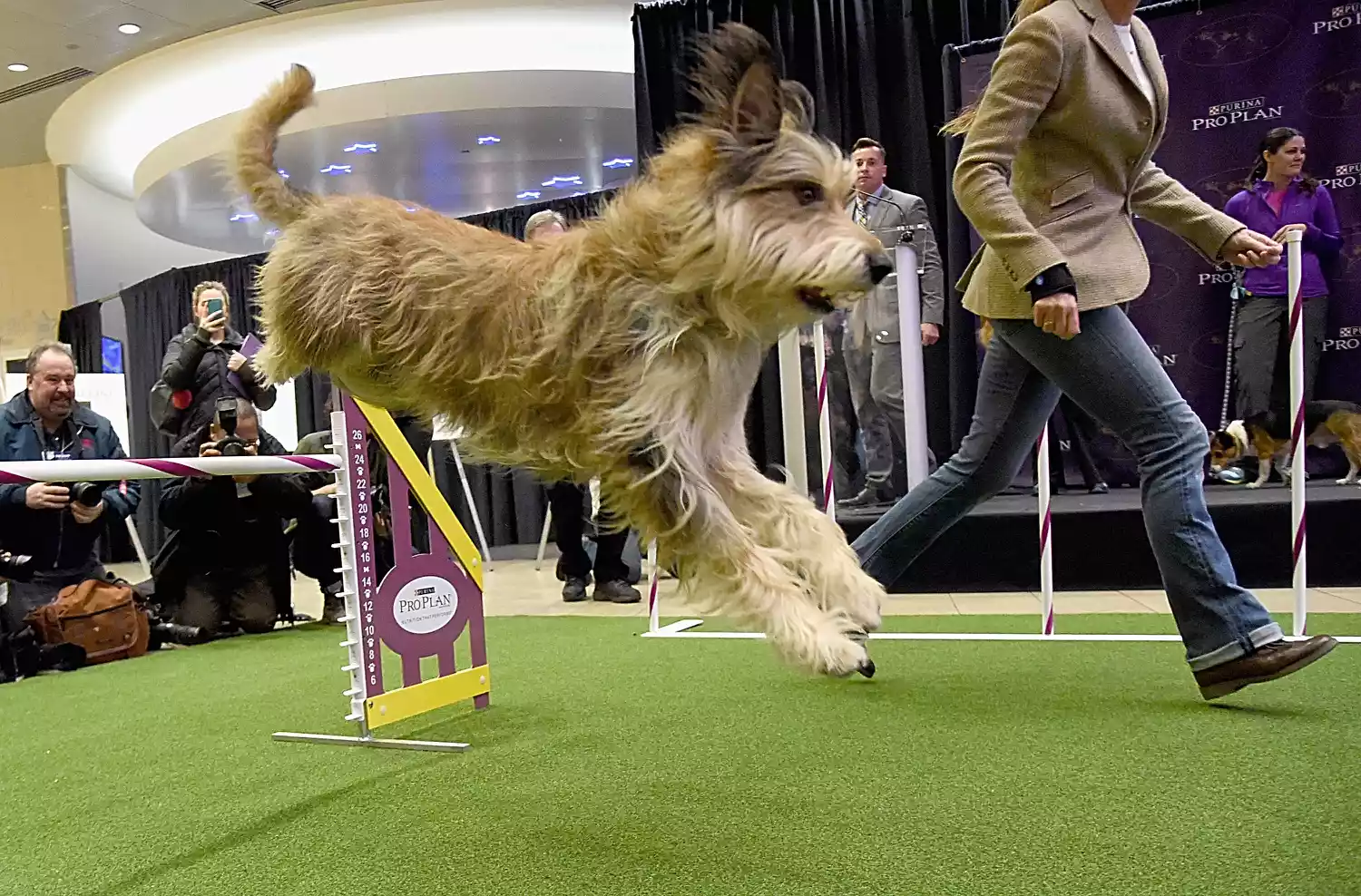
Overall, the breed is sturdy and muscular but not overly bulky. This allows the Berger Picard to move with agility and endurance in fields herding livestock.
Learn more about the Berger Picard, including the breed’s history and care needs.
Breed Overview
Group: Herding
Height: 21.5 to 23.5 inches (females); 23.5 to 25.5 inches (males)
Weight: 50 to 70 pounds
Coat: Medium-length, wiry double coat
Coat Color: Brindle or fawn with/without white markings
Life Span: 12 to 13 years
Temperament: Energetic, alert, intelligent
Hypoallergenic: No
Origin: France
Characteristics of the Berger Picard
The Berger Picard generally has a bright and energetic temperament. This dog does best in an active household that will provide plenty of exercise and mental stimulation.
High intelligence and trainability also shape the breed’s personality, though they can be stubborn about following commands at times.
Affection Level | Medium |
Friendliness | Medium |
Kid-Friendly | Medium |
Pet-Friendly | Medium |
Exercise Needs | High |
Playfulness | High |
Energy Level | High |
Trainability | High |
Intelligence | High |
Tendency to Bark | Low |
Amount of Shedding | Medium |
History of the Berger Picard
The Berger Picard is an ancient breed, and its origin is murky. Its ancestors are thought to have existed in France since the Middle Ages. And it might be a descendant of dogs brought to France by Central European Celts. It’s also a close relative of other French herding breeds, including the briard and Beauceron, though it’s thought to be the oldest of these herders.
These dogs call the agricultural Picardy region of France home, where they were valued for their stamina and determination when herding. They were entered in France’s first dog show in 1863 in the same class as the briard and Beauceron. It wasn’t until 1925 that the Berger Picard was recognized as a distinct breed in France.
World War I and II caused the breed’s numbers to dwindle, and it almost went extinct. Breeders have kept it alive, though it’s still rare. The American Kennel Club first recognized the Berger Picard in 2015. And the breed even got a popularity boost as the star of the 2005 movie Because of Winn-Dixie.
Berger Picard Care
Plan to spend ample time exercising your Berger Picard. Fortunately, this breed has fairly low-maintenance grooming needs. But they should receive consistent training and socialization starting from a young age.
Exercise
Aim for at least two hours of exercise per day for your Berger Picard. Ideal activities include:
Long walks
Games of fetch
Running
Cycling
Swimming
Hiking
Dog sports, including herding and agility, also are great ways to provide mental and physical challenges. And puzzle toys can give your dog some mental stimulation.
A bored Berger Picard that doesn’t have an outlet for their energy might become destructive, so make sure you’re able to dedicate enough time each day to exercise your dog.
Grooming
The Berger Picard has a soft, insulating undercoat paired with a waterproof, wiry outer coat. It doesn’t need trimming, as this can damage the coat’s texture. And you typically only have to brush a few times a month to remove any loose fur and dirt.
The coat is not prone to matting. However, expect periods of higher shedding often in the spring and fall, during which you should brush at least a few times per week to keep up with the loose fur.
The coat also stays relatively clean on its own, so in general you’ll only need to bathe your dog when they get dirty. But check your dog’s ears at least weekly for wax buildup, dirt, and other abnormalities. Plus, trim their nails roughly once a month, and aim to brush their teeth every day.
Training
Berger Picards are smart and can pick up on training commands relatively quickly. Start training and socializing ideally when your dog is a puppy to instill good manners and prevent bad habits.
Always use positive-reinforcement training methods, such as praise and treats. This breed can be sensitive to harsh corrections, shutting down and refusing to learn. Also, aim to keep your training sessions fun and varied to hold your dog’s interest. The breed does have a stubborn streak and can get bored with excessive repetition.
Furthermore, if not adequately socialized from a young age, some Berger Picards might be skittish around new people and places. So start introducing your dog to different people, other dogs, and various locations as early and often as possible. Keep interactions positive using treats and praise, and stop if your dog seems overwhelmed.
Common Health Problems
The Berger Picard is typically a very healthy dog breed throughout its life. But it can be prone to some hereditary health issues1, including:
Hip dysplasia: This is an orthopedic condition. It causes the hips to develop abnormally, leading to mobility problems and pain.
Eye problems: This breed can be prone to eye issues, such as progressive retinal atrophy, which leads to blindness, and canine multifocal retinopathy, which impairs vision.
Diet and Nutrition
Fresh water should always be available for your dog. And feed a quality, nutritionally balanced diet, typically via two measured meals per day.
Run both the type of food and the amount by your vet to ensure that you’re meeting your dog’s individual needs. For instance, if your Berger Picard lives a very active lifestyle, nutrition needs might be higher. But be mindful of treats and other extra food to avoid overfeeding.
Where to Adopt or Buy a Berger Picard
The Berger Picard is extremely rare, so it might be difficult to find at both rescue groups and breeders. But it's still worth checking animal shelters and rescues to see whether there's a dog in need of a home. Get your name on a breed wait list if possible.
For breeders, you might have to wait some time and travel a great distance to find a puppy. Expect to pay around $2,000 to $3,000 on average for a puppy from a responsible breeder.2
For further information to connect you with a Berger Picard, check out:
Berger Picard Club of America
Berger Picard Rehome
Berger Picard Overview
The Berger Picard is a great dog that is ideal for active households. With low-maintenance grooming needs, high intelligence, and high energy, they can be a really fun companion, but they are hard to find.
Pros of Berger Picards
Adventurous and athletic
Typically a healthy breed
Easy-care coat
Cons of Berger Picards
Needs lots of exercise
Can be stubborn about training
Might be destructive when bored
More Dog Breeds and Further Research
Do thorough research before bringing home a Berger Picard to make sure the breed is right for your lifestyle. Talk to Berger Picard owners, rescue groups, reputable breeders, and veterinary professionals. Spend some time around Berger Picards too if possible.
If you’re interested in similar breeds, check out:
Beauceron
Belgian Tervuren
Briard
There’s a whole world of potential dog breeds out there—with a little research, you can find the right one to bring home!



