Mastiff: Dog Breed Characteristics & Care
Mastiffs are among the largest dog breeds, often exceeding 200 pounds. Despite their size, they have a noble, kind, and loyal disposition. These gentle dogs are excellent companions and protective family members. Their courage and manners make them suitable for most households.
Owning a mastiff doesn't require a large home, but some extra space is beneficial due to its size, particularly its long tail. Unfortunately, like other giant dog breeds, mastiffs often have shorter lifespans. Proper care can help ensure they live a healthy life.
Discover more about the mastiff's temperament and care needs.
Breed Overview
GROUP: Working
HEIGHT: 27.5 inches and up
WEIGHT: 120 to 220 pounds
COAT: Short and sleek
COAT COLOR: Fawn, apricot, or brindle, all with a dark mask on the muzzle, ears, and nose
LIFE SPAN: 10 to 12 years
TEMPERAMENT: Calm, affectionate, protective, loyal, peaceful, sweet-tempered
HYPOALLERGENIC: No
ORIGIN: England
Characteristics of the Mastiff
Despite their large size, mastiffs are gentle giants at heart. Known for their kind souls, calm demeanor, and family-friendly nature, they require careful attention due to their size but offer a lifetime of affection and companionship in return.
Affection Level | High |
Friendliness | High |
Kid-Friendly | HIgh |
Pet-Friendly | Low |
Exercise Needs | High |
Playfulness | High |
Energy Level | Medium |
Trainability | Low |
Intelligence | Low |
Tendency to Bark | Low |
Amount of Shedding | Medium |
History of the Mastiff
The mastiff originates from England, with a breeding history spanning over 2,000 years. Its lineage can be traced back to ancient times, evidenced by Egyptian monuments and mentions by Caesar during his invasion of Britain.
Historically, the mastiff served as both worker and watchdog. Unfortunately, they were also used in gladiatorial and dogfighting events, including those watched in Westminster, London.
Today, mastiffs are gentle souls, as the U.K. prohibited dogfighting in 1835. Modern mastiff lineages began in the 19th century, focusing on less aggressive traits.
Mastiffs likely arrived in the United States over 200 years ago, gaining American Kennel Club (AKC) recognition in the late 1800s. They are often called the Old English mastiff, English mastiff, or simply mastiff.
The heaviest dog on record was an English mastiff named Aicama Zorba of La Susa, weighing 343 pounds and standing 37 inches tall, as noted in the 1989 'Guinness Book of Records.' This record remains as Guinness stopped recording pet size records in 2000.
Other types of mastiffs include the Tibetan mastiff, Neapolitan mastiff, cane corso, Dogue de Bordeaux, Fila Brasileiro, bullmastiff, Spanish mastiff, Pyrenean mastiff, and Boerboel.
Mastiff Care
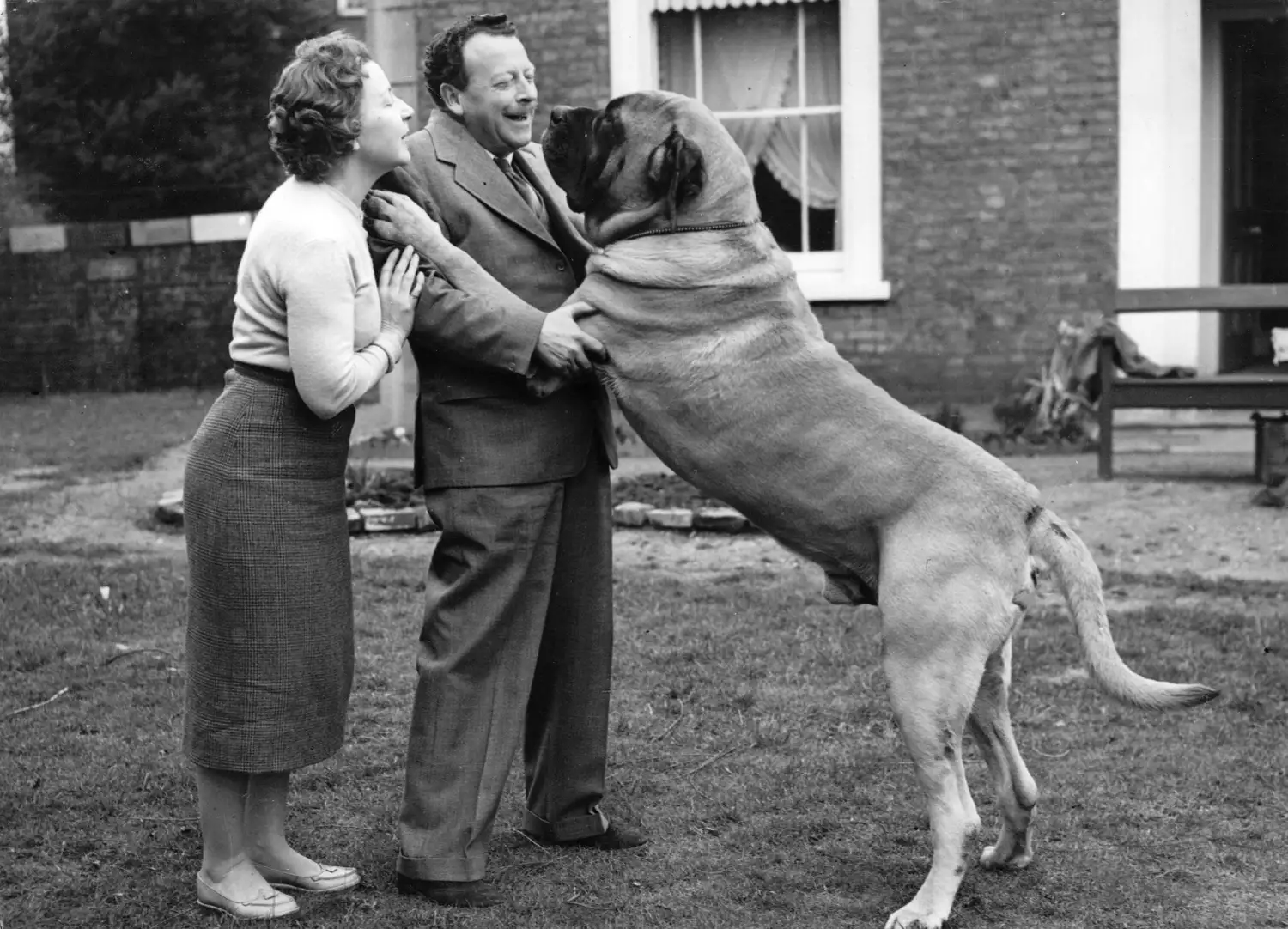
Mastiffs will need regular care and grooming to remain looking and feeling their best. Though they're not considered particularly intelligent or trainable, some light obedience training is always a good idea in order to ensure they remain safe and good companions.
Exercise
Mastiffs are generally docile, especially as they mature into a charming aloofness, although younger ones are more playful. Routine exercise keeps them fit and motivated. Aim for 30-60 minutes of daily play and exercise, which can be split into sessions.
Being large, mastiffs prefer cooler weather over heat. Exercise them during cooler parts of the day in summer. They adapt well indoors, whether in an apartment or a home with a fenced yard. Consider the potential difficulty of stairs for aging mastiffs.
Grooming
Mastiffs have short coats needing routine grooming like regular brushing, bathing, and nail trimming. They tend to shed moderately.
Check their ears and eyes often to look for signs of irritation or infection, and clean them gently whenever necessary. Additionally, the mastiff's ears and facial skin folds (if present) should be kept clean and dry.
Mastiffs are known to salivate quite a bit, and they might share their drool when they shake their heads, so keep drool rags handy.
Training
Like all dogs, proper training and socialization are both important for the mastiff. This is especially crucial because of the giant size of this breed. Careful attention should be given to the prevention of jumping and leash-pulling.
Effective socialization ensures mastiffs' natural protectiveness is balanced, preventing excessive caution around visitors.
Dog-proof your home for a mastiff. Their tail can knock items off tables, and they can reach dining tables easily. Provide durable chew toys to protect your furniture from their chewing habits.
Common Health Problems
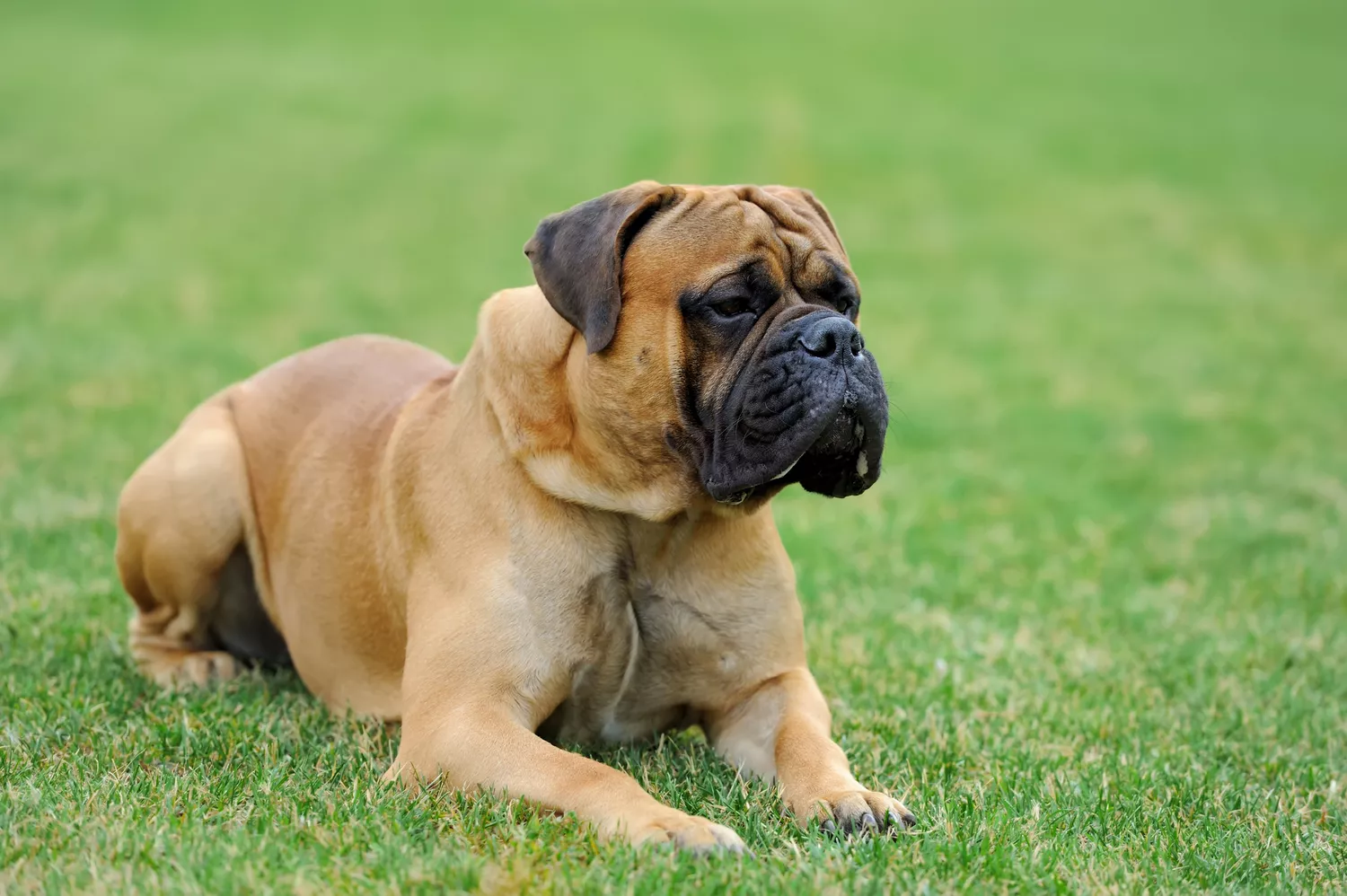
Responsible breeders adhere to AKC breed standards to minimize inherited health issues. However, mastiffs may still face hereditary problems, including:
Hip and elbow dysplasia: These are inherited orthopedic conditions that affect the joints, and can get worse with age. Breeders screen for them.
Gastric dilatation-volvulus: This is bloating that is common in large dogs with deep chests. Gulping down food and water can lead to the stomach filling with gas and then twisting, cutting off the blood supply. This is an emergency situation.
Elbow hygroma1: This is a swollen area that’s painless and filled with fluid. It can grow in size over time, so seeking veterinary care early on can make treatment easier.
Cancer: The major cause of death in mastiffs is cancer. Common cancers in this breed include lymphoma, osteosarcoma, mast cell tumors, and hemangiosarcoma.
Eye issues: Various eye problems can affect mastiffs. They include ectropion, entropion, distichiasis, cataracts, progressive retinal atrophy (PRA), persistent pupillary membranes (PPM), retinal dysplasia, and macroblepharon.
Diet and Nutrition
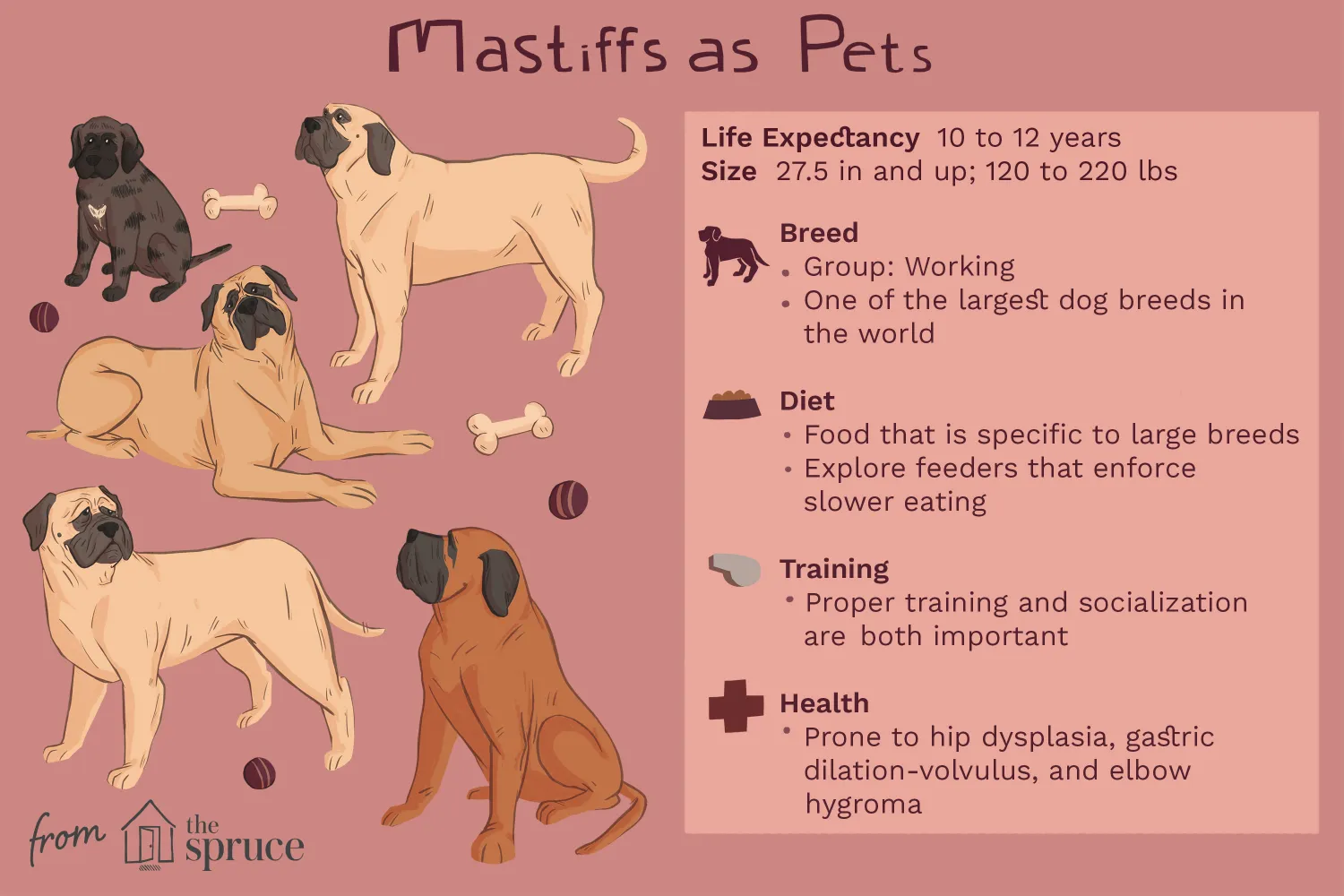
Select high-quality large-breed food to meet your mastiff’s nutritional needs. Consult a veterinarian for advice if needed.
Use large-breed-specific food for mastiff puppies to ensure steady growth, minimizing hip dysplasia risks. Puppies will reach their full size even if kept trim.
Adult mastiffs require 6-8 cups of dry food daily, divided into two meals to prevent bloating and stomach torsion. Consider slow-feeding options.
Monitor your mastiff for weight gain and consult your veterinarian for dietary and exercise recommendations if needed.
Mastiffs are messy drinkers, leaving backwash in water bowls. Provide clean water throughout the day. Be aware they are prone to flatulence.
Where to Adopt or Buy a Mastiff
Prospective mastiff owners can look into specialized breeders or local adoption agencies. It's common to join a breeder's waiting list, but puppies are usually available year-round.
Choose a reputable breeder with a history of healthy litters and detailed care. They should answer questions about the litter's pedigree, health, and history. Meeting one or both parents is ideal to understand your future pet’s personality and size.
Consider adopting a mastiff through the following organizations:
The Mastiff Club of America
Mastiffs to Mutts Rescue Inc.
Southern States Mastiff Rescue
Mastiff Overview
Mastiffs are large, loving, and possess a friendly, playful demeanor. They rarely bark but require regular exercise and high-quality nutrition.
Pros of Mastiffs
Gentle and loyal
Protective
Become endearingly lazy as they age
Cons of Mastiffs
Drool quite a bit
Large tails can cause damage and require extra space in your home
Heavy chewers
More Dog Breeds and Further Research
If you believe the mastiff is the right breed for you, thoroughly research before adopting. Consult the Mastiff Club of America for additional breed information. Engage with other mastiff owners, reputable breeders, and rescue groups.
If you are interested in similar breeds, look into these to compare the pros and cons:
Bullmastiff
Great Dane
Great Pyrenees
Dogue de Bordeaux
Perro de Presa Canario
There’s a whole world of dog breeds out there. With a little research, you can find the right one to bring home.



