How to Cure Car Sickness in Your Dog
uppies and young dogs often experience car sickness due to motion, stress, or excitement. They might seem lethargic, whine, drool, cry, and possibly vomit in the back seat. Car sickness can be caused by stress, anxiety, or motion sickness.1
Fortunately, most dogs outgrow car sickness as they acclimate to car travel. In the meantime, these methods can relieve your puppy's upset stomach and improve their car ride experience.
Why Do Dogs Get Car Sick?
To help your puppy with nausea, it's important to understand its causes. Rest assured, car sickness is completely natural in young puppies and occasionally in older dogs.
It’s unsurprising that some puppies dislike car rides, as new experiences can be stressful or exciting. Similar to humans, dogs might vomit due to these emotions. Car rides are often linked with stressful vet visits, making puppies dread car travel, even when going on vacation to a boarding kennel or enjoying a fun ride around town.
Puppies can also experience true motion sickness, where movement disrupts the fluids in their ears, leading to dizziness and nausea. This can occur in dogs of any age.2
The good news is you can train your dog to become accustomed to car rides. In the interim, these preparations can help ease their upset feelings and settle their stomach.
Relieve Stress
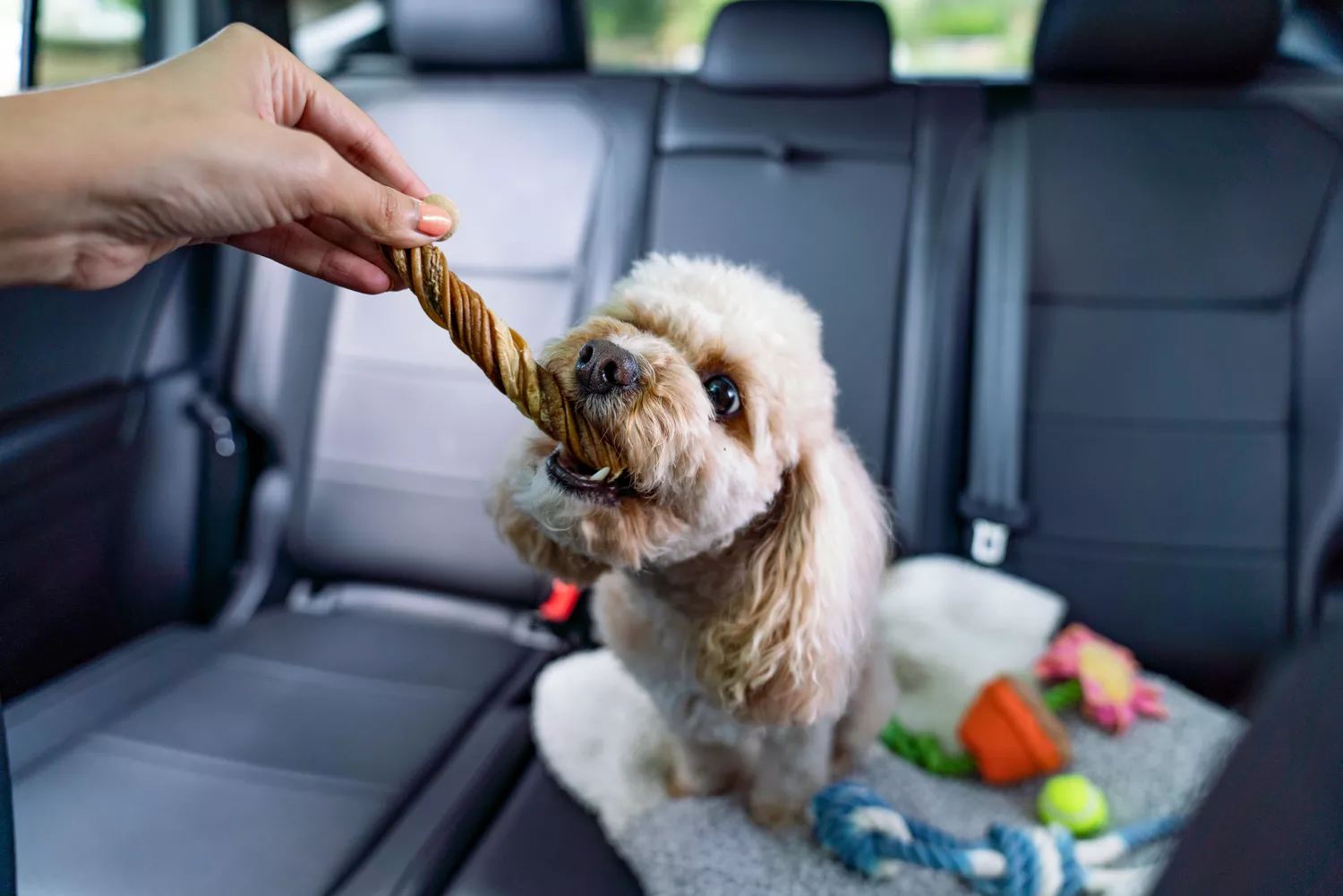
Puppies often associate sickness with what they expect at the ride's end. To change this mindset, transform the car into a "puppy palace" with exclusive toys and treats for car trips. Gradually teach them that the car has many benefits. Treats, praise, and admiration can be very effective. You can also purchase anxiety wraps and pheromones at pet stores to reduce anxiety.
Timing of Meals
If your puppy's stomach is empty, they are less likely to feel sick. Feed them several hours before traveling, but offer water to help settle their stomach.
Give Your Dog a View
The motion of a car without a view can upset a puppy's stomach. Tiny puppies might not see out the window; however, as they grow, being able to look outside helps them orient to the moving world.
Ensure your puppy is secured in a safe carrier or other restraint in the back seat. Loose dogs are at risk of injury if an airbag deploys. Additionally, a puppy barrier or crate can prevent distractions and limit mess.
Fresh Air
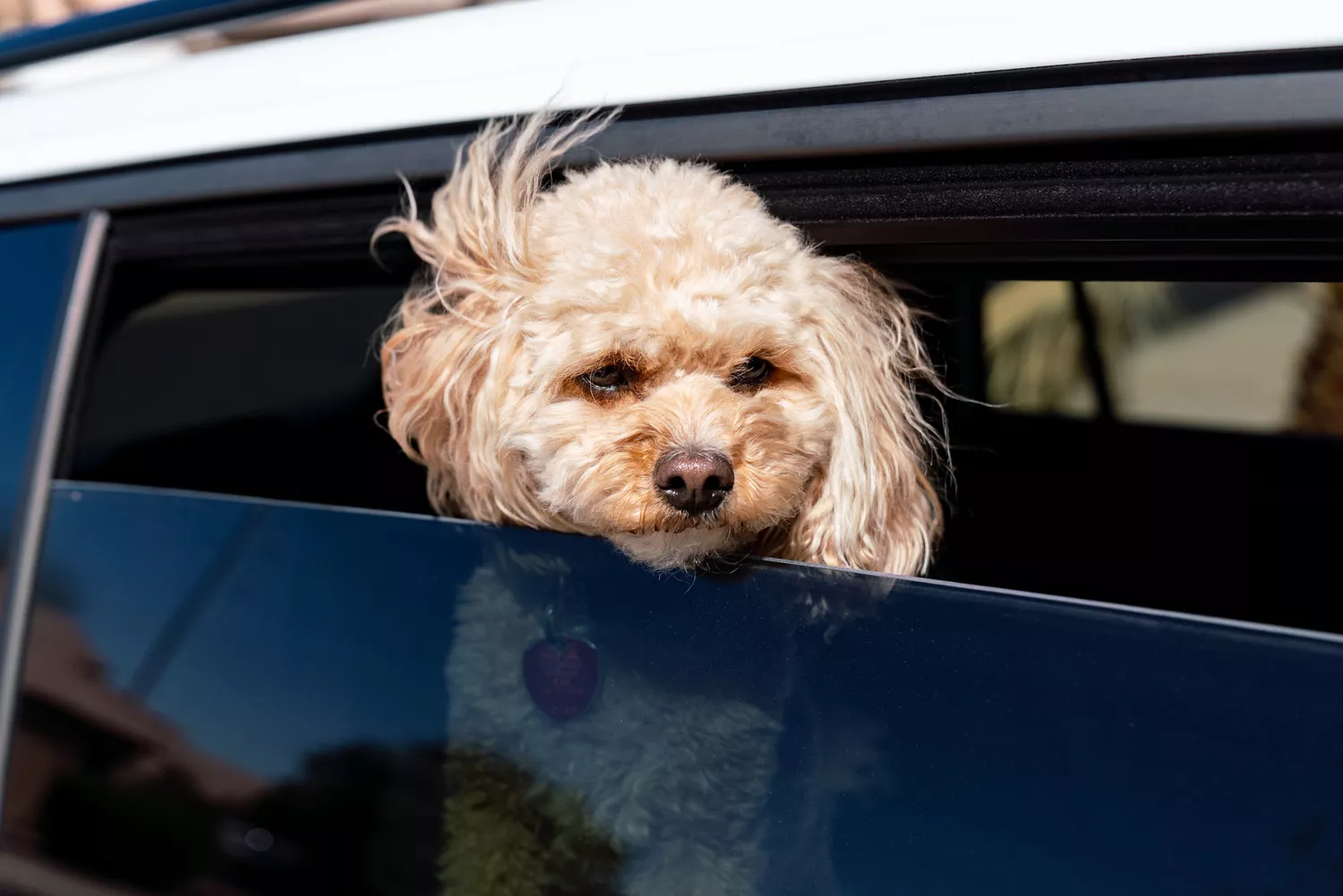
Open the window slightly to allow fresh air for your puppy to sniff. The new scents from the wind can distract them from a queasy stomach. A narrow opening prevents risk of eye injury from flying debris.
It's also important to take breaks for your puppy to stroll and use the bathroom during long trips. Most dogs enjoy exploring new places through scent, which helps them associate the car with fun and new adventures.
How to Prevent Your Puppy From Getting Car Sick
If these methods don't work and your dog hasn't outgrown motion sickness, you can try other remedies.
The drug people use for motion sickness, like Dramamine, is also effective for dogs. It's considered safe for most healthy adult dogs, but consult your vet for the appropriate puppy dose and to check for any potential interactions with medications or health conditions.2
Ginger, a natural nausea remedy, can be offered to your dog. Ginger capsules are readily available at health food and drug stores. Puppies under 16 pounds can safely take up to 250 milligrams of ginger, while those over 16 pounds can usually handle up to 500 milligrams.3
You can also offer dog-friendly gingersnap cookies as a treat. Eating cookies in the car creates positive associations. However, be aware that cookies may stain light fur if your puppy drools. Use a dog seat cover to protect your car from food crumbs, drool, and pet hair.



