Why Do Puppies Eat Their Poop? Strategies to Stop It
Why do puppies eat poop? While puppies tend to eat many strange things, feces-eating is one of the most unpleasant habits. Some puppies are not picky about the feces they eat, whether it's their own or that of another animal.
While many puppies outgrow this phase, there are steps you can take to discourage and stop this behavior. Here are some reasons your puppy might be eating poop and what you can do to prevent it.
Why Do Puppies Eat Poop?
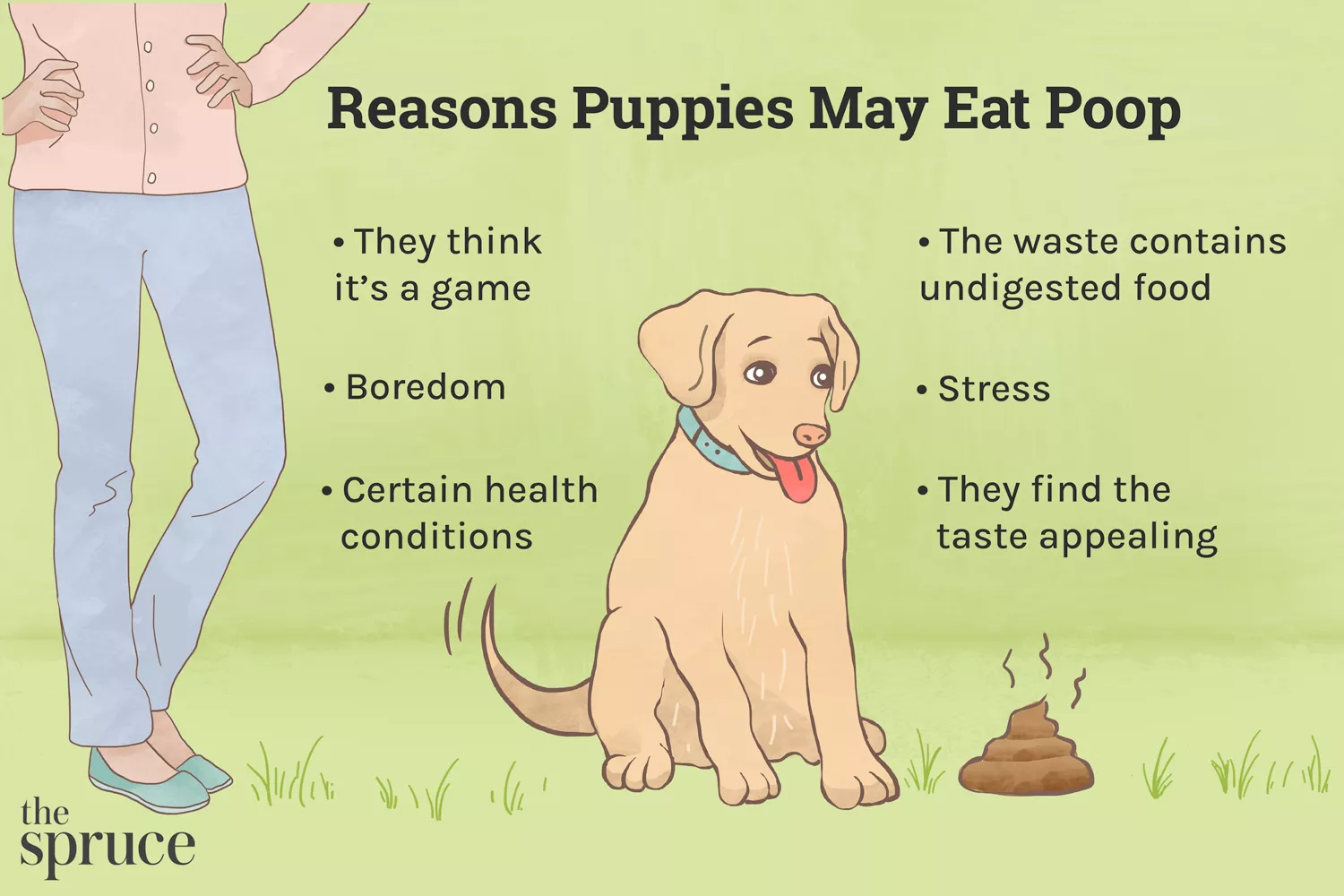
Puppies might eat poop for various reasons, including behavioral and medical issues. This behavior, called coprophagia, involves eating their own or another animal's feces. Here are some explanations for this behavior:
Imitating Mother
Poop-eating is usually normal for very young puppies, as it might help colonize their gastrointestinal tract with beneficial bacteria. Puppies might also learn this behavior from their mother, who eats her puppies' feces to keep the area clean and prevent predators. Typically, female dogs stop eating their puppies' waste around weaning time, but some puppies might continue this behavior. The good news is most puppies outgrow this habit, but some dogs keep this unpleasant practice for life.
Playing or Boredom
Your puppy might think it's a game when you wave your hands, shout, and chase them around to stop them from eating poop. This chasing can inadvertently reward the behavior, encouraging your puppy to play a game of keep-away.
Sometimes, poop-eating is due to boredom. If a puppy is left alone in the yard with little to do, they may resort to playing with whatever is available.
It Tastes Good
Eating feces may be related to taste, especially if it's from another animal. Cow and horse manure can contain undigested grains or other appealing ingredients. Cat feces are particularly attractive to dogs, possibly due to cats' high-protein diets, which can make the litter box resemble a snack bar for puppies.
Seeking Attention
Puppies love attention, and if you react dramatically to their poop-eating, they may see it as a way to get your attention. Punishments can increase unwanted behavior because puppies often can't differentiate between positive and negative attention.
Nutritional Issues
Poor quality diets can lead puppies to eat their waste to compensate for nutritional deficiencies. They might not be eating enough, so their daily food intake may need to increase. If their food isn't fully digested, they may regard feces as a supplement, as it resembles what they initially consumed. Additionally, if a puppy has a sever infestation of worms they might eat poop to replenish nutrients lost to parasites.
Health Conditions
Health issues can also cause coprophagia. Diseases in the small intestine or pancreas can lead to malabsorption or maldigestion. Conditions like diabetes and hypothyroidism can increase a dog's appetite, causing them to eat whatever is available.
If your puppy shows signs of illness or is not thriving despite a well-balanced diet, visit your veterinarian to rule out any underlying health issues.
Stress
Stress can also cause feces-eating, particularly major stressors like moving to a new home after adoption. Harsh punishment for poop-eating can stress puppies further, leading to a vicious cycle where they eat feces to hide the "evidence."
How to Stop Dogs From Eating Poop
It's best to stop this behavior before it worsens. Feces can transmit parasites and bacteria, risking your puppy's health. Here are a few ways to end this unpleasant habit:
Clean Up Poop
First, keep poop out of your puppy's reach. Without access, they may lose interest over time. Pick up your dog's stools promptly, and check the yard for any missed feces, including those of other animals. Dispose of it in a tightly sealed trash can to prevent scavenging.
Restrict Access to Cat Litter
If you have a cat, place the litter box out of the puppy's reach. A covered box can deter the dog while giving the cat privacy, provided the cat is comfortable with it. Use a baby gate to block the dog's access. Some cats can jump standard gates; installing them a few inches off the floor can let cats slip underneath while keeping larger dogs out.
Keep Your Pup On a Leash
Prevent access by walking your puppy on a leash and guiding them away after they've done their business. If your pup eats feces from neighborhood animals, keep them on a tight leash on walks to prevent approach. Stay vigilant when walking, as dogs can quickly grab things from the ground. Reward your puppy for ignoring stool.
Train Your Puppy
Training is important for all pups and can help curb poop-eating.
Teach your puppy to come when called and to sit and stay in front of you after each bowel movement—its own or another dog’s. Offer a fantastic treat while you pick up the waste.
Train your puppy not to eat things off the ground by teaching the "leave it" cue.
If your dog leaves the poop alone, reward it for the good behavior with a small treat, toy, petting/praising, or a play session.
If you catch your pup in the act, lead them away on the leash. Do not scold or hit your dog; punishment can make your puppy fear you and may worsen the behavior. Positive reinforcement is the ideal approach to dog training.
Increase Activity
Increased activity can alleviate boredom and restlessness, improve bonding, discourage poop-eating, and enhance overall behavior. Puppies are playful, social animals who thrive on interaction, so schedule frequent play and bonding sessions with your pet.
Increase playtime to a minimum of 20 minutes several times a day.
Add aerobic exercise twice daily.
Hold regular training sessions to teach basic cues and fun tricks.
Increase the number of toys available when you're away from home. A treat-filled toy such as a Kong filled with peanut butter offers a tastier, healthier alternative to poop.
Reduce Stress
Identify sources of stress in your puppy's environment. Common stressors include moving to a new home, changes in household members, separation anxiety, and fear/phobias.
Talk to your veterinarian about your puppy's stress levels. Calming aids, including pheromone products such as Adaptil, can help reduce anxiety and stress in many dogs. However, your vet may recommend a prescription medication or other treatment.
Add Bad Flavors
Discourage poop-eating by adding a supplement to your puppy's meals that makes feces taste unpleasant. This can create a negative association, teaching the puppy that poop tastes bad and should be avoided.
Pineapple or its enzyme, bromelain, is a common ingredient in these supplements as it makes feces taste bitter. Other ingredients may include pepper and garlic. Consult your vet about safe products and additives for your puppy.
If your puppy is eating cat feces or another pet's poop, those household animals will also need to take the supplement.
Change Puppy Food
Some puppies benefit from more digestible food with all necessary nutrients. Ask your veterinarian for recommendations and ensure any new food is balanced and suitable for puppies (or all ages). Do not feed your young puppy adult dog food unless advised by your vet, as puppy food is specially formulated with higher levels of nutrients necessary for growth.
When switching foods, transition your puppy gradually over several days. Rapid changes can cause digestive issues. If your puppy has digestive problems, your vet may recommend a diet for sensitive stomachs.
Seek Professional Help
If you can't control your puppy's poop-eating, seek help. Begin by consulting your vet for advice. They may refer you to a trainer or behaviorist to assist with behavior modification.



