Understanding What Your Dog's Gum Color Indicates About Health
Your dog’s gum color is a strong indicator of their health. Healthy gums are typically powdery pink. Changes in gum color, moistness, or temperature can suggest health issues and should be checked by a veterinarian.
A sick dog's gums might appear blue, black, pale white, or bright red. Non-pink gums can signal issues from gum disease to heart failure.
Learn more about what your dog’s gum color can tell you about their overall health.
What Do Normal Dog Gums Look Like?
In addition to assessing your dog’s gum color, also check their capillary refill time (CRT) and feel their gums to check their level of moisture.
Color: Normal gums should be bubble gum pink. A dog’s gum color might also include black patches, which are normal if they’ve always been there and aren’t new or accompanied by other symptoms.
Texture and moistness: A dog’s gums should feel smooth and moist, not sticky or dry. This indicates that your dog is properly hydrated.
Capillary refill time: When pressed, your dog’s gum color should lighten to pale pink or white and return to pink within two seconds after releasing. The time it takes for gums to return to pink after pressing is called capillary refill time (CRT).
Common Gum Problems in Dogs
Unhealthy dog gums can signal issues from dental disease to systemic problems. Observing gum color, texture, and odor helps catch health issues early. Monitoring and promptly addressing signs of unhealthy gums prevents complications and ensures your dog maintains optimal health.
Blue Gums
If your dog's blood supply lacks adequate oxygen, their gums may turn blue or purple, known as cyanosis.
Cyanosis can result from issues like:
Pneumonia
Heart failure
Pulmonary thromboembolism
Other respiratory conditions
Diseases affecting breathing and oxygenation cause blue gums, though they can be unavoidable.
Avoid smoking near your dog and seek veterinary care immediately if they have difficulty breathing.
Pale Pink or White Gums
If a dog lacks blood or hemoglobin, their gums may appear pale pink or white, indicating anemia or acute blood loss. Various diseases can cause anemia, and trauma can result in severe blood loss.
When the body lacks enough blood, normal pink gums fade. Conditions causing anemia are very serious.
Address acute blood loss and diseases causing anemia immediately to prevent pale or white gums.
Bright Red Gums
Very red or bright pink gums can indicate overheating or conditions like stomatitis or gingivitis.
Dogs with heatstroke often have bright red gums while panting to cool down. This gum color can also signal inflammation or infection, which makes gums bleed easily and causes pain.
Maintaining normal body temperature prevents bright red gums from overheating. For red gums due to stomatitis or gingivitis, regular dental care is essential to prevent them.
Growths on Gums
Oral tumors commonly appear on dogs' gums. Some growths can be benign or resolve naturally, while others are cancerous or contagious.
Papillomatosis, a viral disease, spreads easily among dogs, producing pink, fleshy warts on gums and elsewhere. These are usually less concerning than other tumors, which can be cancerous and cause serious health issues, eating difficulties, and pain.
Warts may decrease with limited exposure to dogs with pink warts. Unfortunately, there's no known way to fully prevent cancerous or other mass growths.
Bleeding Gums
Stomatitis, gingivitis, and growths often make gums sensitive and bleed easily.1 If your dog's gums are bleeding, consult a veterinarian to determine the cause.
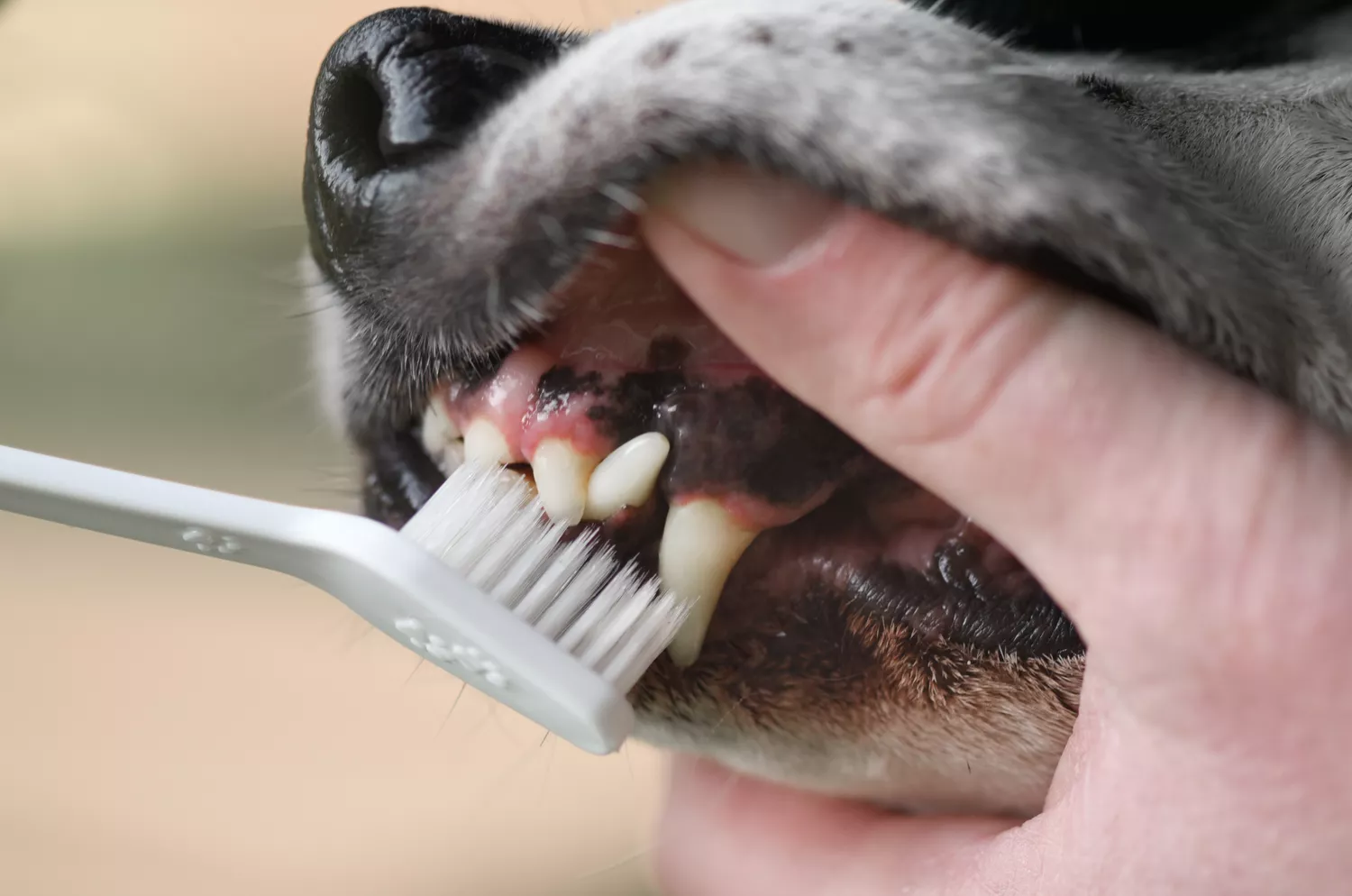
If poor dental health causes bleeding gums, regular tooth brushing and proper dental care are crucial to keep gums healthy.
Treating Gum Problems in Dogs
Treatment plans for gum problems in dogs vary.
For gum issues related to respiratory conditions, immediate oxygen therapy and specific medications are often needed.
For pale pink or white gums, a blood transfusion may be needed due to anemia or blood loss.
Surgery might be required for growths.
Dental care, including cleaning, tooth extraction, medications, and occasionally cold laser therapy, might be necessary for bleeding or bright red gums.
If a dog is overheated and has bright red gums, cooling them down should resolve the issue.



