Tonkinese: Cat Breed Profile, Characteristics & Care
If you admire both the Siamese and the Burmese but have room for only one cat, consider the Tonkinese, which combines the best traits of both breeds. Intelligent, affectionate, and sociable, the Tonkinese is a hybrid of the Siamese and the Burmese.
Often referred to as the Tonk, this beautiful cat has a pointed coat with soft, muted colors and a lean yet sturdy build. Its charming personality is matched by a chirp-like vocalization. While the Tonkinese enjoys "talking," it doesn't have the loud, demanding meow of its notably vocal relative, the Siamese.
Explore more about the Tonkinese, including its temperament, care requirements, and other important details.
Breed Overview
Other Names: Tonk
Personality: Friendly, sociable, playful, intelligent
Weight: Up to 12 pounds
Length: Up to 28 inches
Coat Length: Short hair
Coat Colors: Platinum, champagne, blue, and natural
Coat Patterns: Colorpoint, solid, and mink
Eye Color: Blue, gold, or green
Lifespan: Up to 16 years
Hypoallergenic: No
Origin: United States
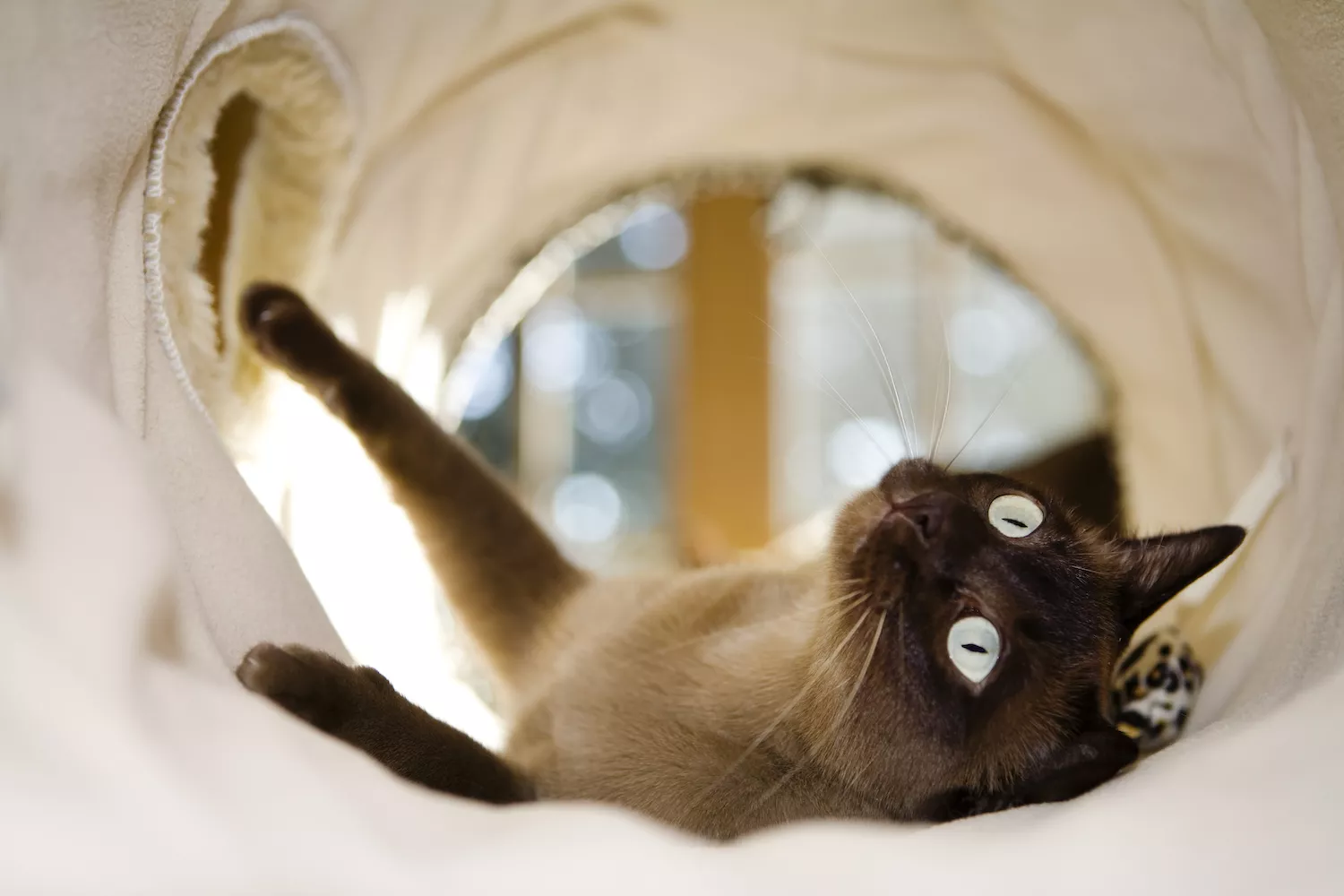
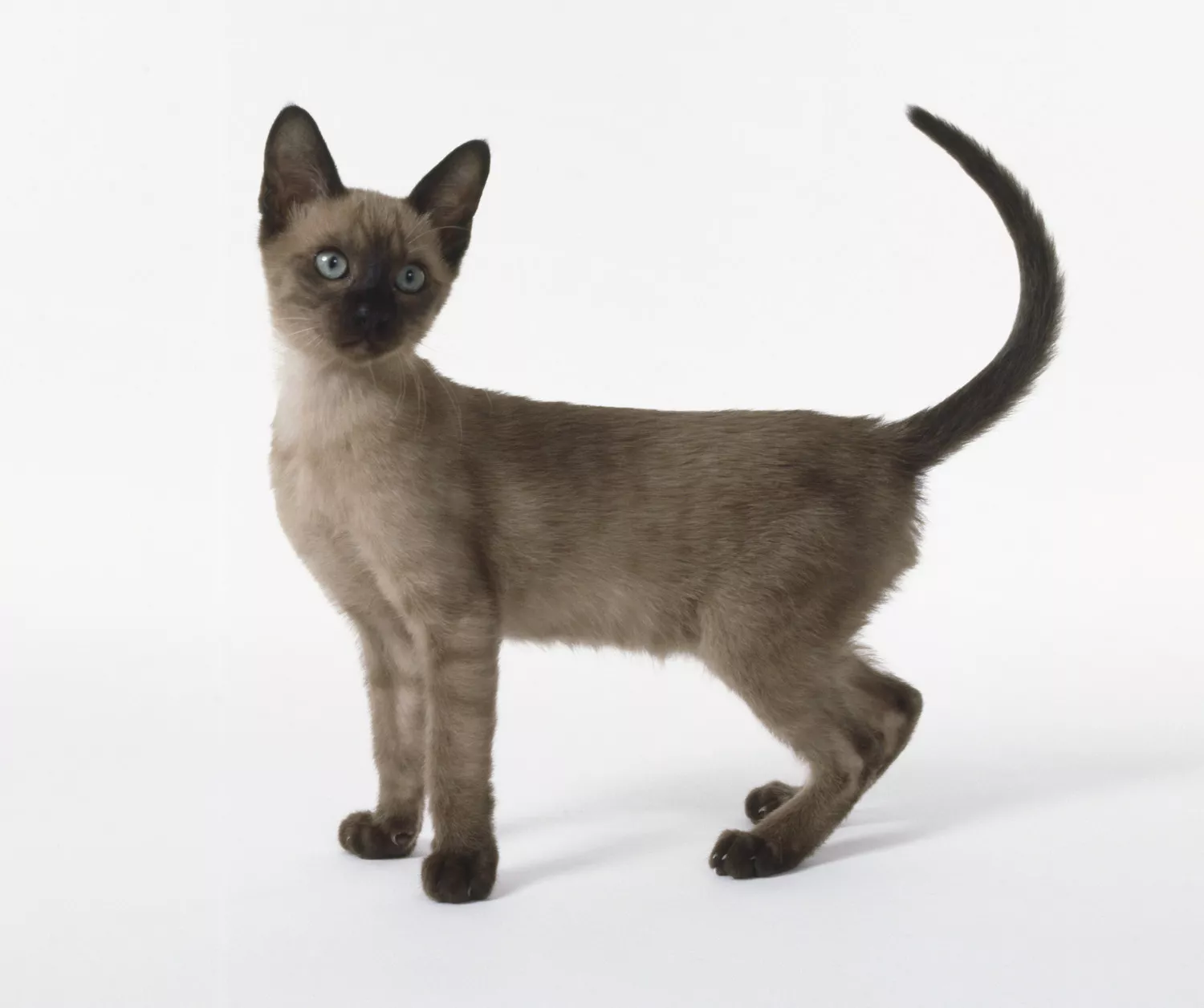
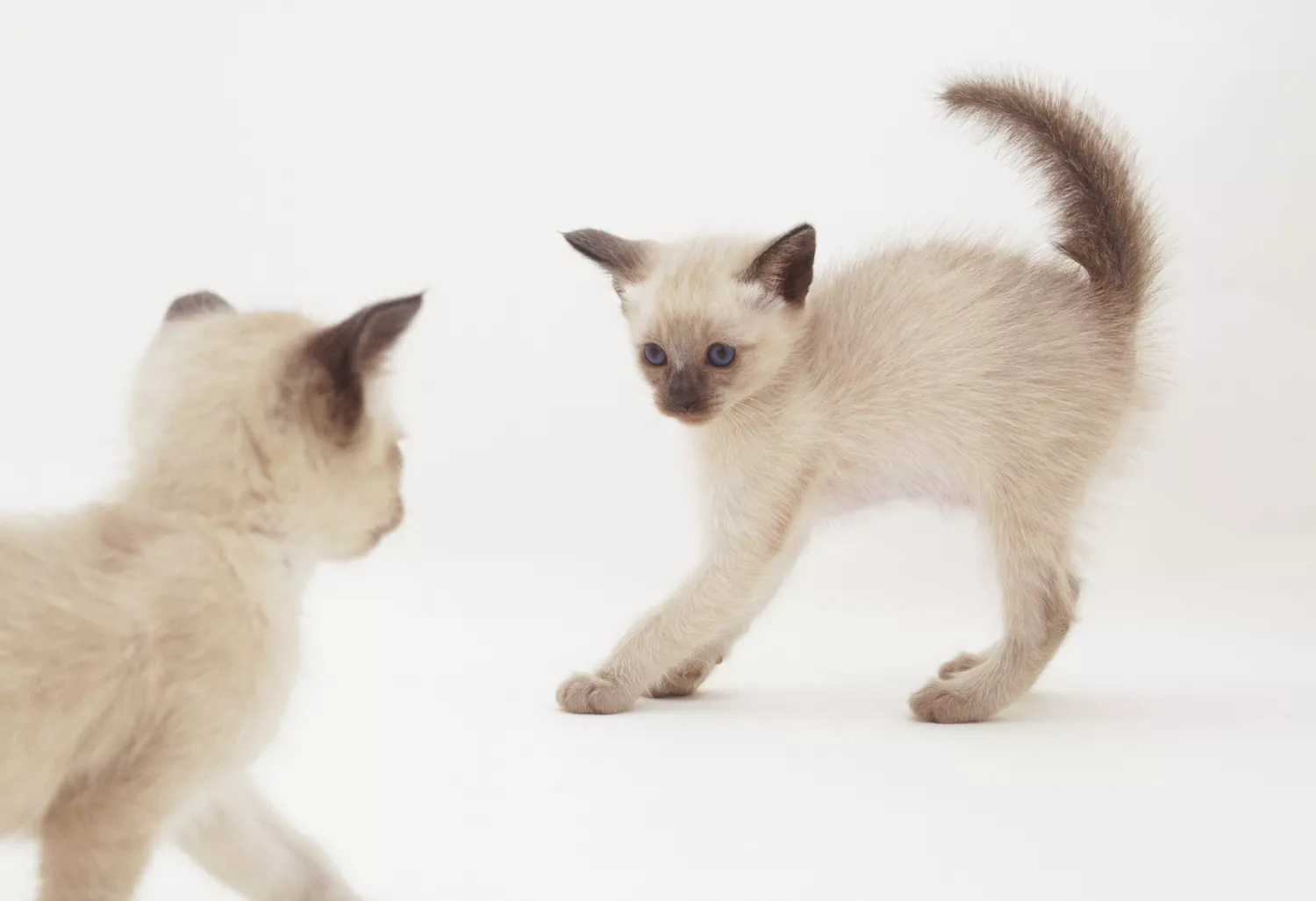
Tonkinese Cat Characteristics
Active and intelligent, the Tonkinese loves to play, and its easygoing temperament makes it content to spend time with family without requiring excessive attention or stimulation. It is happy to "speak" when spoken to but doesn't vocalize excessively.
The Tonk has an irrepressible, people-loving personality. It eagerly seeks to be pet, held, talked to, played with, and cuddled on a warm lap. Families with young children who need a tolerant and playful cat may find the Tonkinese to be the perfect choice.
Affection Level | Very High |
Friendliness | High |
Kid-Friendly | High |
Pet-Friendly | High |
Exercise Needs | Medium |
Playfulness | High |
Energy Level | Medium |
Trainability | Medium-High |
Intelligence | Medium-High |
Tendency to Vocalize | Medium-High |
Shedding | High |
History of the Tonkinese Cat
The Tonkinese breed was developed by Siamese and Burmese cat enthusiasts who desired a cat resembling the Siamese but with a sturdier build and a mellower temperament.
Although not yet an established breed, the Tonkinese appeared in the U.S. in 1930 with a female cat named Wong Mau. Imported from Burma by retired Navy Doctor Joseph Thompson, Wong Mau was originally considered a poor-quality Siamese by U.S. breeders. She is now credited as the "mother" of the Burmese breed and the Tonkinese breed because genetic testing has since determined that Wong Mau was, in fact, a Burmese-Siamese cross.
The Tonkinese breed was firmly established in the 1960s by Jane Barletta, a Siamese breeder in New Jersey, who was committed to developing a "moderate" Siamese. While several other breeders sought a similar balance between the Siamese and Burmese qualities, Barletta's dedication was pivotal in establishing the Tonkinese.
Barletta promoted this "beautifully balanced" breed in Cat Fancy magazine, discussed it on national television during her appearance on Jeopardy!, and initiated a nationwide network of breeders, leading to the formation of the Tonkinese Breed Club. Largely due to Barletta's efforts, the Tonkinese was accepted by the Cat Fanciers' Association in 1979.
The breed gained recognition in other ways as well. In 1970, a Tonkinese cat gave birth to the world’s largest litter of domestic cats, with a total of 19 kittens.
Tonkinese Cat Care
The Tonkinese is easy to care for. Its short coat requires minimal grooming. Regular play is all they need as far as exercise goes, and puzzle toys are appreciated by this intelligent and curious cat. You can even play fetch with a Tonk and train them to do tricks. They like to stay active by running and jumping, so they are sure to love cat trees and hammocks that they can play on.
If you don’t have other pets at home, consider a second cat—the Tonkinese loves having a playmate and companion when its human is away. If you do have other pets, you can expect the Tonkinese to quickly make animal friends.
Although grooming needs are minimal, the Tonkinese is prone to gingivitis, so begin tooth brushing early in life to establish it as a routine.
Common Health Problems
Although the Tonkinese is generally healthy, the breed is susceptible to some health issues, including:
Dental disease: Oral health conditions like gingivitis, periodontitis, and tooth resorption can affect cats. These can be managed with regular dental care.
Feline lower urinary tract disease (FLUTD): Conditions that affect the lower urinary tract, such as feline idiopathic cystitis and urinary stones, can cause symptoms like pain when urinating and blood in the urine. Seek veterinary attention right away, as these problems can be life-threatening.
Inflammatory bowel disease (IBD): This condition impacts the gastrointestinal tract. Symptoms include gastrointestinal discomfort, nausea, diarrhea, and vomiting.
Amyloidosis: This is the abnormal accumulation of protein deposits in organs (generally the kidneys or liver). Symptoms include weight loss, oral ulcers, and excessive thirst and urination, among others.
Hypertrophic cardiomyopathy: This causes the left ventricle of the heart to thicken and inadequately pump blood. Symptoms include weakness, pale gums, and labored breathing.
Regular veterinary visits and a balanced diet are essential to maintaining the health of any cat. Ensure your Tonkinese receives annual exams and stays current on vaccinations.
Appearance
The short and stocky Burmese contributes to a bulkier build in the Tonkinese, while the lanky Siamese offers more height and agility. The head shape balances the two parent breeds, being neither too blocky nor dramatically wedge-shaped. The coat is short and sleek, though there is a longer-haired version often called a Tibetan.
Tonkinese kittens have a uniform coat color and blue eyes. As they grow, their coat changes to reveal patterns with lighter and darker areas—lighter fur covers warmer parts of the body, while darker fur develops on cooler parts. As they age, they can continue to darken.
Tonkinese colors include platinum mink, and both pointed and solid classes feature natural, champagne, blue, and platinum. The Tonkinese's color points are more muted compared to the Siamese, resulting in a softer look. While the eyes are ideally blue, they can also be gold or green like the Burmese. Green to yellow/green eyes are linked to solid coat colors, aqua eyes to mink colors, and blue eyes to pointed colors.
Diet and Nutrition
Like many cats today, the Tonkinese is at risk for obesity and should be fed an appropriately balanced diet in moderation. You should also consider other Tonkinese-specific health risks when deciding on the right food for your cat. For instance, several foods focus on dental health, and others are formulated to balance urine pH to help prevent bladder stones. Ask your vet for recommendations for the best food for your cat.
Where to Adopt or Buy a Tonkinese Cat
On average, Tonkinese cats from reputable breeders range from $600 to $1,200.
Both the Tonkinese Breed Association (TBA) and the Cat Fanciers' Association (CFA) maintain breeder lists. If you're not particular about your cat's papers, then you may be able to find a cat that resembles a Tonkinese at your local shelter.
Tonkinese Cat Overview
The Tonkinese is extremely social and loves human attention. If you’re looking for a cat that can be content alone while you work long hours, the sociable and affectionate Tonkinese likely isn’t ideal. These cats prefer being around their humans and interacting with their family daily. They thrive in multi-cat households where they can play with each other.
Pros of the Tonkinese
Beautiful coat colors
Affectionate, endearing personality
Not as loudly vocal as the Siamese
Cons of the Tonkinese
Prone to some genetic health problems
Does not like to be left alone
May need a specific diet for urinary health
More Cat Breeds and Further Research
If you’re interested in similar breeds, check out:
Siamese
Burmese
Balinese
Otherwise, check out all of our other cat breed profiles.



