14 Fascinating Facts About Persian Cats
Persian cats are best known for their flat faces, big eyes, and long, luxurious coats, but there's much more to discover. From their mysterious origins to the genetic changes in the 1950s that led to their famous flat faces, there's a lot to learn (and love) about Persians.
Whether you're considering adding a Persian cat to your family, already own one, or simply want to know more about one of the world's oldest and most famous breeds, here are 14 fascinating facts about Persian cats, and some seriously cute pictures, too.
01 of 14
Persian Cats Have a Mysterious Origin Story
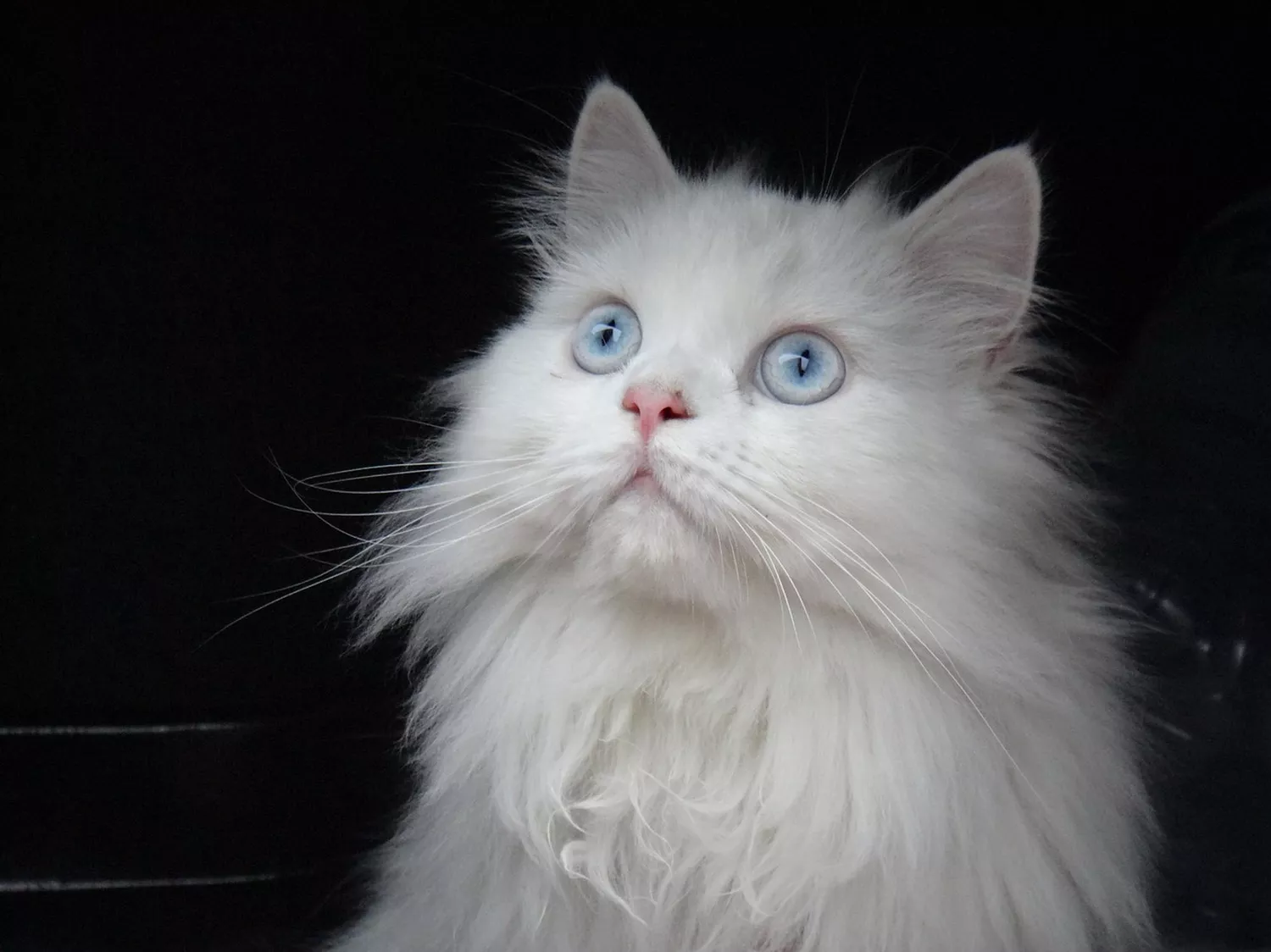
Persian cats date back to the 1600s, but their origins remain a mystery. It's generally believed they originated in Mesopotamia, later known as Persia, now Iran. However, some research indicates their genetics are similar to cats from western Europe.
Despite the mystery, a popular theory suggests that an Italian nobleman, Pietro della Valle, introduced Persians to western Europe after encountering the breed while traveling in Iran. Other theories suggest sailors, merchants, or travelers brought them to Europe.
Regardless of the origin story, once in the Western world, Persians quickly became a beloved breed.
02 of 14
Persians Come in a Range of Colors and Varieties
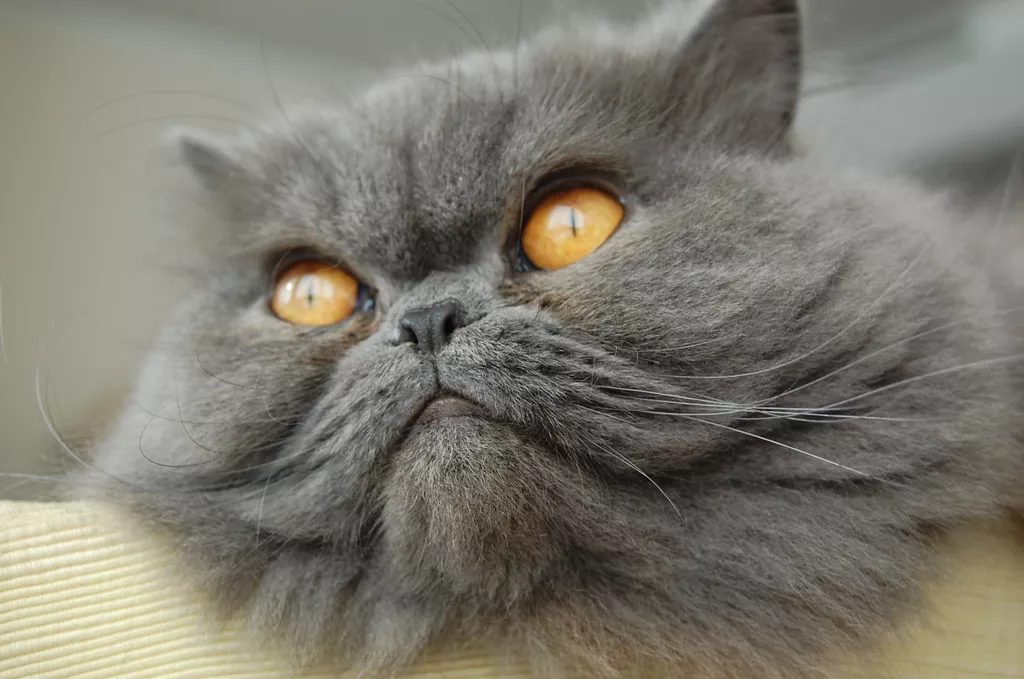
When you think of Persian cats, you might picture one with long, silky white fur and bright blue eyes on a pink cushion. Despite stereotypes, Persians come in many colors and varieties. Besides white or silver, they can have grey, orange, black, tri-colored, and even calico coats. And there are just as many varieties of Persian cats, including tortoiseshell, calico, and tuxedo.
03 of 14
Persians Haven't Always Had Flat Faces
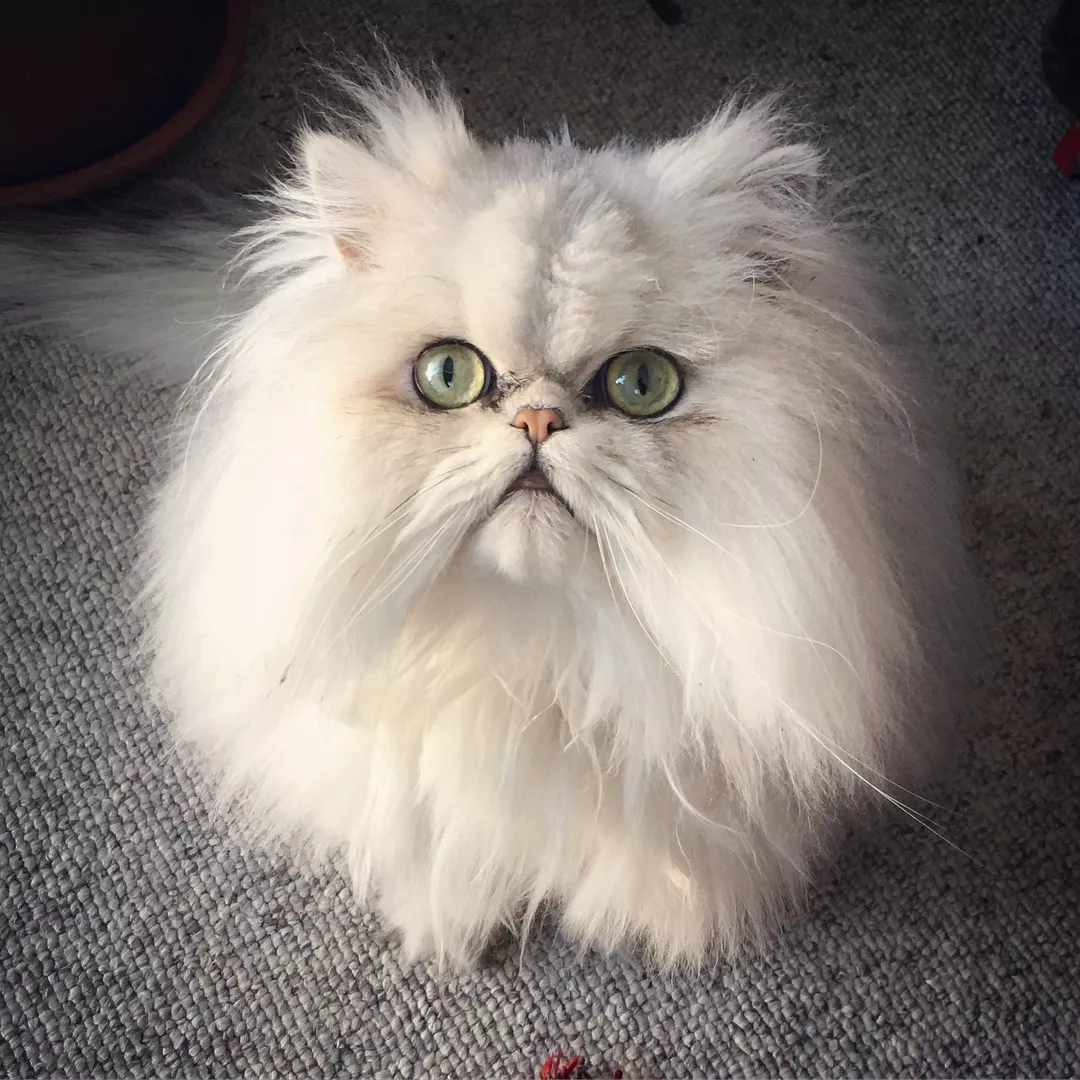
Persians developed their distinctive flat faces after a genetic mutation in red tabby Persians in the 1950s. Breeders favored this look and selectively bred for it until the flat or peke-face became standard, a feature accepted by the Cat Fanciers Association until the 1980s.
Due to potential health issues (like brachycephalic syndrome in dogs), the Persian Breed Council adjusted standards to advocate for less extreme features. You can find Persians with longer muzzles, known as "doll face" Persians, resembling their Iranian ancestors.
04 of 14
Persians Have Incredibly Thick Coats
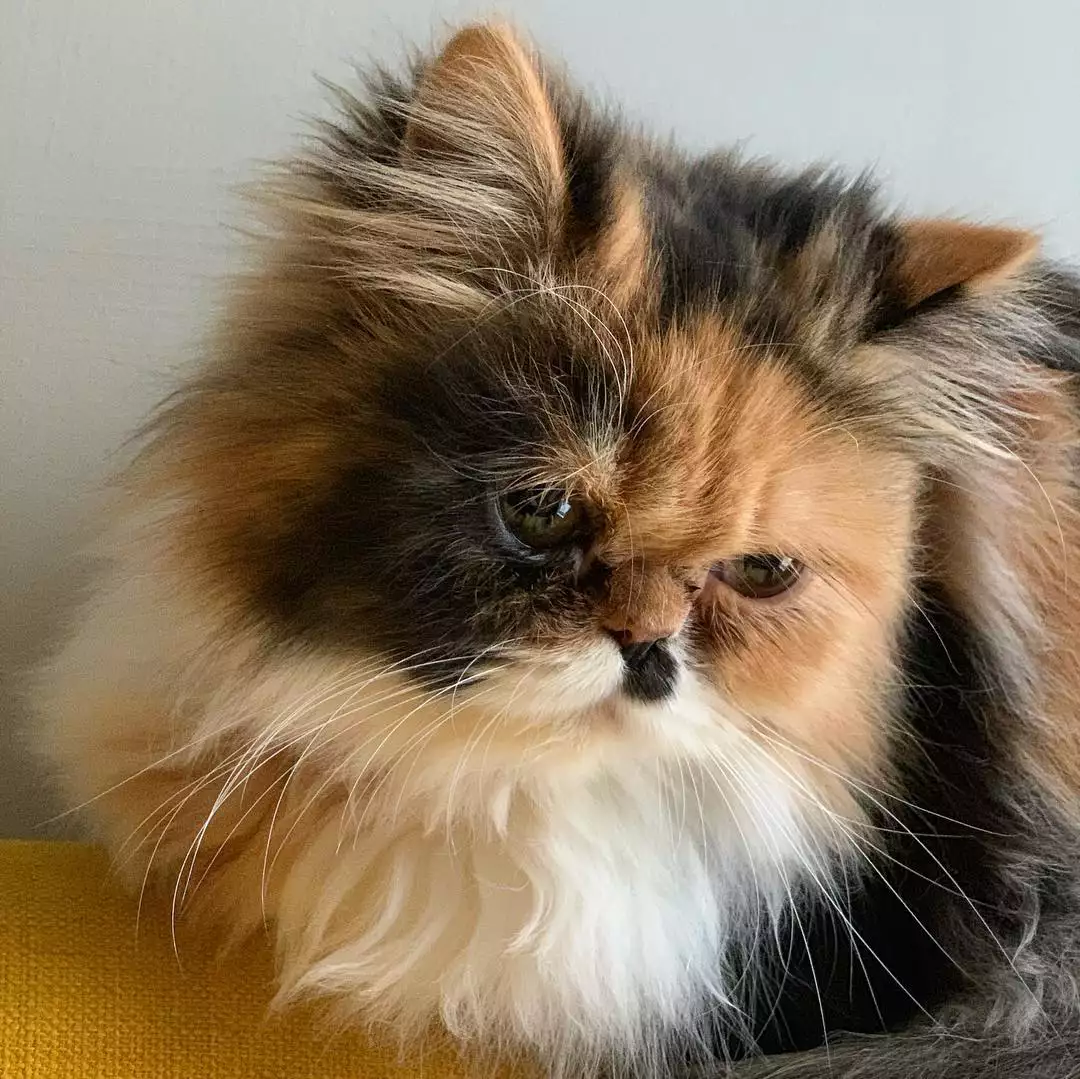
Persian cats have long, luxurious coats comprised of two layers: a shorter undercoat and a long, silky topcoat. These coats shed a lot.
If you're adopting or already own a Persian and face shedding, consider getting a vacuum for cat hair, place lint rollers around your home, brush your cat frequently, and avoid wearing black.
05 of 14
Persians Aren't Big Jumpers
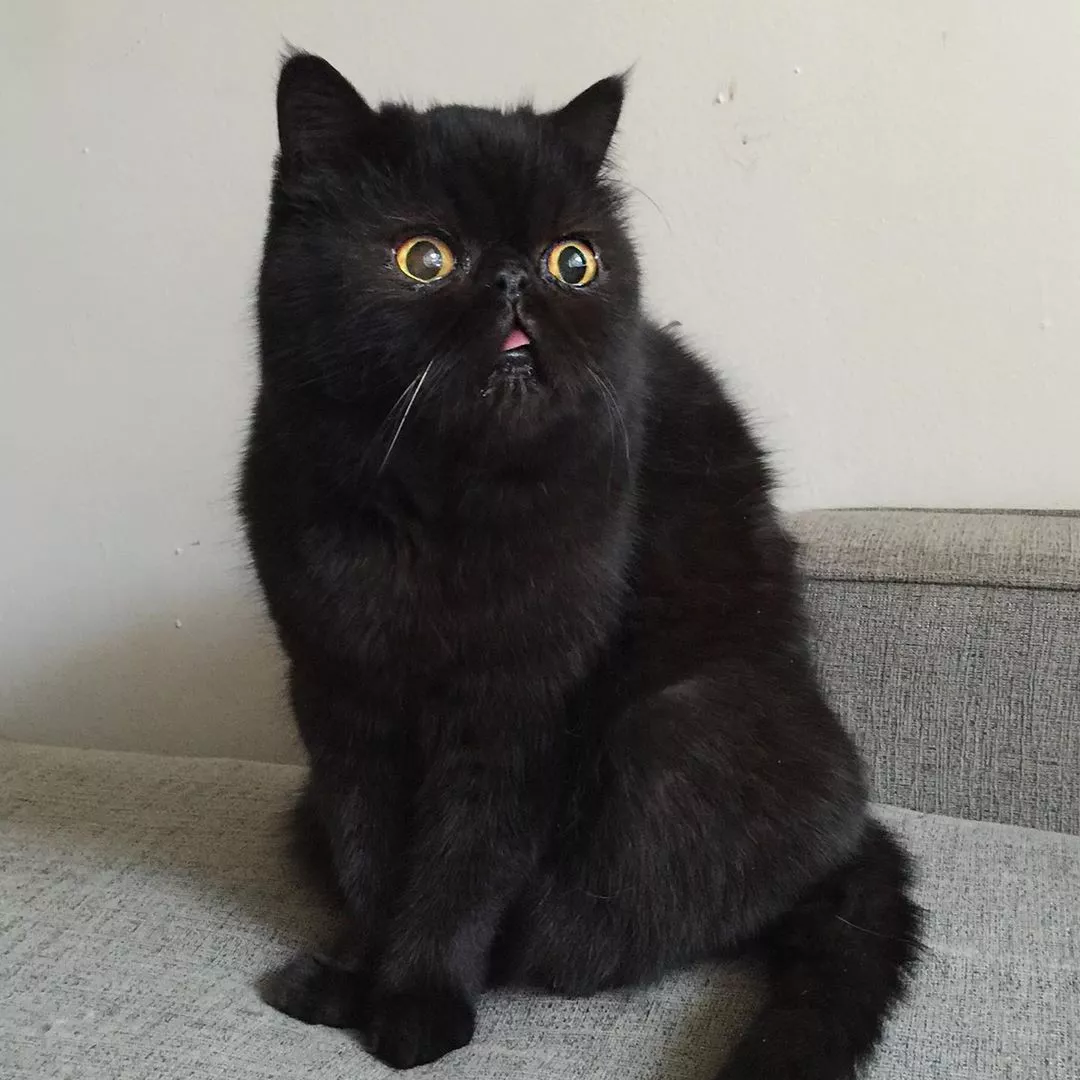
Unlike many cats, Persians aren't known for leaping or jumping from furniture. Their solid, stocky bodies aren't very aerodynamic, so they prefer staying on the ground.
06 of 14
Persians Aren't Actually Divas
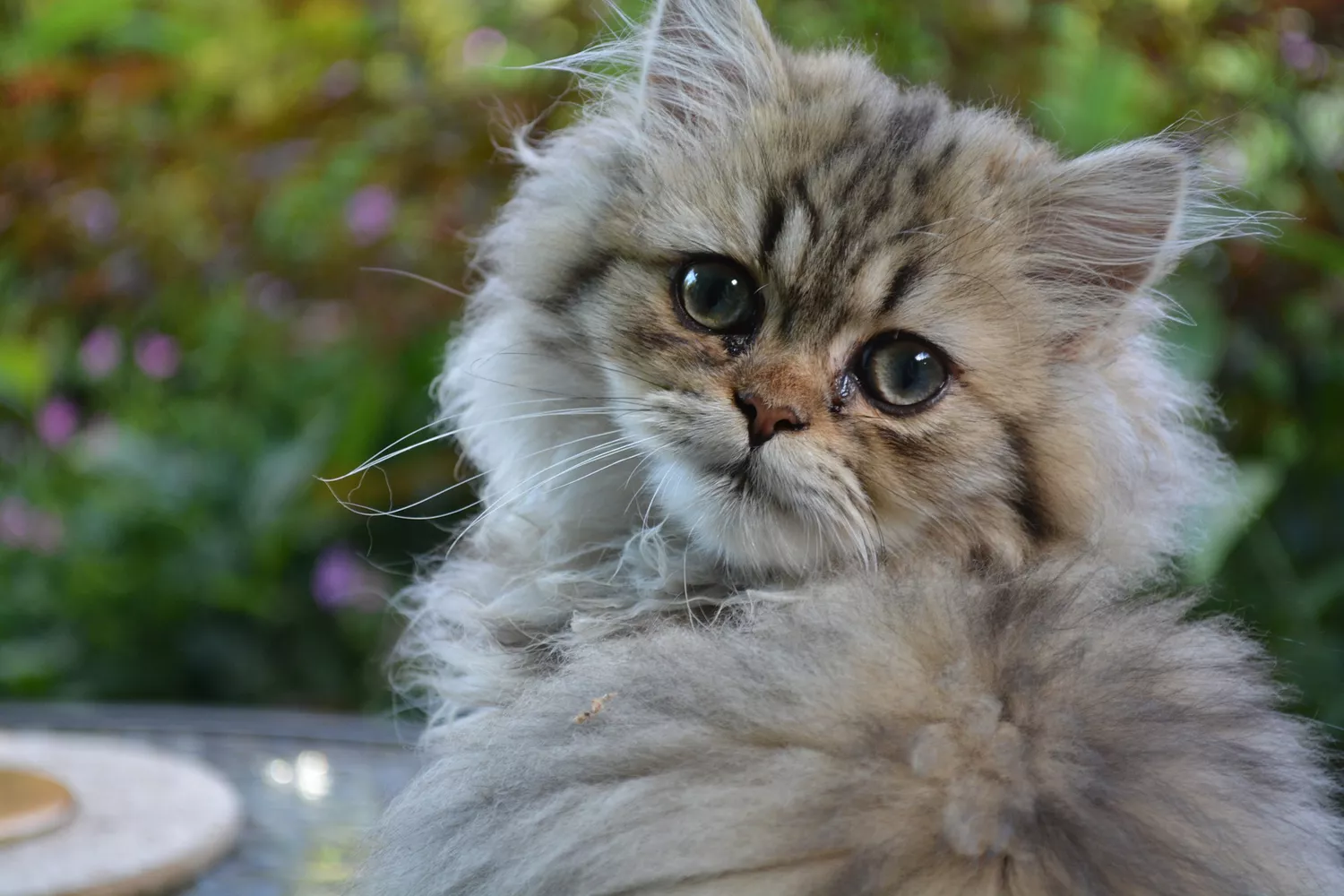
Due to their glamorous looks, Persians have a reputation for being divas or high maintenance. While excellent pets, their long fur and health issues require extra care.
While most cats bathe or groom themselves, long-haired cats may need extra grooming. This includes daily brushing to prevent matting and baths to keep fur clean. Some owners opt for a "lion's cut" for easier maintenance and trim fur around paws and hind ends for cleanliness.
Many Persians experience chronic eye tearing due to their flat faces, leading to fur stains under their eyes. Frequent wiping may be needed. Their face shape also affects bite and tooth alignment, making them prone to dental disease. It's crucial to brush their teeth and monitor for dental issues.
07 of 14
A Persian Won the World's First Cat Show
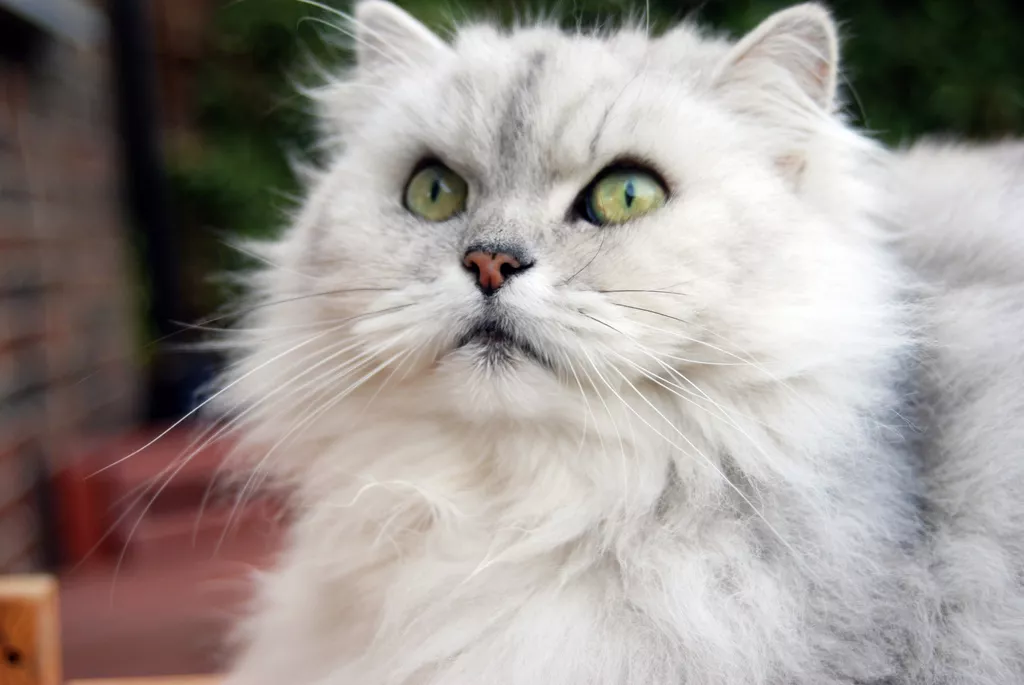
The first cat show was held in 1871 at London's Crystal Palace, drawing nearly 20,000 visitors and showcasing exotic cats like Siamese cats, Angora cats, Scottish Wild cats, and polydactyl cats. A Persian was awarded "Best in Show."
08 of 14
Persians Made Their Way to America Around 1900
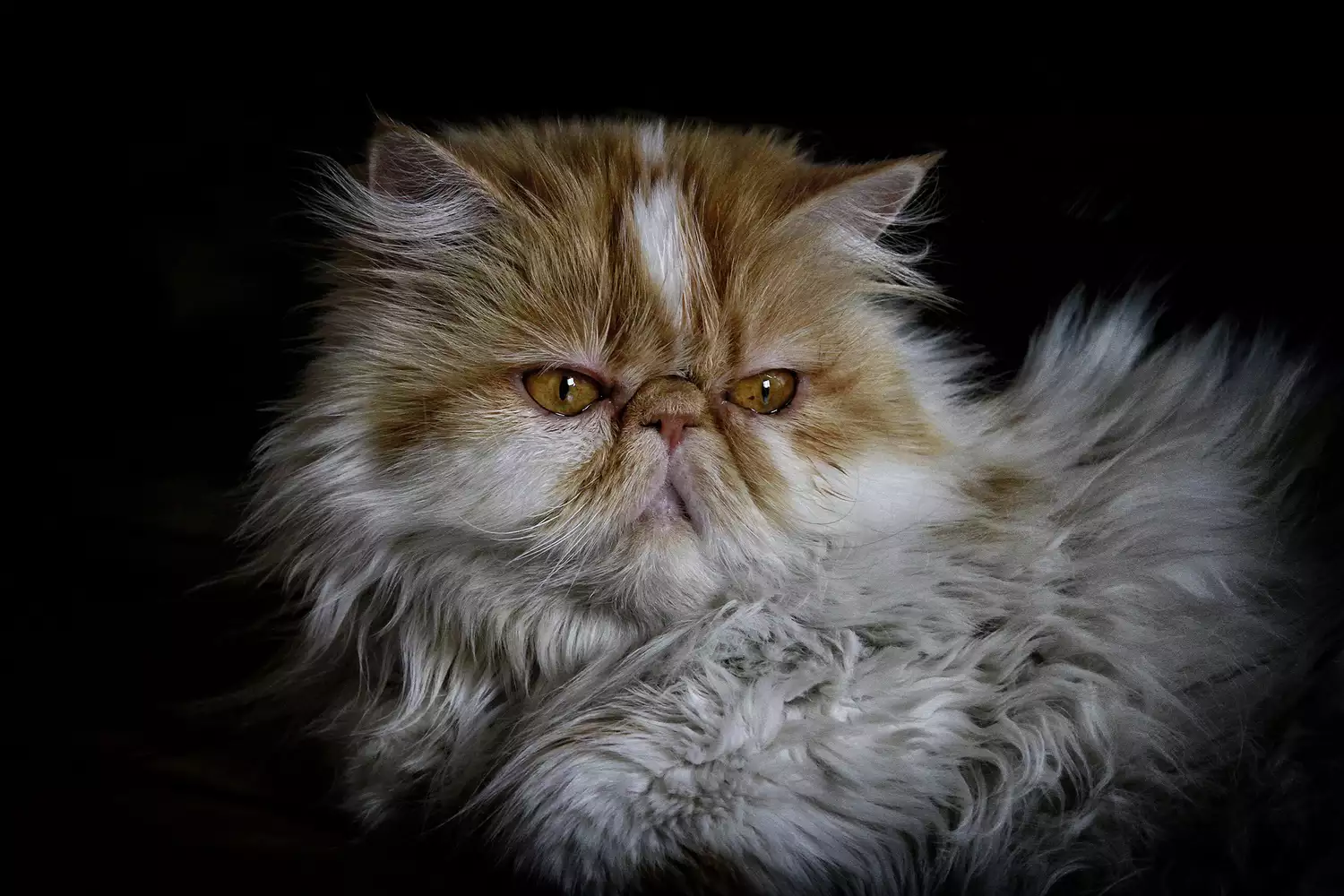
Persian cats are believed to have arrived in the United States after 1895. When the Cat Fanciers Association formed in 1906, Persians were among the first registered breeds.
Since then, Persians have become one of America's most popular breeds, regularly ranking high according to the Cat Fancier's Association.1
09 of 14
Royalty and and Celebrities Love Persian Cats
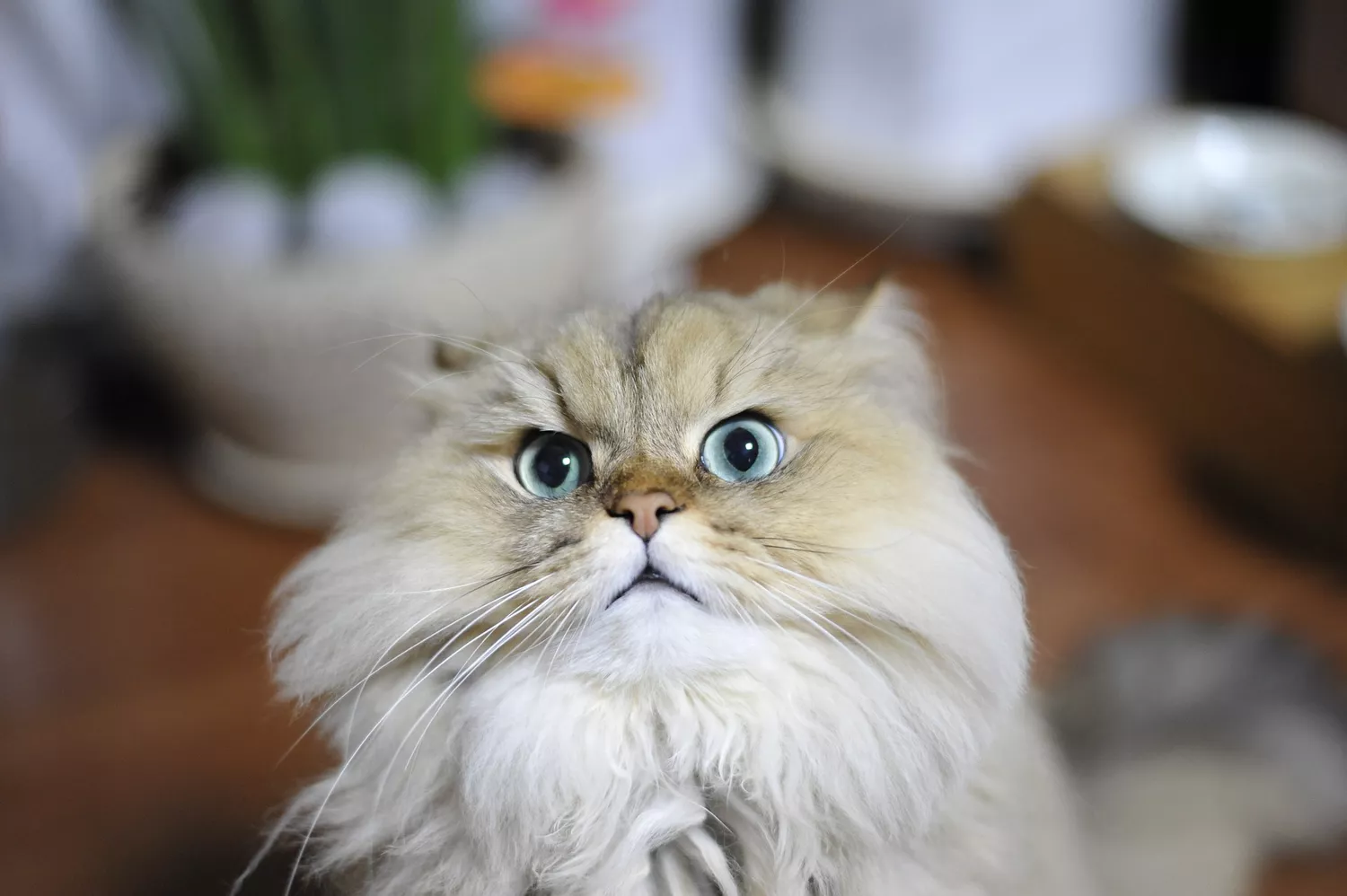
Famous Persian owners include Queen Victoria, Florence Nightingale who had over 60 cats and Marilyn Monroe, whose Persian's name was Mitsou.
10 of 14
Persians Have Graced the Silver Screen
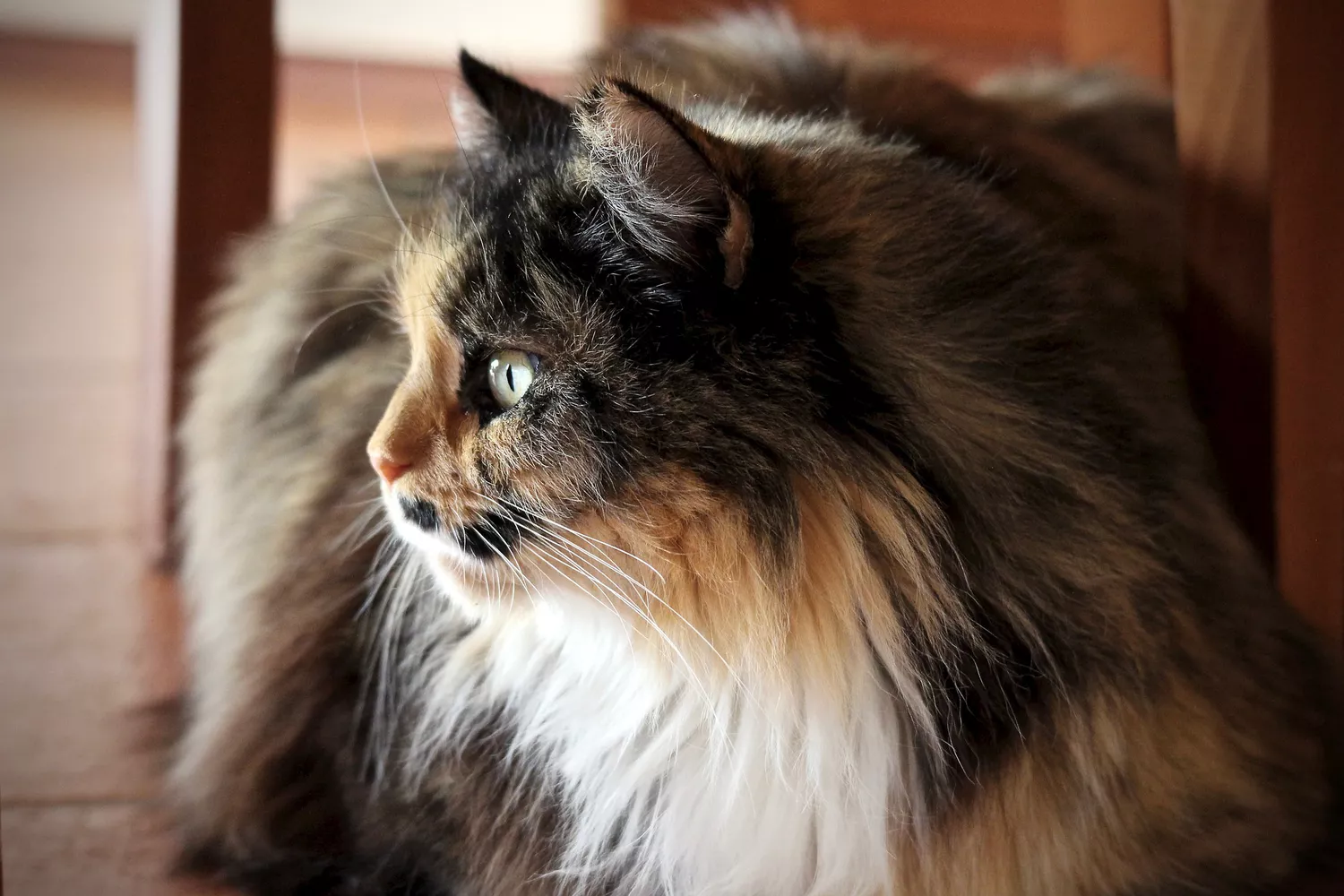
Persians have their place in history and on the silver screen. In addition to the well-known Fancy Feast mascot, James Bond's archenemy Blofield had a white-haired, blue-eyed Persian companion. And, let's not forget, Mr. Bigglesworth of Austin Powers fame. (After a bit of a plot twist, the Persian version of Mr. Bigglesworth was replaced by a hairless Sphynx cat for the rest of the movie.)
11 of 14
Persians Are Part of the World's Largest Cat Painting
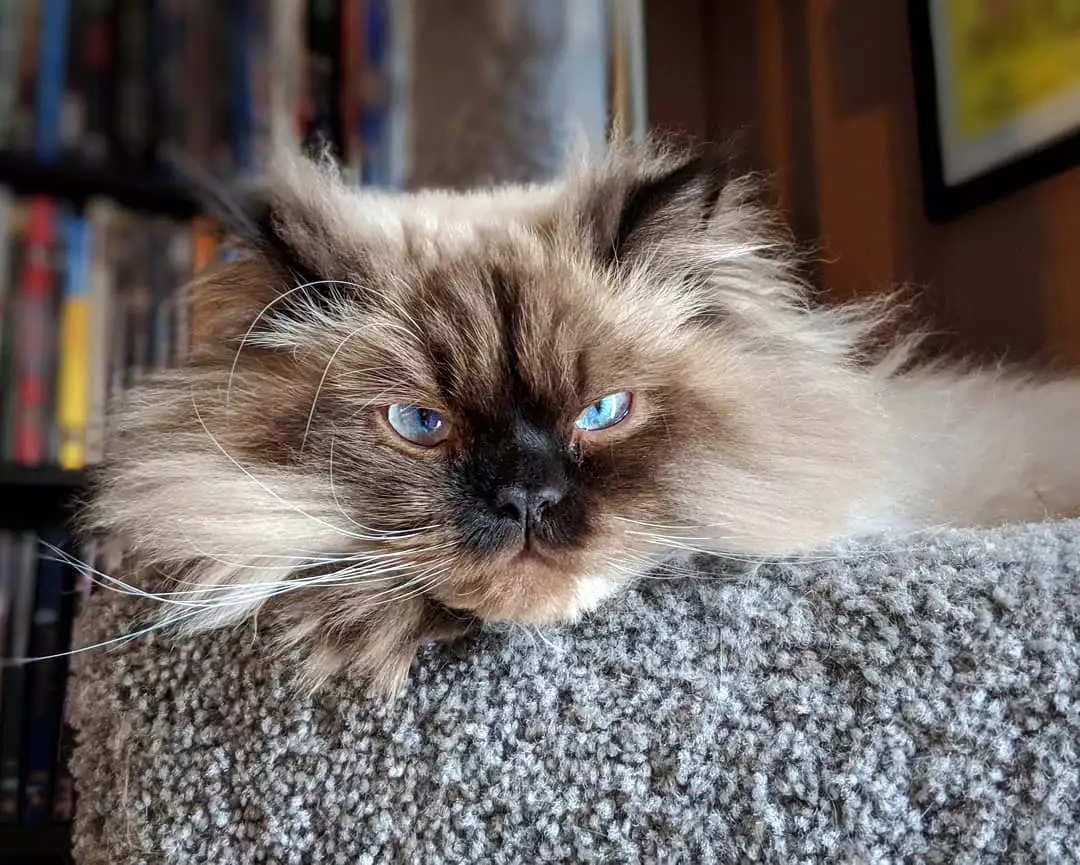
Sold for a whopping $826,000, the world's largest cat painting—named My Wife's Lovers— features both Turkish Angoras and Persian cats. The painting is a sizable 6-foot by 8.5-foot piece of art, securing the title of the world's largest painting of kitties.
12 of 14
Persians Make Great Lap Cats
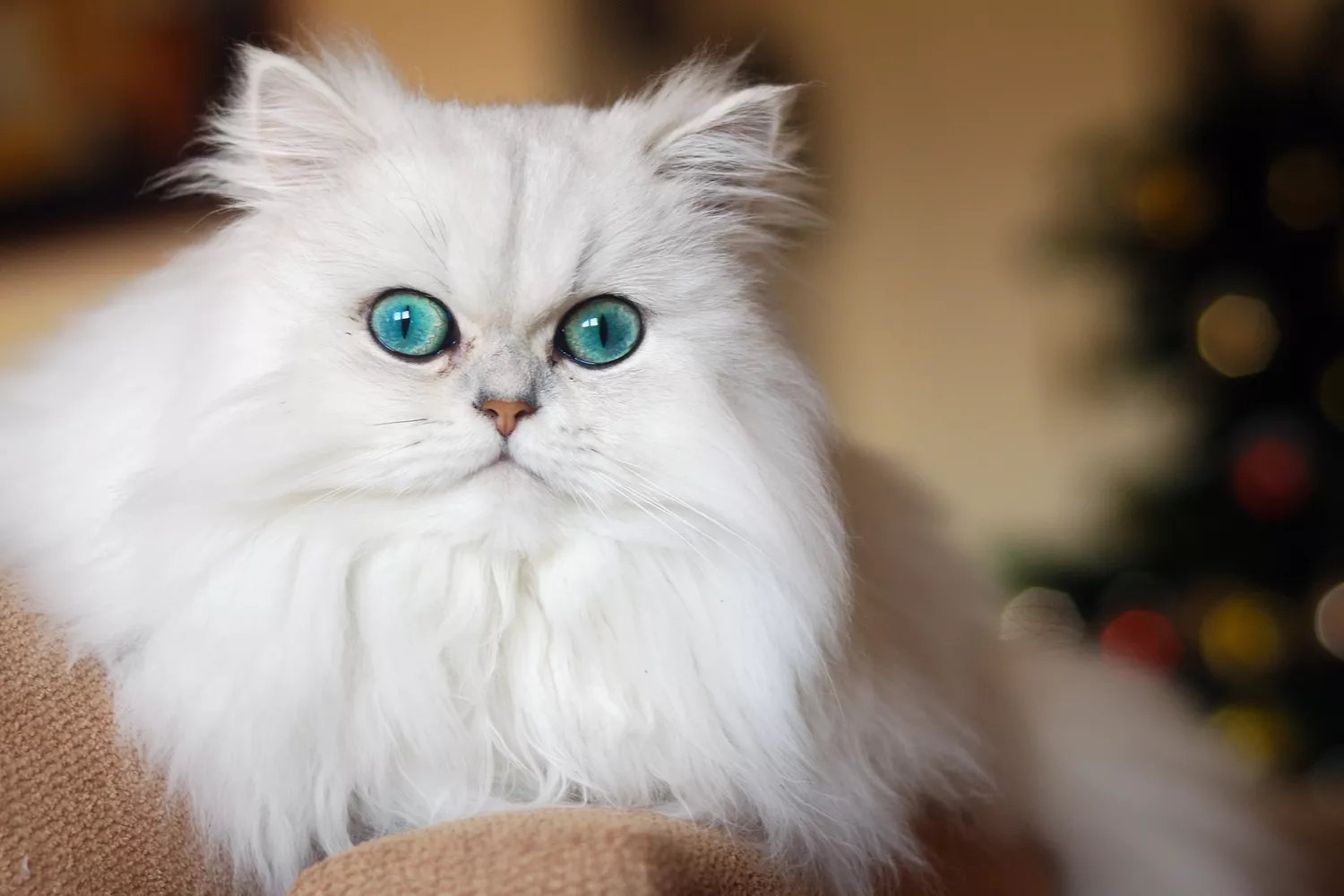
Persian cats are known for their sweet, gentle, and calm demeanor, and would rather get pets and love than play. If you're looking for a cat who will be content to curl up on your lap rather than asking you to play at all hours of the day (like the Bengal), the Persian could be a great fit.
13 of 14
Persians Can Live 12–17 Years
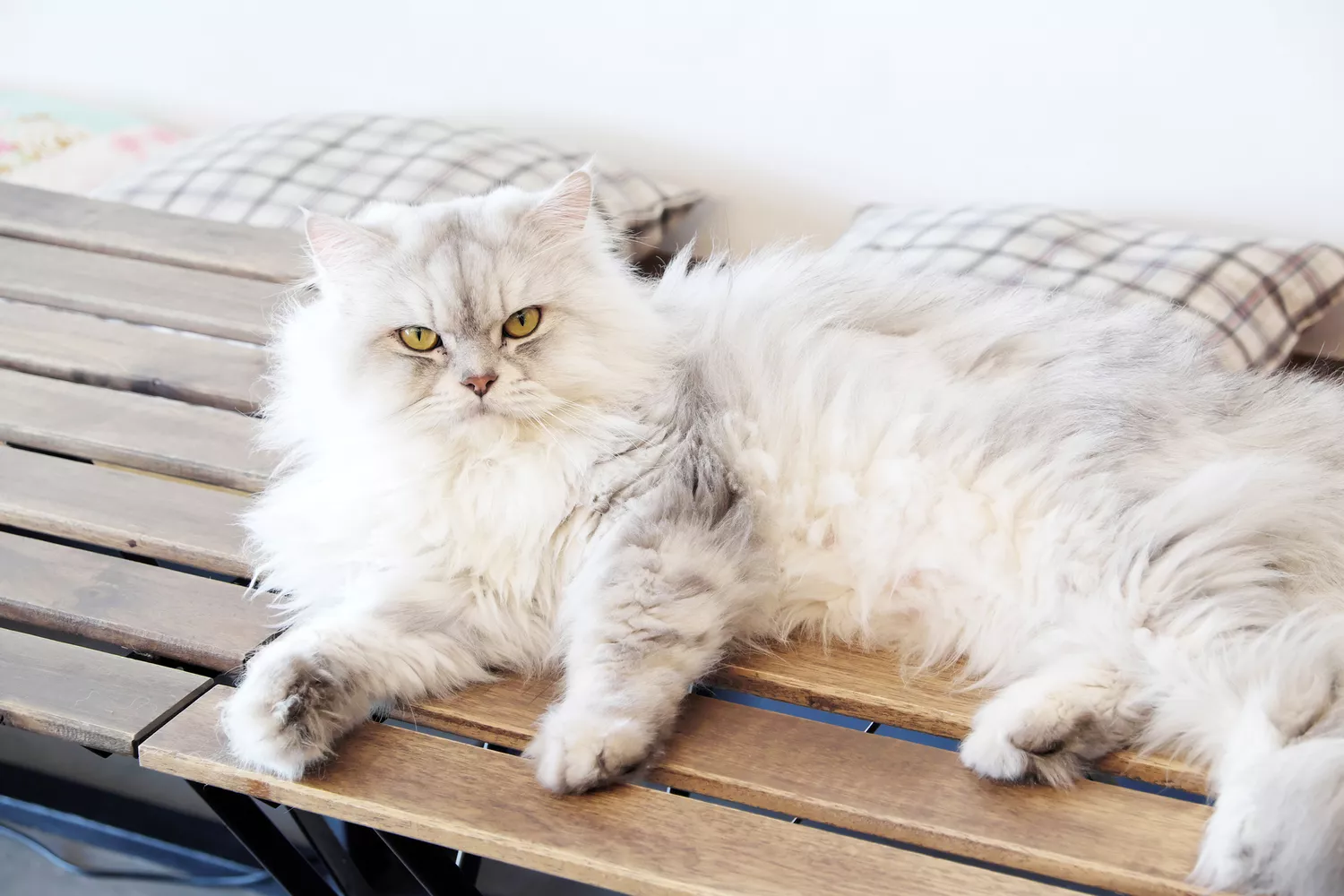
Most domestic cats who live indoors can lead long, healthy lives—sometimes up to 20 years or more. Take your Persian to the vet each year to get ahead of any health issues to help your kitty share many years with you.
14 of 14
Persians Love Attention But Aren't Needy
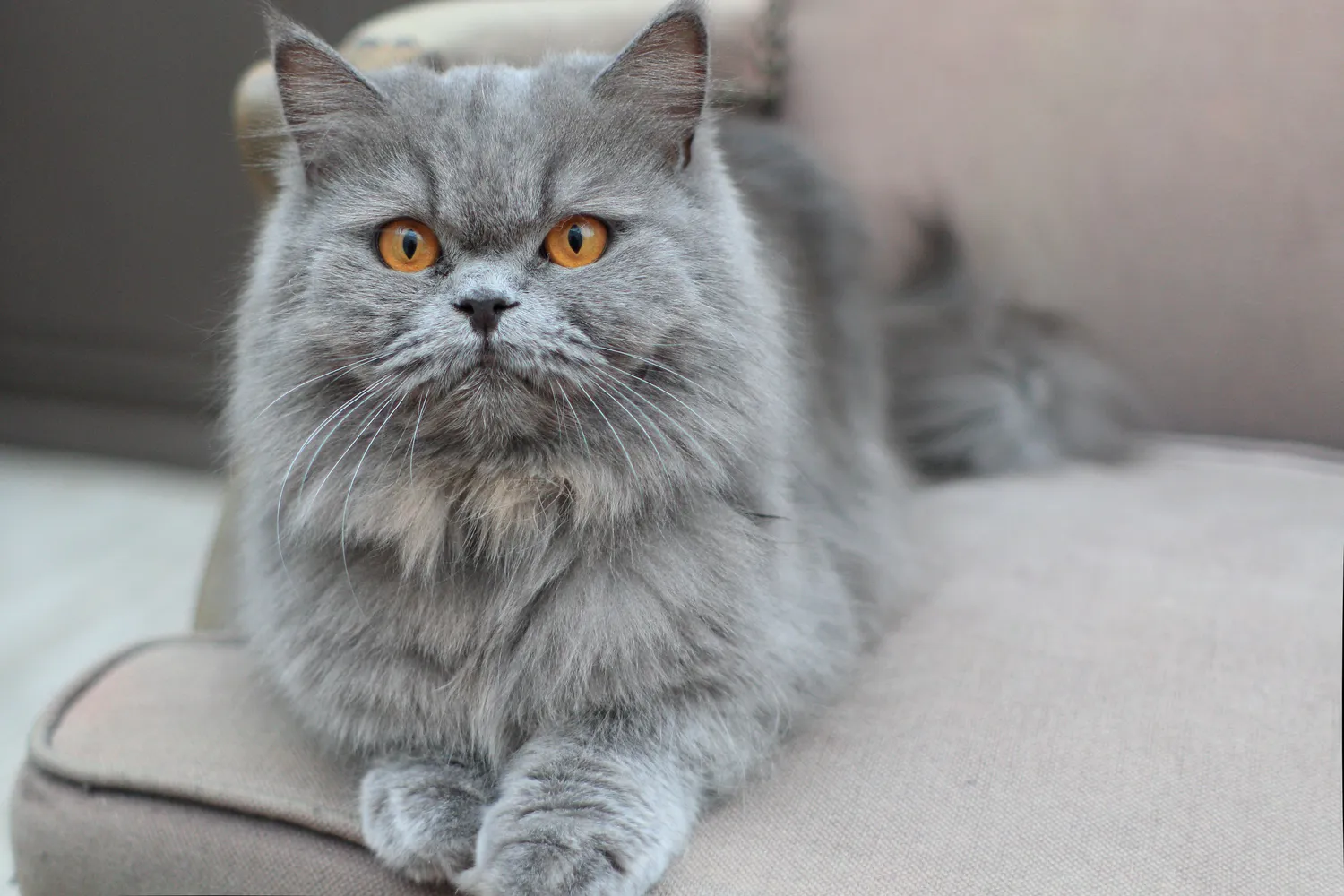
Persians will never say no to affection and pets from their favorite humans, but they can also do just fine by themselves. Early exposure to time apart will help keep separation anxiety at bay.



