10 Fascinating Bobtail Cat Breeds You Need to Know
Bobtail cat breeds are known for their distinctive tails, or in some cases, the absence of one. Due to a natural genetic mutation, these cats do not have the long, expressive tails typical of most domesticated cats. Instead, their tails are about one-third the length of a standard cat's tail.
The short tails they do possess can be straight, kinked, bent, or extra fluffy. Aside from their tails, these cat breeds vary widely in appearance, size, and personality.
Discover more about these 10 bobtail cat breeds.
Breed Characteristics
Bobtail cat breeds are just like other cats in every way except for their shorter than normal tails. Generally, they are affectionate, playful, and intelligent, and make wonderful pets.
Bobtail cats can sport a variety of coat colors and patterns. They can also be longhaired or shorthaired. So, their grooming needs can vary based on their coat type and length.
Not all bobtail cat breeds lack a tail, though. Some breeds can have kittens that are born with varying tail lengths, from very short to medium length to long.
As you get to know the unique physical characteristics of these breeds, consider their temperaments as well so you can make the right choice before bringing one of these cats home.
01 of 10
Japanese Bobtail
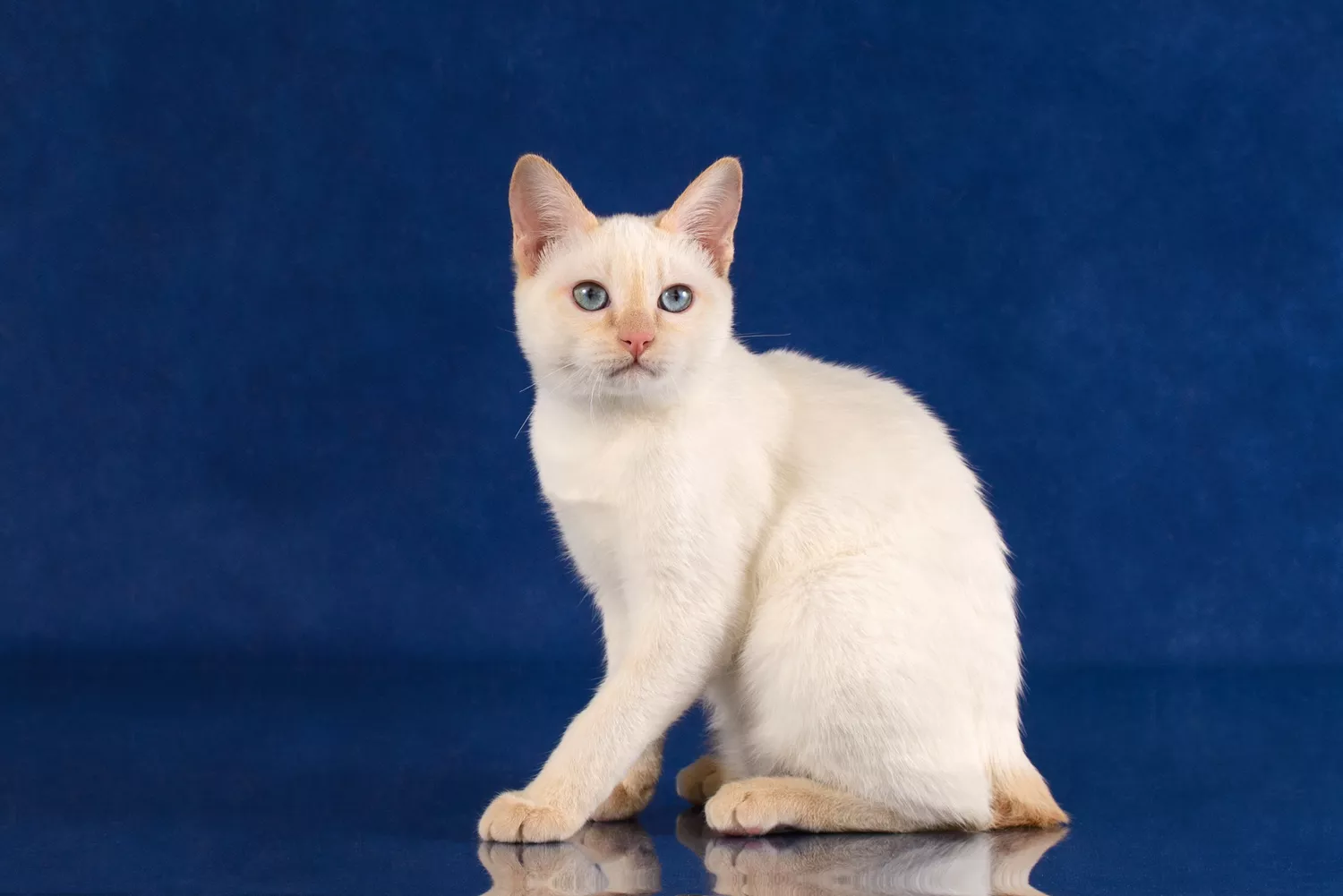
Sporting a bunny-like tail that's often called a "pom," the Japanese bobtail is a fairly small cat breed with a tail that is straight or bent. As the name suggests, this breed is closely associated with Japan, though it also might have originated in other parts of Asia, including China, Korea, and Tibet.
These cats tend to have affectionate and playful personalities.
Breed Overview
02 of 10
American Bobtail
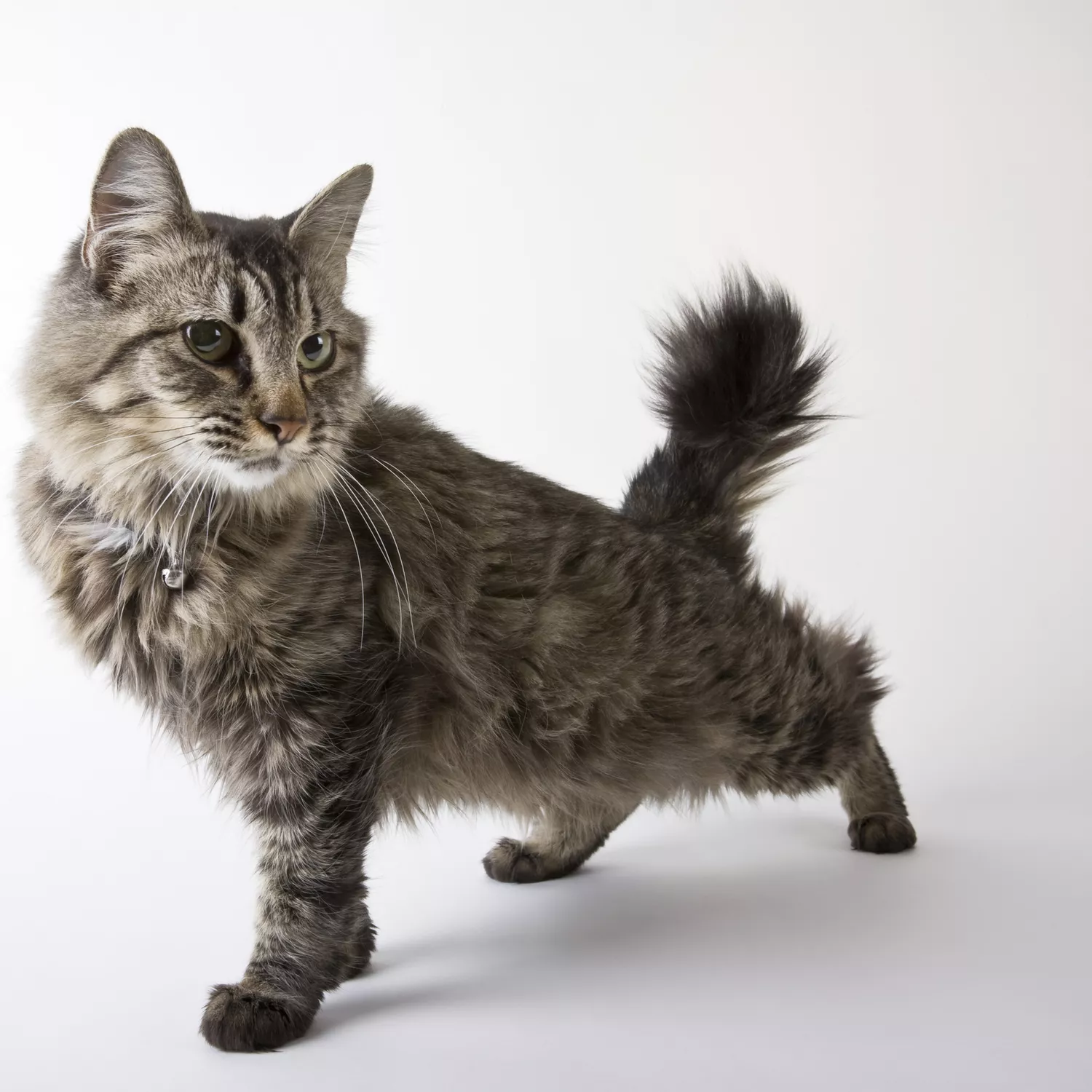
The American bobtail breed was developed in the 1960s. A couple adopted a stray cat with a short tail and bred him to their female cat with a typical long tail. The resulting kittens had a distinctive short tail, and the trait was selectively bred for in future generations.
American bobtails are generally sweet and playful with their families. These cats are rare and can cost $600 to $1,200 on average.
Breed Overview
03 of 10
Pixie-Bob
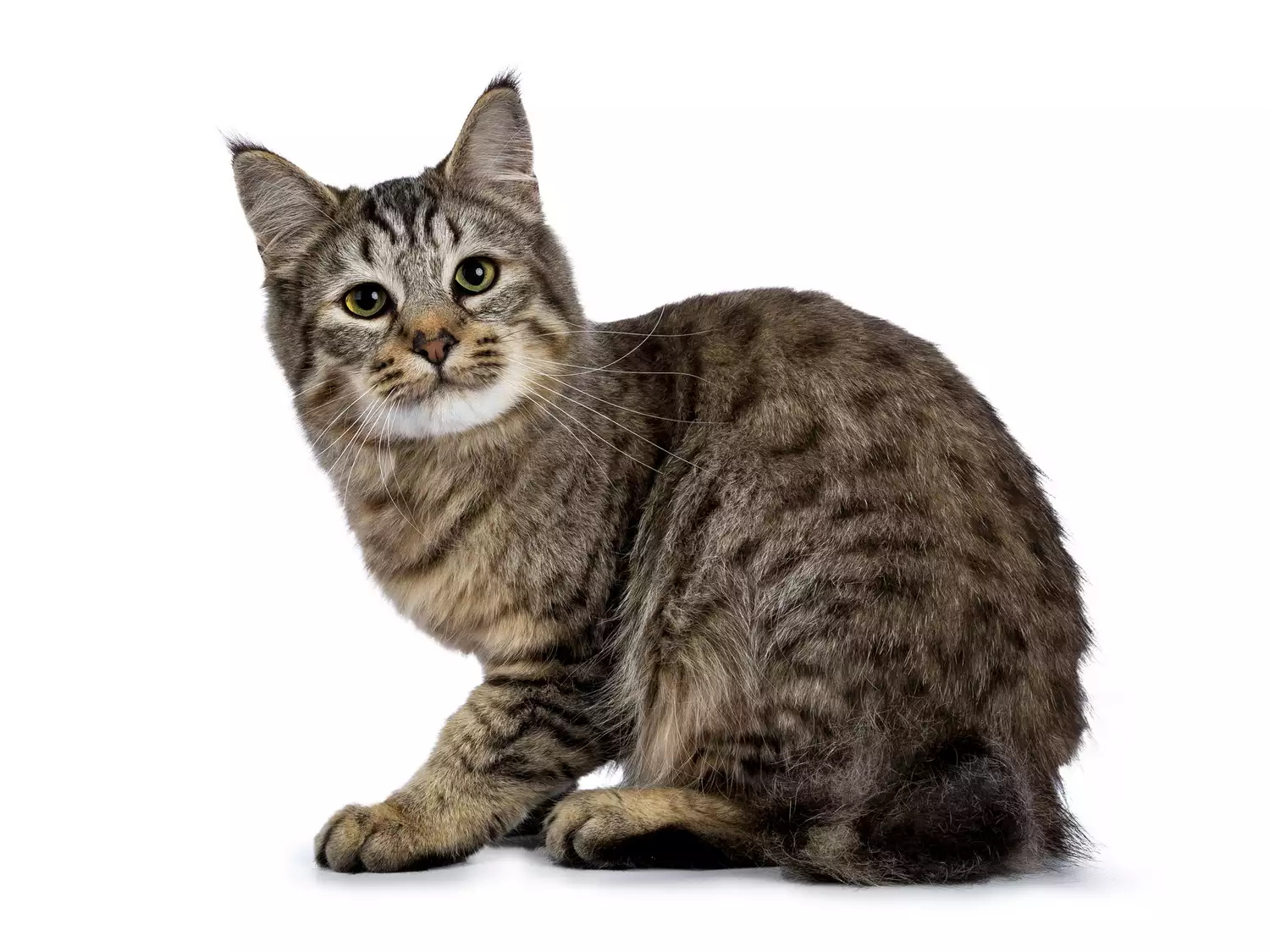
With the appearance of a miniature bobcat, the pixie-bob is one of the most wild-looking bobtail cat breeds—but rest assured this domesticated cat is an easygoing and affectionate feline friend. Pixie-bob tails can range in length from nonexistent to a few inches to a full tail.
Another interesting feature is that many are polydactyl, meaning their paws have extra toes. They’re also described as doglike, and will do things like play fetch or walk on a leash.
Breed Overview
04 of 10
Manx
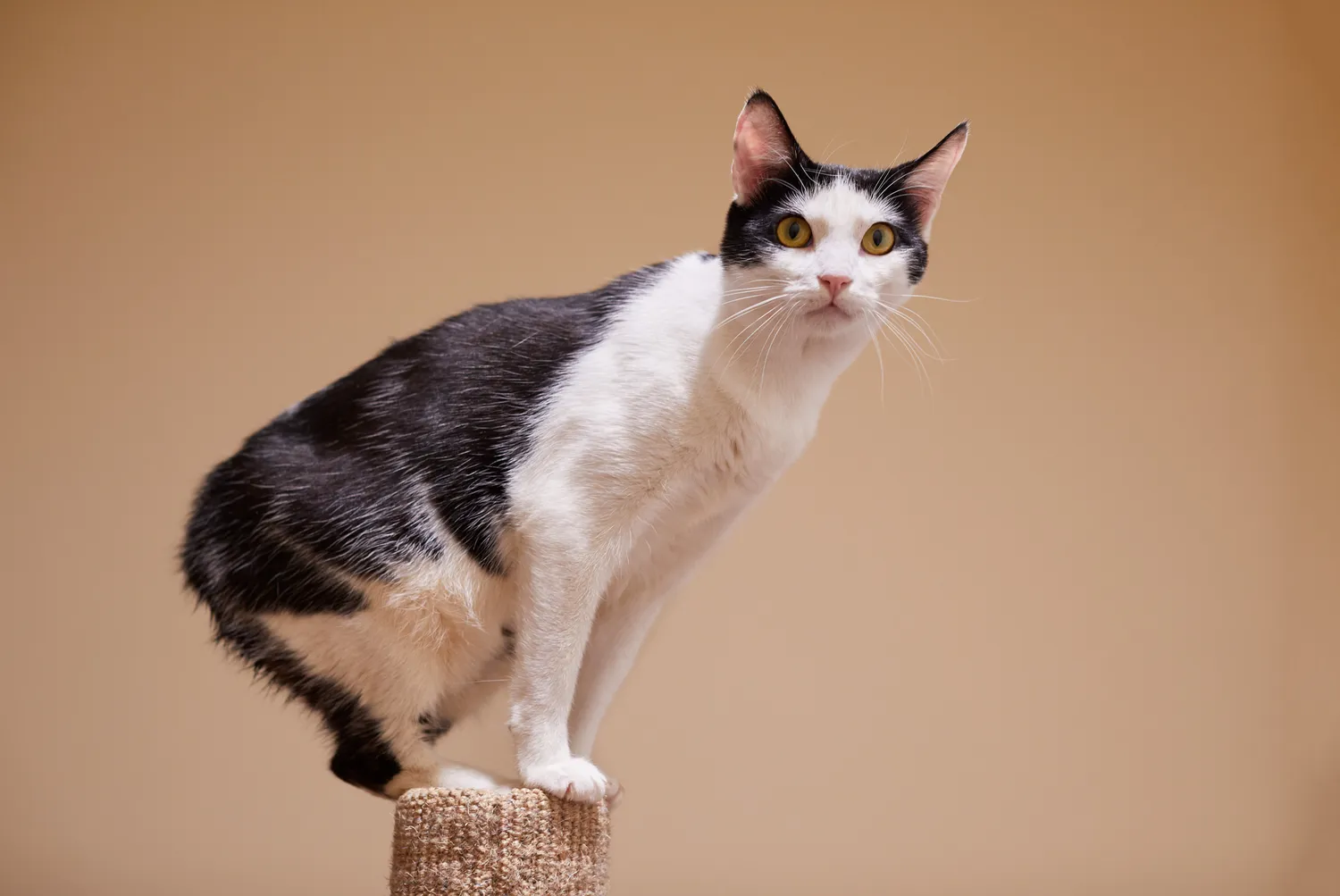
Manx can have varying tail lengths. Some Manx cats have no tails, while others have very short tails. A Manx with no tail is referred to as a "rumpy," while a Manx with some tail bone protrusion is called a "rumpy riser."
Regardless of which category a Manx falls into, these cats have a stocky, athletic build with a short back. They’re known to be powerful jumpers and an active member of the family.
Breed Overview
05 of 10
Kurilian Bobtail
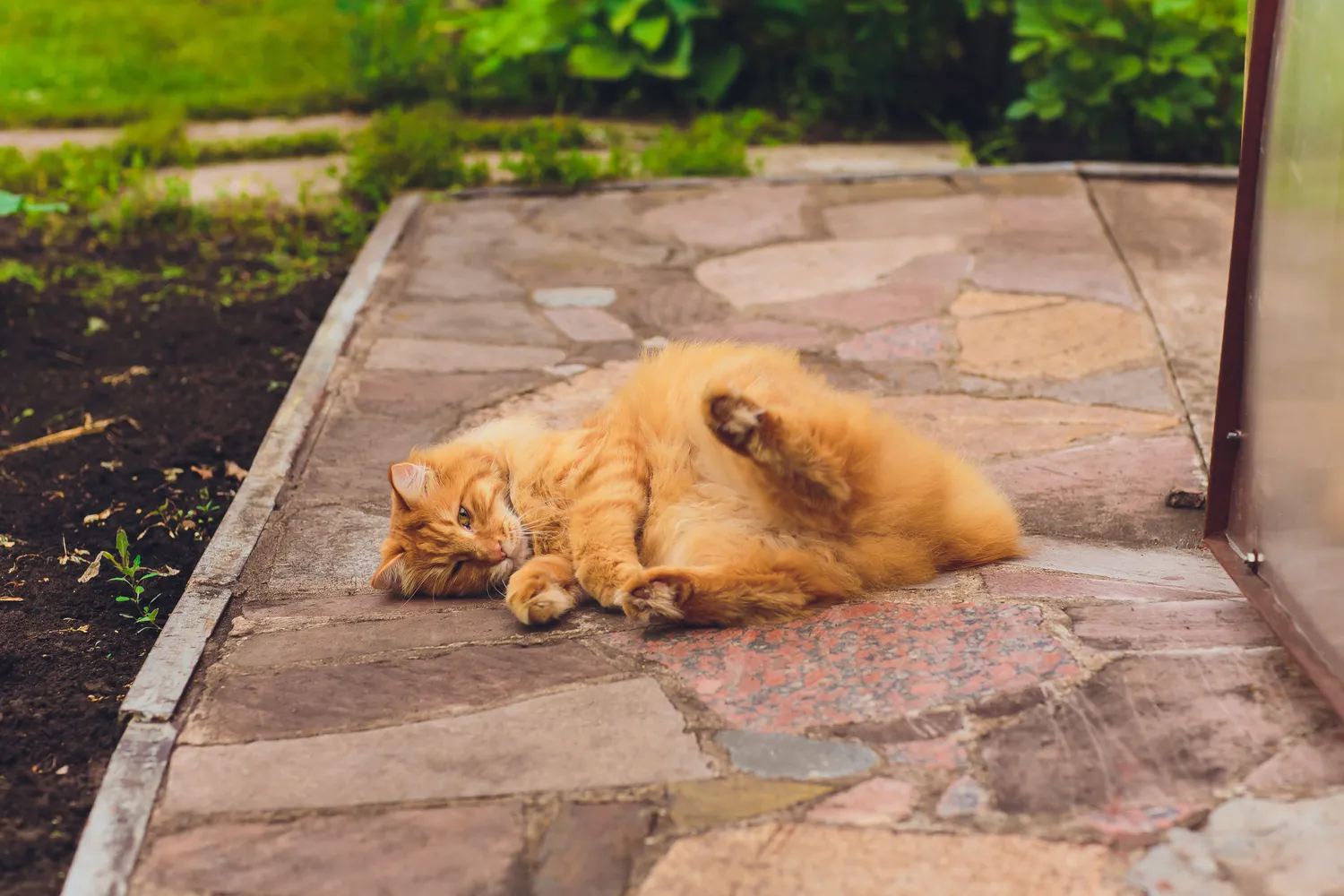
This bobtail cat breed lived for centuries on the Kuril Islands between Siberia and Japan. The bobbed tail is a naturally occurring trait and can range in length. In fact, no Kurilian bobtail cats have tails that look exactly alike.
These cats are quite muscular, and they love to play. They also are intelligent and social, and typically get along well with people and other pets. Plus, they’re known for their ability to catch mice.
Breed Overview
06 of 10
Cymric
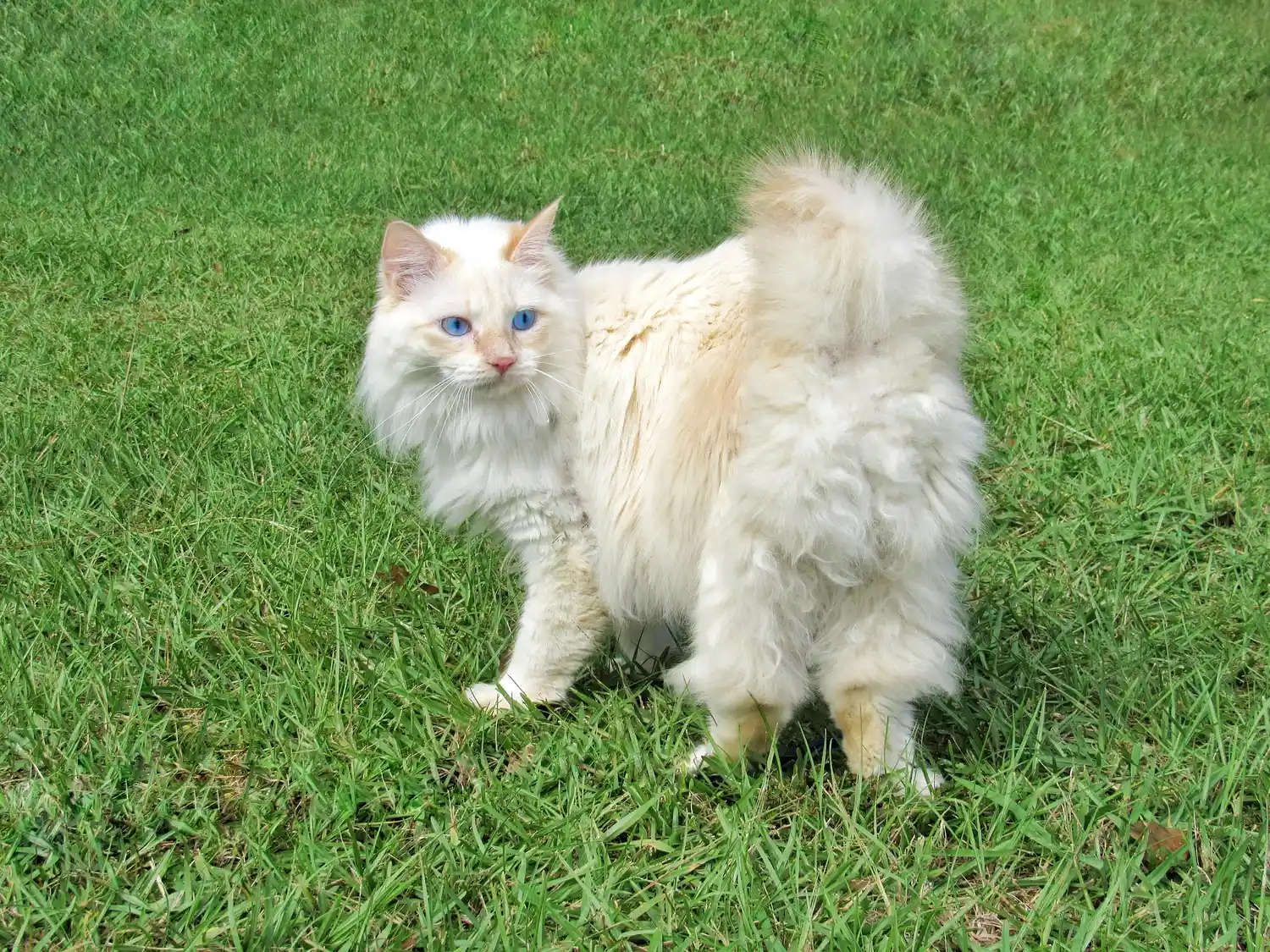
The Cymric is essentially a longhaired version of the Manx. Some—but not all—breed registries recognize it as a separate bobtail cat breed. Cymric cats have a dense double coat and typically lack a tail altogether, though some are born with a bobbed tail or even a full-length tail.
A litter may include both Manx (shorthaired) and Cymric (longhaired) kittens because cats can carry the genes to produce either coat type.
Breed Overview
07 of 10
Highlander
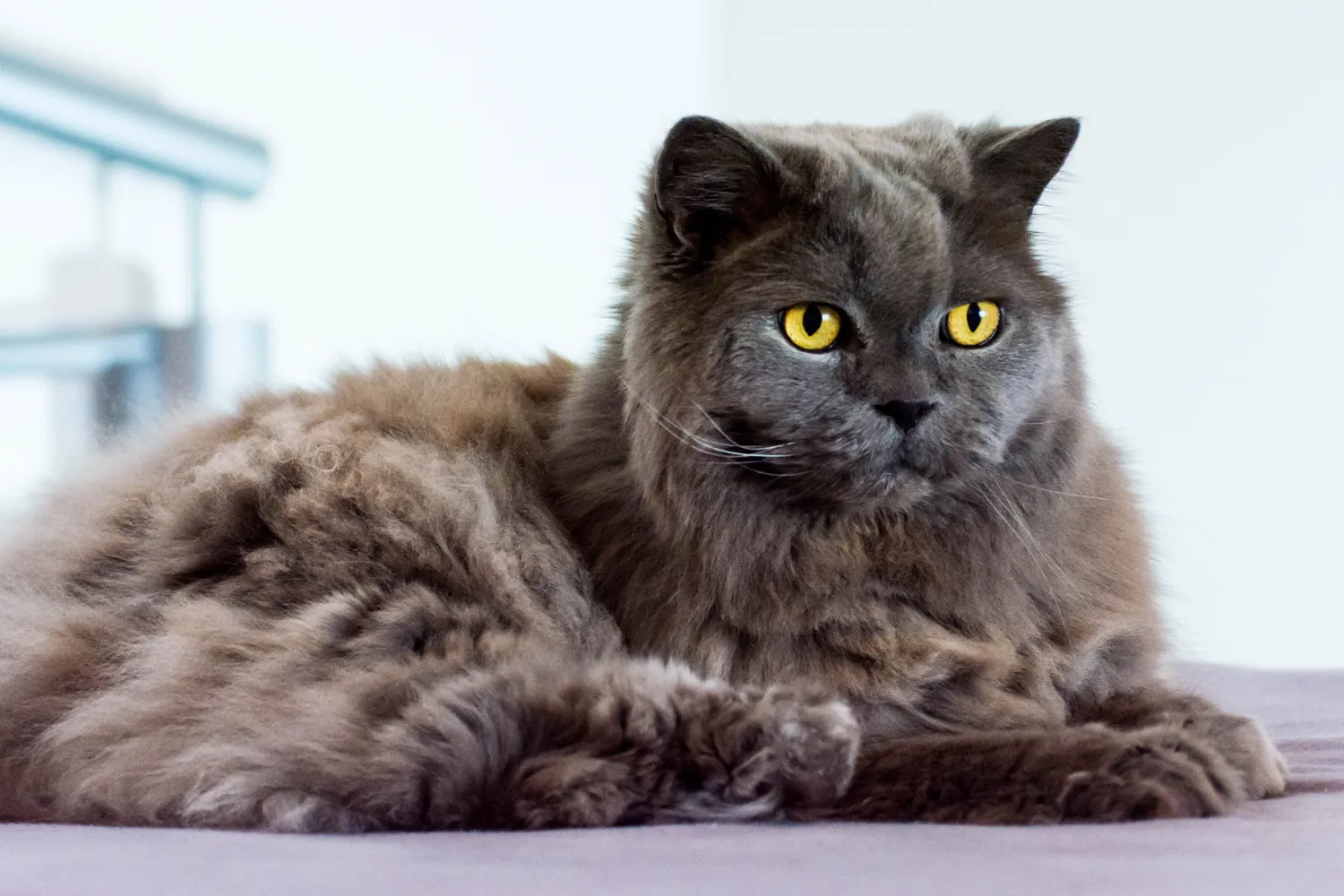
The highlander is a new type of cat, originating in 2004 from a cross between a desert lynx and jungle curl, two hybrid cat breeds. This bobtail cat breed used to be known as the highland lynx. They have a naturally occurring bobbed tail that ranges from around 2 to 6 inches long, though some kittens are born with full-length tails.
These cats have a wild look, but they are typically gentle and loving.
Breed Overview
08 of 10
Mekong Bobtail
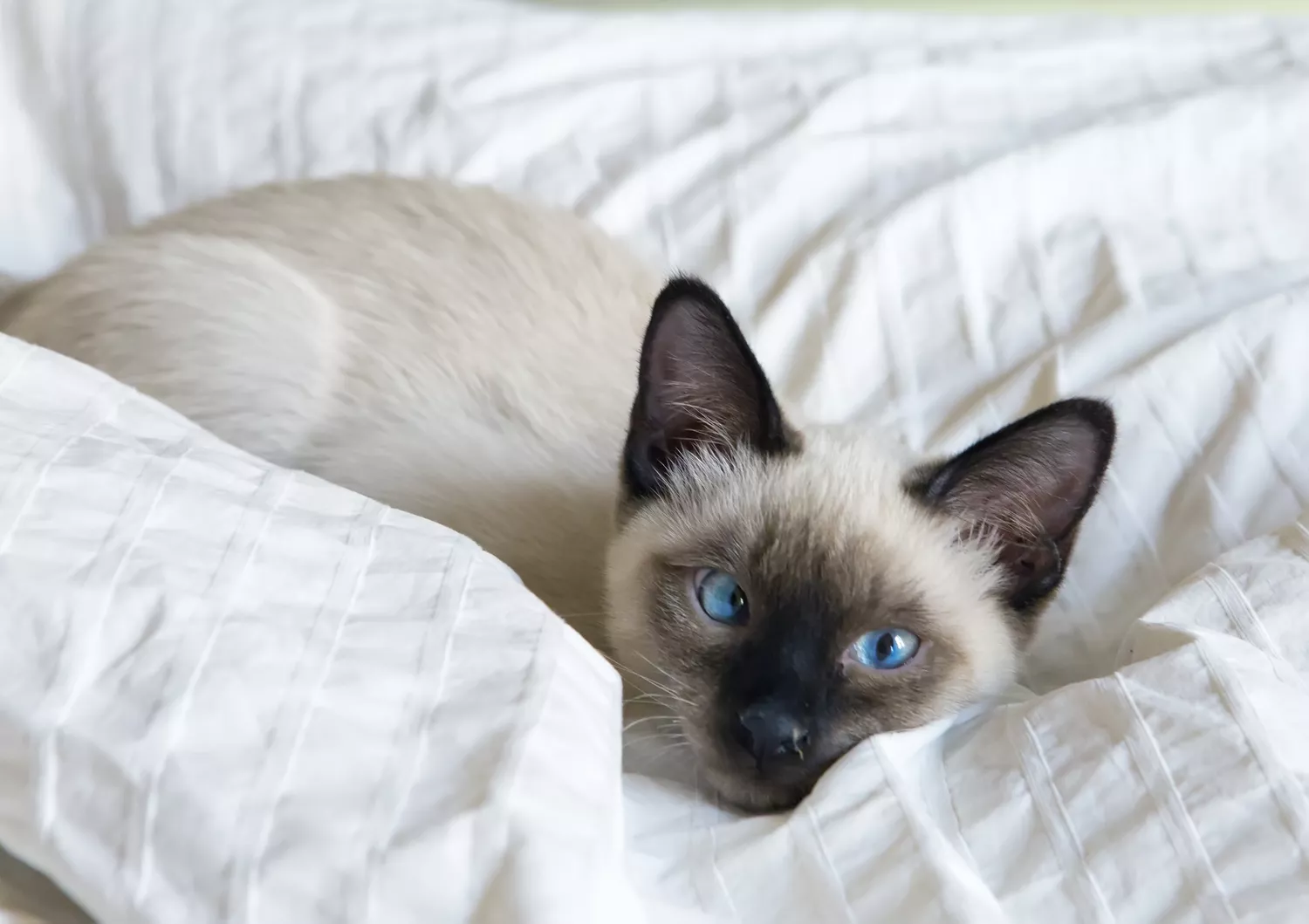
The Mekong bobtail cat breed originated in Thailand centuries ago and looks like a Siamese with a bobtail. This cat has a naturally bobbed tail that can vary in length and can be curved or kinked in different ways. Thus, every tail on a Mekong bobtail has a slightly different look.
These cats don’t need a tail to help with their athleticism—they’re quite agile and love to climb and leap. They are smart and social and enjoy interacting with their family, so they require a lot of attention.
Breed Overview
09 of 10
Karelian Bobtail
The Karelian bobtail hails from the Republic of Karelia, located between Finland and Russia. The bobbed tail is a naturally recessive gene, so both parents must have it for the kittens to have it. The tail can be bent, kinked, or twisted, and it sports longer fur than the rest of the body, giving it a pom-pom look.
Overall, these cats tend to be quite friendly and easygoing companions.
Breed Overview
10 of 10
Desert Lynx
The desert lynx was bred to look like a bobcat. Several domestic cat breeds are in the breed's genetic makeup, including the Maine coon, Manx, American bobtail, and pixie-bob. These cats do look like bobcats with their muscular body, short tail, and spotted coat.
Despite their wild appearance, they tend to be social and affectionate, with somewhat of a doglike persona.



