16 Smallest Cat Breeds You'll Instantly Fall in Love With
Small cat breeds are perfect for people who want their cat to stay kitten-sized even once they’re full-grown. They make popular pets because of their compact size and cute features. Larger cat breeds tip the scales at 15 pounds (or more), while the smallest members of the feline family often weigh 5 to 10 pounds.
Their height may vary since some small cat breeds have lanky legs while others, like the munchkin, stand less than 10 inches tall at the shoulder. They also come in a wide range of coats, colors, and unique features to distinguish one small cat breed from the next.
Here are 16 small cat breeds that are as terrific as they are tiny.
01 of 16
Singapura
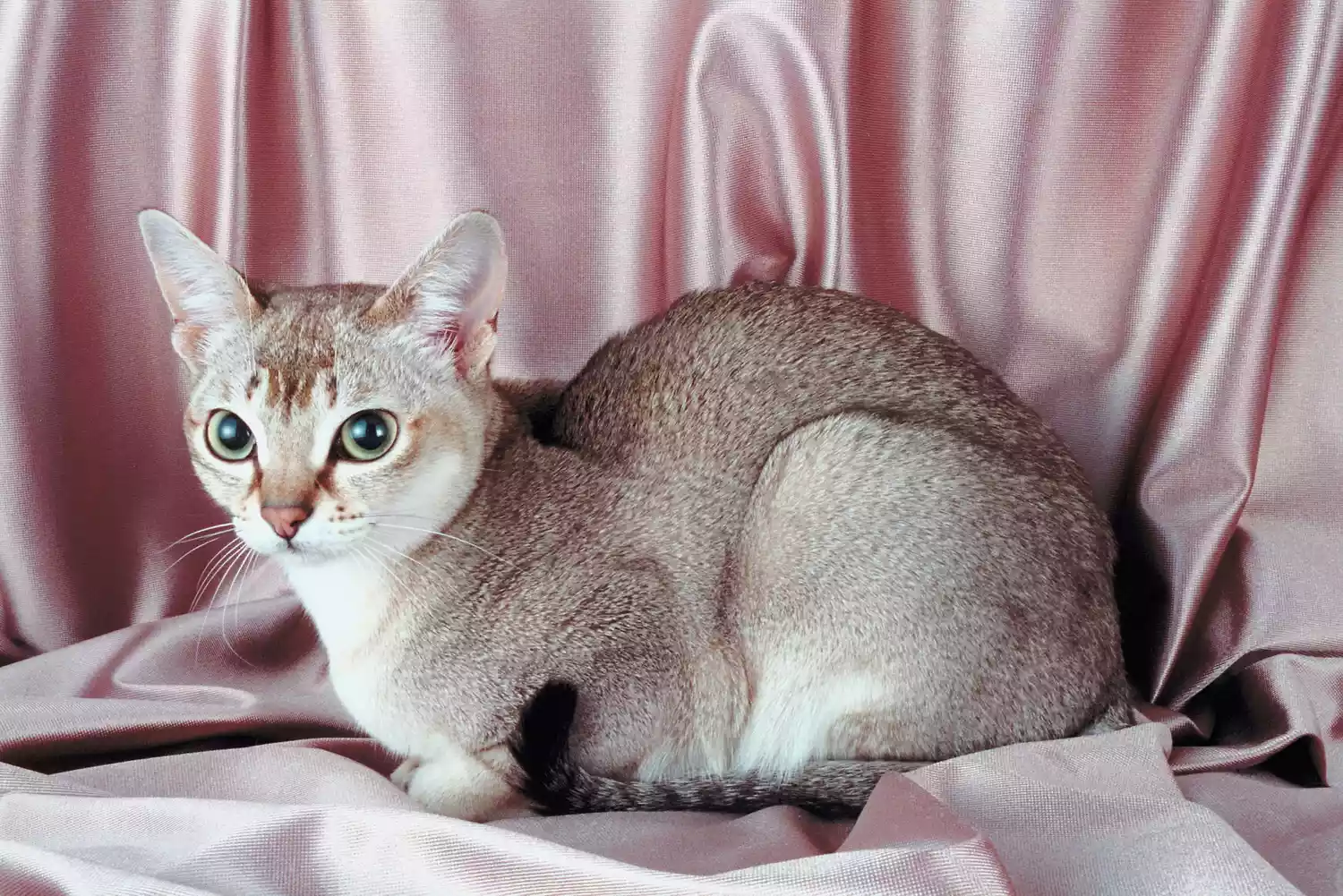
Generally regarded as the smallest cat breed, this tiny cat matures to a weight of 4 to 8 pounds. The Singapura's origins are from Singapore, and they have become a darling of the cat world for their diminutive size and adorable, captivating eyes.
Though pint-sized, this cat still has plenty of love to give. They are known to be lovable and playful pets. The Singapura also has a surprisingly muscular body and athletic abilities that will impress you despite the breed’s small stature. They like to climb and explore, so have cat trees and perches for them.
Breed Overview
02 of 16
Munchkin
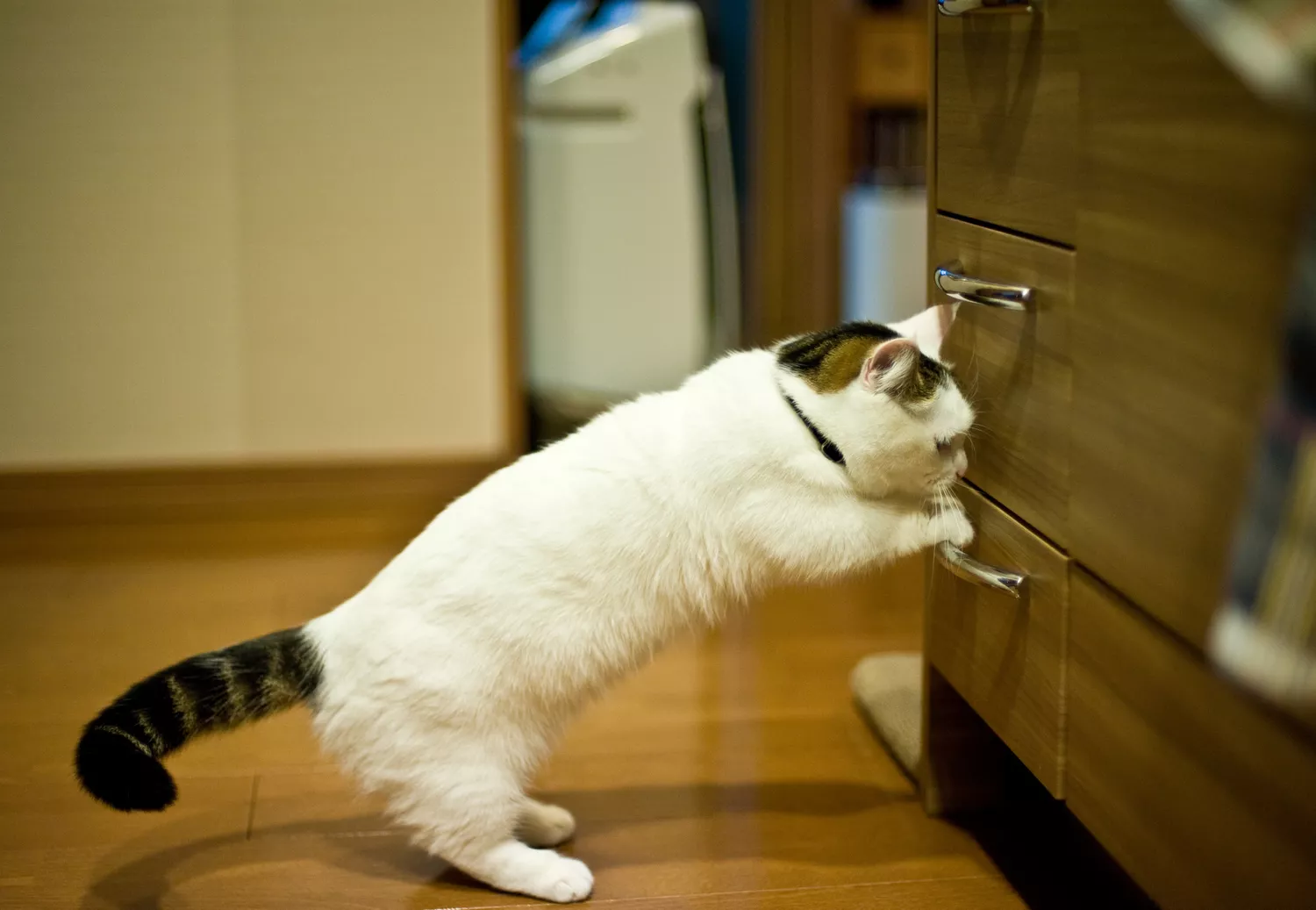
The munchkin is the shortest cat breed in the world. These cats have a naturally occurring genetic mutation that results in shorter legs, giving them a low stature of 7 to 9 inches at the shoulder. The shortest adult cat according to the Guinness World Records is a munchkin from Napa, California, named Lilieput, measuring 5.25 inches tall in 2013.
There is some controversy in the cat world about whether it is ethical to continue to breed the short-legged munchkin. The International Cat Association recognizes the munchkin as a registered breed, while the Cat Fanciers' Association does not.
Breed Overview
03 of 16
Cornish Rex
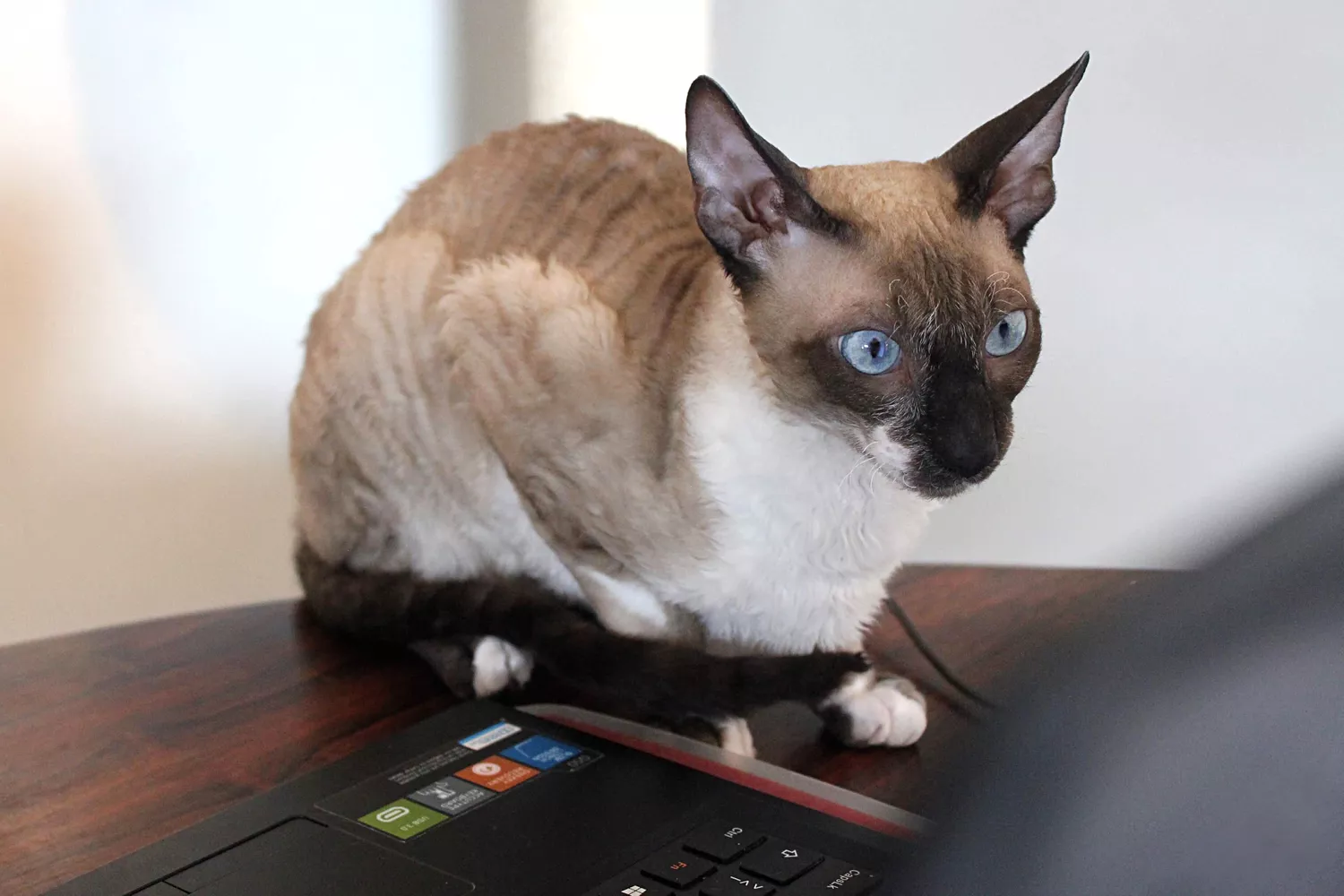
The long legs and angular features of the Cornish rex might give you the impression that this cat is larger than they really are. These cats typically stand 11 to 15 inches tall but only weigh 6 to 10 pounds. These cats are all legs.
The Cornish rex is notable for many unique features, including a coat of tight, short curls and oversized ears with prominent eyes and cheekbones. This breed originated in England, but has been gaining in popularity the world over for a striking look and engaging personality.
Breed Overview
04 of 16
American Curl
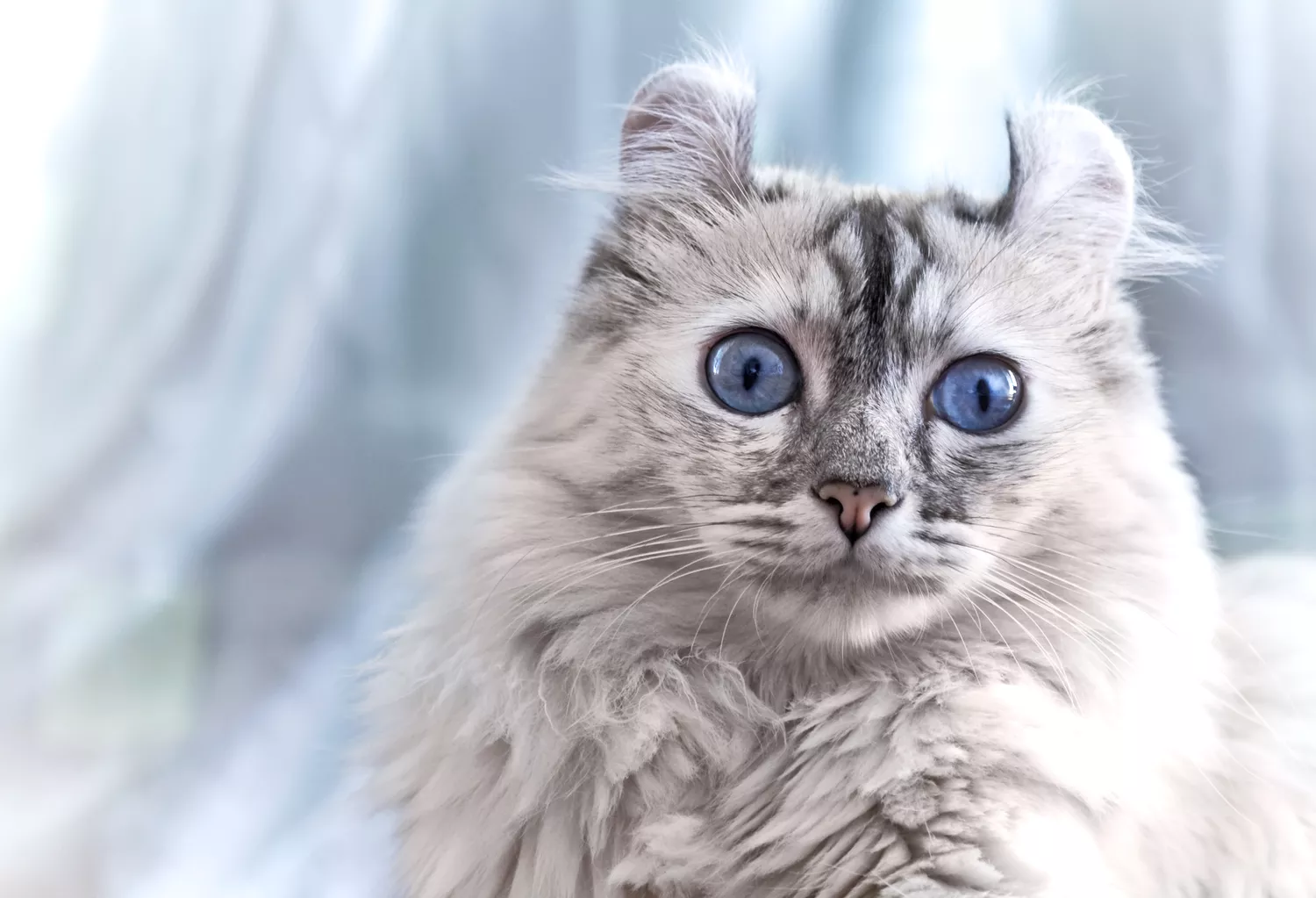
The most recognizable feature of the American curl is their uniquely shaped ears, but these cats are also petite in size. This breed matures to a weight up to 12 pounds, with females, in particular, staying small and weighing 8 pounds or less.
The soft, silky fur of the American curl can be short or semi-long, adding to the fluff-factor of this small cat breed. They’re not known to be lap cats but still have an affectionate, playful nature and make excellent pets.
Breed Overview
05 of 16
Devon Rex
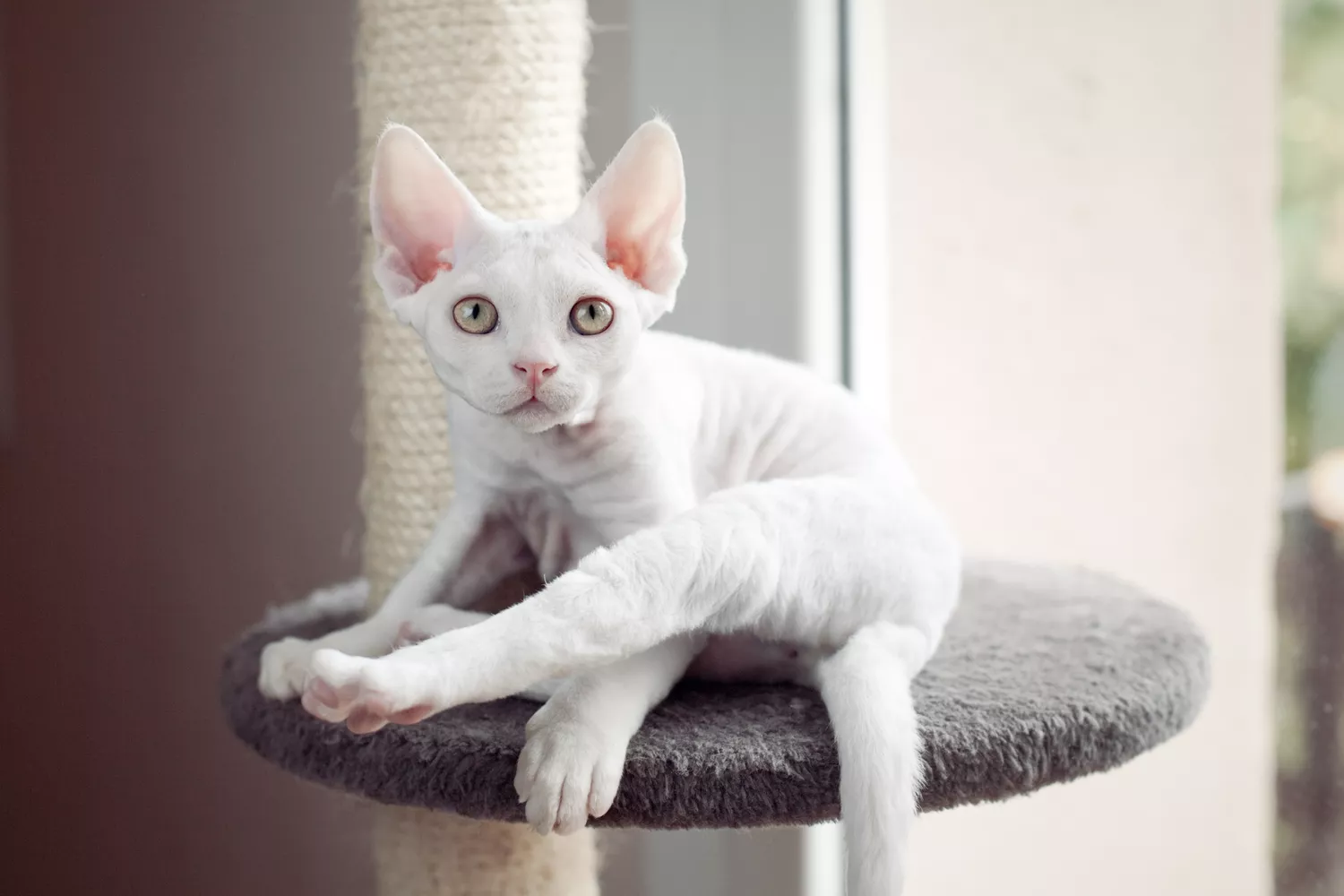
The Devon rex is also sometimes referred to as a “pixie cat,” so it’s no surprise that this breed is on the list of small cat breeds. When full-grown, the Devon rex maintains a compact weight of just 6 to 9 pounds.
In addition to their small stature, the breed’s triangular head, large ears, and bright eyes give these cats a kitten-like appearance throughout their life.
Breed Overview
06 of 16
Japanese Bobtail
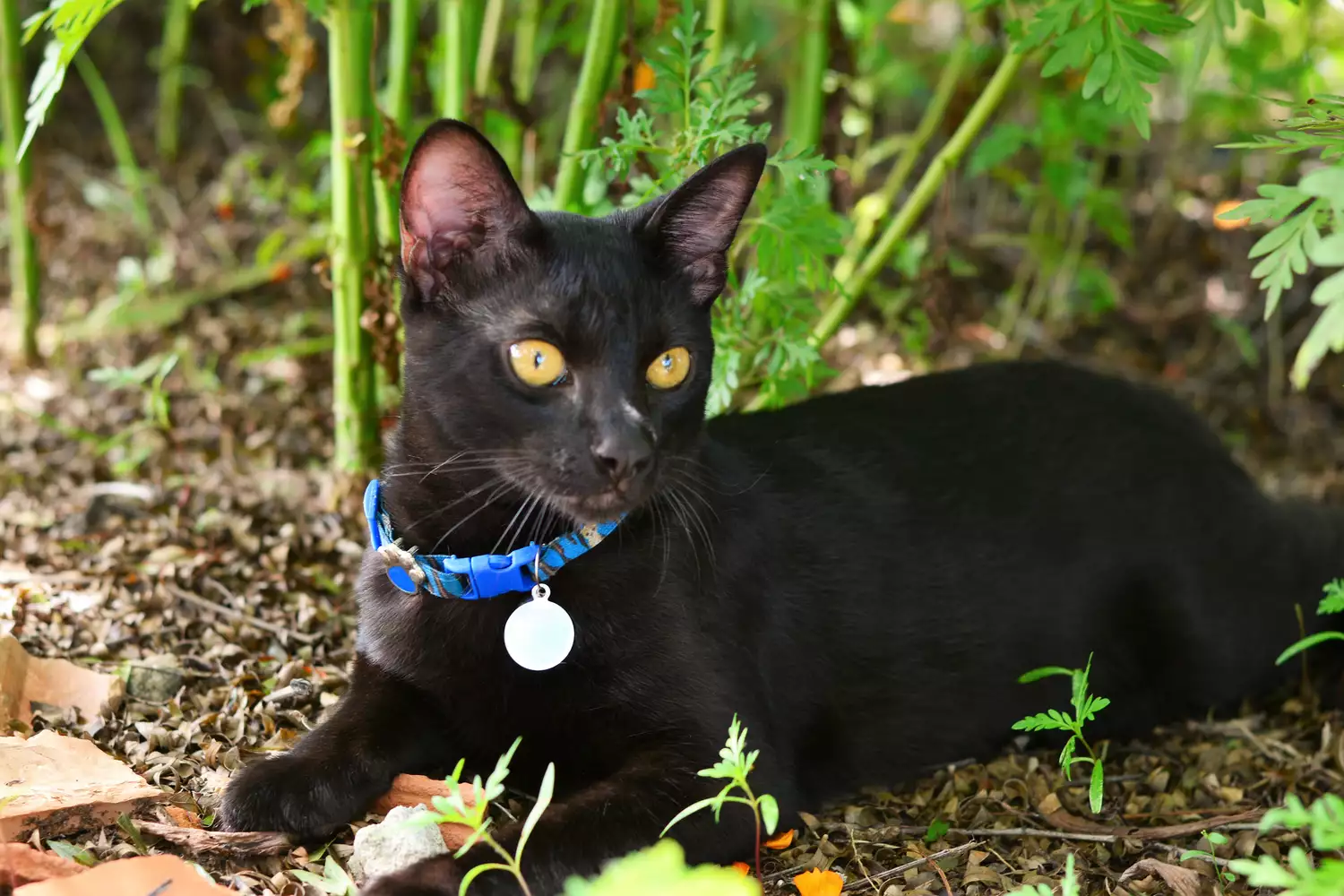
The short, pom-like tail isn’t the only thing that’s small about this cat breed—the Japanese bobtail only weighs 5 to 10 pounds and matures to a height of just 8 or 9 inches. These cats have a slender body and fine features.
They originated in Asia, and their big claim to fame was protecting Japan’s silk trade from a rodent invasion in the early 1600s. At one time, they were the most commonly sighted street cat in Japan. Today, the popular cat is an active, intelligent house pet.
Breed Overview
07 of 16
Siamese
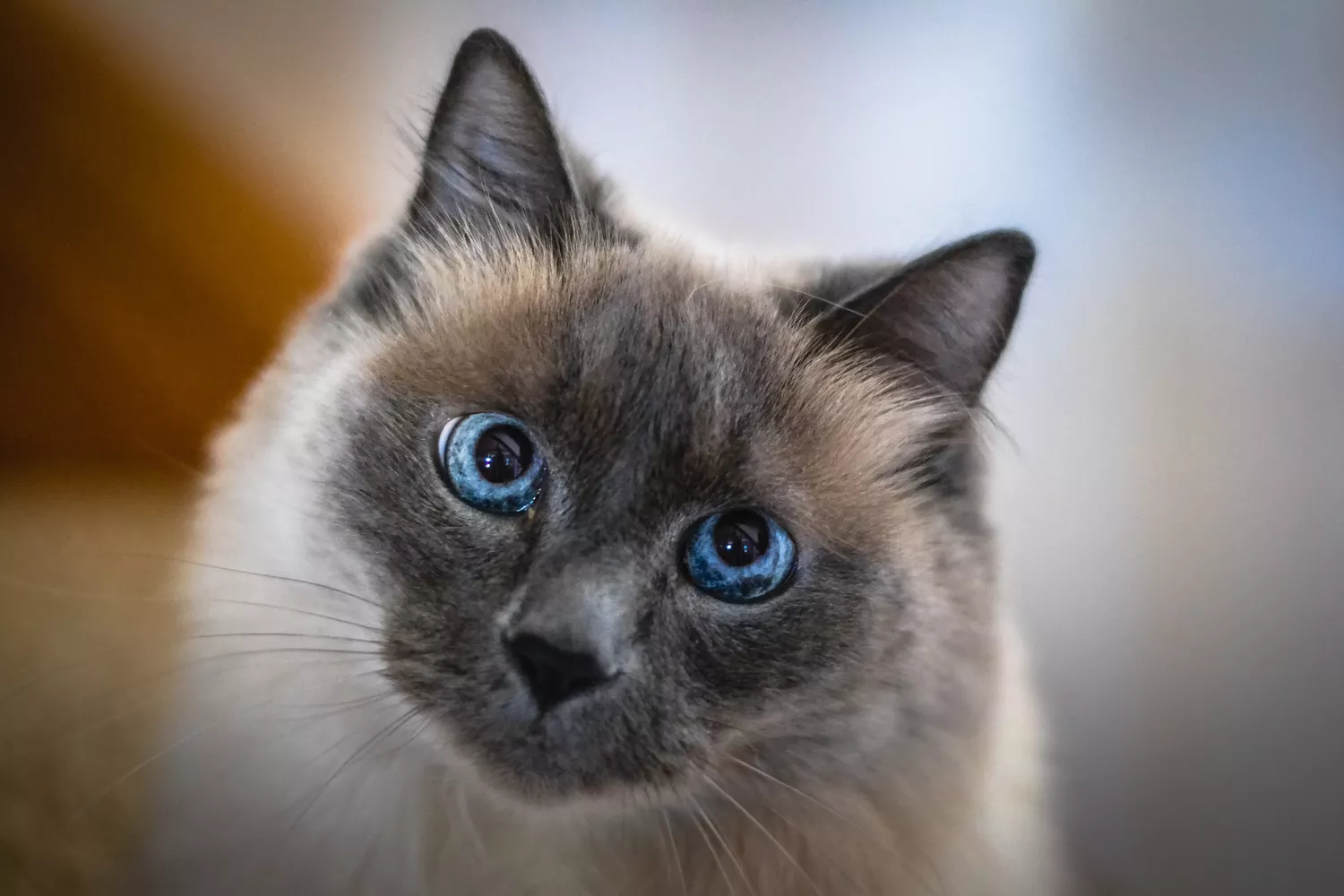
The Siamese is one of the oldest cat breeds, and also happens to be among the smallest. While these cats are relatively long in length, they are lean and muscular and typically only weigh 8 to 12 pounds. Females, in particular, stay small and often weigh 8 pounds or less.
Though they may be small, this vocal cat breed will make their presence and preferences known.
Breed Overview
11 Fascinating Facts About Siamese Cats
08 of 16
Burmese
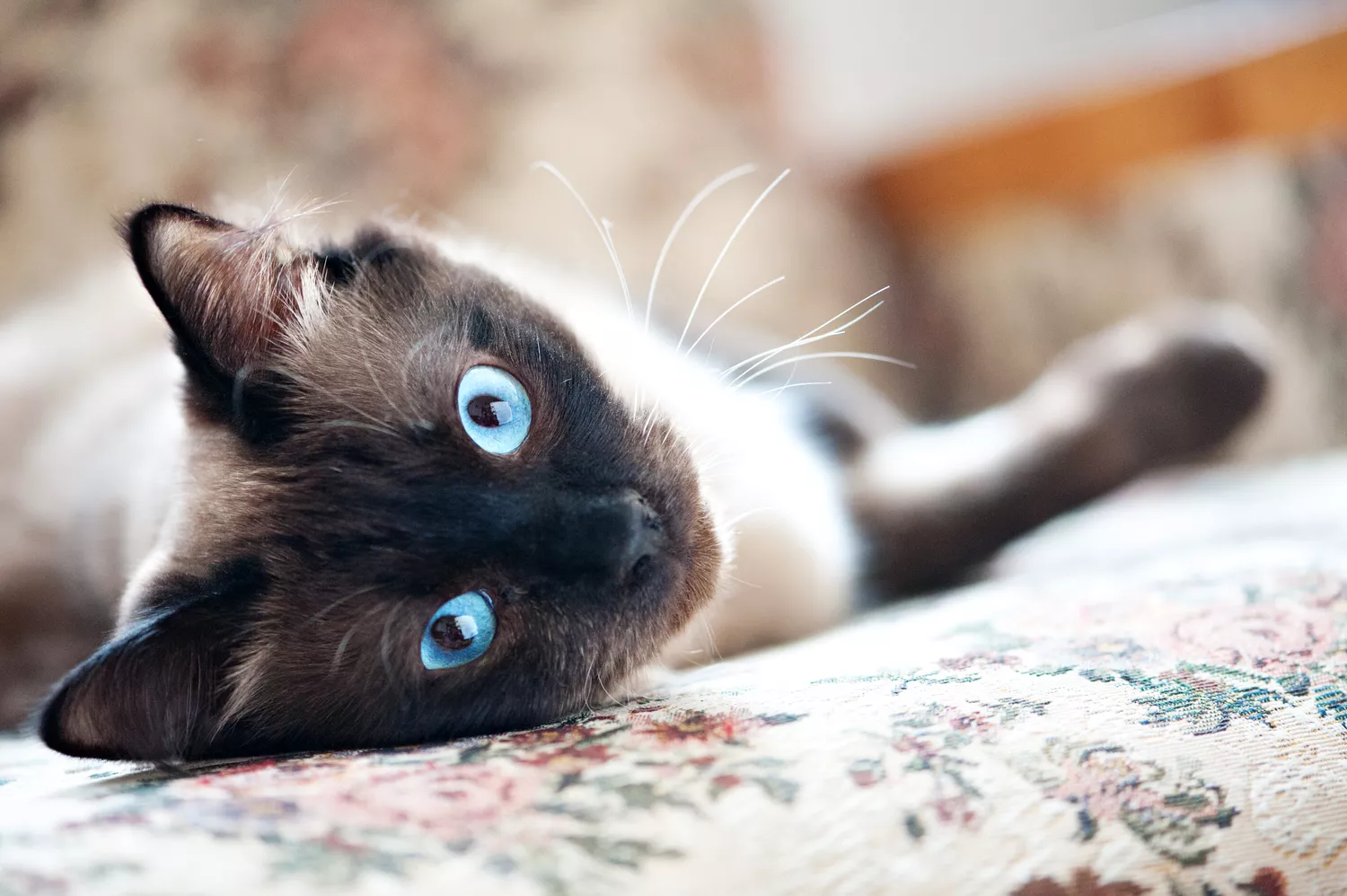
Burmese cats are smaller than average with a compact, stocky body and big brain. An average Burmese weighs between 6 and 14 pounds, and is 10 to 12 inches in height. They use their smarts to solve pet puzzles and perform tricks like playing fetch with their toys.
Breed Overview
09 of 16
LaPerm
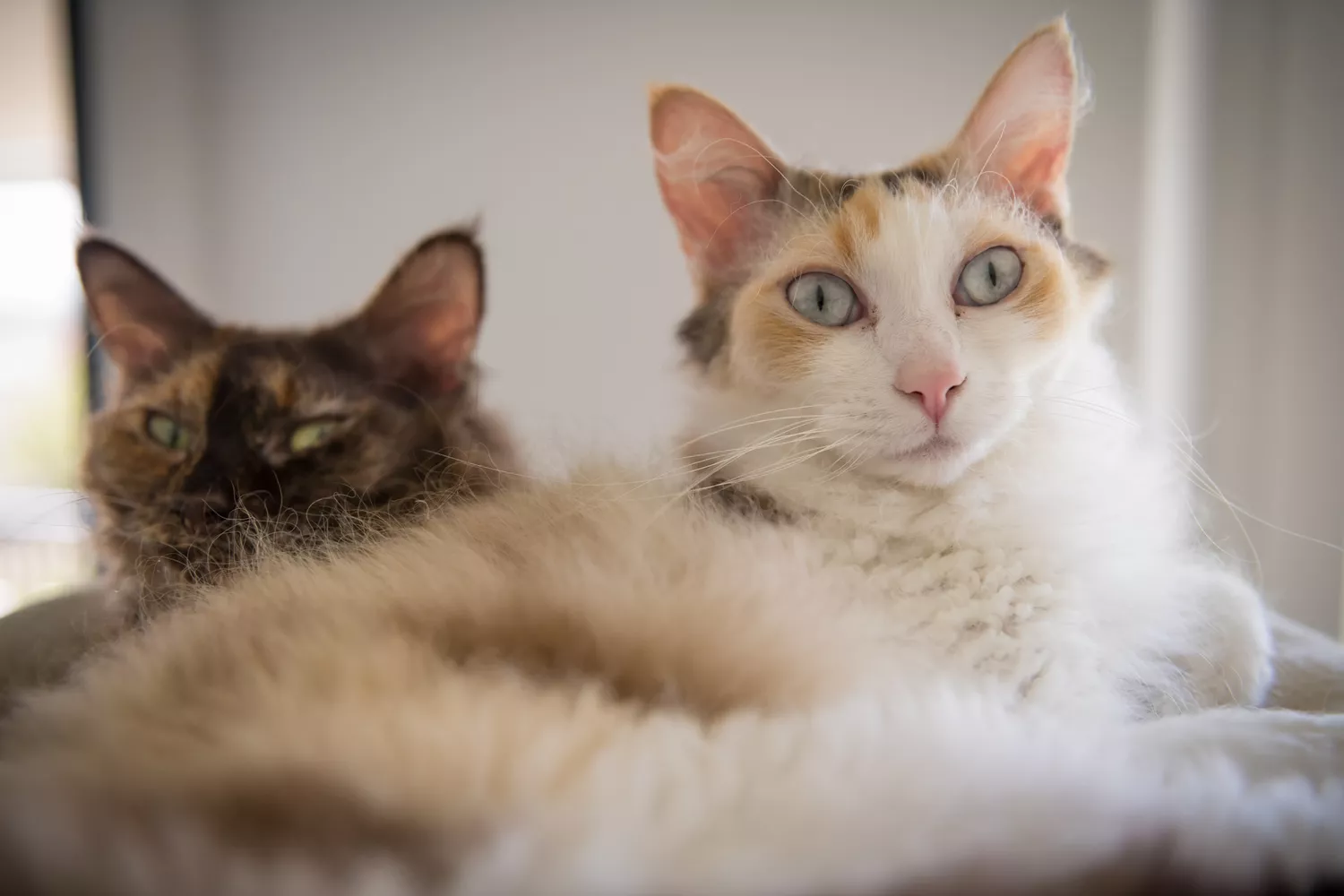
LaPerms have unusual, coiled fur, and they are so named because they look like they got a curly perm. This small, affectionate cat weighs about 5 to 8 pounds.
The breed was developed by Linda and Dick Koehl in Oregon in the early 1980s. This cat's looks were the result of a mutation that formed from cats bred for pest control.
Breed Overview
15 Best American Cat Breeds
10 of 16
Abyssinian
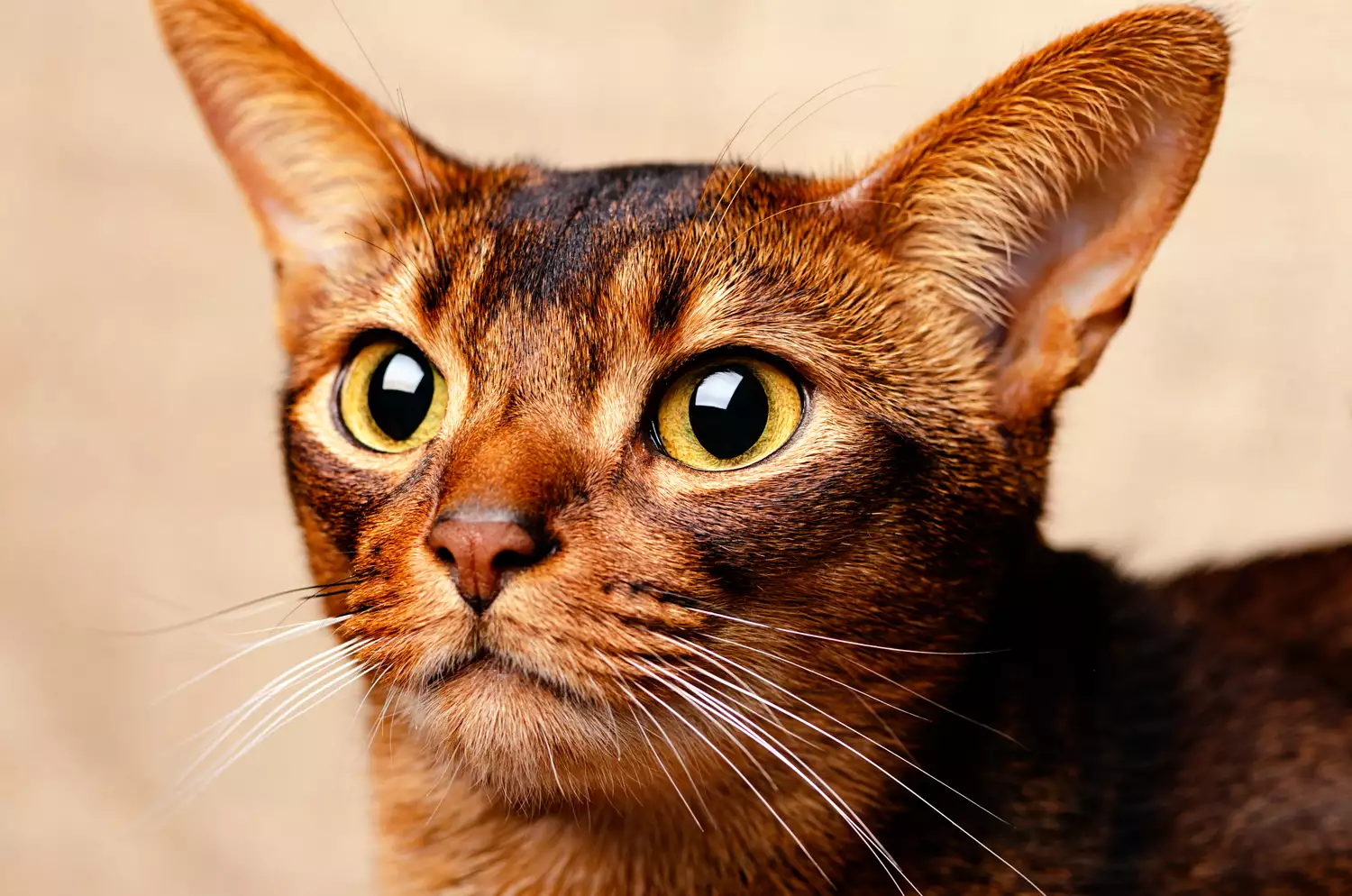
Abys weigh 6 to 9 pounds, and they are one of the oldest cat breeds in the world. They are intelligent, energetic, and sometimes clownish. They like hanging out with their people to the point that they might even get separation anxiety if left alone too long. Their colorful coat of reds, browns, and blues and patterns gives them a wild cat appearance.
Breed Overview
11 of 16
Javanese
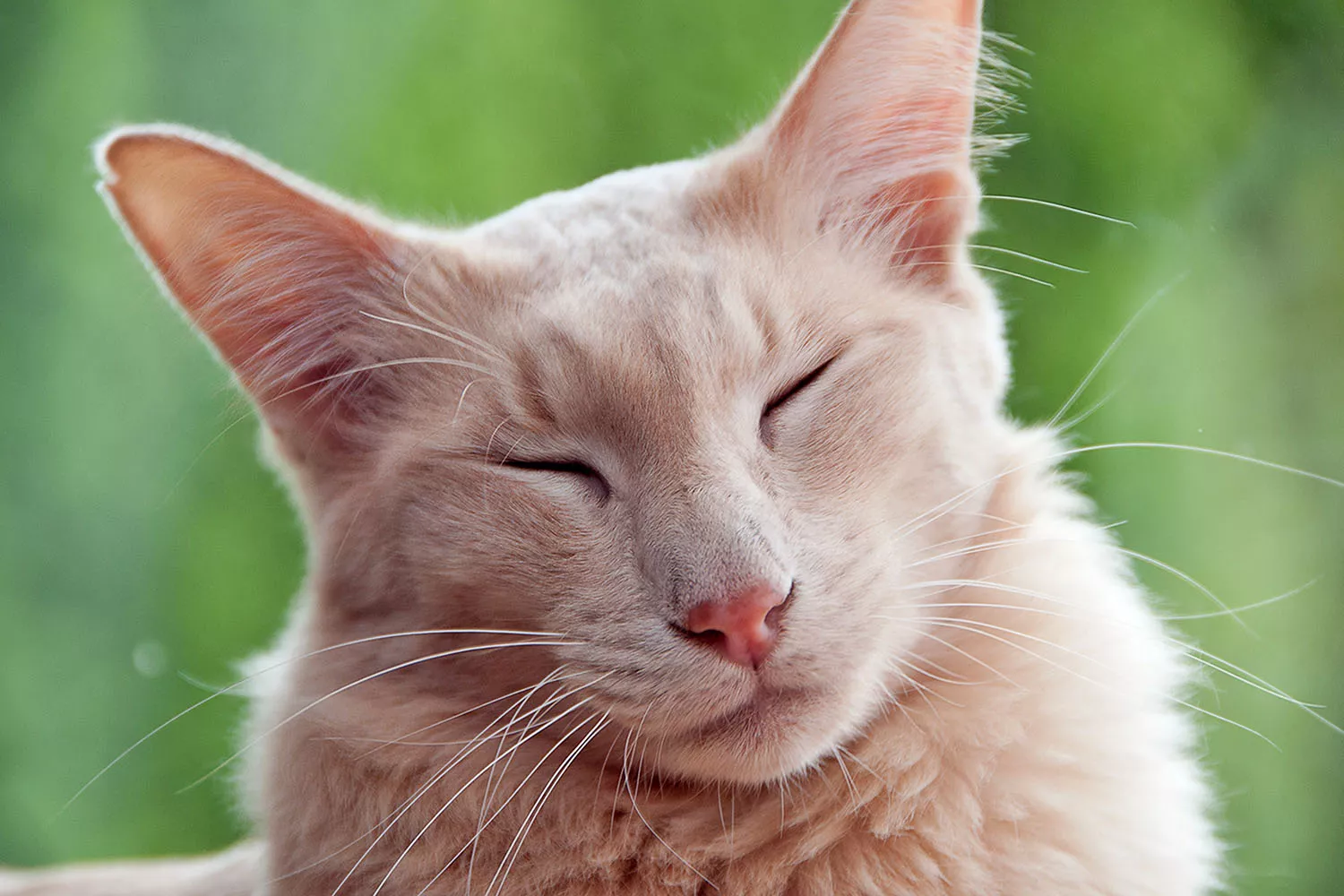
The Javanese is related to another small cat breed: the Siamese. Their semi-long coat is fine and silky, perfect for cuddling this affectionate cat. When you're not cuddling your Javanese, you can train them to do tricks!
Javanese cats are also very pet-friendly, perfect for multi-pet households. Just make sure you understand your other pets' prey drive, as Javanese cats are very little!
Breed Overview
12 of 16
American Wirehair
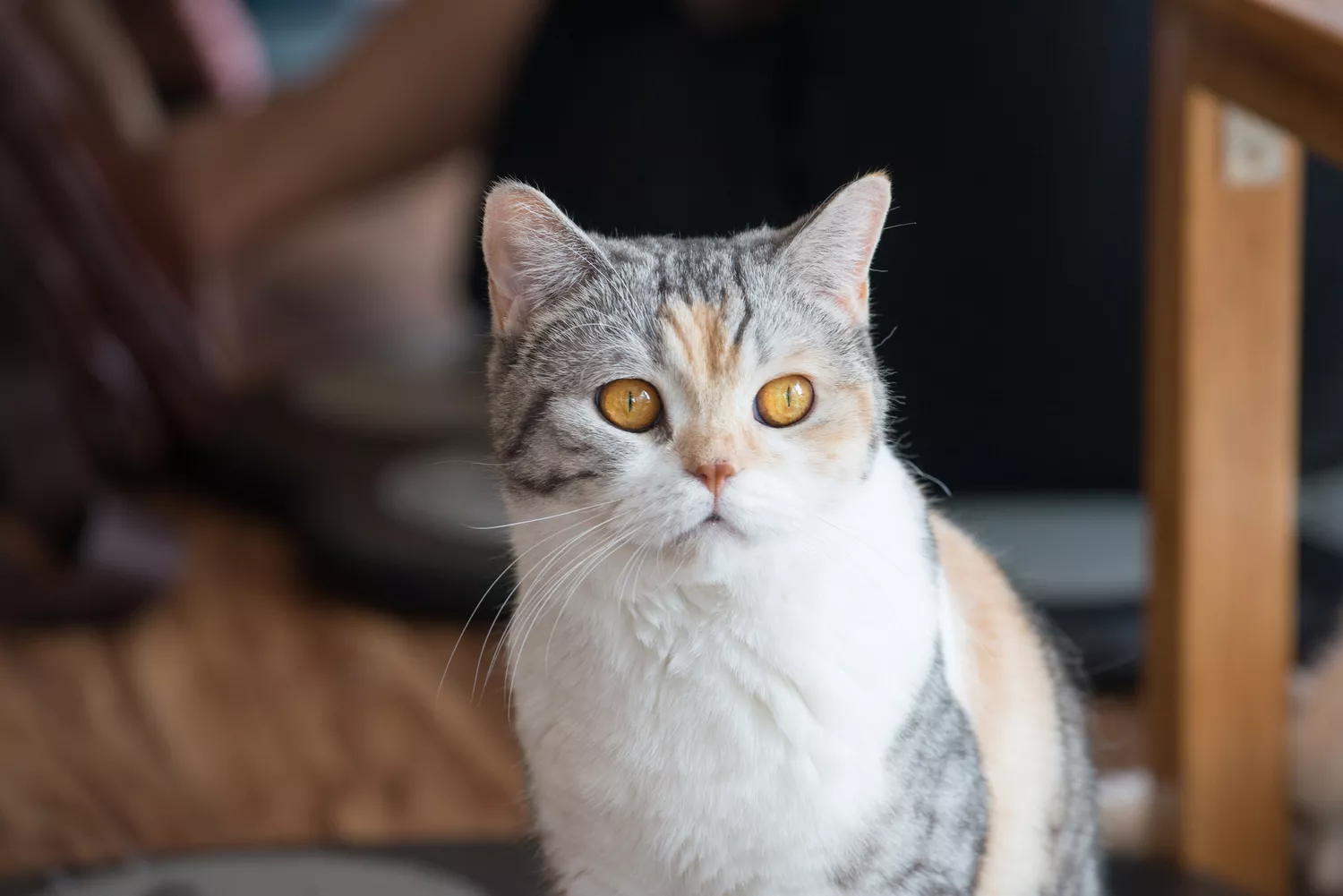
This relatively rare cat breed weighs under 8 pounds and has a sweet face and striking eyes, either in gold or blue. American wirehair cats are affectionate with their family but can be shy with strangers. They are not very vocal, so it's important to watch them for other cues to know what they want from you.
Breed Overview
13 of 16
Korat
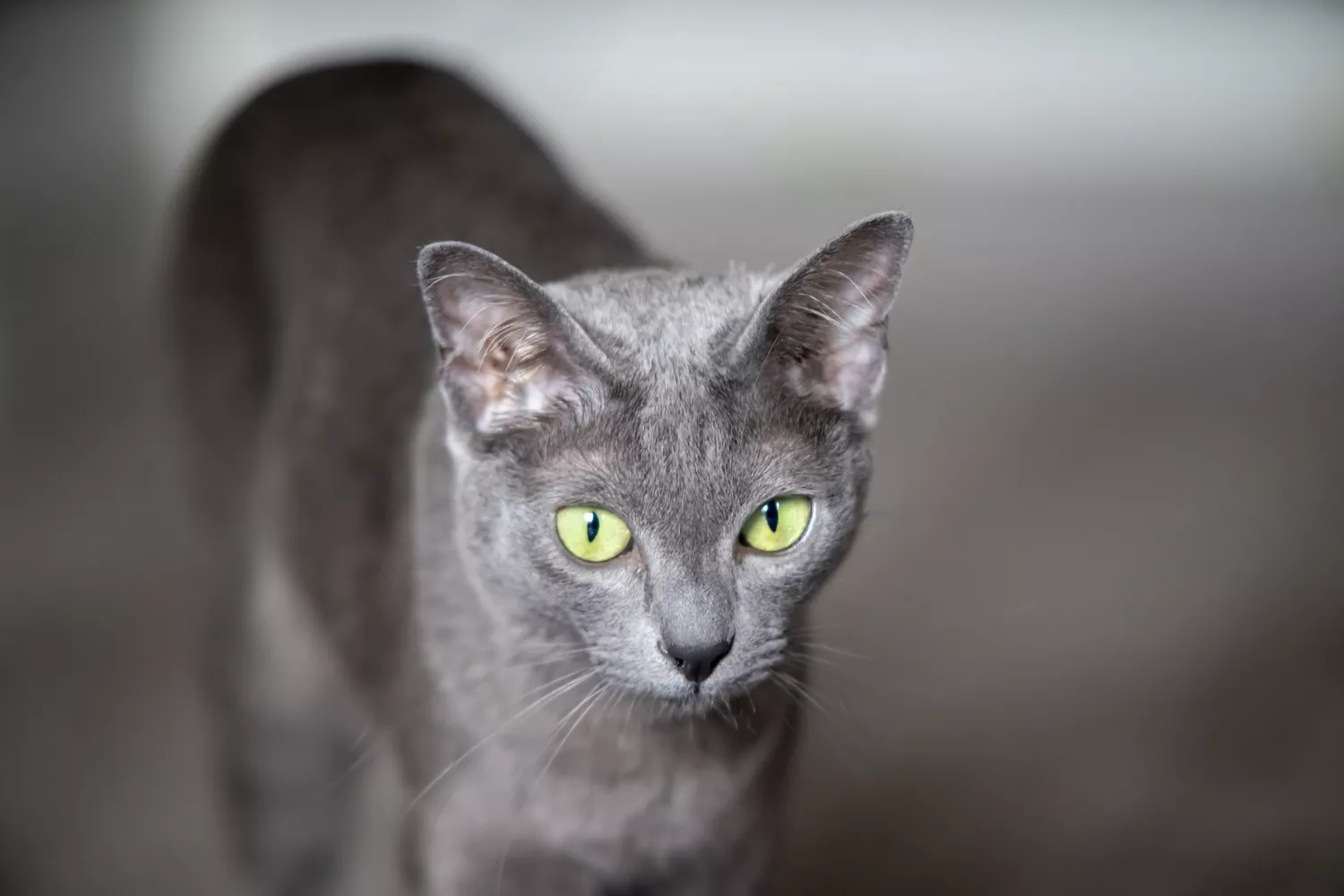
This smoky cat is not only beautiful, but Korat cats are considered symbols of good luck in their home country of Thailand. These lucky kitties are also social and affectionate, so much so that they may feel territorial when it comes to their family.
Korat cats do best when they have a companion, as they have a tendency to experience social anxiety when left alone for too long.
Breed Overview
14 of 16
Bambino
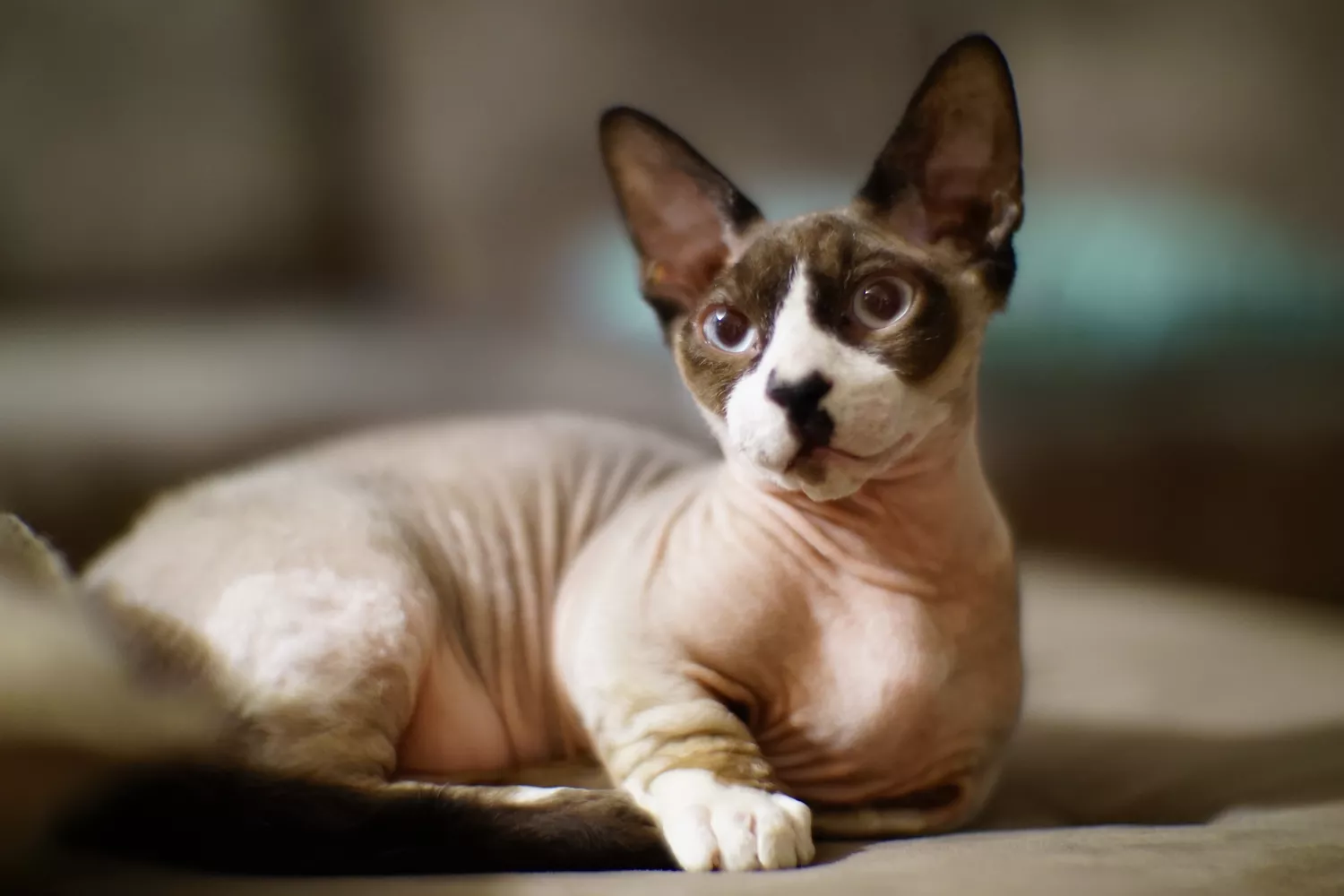
Bambinos are petite hairless cats that weigh under 9 pounds. Despite their lack of hair, bambinos are not lacking at all in personality. They love to play and cuddle with their humans.
Because bambinos are hairless, their grooming needs are a little different. Regular bathing and occasional wiping with a moist cloth will keep your bambino's skin clean.
Breed Overview
How to Care for a Hairless Cat
15 of 16
American Shorthair
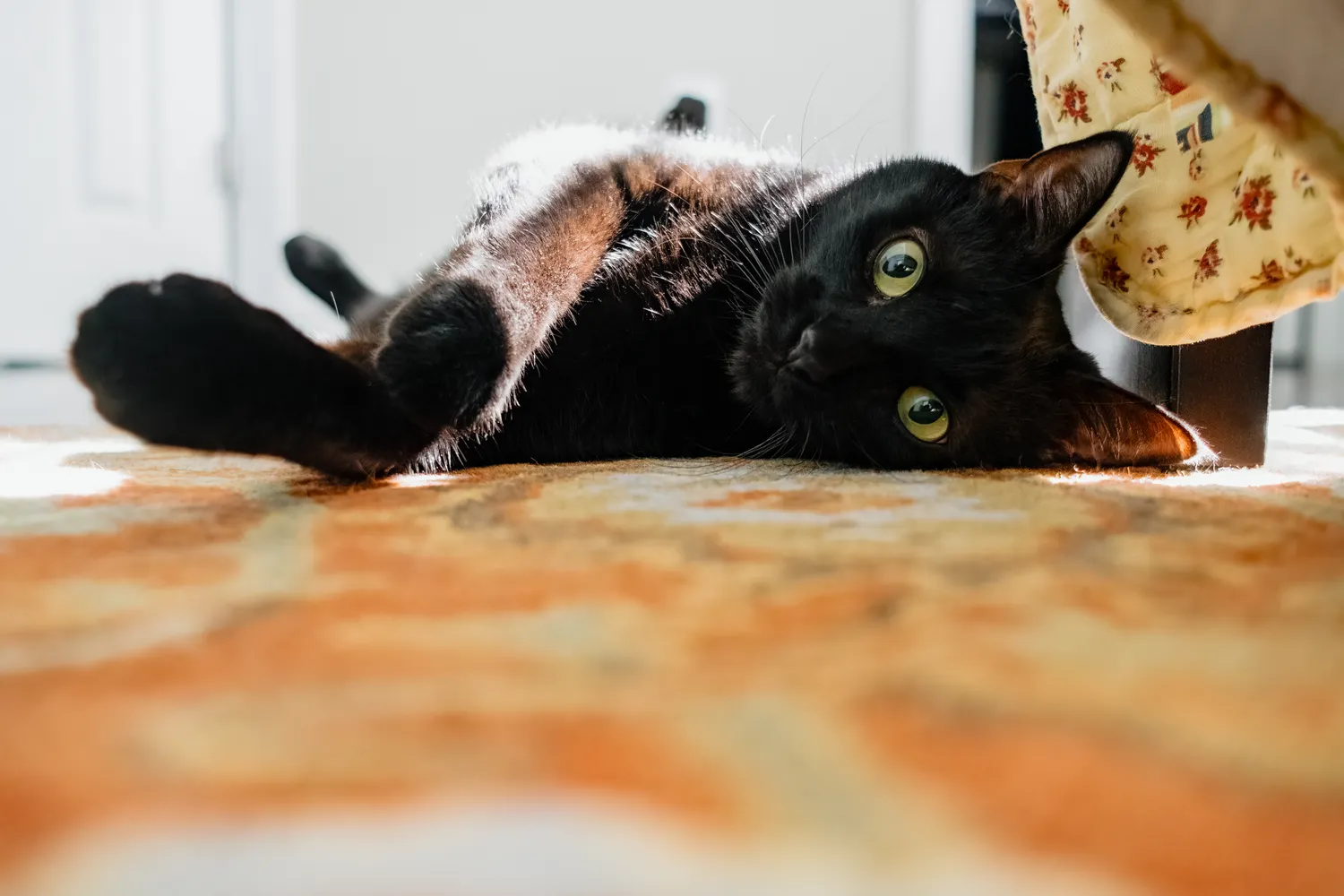
Because of their popularity, American shorthairs can come in almost any shape and size, including tiny! Regardless of how big they are, American shorthairs are gentle and easygoing cats who can fit into nearly any family or home. They are also self-sufficient and can entertain themselves with toys or games if you need to step out for a bit.
Breed Overview
16 of 16
Toyger
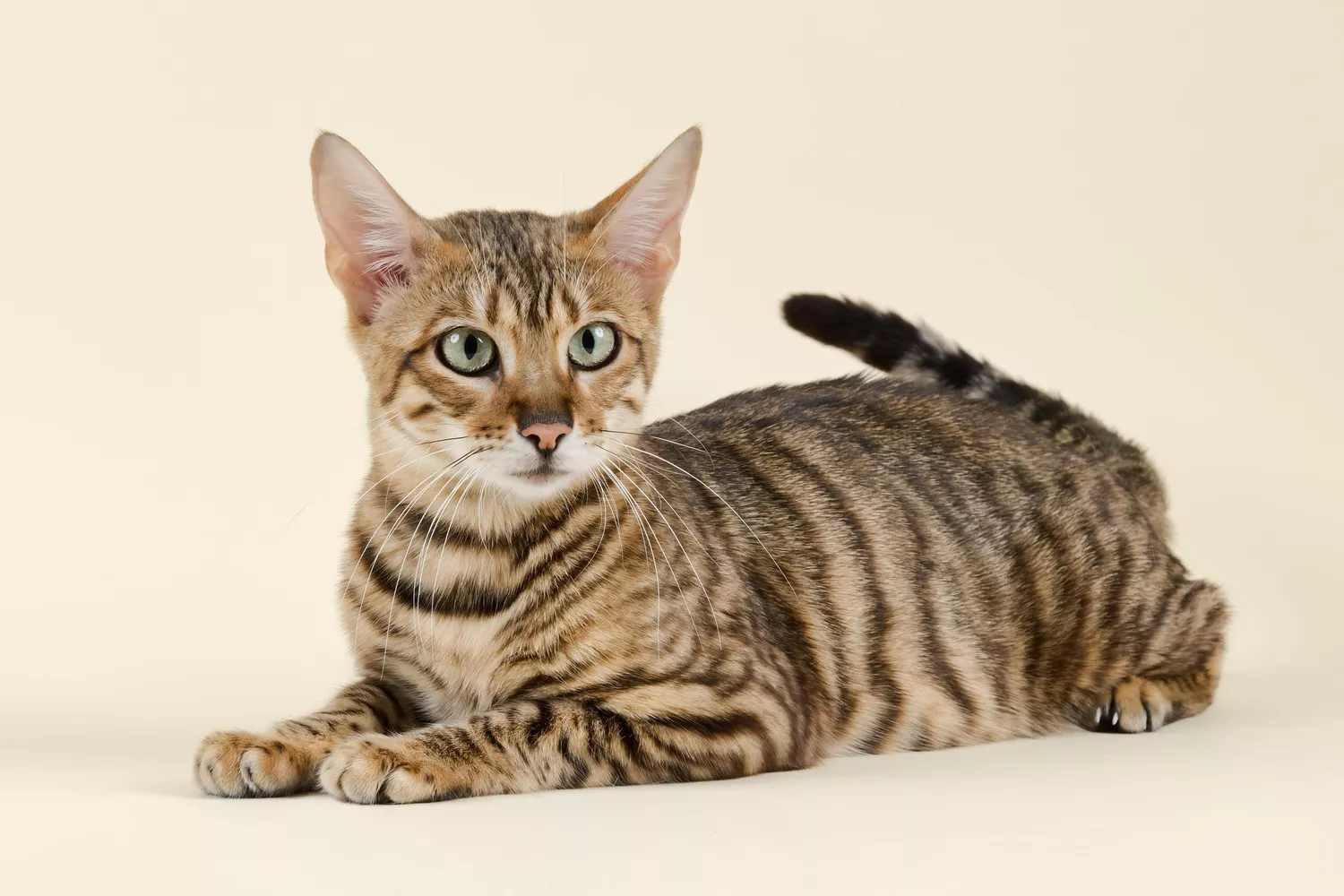
The toy tiger, or the toyger for short, is an extremely rare hybrid cat that, despite their wild stripes, boasts a friendly and playful personality. And don't let their size fool you—toygers are very energic, active cats, so dedicated play sessions are essential.
You can easily train them to walk on a leash, which can help get the energy out, and train them to play dog-like games such as fetch.
Breed Overview
Breeds to Avoid
It goes without saying that if you want a smaller-than-average cat, you'll need to pass on breeds that are known for their large size. The Maine coon, pixie-bob, Bengal, and Ragamuffin are just a few of the largest cat breeds.
Keep in mind that a kitten's size isn't always a good judge of how big they will be when full-grown. Whenever possible, ask to see the parents of the litter to better estimate what your kitten's adult size will be.



