Understanding Calico Cats: Unique Traits, History & Care Tips
Calico cats aren’t a specific breed. They belong to various domestic cat breeds, recognized by their unique tri-color coats, called calico. A typical calico may show vibrant colors like orange, black, and white, while others may have a softer blend of cream and blue, known in feline genetics as a “dilute calico.”
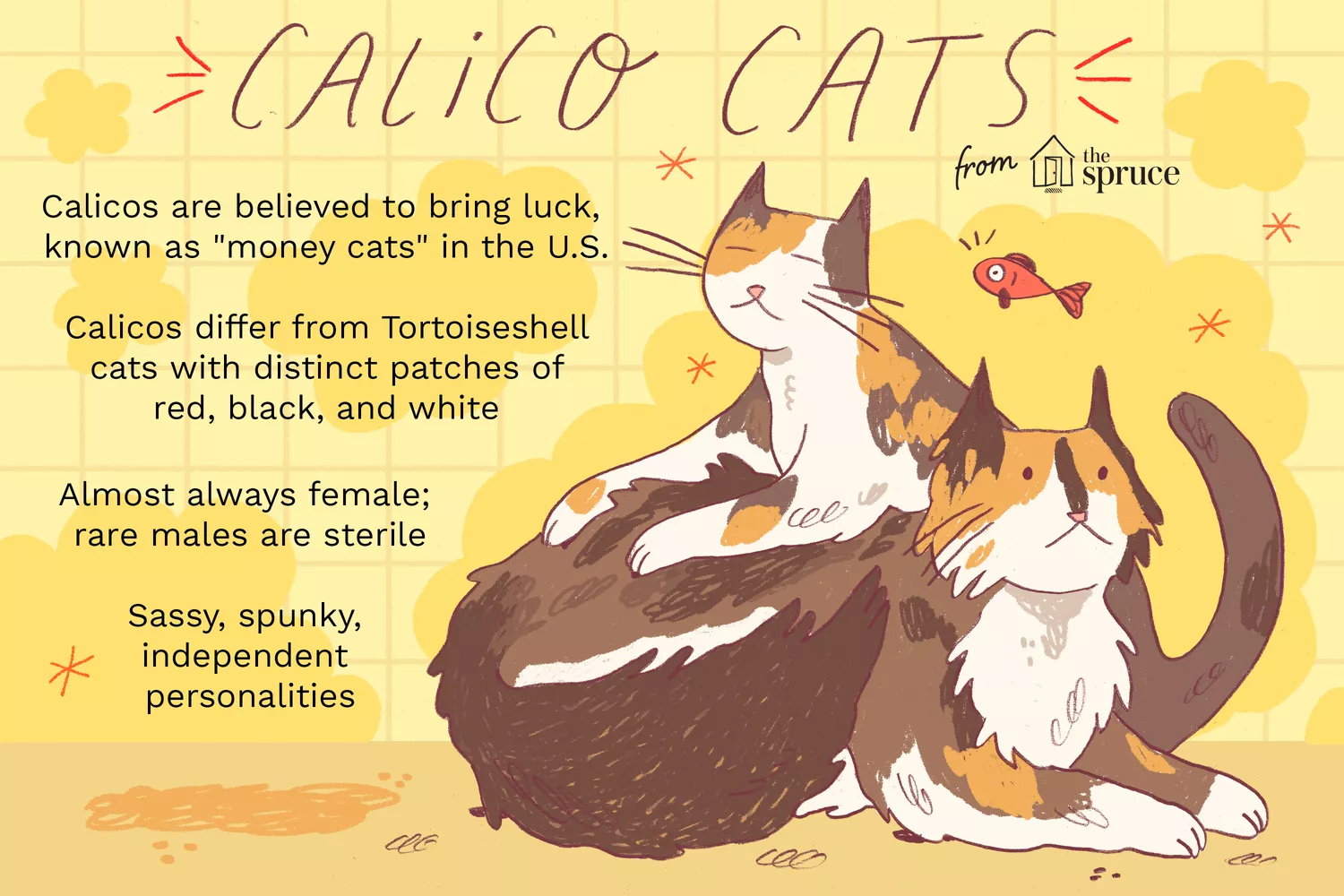
Calico cats each have unique coat patterns. Their personalities are also fascinating; known for sass and spunk, they are loving and loyal companions for all ages. Calicoes are predominantly female due to genetics, and the rare male—1 out of every 3,000—is always sterile, contributing to their reputation as lucky cats.
Learn more about what makes calico cats so special.
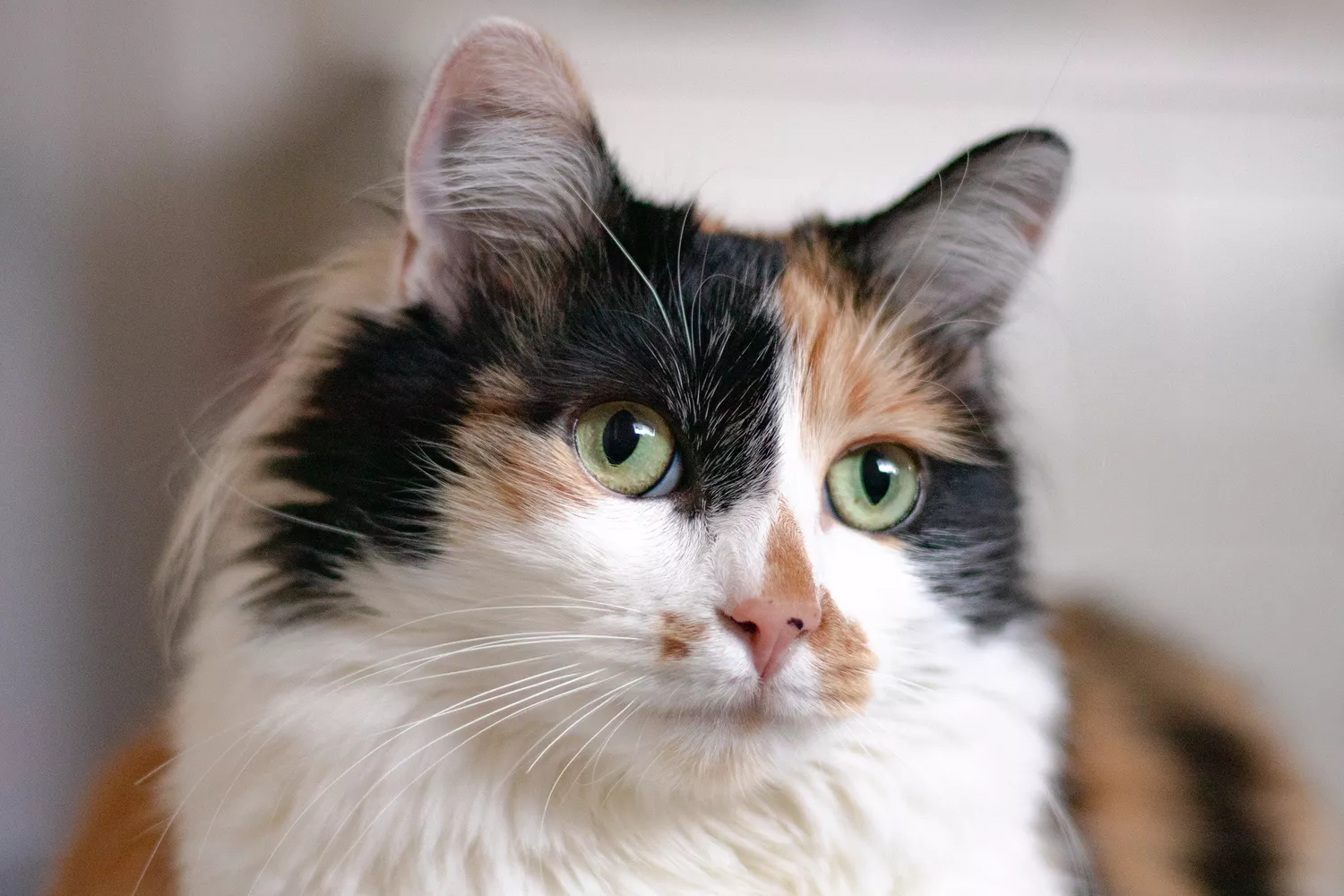
Calico Cat Characteristics
The calico is a medium-sized domestic cat renowned for their spunky, assertive personality. While this is a generally independent cat who doesn’t require constant attention, the calico is also sweet, loving, and loyal.
They will readily bond with a single person but enjoy the company of an entire family, too. However, a study on cat coat colors and behavior found that calicos tend to be more aggressive.
Calico cats differ from tortoiseshell cats; calicoes have distinct patches of color, while tortoiseshell cats’ colors (red and black) are interwoven throughout the coat.
History of the Calico Cat
No one is sure where the calico originated, though the cats likely emerged from Egypt and were traded along the Mediterranean.
Calico cats are believed to bring good luck in the folklore of many cultures. In Japan, Maneki Neko are good luck figures—the waving cat—that sometimes depict calico cats. In the United States, these are sometimes referred to as “money cats.”
Researchers began seriously studying calico cats and their appearance in the late 1940s. Murray Barr and his graduate student E.G. Bertram noticed masses inside the nuclei of nerve cells of female cats. They were absent in male cats. These dark masses eventually were called Barr bodies and determined to be inactive X chromosomes. Mary Lyon proposed the concept of X-inactivation in 1961. It occurs when one of the two X chromosomes inside a female mammal shuts off. She observed this in the coat color patterns in mice, similar to the patterns of calico cats.
In calico cats, the fur-color gene occupies the X chromosome. If that chromosome deactivates, a different fur color will appear. The inactive chromosomes are random, which is why each calico cat has a unique pattern.
Calico Cat Care
The care of a calico cat will largely depend on their breed. Shorthaired calicoes’ coats, for example, will require less brushing than those of longhaired breeds.
Regardless of breed, all cats need exercise and enrichment. You’ll also need to make sure your cat sees the vet regularly and is up-to-date on their vaccines. Don’t forget about regularly brushing your kitty’s teeth.
Common Health Problems
The lifespan of a calico cat can be influenced by their breed. Male calico cats tend to have more health issues than female calicoes.
Regardless of the breed, a male calico cat is prone to a genetic health condition called Klinefelter Syndrome. In addition to being sterile, these cats experience cognitive and developmental issues, behavioral problems, reduced bone mineral content, and obesity.1
Female calico cats do not have health problems that correlate with their color patterns, but they may have issues specific to their respective breeds. That’s why it’s important to schedule regular visits with your vet.
Appearance
Calico cats are some of the most strikingly patterned cats, wearing bold patches of colors—mostly orange, black, and white.
According to the Cat Fanciers’ Association (CFA) show standards for calico Persians, the cat should be a tri-color cat of black, red, and white with white feet, legs, belly, chest, and muzzle. The cat should also have a colored tail and one or more colored patches on the head and body.
Calicoes’ eye colors include copper, blue, green, or odd-eyed. In show-quality Persians, odd-eyed bi-colors should have one blue and one copper eye with equal color depth.2
Diet and Nutrition
A complete and balanced cat food, whether dried or canned, is generally a great option for calicoes of any breed. However, research your specific breed of cat to find out if they have any unique dietary requirements. Ask your veterinarian for feeding advice, too.
Where to Adopt or Buy a Calico Cat
Calicoes are generally not breed specific. You may find one at your local shelter or pet rescue for under $100. Calico-patterned breeds are more expensive.
Calico cats are not rare, but finding one at a local shelter can be difficult. Check with breeders of cats who tend to have calico coloration in your area to see if any specialize in calico patterns, or search online adoption sites to locate a kitten or cat in your area.
Types of Calico Cats
It would be easier to give a list of breeds that do not produce calicoes. While the calico pattern may pop up in many cat breeds, the following are the most likely to display it:
American Shorthair: playful, curious, gentle
British Shorthair: calm, affectionate, friendly
Cornish Rex: affectionate, playful, cuddly
Devon Rex: social, playful, active
Exotic Shorthair: easygoing, calm, sweet
Japanese Bobtail (calico is the most popular color pattern in this breed): adaptable, friendly, agreeable
Maine Coon: laidback, dog-like, curious
Norwegian Forest Cat: adventurous, independent, friendly
Persian: laidback, relaxed, independent
Scottish Fold: sweet, social, affectionate
Turkish Angora: sociable, mischievous, playful
Turkish Van: playful, adventurous, energetic
Breed Overview
The calico is not a breed and has no technically identifiable personality traits, but pet parents and enthusiasts often insist the calico pattern seems to impart a particular pep and sass in female felines that carry the colorful genes. These friendly, outgoing cats have a flair for independence but also enjoy socializing with their human families and other pets.
Pros of Calico Cats
Striking color pattern
Friendly and outgoing
Considered “good luck” cats
Cons of Calico Cats
Can not be bred because males are sterile
Males are rare and prone to health problems
Might be hard to find a calico locally
More Cat Breeds and Further Research
If you’re interested in similar breeds, check out:
Maine Coon
Scottish Fold
Turkish Van
Otherwise, check out all our other cat breed profiles.



