11 of the Best Vegetables for Dogs
Dogs don’t necessarily need fresh vegetables in order to meet all of their nutritional needs, but they can provide a nice dose of added vitamins and nutrients. They also serve as fantastic low-fat and healthy meal toppers and treat replacements for dogs on weight loss programs. Some veggies especially favored by dogs include carrots, green beans, peas, and cucumber.
Whenever offering your dog "people food," it's crucial to conduct research to ensure safety. While some vegetables can be safe and enjoyable, treats should not exceed 10 percent of your dog's overall diet.
Not all vegetables are equally great for our pups, and others (think garlic, onions, and leeks) can be downright harmful. It is also important to only feed vegetables in moderation since, again, they’re not a necessary part of a dog’s balanced diet.
To help you take the guesswork out of what veggies you can and cannot feed your furry one, we’ve compiled this quick list of 11 of the best vegetables for dogs—as well as ones that you should be sure to avoid.
01 of 11
Carrot
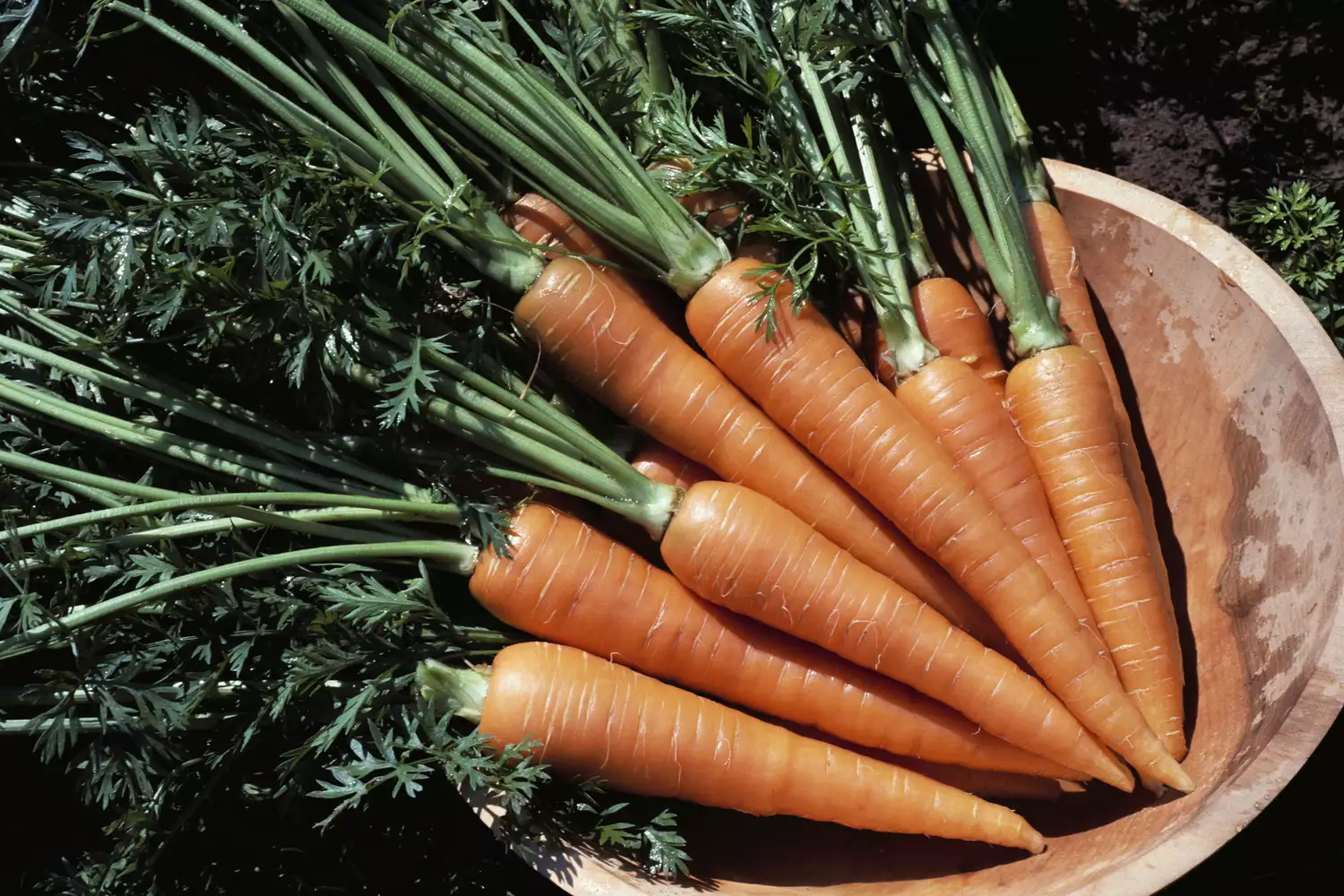
Dogs are usually big fans of carrots, which are sweet, crunchy, and fun to chew on. Feed them fresh, cooked, or frozen, but do be sure to cut them down to a proper size for Fido or blend them to make sure they are easy to digest and don't present a choking hazard.
Benefits:
Carrots are an excellent source of potassium, fiber, and vitamin A
Noshing on these veggies may even improve your dog’s dental health by gently scraping teeth to prevent plaque build-up
02 of 11
Sweet Potato
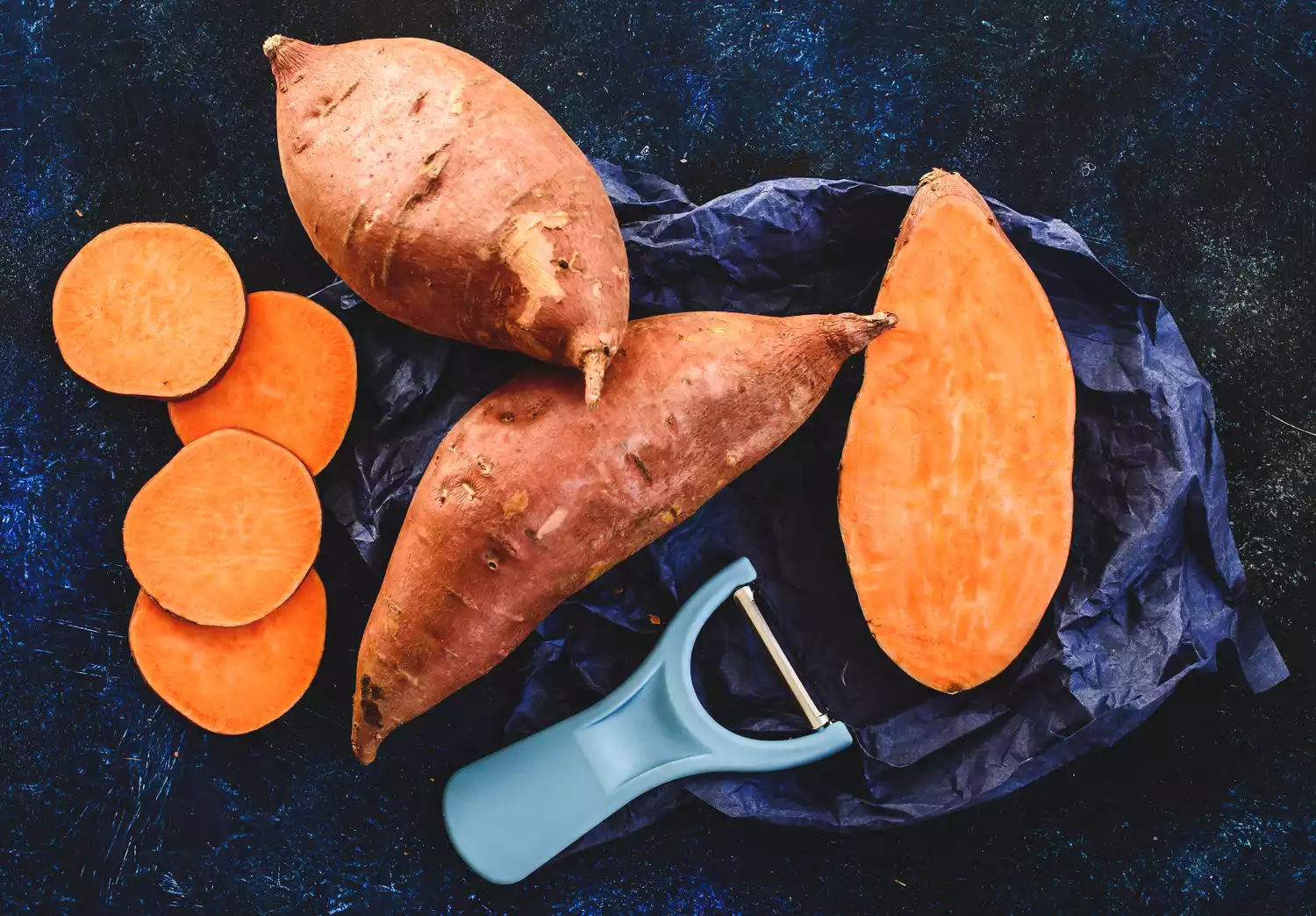
Sweet potatoes are super nutrient-dense and offer a huge range of health benefits for both humans and canines. Serve baked, roasted, or pureed. Raw sweet potatoes are poorly digestible and risk causing obstruction if large pieced are swallowed.
Benefits:
High in vitamin A, which helps promote healthy skin and coat and also provides benefits to eyes, muscles, and nerves
Can help add more fiber to your dog’s diet and may be able to offer soothing relief if your furry one is experiencing an upset stomach
03 of 11
Peas
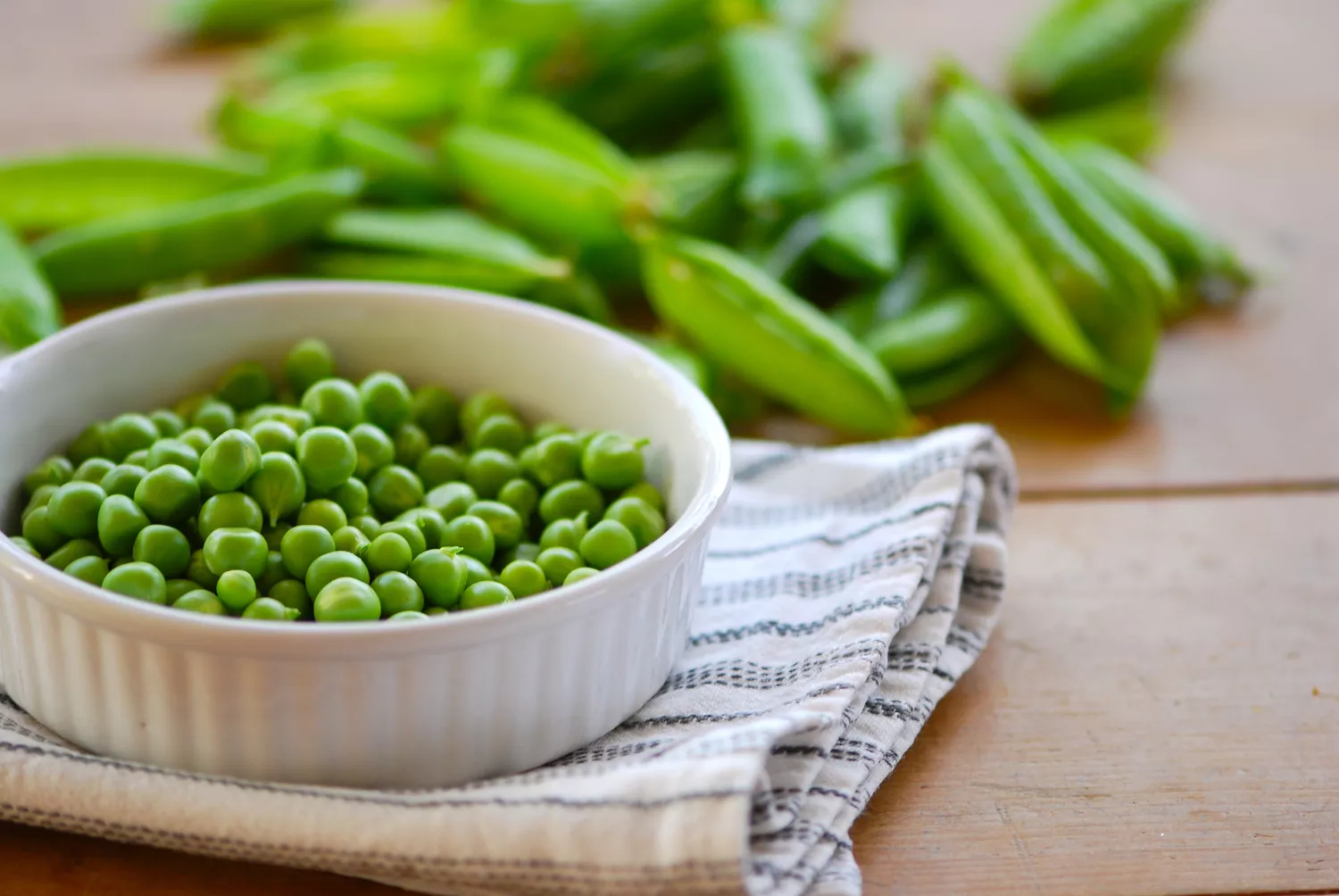
Okay, so they’re technically legumes, but peas are still worthy of a spot on this list when fed in moderation. Many pooches enjoy pea pods right off the vine, but you can also feed your dog frozen (thaw them out first) peas, as well. Just avoid canned varieties, since they may have added sodium or preservatives.
Benefits:
These tiny treats feature both protein and fiber, as well as vitamins A, B, C, and K.
Their small size makes peas great for training treats
Peas are a healthy and easy meal topper since they don’t require any chopping
04 of 11
Broccoli
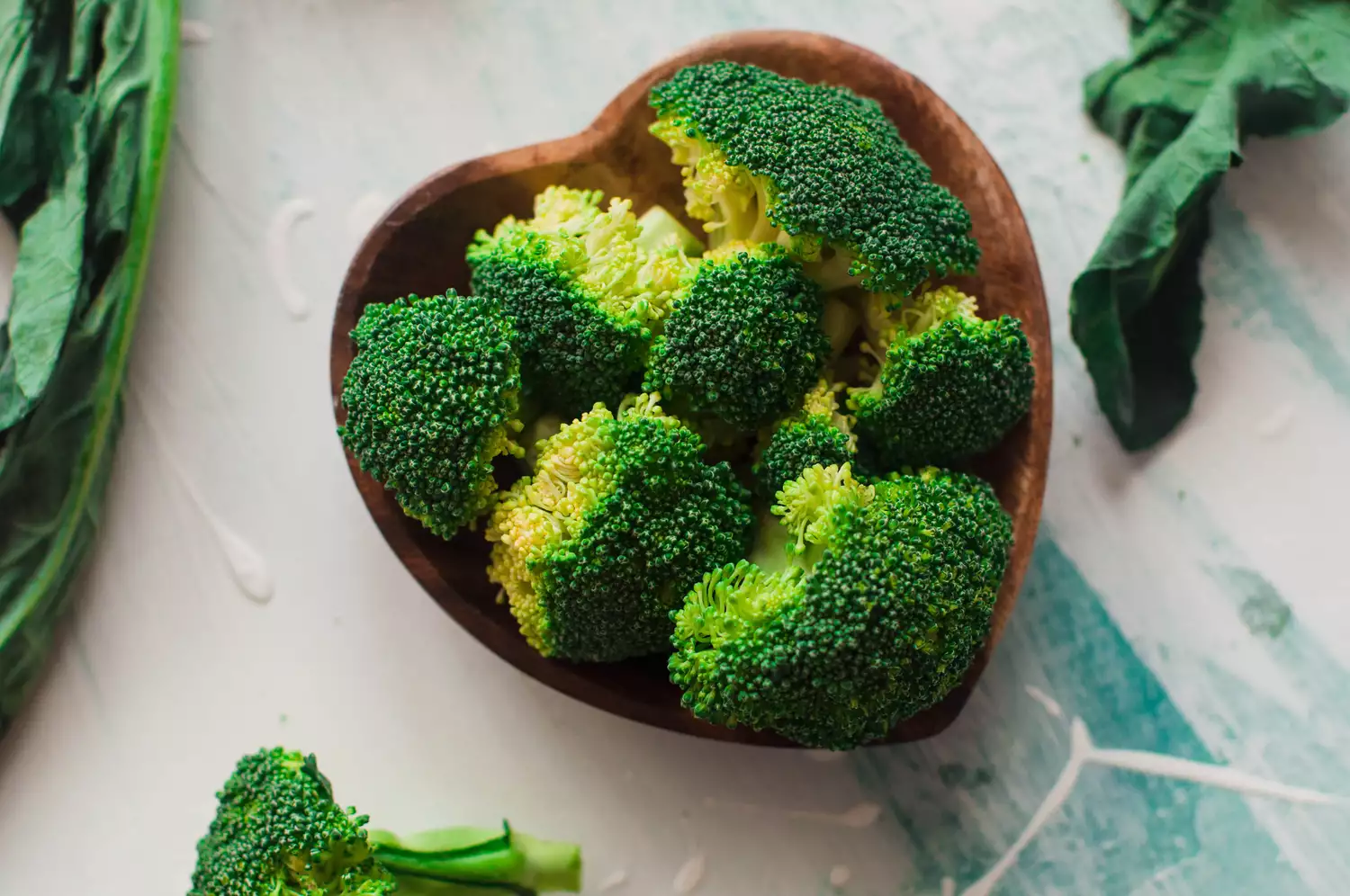
Dogs usually aren’t as picky as kids when it comes to eating their greens, so why not see if broccoli is something they enjoy? You can serve it raw or cooked so long as you skip any seasoning, or simply give some frozen broccoli as a quick and easy snack.
Be aware that there is a risk associated with this cruciferous veggie as it contains compounds called isothiocyanates. These can cause gastric irritation in some dogs when too much is fed, ranging from mild to severe. Moderation is definitely the key when it comes to offering broccoli.
Benefits:
Broccoli is low in fat, which makes it an excellent treat for dogs who need to lose a few pounds
This green vegetable is rich in vitamin K, which improves bone strength and density
05 of 11
Celery
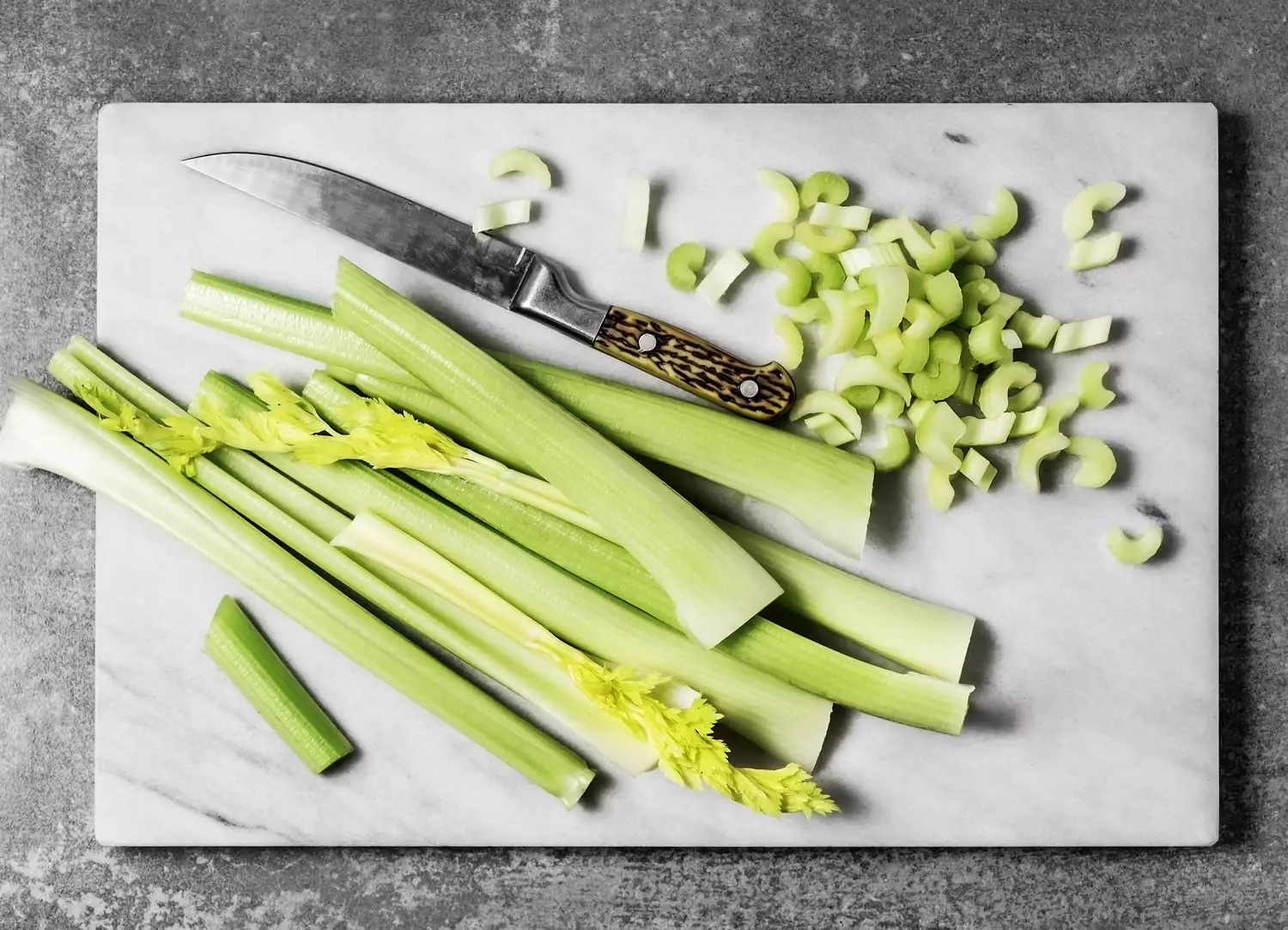
Cooked or raw, celery is a safe choice for dogs, many of whom really enjoy its super crunchy texture. For an extra-special treat, smear a little bit of unsalted peanut butter onto the celery stalk before offering it to your pooch. Do keep in mind though that not all dogs tolerate celery well, so you'll want to avoid it if your dog develops stomach issues or urinary changes after eating.
Benefits:
Celery can provide a boost to your dog’s dental health, supporting healthy teeth and gums and possibly even freshening their breath
Its high water content makes celery super low in calories without detracting from their nutritional density
06 of 11
Green Beans
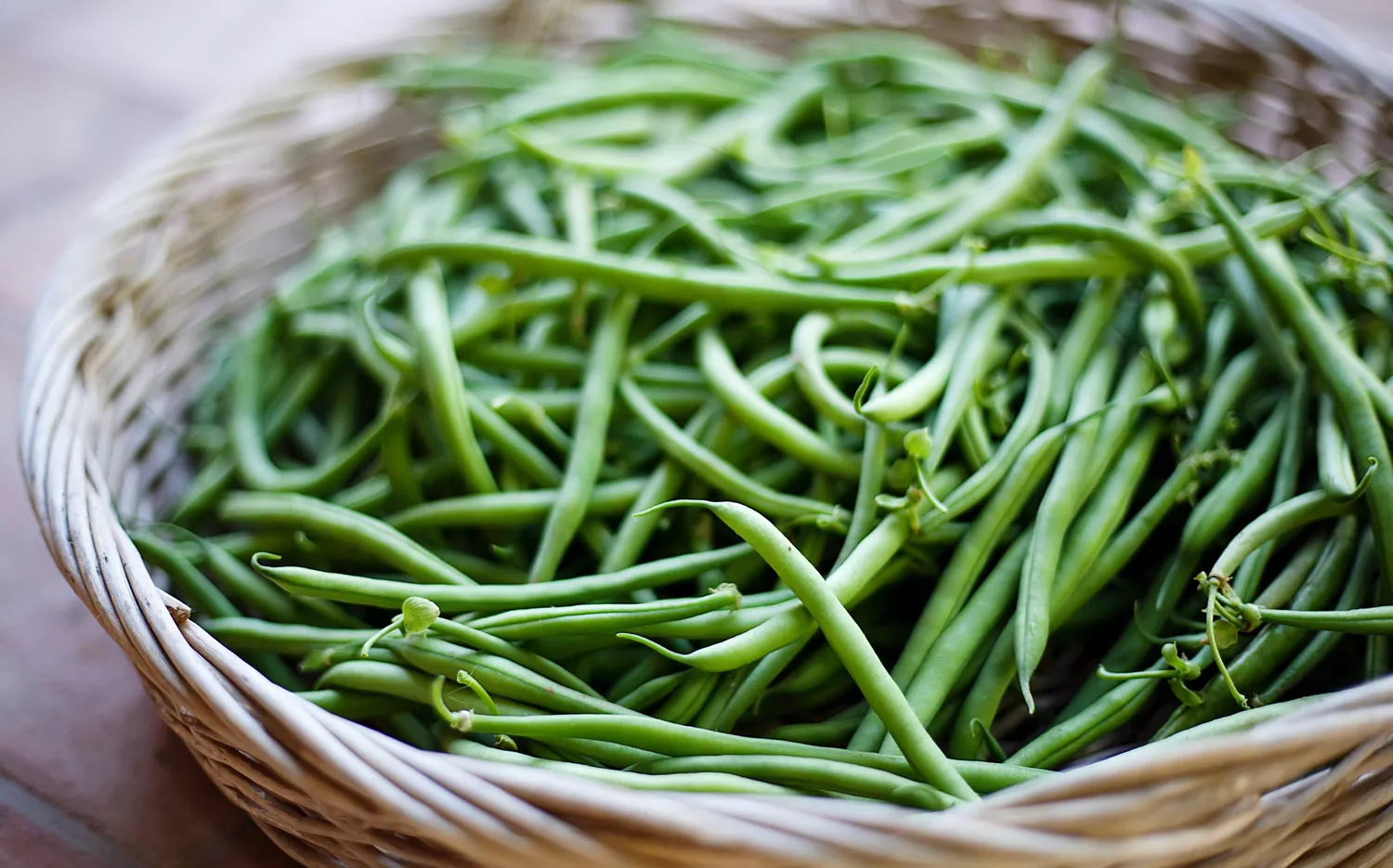
The natural sweetness of green beans makes them a palatable choice, while their many nutrients (protein, iron, calcium, and vitamins B6, A, C, and K, to name a few) make them a healthy occasional treat option. If your dog is overweight—far too many are—you can reduce calories by replacing some of your dog's kibble with unsalted green beans, whether canned or frozen. Your pooch will enjoy his meal just as much without realizing that it's helping him slim down and improve health.
Benefits:
The iron in green beans helps promote the production of red blood cells
Green beans can help your dog feel full without loading on fat and calories, which is a big bonus if your pup needs to lose some pounds
07 of 11
Cucumber
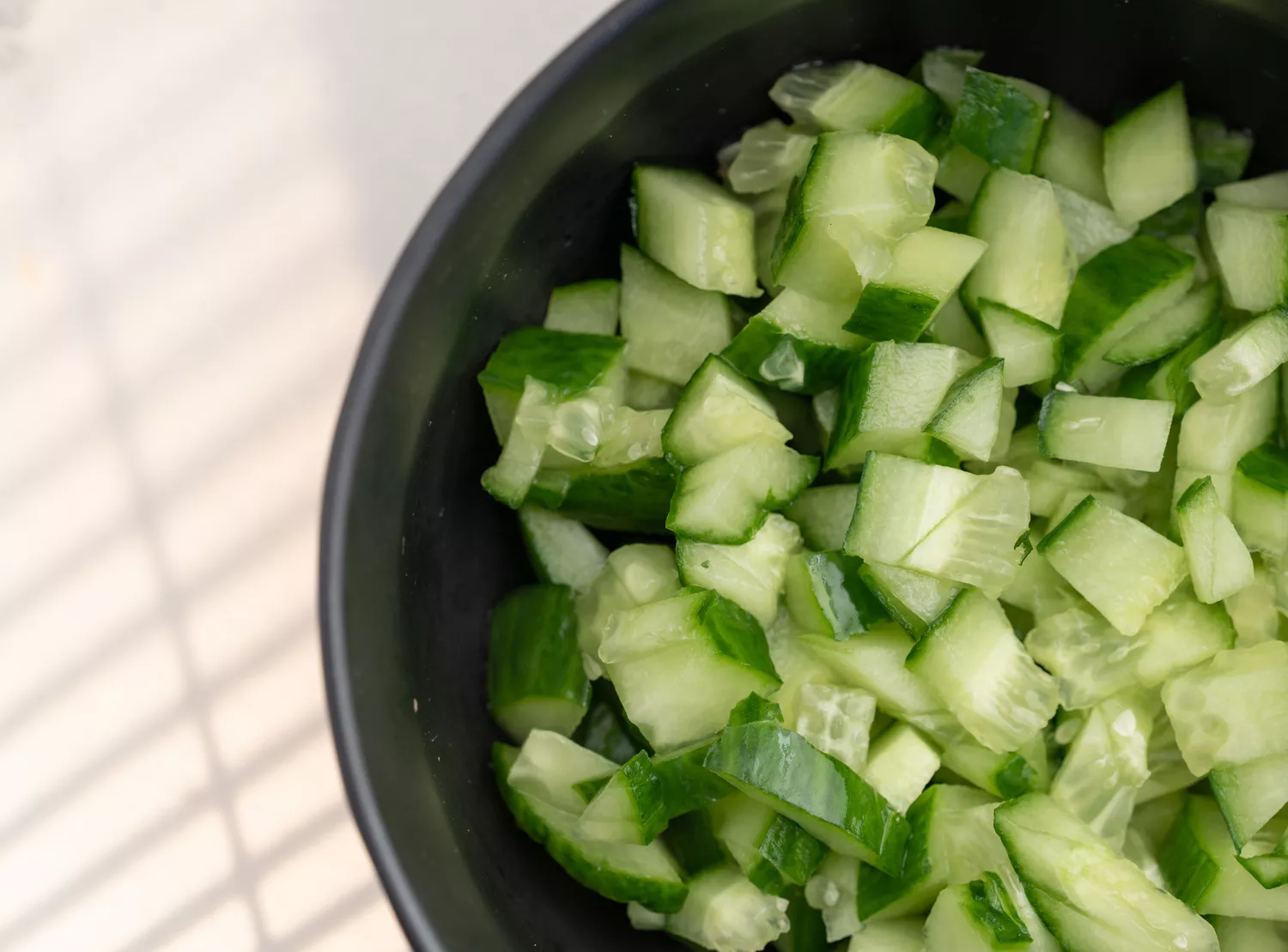
For something that’s so high in water content, cucumbers sure do pull their weight when it comes to nutritional value. And they’re an especially useful treat if you live in a hot climate, offering a quick dose of hydrating refreshment on a balmy day. Cut the cucumber into slices or small chunks before offering it to your dog to reduce the risk of choking.
Benefits:
Cucumbers contain phytochemicals that may be able to fight against bad breath
Cucumbers make an excellent snack for dogs who need to avoid excess calories, fat, or sugar.
08 of 11
Cauliflower
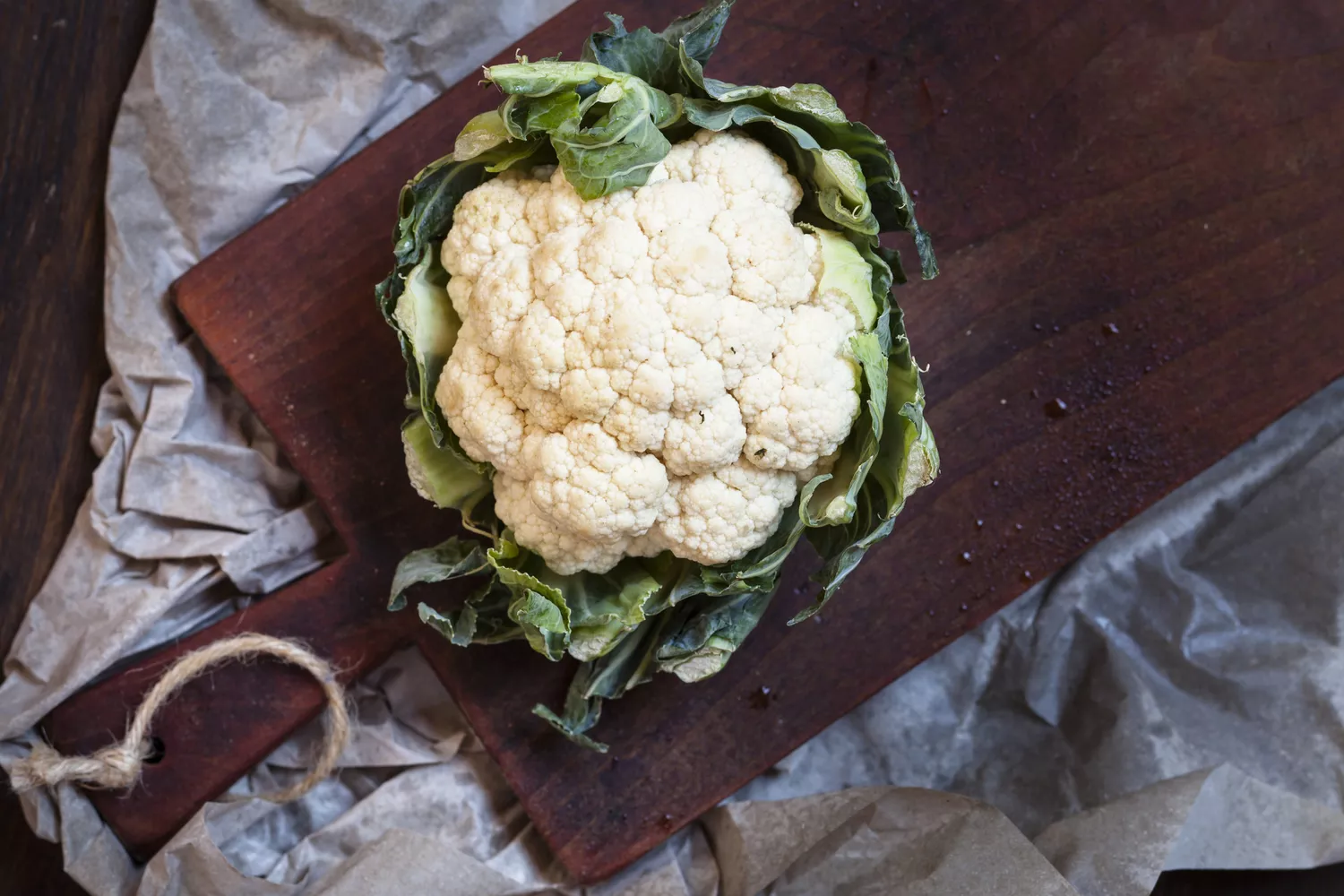
Cauliflower has been having its moment, but it’s not just us bipeds that can benefit from it. Dogs can safely eat cauliflower in many preparations—including raw, steamed, roasted, and riced.
Benefits:
Has a low calorie count, so may be a good choice for dogs in need of low-calorie treats for weight loss, especially dogs who suffer from joint pain
Chockful of fiber to promote healthy gut activities
09 of 11
Brussels Sprouts
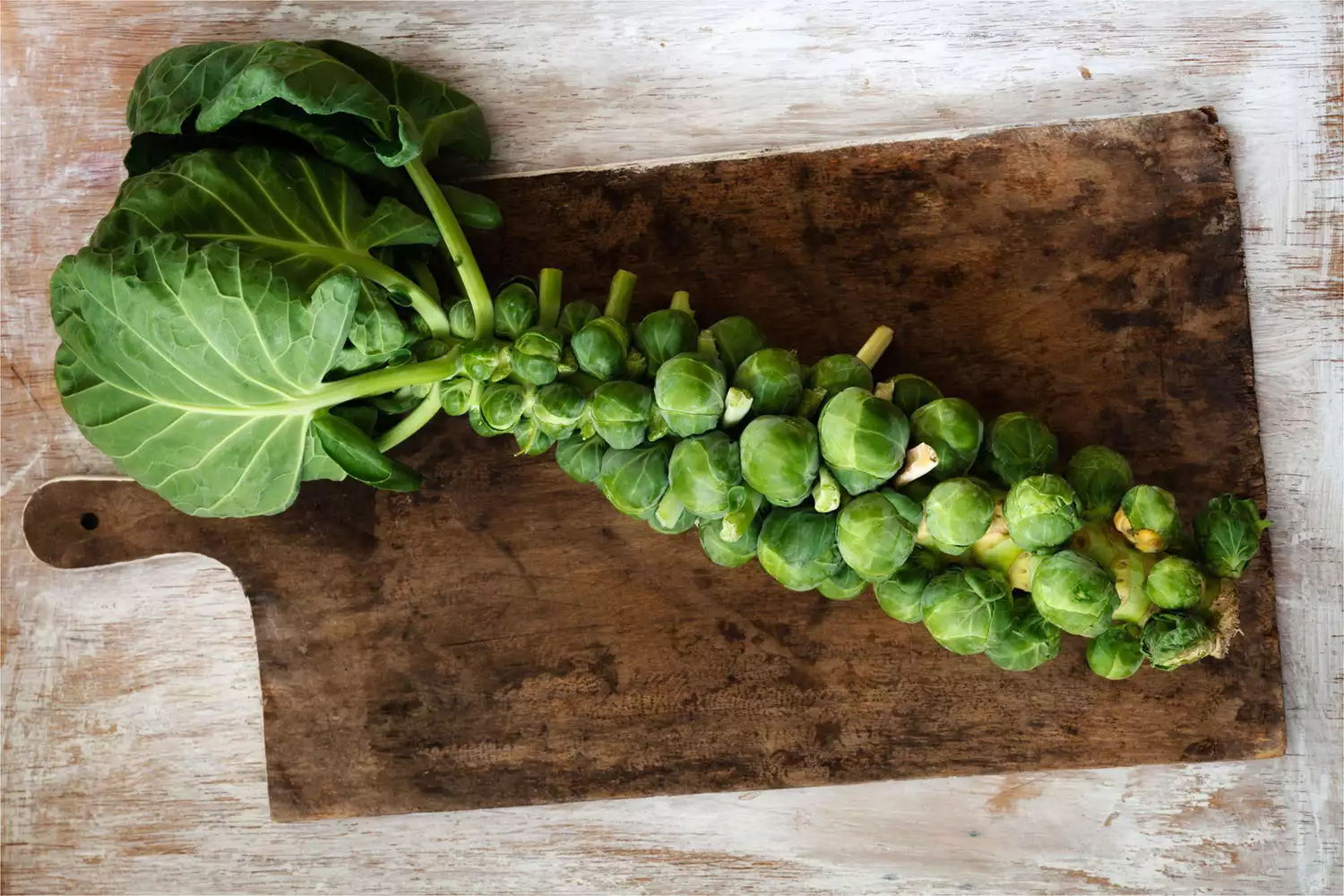
Brussels sprouts seem to divide people into two camps: Those who love them and those who hate them. It's no different for dogs, but if your pooch enjoys this healthy cruciferous vegetable, it's fine to serve a small helping of steamed or boiled Brussels sprouts. Not too much though; like other cruciferous vegetables, Brussels sprouts tends to cause gas in large amounts.
Benefits:
They're loaded with antioxidants and vitamins
Vitamin K helps with blood clotting and heart health
Brussels sprouts have lots of fiber
10 of 11
Lettuce
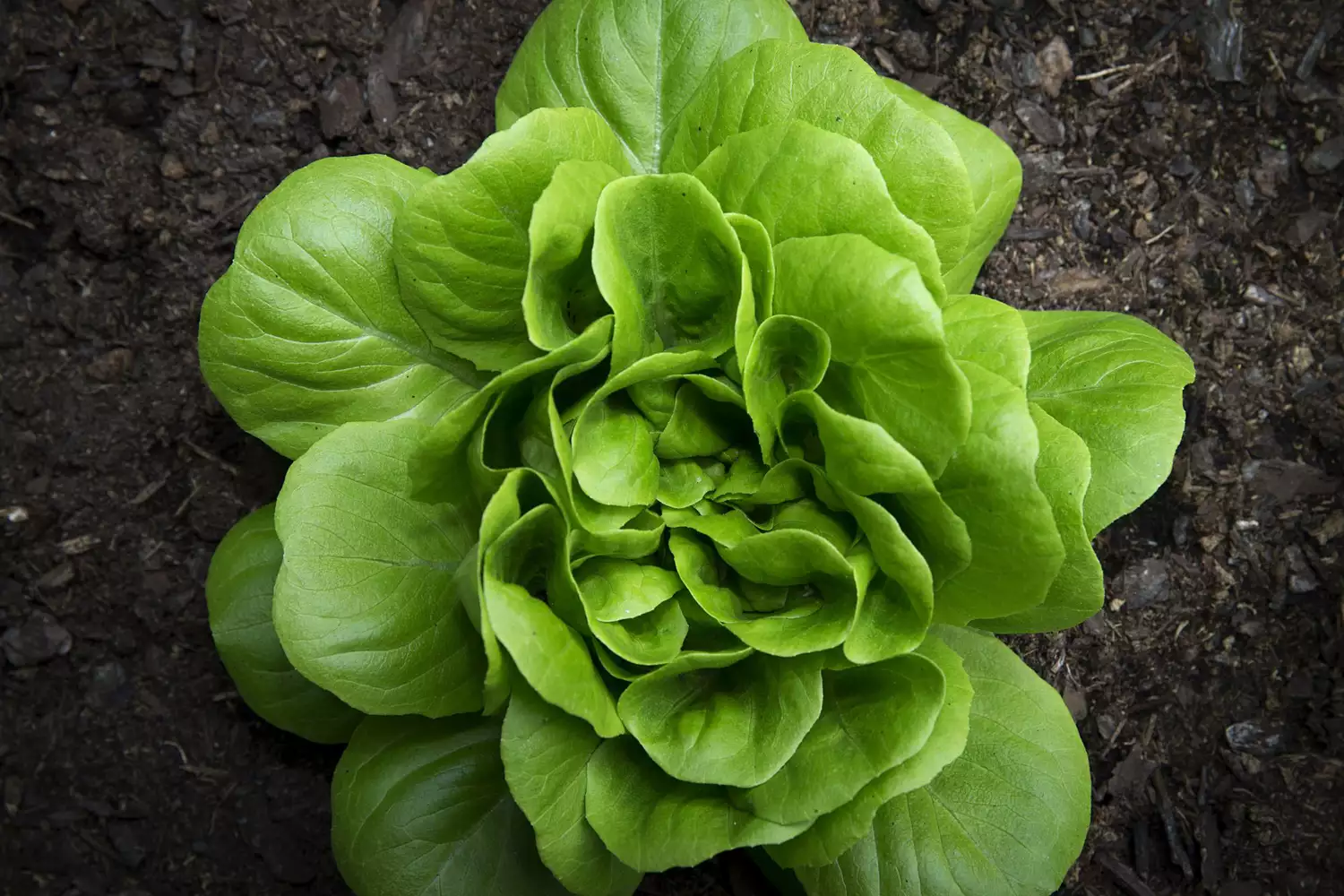
Your dog isn't likely to want salad, but if your pooch enjoys an occasional piece of lettuce, it's fine to give it to him, just as long as the vegetable isn't slathered with salad dressing or other non-healthy ingredients. Tear the lettuce leaf into pieces for a small dog to prevent choking.
Benefits:
While lettuce isn't high in nutrients, it does contain beta-carotene and some other vitamins
Lettuce is a good source of fiber
11 of 11
Beets
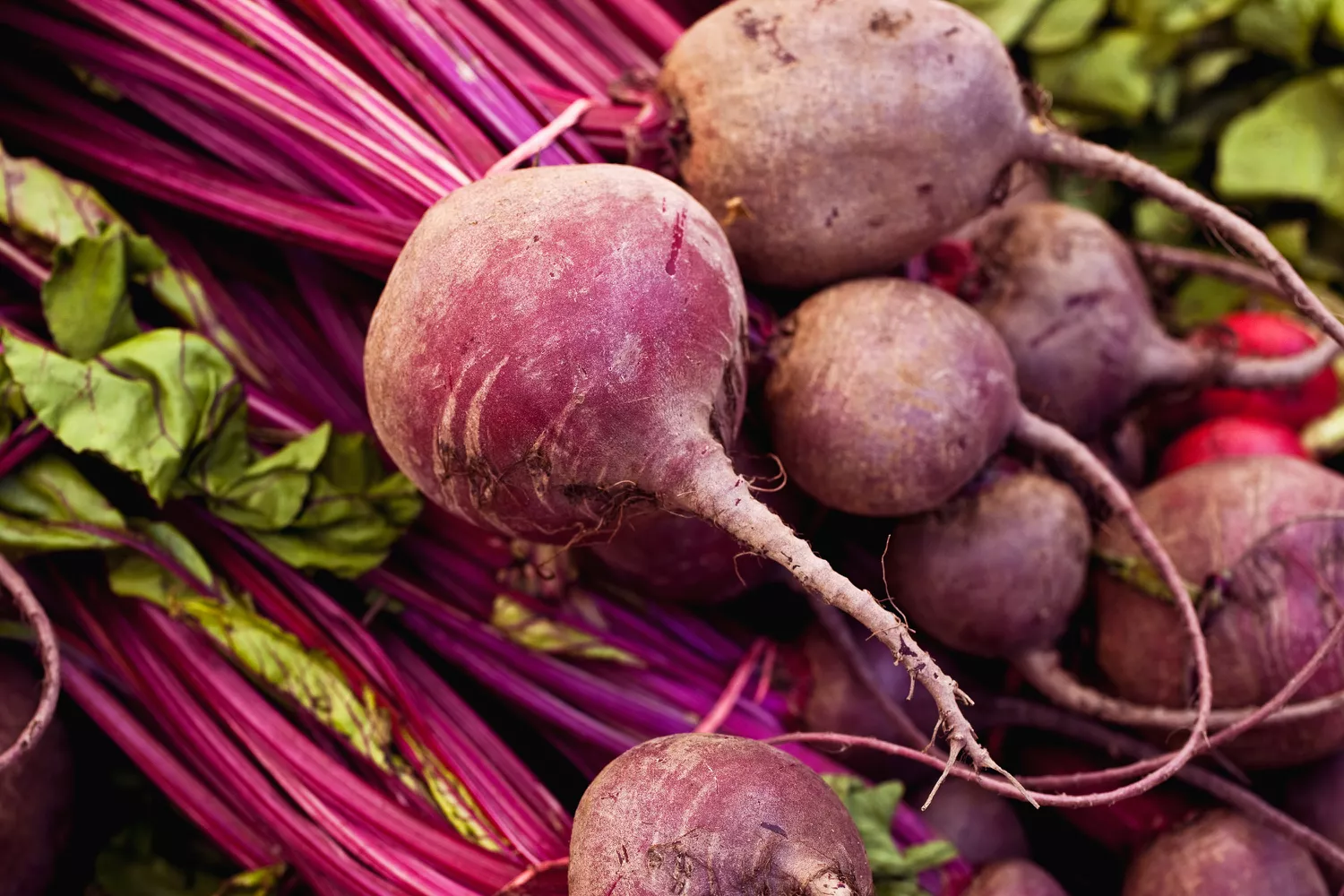
If they enjoy the red veggie, your dog can have occasional small helpings of beets, either cooked or raw (but wash and peel a raw beet before feeding it to your pooch.) Mash the beets or offer them in small chunks. Stay away from canned beets, however, unless you find a brand without any added salt or other ingredients. Be aware that beets can turn your dog's urine red for a few hours after consumption, but this is not harmful.
Benefits:
Beets are loaded with vitamins and minerals, including vitamin C, potassium, folate, and magnesium
Beets are a good source of fiber
Not all vegetables are safe for dogs. To ensure their safety, avoid feeding your dog the following vegetables, which are toxic to canines:
Onions
Garlic
Leeks
Scallions
Kale
Wild-picked mushrooms
Raw potatoes
Always do a quick bit of research to make sure that a vegetable is okay for your dog to eat before feeding it to them.



