25 Popular English Dog Breeds That Leave Us Absolutely Chuffed
Many popular dog breeds have their origins in the United Kingdom—specifically English dog breeds. Bulldogs, beagles, and golden retrievers are just three out of the many English dogs that are favorite pets.
Several English dog breeds were developed for specific working skills, including hunting, retrieving, and pest control. These breeds vary considerably in shape and size due to their specialized breeding for different tasks. Their personalities also differ widely, with some being naturally energetic and athletic, while others are known for being more laid-back.
Here are 25 popular dog breeds that have English roots.
01 of 25
Bulldog
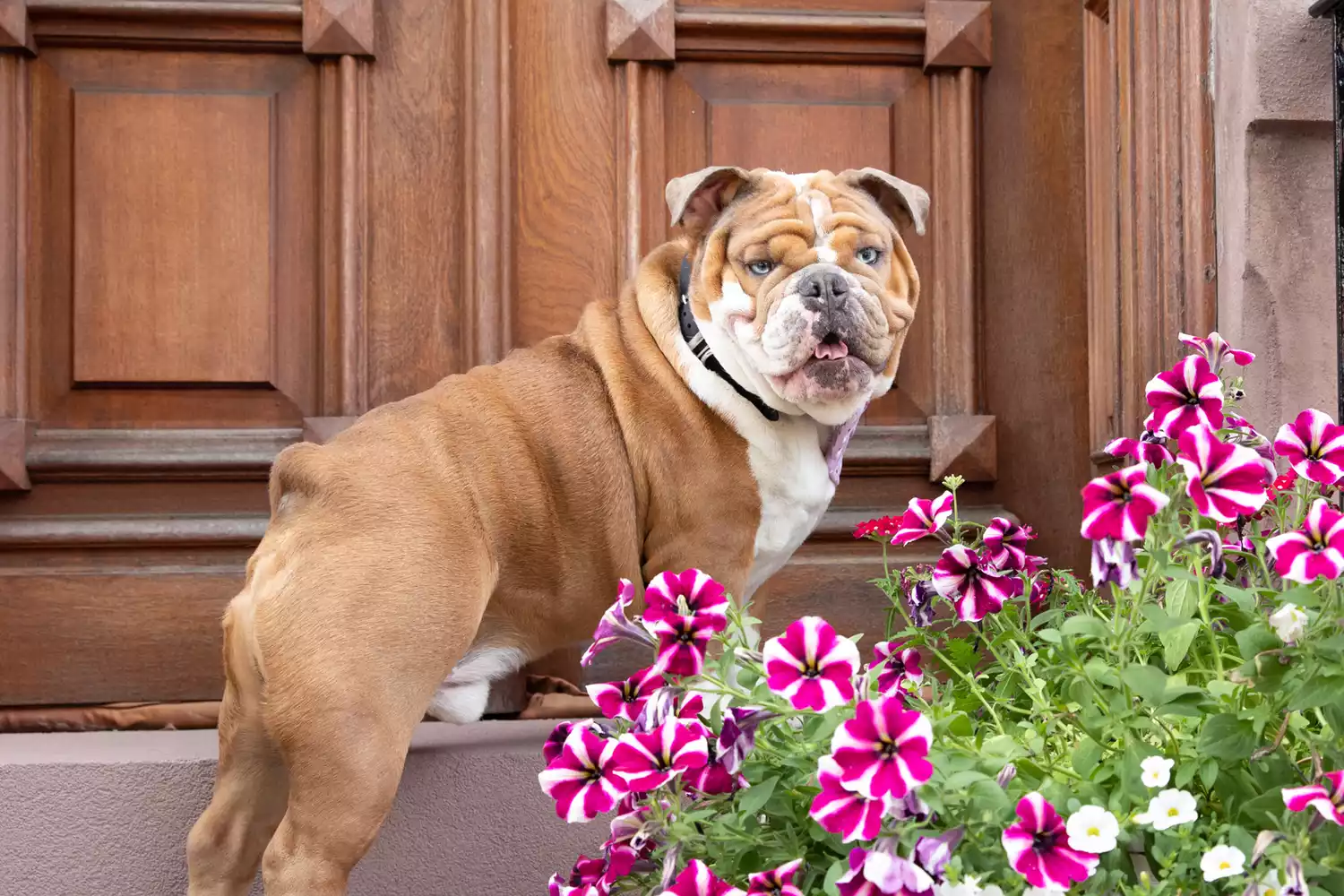
Bulldogs can be traced back all the way to the 13th century in England. Thanks to their powerful physique, they were used for the blood sport of bullbaiting—in which a pack of dogs would fight a staked bull. Once this sport was banned in the 1800s, bulldogs were used for illegal dog fighting.
The breed also was crossed with other terriers. Breeders have since refined the dog’s appearance, making them squatter with a flatter face and more wrinkles than their ancestors.
Breed Overview
02 of 25
Beagle
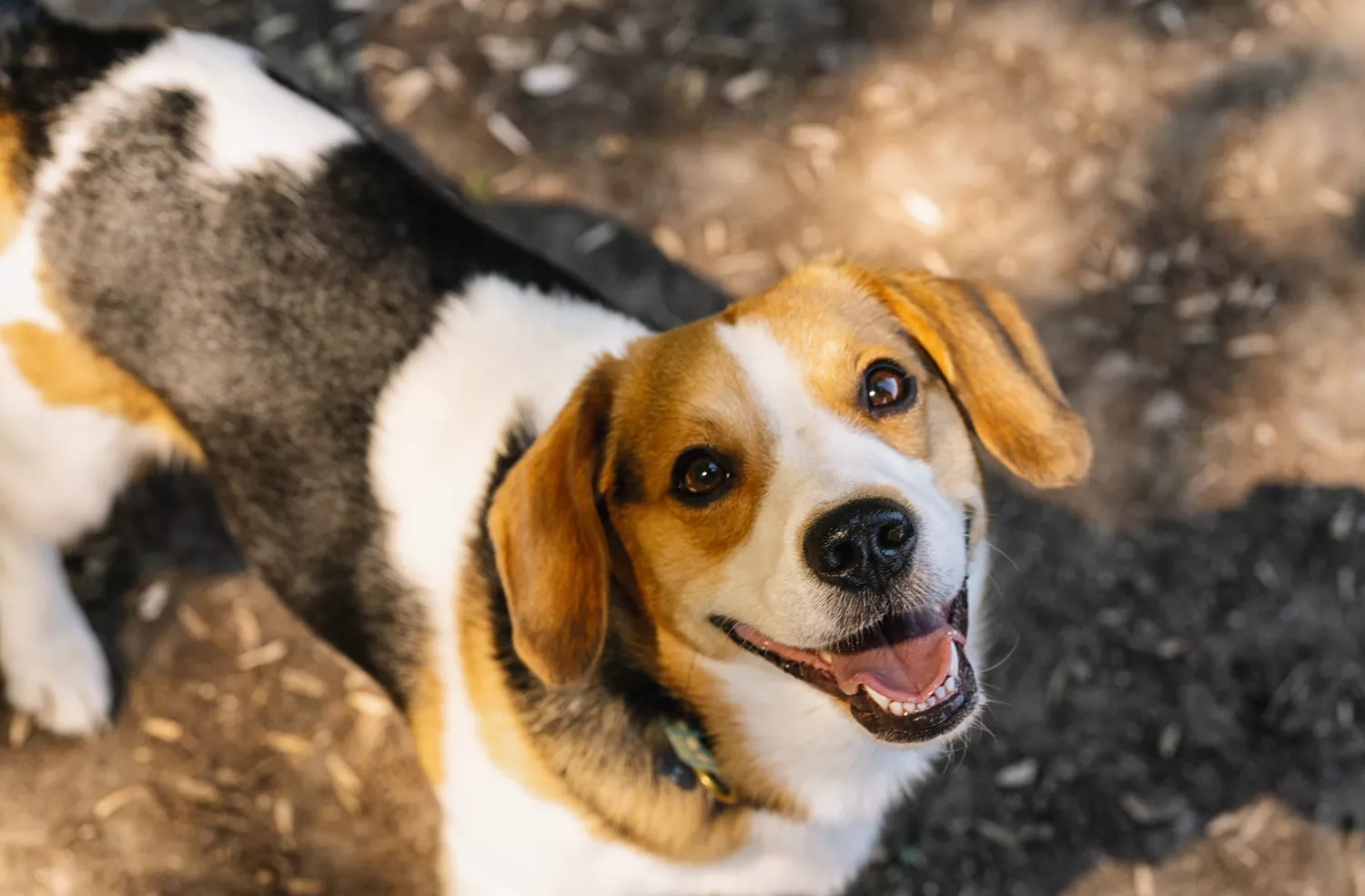
In the 1500s, English hunters had both large hounds for deer and small hounds for rabbits. Beagles descended from those small hounds. And by the 1800s these small hounds were being bred not only for their hunting prowess but also their desirable friendly appearance.
English breeders preferred a larger variety to hunt foxes while Americans developed a slightly smaller beagle to hunt rabbits. There are still two size varieties recognized today.
Breed Overview
03 of 25
Yorkshire Terrier
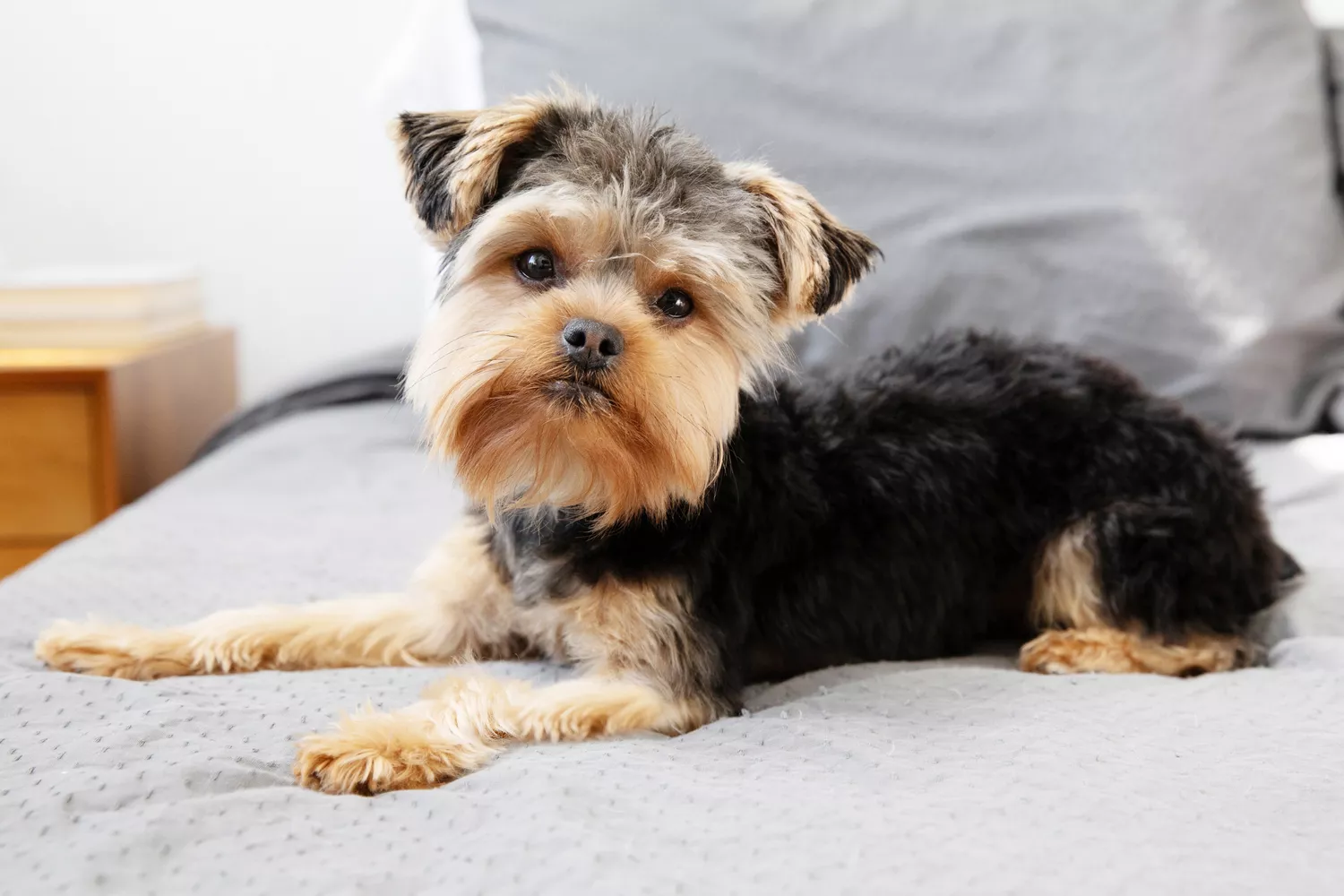
The Yorkshire terrier has roots in the English counties Yorkshire and Lancashire, dating back to the 1800s. This breed is thought to be a mix of some terrier breeds from Scotland, including the Skye and Dandie Dinmont. It also might have some Maltese in it.
Early Yorkies were used as rodent exterminators, especially in textile mills and coal mines. But they quickly won the hearts of the elite as well, becoming desirable lapdogs.
Breed Overview
04 of 25
Cavalier King Charles Spaniel
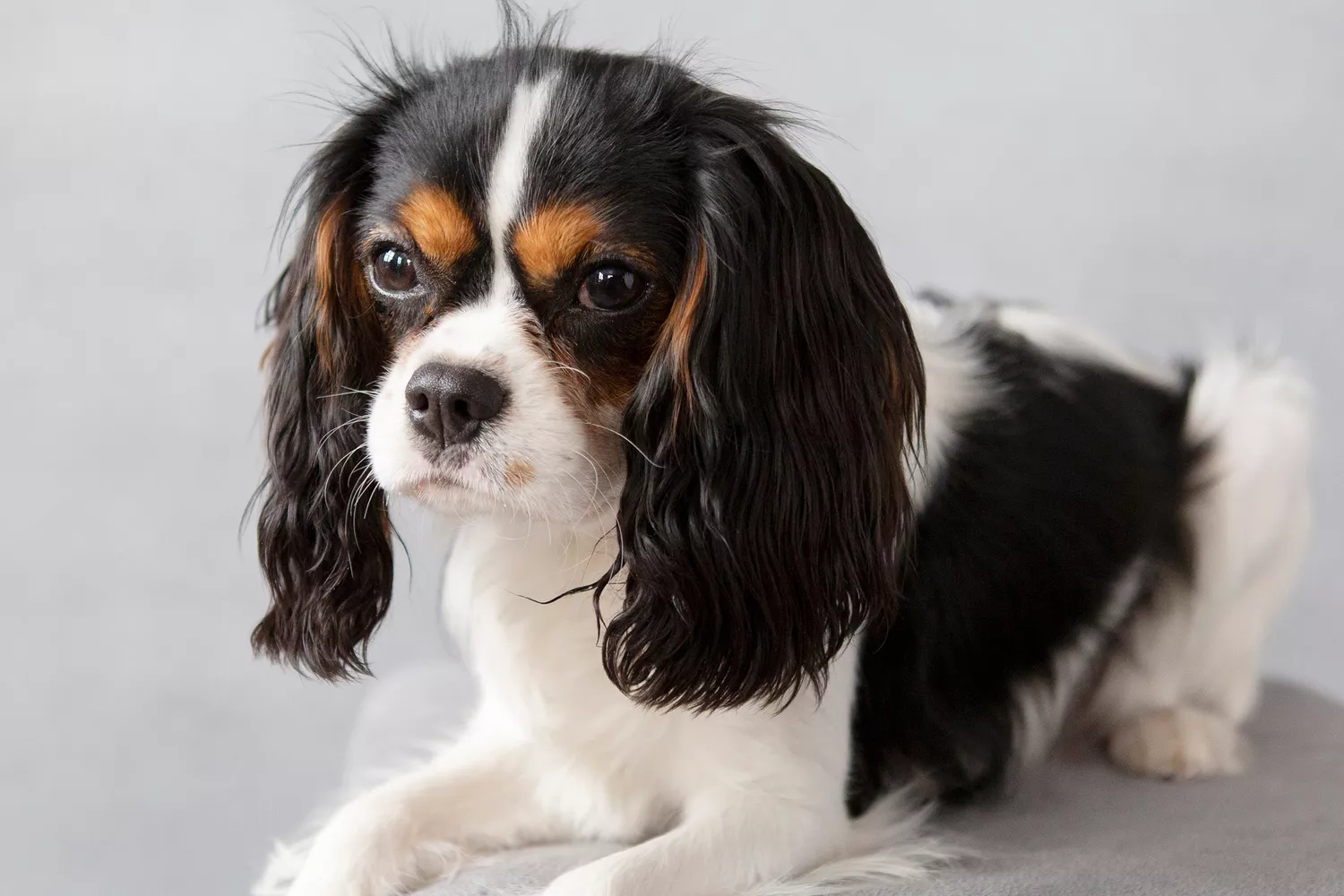
In the 17th century, King Charles I and Charles II both were fond of a small type of spaniel with a black-and-tan coat. This spaniel remained popular with British aristocrats into the 19th century when they were crossed with small Asian dog breeds, giving them a flatter face and domed skull.
Then, in the 1920s, breeders attempted to recreate the original version of the little spaniel based on old portraits of the dogs in English manors, resulting in the Cavalier.
Breed Overview
05 of 25
English Springer Spaniel
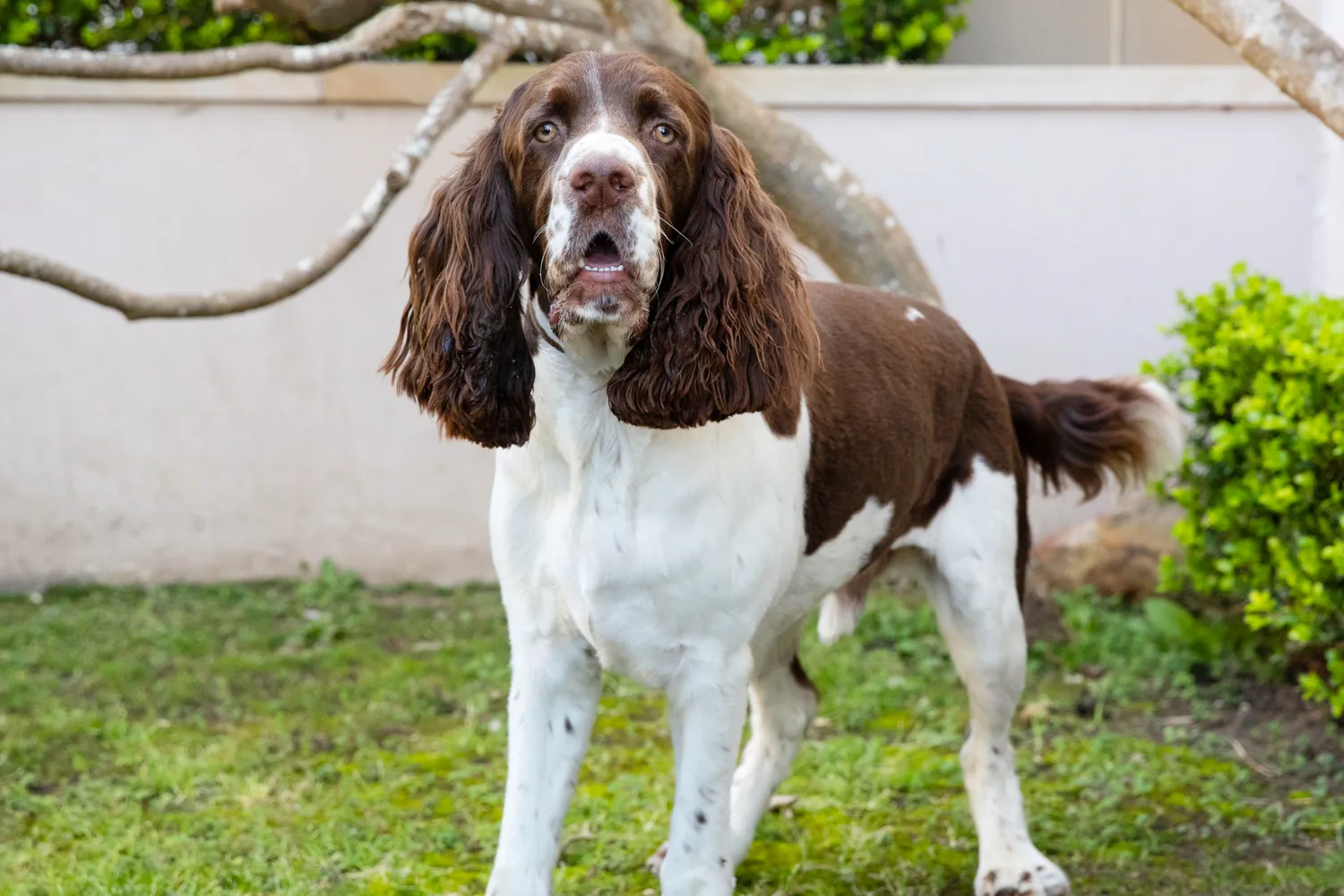
For centuries in England, both “cocker” and “springer” spaniels (early versions of today’s spaniel breeds) could be born in the same litter. The springers were larger dogs, used to flush or “spring” birds and other game from their hiding spots for hunters.
In the 1800s, breed standards developed for several spaniel types, and by 1902 the English springer spaniel was officially recognized in England. Today's breed still retains that exceptional hunting ability.
Breed Overview
06 of 25
Bullmastiff
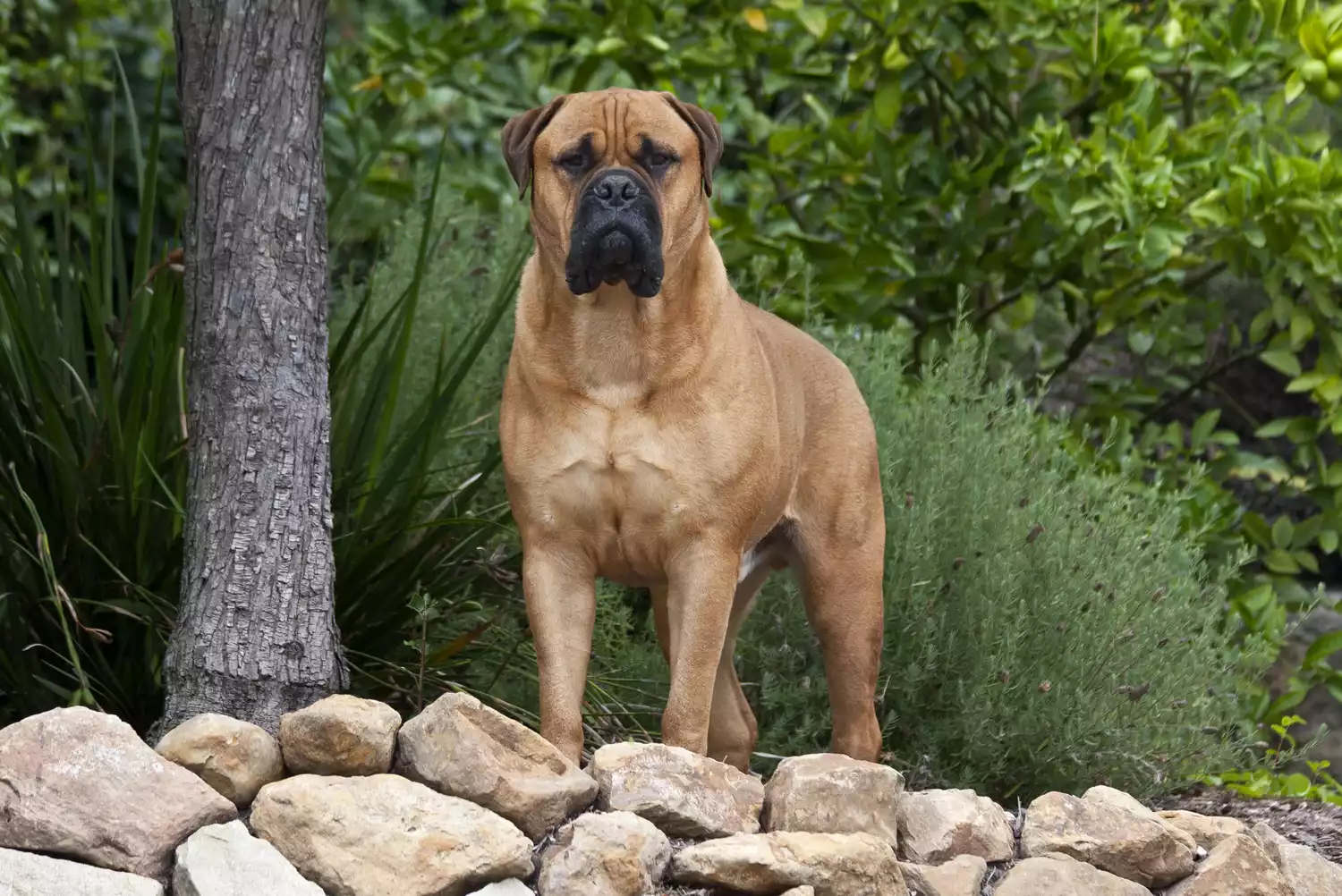
The bullmastiff is another one of today’s popular English dog breeds with an interesting history. In the 1800s, poachers were targeting the country estates of English aristocrats. In response, a huge, athletic, and courageous dog was developed that could catch and pin down any invading poacher.
This dog was a mix of bulldogs and mastiffs—hence the name bullmastiff. They were large enough to be intimidating yet smart and loyal enough to follow commands. Bullmastiffs today still can be skeptical of strangers.
Breed Overview
07 of 25
English Cocker Spaniel
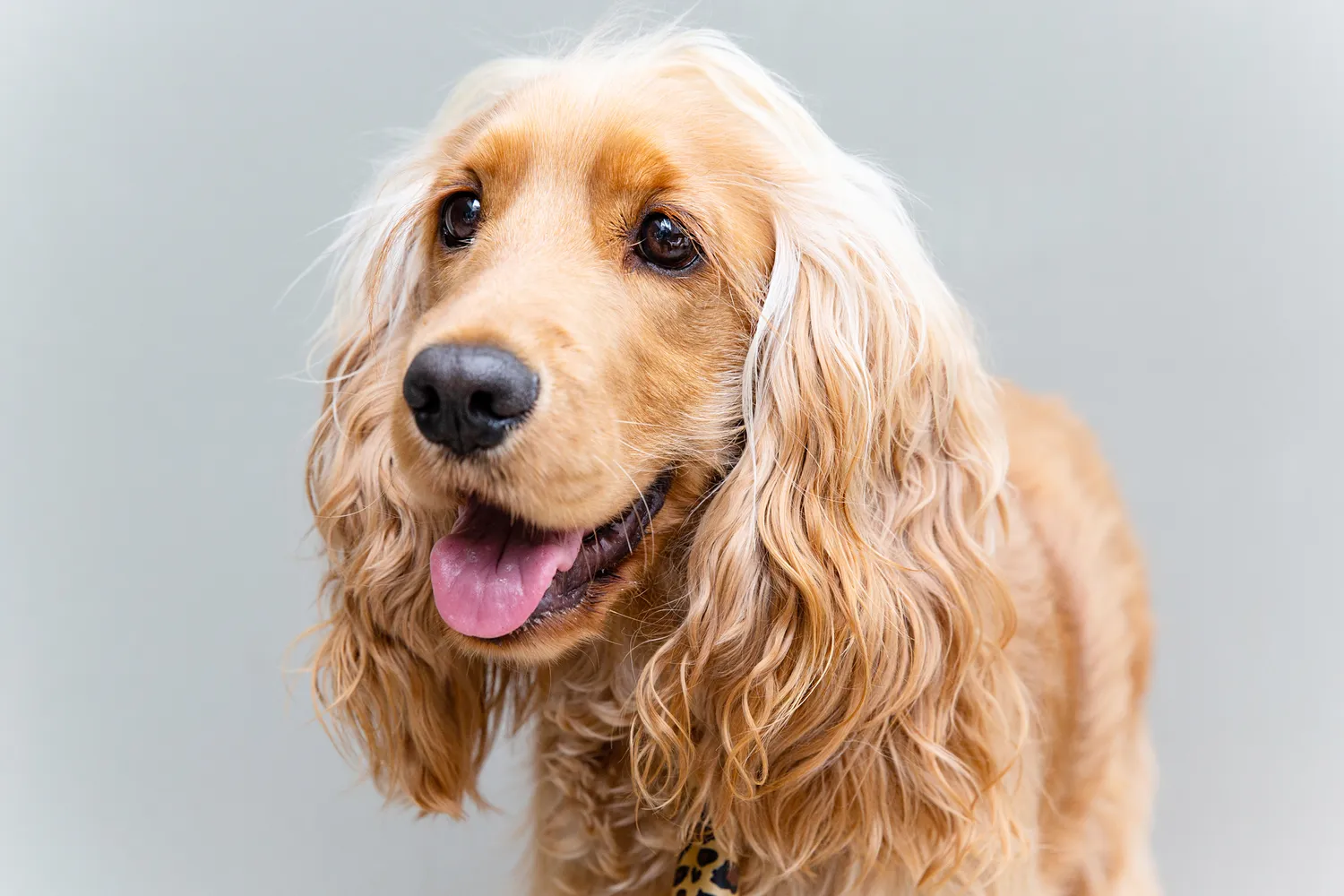
The earliest English cocker spaniels were born into the same litters as the larger springer spaniels. This smaller type specialized in hunting woodcock, hence the name.
As spaniel breeds became solidified in the 19th century, the breed standard developed for the English cocker. Then, in the early 20th century, American breeders developed an even smaller cocker spaniel with a smaller head and more prominently domed skull.
Breed Overview
08 of 25
Airedale Terrier
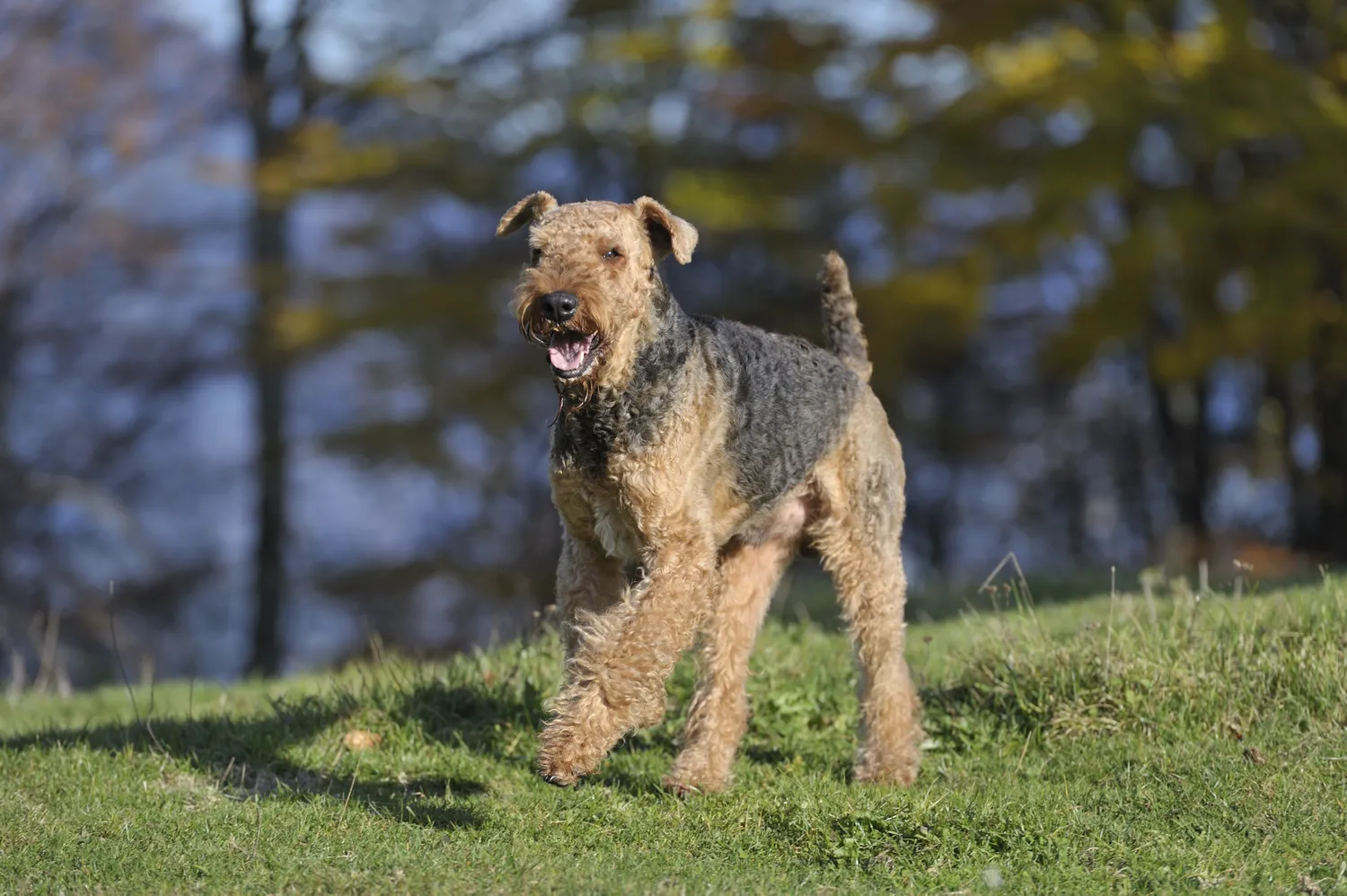
Airedale terriers can trace their roots to Aire Valley in Northern England. In the 1800s, factory and mill workers bred these large terriers to be smart, tough, and fearless hunting dogs.
The otterhound, multiple terrier types, and potentially setters, retrievers, and herders all went into the Airedale’s makeup. This created a versatile dog that was good with game on land and in water.
Breed Overview
09 of 25
Whippet
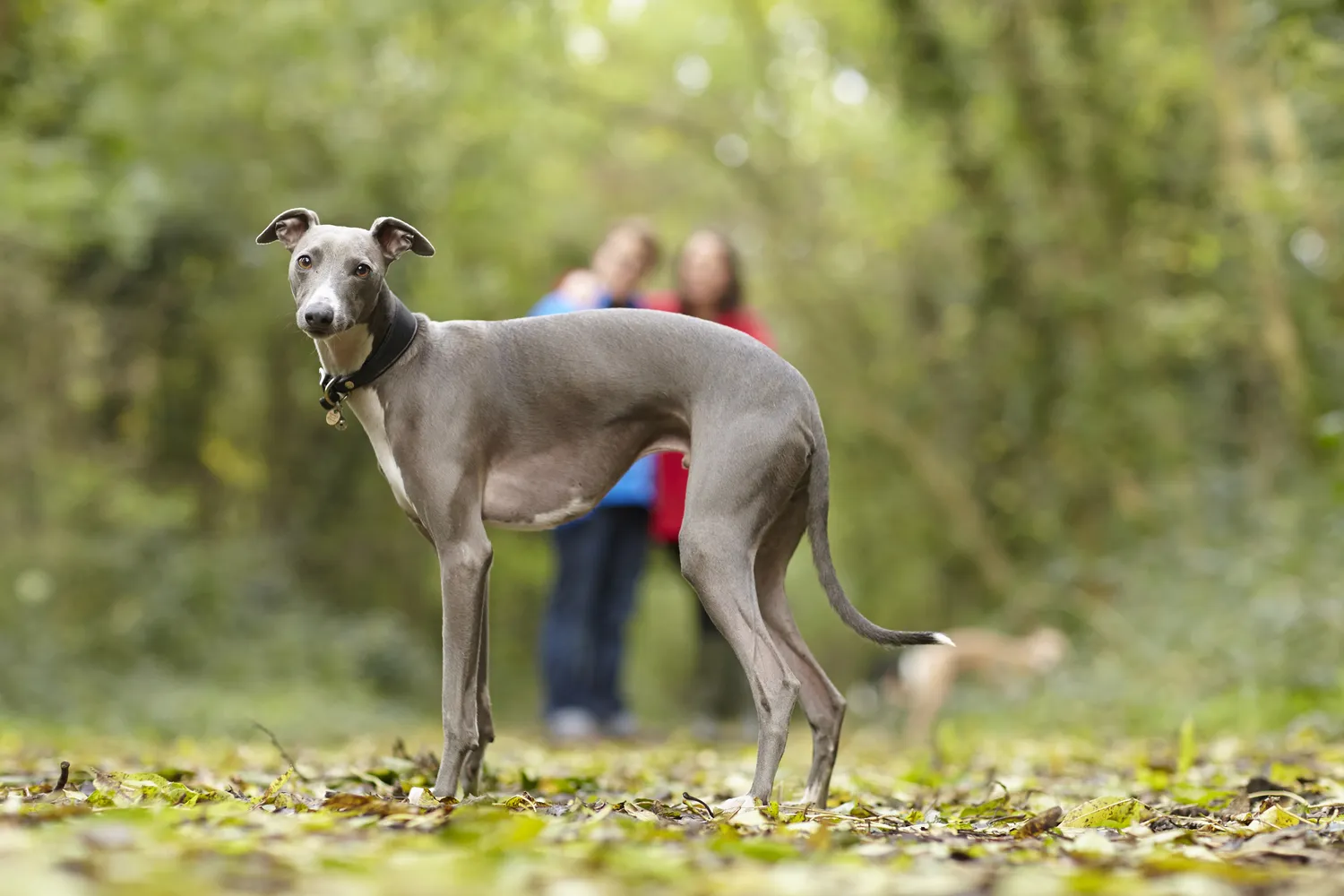
During the 1800s, coal miners in England wanted to take part in hunting and dog racing. However, they couldn’t afford to keep large dogs like the greyhound. So they bred a smaller dog that was just as good of an athlete and hunter.
It’s likely they crossed greyhounds with small but fast terriers, resulting in the swift little whippet. The modern version is still lightning fast and has a strong prey drive, and is one of the many beloved English dog breeds.
Breed Overview
10 of 25
Bull Terrier
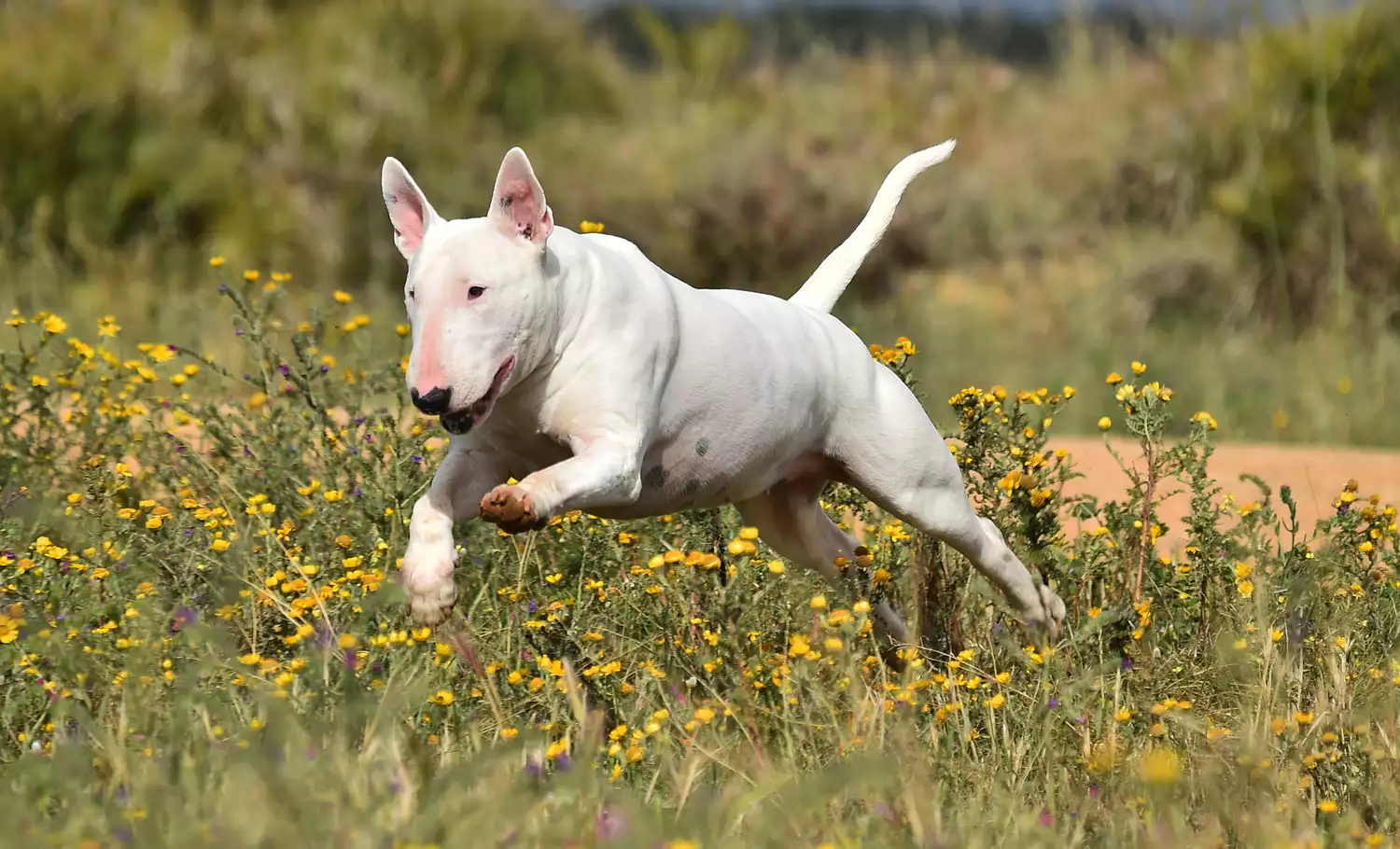
Bull terriers share the same ancestors as today’s bulldogs. In the 1800s, bulldogs were being crossed with terrier breeds to create strong and spirited fighters (with the terriers providing their fiery demeanor).
The bull terrier arose from these crosses and was used in illegal dog fighting. However, this English dog breed also became a popular companion animal, leading breeders to soften the dog's looks and sweeten their temperament.
Breed Overview
11 of 25
Golden Retriever
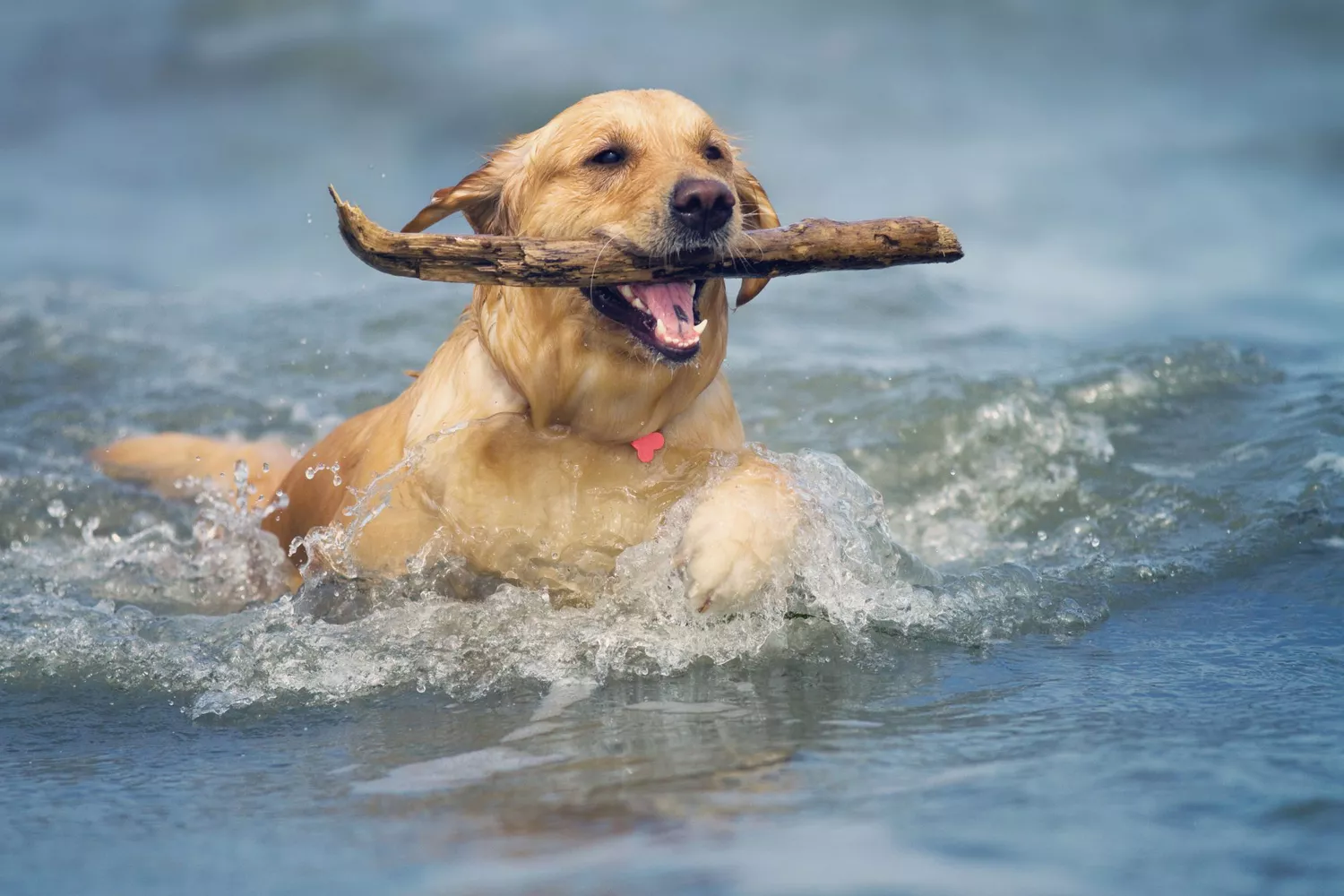
One of the most popular dogs in the United States, the golden retriever is actually an English dog breed. This dog was bred in England during the 1800s to serve as a hunting dog used to retrieve birds and other game.
Today, these friendly, lovable, and smart dogs are most likely to retrieve a well-worn tennis ball, as they excel at fetch. Goldens make wonderful family dogs and they are quite protective of their humans.
Breed Overview
12 of 25
Old English Sheepdog
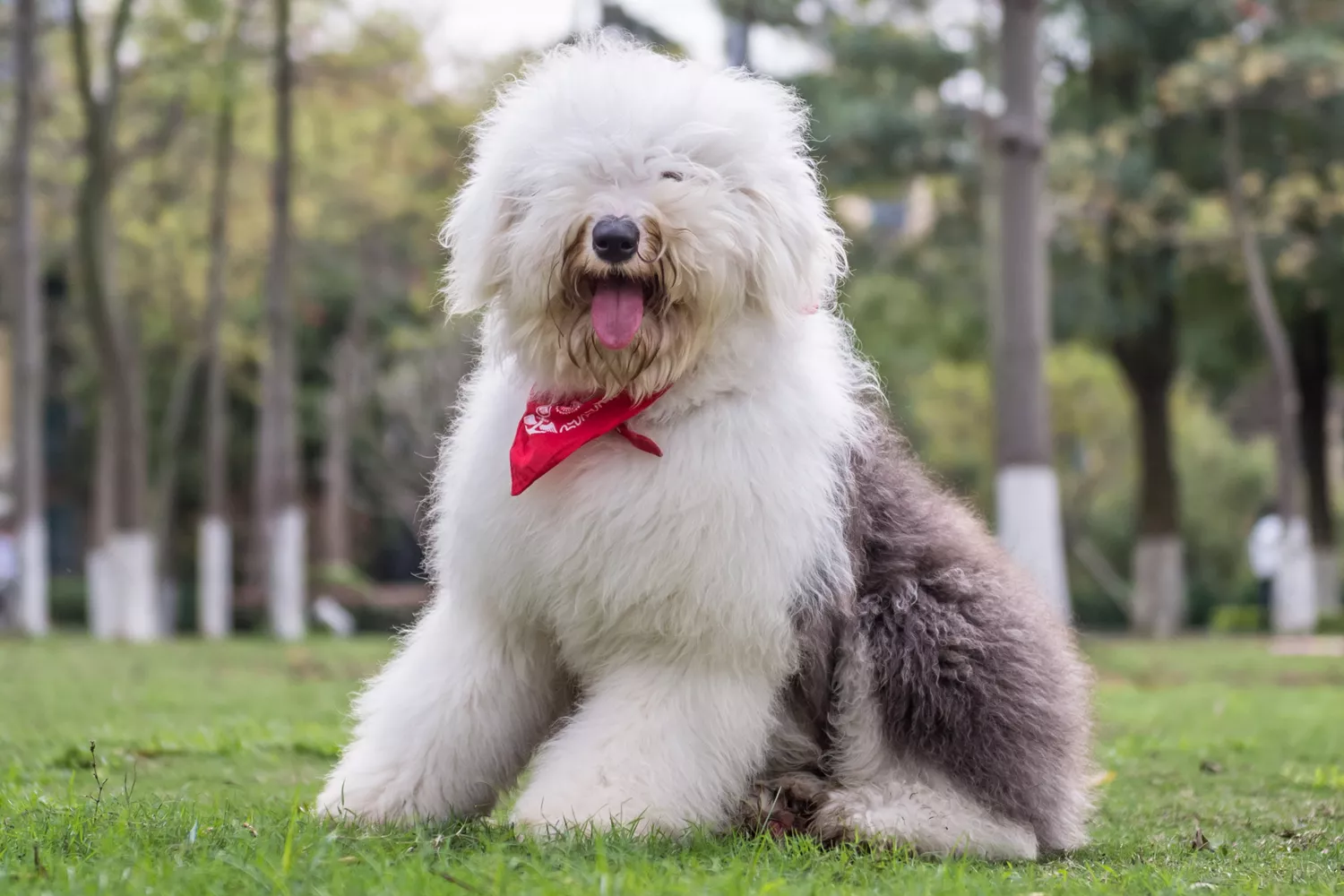
Yet another English dog breed is the Old English sheepdog. These famously shaggy dogs were originally bred centuries ago to drive sheep and cattle to market, and were even occasionally used to pull carts.
Old English sheepdogs are sturdy, muscular dogs that also make fine guard dogs and are affectionate, loyal family pets. They requite significant daily exercise and daily grooming, however, so can be considered a high-maintenance breed.
Breed Overview
13 of 25
Border Collie
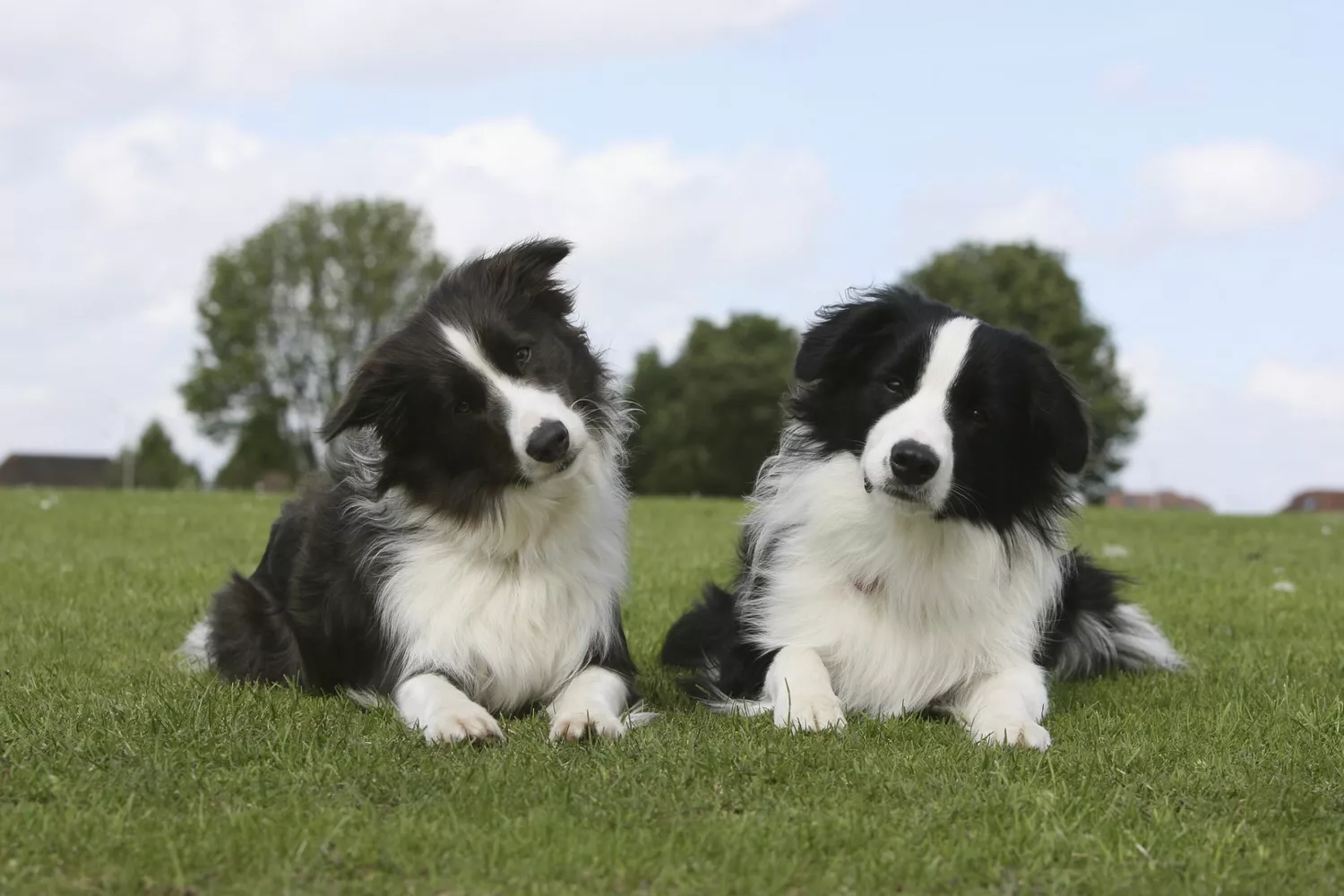
Considered to be one of the most intelligent of dog breeds, the border collie was developed along the border of England and Scotland for use in herding sheep. Their ancestry likely dates back centuries to dogs brought to Great Britain by the Romans.
Today, they are a very high-energy, super-smart, and affectionate breed that requires significant exercise every day, along with plenty of daily training, playtime, and interactions with their humans.
Breed Overview
14 of 25
Greyhound
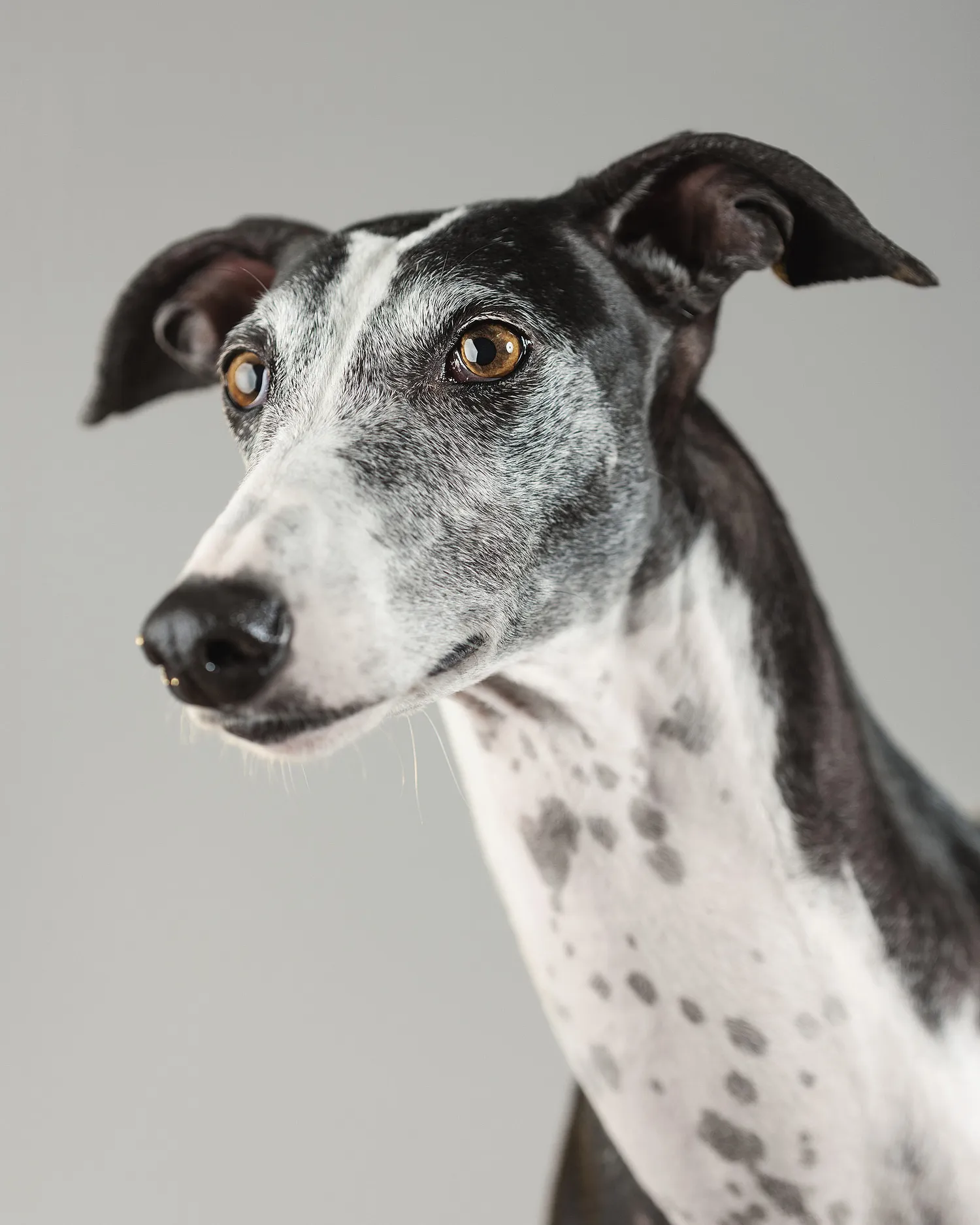
The ancestry of the greyhound dates back to ancient Egypt, but it was in medieval England that the breed was developed into the speedy racer we know today. The fastest breed of dog, greyhounds can run at over 40 mph.
Their speed made them ideal for use as hunting dogs that pursued rabbits and other fast-running prey, but also for use as racing dogs. Today, they are mostly valued as gentle, loyal, and affectionate family pets.
Breed Overview
15 of 25
Jack Russell Terrier
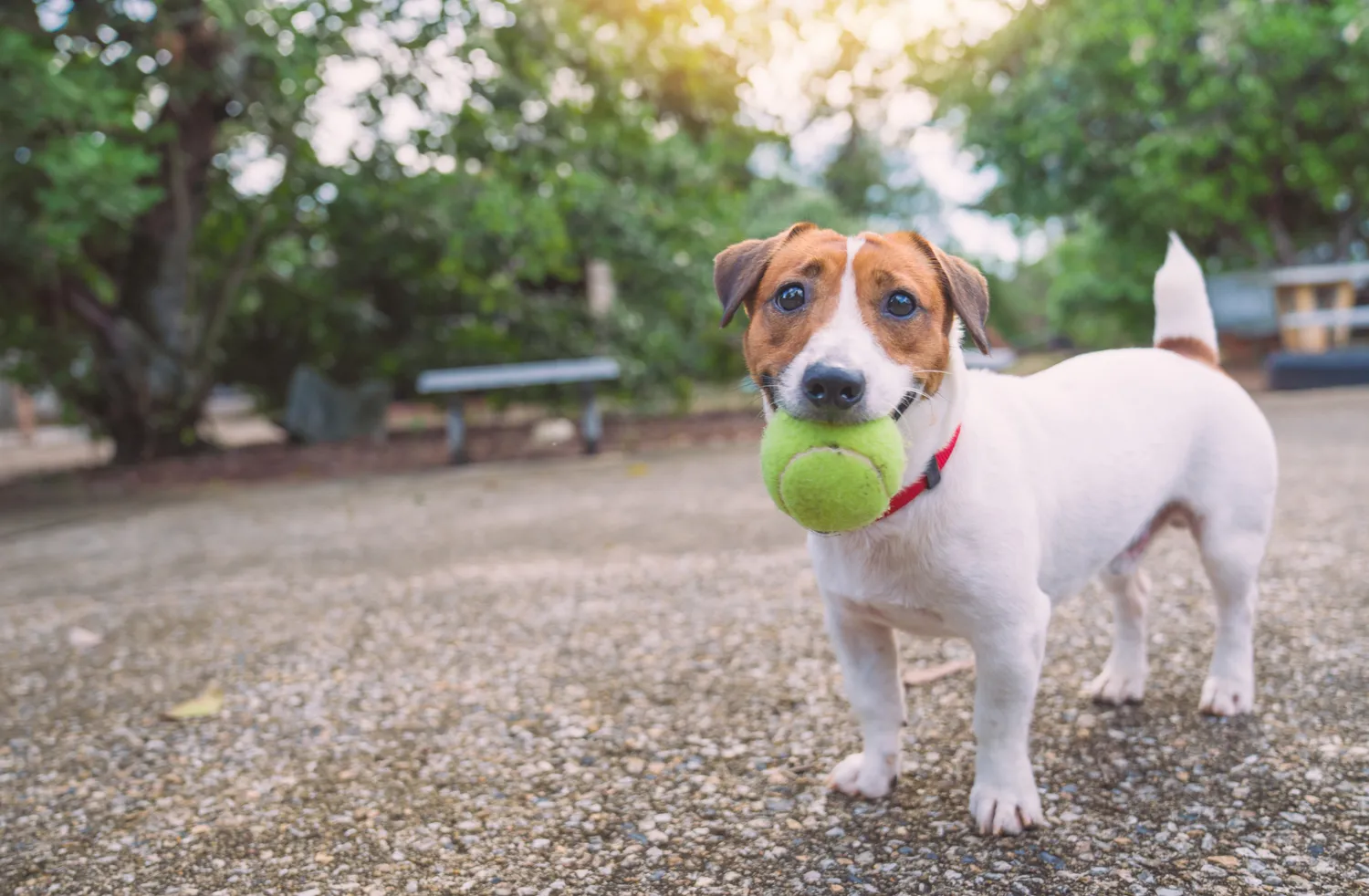
Developed by Rev. John Russell in the early 1800s for use in hunting foxes, the Jack Russell terrier is a descendant of fox terriers and other small-to-medium terrier breeds.
This is a very intelligent, highly active, and somewhat rowdy breed that requires significant exercise and activity every day to prevent unwanted barking or other undesirable behaviors. Jack Russells are also very affectionate and good with children.
Breed Overview
16 of 25
Bloodhound
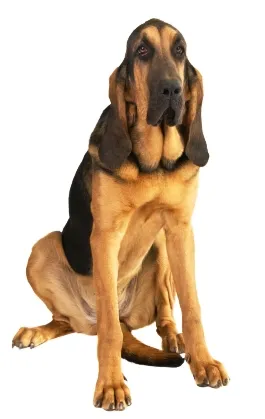
The bloodhound likely originated in Europe during the 700s and was brought to England in the 11th century, where they were bred extensively for use in hunting deer and wild boar.
This English dog breed's exceptional scent-tracking ability makes them very useful for tracking escaped convicts, lost children or hikers, and for search-and-rescue work. They are easygoing, affectionate family pets as well.
Breed Overview
17 of 25
English Pointer
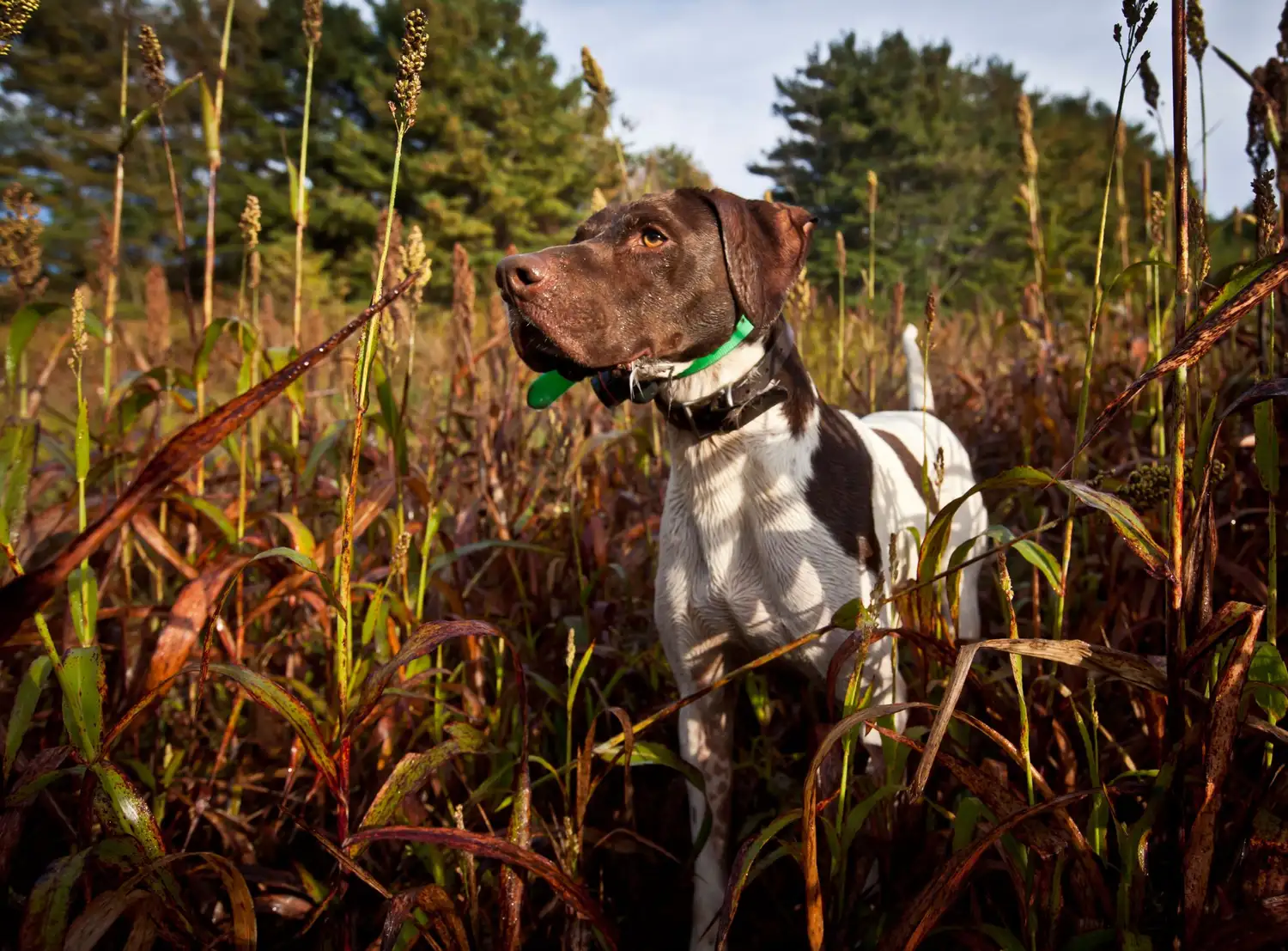
An ancient breed with unclear origins, pointers were eventually brought to England in the early 1700s, where they were bred extensively for use as hunting dogs. Their specialty is pointing to indicate the presence of game birds, such as pheasants or quail.
Fast, agile, and athletic dogs, they are good companions to joggers or runners, and they are also very friendly family dogs that generally get along well with everyone.
Breed Overview
18 of 25
Staffordshire Bull Terrier
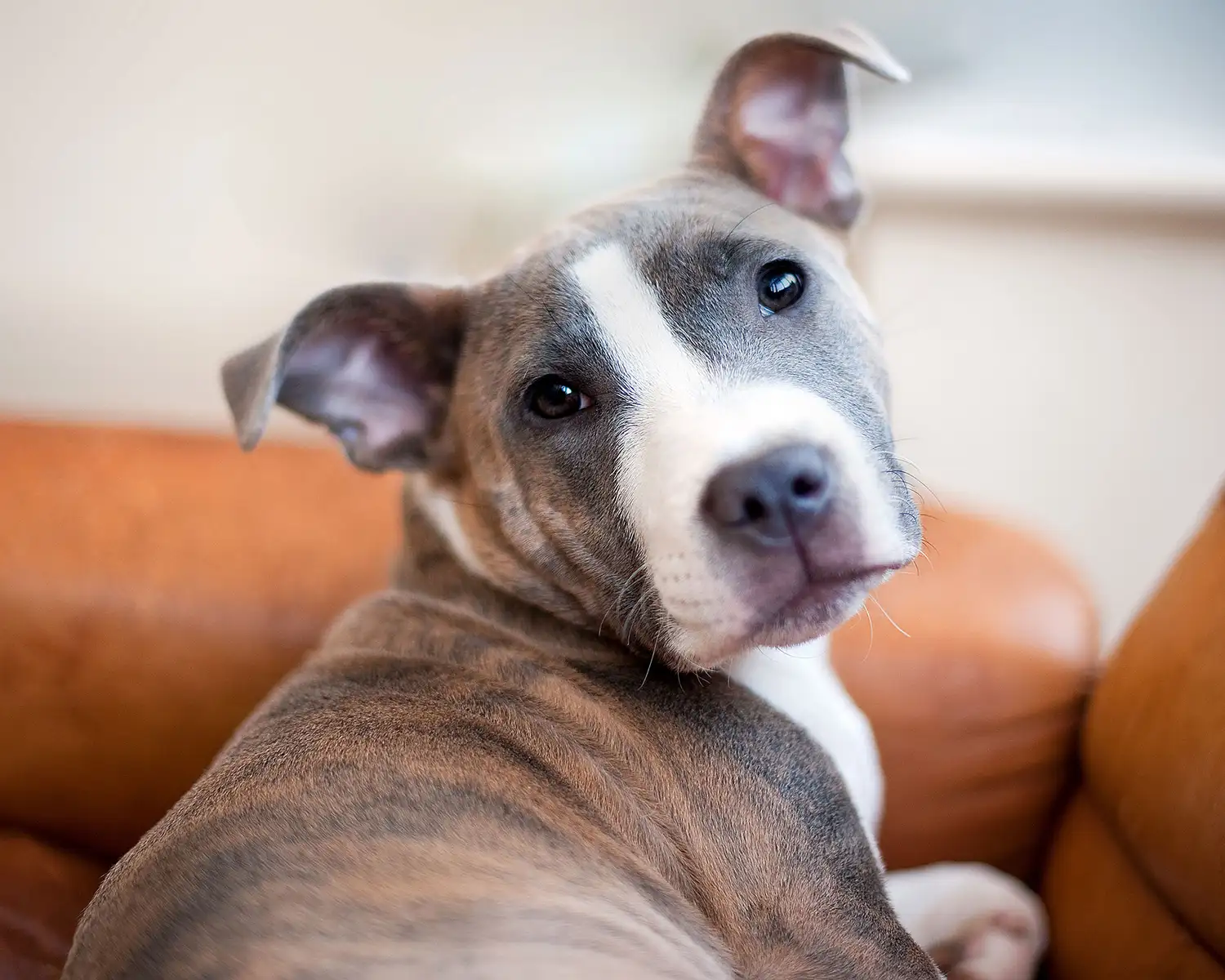
Created by mixing bulldogs and small terriers, Staffordshire bull terriers originated in England during the early 1800s. They were bred to be used for bull-baiting and dog fighting, blood sports which were officially outlawed in England in the 1830s.
Despite their rough past, Staffies today are sweet-natured, affectionate dogs that are devoted to their families and are easy to train.
Breed Overview
19 of 25
English Foxhound
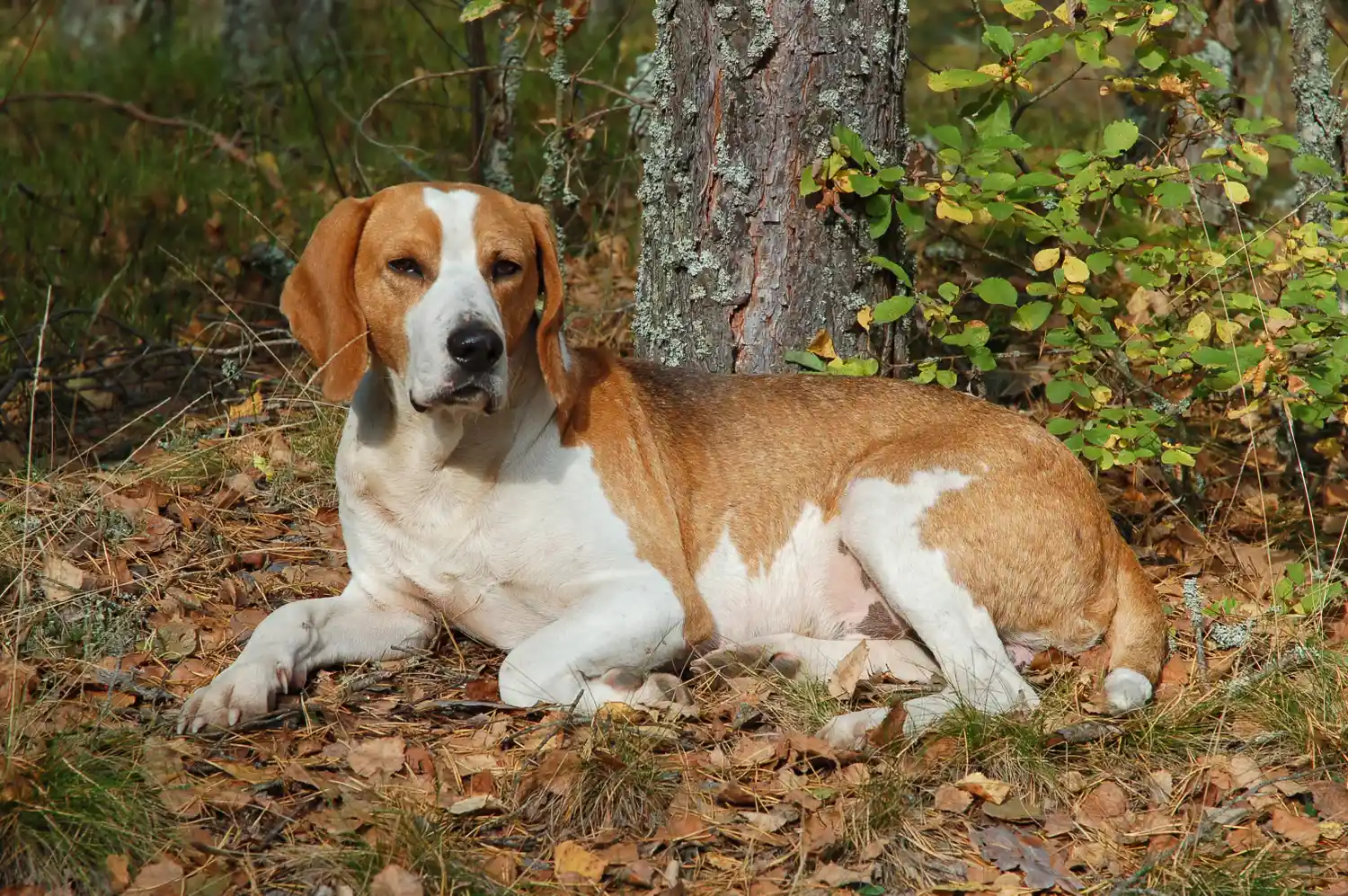
English foxhounds trace their ancestry back to the 1600s in England, where large stag-hunting dogs were crossed with greyhounds to create a smaller scent-hound for use in hunting foxes. Packs of these dogs accompanied hunters on horseback while flushing out and chasing down foxes.
While they are gentle dogs, they are not exceptional family pets, as their drive to track down prey by scent is very strong.
Breed Overview
20 of 25
Wire Fox Terrier
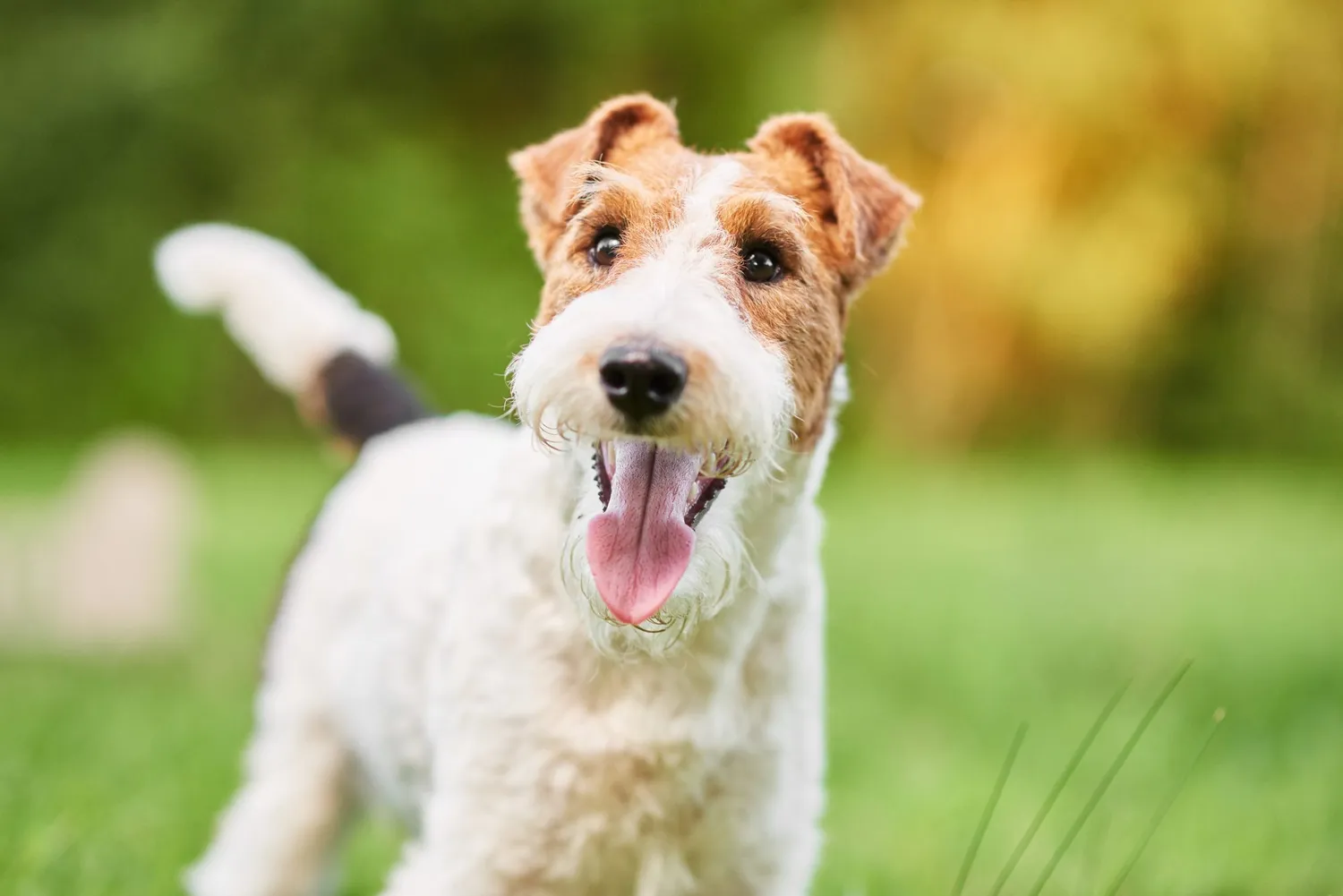
Wire fox terriers trace their histories back to the late 1700s, when the breed was created by mixing other terriers to produce a wire-haired dog that excelled at hunting foxes. They also make excellent mousers and ratters, and have a high prey drive.
These feisty, playful, and lovable dogs make good household pets as long as they get plenty of exercise and attention. They are very intelligent, but can be stubborn.
Breed Overview
21 of 25
Manchester Terrier
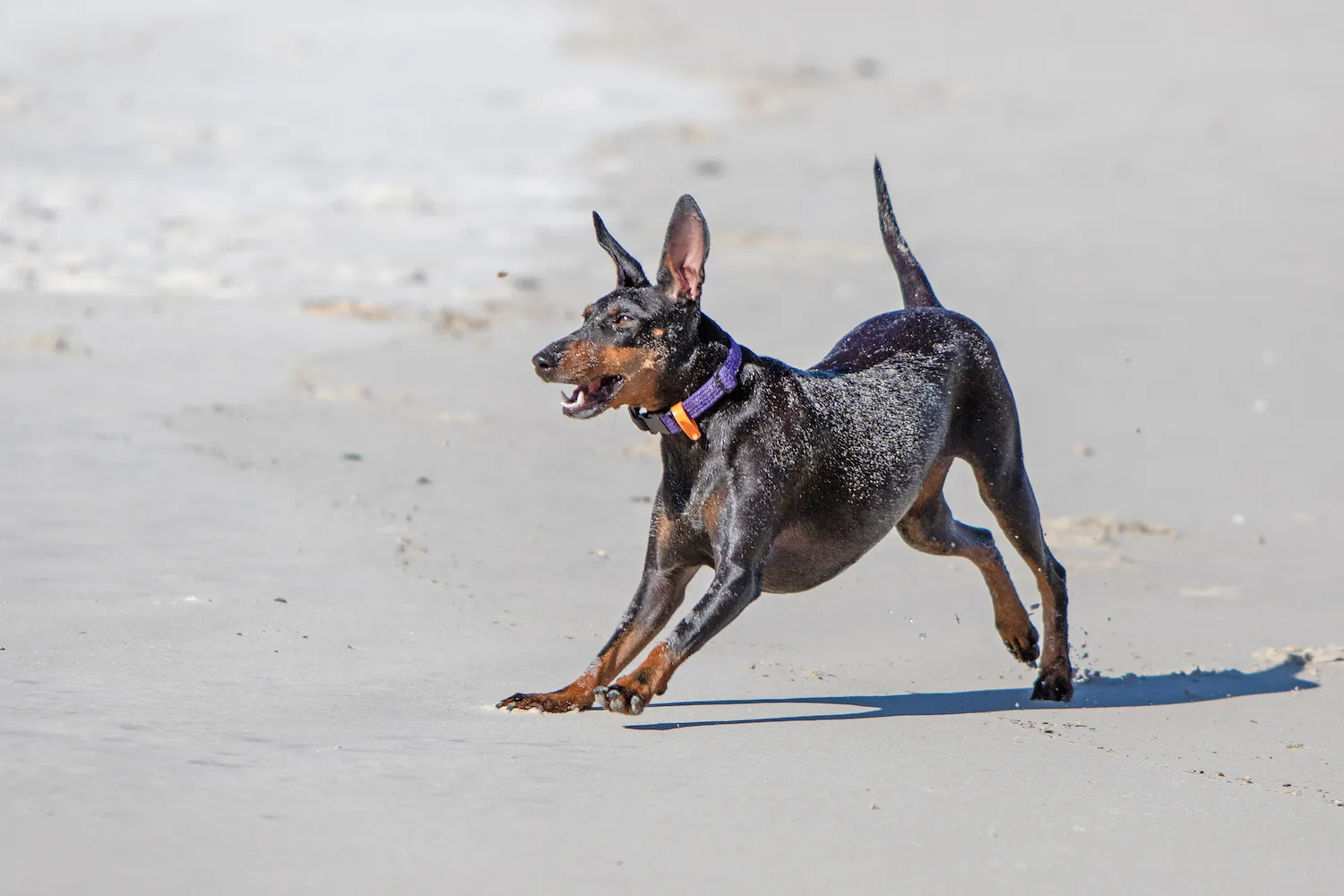
The Manchester terrier is an English dog breed that dates back to the 1800s. Breeders wanted a dog that could do well in hunting rabbits and rat killing. They crossed the black and tan terrier with the whippet and created the Manchester terrier, named after the city of Manchester.
This breed comes in two sizes: standard and toy. These dogs are clean and independent, and described as cat-like. Very athletic and highly intelligent, they are affectionate with their family and make great pets.
Breed Overview
22 of 25
Bedlington Terrier
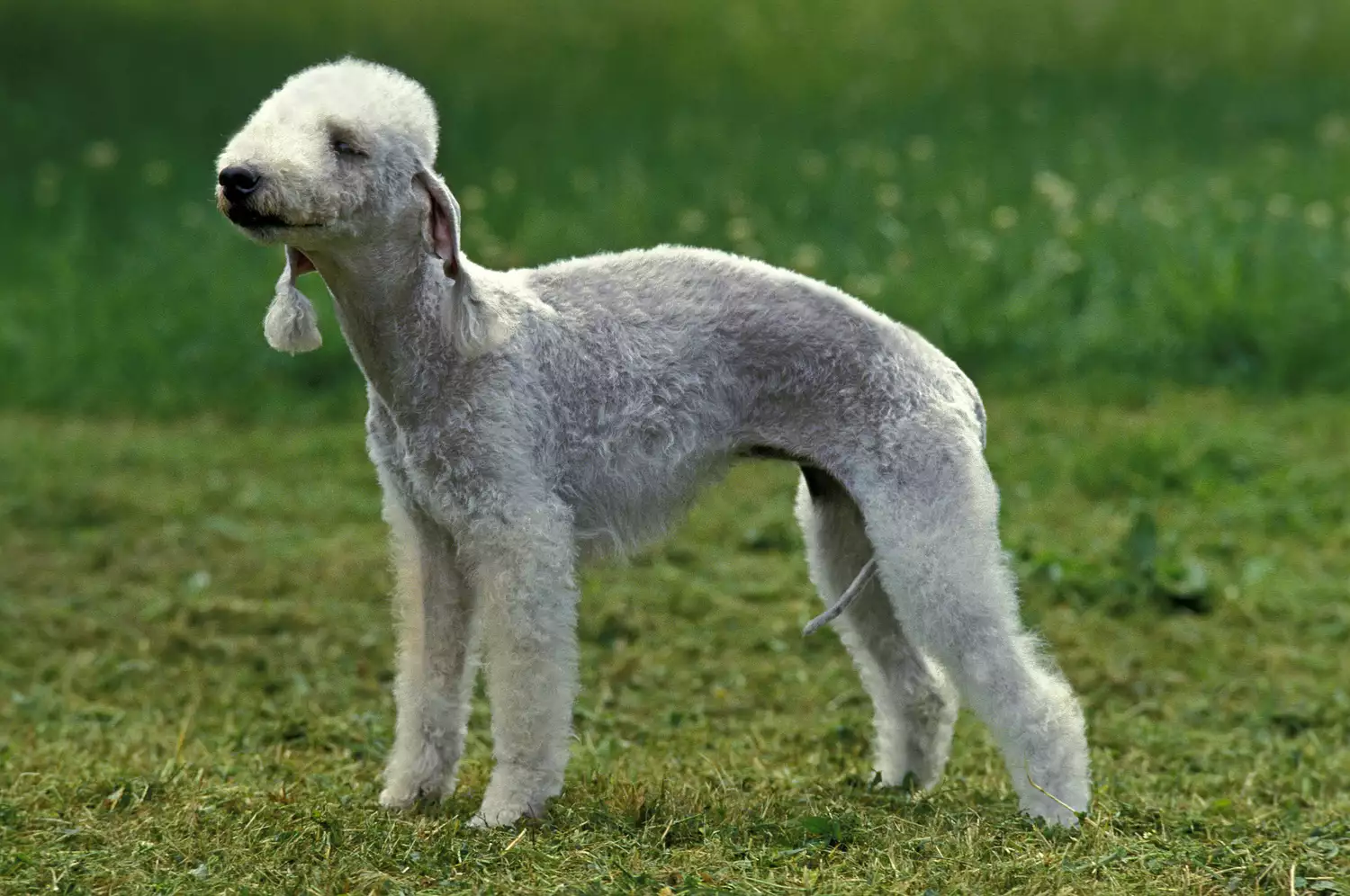
The Bedlington terrier is a rare English breed, and a unique looking dog that’s described as looking like a lamb. They have a pear-shaped head and a curly coat. The breed is named after the mining town where it was created.
These dogs are energetic, fun, brave, and charming. They make great family pets, and can also be good watchdogs. Plus, this is a hypoallergenic breed that can be good for those with allergies.
Breed Overview
23 of 25
Clumber Spaniel
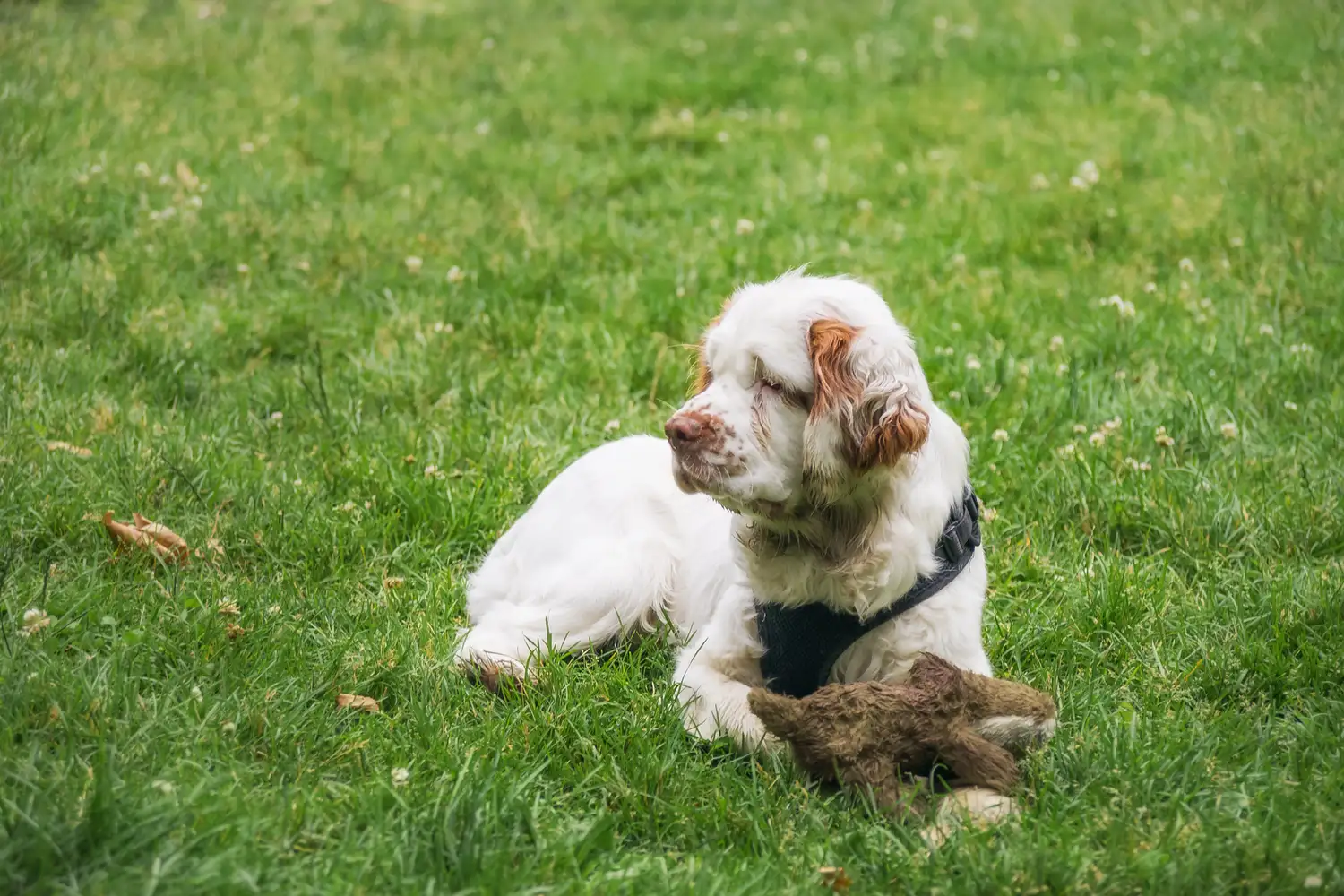
Dating back to at least the 1700s, the origins of the Clumber spaniel aren’t entirely clear, but these dogs got to North America in the 1800s. These dogs enjoy spending time with their family, and they are playful and loving—in fact, they are considered one of the most affectionate dog breeds.
A couple things to consider: this dog sheds all year long and also drools. They can also be stubborn, even though they are considered easy to train.
Breed Overview
24 of 25
English Setter
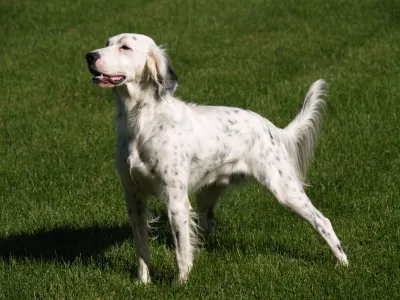
The exact history of the English setter is not known, but this breed is one of the oldest gun dog breeds. These dogs used to be called setting spaniels, and were used for hunting. They need to release their energy with at least one hour of exercise daily.
In addition to playing and exercising, these gentle dogs make great family dogs that can get along with kids. They retain their high prey drive that can make them chase animals, so they might not be suitable for homes with other pets.
Breed Overview
25 of 25
Border Terrier
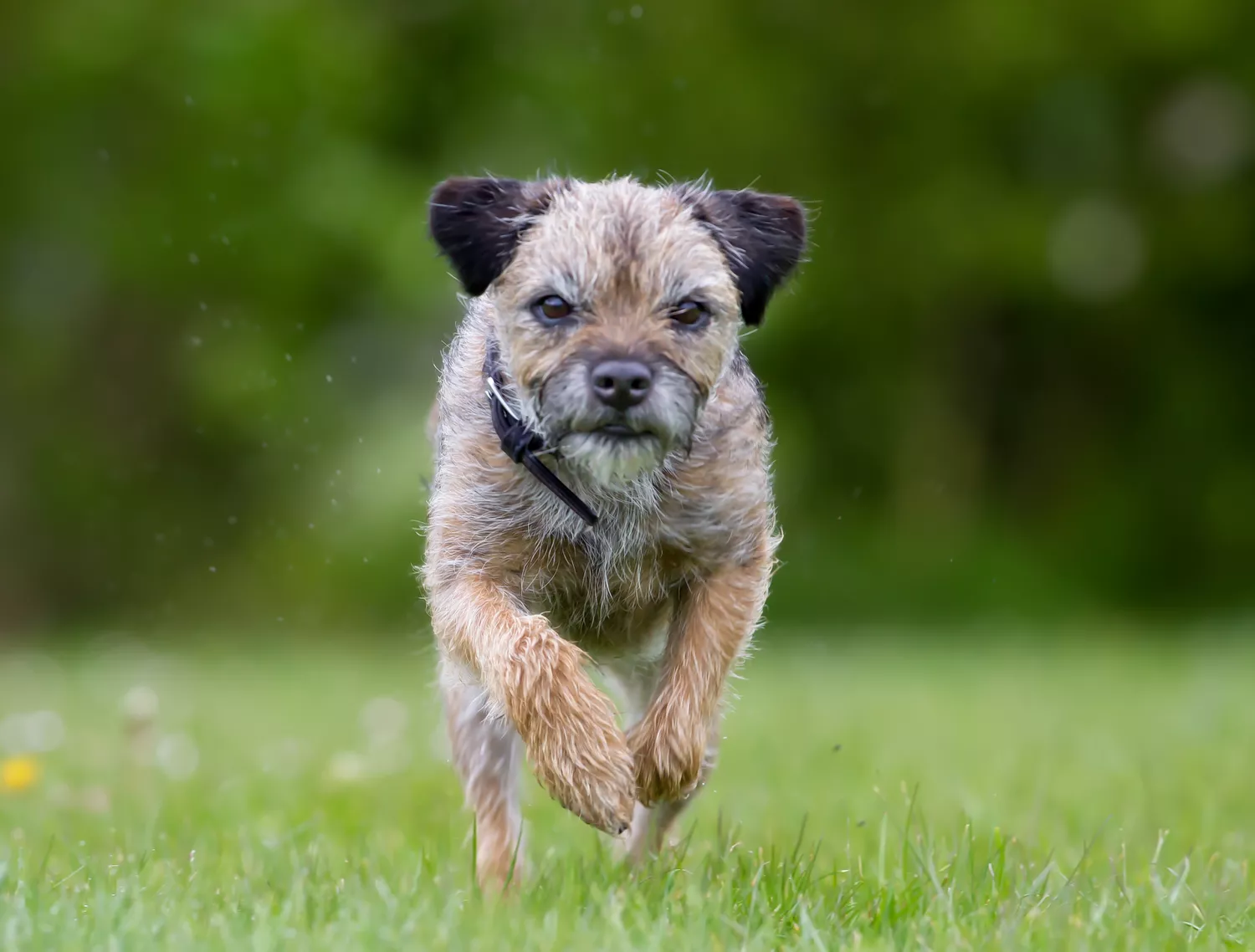
The border terrier is related to the Bedlington terrier and Dandie Dinmont terrier, and originated in the Scottish-English border region. Farmers in that area in the 19th century sought a dog that would be able to both deter and catch foxes that posed threats to their sheep.
This small dog has a wiry coat and a friendly disposition. They have a high prey drive and like to dig, but they are loving with their humans and can make good pets for households with children.
Breed Overview
Breed Characteristics
There are a variety of English dog breeds to suit all types of households. Smaller dogs that don’t bark much are great for those living in apartments, while breeds with a lot of energy are ideal for active households.
Many English dogs were bred to hunt or work, so they can make loyal and loving companions. However, they may still have a high prey drive that makes them unsuitable for homes with other pets, such as cats and small pets. Puppies that are raised with other pets and properly trained and socialized are more likely to live happily with other pets.



