17 Fox-Looking Dog Breeds You’ll Love to Admire
Many dogs that resemble foxes belong to the spitz group. These breeds are characterized by their intelligence, high energy levels, and significant shedding due to their cold-weather, double-coated fur. They typically have perky ears, pointed muzzles, and curly or bushy tails. These features contribute to their foxy appearance, along with their fox-like red fur, bushy coats, and pointed facial structure.
Discover more about these 17 dog breeds that resemble foxes.
01 of 17
Shiba Inu
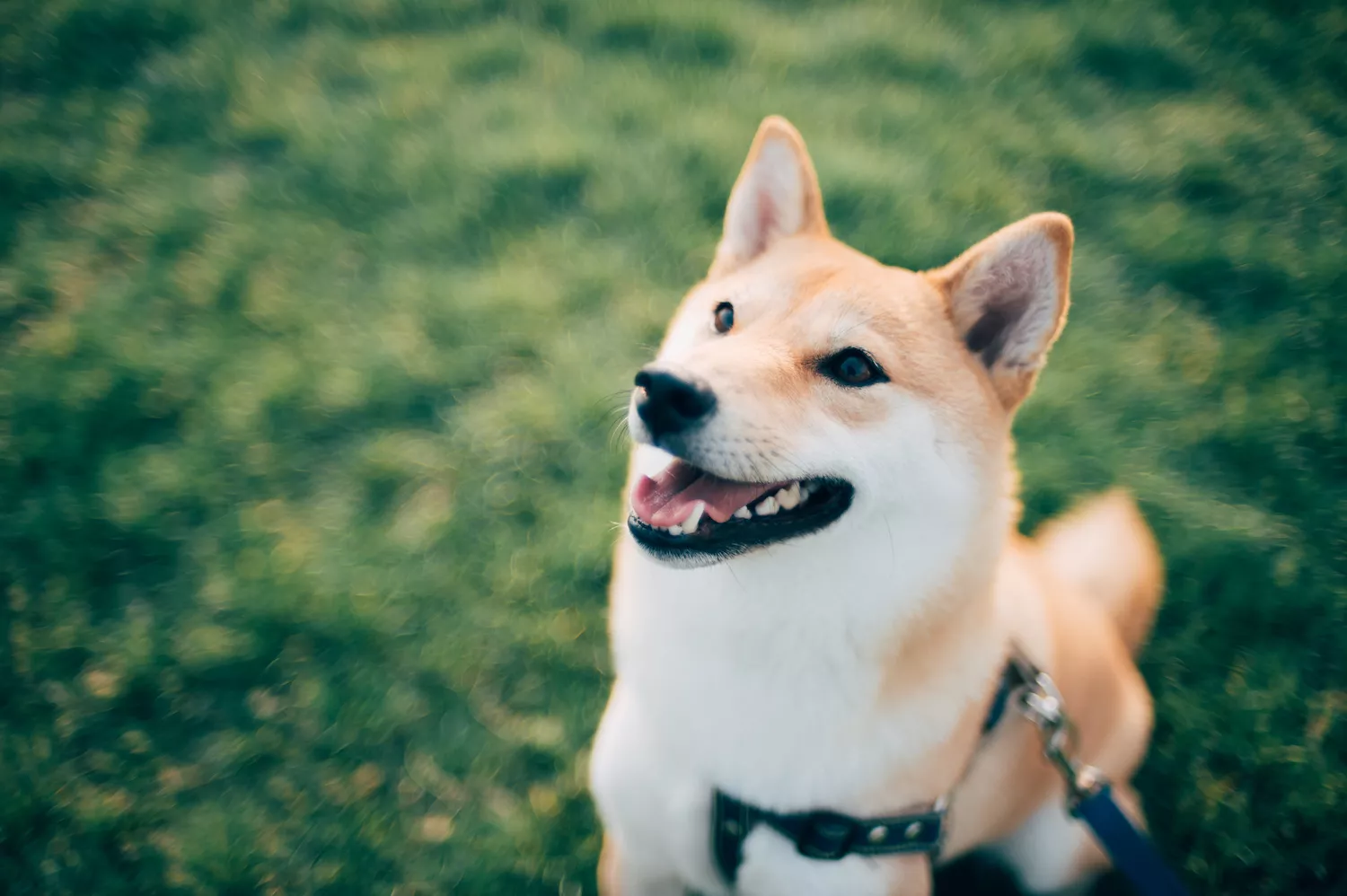
Initially bred for hunting, the Shiba Inu is a spitz breed of Japan. These intelligent, and independent, which can make training challenging. They can develop issues like possessiveness and aggression. Shiba Inus are affectionate and loyal to their families but may be wary of strangers. They need plenty of mental stimulation to remain happy.
Breed Overview
02 of 17
Akita
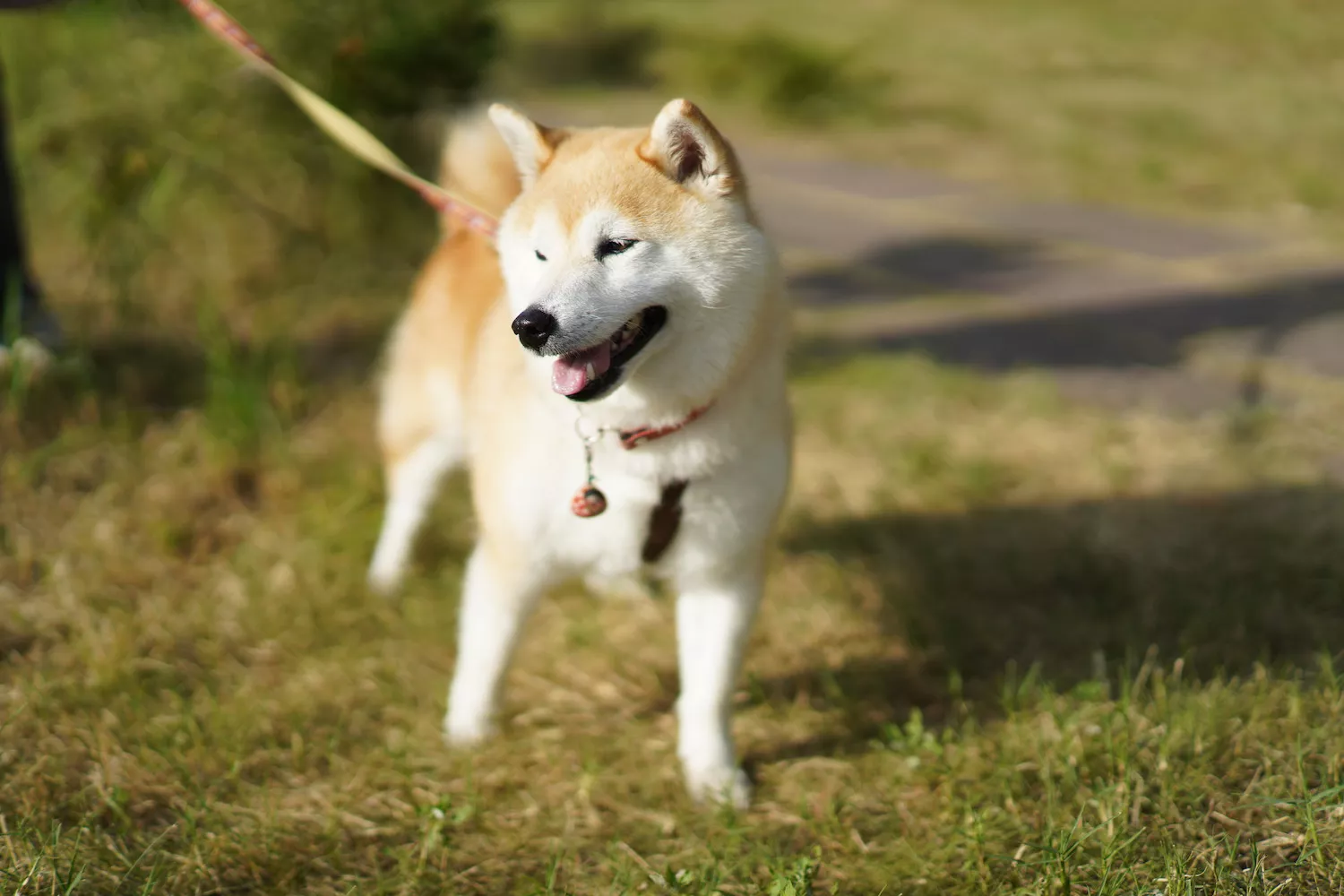
Known as the “silent hunter,” the Akita is the largest Japanese spitz breed. These dogs are quiet and temperamental, which can make training difficult. However, they are fiercely loyal and have long served as guard and hunting dogs. As a high-energy breed, Akitas need rigorous daily exercise. Although often aloof with strangers, they can be silly and affectionate with their family.
Breed Overview
03 of 17
American Eskimo
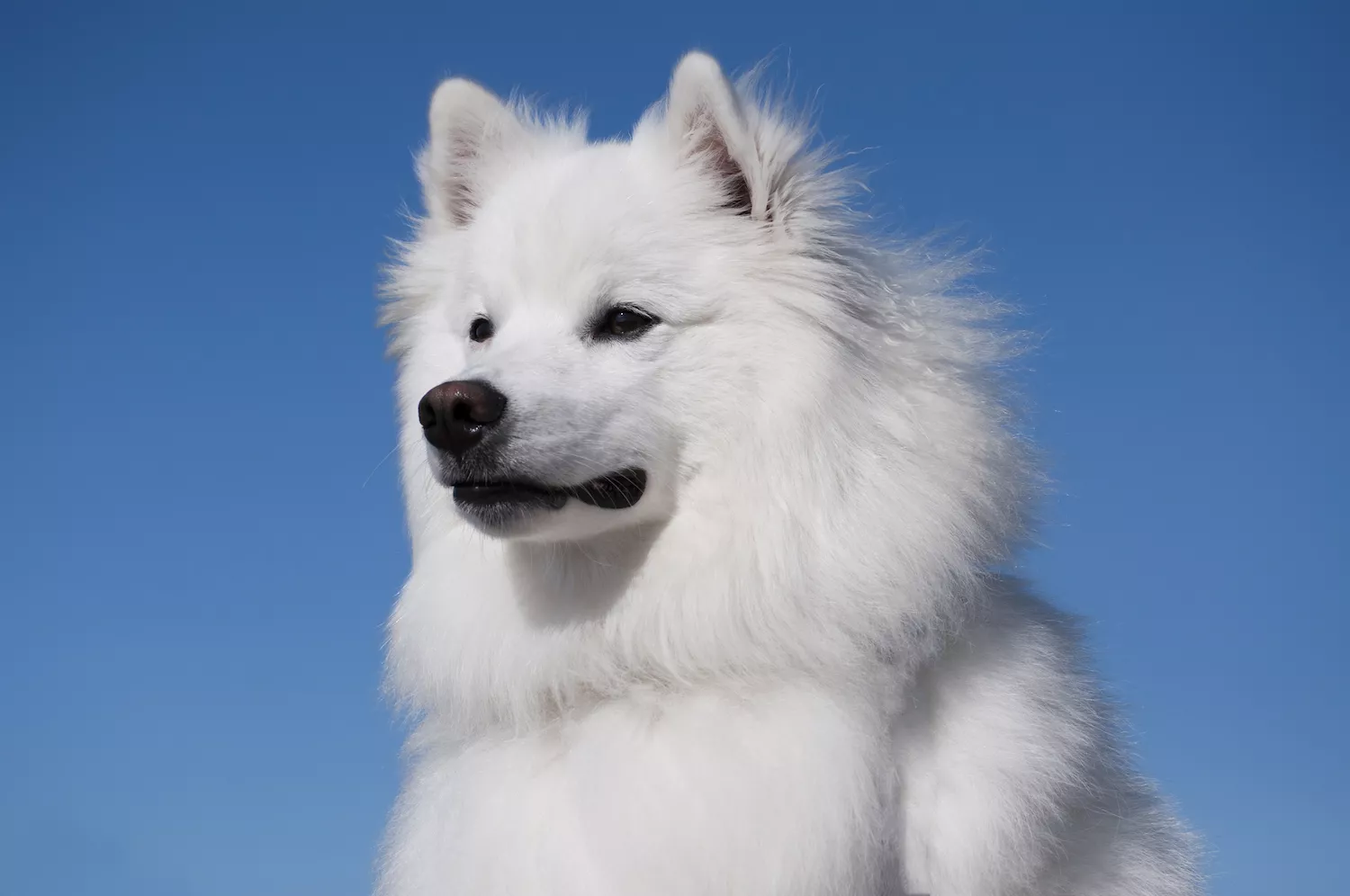
The American Eskimo dog resembles the snowy white Arctic fox. These dogs are affectionate, loyal, and protective watchdogs for their families. They love outdoor play, even in cold weather, and usually get along well with children. Their coats are heavy, shed significantly, and require diligent grooming.
Breed Overview
04 of 17
Icelandic Sheepdog
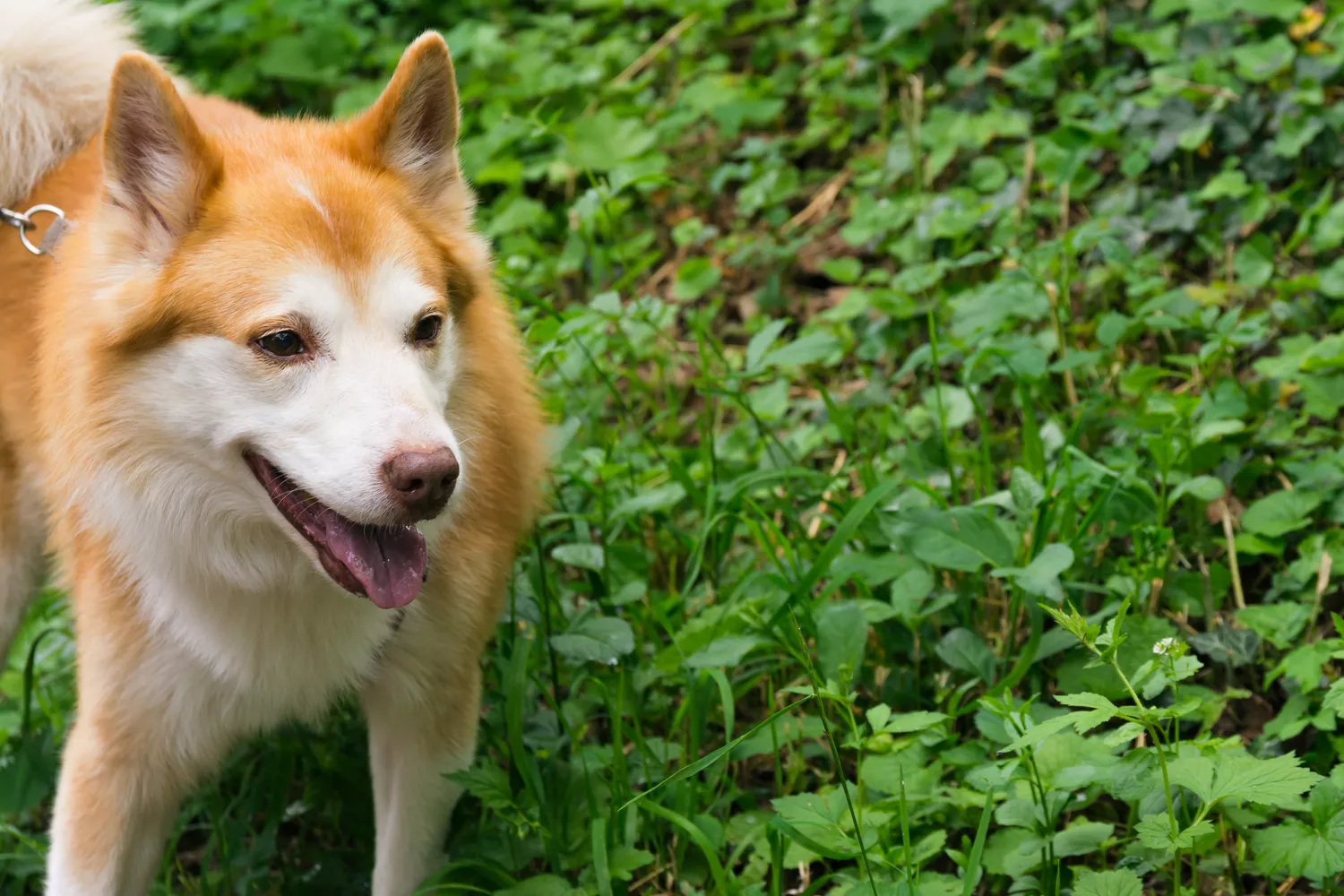
The Icelandic sheepdog, though not well-known, is one of the oldest dog breeds. Experts believe Vikings introduced spitz-type dogs to Iceland, which evolved into the Icelandic sheepdog. Devoted, affectionate, and intelligent, these dogs usually display a happy, alert expression. Originally bred for herding sheep, they now mainly serve as family companions due to their friendly nature and ability to get along with children, other dogs, and dog-friendly cats. They can be prone to barking and need significant attention and exercise.
Breed Overview
05 of 17
Schipperke
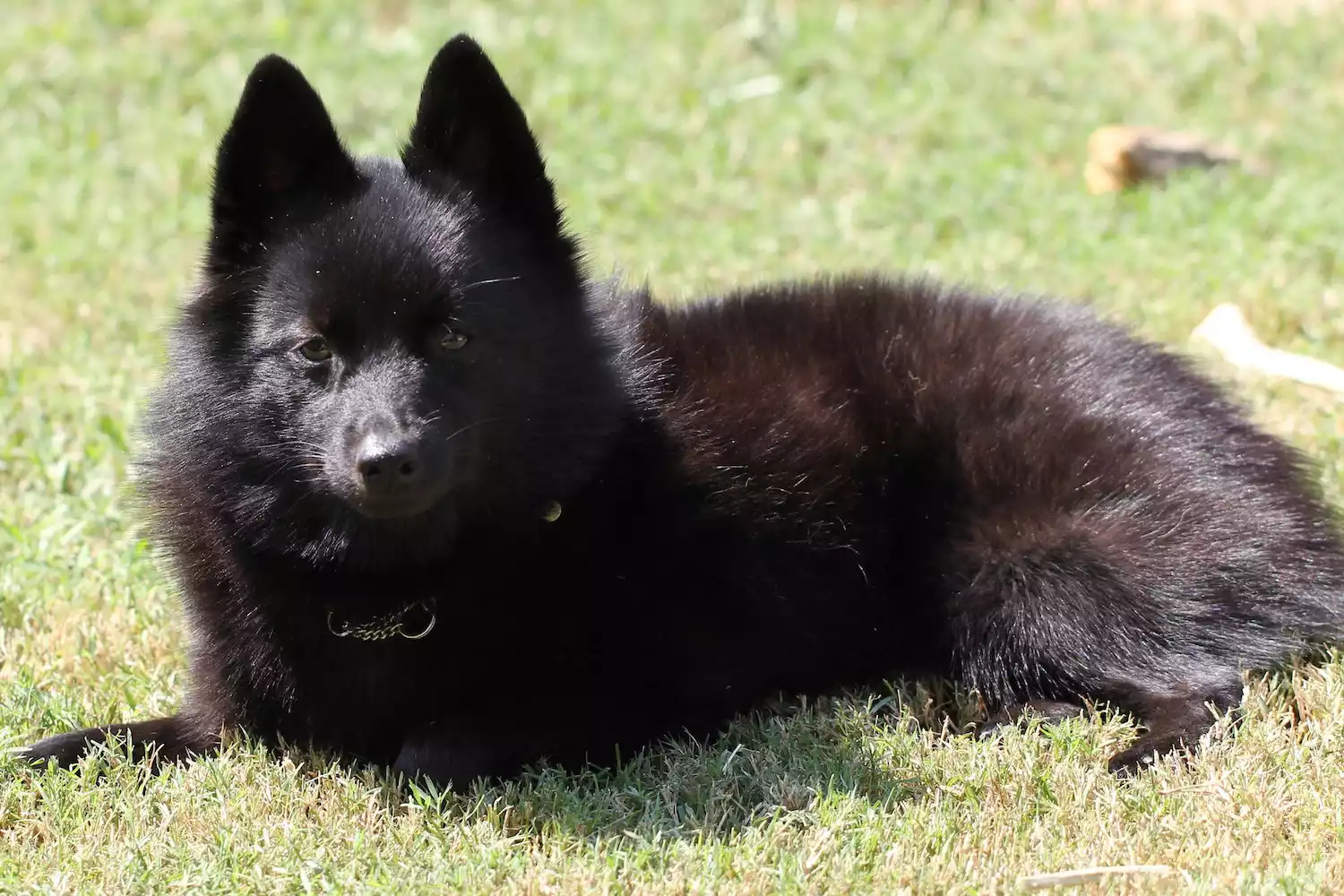
The independent, spunky Schipperke resembles a small black fox. These dogs are loyal and loving but are prone to barking. They enjoy being part of daily activities, especially outdoor exercise, with their families and are curious and playful. However, they might dash off to chase a squirrel or other wildlife.
Breed Overview
06 of 17
Samoyed
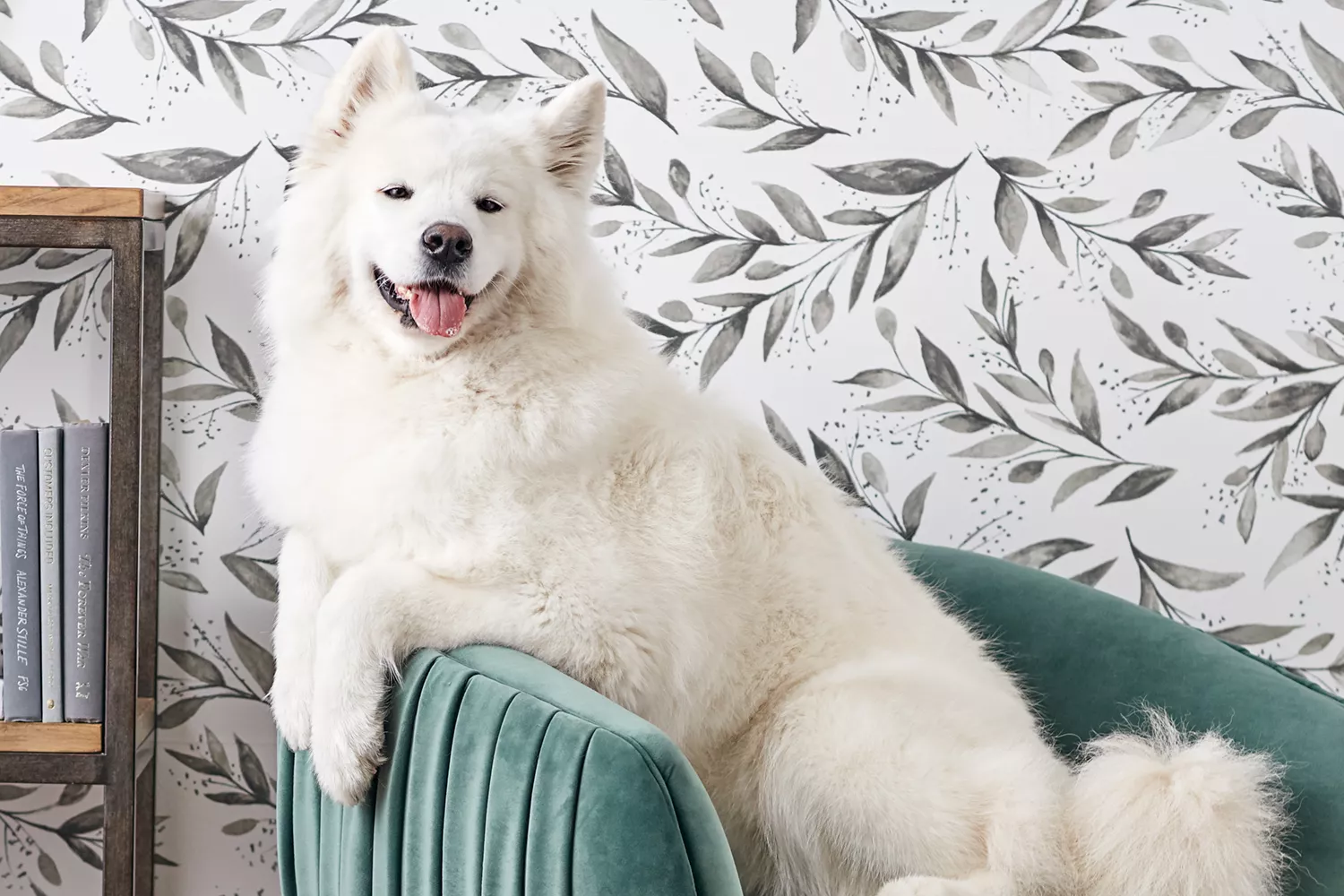
The Samoyed is a spitz breed from the Arctic, particularly Siberia in Russia. Originally bred to pull sleds on polar expeditions, these solid and intelligent dogs are now affectionate and playful family pets. They have retained a strong instinct to chase small animals. Samoyeds get along well with children and other dogs but can be prone to barking.
Breed Overview
07 of 17
Finnish Spitz
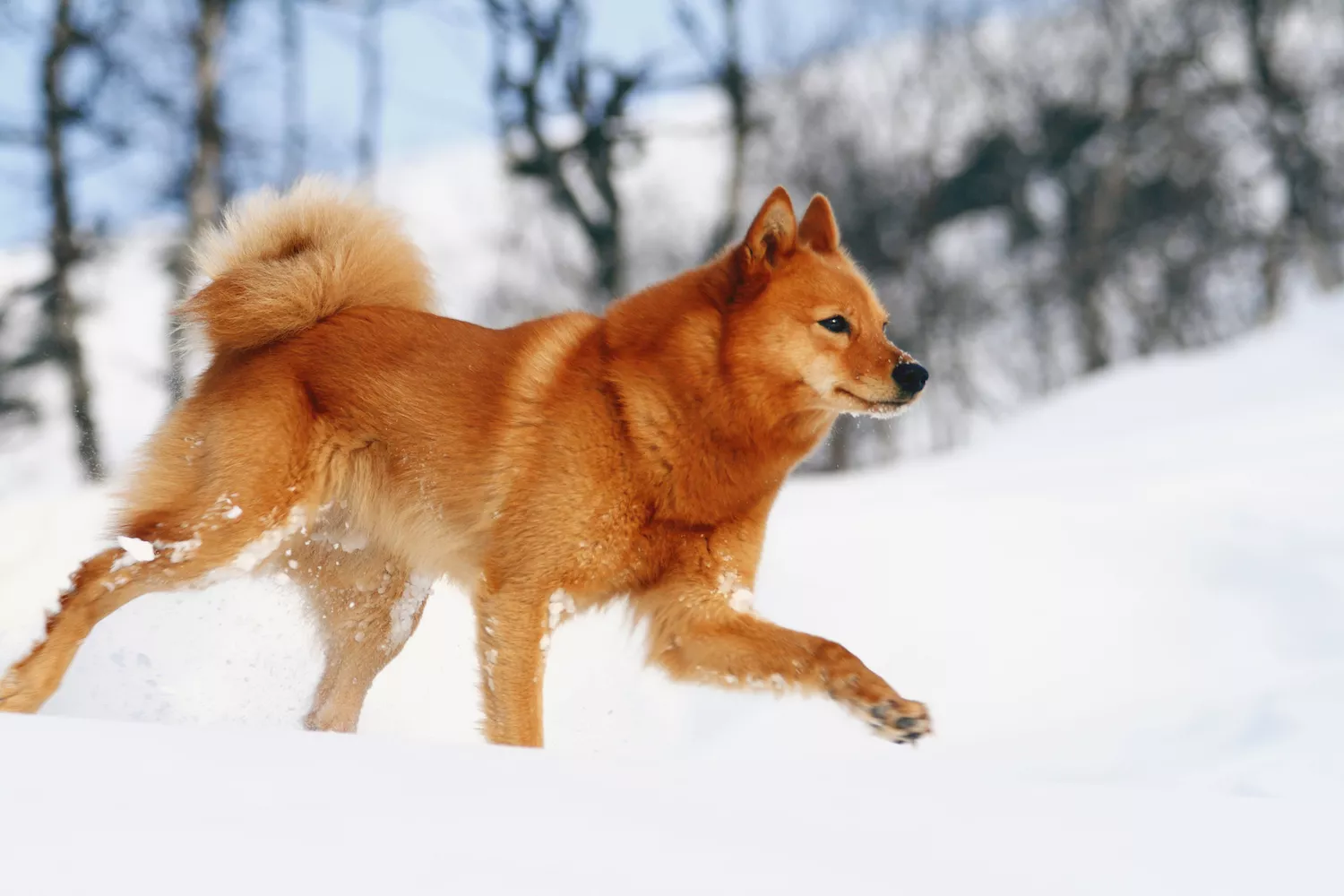
Known as the barking bird dog, the Finnish spitz is among Finland’s most popular breeds. This highly energetic breed requires significant daily exercise for physical and mental health. Though loving family pets, they bark out of boredom, especially if their exercise needs are unmet. However, with an active family, especially one with children, they make excellent companions.
Breed Overview
08 of 17
Norwegian Elkhound
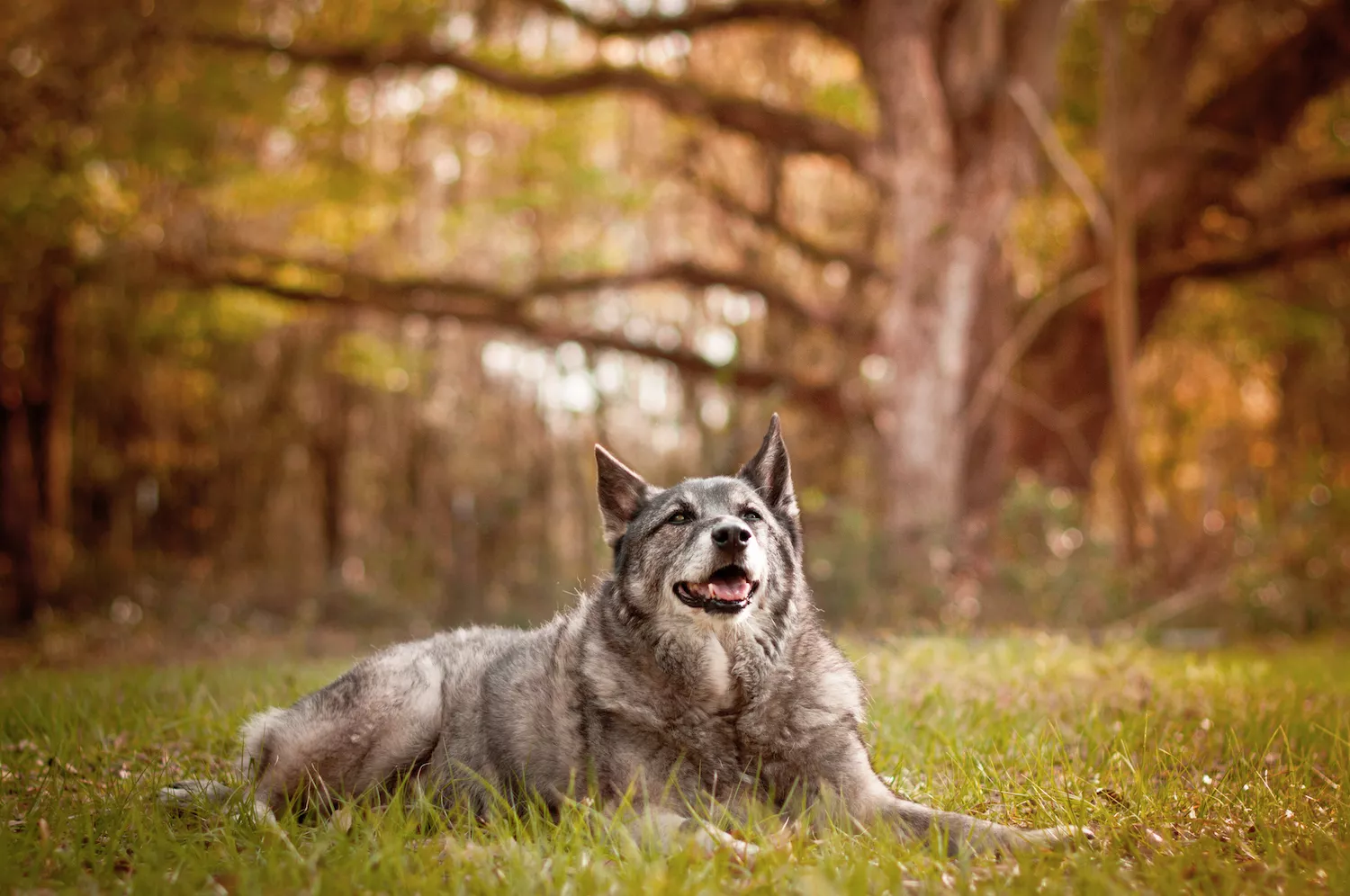
The Norwegian elkhound is a hound and spitz mix. These playful and protective dogs are loyal pets and effective watchdogs. They crave human companionship and may experience separation anxiety. As a high-energy breed, they need rigorous daily exercise. Norwegian elkhounds typically get along well with children and other dogs and are responsive to training.
Breed Overview
09 of 17
German Spitz
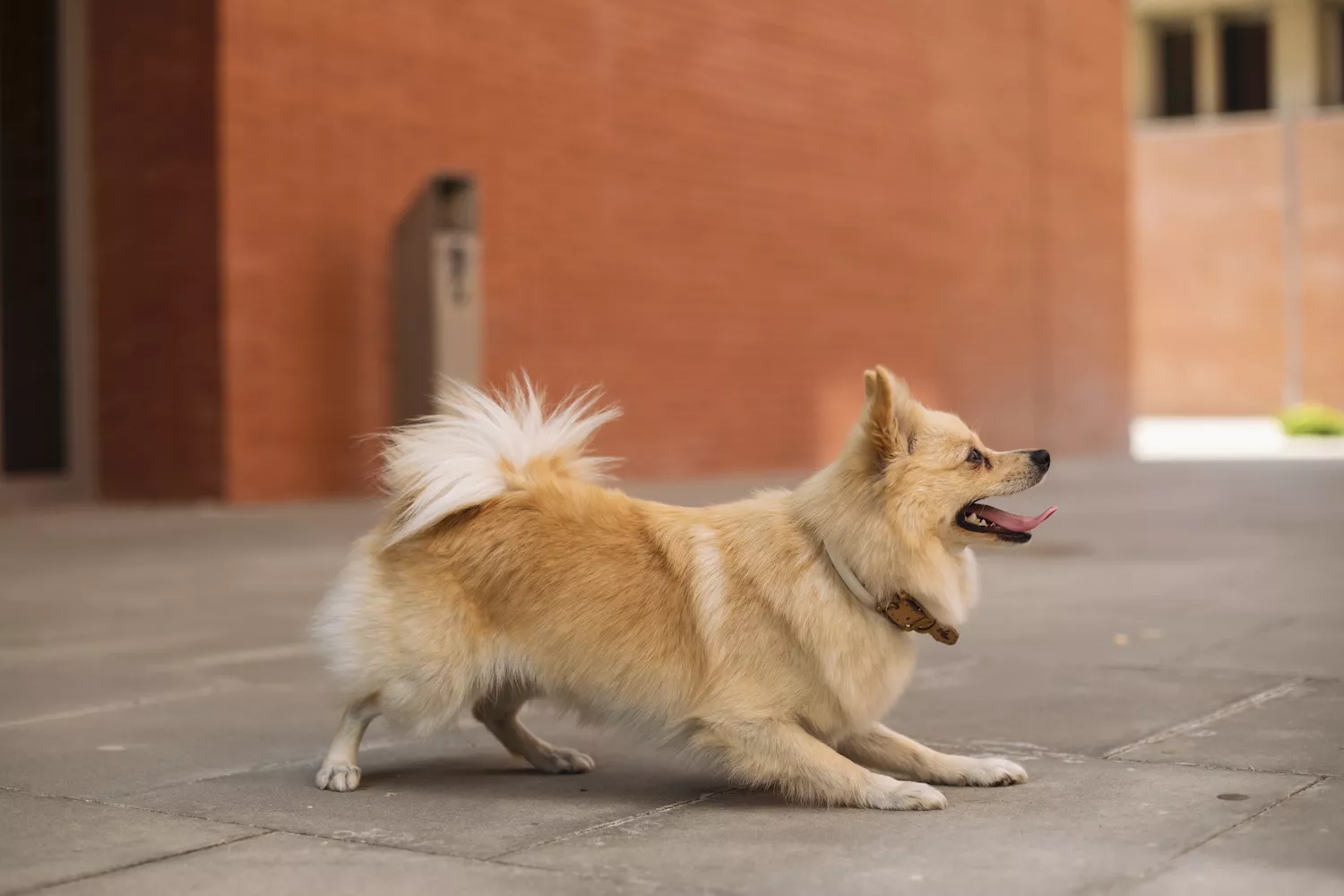
Also called the Eskimo spitz, the German spitz is an exceptional companion due to its friendly and affectionate nature. These dogs are loyal to their families and great with children. As a quick-learning and intelligent breed, they require plenty of daily exercise. They are wary of strangers, making them good watchdogs, and are typically easy to train.
Breed Overview
10 of 17
Alaskan Klee Kai
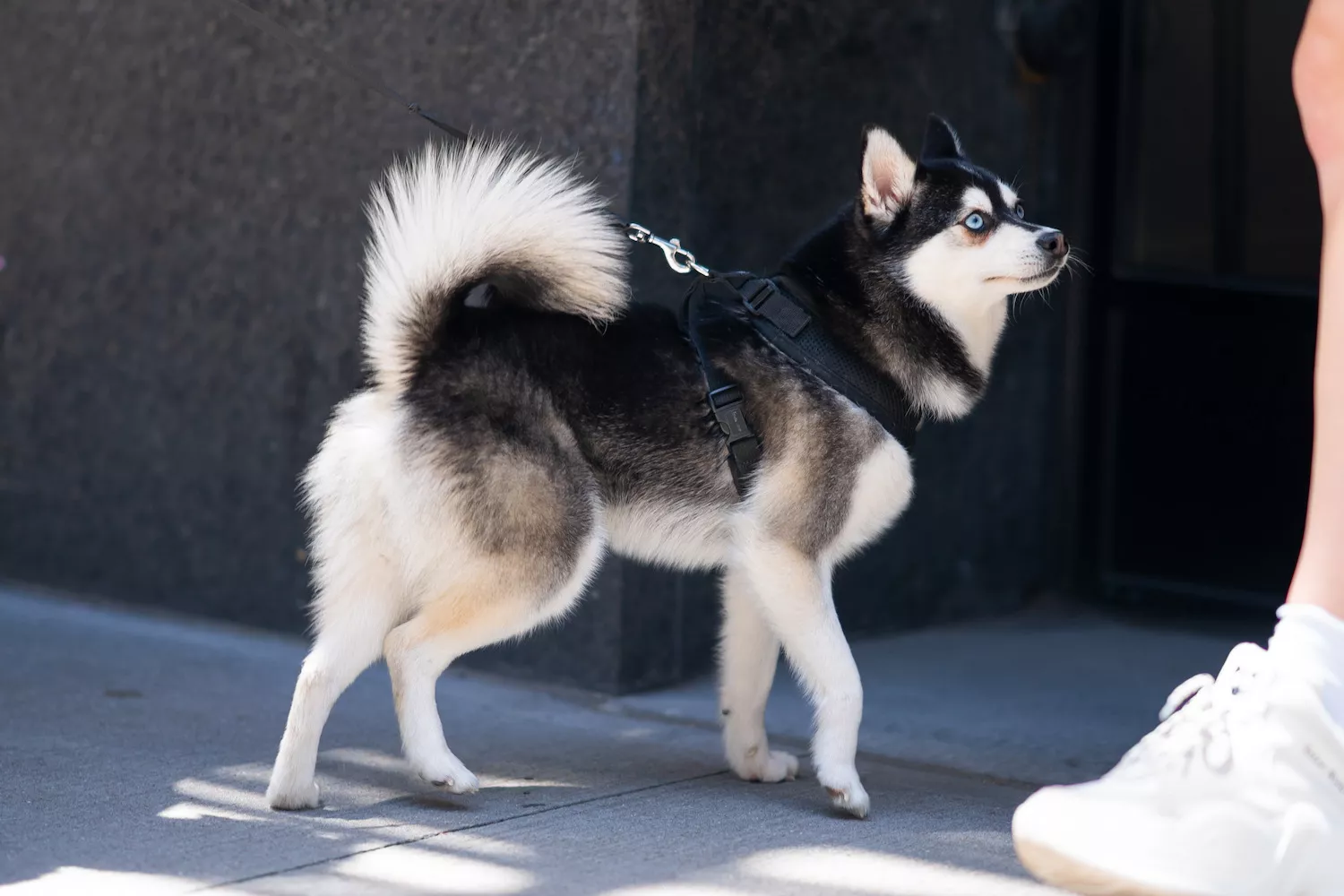
The Alaskan klee kai resembles a lap-sized husky. These dogs are intelligent, playful, and highly energetic. They are usually loving and loyal to their families, though often cautious around strangers. While available in various colors, the red-and-white version closely resembles a red fox. This breed generally requires less intensive exercise and playtime compared to many other spitz breeds.
Breed Overview
11 of 17
Chihuahua
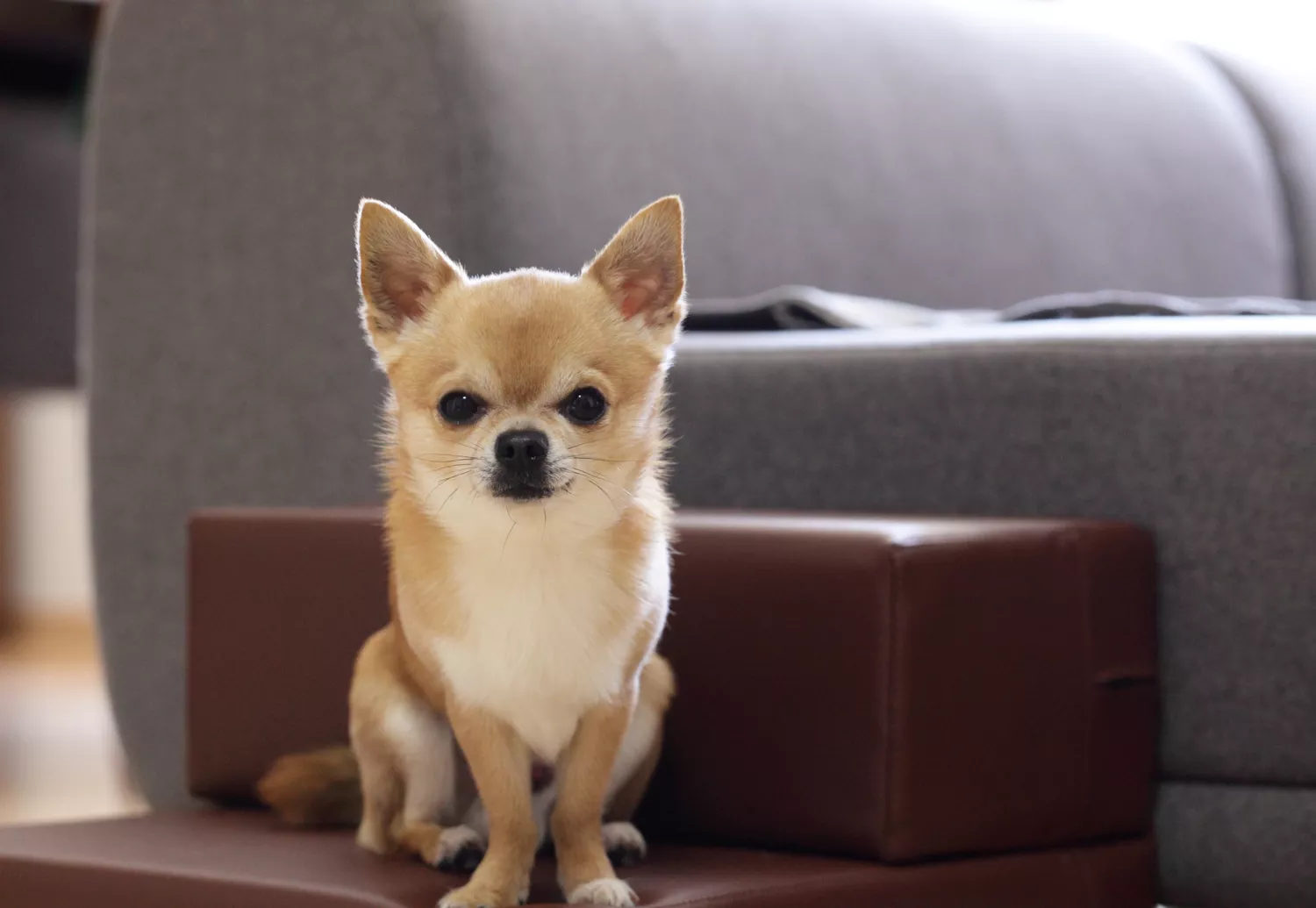
Many Chihuahuas, particularly those with long fur, resemble the tiny, big-eared fennec fox. These dogs often bond closely with their favorite humans but can be standoffish with others. Despite their size, they require substantial mental and physical exercise to stay happy and thrive best with adults and older children. Chihuahuas are protective and make good watchdogs.
Breed Overview
12 of 17
Pomeranian
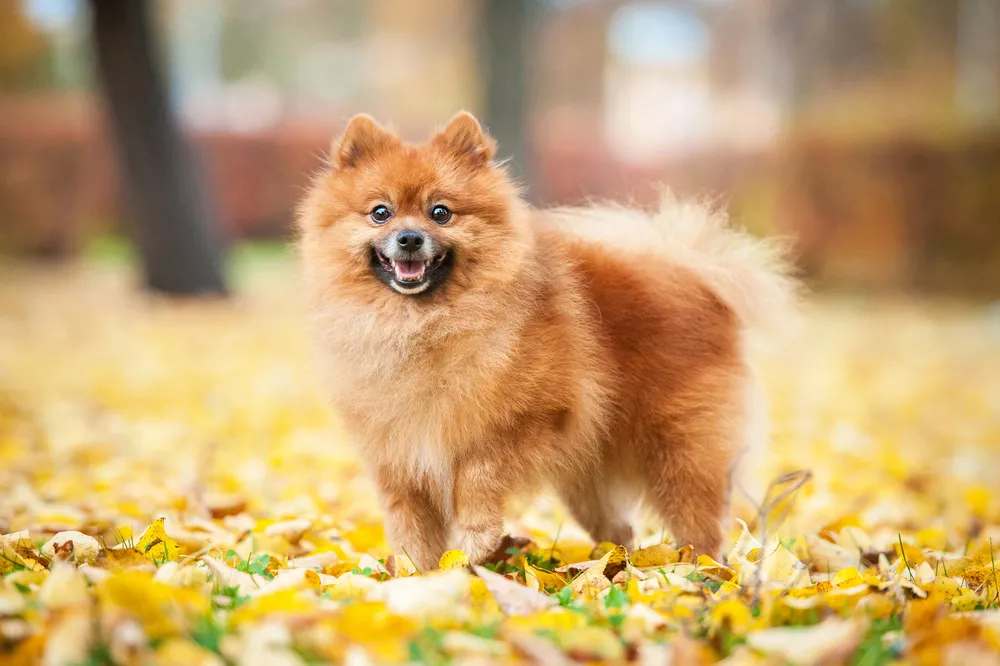
While small, Pomeranians have big, spunky personalities. These fluffy dogs have adorable, foxy faces that reflect their inquisitive, outgoing, and friendly nature. Although they need regular grooming, they don’t shed excessively like some other spitz breeds. Pomeranians come in various colors, with red or orange being the most common, enhancing their fox-like look.
Breed Overview
13 of 17
Keeshond
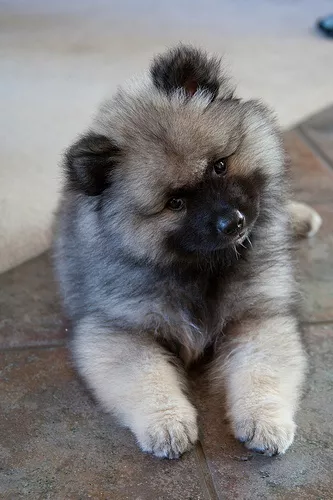
The Dutch keeshond, a spitz breed, often sports markings that resemble spectacles on its foxy, furry face. These intelligent, alert, and energetic canines need ample playtime and exercise. Keeshonds are friendly but protective of their families, serving as both good watchdogs and companions. They generally get along well with children, other dogs, and dog-friendly cats, making them excellent family pets. Regular brushing is necessary, although they don’t shed excessively.
Breed Overview
14 of 17
Pembroke Welsh Corgi
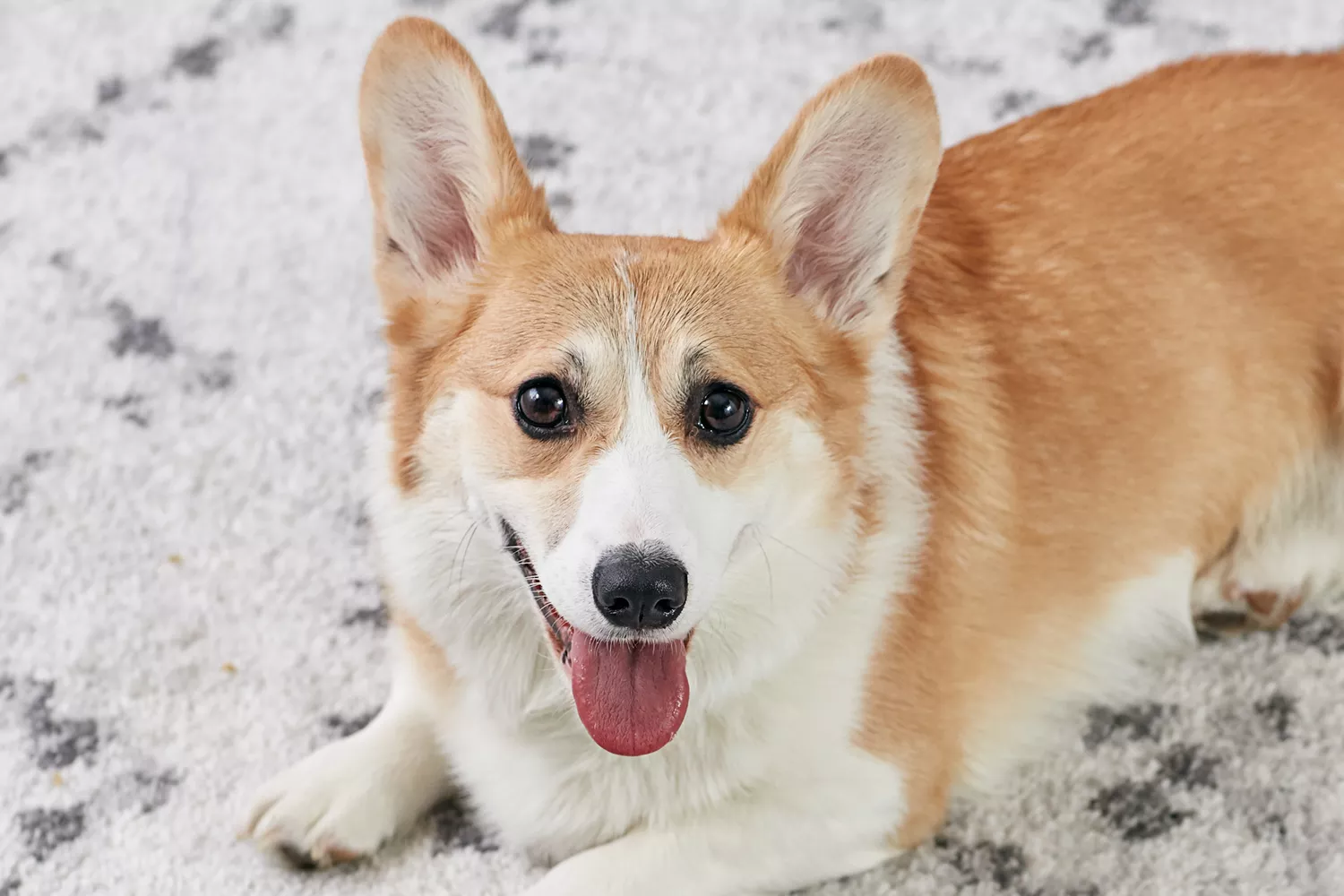
With their low-set bodies, erect ears, and red coats, Pembroke Welsh corgis closely resemble foxes, but with shorter legs. They are loyal, highly intelligent, and affectionate companions. However, they require training and socialization to curb behaviors like nipping at ankles, especially in homes with children.
Breed Overview
15 of 17
Japanese Spitz
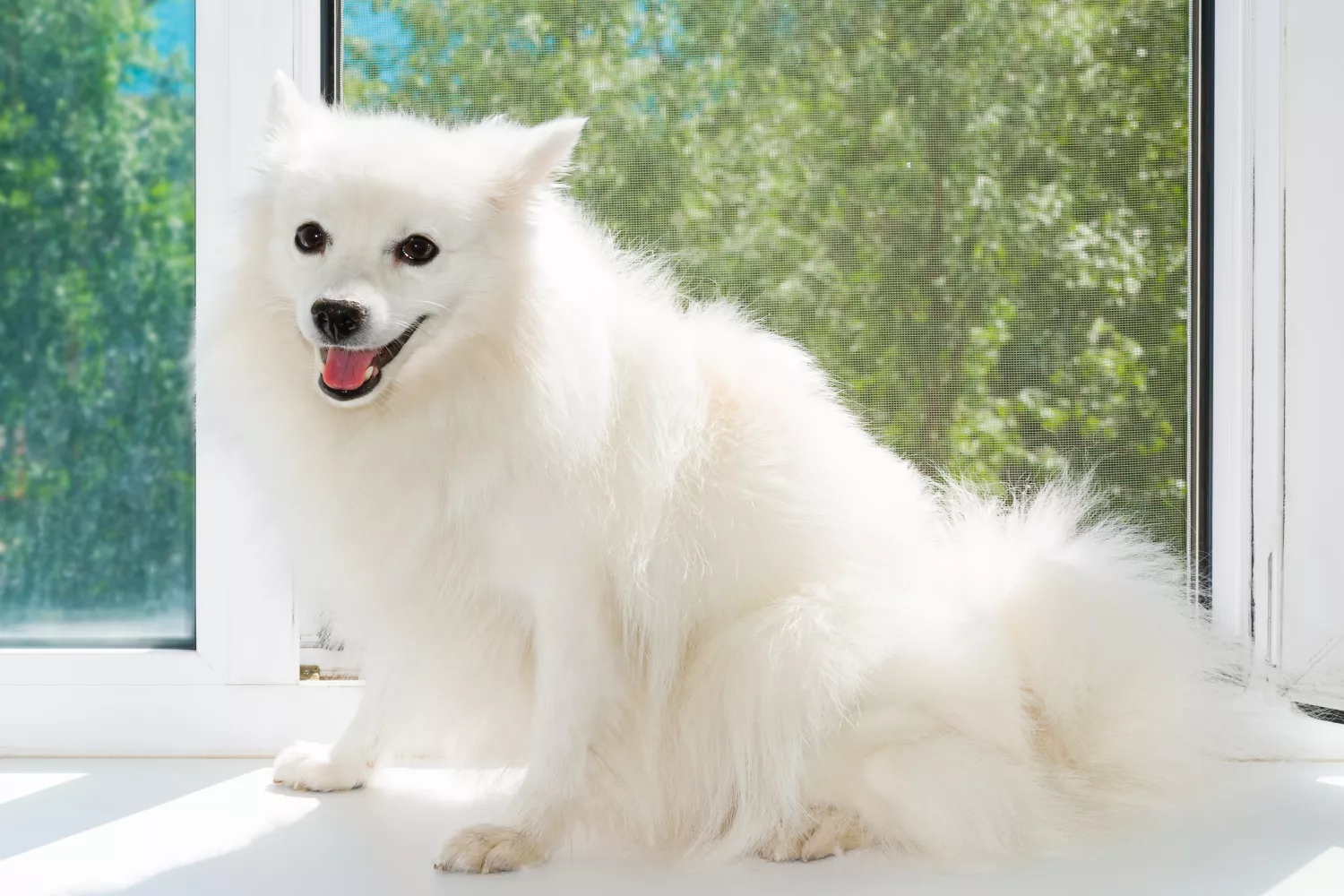
The Japanese spitz resembles an Arctic fox due to its white coat and long muzzle. Developed in Japan by crossbreeding spitz-type dogs imported from countries like the United States, China, Siberia, Canada, and Australia, these small dogs make excellent family pets and get along well with children. They are fun, intelligent, easy to train, playful, and friendly.
Breed Overview
16 of 17
Basenji
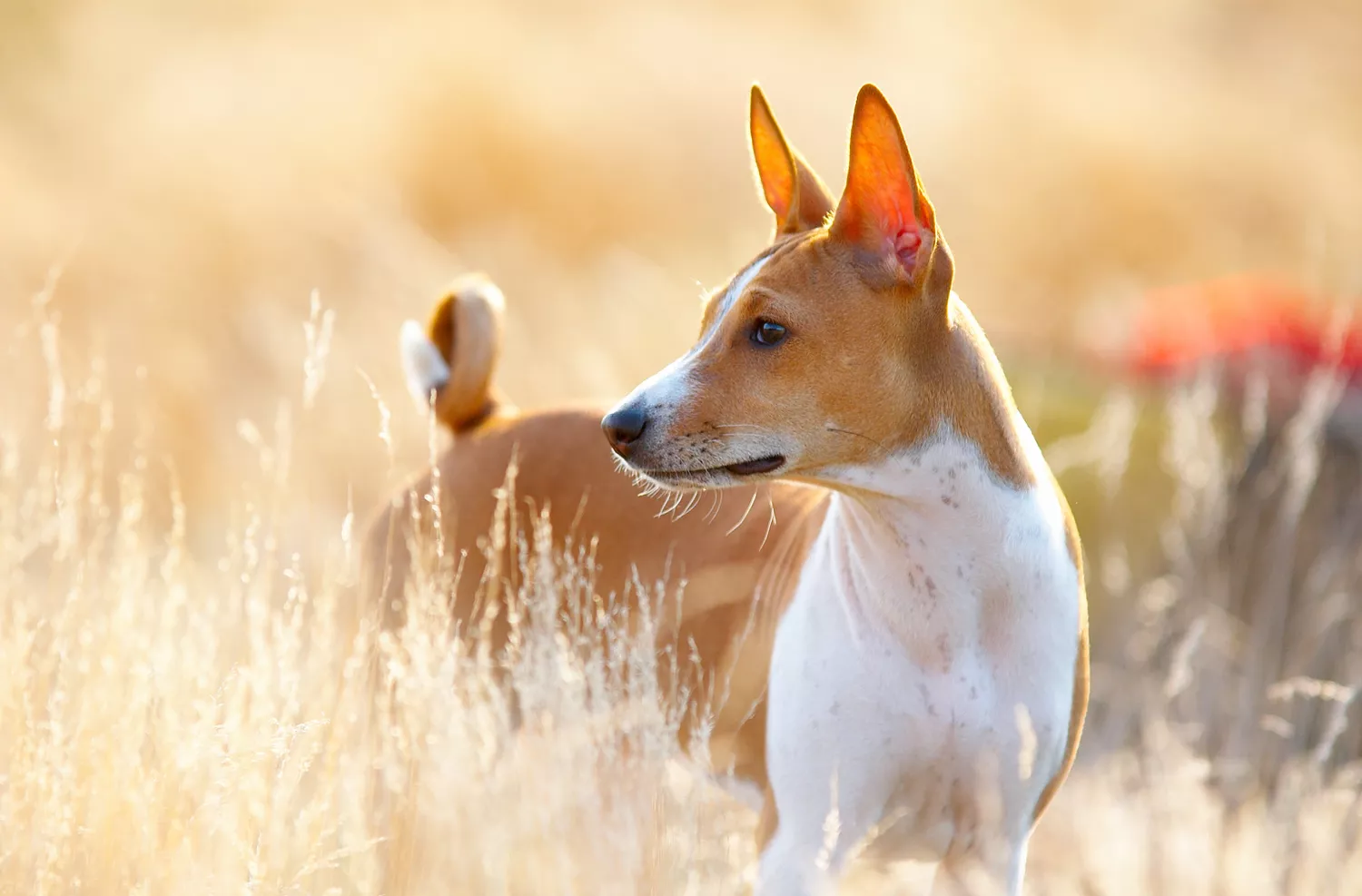
The Basenji is known for its cat-like personality, even grooming itself like a cat, but it looks like a fox. These dogs often choose a favorite family member and can be aloof with strangers. High-energy and requiring a lot of exercises, Basenjis can be challenging to train due to their independence and mischievousness. They are quiet and minimal shedders, making great companions for active people and families.
Breed Overview
17 of 17
Korean Jindo
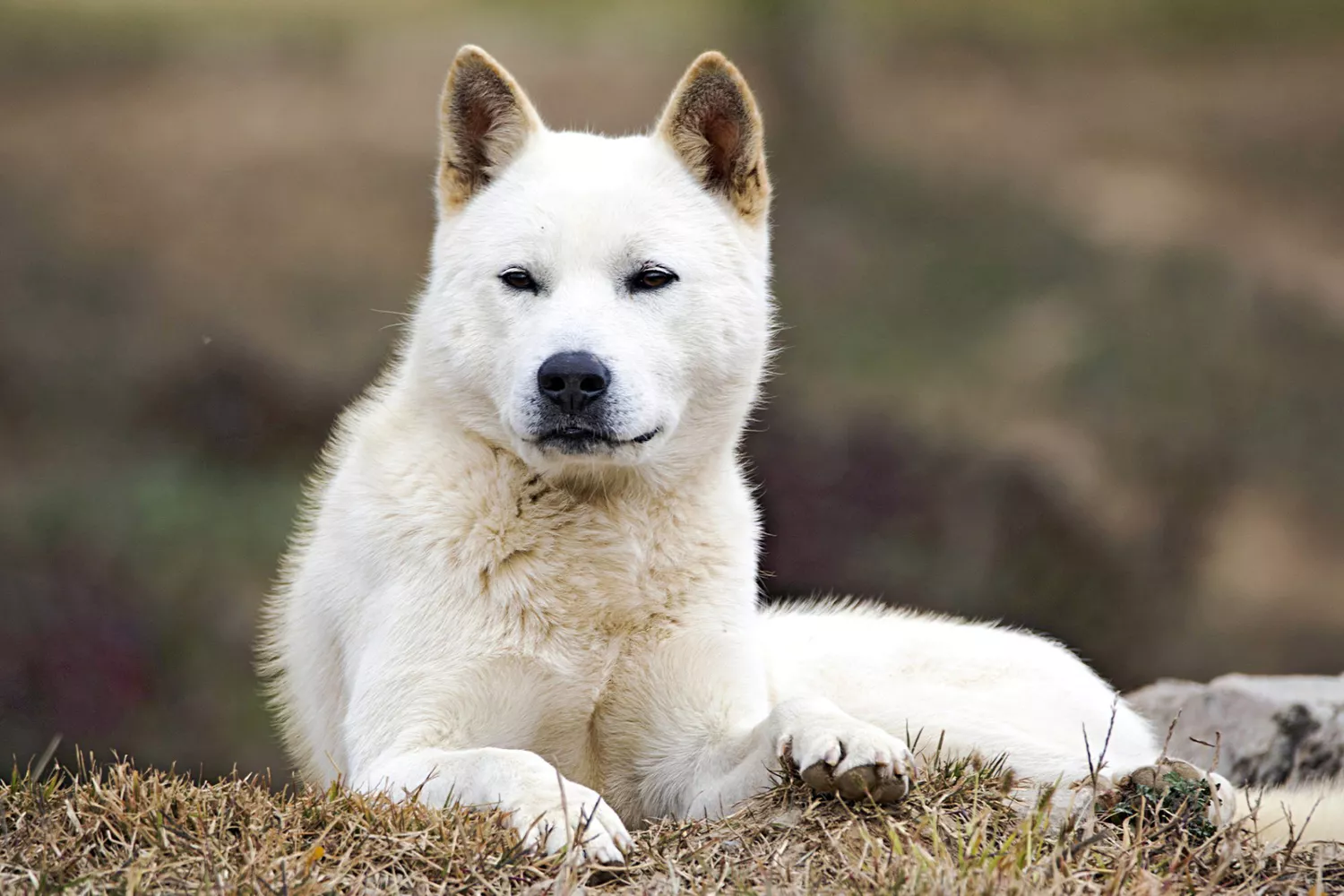
The Korean Jindo, a rare spitz breed, is protective, intelligent, and energetic. Originating from Jindo Island off the coast of South Korea, they have a pointy muzzle and perky triangular ears, making them resemble foxes, especially when red fawn.
Breed Overview
Breeds to Avoid
If you desire a foxy-looking canine, avoid breeds that don’t resemble foxes, such as sighthounds, scenthounds, bully breeds, and giant breeds like Newfies, Great Danes, and Saint Bernards.
Top Pet Fox Species and How to Care for Them



