16 Big Dogs That Don't Shed Much and Keep Your Home Hair-Free
Just because you love to run with the big dogs doesn't mean you like to get their hair all over your clothing and your home. While no breed of dog doesn't shed at all, some breeds shed less than others. Some of these non-shedding breeds are also hypoallergenic, which can help reduce allergy symptoms to dog hair and dander.
Some big dogs that don't shed much include Airedales, standard poodles, Afghan hounds, and salukis. Read on to meet 16 big dog breeds with low shed.
01 of 16
Airedale Terrier
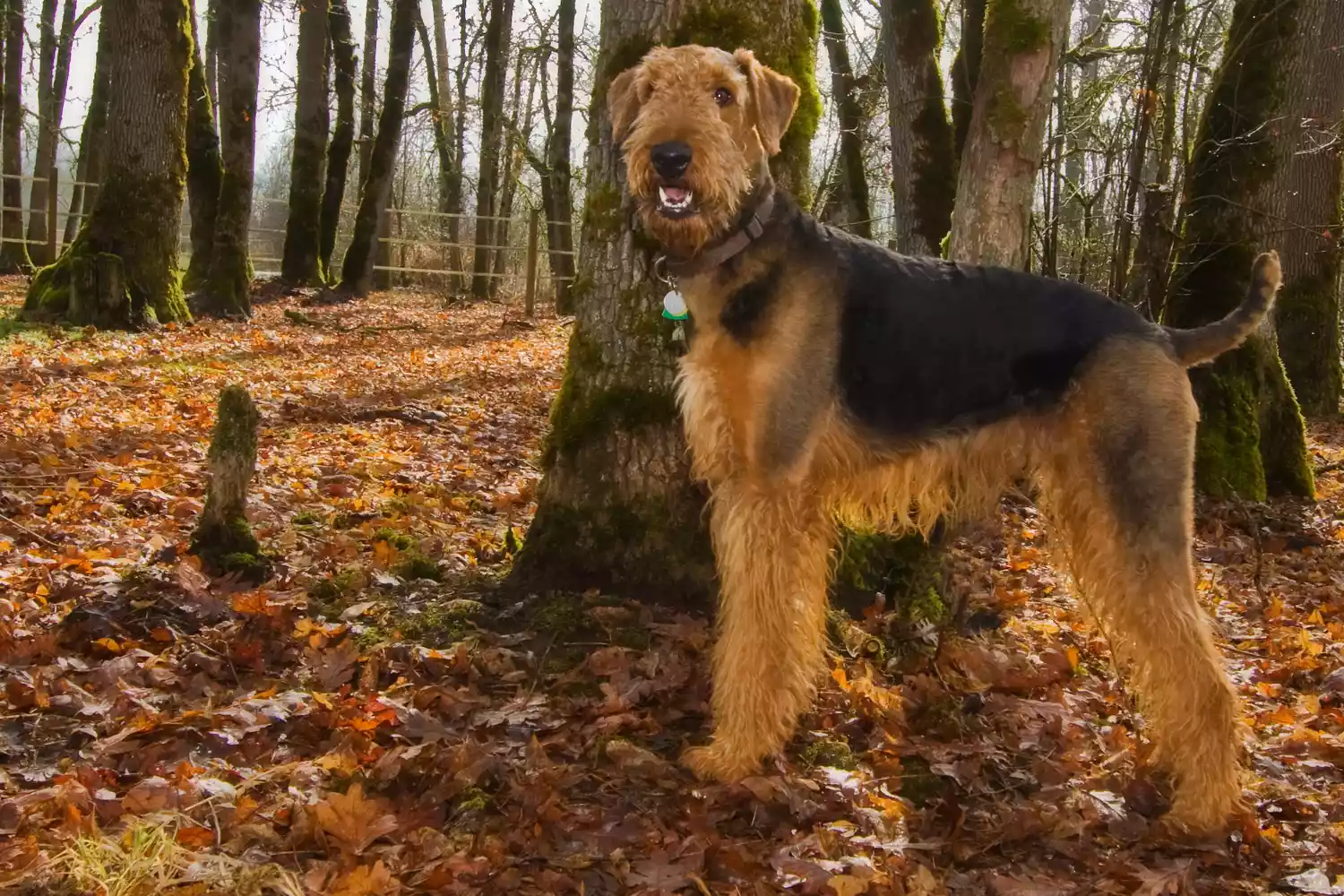
The Airedale terrier is known as the “King of Terriers” because it is the largest of all the terrier breeds. The Airedale was developed in England in the Aire Valley, where it was valued as a duck hunter and rat killer. The short, wiry coat may be straight, crinkled, or slightly waved. The coat sheds very little, but it must be professionally clipped or hand-stripped three to four times a year. Brush weekly with a soft slicker brush to keep the coat tangle free.
Breed Overview
02 of 16
Afghan Hound
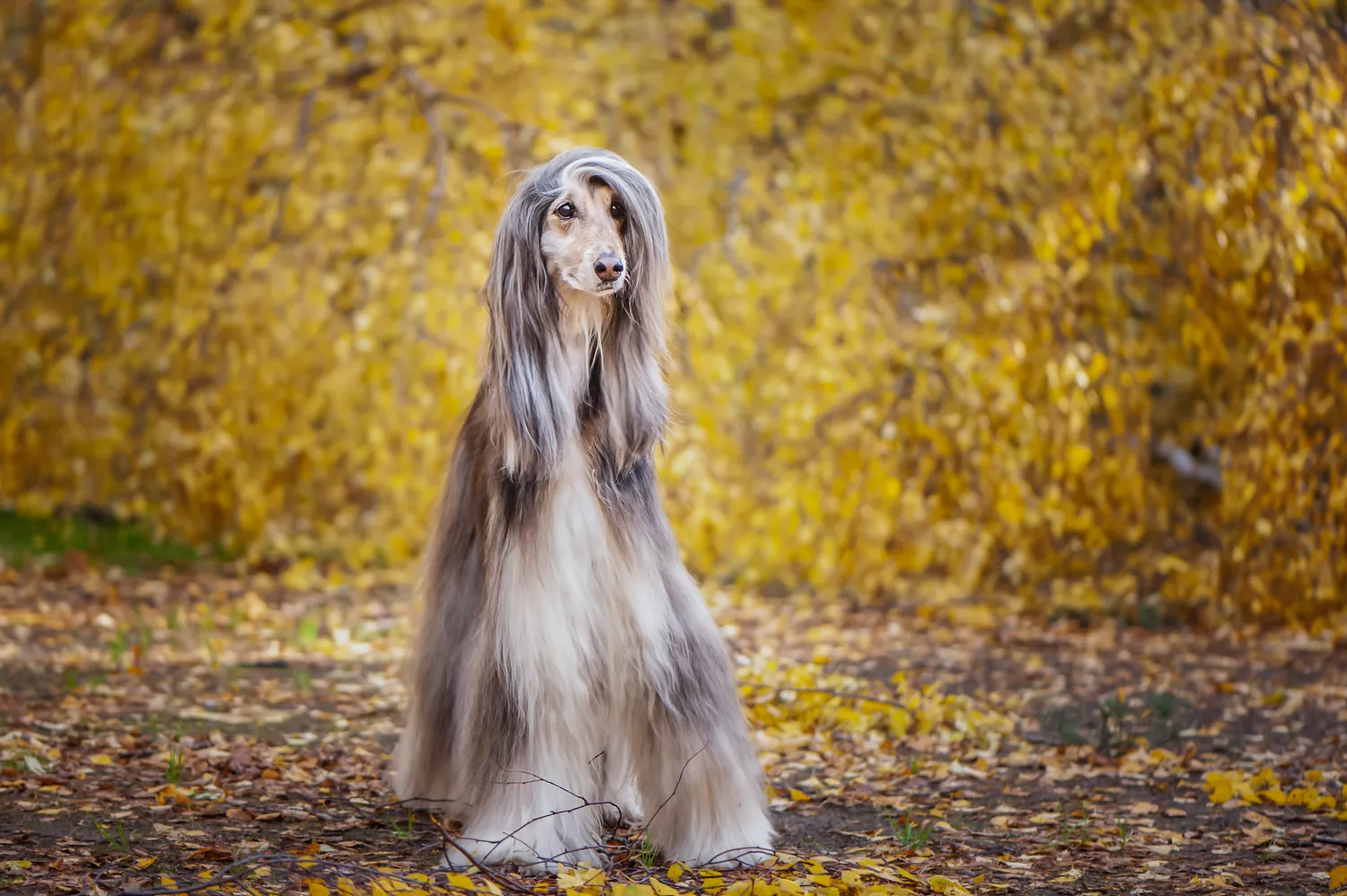
The Afghan hound is a very ancient breed that originated thousands of years ago in the mountain region of what is currently Afghanistan, India, and Pakistan. Here, the swift dogs were used for hunting and prized as loyal companions by royalty and nobility. The long, thick, silky flowing coat is low shed, but it needs a lot of maintenance, including frequent bathing (using both shampoo and conditioner), as well as lots of brushing (up to several hours every week).
Breed Overview
03 of 16
Barbet
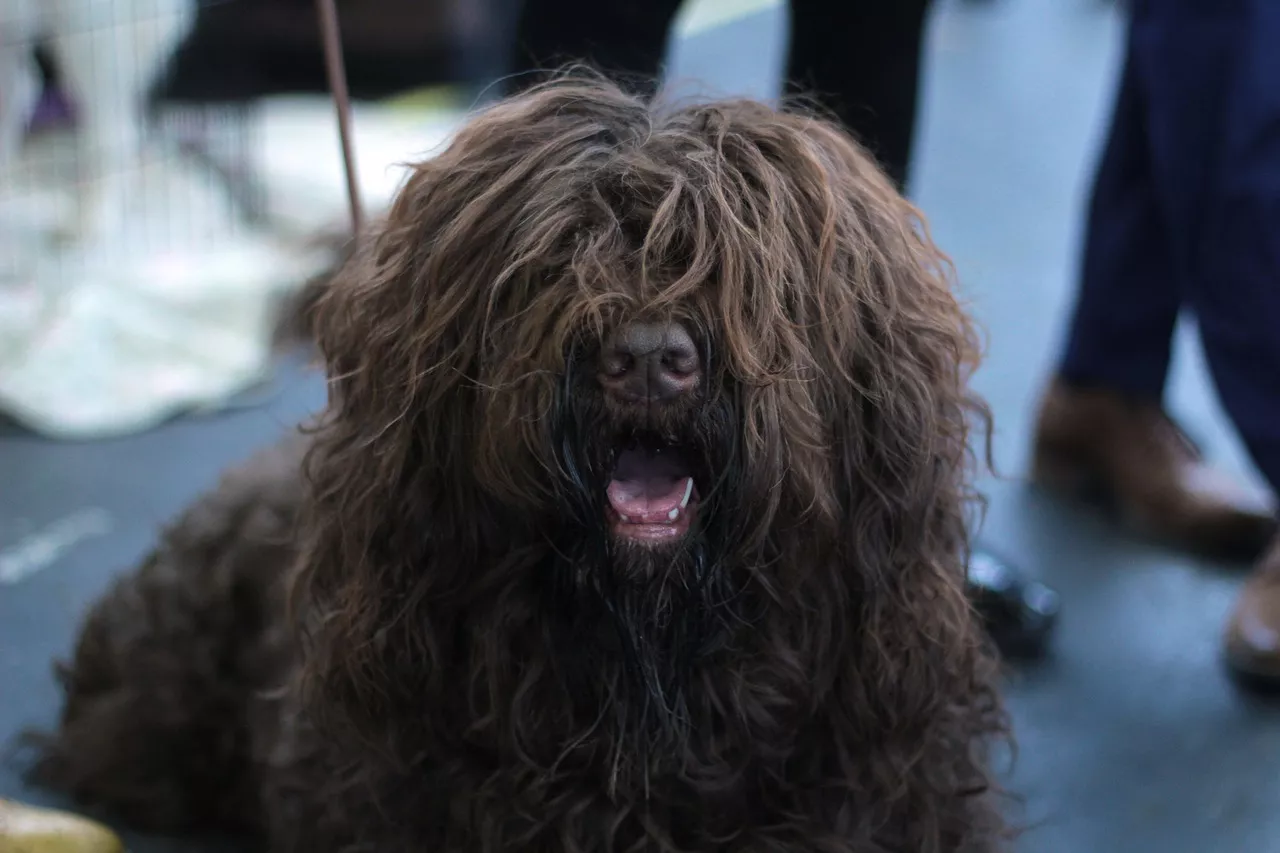
A centuries-old retriever breed from France, the barbet is a medium-large sized dog with a long and curly coat that sheds very little but does require daily grooming to prevent mats and tangles. The barbet is a friendly, cheerful dog that is outgoing and playful, getting along well with children and other dogs. These dogs love to swim and need plenty of regular exercise but have calm and agreeable personalities as long as their activity needs are met. Their shaggy coats can be black, brown, fawn, or gray.
Breed Overview
04 of 16
Briard
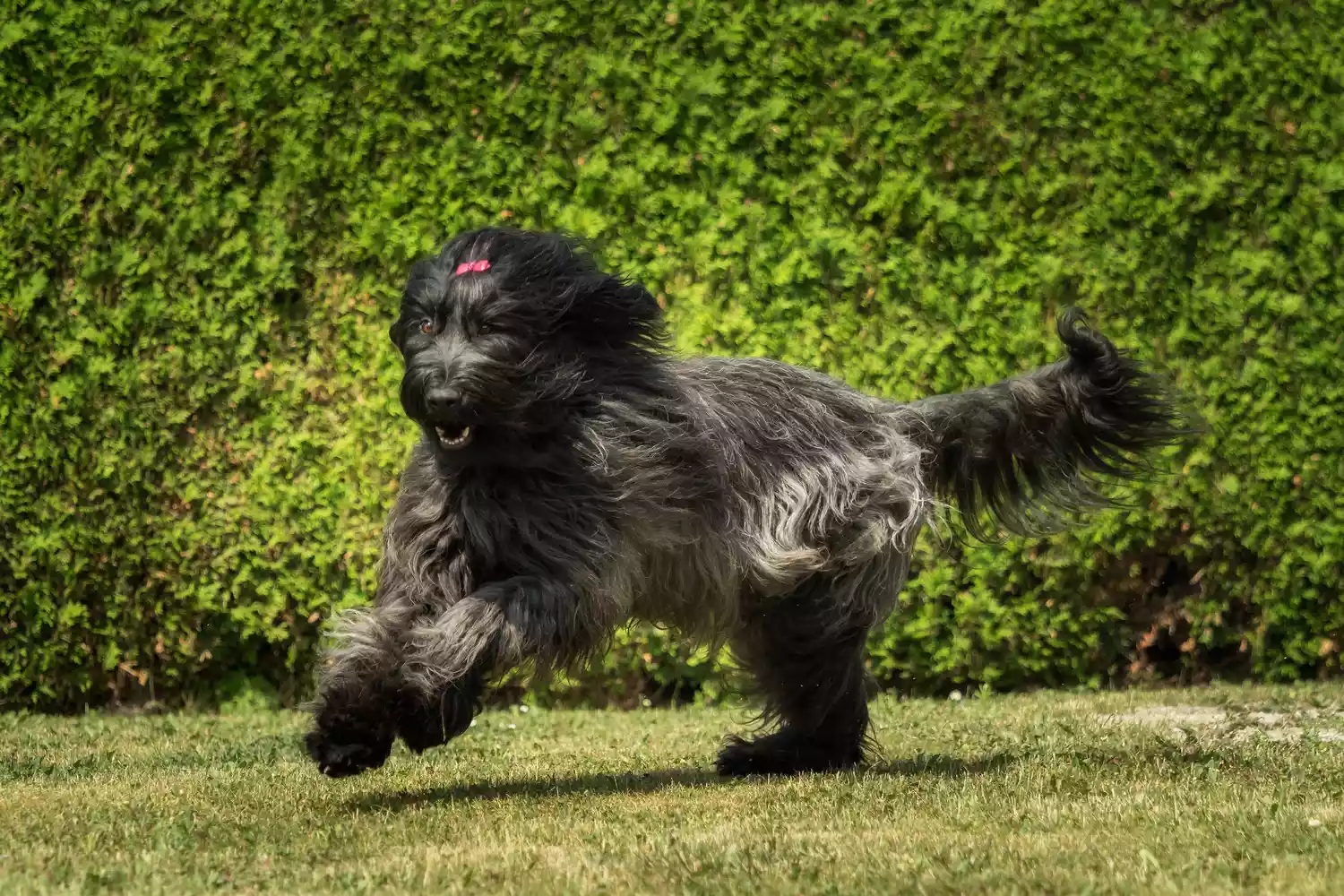
The Briard hails from France, where it has long been used to herd sheep and guard flocks from predators and thieves. The long, coarse, slightly wavy coat is dirt and water-resistant and sheds very little as long as it is maintained correctly with plenty of brushing and combing (you might need to devote a few hours a week to this task). Bathe the Briard once a month, and have its hair trimmed by a professional groomer every few months.
Breed Overview
05 of 16
Giant Schnauzer
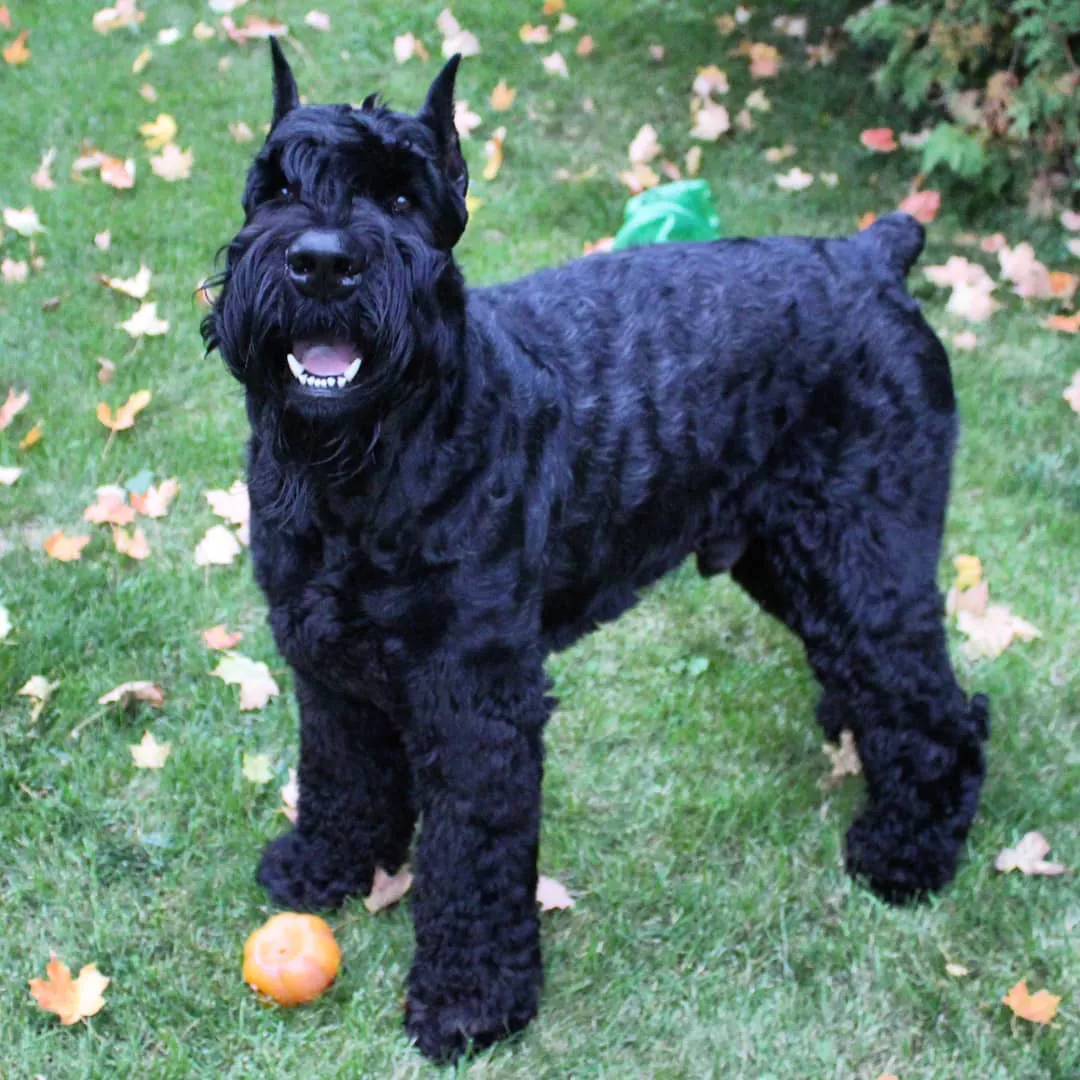
The giant schnauzer is the largest of three related schnauzer breeds. It was bred up from the standard schnauzer, which was the original schnauzer (the miniature schnauzer was bred down from the standard). In Germany, the giant schnauzer drove cattle to the market and worked as an all-around farm dog and guard dog. The giant schnauzer’s dense, wiry coat sheds very little. It needs regular professional grooming, but in between appointments can be easily maintained with weekly brushing.
Breed Overview
06 of 16
Goldendoodle (Standard)
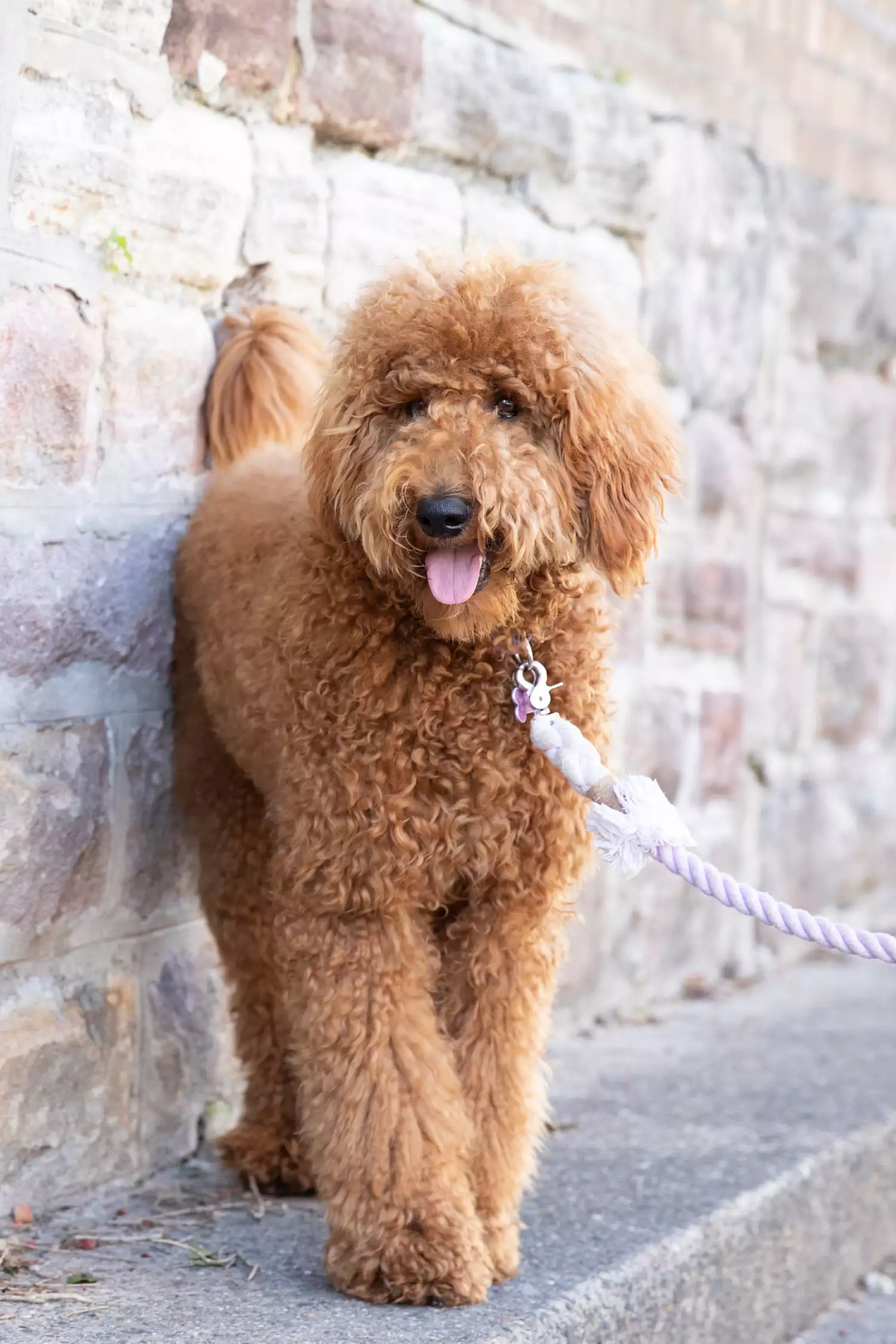
A cross between a standard poodle and a golden retriever, the standard goldendoodle is the largest of these designer dogs. These are friendly, outgoing, confident, and good-natured canines that make excellent family pets. The amount of shedding depends on how much of the poodle genetics hold sway over the coat; generally, the curlier and more "poodle-like" the coat, the less the goldendoodle will shed. The coat can be just about any color or combination of colors.
Breed Overview
07 of 16
Greyhound
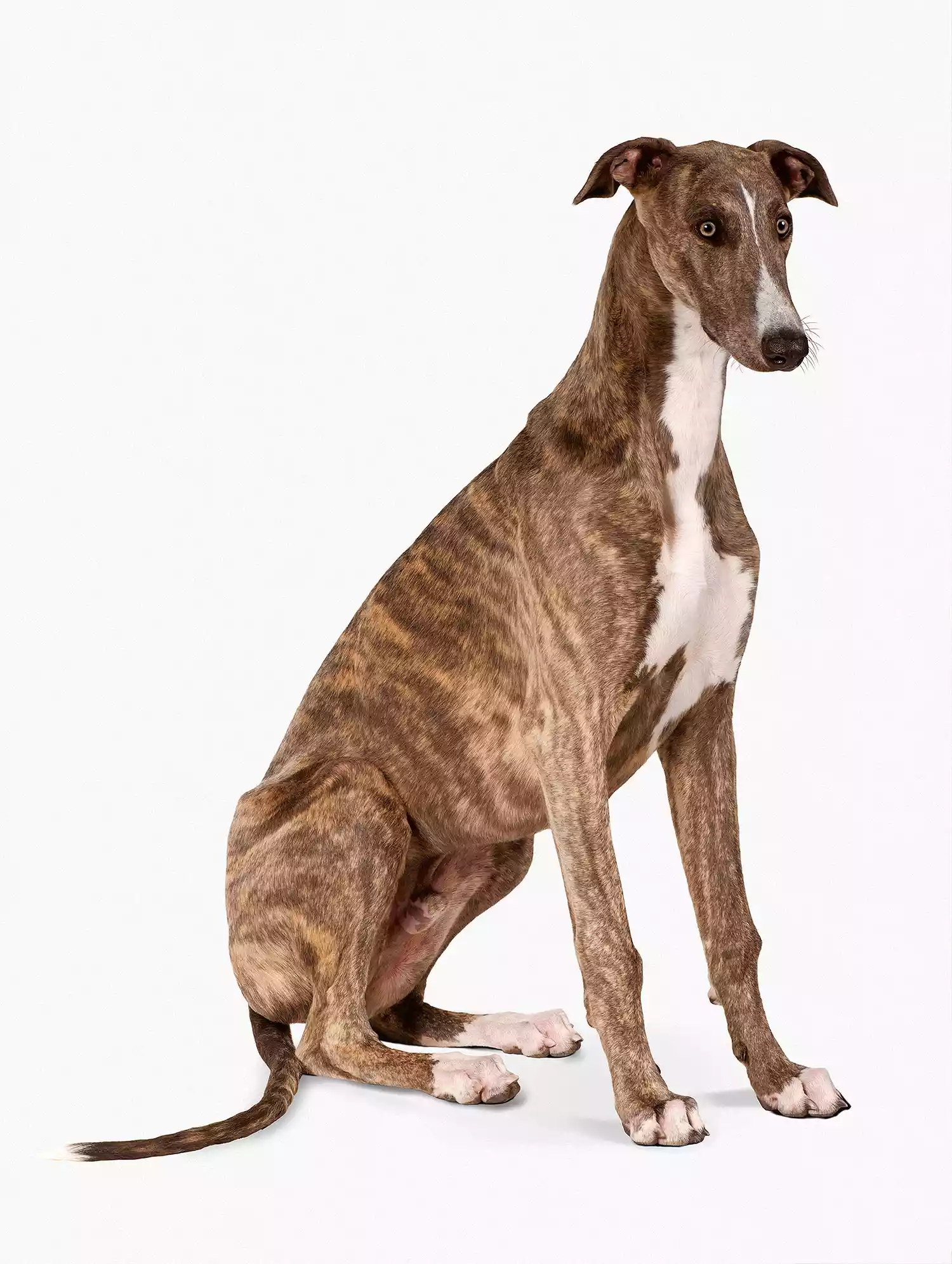
The fastest dog breed on earth, the greyhound is an amiable, gentle, and dignified breed when off the racetrack. They do have quite a bit of energy and need a home where they'll have plenty of opportunities to run and play, however. They are affectionate with their families and enjoy time spent relaxing with their favorite people. While greyhounds do shed a bit, they aren't at all heavy shedders and don't require much grooming beyond occasional brushing and baths. Their coats can be a very wide range of colors and color combinations.
Breed Overview
08 of 16
Irish Water Spaniel
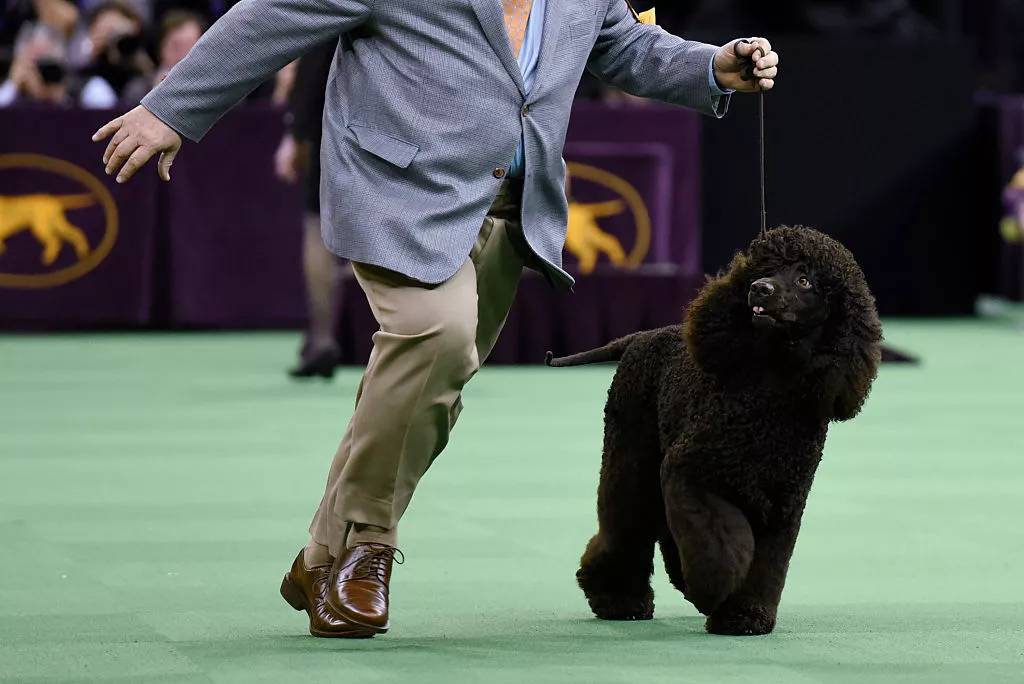
The Irish water spaniel hails from Ireland, where it has long been used as a versatile hunting dog, able to point, flush, and retrieve downed birds, including ducks, geese, pheasants, and quail. The Irish water spaniel is covered in covered with dense, tight, crisp curls, but the long tail is completely smooth, earning the breed the nickname of “Rat Tail Spaniel.” The coat is low shed and is considered hypoallergenic, but it requires frequent brushing and regular professional grooming to keep it looking its best.
Breed Overview
09 of 16
Komondor
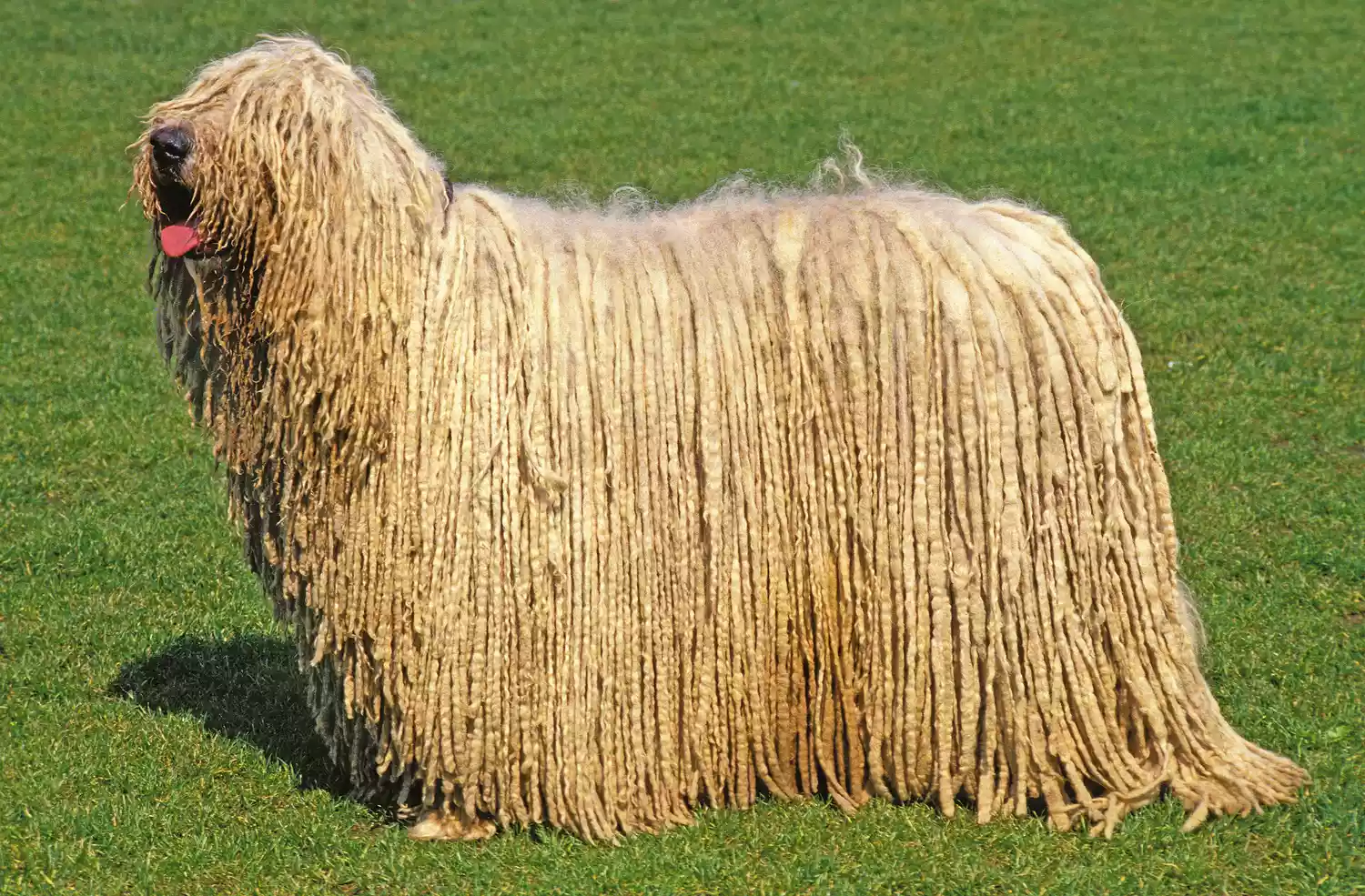
The Komondor comes from Hungary, where it has been used for centuries as a livestock guardian, protecting sheep from wolves and other predators, as well as guarding the farm and family. The coat is traditionally corded, which means the hair is encouraged to grow into long white dreadlocks, which allow the dog to blend in with his flock. The cords of hair are so thick they can serve as armor against attacking wolves and keep the dog warm in harsh weather. Though the corded coat does not shed, it requires an enormous amount of care to keep it healthy, clean, and dry.
Breed Overview
10 of 16
Peruvian Inca Orchid (Large)
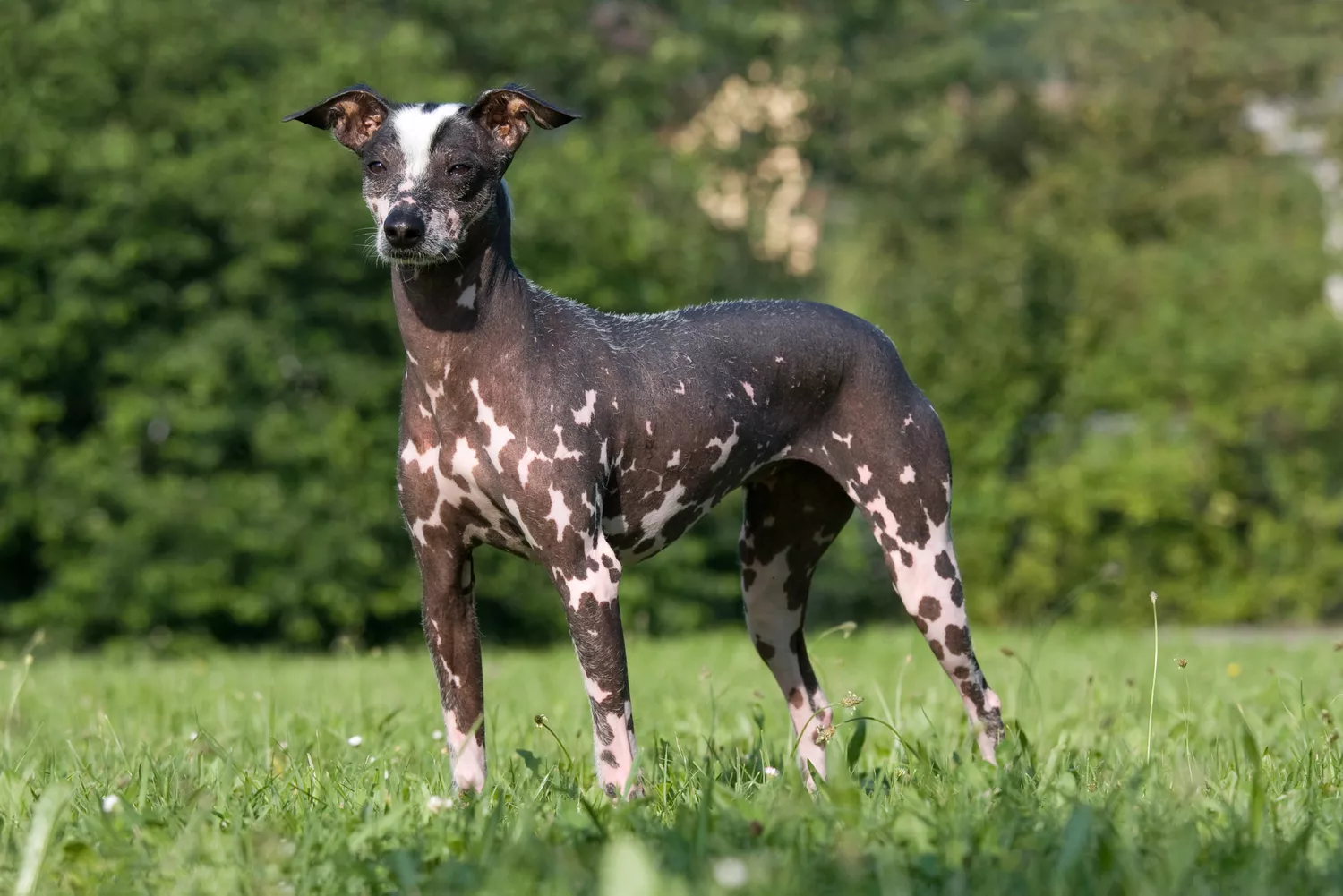
The Peruvian Inca Orchid, also known as the Peruvian hairless dog (Perro sin Pelo de Peru) is a very ancient breed that developed naturally in Peru. Images of the breed can be found in pottery dating back to 750 A.D. The Peruvian Inca Orchid comes in hairless and coated varieties, as well as three sizes (small, medium, and large). The hairless Peruvian does not shed; it is usually entirely free from body hair, though some may have a very small amount of short hair on the head, feet, and end of the tail. These dogs need skin protection when spending time outdoors, including sunscreen in warmer months and sweaters in cold weather.
Breed Overview
11 of 16
Poodle (Standard)
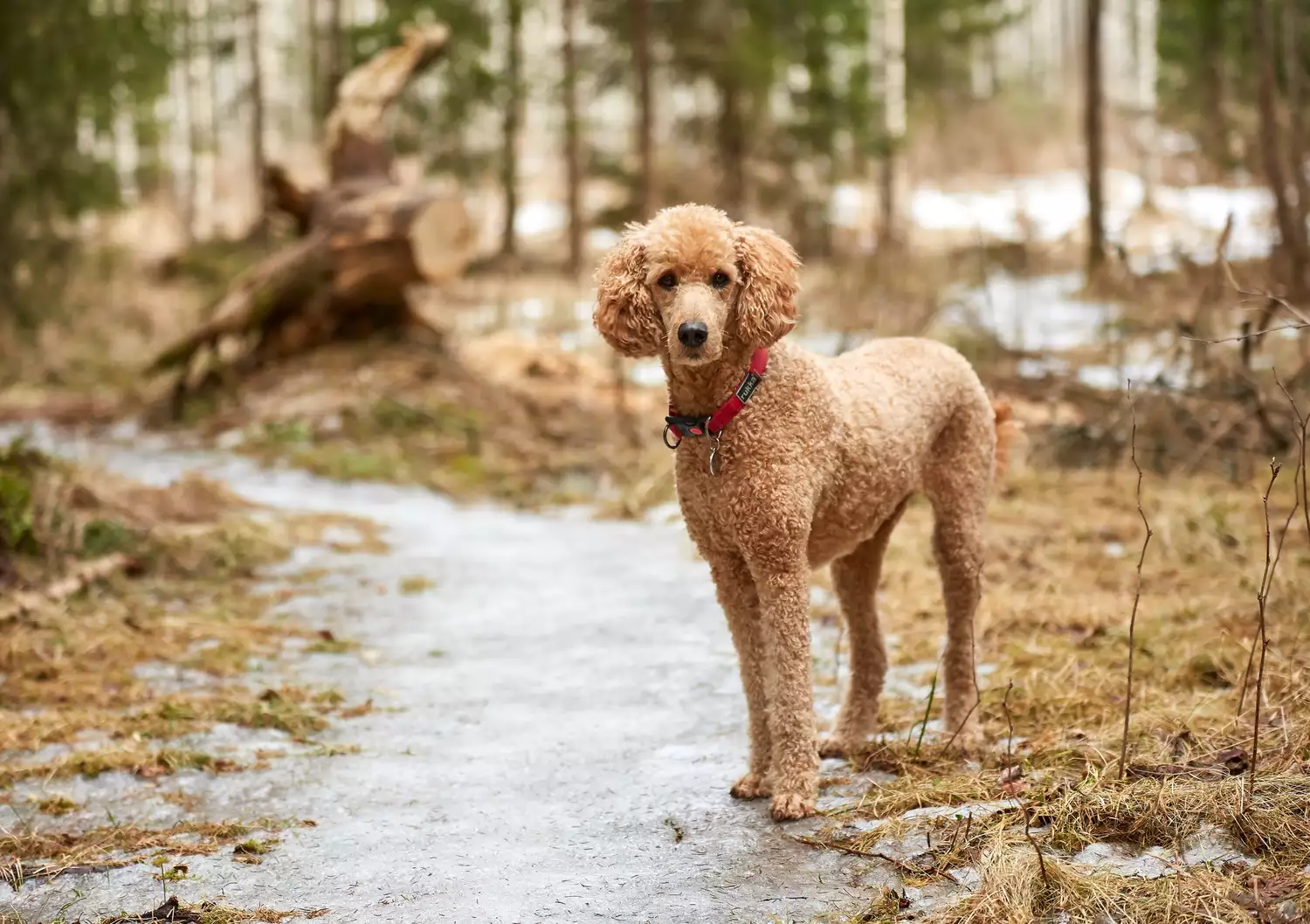
The poodle comes in three size varieties. The largest is the standard poodle, followed by the miniature and toy poodles. The standard was the original poodle, developed in Germany as a water retriever. The naturally harsh, dense curly coat is hypoallergenic and does not shed much at all, but it is somewhat high-maintenance. The standard poodle must be professionally groomed every one to two months and brushed every other day (daily for longer coats) to prevent mats.
Breed Overview
12 of 16
Portuguese Water Dog
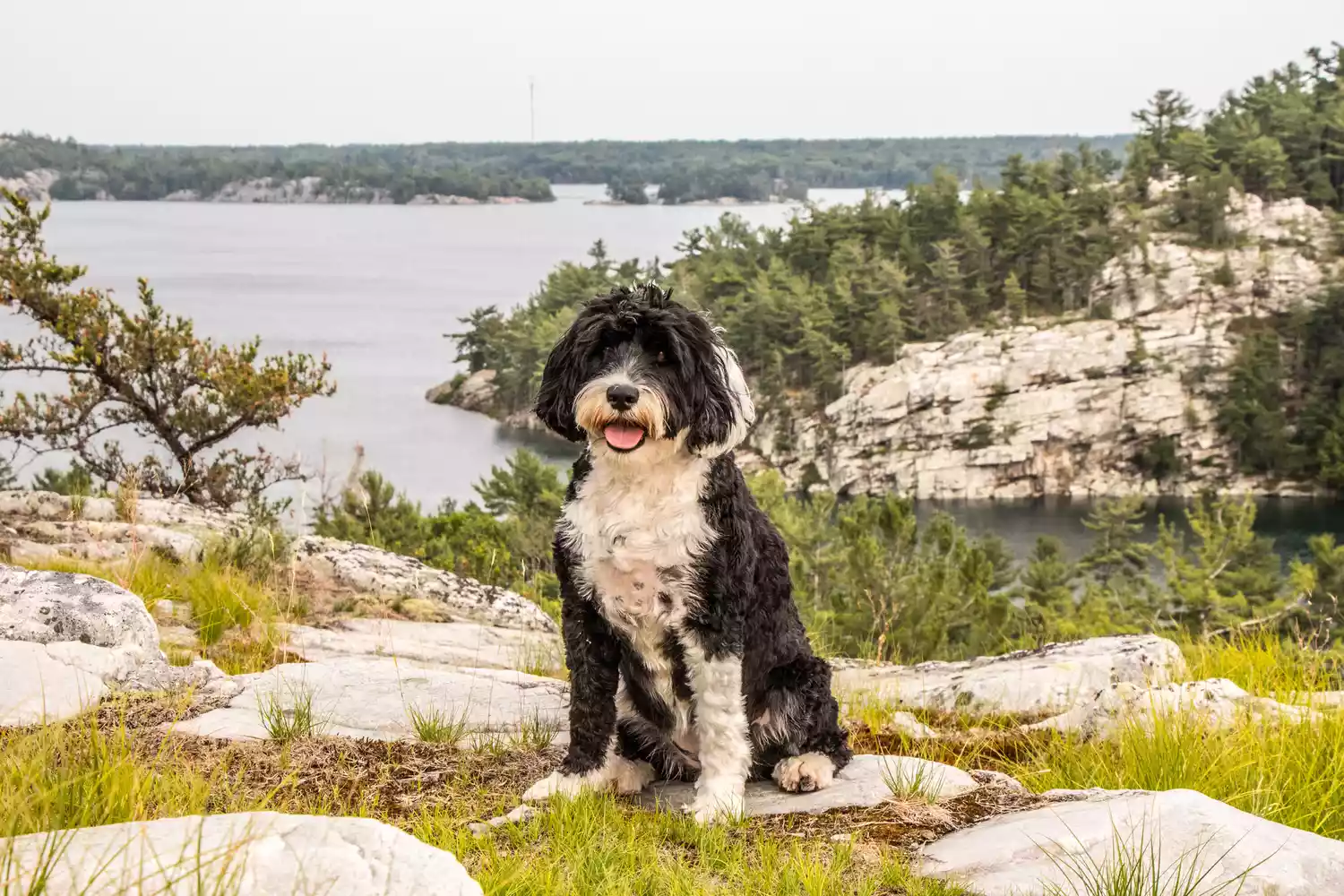
The sporty-looking Portuguese water dog has been known in Portugal for hundreds of years, where it helped fishermen, swimming from boat to boat or boat to shore, to deliver messages, retrieve broken nets, and even herd fish into nets. The waterproof coat does not shed much and is considered hypoallergenic. The PWD requires weekly brushing and combing, and professional grooming every month or two.
Breed Overview
13 of 16
Saluki
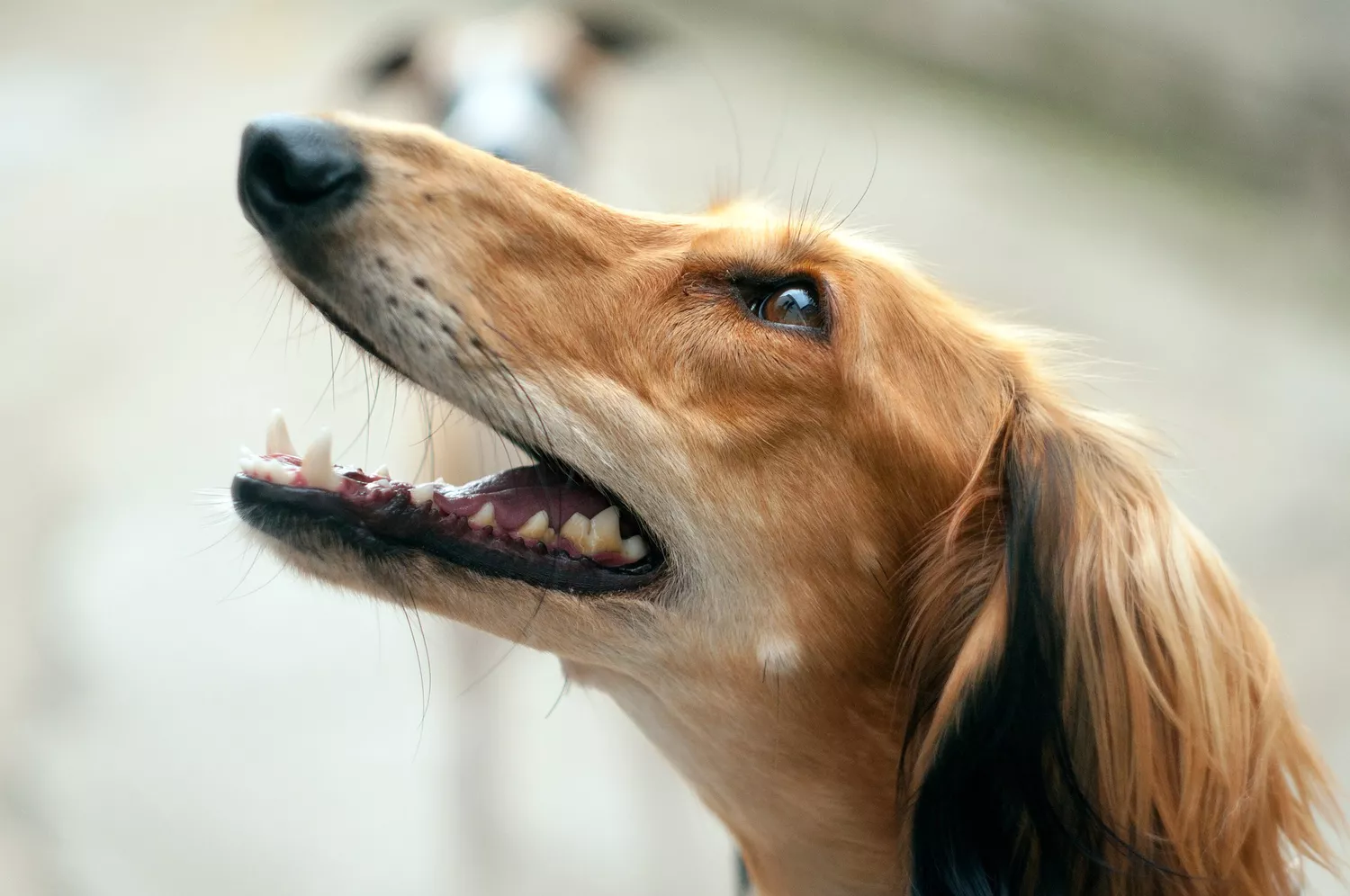
One of the oldest breeds of dog, the Saluki was once the favorite hunting dog of ancient Egyptian pharaohs. These agile and sleek hounds are very intelligent and require quite a bit of exercise. While rather independent, the Saluki is still affectionate and devoted to its own family. Although these dogs do shed, it's fairly minimal compared to many other breeds, and their short, smooth coat, which comes in a wide range of colors and patterns, needs very little grooming.
Breed Overview
14 of 16
Soft Coated Wheaten Terrier
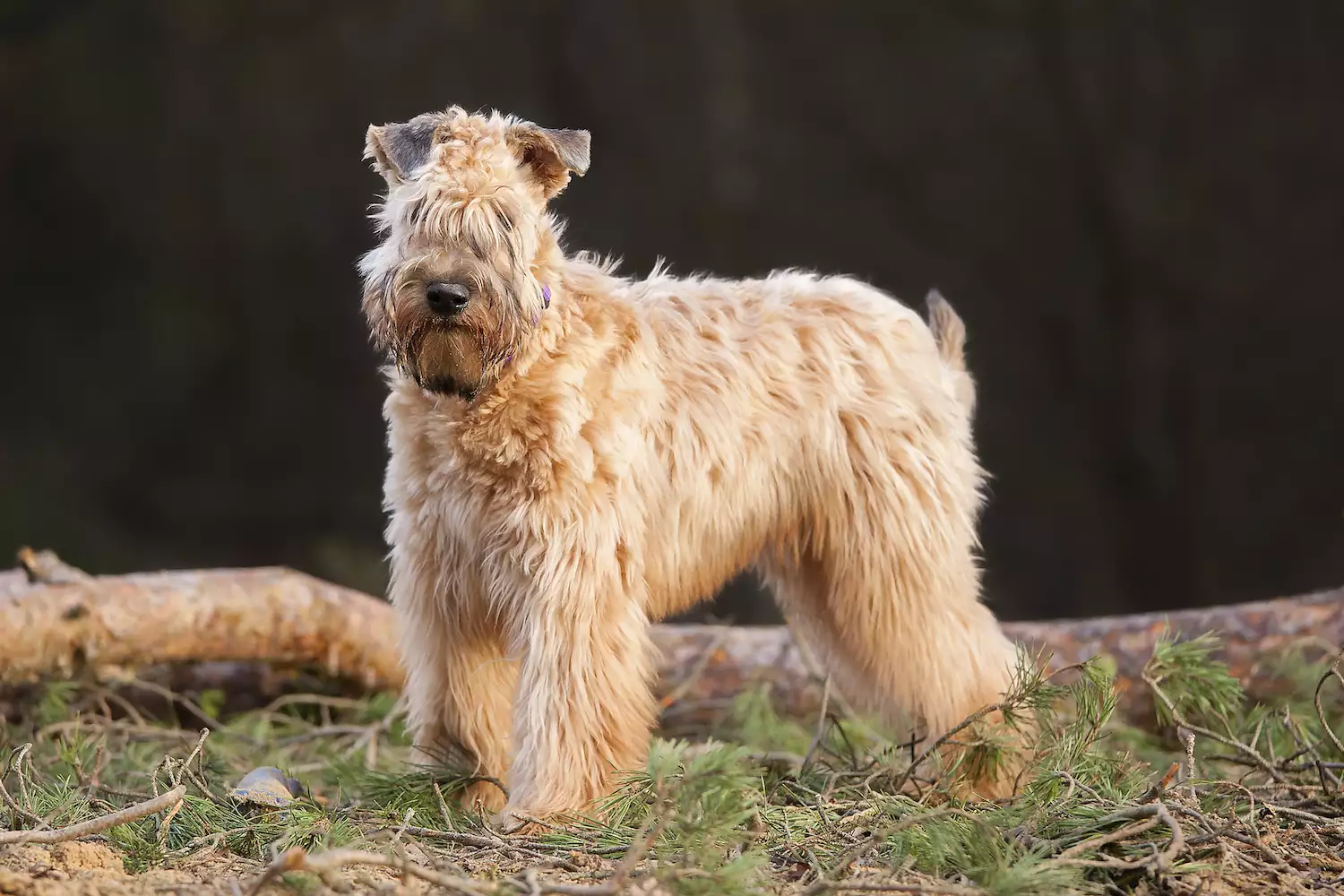
These happy, outgoing, playful, and exuberant dogs were bred to work on Irish farms, but today prefer to spend their time lavishing love on their families, including children and other dogs. While soft-coated wheaten terriers shed very little, their long, silky, wavy coats mat easily and require daily brushing sessions. Their fur is a soft beige to pale gold, reminiscent of the color of wheat. Like other terriers, the wheaten can be a bit stubborn at times.
Breed Overview
15 of 16
Wirehaired Pointing Griffon
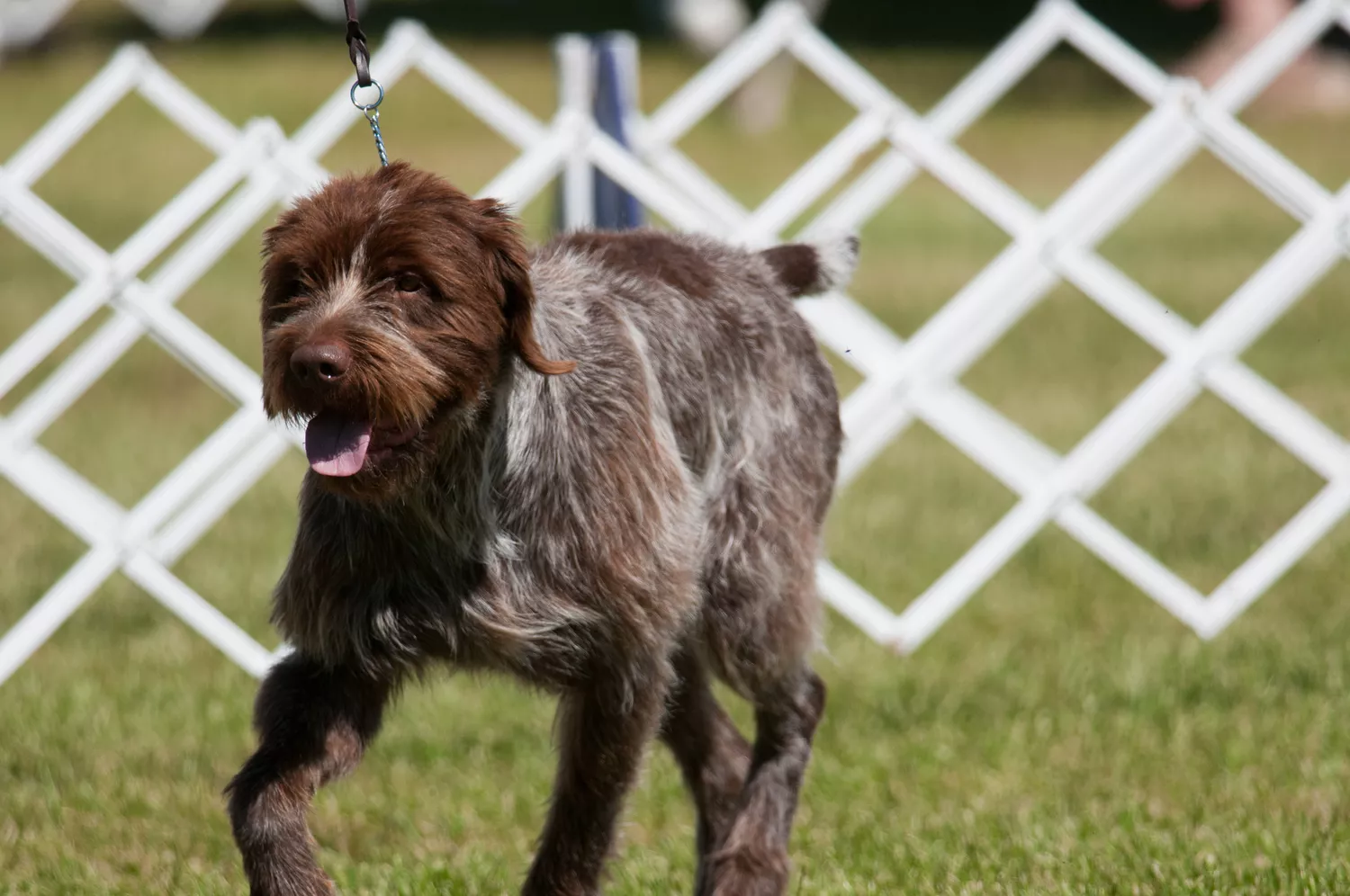
The wirehaired pointing griffon was developed in the Netherlands in the late 1800s to be a versatile hunting breed. Today, the wirehaired pointing griffon remains an excellent pointing and retrieving dog used to hunt upland birds. The straight, wiry, harsh, water-resistant double coat is low shed, but it must be brushed out thoroughly at least once a week. The wirehaired pointing griffon also needs professional trimming or hand-stripping three or four times a year.
Breed Overview
16 of 16
Xoloitzcuintli (Standard)
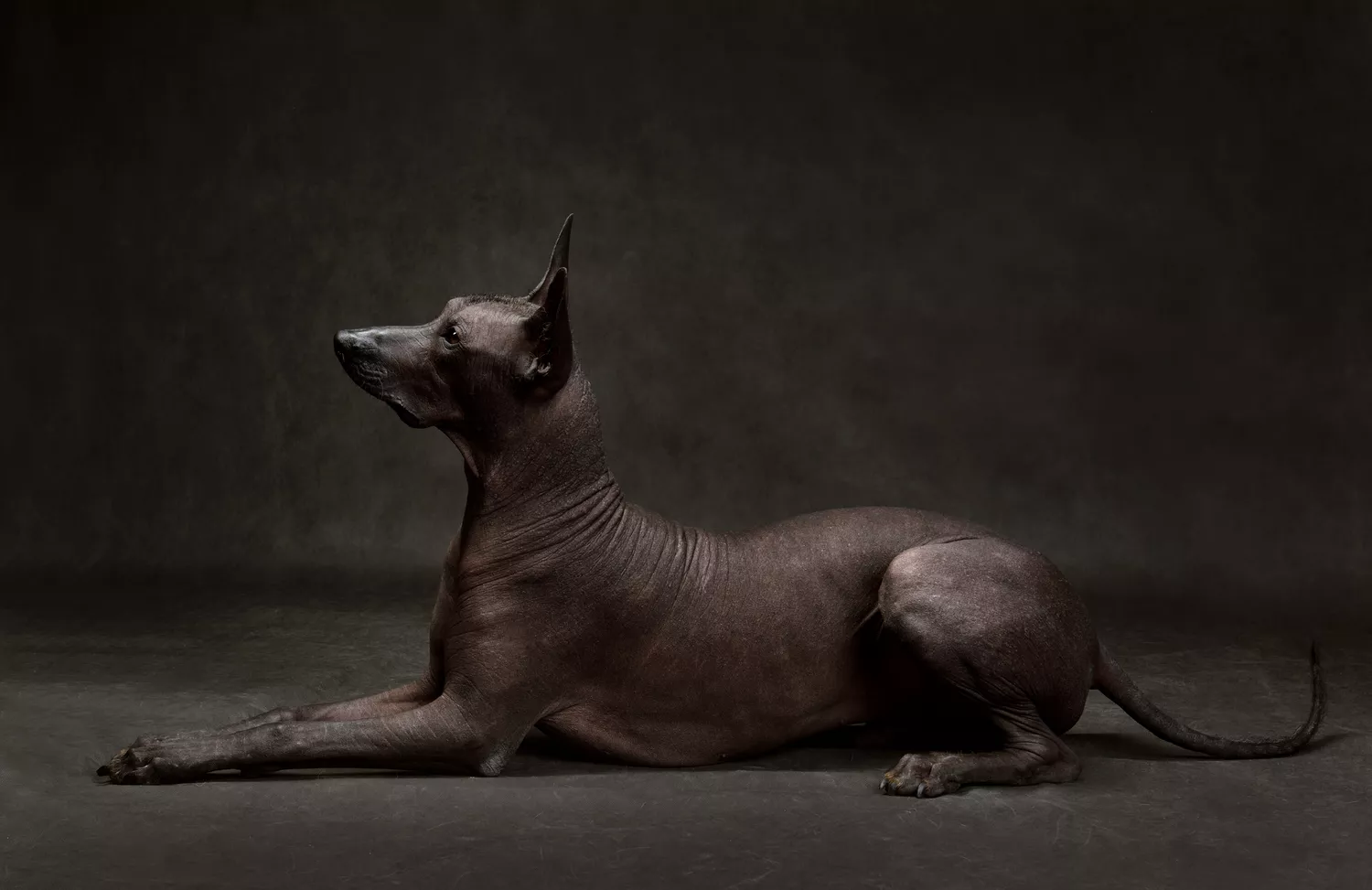
The Xoloitzcuintli (pronounced “show-low-eats-QUEENT-lee” or “show-low” for short), also known as the Mexican hairless dog, evolved naturally in Mexico at least 3,000 years ago. The Xolo comes in three sizes: standard is the largest, followed by miniature and toy. The breed is hairless with tough, smooth skin, though some dogs have a small amount of short, coarse hair on top of the head, on the feet, and on the last third of the tail. The coated variety is completely covered in a short, smooth coat. Like the Peruvian Inca Orchid, the Xolo needs skin protection, including sunscreen in warm weather and a sweater or coat in winter.



