23 Healthiest Dog Breeds With the Least Illnesses
Like humans, dogs can develop health conditions such as heart disease, cancer, orthopedic issues, and allergies due to their genetics. You might be curious about the healthiest dog breeds. Some breeds lead very healthy lives and overall aren’t known for many serious health issues.
Of course, every individual dog is different, and there’s no guarantee that just because a dog is known as a healthy breed that won’t develop health conditions. Still, genetics do play a substantial role.
Here are 23 dog breeds that have relatively long lifespans with generally few health issues.
01 of 23
Australian Cattle Dog
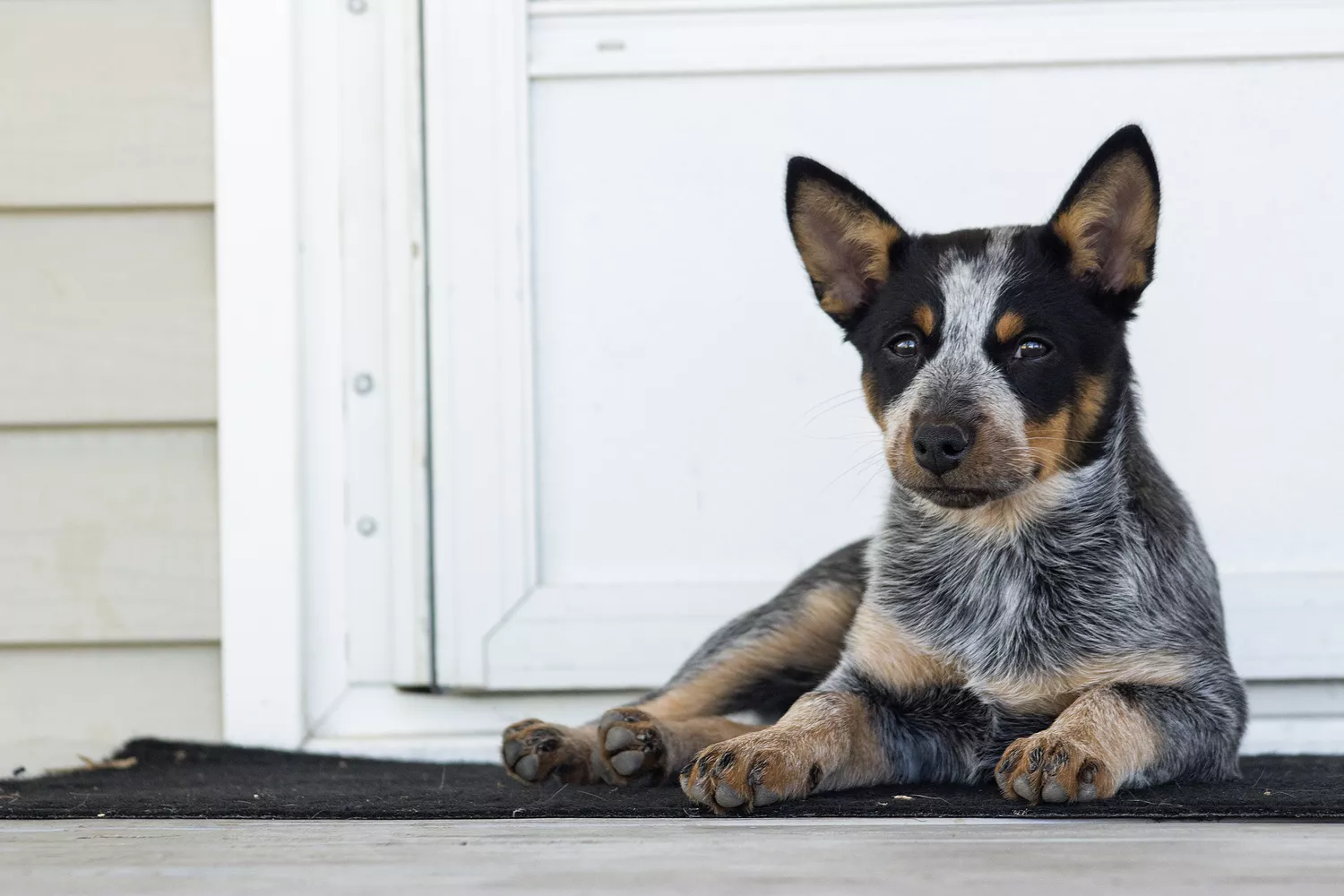
An athletic and intelligent breed, the Australian cattle dog can make a great running or hiking buddy for active people. These dogs have an average lifespan of 12 to 16 years with few health issues associated with them, so this is one of the healthiest dog breeds. In fact, Bluey the Australian cattle dog was named oldest dog that ever lived. However, their active nature sometimes can result in joint or ligament issues due to wear and tear. But these problems often can be corrected with rest, medication, or surgery.
Breed Overview
02 of 23
Beagle

Known for their keen sense of smell and savvy hunting skills, the beagle is a moderately active, medium-sized dog with an average lifespan of 10 to 15 years. Beagles generally lead healthy lives. The health conditions associated with the breed, including eye and hip problems, usually occur in older dogs. Also, these dogs should have a controlled diet to prevent them from eating too much (as scent dogs, they’re easily drawn to food).
Breed Overview
03 of 23
Chihuahua

Chihuahuas have a lot of spirit and intelligence for coming in such a small package. It’s also not uncommon for these little dogs to live close to 20 years. They generally remain healthy for most of their lives. But some health issues linked to the breed include heart and eye problems, along with patellar luxation (loose kneecaps). They are also prone to obesity and require exercise.
Breed Overview
04 of 23
Greyhound

The greyhound is one of the fastest dog breeds in the world, as well as one of the healthiest dog breeds, and they need exercise to get their adrenaline out. On average, these dogs live between 10 and 13 years. They are generally very healthy throughout their lives. However, like other dogs with deep chests, they are susceptible to bloat and gastric torsion (twisting of the stomach), especially if they eat too quickly. This can be life-threatening, so it’s important to monitor their eating.
Breed Overview
05 of 23
Poodle

Poodles have a reputation of being prissy, but these coifed canines are anything but. Not only are poodles highly intelligent, but they’re extremely athletic, too. In fact, poodles were originally bred as hunting dogs. With an average lifespan of 10 to 18 years, poodles live longer and healthier lives than many other breeds. However, they can be prone to joint and eye issues, whether they’re standard, miniature, or toy poodles.
Breed Overview
06 of 23
Havanese

Hailing from Havana, Cuba—and securing the spot as the only dog breed native to Cuba—the Havanese is a small, smart dog that’s easy to train and extremely sociable. The typical Havanese has a lifespan of 14 to 16 years. These dogs are generally healthy, but some can be prone to hereditary deafness, as well as patellar luxation and progressive retinal atrophy (PRA).
Breed Overview
07 of 23
Siberian Husky

Best known for sled-pulling strength and endurance, the Siberian husky is a powerful, athletic dog with boundless energy. They’re ideal for those who like to take long daily walks, runs, or hikes. These dogs have a lifespan of 12 to 16 years, and they’re usually very healthy. Some are prone to eye and hip issues, but breeders have worked to remove some of that genetic predisposition to help make this one of the healthiest dog breeds.
Breed Overview
08 of 23
Basenji

Basenjis are quite intelligent, athletic hunting dogs that have almost a cat-like nature. In fact, rather than barking, they make more of a yodeling sound, and they tend to groom like cats. These dogs have an average lifespan around 13 to 14 years, and they typically don’t develop many serious health issues. But the breed is prone to hypothyroidism and hip problems. A DNA test for dogs can aid in providing you and your veterinarian with a wealth of information about your dog’s breed and genetic makeup.
Breed Overview
09 of 23
Border Collie

Border collies are highly intelligent, athletic, and driven dogs. They thrive when they have a job and are up to learning most tasks, especially ones that require lots of mental and physical energy. These dogs are hardy and healthy overall with an average lifespan of 12 to 15 years, though some can be prone to deafness, collie eye anomaly, and epilepsy.
Breed Overview
10 of 23
Mixed Breed
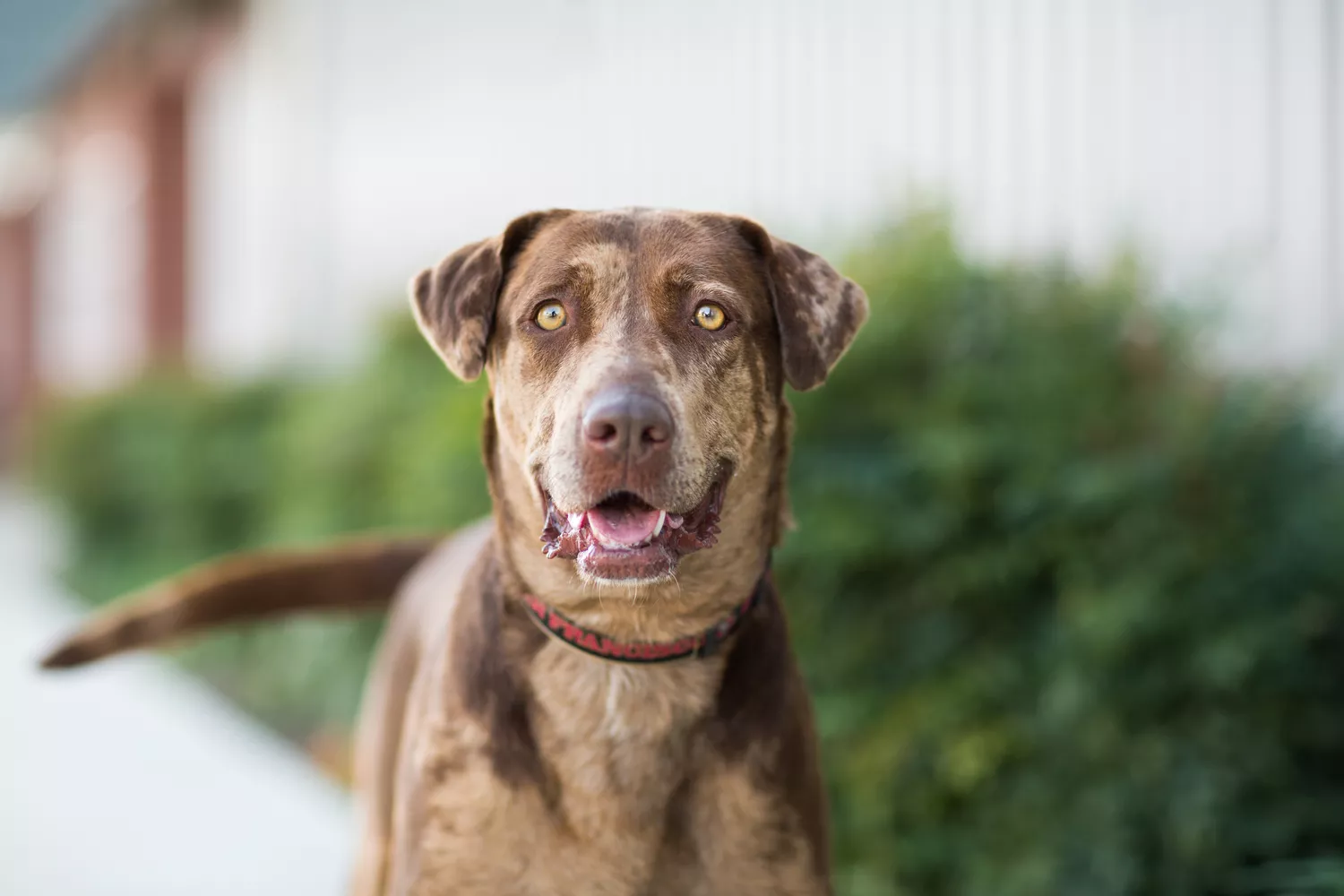
Mixed-breed dogs are the result of breeding different purebreds or different mixed-breed dogs together. They typically aren’t pedigreed or registered, but they can inherit the traits—both good and bad—of all the breeds in their bloodline. Still, because mixed-breed dogs have an extremely wide gene pool (unlike purebred dogs), it’s less common for them to be prone to specific genetic disorders. But, like any dog, mixed-breed dogs also are the product of their environments and can develop conditions, such as canine obesity, if they don’t lead a healthy lifestyle.
Breed Overview
11 of 23
Australian Shepherd
The Australian shepherd, also known as Aussie, is an intelligent, athletic herding dog that’s perfect for active families who will be able to keep up with their high energy level. These dogs thrive when they’re able to work, and enjoy everything from dog sports to therapy work. Their average lifespan is 12 to 15 years, but the breed is prone to hip dysplasia, epilepsy, and cataracts.
Breed Overview
12 of 23
German Shorthaired Pointer
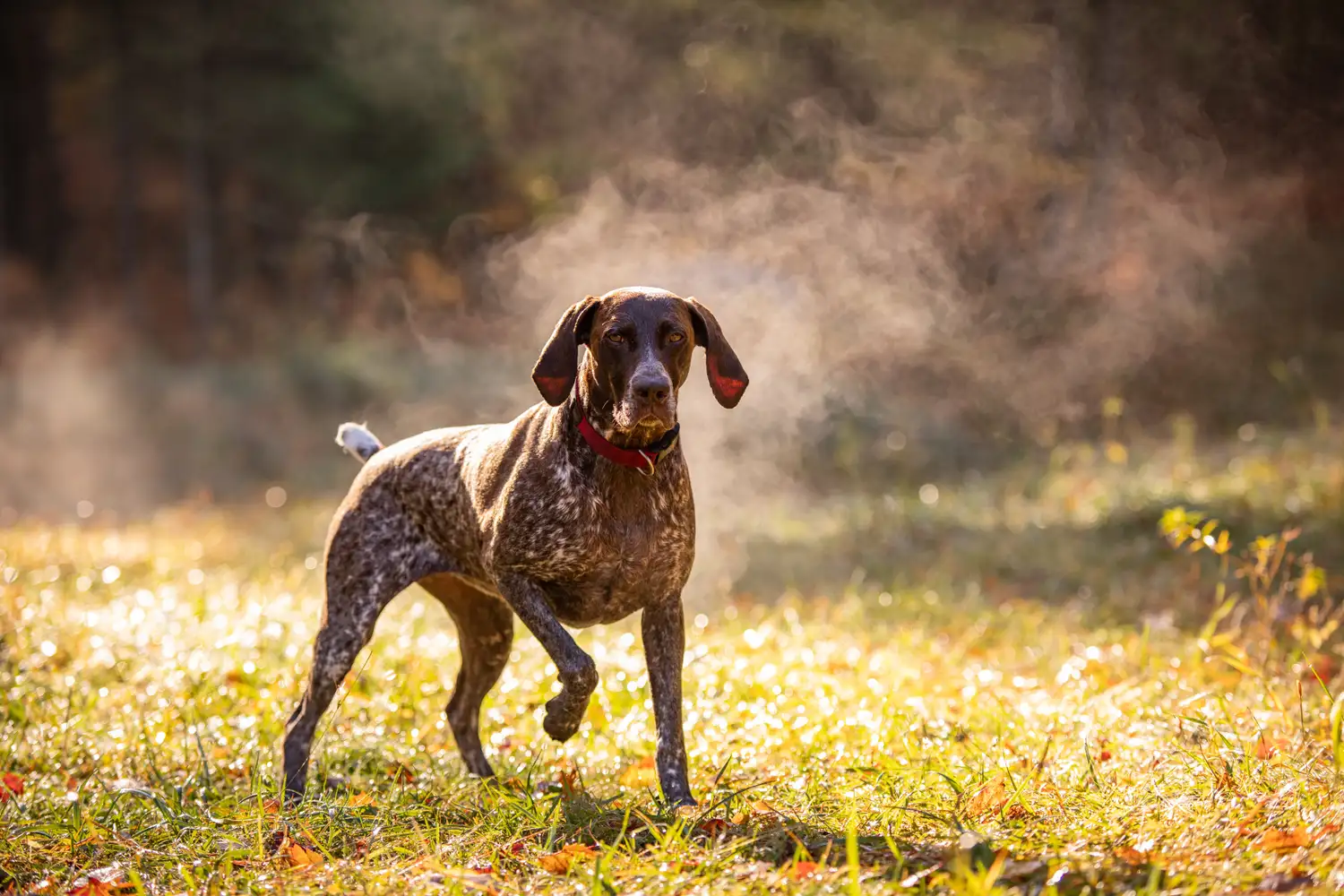
Also known as GSP, the German shorthaired pointer is an energetic, alert hunting dog. This is another breed that is best for active people, as these dogs need a lot of exercise. They have a high prey drive, so they aren’t suitable for households with other pets that might be viewed as prey. Like other breeds, they can be prone to a few genetic conditions, and they are prone to injuries because they’re so active, but their lifespan is 12 to 14 years.
Breed Overview
13 of 23
Old English Sheepdog
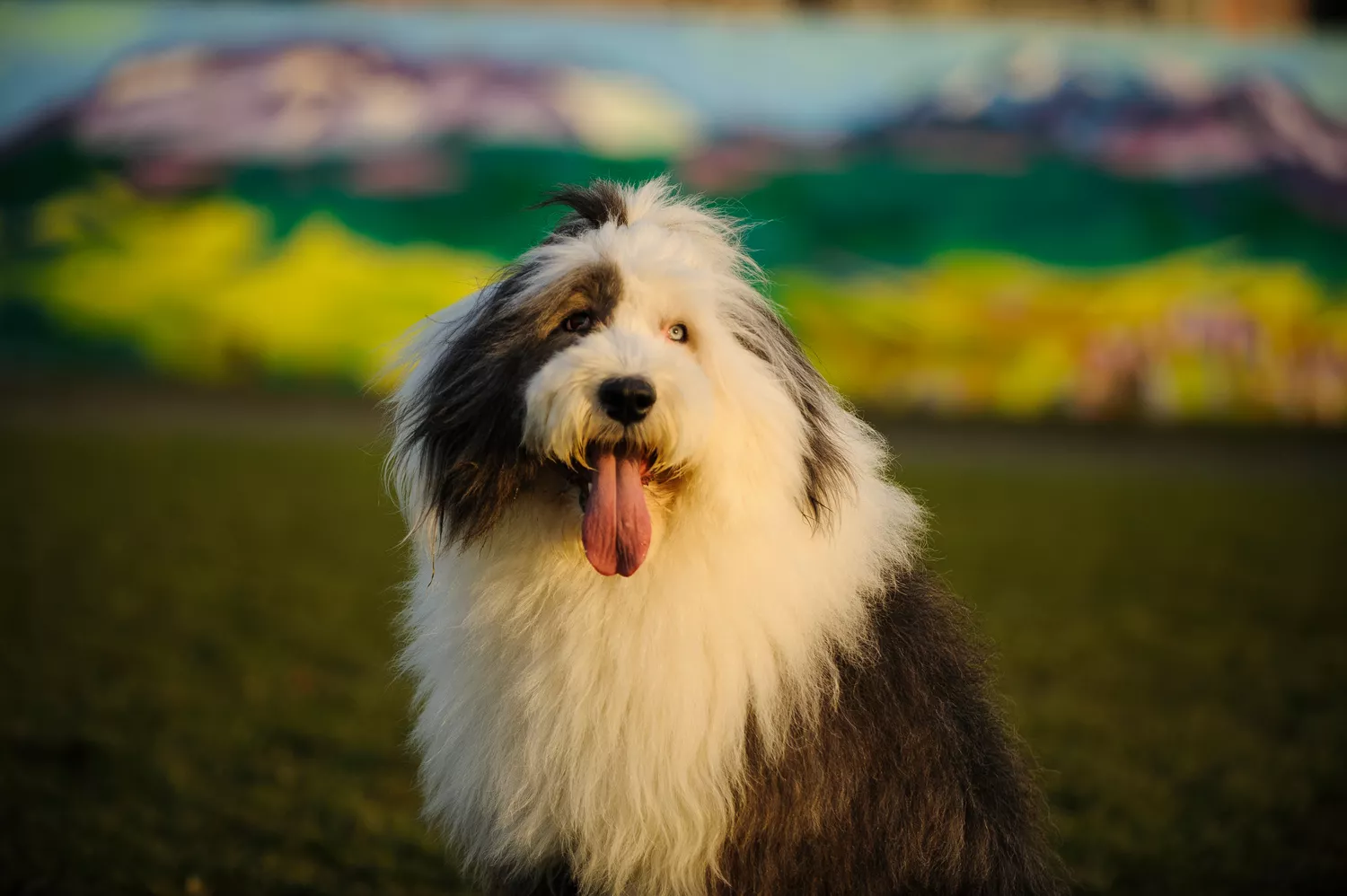
If you’re in search of a large and shaggy dog, the Old English sheepdog might be perfect. These are obedient and friendly dogs known for their bubbly personality. They are also affectionate, but they are high-maintenance when it comes to grooming. Their average lifespan is 10 to 12 years, and they’re prone to some health problems like hip dysplasia, bloat, cataracts, and hypothyroidism.
Breed Overview
14 of 23
Shiba Inu

The fox-like Shiba Inu can be stubborn and strong-willed, but these dogs are also affectionate, attentive, and intelligent. They even groom themselves like cats do. Muscular and athletic, they need exercise daily. The breed is generally healthy, with just a few hereditary health concerns like hip dysplasia, luxating patella, and eye problems. This is another one of the healthiest dog breeds, as this dog’s average lifespan is longer than other breeds at 13 to 16 years.
Breed Overview
15 of 23
Chinese Crested

The Chinese crested is a fun little dog and a great choice for anyone looking for a hairless canine. A tiny dog at 8 to 12 pounds, this breed is very affectionate and friendly. They also have a long average lifespan of 13 to 18 years, but they can be prone to eye problems, luxating patella, and epilepsy. There is a full-coated variety, but if you go with the hairless variety, it’s important to take care of their skin.
Breed Overview
16 of 23
Anatolian Shepherd
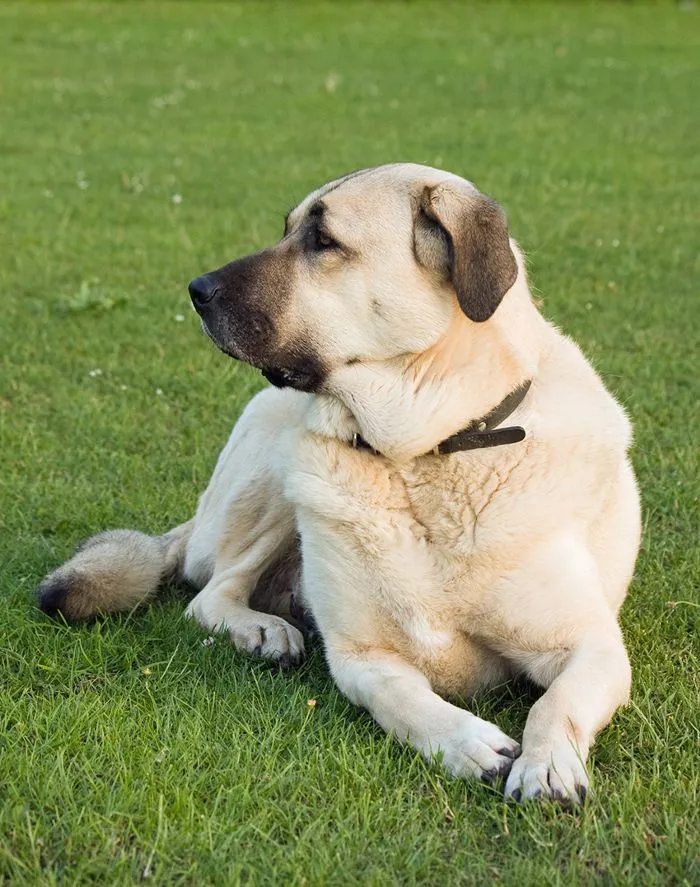
The Anatolian shepherd is a good choice for anyone looking for a dog that will be protective and more independent than other breeds. They’re very loyal and can be a lot of fun, but they are prone to barking loudly because of their watchful nature. With an average lifespan of 11 to 13 years, this breed is also one of the healthiest, as it isn’t prone to some of the health concerns that other breeds are susceptible to.
Breed Overview
17 of 23
Bichon Frise

The cute little bichon frise looks like a cotton ball and wants to be near you all the time. They make wonderful, loving companions, and can get along well with kids and other pets in the home. They also have a longer lifespan, averaging 14 to 15 years. And they are overall healthy, though they can be prone to a few conditions like luxating patella, hip dysplasia, and cataracts.
Breed Overview
18 of 23
Belgian Malinois
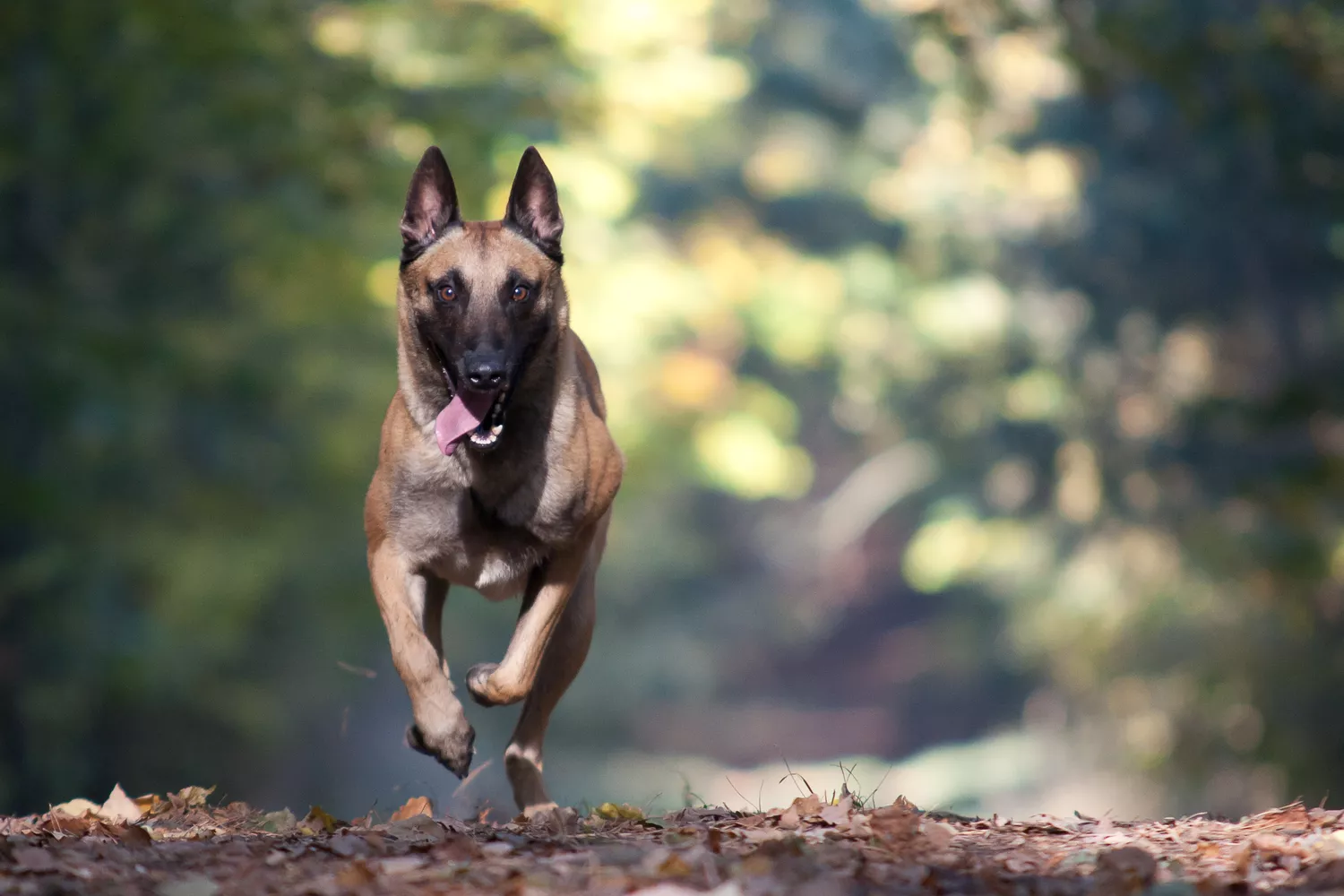
Intelligent, energetic, and athletic are words that describe the Belgian Malinois. These herding dogs can live an average of 14 to 16 years, and are good for families that are active and will be able to give their dog the exercise they need every day. Only a few hereditary problems are associated with this breed, such as eye problems and hip and elbow dysplasia, making this one of the healthiest dog breeds.
Breed Overview
19 of 23
American Foxhound
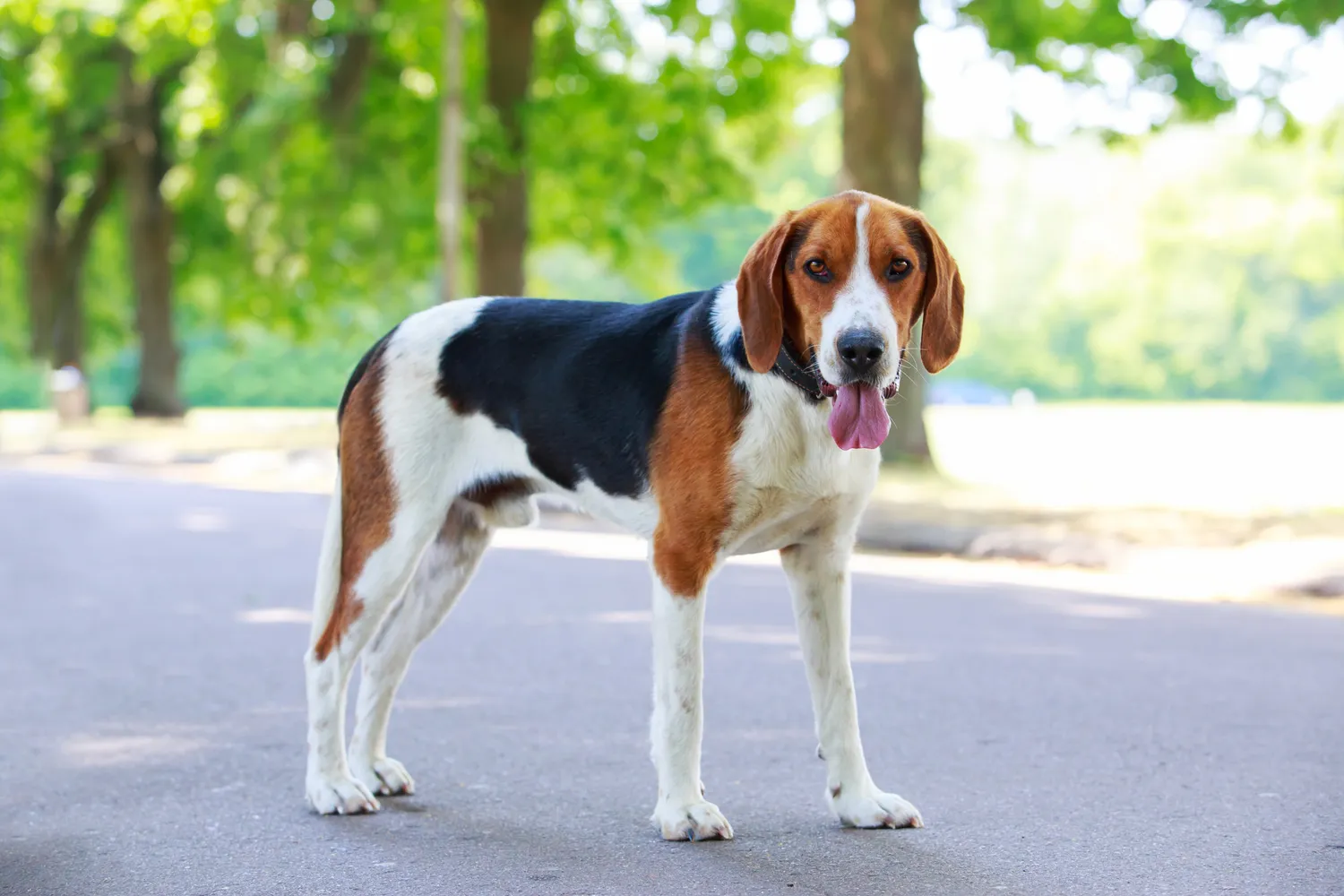
The American foxhound is dog that thrives when they’re a part of a pack, so they aren’t the right choice if you’re looking for a more independent breed. In fact, they can develop separation anxiety, so they shouldn’t be left alone for long periods of time. They can be prone to ear infections, hip dysplasia, and a blood platelet disorder known as thrombocytopathy, but their average lifespan is 11 to 13 years.
Breed Overview
20 of 23
Dachshund

The lovable dachshund is hard to resist with their adorably short legs. These devoted dogs are clever, playful, and sometimes stubborn. They are great family dogs, and are also a good choice if you’re in search of a lapdog. Though they are prone to a few health problems that include intervertebral disc disease, epilepsy, and diabetes, they can live an average of 12 to 16 years.
Breed Overview
21 of 23
German Pinscher
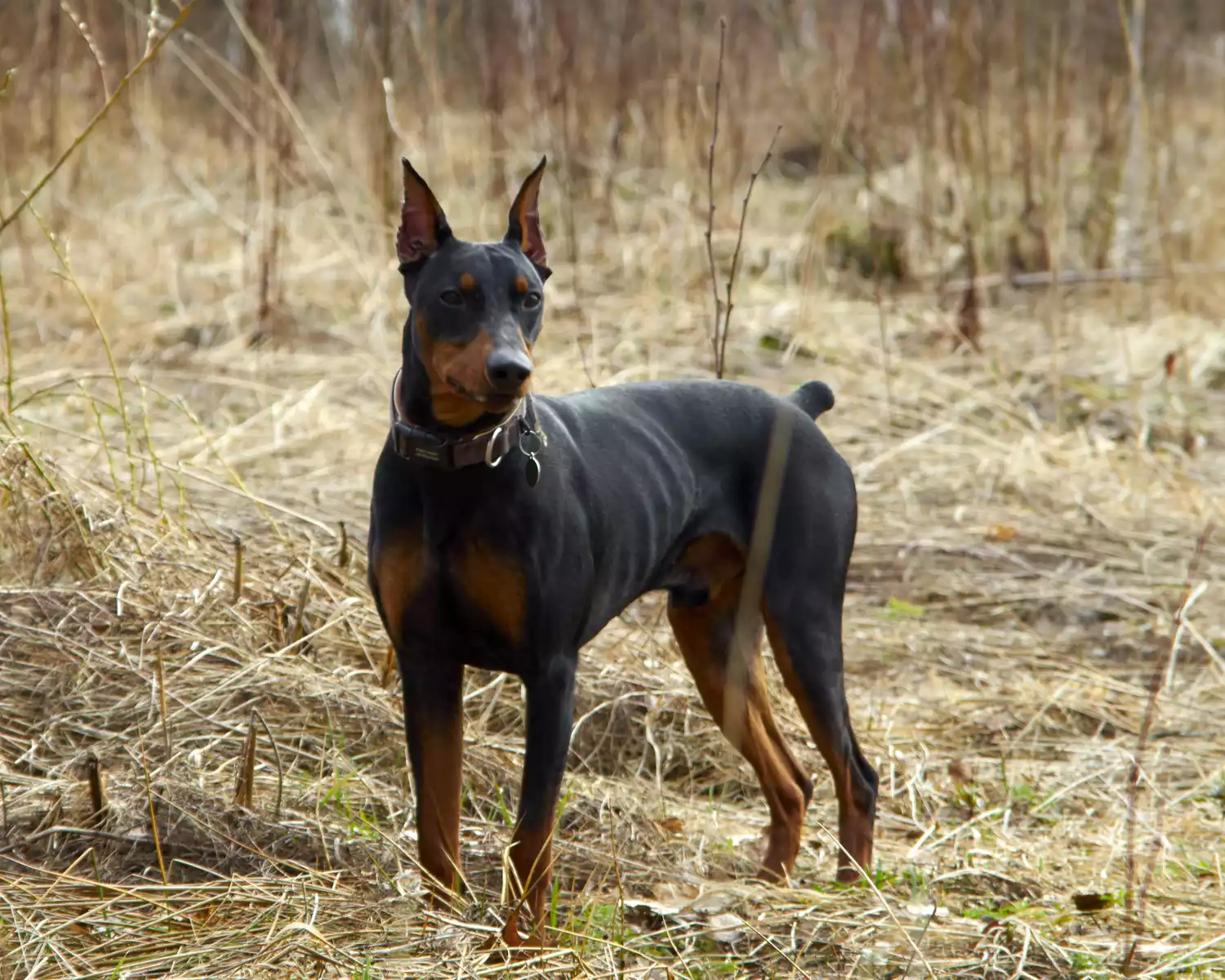
The German pinscher is known for their energy and intelligence. They have so much energy that it is best to give them the chance to exercise for at least one to two hours every day. Hereditary health concerns for this breed include hip dysplasia, eye problems, heart disease, and von Willebrand disease, but this breed has an average lifespan of 12 to 14 years.
Breed Overview
22 of 23
Miniature Schnauzer
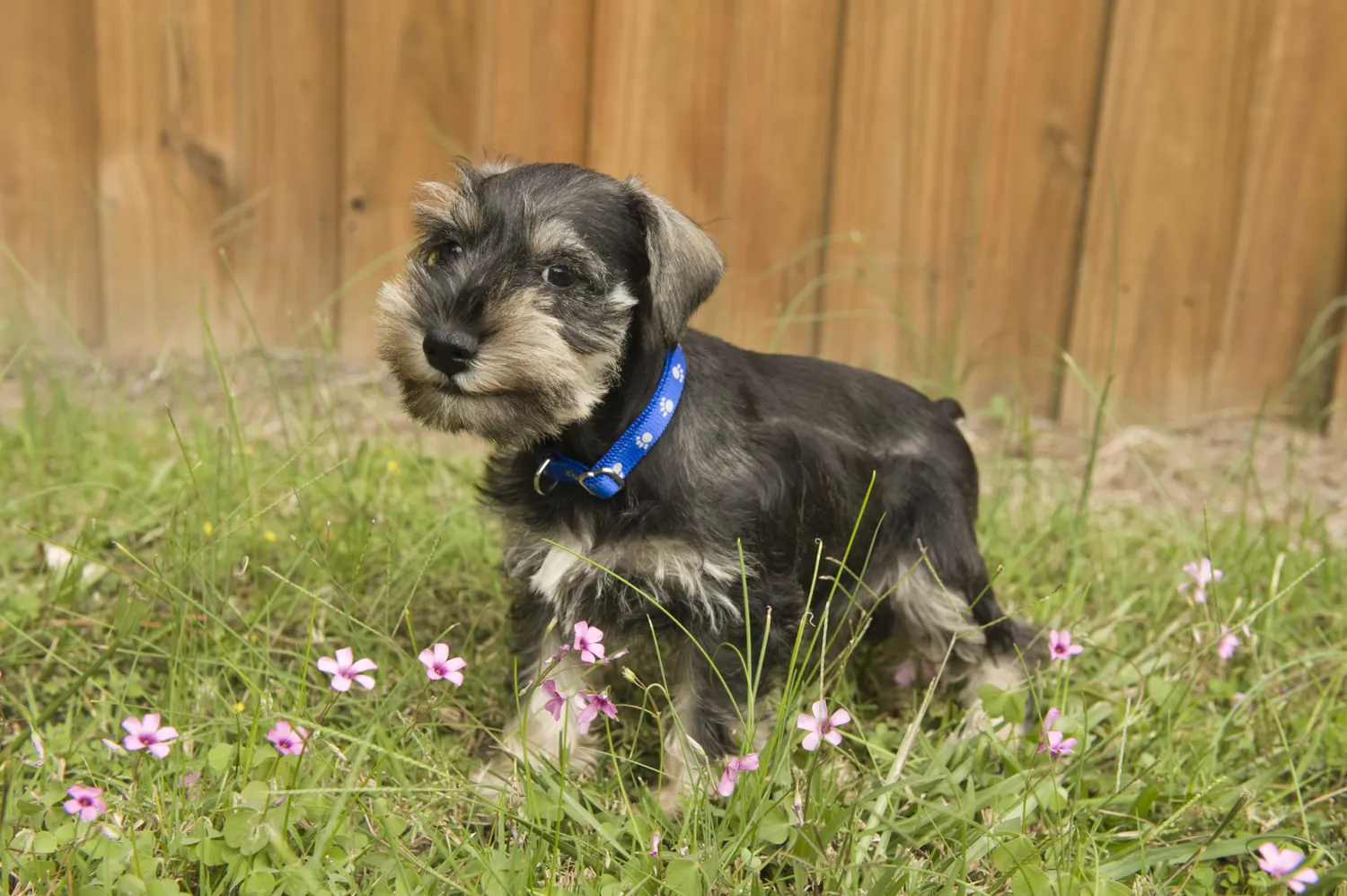
For pet parents in search of a hypoallergenic dog breed, the miniature schnauzer is an option. These friendly yet alert dogs make good watchdogs, but they can be quite vocal. They need daily exercise, and training and socialization from a young age are important. Also, this dog rarely sheds and is generally healthy, with an average lifespan of 12 to 15 years, so it’s yet another good choice if you’re looking for the healthiest dog breeds.
Breed Overview
23 of 23
Whippet

The whippet looks like a greyhound in a smaller body. These fast dogs are fairly easy to care for, as they’re low-maintenance when it comes to grooming and they need a moderate amount of exercise. Plus, they have a great personality because they’re gentle and affectionate. Their average lifespan is 12 to 15 years, and they aren’t prone to a lot of health problems.
Breed Overview
How to Keep Your Dog Healthy
Even if you choose one of the healthiest dog breeds, it’s crucial to take daily steps to maintain their well-being. Everything from their diet to veterinary care can significantly impact your dog’s health and appearance.
Diet
Feed your dog a diet that is appropriate for them based on their breed, activity level, and size. For instance, you can find foods made specifically for large or giant breeds. Also, different dogs need varying amounts of food daily.
When you aren’t sure about your dog’s diet, you can consult your veterinarian or reputable breeders who know what your dog needs based on their breed.
Exercise and Mental Stimulation
Some dog breeds are much more active and energetic than others, requiring more time spent playing outside and releasing their energy. But even dogs with lower amounts of energy need physical activity to stay fit and happy. And all dogs need mental stimulation, too.
From daily walks and dog sports to puzzle toys, there are a variety of ways that you can help your pet stay in shape and maintain a healthy weight while having a lot of fun.
Grooming
Whether your dog’s coat is long or short, straight or curly, a consistent grooming routine helps keep their skin and fur healthy and free of tangles and mats. And even if your dog is hairless, you’ll need to take steps to keep their skin clean and healthy.
Some dog breeds require more frequent brushing or bathing sessions, and some might need to see a professional groomer who can trim their fur properly. But all dogs should have their nails trimmed and teeth brushed regularly.
Veterinary Care
Your dog should be seen by a vet regularly. Even if your pet isn’t showing signs of illness, a checkup that includes a physical exam and blood test might reveal that there’s a problem that needs to be treated.
Plus, your vet can talk to you about nutrition and how to keep your dog at a healthy weight, and can also recommend preventive treatments like those that help your dog avoid parasitic infections.
20 Longest Living Dog Breeds: Tips for Boosting Their Lifespan



