12 Intriguing Chinese Dog Breeds and Their Fascinating Histories
Dogs have been part of China’s cultural narratives and art for over 7,000 years. They have served as guards, haulers, herders, hunters, and royal companions since their domestication.
Chinese dog breeds range widely in type and size, from fluffy lapdogs like the Shih Tzu to wrinkled guard dogs like the familiar Shar-Pei and the lesser-known Kunming Wolfdog. Here are 12 breeds you might consider for your next canine companion.
01 of 12
Pug
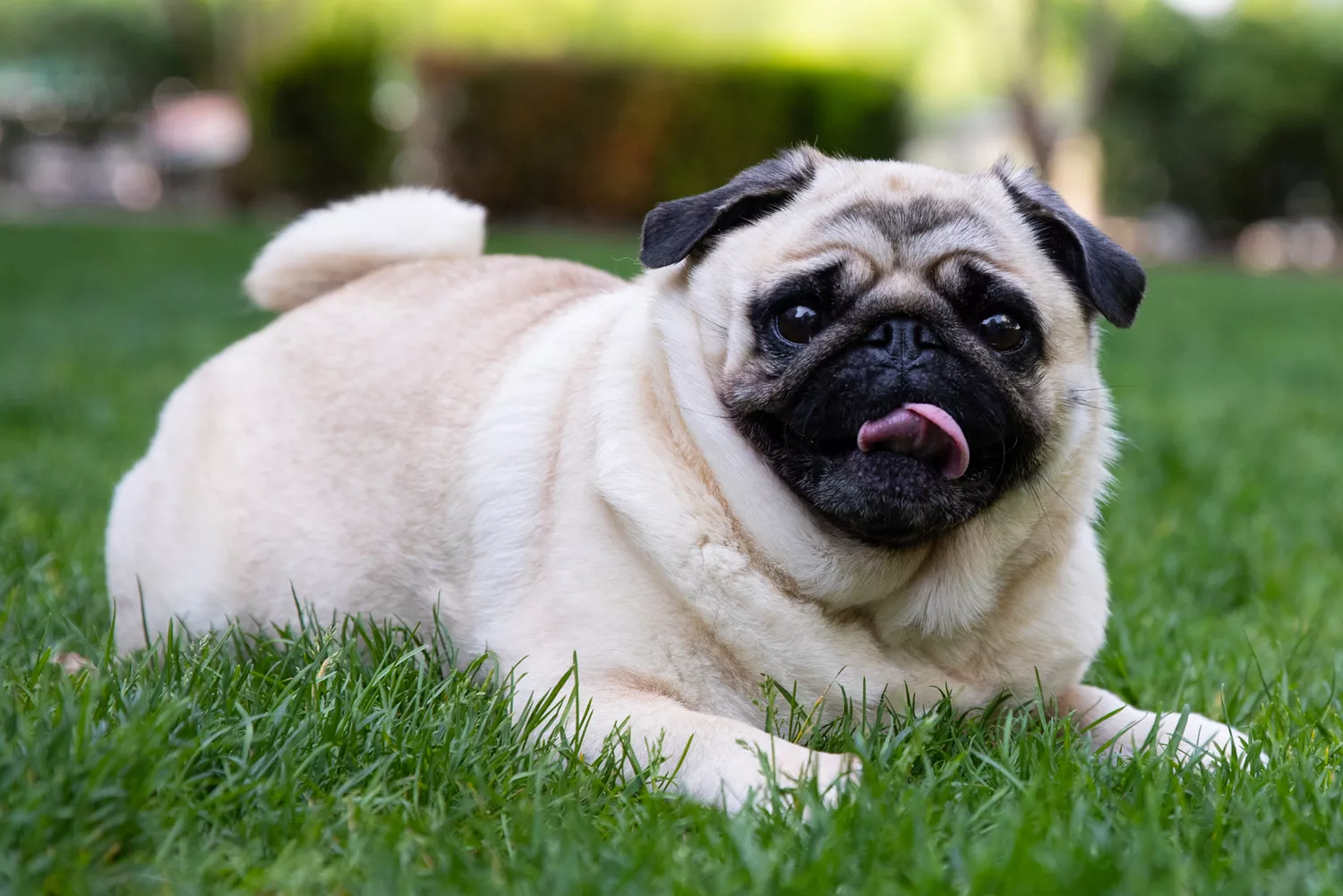
Pugs are popular family pets because of their sweet demeanor and manageable size. As one of the world’s oldest breeds, they likely originated in China around 400 B.C. as companions to Tibetan Buddhist monks.
Hypotheses swirl tying pugs to Tibetan mastiffs or the Pekingese, another Chinese breed. Once a mischievous companion of emperors, this loving pup warms hearts wherever it goes.
Breed Overview
02 of 12
Pekingese
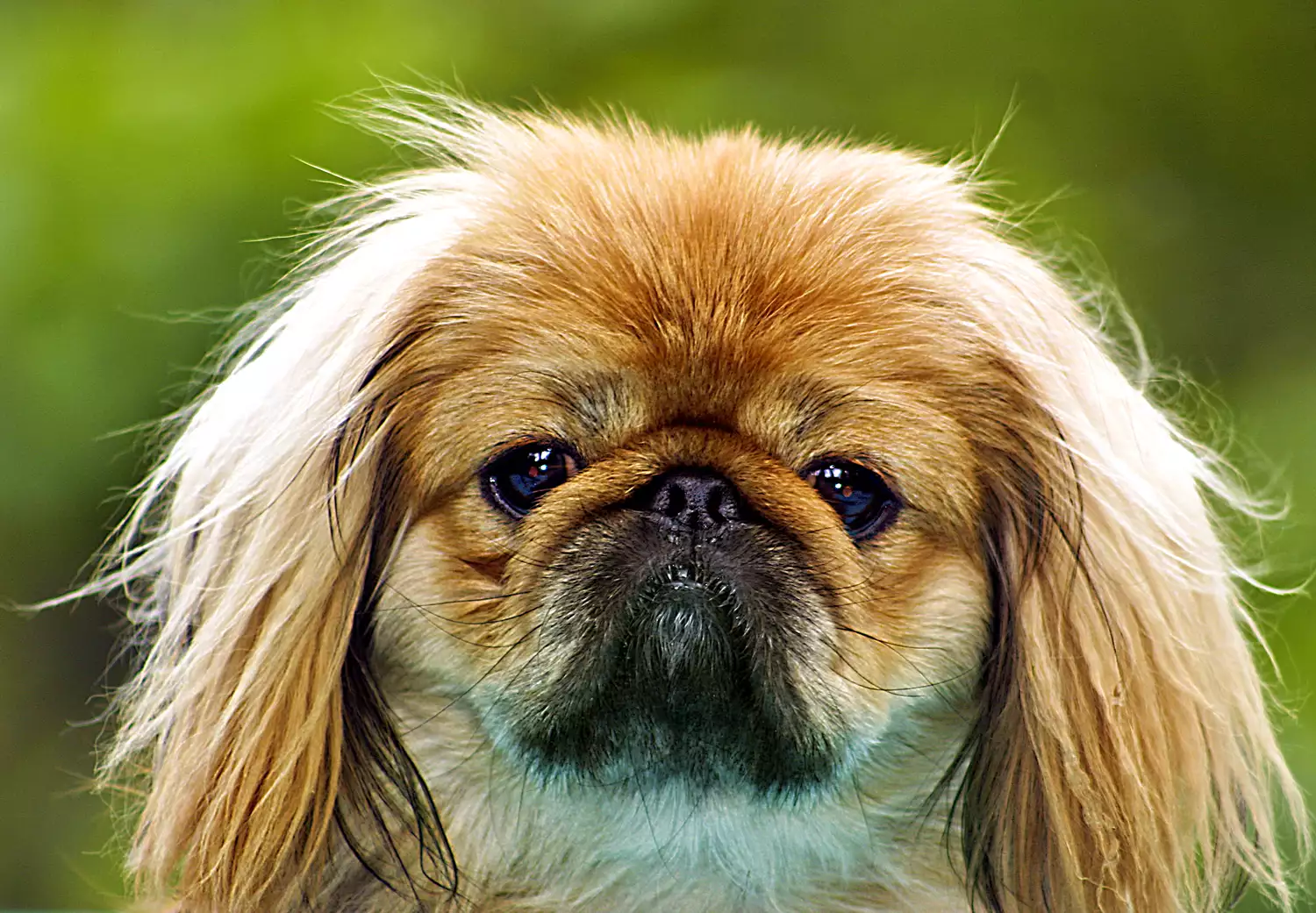
Also called “Pekes,” “lion dogs,” or “sun dogs,” Pekingese were initially kept as companion pets to Chinese royalty and were ingrained in Chinese folklore. One story says that Pekingese were created when Buddha shrunk a lion down to the size of a small dog.
In reality, Pekingese were most likely the result of breeding a larger dog with toy-sized dogs in China. They were a favorite well-cared-for pet among Chinese royalty for thousands of years.
Breed Overview
03 of 12
Shih Tzu

The shih tzu, a small toy dog with a playful personality, is named for their lion-like appearance, and this is one of the most popular Chinese dog breeds. Their Chinese name comes from the word “lion.”
Like the Pekingese and pug, the shih tzu was treasured by Chinese nobility for centuries, and was considered the noble dog of China. The shih tzu can be traced back to ancient dog breeds. Today, they still boast a hypoallergenic coat, perfect for those with dog allergies.
Breed Overview
04 of 12
Shar-Pei
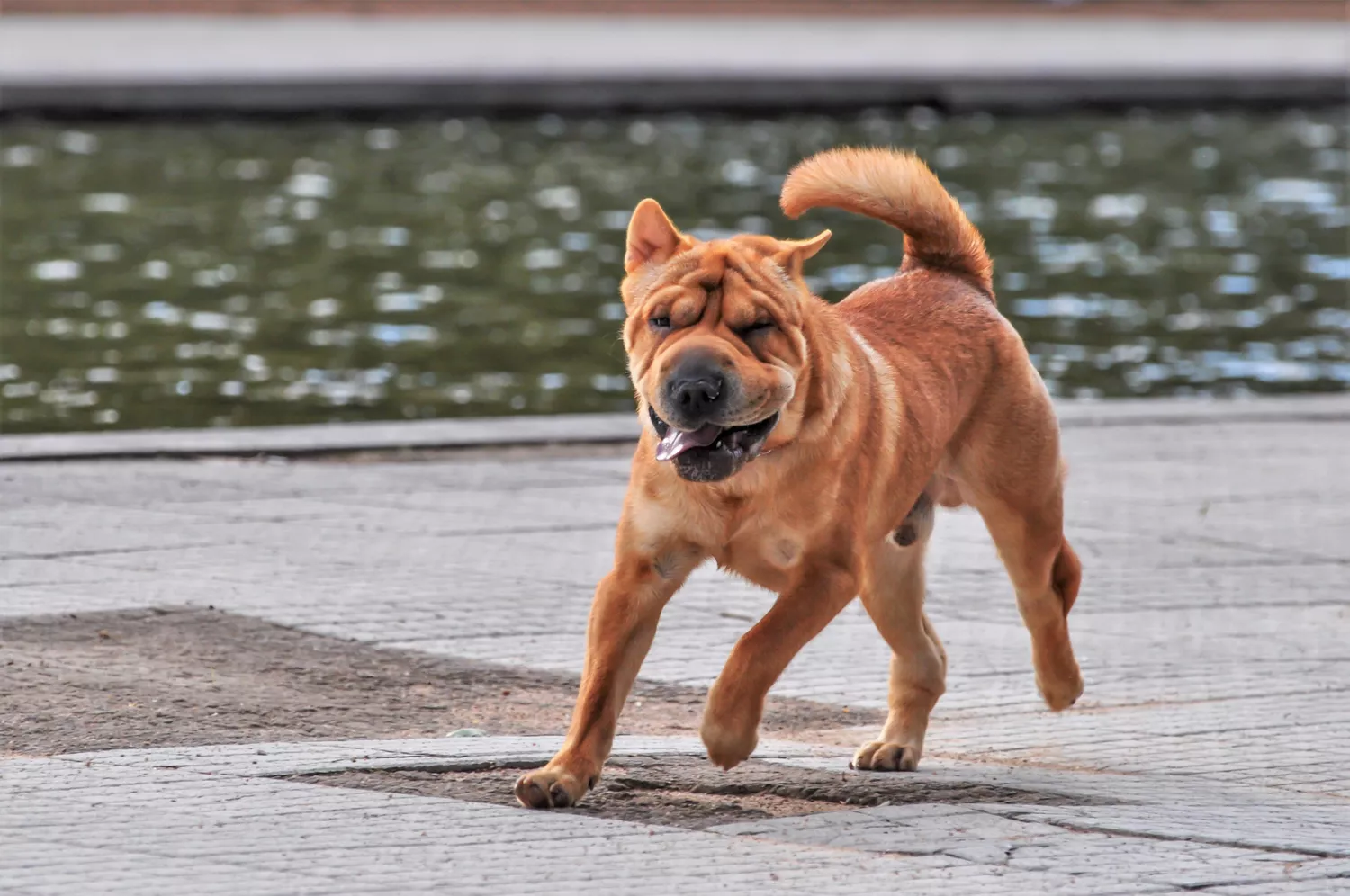
Known for their distinctive, wrinkled faces, petite ears, and blue-black tongues, shar-peis are a unique and rare breed with roots in ancient China. Shar-pei, meaning “sand skin,” is a breed initially used for hunting and guarding 2,000 years ago in southern China.
Sadly, during China’s communist revolution in the mid-1900s, shar-pei populations were decimated, almost making the breed extinct. Sometime during the 1970s, a Chinese shar-pei enthusiast rallied American breeders to propagate the breed, and numbers rose once again.
Breed Overview
05 of 12
Chow Chow
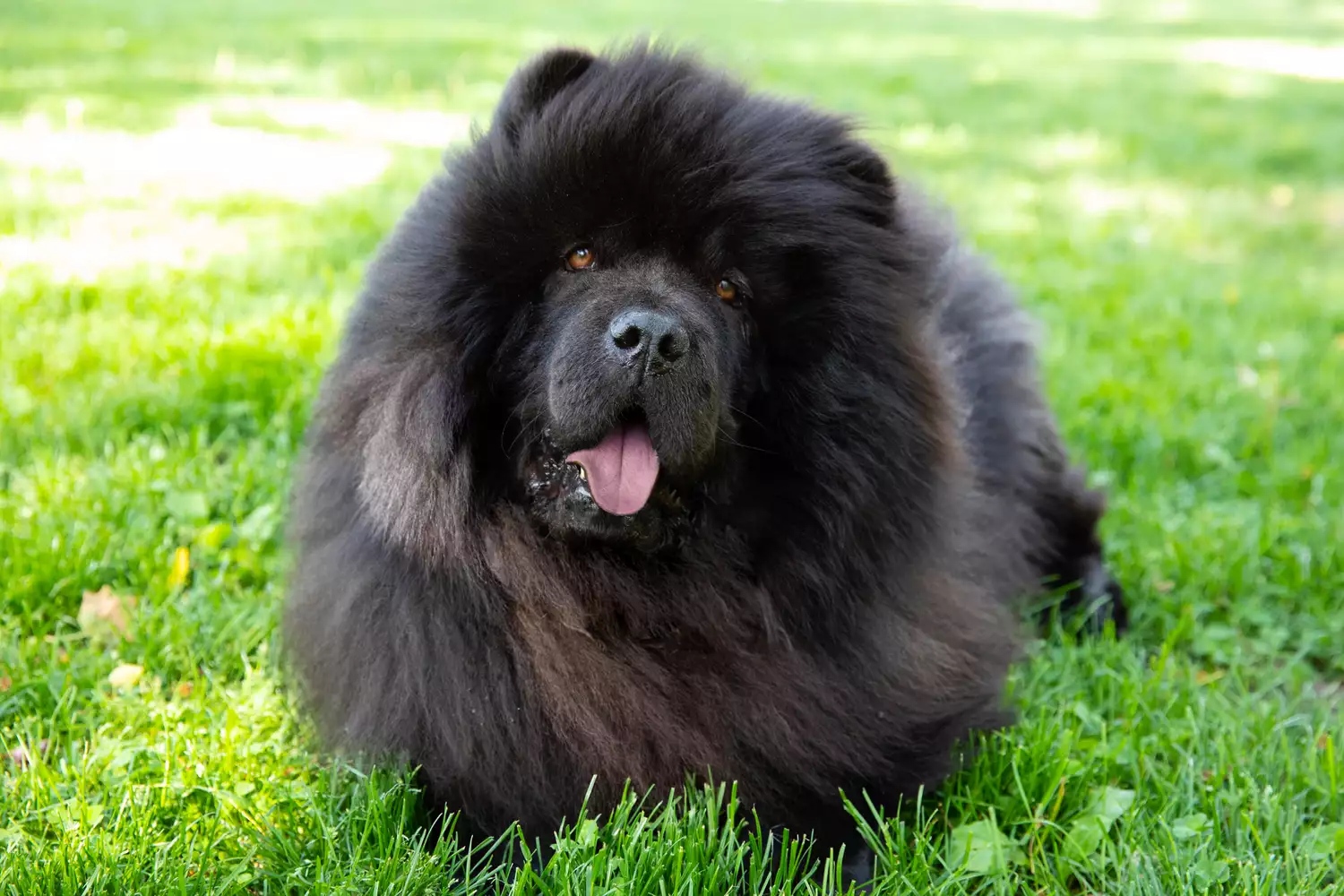
Chow chows are among the most ancient Chinese dog breeds, with evidence of their existence dating back to 206 B.C. They were originally employed as hunting and guard dogs. Like the shar-pei, chows have a very distinctive appearance: their faces are somewhat bear-like with deep facial folds and a blue-black tongue.
These dogs are smart, protective, and independent. If you’re looking for a watchdog, this is a good choice. But if you’re looking for a dog that will bond with multiple people, the chow chow may disappoint, as they tend to bond with one person. Despite this, they can make good family pets, particularly in homes with older children.
Breed Overview
06 of 12
Chinese Crested
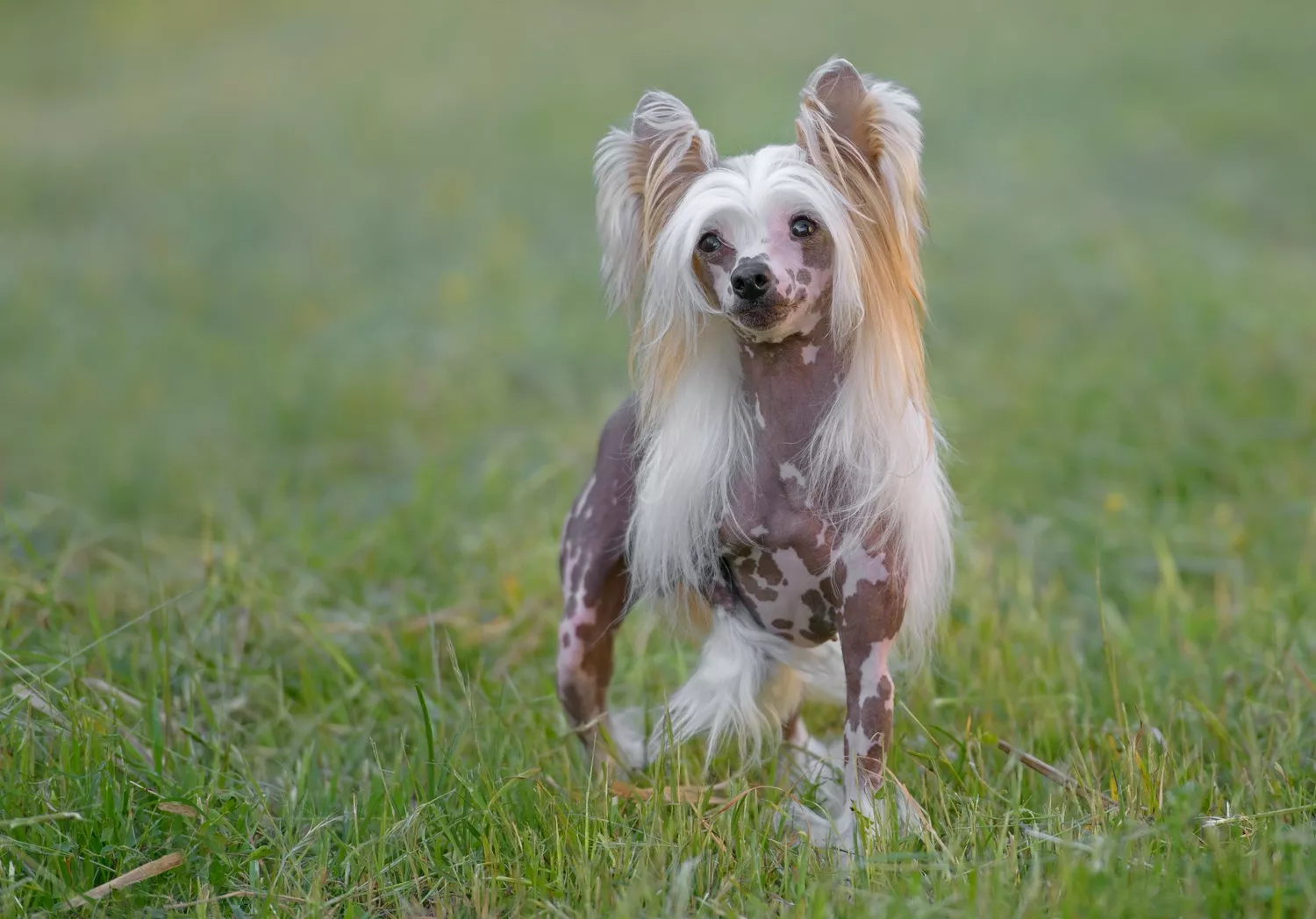
Because the Chinese crested has extremely early origins, no one is exactly sure when or how this Chinese dog breed was developed. Some assume that hairless dogs from Africa were brought to China and bred with smaller, toy-sized dogs to give the crested a unique, hairless appearance.
Chinese crested dogs were popular for use on Chinese trading vessels to hunt vermin. They’re friendly dogs and intelligent, so they are easy to train.
Breed Overview
07 of 12
Xiasi
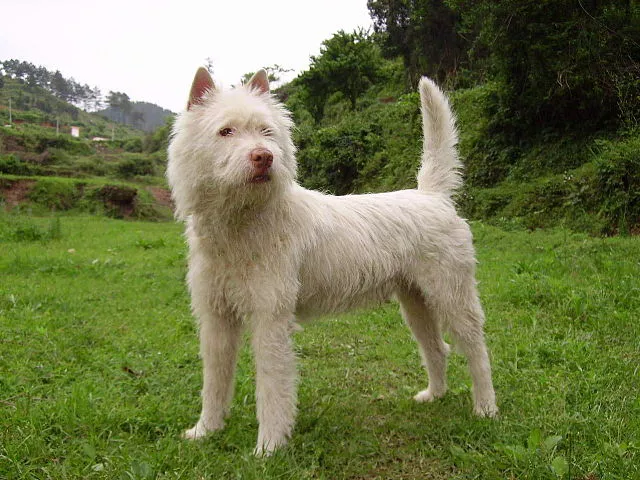
The Xiasi, pronounced “she-ah-seh” is a lean, muscular hunting dog that originated in the Guizhou region of China, sometime around 1080. Although the breed is typically used for hunting or guarding, it is widely believed in the Guizhou province that owning a Xiasi dog can bring wealth to the family.
These dogs have a prey drive, so they may not be suited to homes with smaller pets. However, they can be a good option for families with other dogs and children.
Breed Overview
08 of 12
Kunming Wolfdog
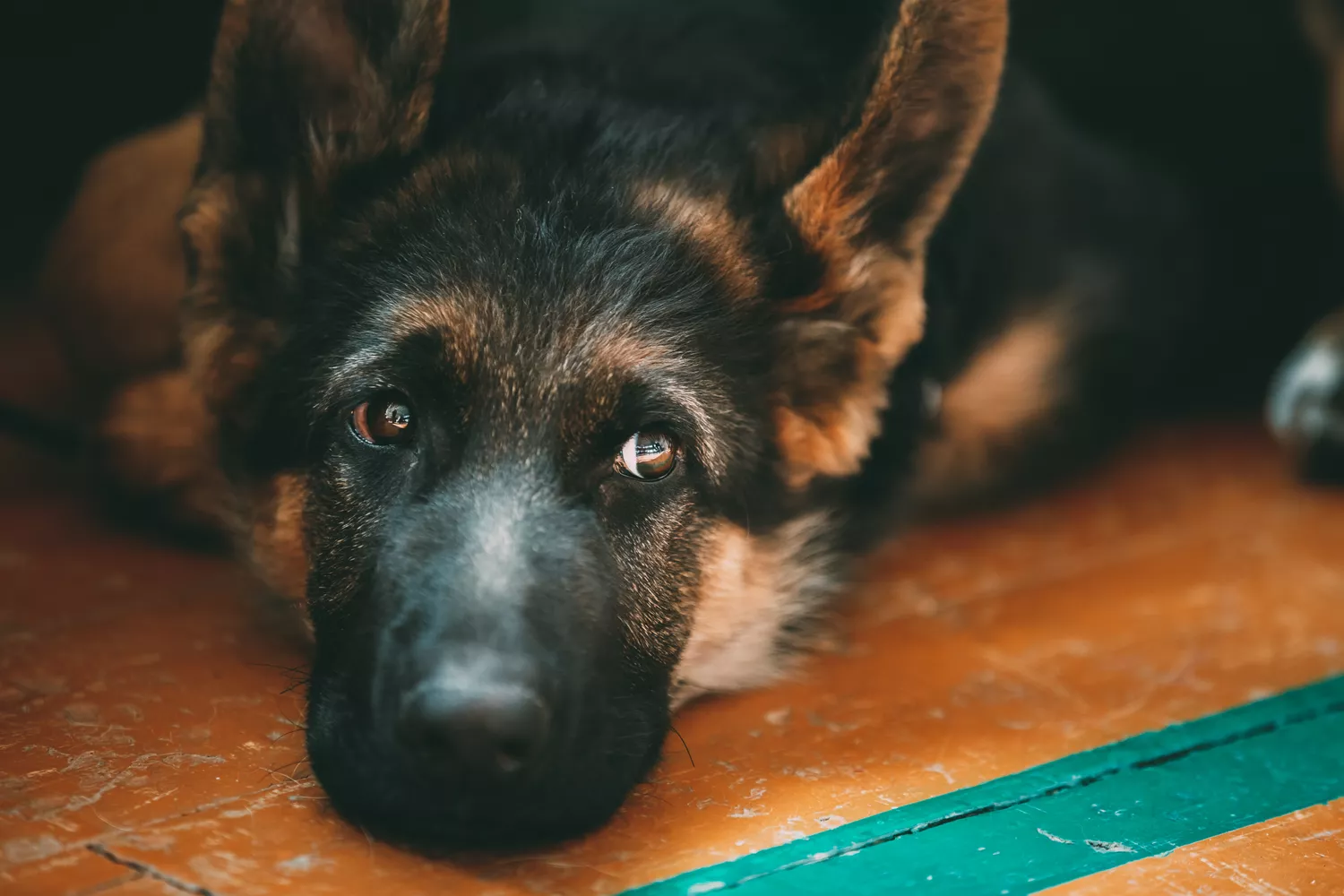
A wolf-dog hybrid, the Kunming wolfdog, is thought to be related to German shepherds introduced to China in the 1950s. This dog is sometimes called the Chinese German shepherd.
Like German shepherds, Kunming wolfdogs are trained as military assistance dogs, fire dogs, and search-and-rescue. Named after the capital city of the Yunnan province, they’re also a popular family dog throughout China.
Breed Overview
09 of 12
Japanese Chin
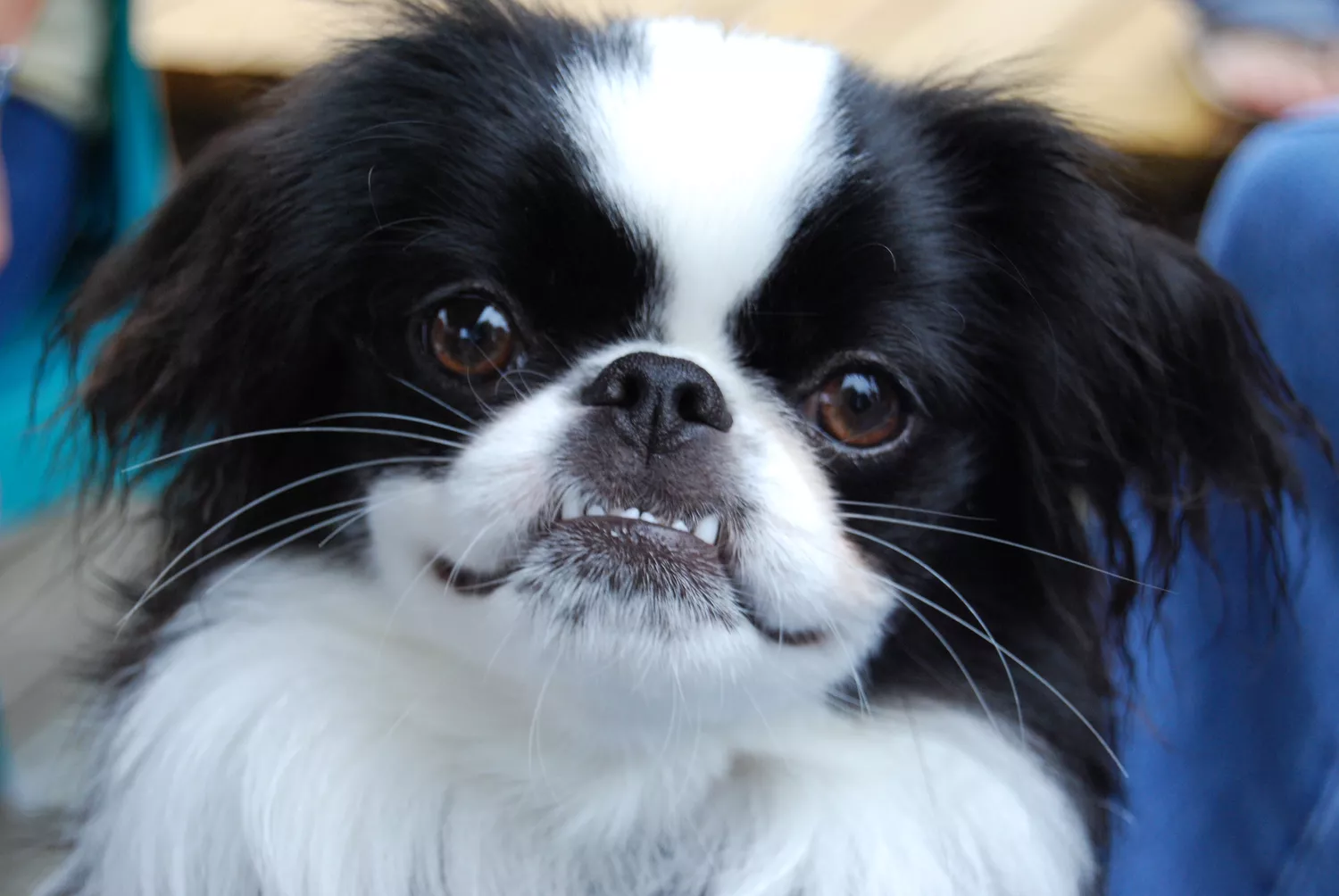
Despite their name, the Japanese chin is believed to have originated in China. Closely related to Tibetan spaniels, they were likely a gift from the Chinese emperor to Japanese royalty.
Known for their cat-like, calm, and affectionate behavior, the Japanese chin became extremely popular among Japanese nobility over 1,000 years ago. Later, when Japan began to trade with other countries, the Japanese chin was a traditional gift to naval officers or sold to traders and sailors.
Breed Overview
10 of 12
Formosan Mountain Dog (Taiwan Dogs)
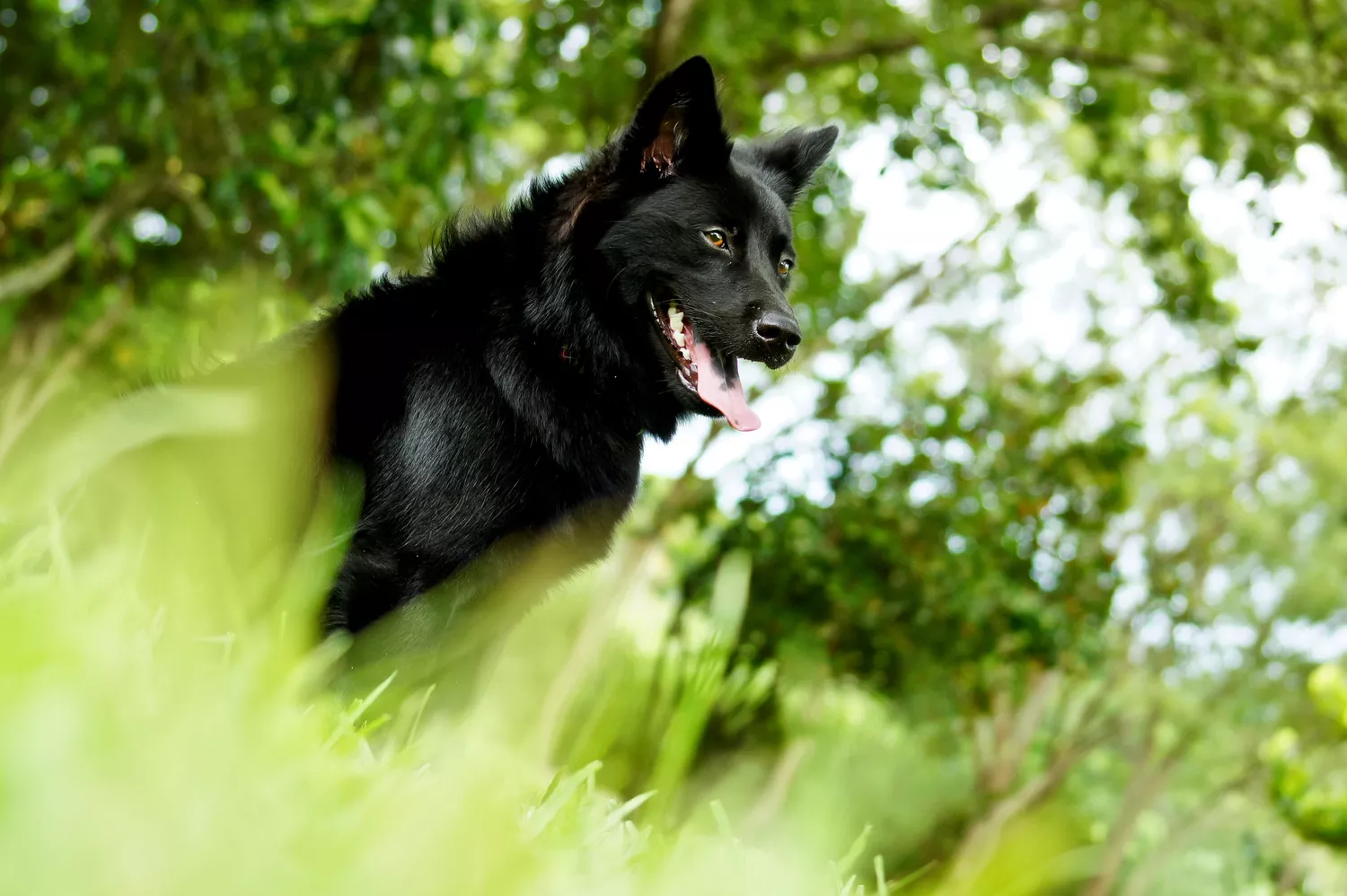
Formosan mountain dogs or Taiwan dogs are one of the oldest and most primitive dog breeds in the world. The Formosan mountain dogs are small- to medium-sized dogs that hail from south Asian dog stock in the Taiwanese mountains.
Although Formosan mountain dogs were once considered wild, this Chinese dog breed is now domesticated and used as hunting dogs, guard dogs, rescue dogs, and family dogs.
Breed Overview
11 of 12
Chinese Imperial
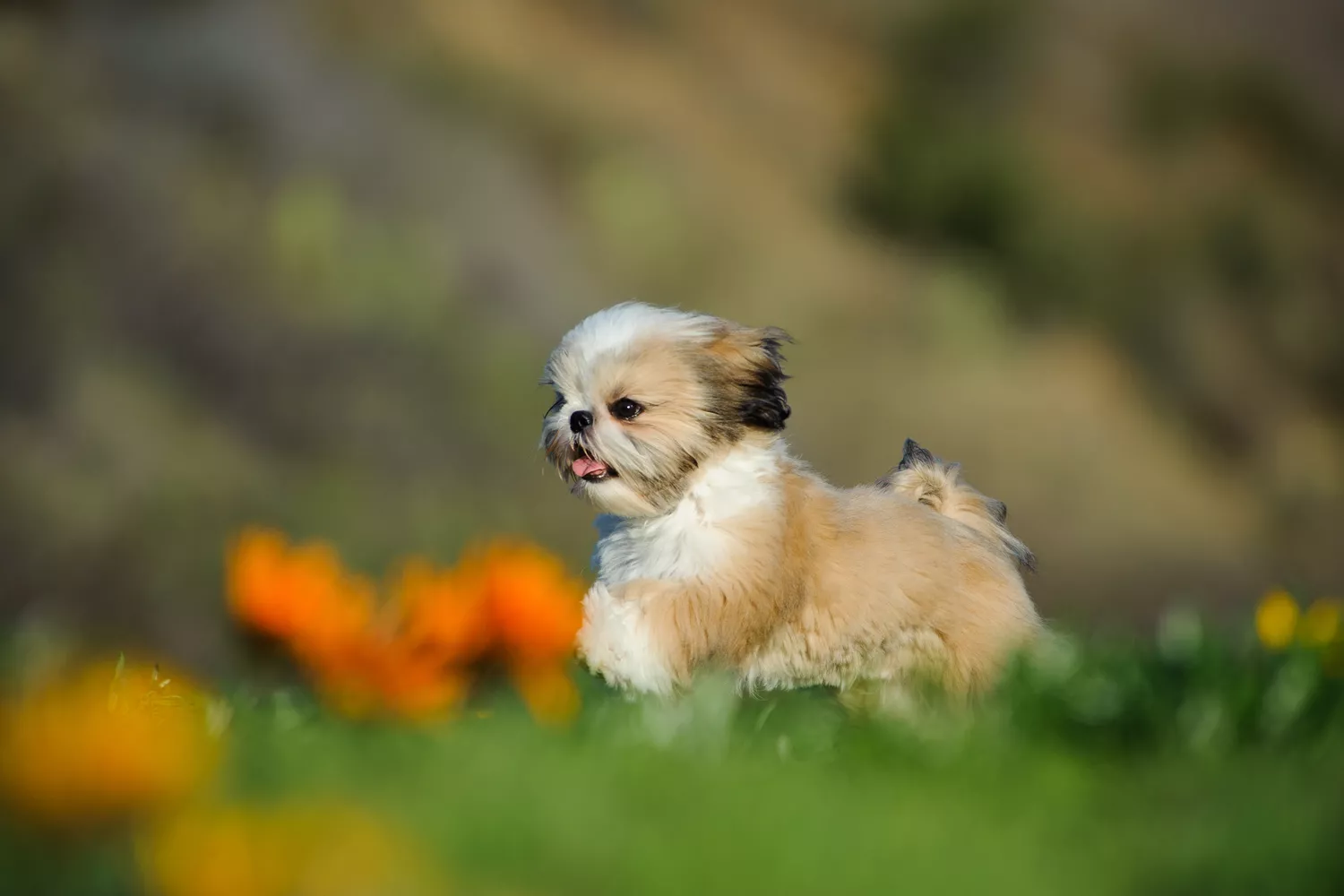
Closely related to the shih tzu, the Chinese imperial dog is also known as a teacup or micro shih tzu. This is considered by many to be a separate Chinese breed, although not by the AKC, which calls them a small shih tzu.
As the name implies, this was possibly another small companion dog kept by dynastic Chinese emperors.
Breed Overview
12 of 12
Chinese Chongqing
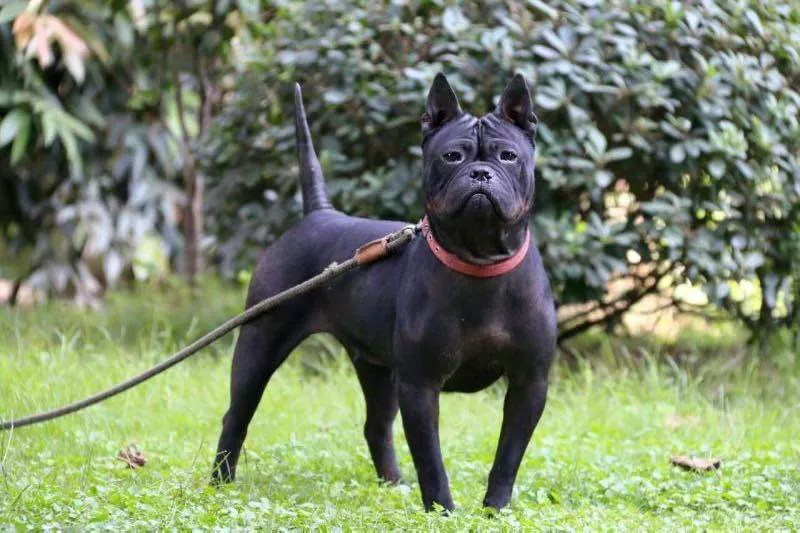
Another interesting Chinese dog breed is the Chinese Chongqing, named after the city of Chongqing. This dog has a wrinkly face similar to a shar-pei, a signature look for many Chinese breeds. They’re sometimes called the bamboo ratter due to their unusual tail that looks like a straight, slender, and hairless bamboo stick.
This hunting and guardian dog breed is rare in modern China but still exists in some rural areas. It is believed to have first appeared 2,000 years ago during the Han dynasty in southwestern China.
Breed Overview
Breed Characteristics
Chinese dog breeds span various body types and sizes, reflecting the diverse regions of China, from colder mountain zones to tropical coastal areas.
It is believed that the emperors and nobles greatly appreciated the flat-faced look; hence many—although not all—have shorter snouts and folds in their faces. Flattened faces gave the dogs almost a “lion dog” appearance, an important symbol of protection in Chinese lore.
Another unique quality—the shar-pei, chow chow, and Chongqing dogs have blue-black tongues—a rare quality in dogs.
Most Chinese dogs are in the toy to the medium-sized range; a few breeds go up to 80 pounds but not more than that.
Breeds to Avoid
If you’re in love with Chinese dog breeds, then you may not be as interested in floppy-eared hound-type breeds or giant breeds like Great Danes or Newfoundlands.
Most Chinese dog breeds were lapdogs for royalty, and others served as lion-looking guardians. Fu dog statues are Chinese protection symbols that typically “guard” the entranceways to buildings and homes. Even though they’re called “dogs,” they depict lions.



