20 Low-Maintenance Short-Haired Dog Breeds You'll Love
Short-haired dog breeds are great options for people who want a lower-maintenance canine. Even though they still shed and could use the occasional brush and bath, short-haired dogs need less grooming than long-haired breeds. Options include small dogs such as the pug and Boston terrier, or bigger breeds such as the Great Dane.
Here are 20 short-haired dog breeds worth considering adding to your family.
The 11 Best Dog Brushes of 2026
01 of 20
Basenji
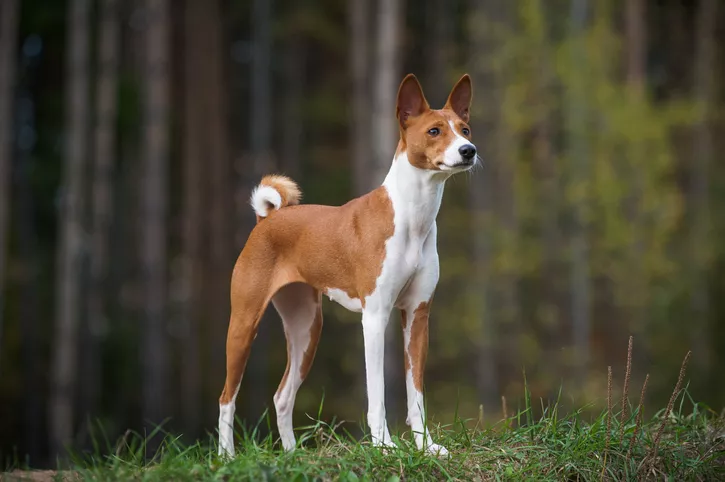
The basenji, which hails from Africa, has a naturally clean, smooth coat that is odor-free and requires infrequent bathing. Basenjis may even groom their coats the way cats do.
Often called the “barkless dog,” they are typically quiet and don't make true barking sounds like most dogs. However, they're not silent. Basenjis can whimper, whine, and make unique yodeling sounds.
This breed bonds closely with their human family but may be standoffish with strangers.
Breed Overview
02 of 20
Boxer
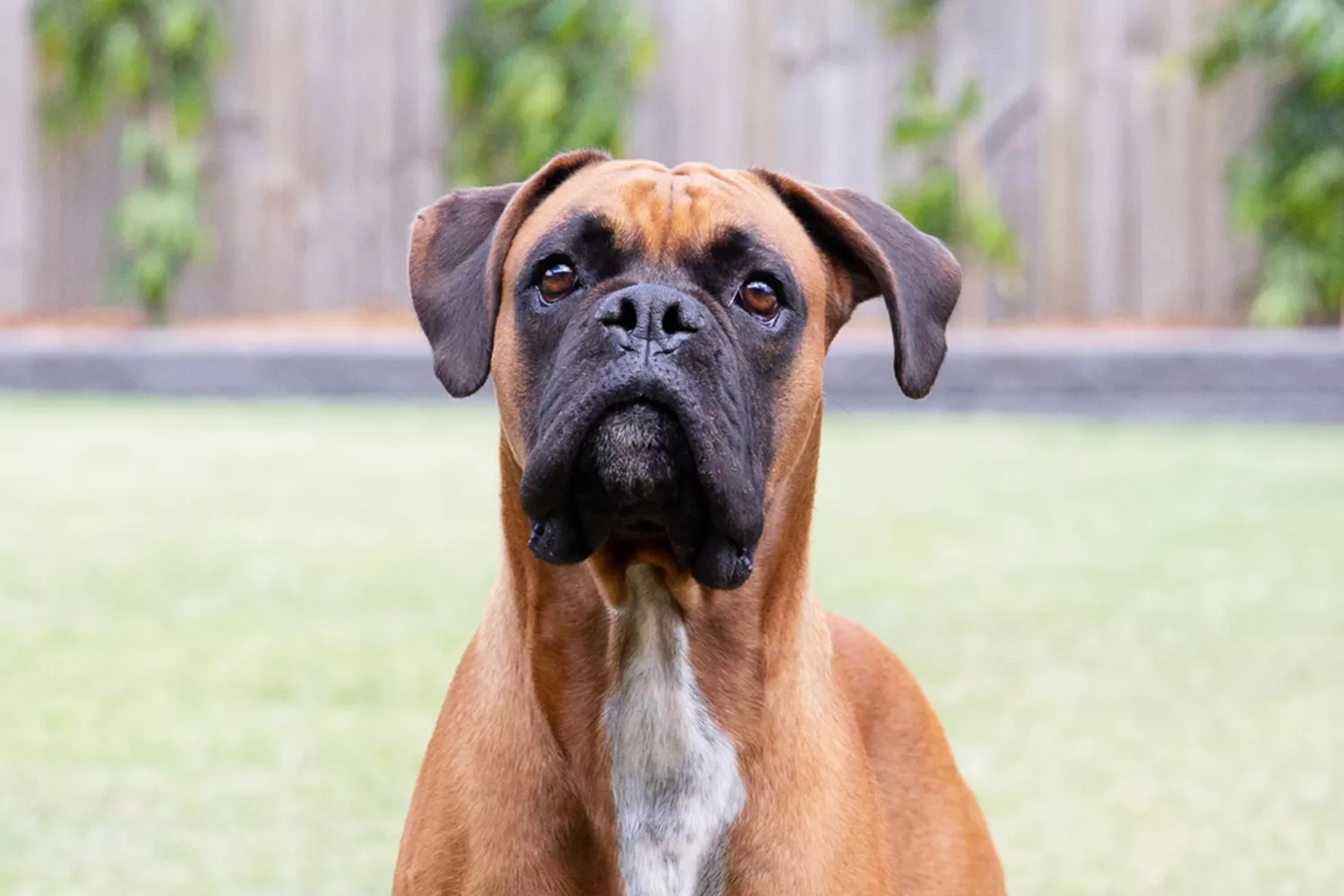
The medium-sized, short-haired boxer emerged from Germany in the late 1800s. The smooth, sleek coat needs weekly brushing with a rubber curry brush or soft bristle brush. The breed is clean and needs only occasional bathing when dirty.
Full of energy, boxers are athletic, playful, and fun-loving. They require a lot of exercise to keep them happy and ward off behavior issues.
This brachycephalic breed (short-nosed, pushed-in face) should avoid strenuous exercise when it’s hot out, as they can overheat quickly.
Breed Overview
03 of 20
Bull Terrier
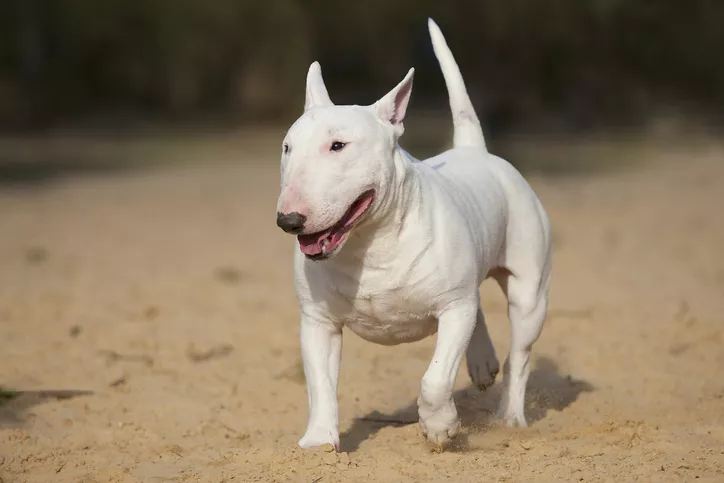
With a long, horse-like face, the bull terrier’s unique look is unmistakable. The short, flat coat is glossy and harsh to the touch. Weekly brushing with a soft bristle brush, curry brush, or hound glove will remove loose hair.
This breed tends to get along well with respectful kids. Though muscular and athletic, this dog needs moderate daily exercise like long walks or fetch in the yard.
Breed Overview
04 of 20
Dalmatian
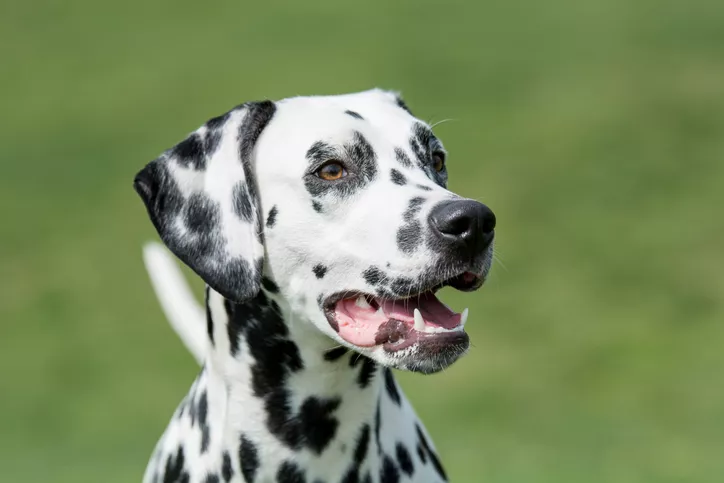
The dalmatian comes from central Europe in an area that was once called Dalmatia, known today as Croatia. The short coat is dense, fine, and glossy. This dog needs weekly brushing, although you might wish to brush more frequently to cut down on hair in the house.
These canines were coach dogs that ran alongside horse-drawn carriages to calm and guard the horses. They did the same for horse-drawn fire engines.
Muscular and athletic, the dalmatian has stamina and a lot of energy, requiring a lot of daily exercise.
Breed Overview
05 of 20
Doberman Pinscher
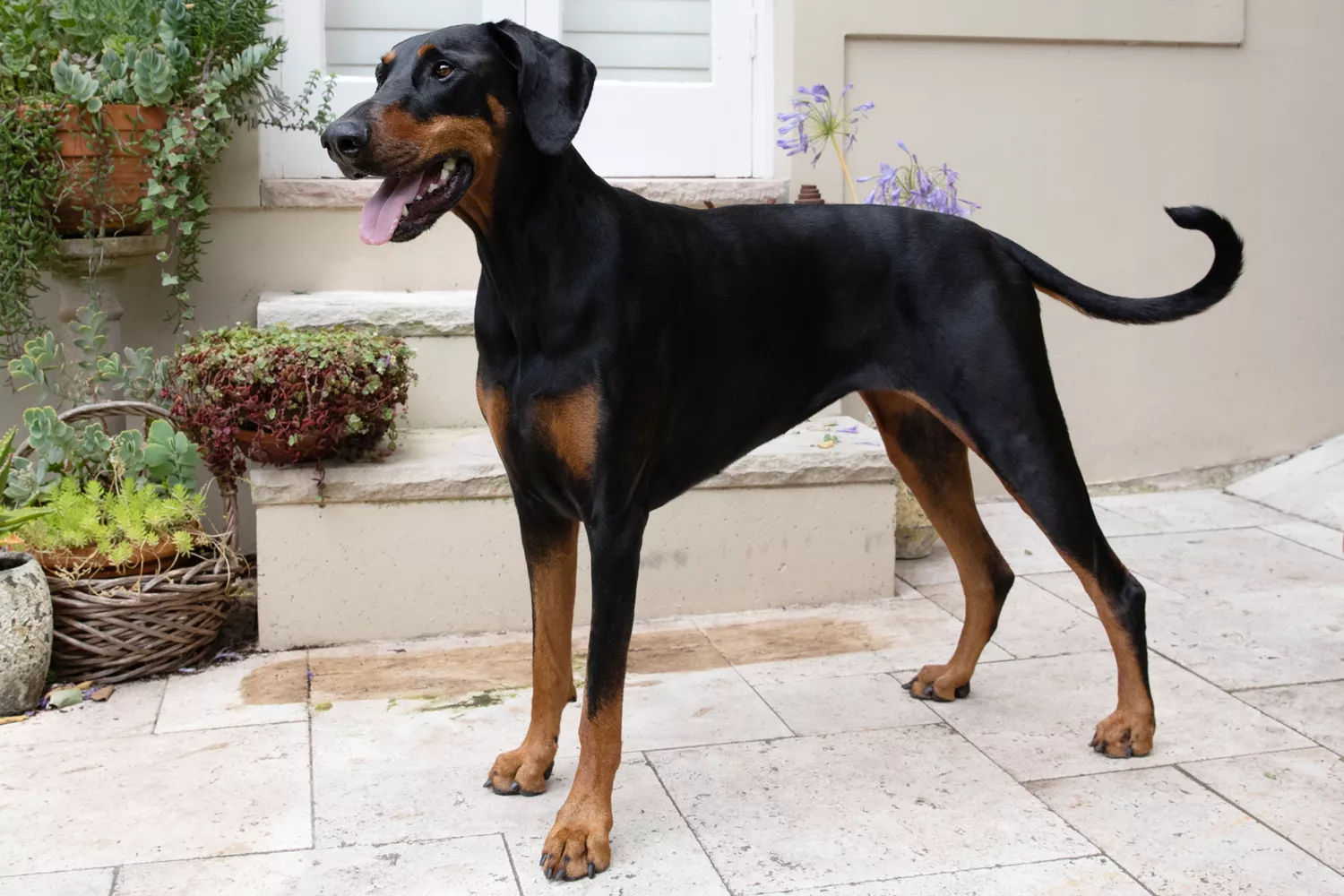
The Doberman pinscher or Dobie was bred in Germany by a tax collector named Karl Friedrich Louis Doberman. The dog's smooth coat is easy to care for—a quick brush once a week is all it needs.
Dobermans are big and athletic and need a lot of exercise to be happy and content. These loyal dogs are known for their guarding abilities. They can look intimidating to intruders, but with family, the Doberman is very loving, as well as respectful to children.
Breed Overview
06 of 20
German Shorthaired Pointer
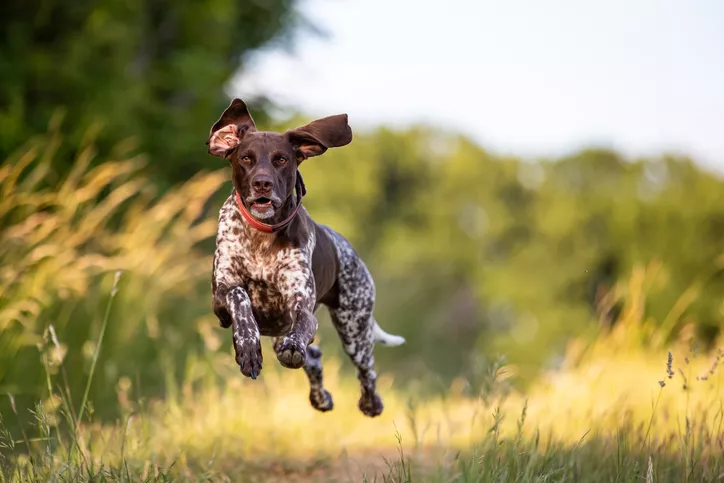
The German shorthaired pointer is a versatile short-haired gun dog, bred to point and retrieve waterfowl. Their coat is a breeze to take care of with weekly brushing and the occasional bath.
This breed is an excellent companion and family dog when they get to expend their high energy. This breed can hunt in the field all day, and pet parents must do their best to provide abundant outlets for exercise and mental stimulation, or these dogs may become anxious and destructive at home.
Breed Overview
07 of 20
Great Dane
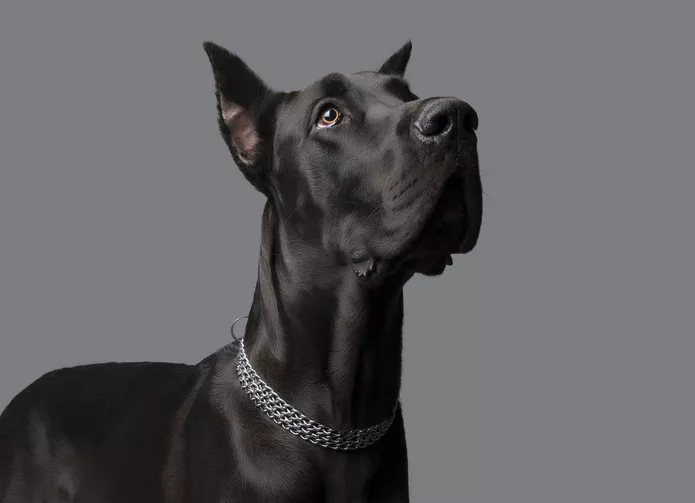
The Great Dane is one of the largest short-haired dog breeds, especially in height. Weekly brushing with a rubber curry or bristle brush will keep their coat glossy.
A true gentle giant, this breed is sweet, affectionate, and a wonderful house dog. Despite their size, Great Danes are generally calm indoors and don’t need a massive amount of exercise (a few daily walks is sufficient).
Giant dog breeds like Great Danes have a much shorter life span than most other breeds.
Breed Overview
08 of 20
Greyhound
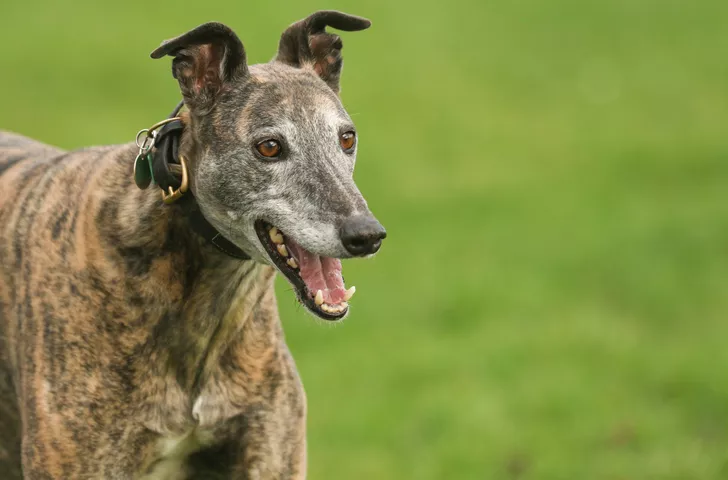
Greyhounds are very clean house dogs. The smooth coat sheds much less than some other short-haired breeds. It’s so fine and close to the body you might not even need to brush it—give this breed a good rubdown with a soft, damp towel.
Capable of running 45 miles per hour or more, the greyhound is known for being the world’s fastest dog breed. Don’t let all that speed fool you, though. As long as greyhounds get the chance to stretch their legs a little each day in a safely enclosed area, they are content to lounge about the house the rest of the time.
Italian greyhounds are a miniature version of greyhounds with the same kind of coat and qualities, including calmness, as their larger counterparts.
Breed Overview
09 of 20
Ibizan Hound
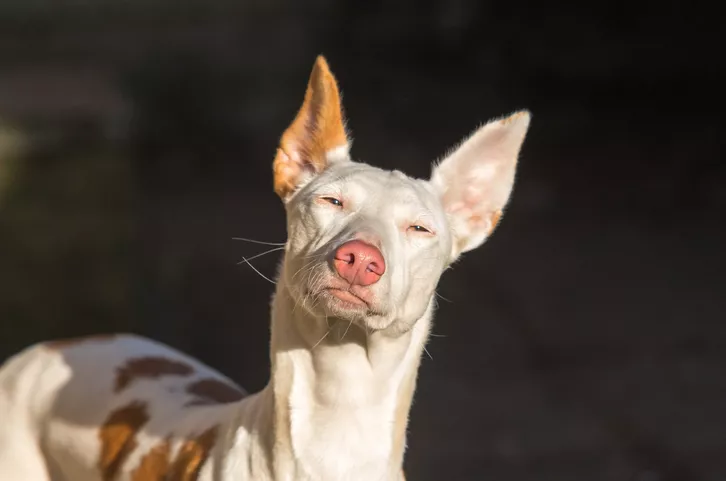
The Ibizan hound is a short-haired dog breed that hails from the island of Ibiza, located off the coast of Spain. The breed descended from ancient Egyptian hounds that were brought to the island by traders approximately 3,000 years ago.
The short coat may be smooth or wiry. Both coat types are easy to care for—just brush once a week.
Ibizan hounds are rabbit hunters, using their keen sense of sight to chase them down, leaping and pouncing for the kill.
Breed Overview
10 of 20
Miniature Pinscher
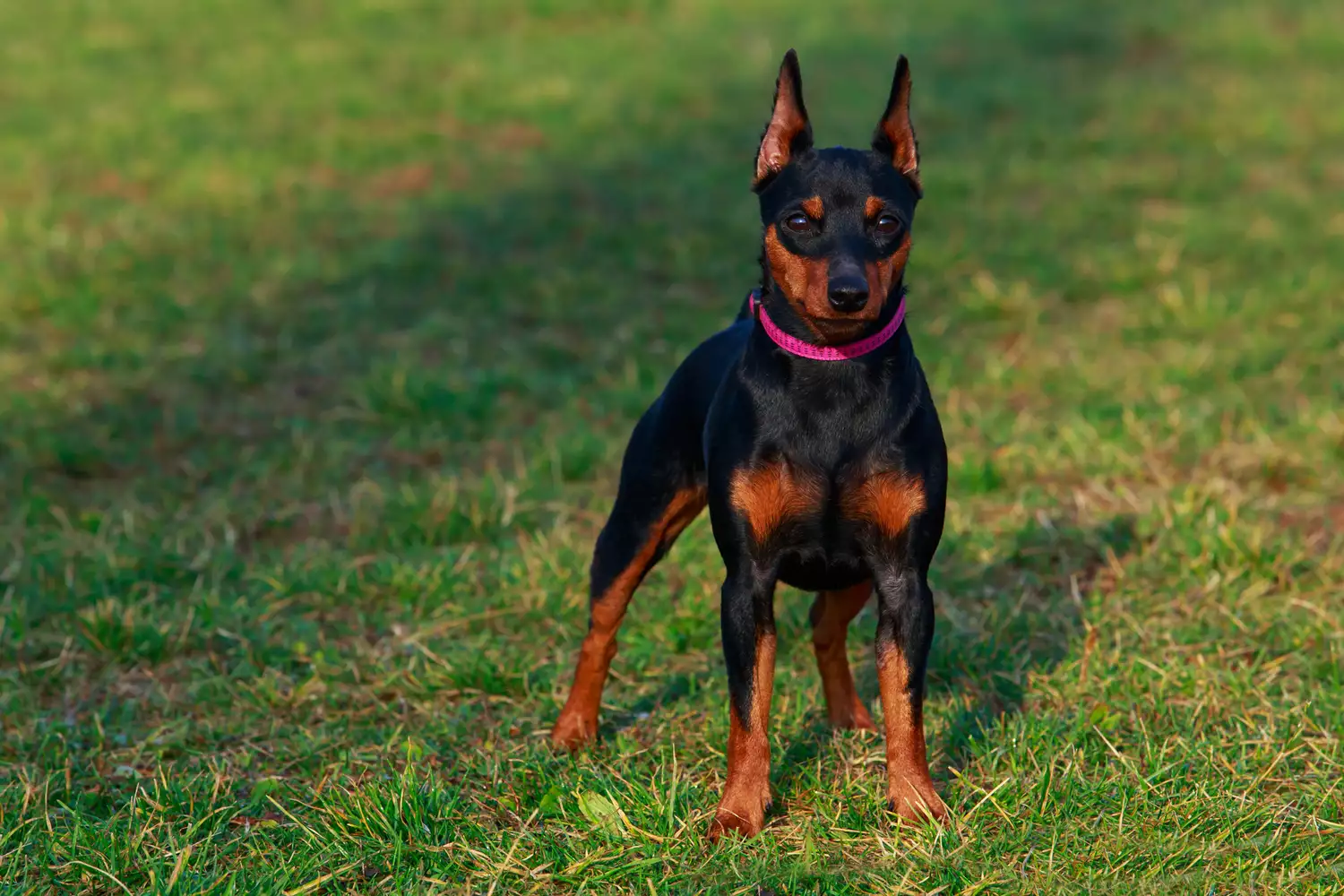
The miniature pinscher looks a lot like a scaled-down version of their cousin, the Doberman pinscher, but the min pin is the older of the two breeds. This breed's smooth coat lies close to the body. It needs brushing once a week with a soft bristle brush to bring out its luster.
A member of the American Kennel Club's toy group, this “King of Toys” is known for their brave animation, self-assuredness, and proud spirit. They are friendly but very small and best suited for families with older, gentle children who can be careful with them.
Min pins have a unique hackney gait movement (they lift their feet high when they trot).
Breed Overview
11 of 20
Pug
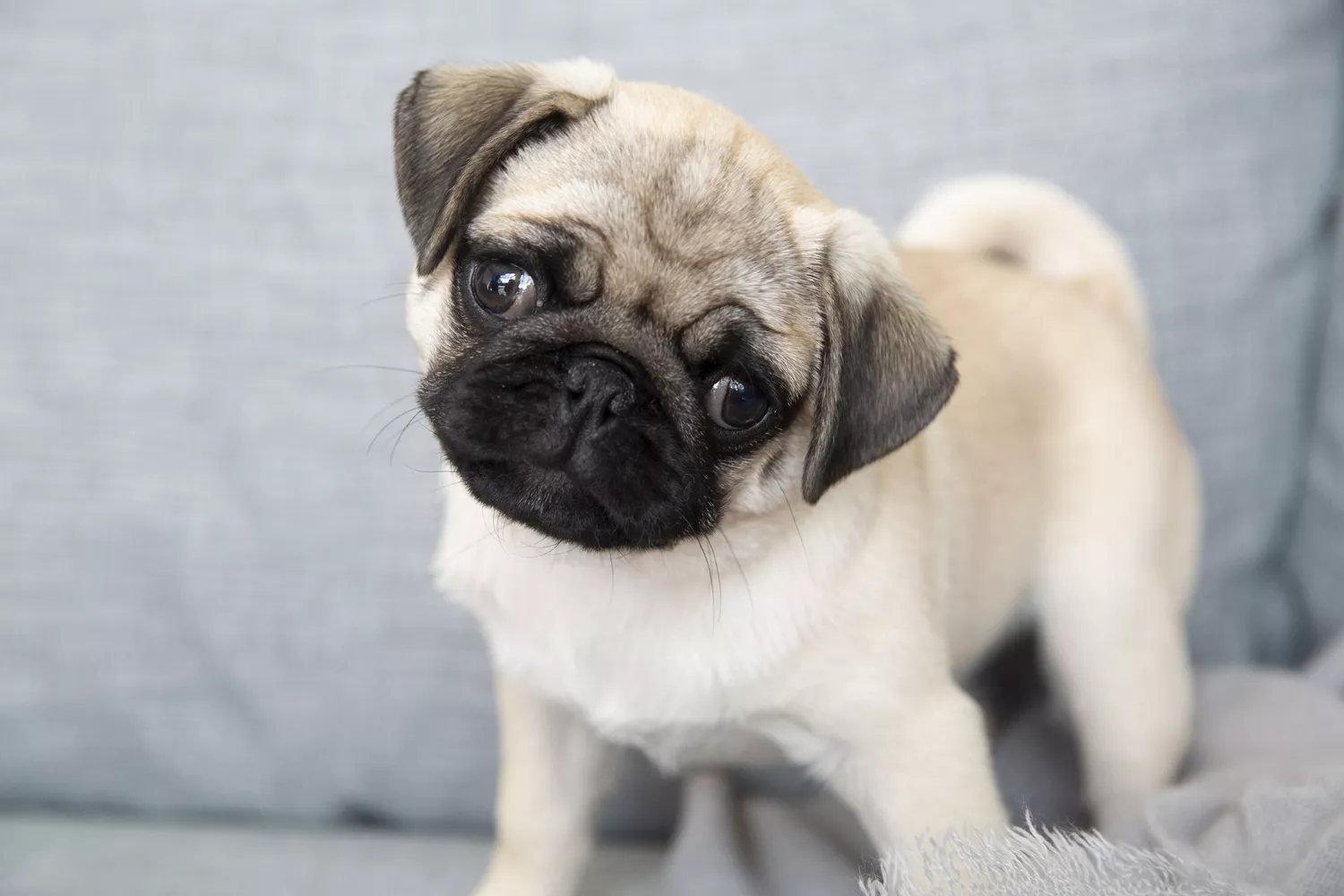
The charming, sweet pug originated in China as far back as 400 B.C., where the dog was the treasured pet of Chinese emperors. The pug's short coat sheds a good deal. The more you brush them, the less hair will end up on your clothes or furniture.
Pugs don't need a lot of exercise, and they don't tolerate hot temperatures, so keep them inside in the air conditioning on warm days.
A pug's most important job is to be your loyal friend and constant companion. They don't do well when left alone for long periods, but it's easy to bring them along on your adventures as they are small and portable.
Breed Overview
12 of 20
Rat Terrier
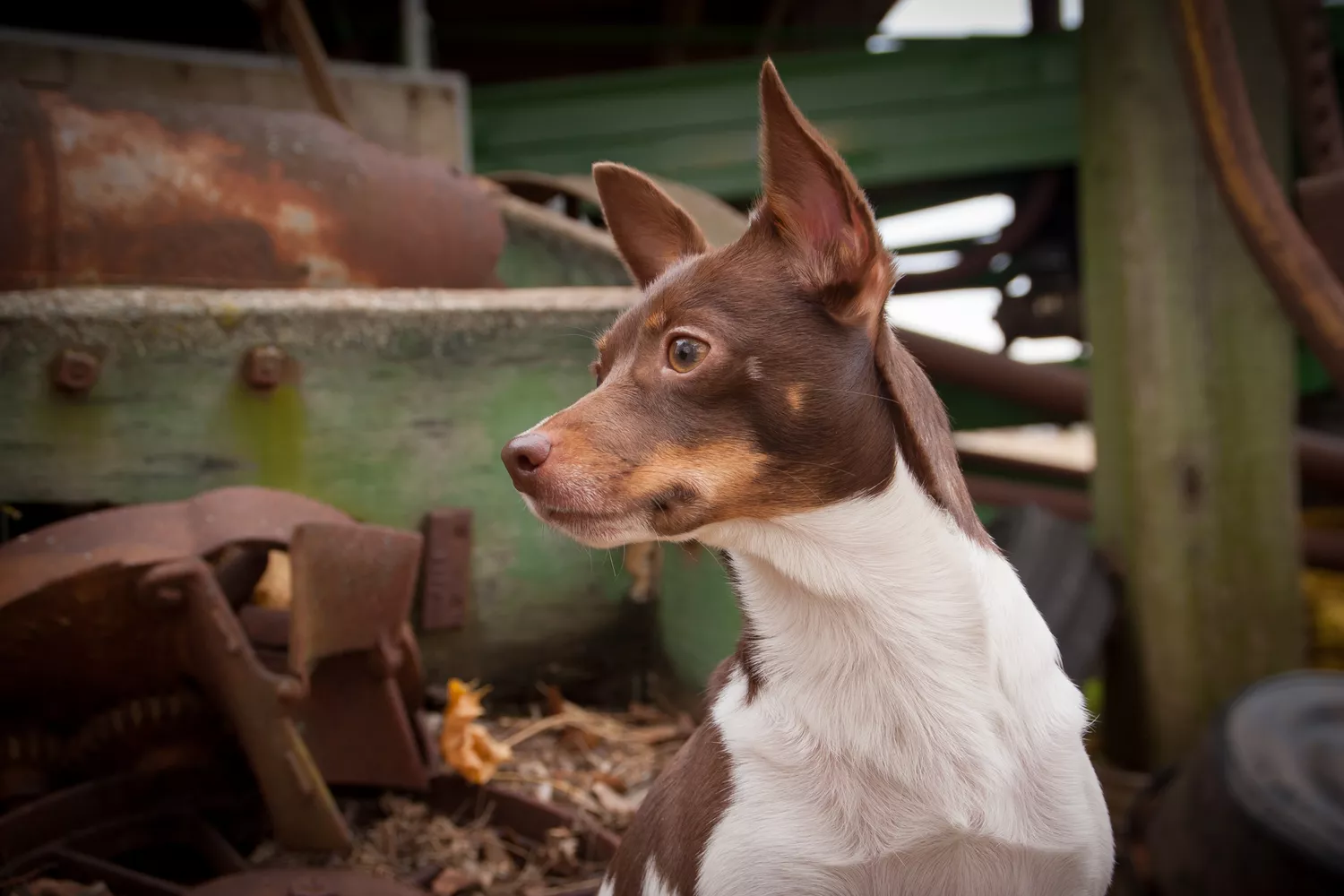
Farmers created the rat terrier in the United States in the early 1900s. This short-haired dog breed comes in two sizes: miniature and standard. As the breed name suggests, these dogs were used for hunting and dispatching vermin—namely rats.
The coat is short but sheds quite a bit. Brush more frequently to limit shedding hair in the house. Rat terriers are full of spirit, energy, and tenacity and won’t back down from a challenge.
Because of their working background, rat terriers need more exercise than you might expect from a small dog.
Breed Overview
13 of 20
Rhodesian Ridgeback
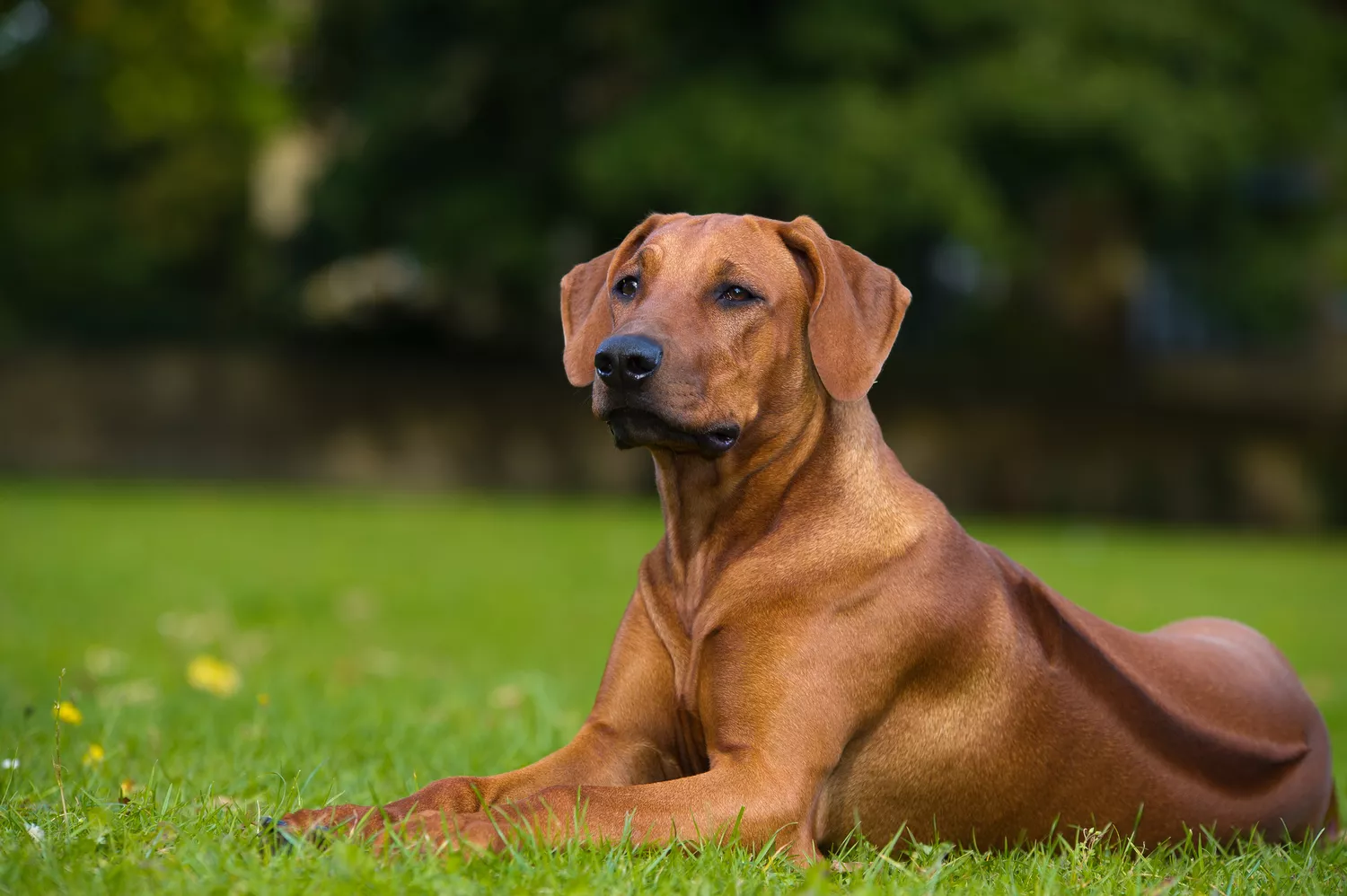
The Rhodesian ridgeback was developed in South Africa to corral large game like lions for hunters and to protect homes from predators. The breed has a distinctive ridge running down the middle of their back, caused by a strip of hair growing in the opposite direction from the rest of the coat.
The ridgeback's short, smooth hair coat requires little care and only sheds a small to moderate amount. Little more than basic routine grooming is necessary for healthy ridgebacks.
The Rhodesian ridgeback is not a short-haired dog breed for first-time dog parents. They are large, powerful, and independent-minded, and have a high prey drive. They need lots of mental stimulation, training, and exercise.
Breed Overview
14 of 20
Weimaraner
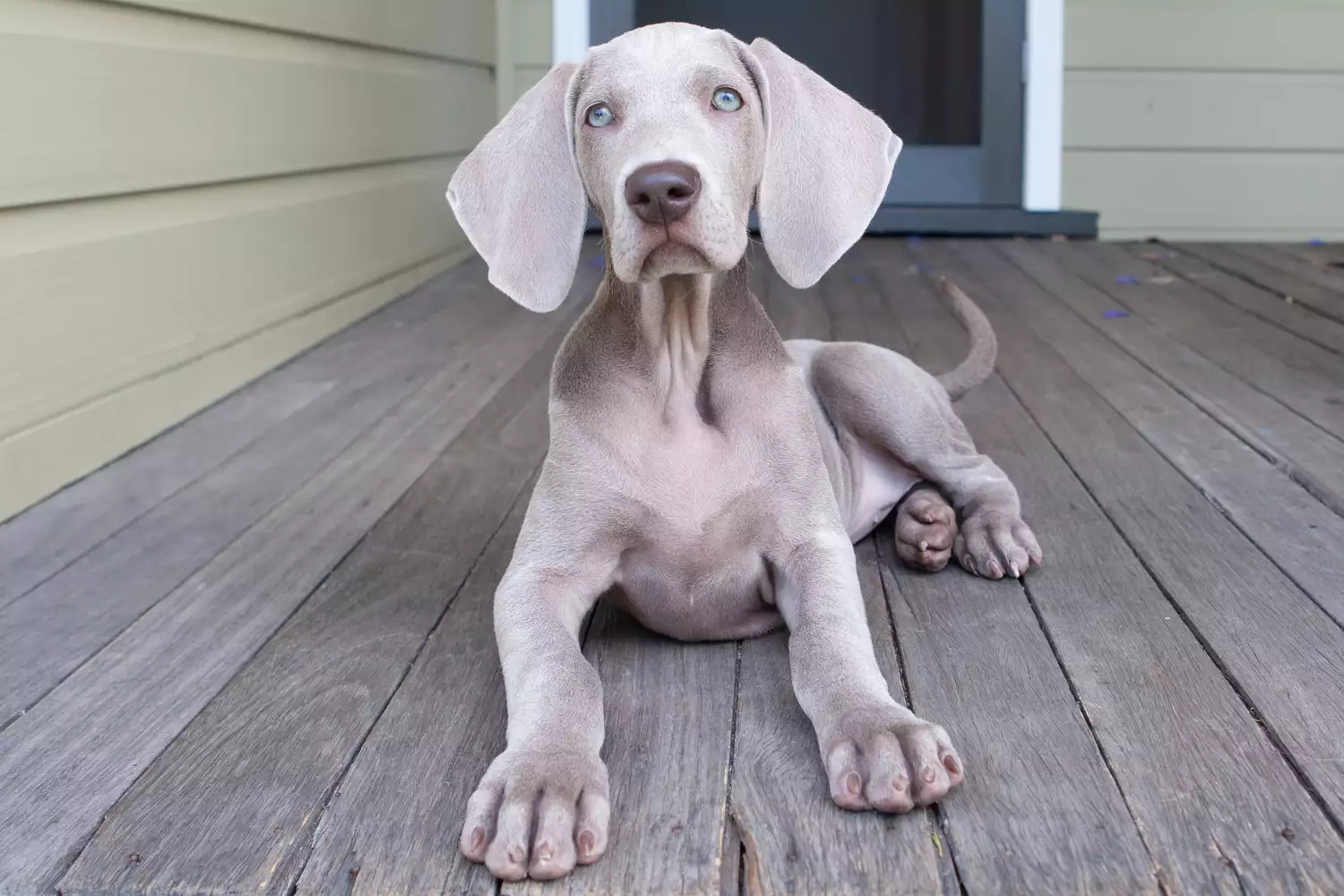
The Weimaraner is a hunting dog that comes from the Weimar region of Germany. This short-haired dog breed is sometimes known as the “gray ghost” due to their ethereal silver-gray color and speed and endurance in the field.
Grooming a Weimaraner is relatively maintenance-free. The sleek short coat will benefit from an occasional brushing with a rubbery dog brush to remove loose hair and a dog bath if it gets dirty.
Weimaraners are exceptionally active and athletic, requiring a lot of exercise (running is ideal), training, and attention. Weimaraners are excellent family dogs and get along great with children when they get sufficient exercise.
Breed Overview
15 of 20
Mastiff
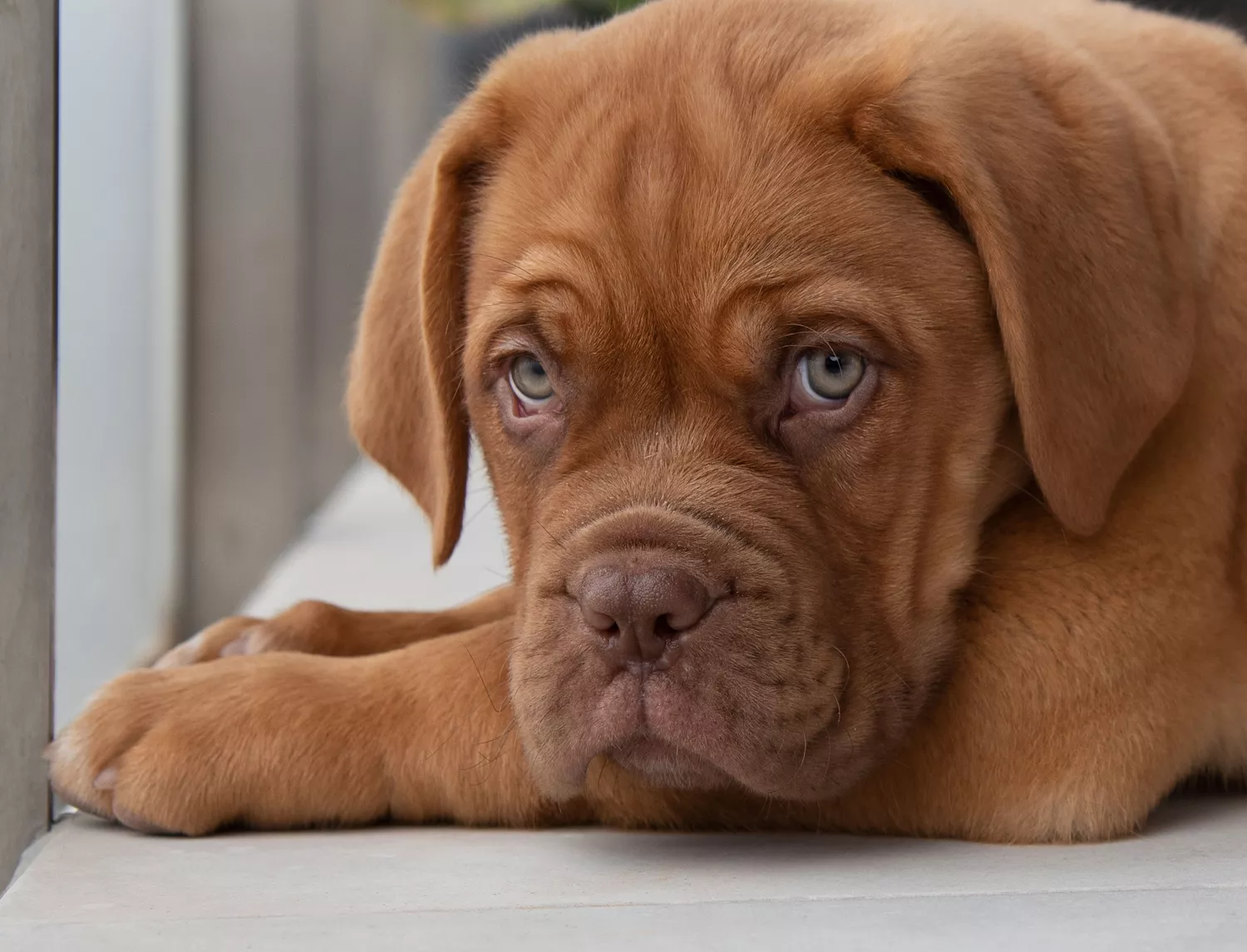
Mastiffs are giant short-haired dogs. They are gentle companions and family protectors that lack aggression, making them lovely family pets.
The mastiff has a short coat that typically needs little more than routine grooming (regular brushing, bathing, and nail trimming). This breed is a moderately-high shedder and big-time drooler. The high shedding rate and drool combo make this breed not a good choice for people with dog allergies.
Breed Overview
16 of 20
Boston Terrier
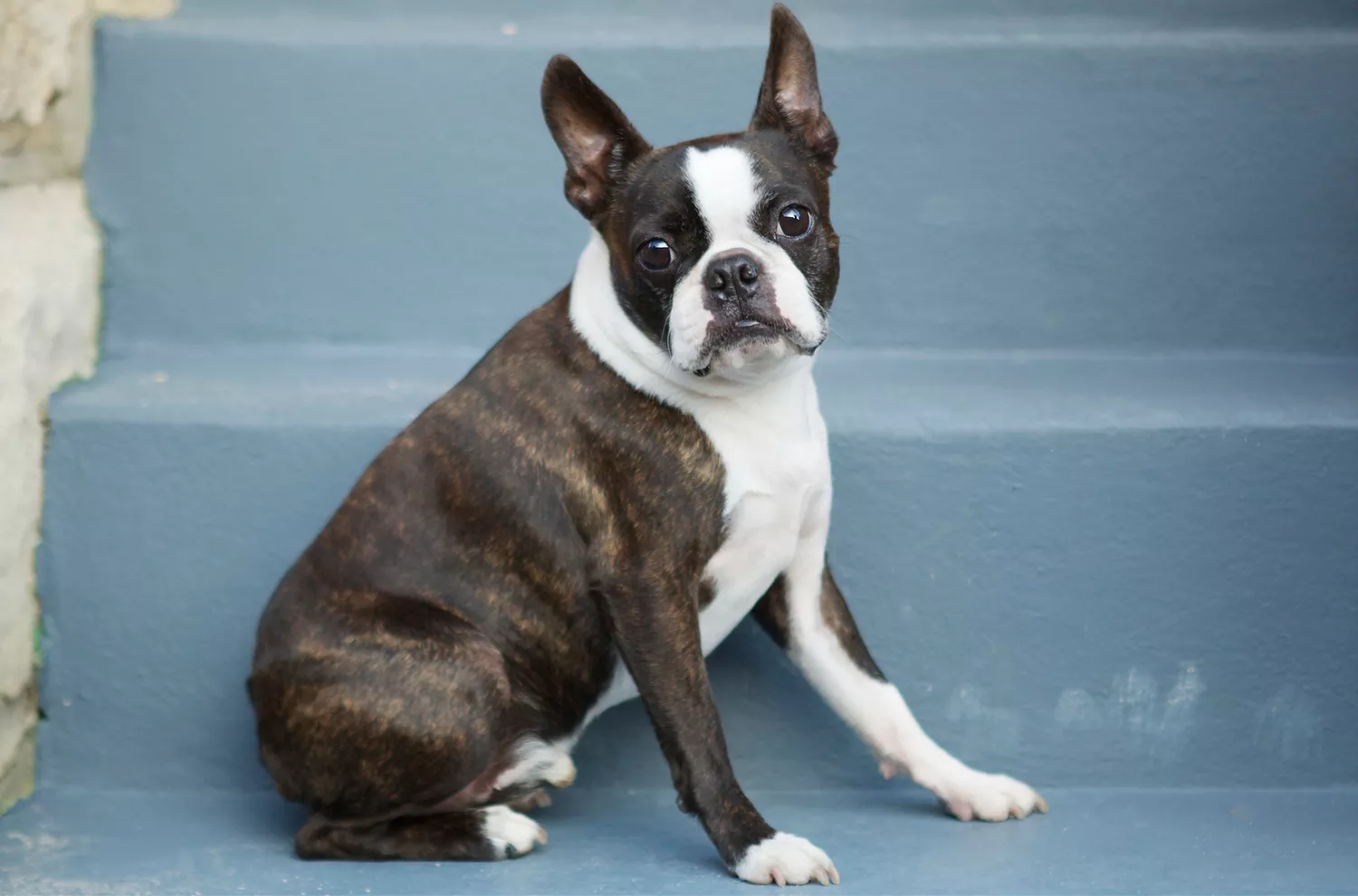
The Boston terrier's tuxedo-looking coat has gained this breed the "American Gentleman" nickname. This breed is known for being full of energy, fun-loving, clownish, and affectionate.
The Boston terrier's smooth, short coat requires minimal attention; a brush once a week to lift out the dead hair is usually sufficient. They shed, but it is minimal in comparison to many other shedding dogs.
Breed Overview
17 of 20
Vizsla
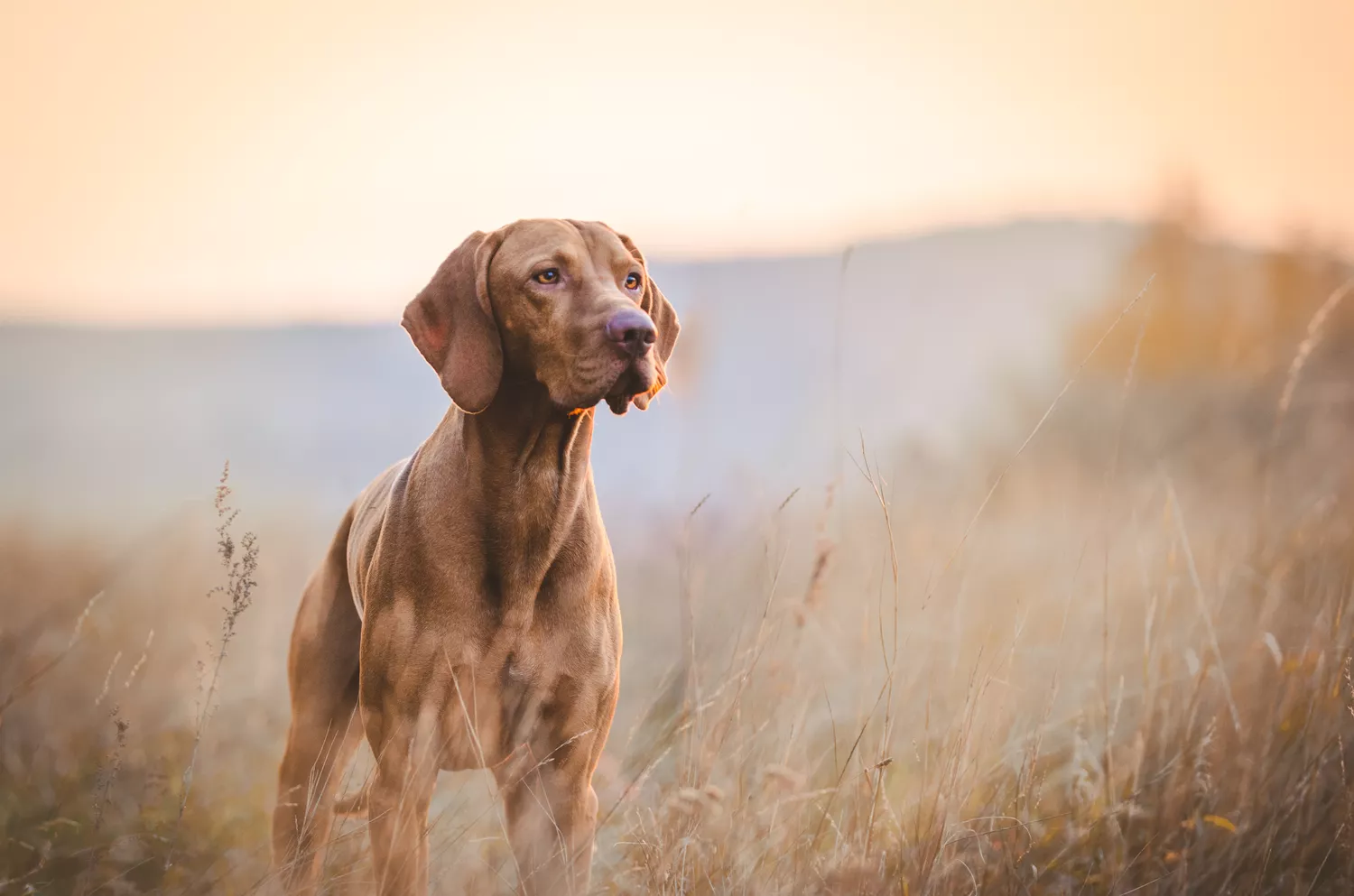
This Hungarian breed is known for pointing and retrieving skills, and is popular as a loving, beautiful, active companion.
Vizsla coats are not high-maintenance. Their short coat only needs brushing weekly to lift out dead hair and keep the coat in good condition. They are not excessive shedders.
Breed Overview
18 of 20
Chihuahua
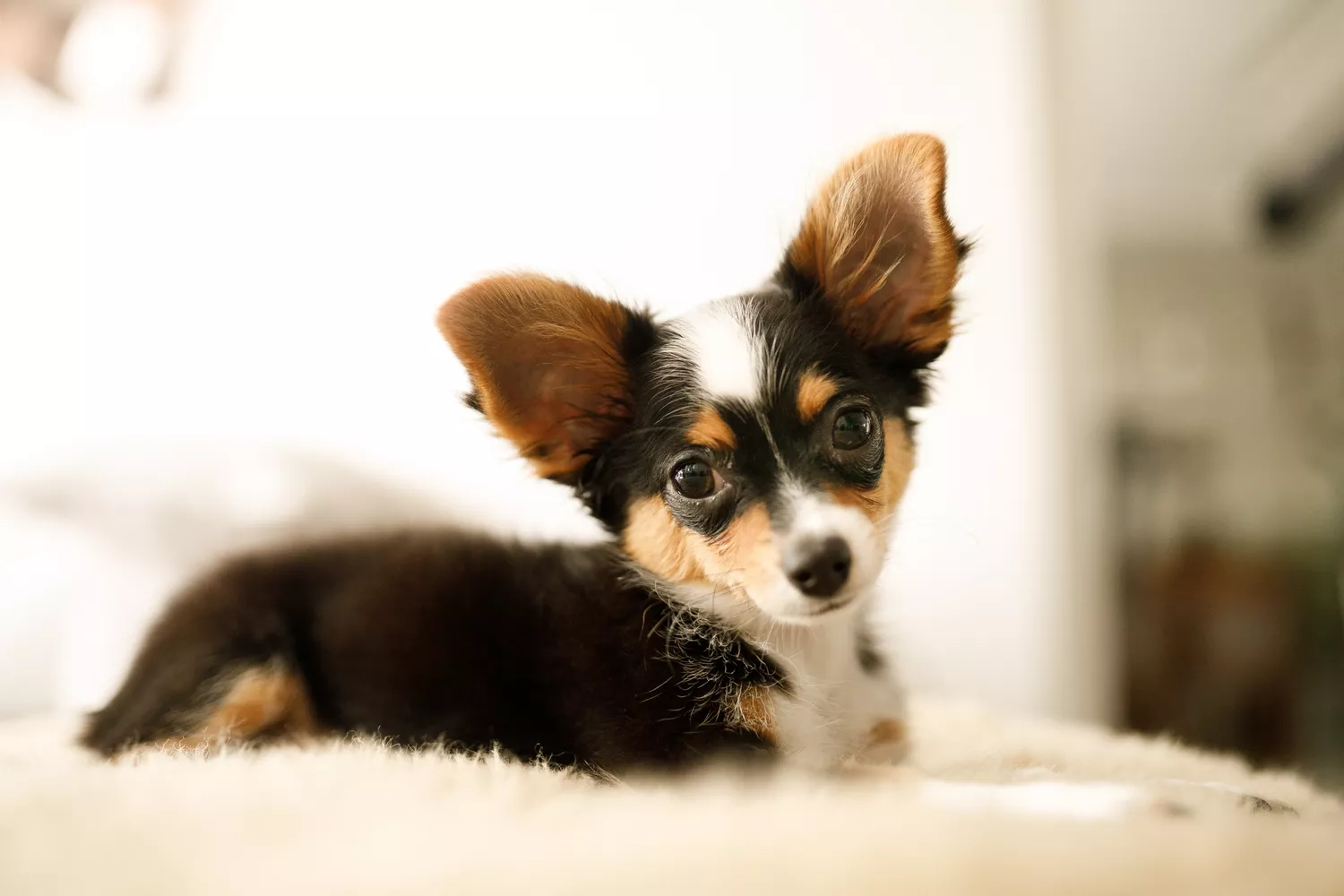
The Chihuahua is a tiny but confident dog that loves to give and receive attention. This breed has two coat types: short and long.
Smooth-coated Chihuahuas need little more than basic routine grooming due to their short hair, whereas the long-coated variety requires more frequent grooming and hair brushing.
Despite a diminutive appearance, the breed is bold with a big dog attitude in a mini body.
Breed Overview
19 of 20
Beagle
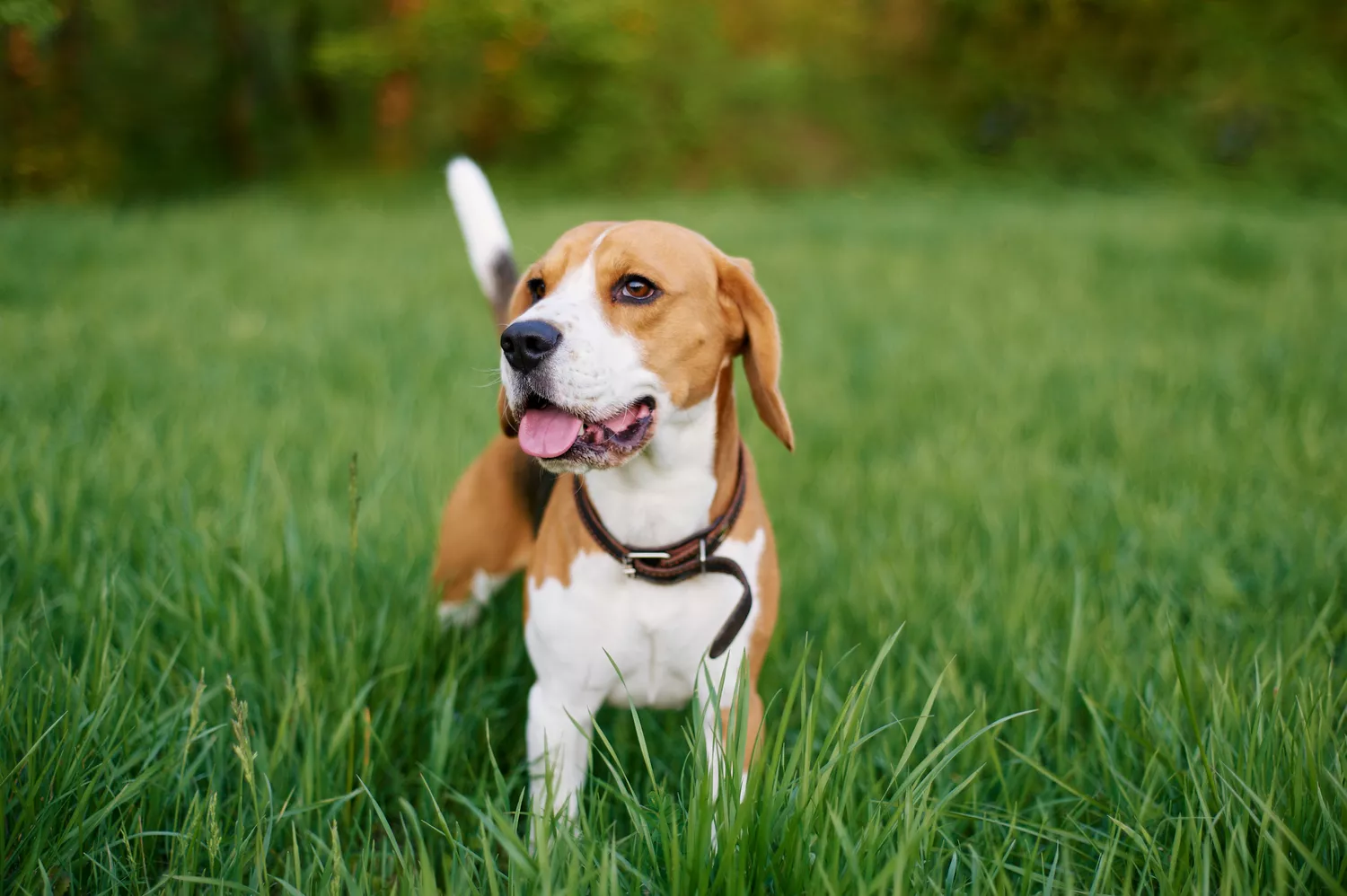
The beagle is one of the most popular and recognizable dog breeds; it's Snoopy's breed. Beagles have short, water-resistant coats with a moderate-to-high rate of shedding.
This dog requires basic routine grooming to keep looking their best. Their coat doesn't pick up much debris, so it shouldn't need frequent bathing.
Beagles are energetic, carefree, and optimistic dogs, but they can have a stubborn streak. Beagles are a great match for active households.
Breed Overview
20 of 20
Dachshund
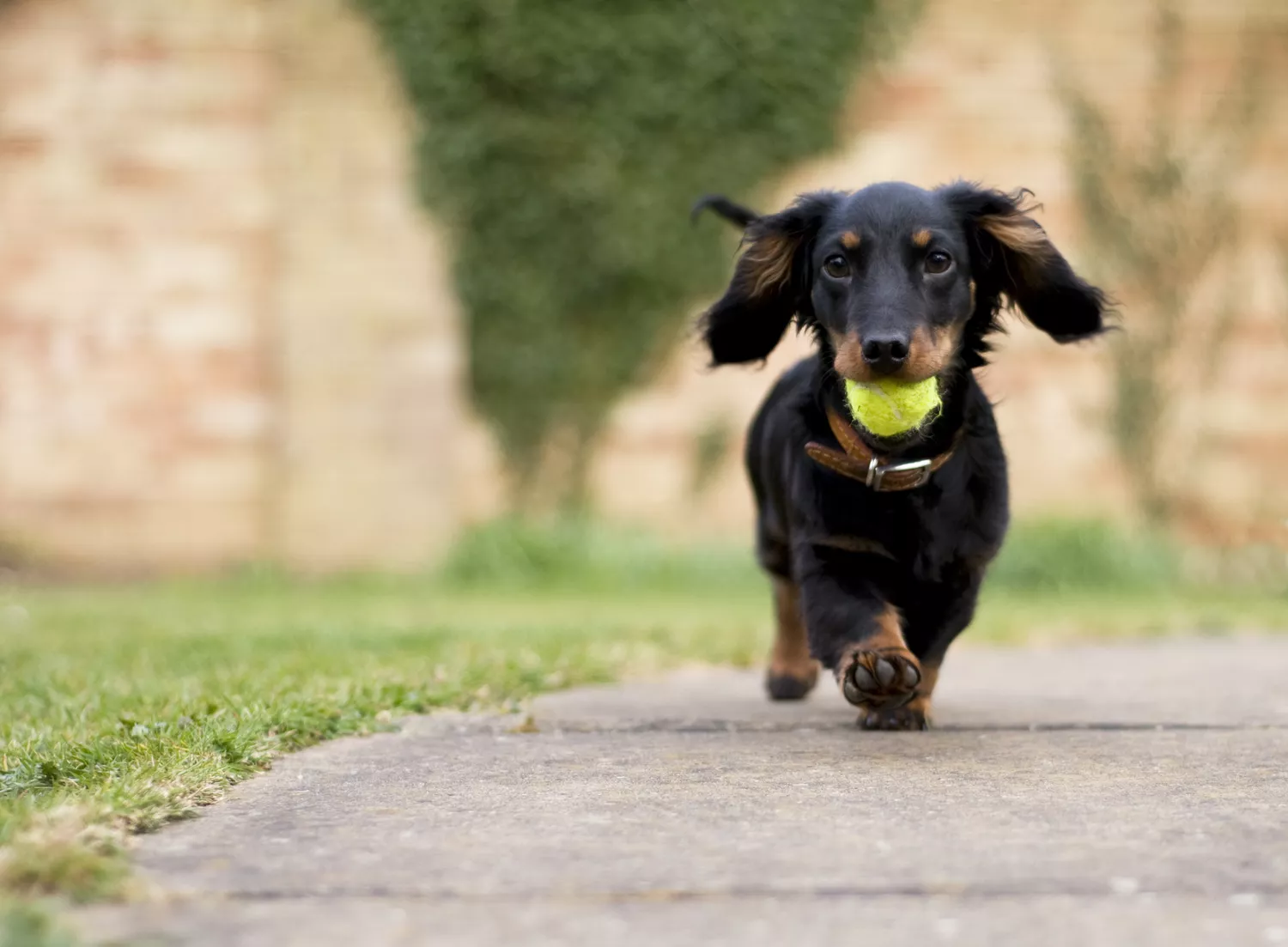
The dachshund is an energetic, lovable dog breed with an endearing personality. This breed has three different coat types: short-haired, long-haired, and wire-haired. Grooming needs vary based on the coat type.
The long-haired variety requires daily brushing but does not typically need professional grooming. Smooth short-haired dachshunds have a higher shedding rate than other varieties.
All dachshunds should have baths as needed. Doxies often have skin problems and may require baths more often. Despite their small size, the dachshund tends to be quite protective and alert and makes an excellent watchdog.
Breed Overview
15 Beloved Brown Dogs That Will Warm Your Heart
Breed Characteristics
Generally, short-haired dog breeds require less grooming maintenance, which is a huge plus for busy families who are constantly on the go. Unlike long-haired breeds, a dog with short hair won’t need to have their coat trimmed, but they’ll still need to be brushed regularly.
Some short-haired dog breeds are “hypoallergenic,” which means they can be better for individuals with allergies.
Most short-haired dogs can also tolerate warmer temperatures since they don't have long, heavy coats. The exception is brachycephalic (short-nosed) breeds like pugs, boxers, and bulldogs, who have a little bit of a harder time breathing.
If you live somewhere that encounters frigid winter temperatures, just make sure to buy your short-haired dog some outerwear.
Can Dogs Catch a Cold?
Breeds to Avoid
If you're interested in short-haired dog breeds, then you likely want to avoid lots of hair accumulating around the house or frequent grooming appointments. The hairiest breeds tend to be spitzes, mountain dogs, or Scandinavian breeds.
Spitzes like huskies and Finnish spitz are double-coated breeds that are built for frigid, Arctic temperatures. Mountain dogs like Bernese mountain dogs or Great Pyrenees likewise have long, thick coats to protect them from the elements. Other working dogs like herding dogs had long days, enduring through all types of weather, needing coats to stand up to the rugged terrain.



