15 Cool Dog Breeds That Were Born to Beat the Heat
Finding a dog that matches your lifestyle is important for ensuring a happy, healthy, long-lasting relationship. But there’s one factor many pet parents forget to consider before adopting a pet: the weather. Some dog breeds like the Alaskan malamute adore the snow and cold, while others need to wear jackets just to walk around the block.
If you live in a warm, tropical area (or you’re planning to move to one soon), it makes sense to bring home a pup that is well-suited for the local climate—a breed that thrives in or at least tolerates hot weather. This is especially true if you like to stay active and you’re looking for a four-legged friend to join you on runs, hikes, and beach days.
Curious about which pups fare best when it’s toasty outside? Read on to learn more about some of the best hot-weather dog breeds.
Breed Characteristics
It’s important to remember that all dogs are individuals and that each one will have their own level of heat tolerance. That said, there are some common characteristics that help some breeds thrive in hot climates.
If you’re looking for a pup that can withstand high temperatures and lots of humidity, consider bringing one home that has short fur with no undercoat, a smaller frame, and a lean, muscular build. Dogs with lighter-colored coats, long snouts, and large, upright ears typically have an easier time staying cool, too. Additionally, breeds that hail from warm locales—like Africa or Latin America—are generally more comfortable in warm weather than those that originated in cooler climates.
01 of 15
Rhodesian Ridgeback
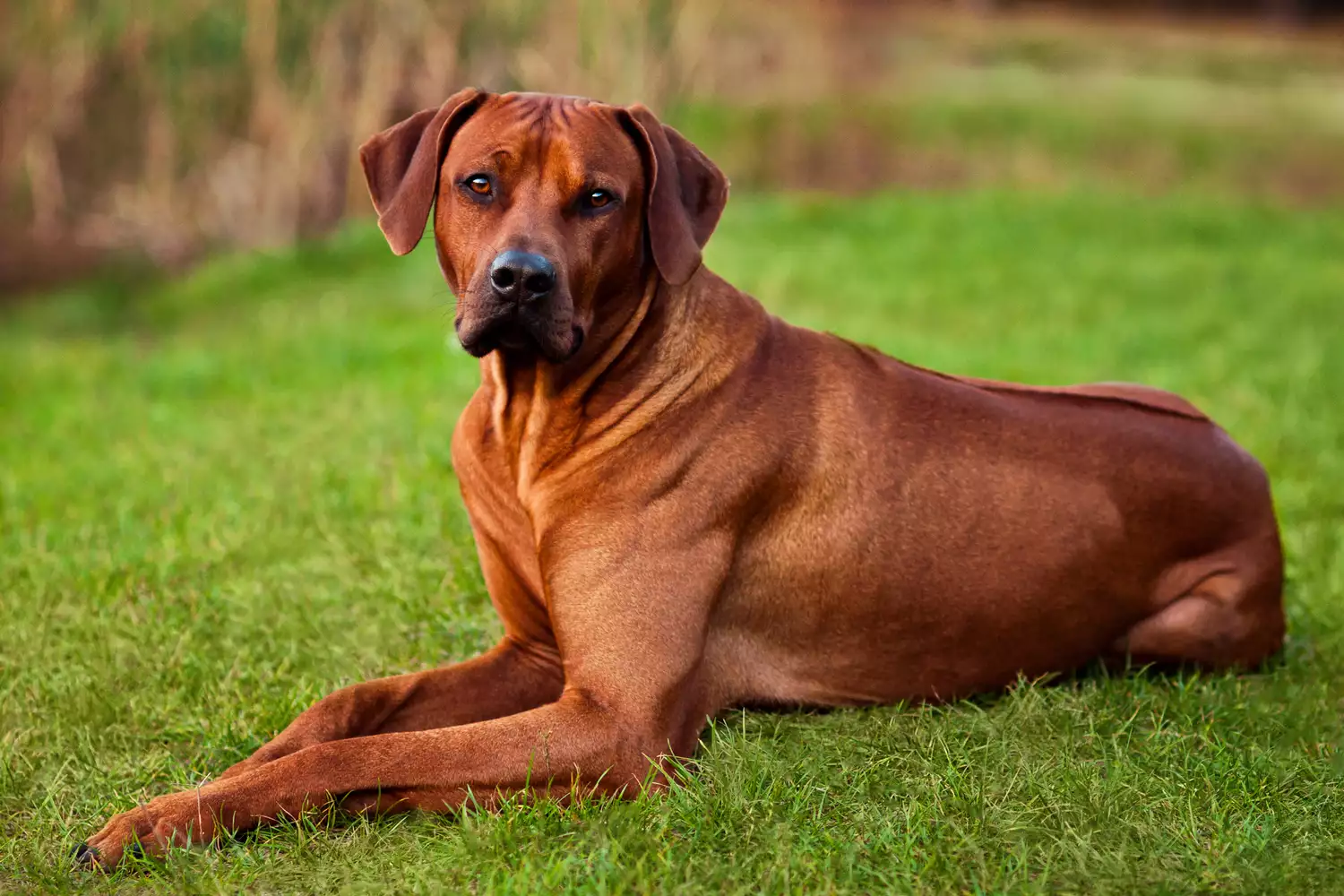
Ask any Rhodesian Ridgeback owner and they’ll agree: These dapper dogs love to be warm, whether that’s snuggling under a thick blanket or basking in a sunbeam. These preferences make a lot of sense when you consider that “Ridgies” were developed in southern Africa to hunt lions and other large game. Their short, smooth coat and muscular build helped them stay cool as they chased animals across the savanna. They’ve held onto these same attributes, even though today you’re more likely to see one lounging on the patio.
Breed Overview
02 of 15
Basenji
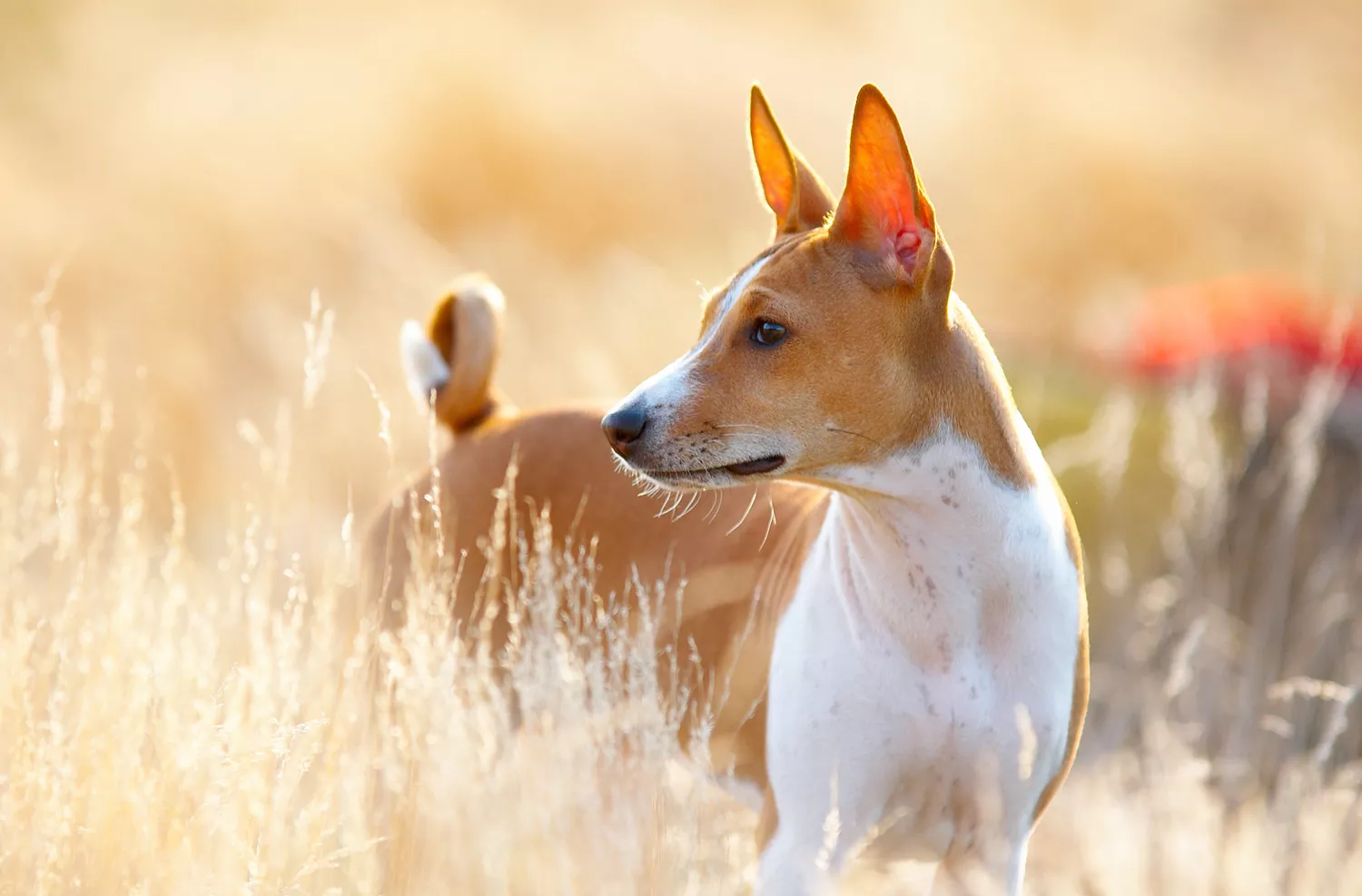
Basenjis are no strangers to hot weather. They hail from the Democratic Republic of the Congo, a country situated on the equator in the middle of Africa. Their smooth, short fur, erect ears, and an athletic build helps these hounds stay cool, even when temperatures skyrocket. These pups are often described as “catlike” because of their independent and aloof nature, and they can be a bit stubborn when it comes to training. As a result, they may not be the best fit for first-time dog owners, regardless of the climate.
Breed Overview
03 of 15
Dalmatian
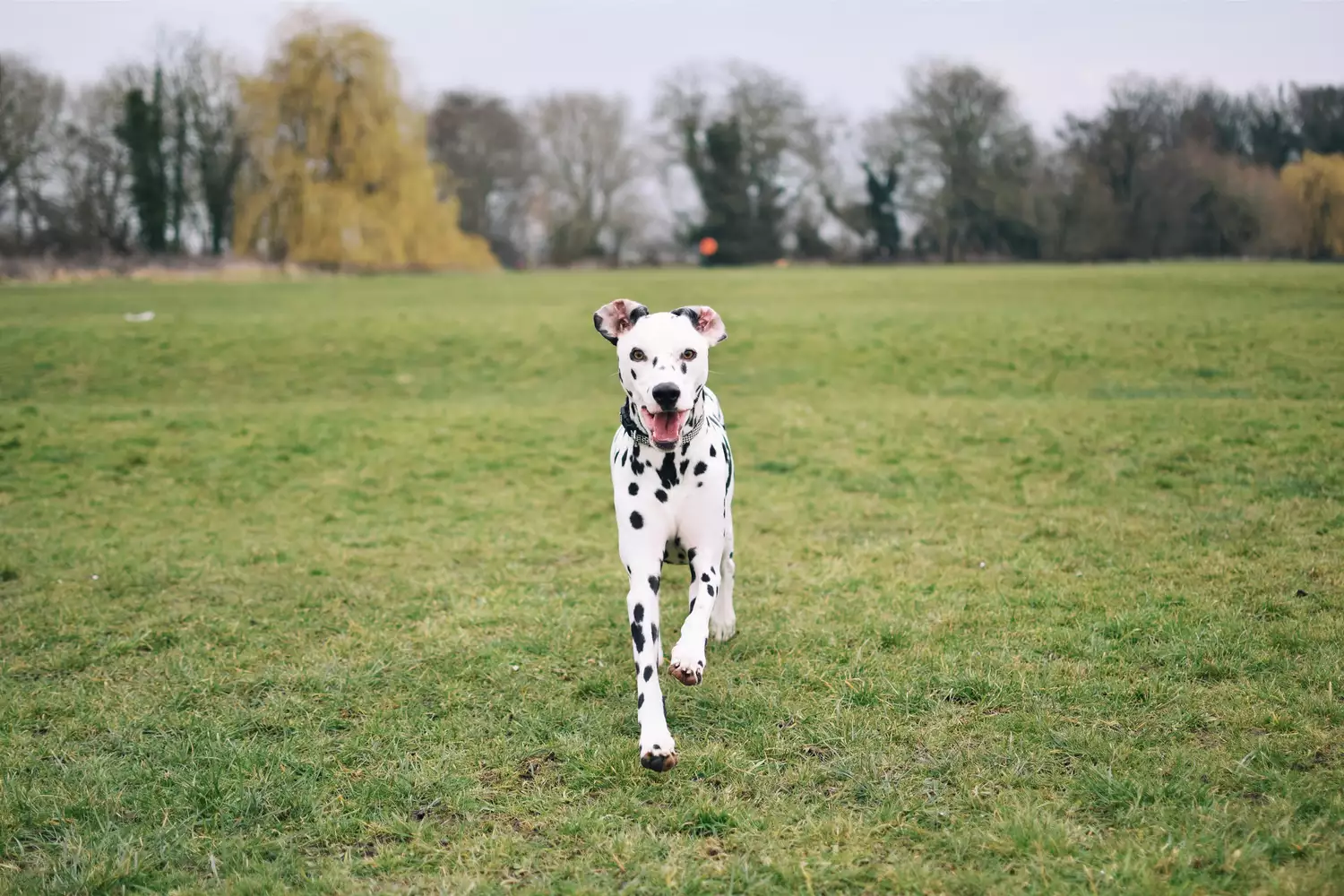
The exact origins of the Dalmatian are a little murky. But, historically, these iconic spotted pups ran alongside horse-drawn carriages, which means they needed to be able to withstand all sorts of weather conditions. Today, their short coats and lean builds make these dogs great companions for active families living in hot climates. The white fur in between their spots also helps reflect sunlight on a bright summer’s day.
Breed Overview
04 of 15
Dachshund
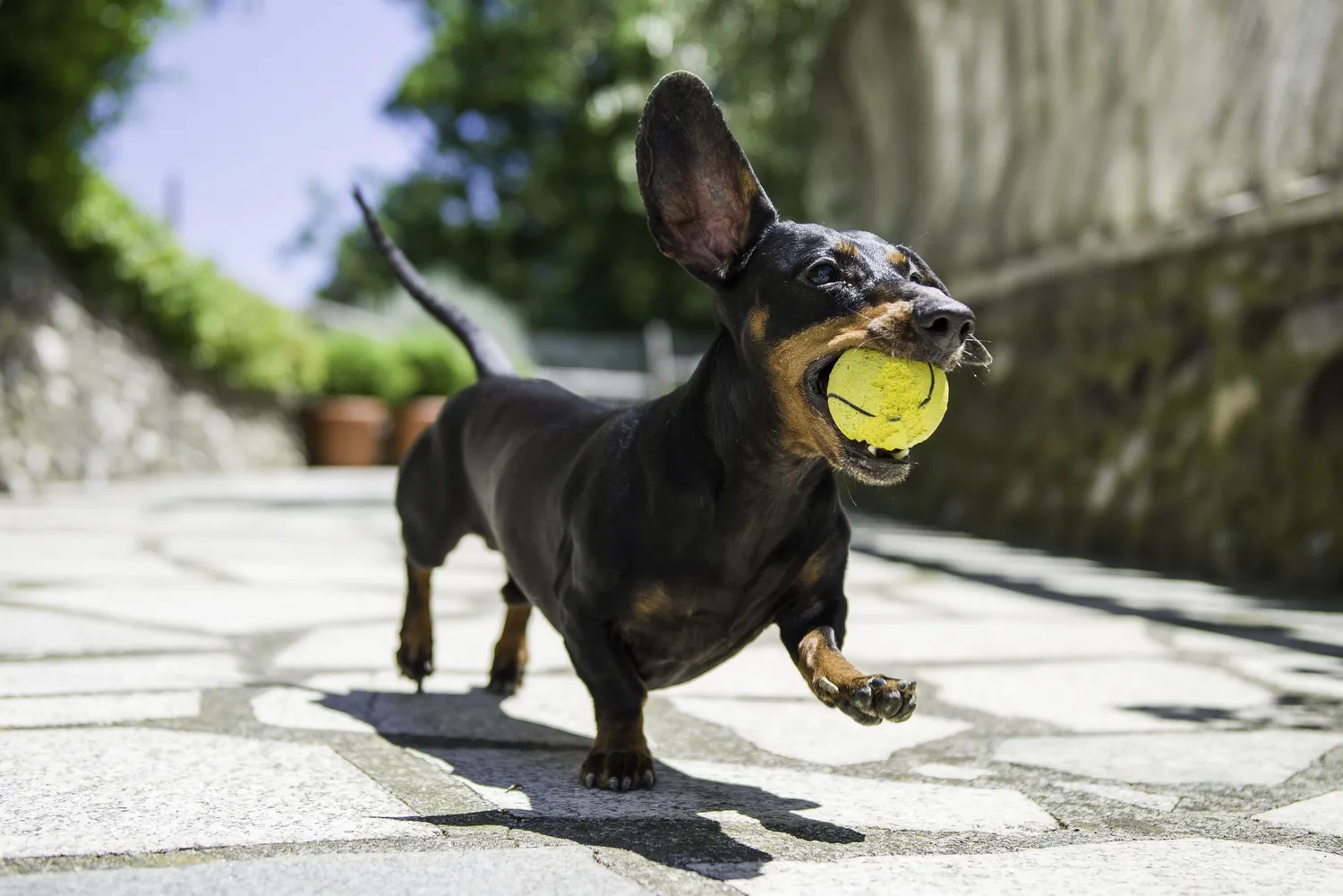
Despite their diminutive stature, Doxies are sturdy, hearty dogs that can generally tolerate a wide variety of weather conditions. They also love to be cozy, often seeking out a sunny spot on the carpet for a mid-day snooze. Still, because of their “go-go-go” personalities, they’re not always the best at regulating their own body temperatures, so it’s a good idea to keep an eye on your pup during especially sweltering weather.
Breed Overview
05 of 15
Greyhound
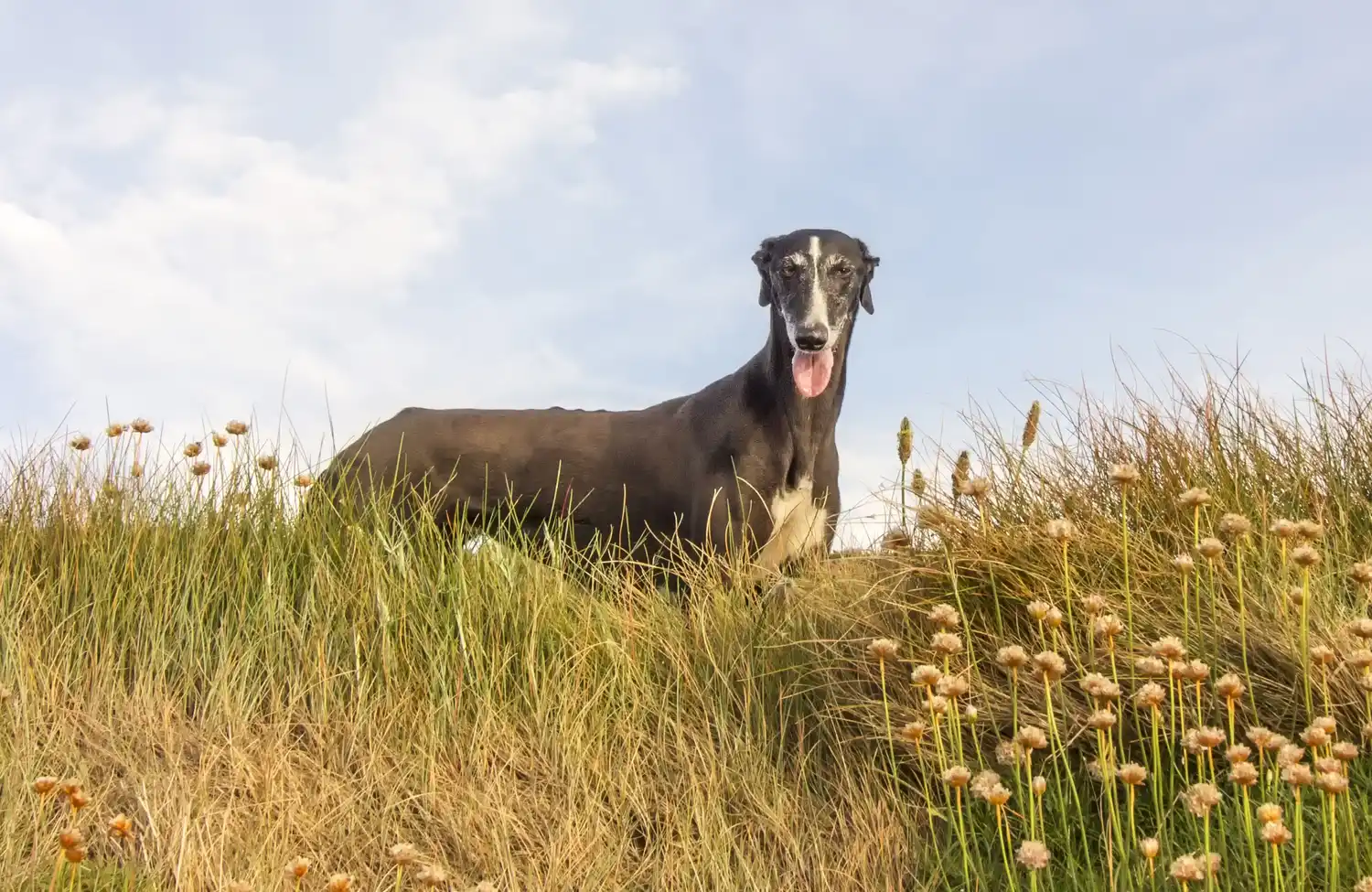
In the winter, it’s not uncommon to see greyhounds decked out in fashionable coats and sweaters. These large sprinters get cold easily, thanks to their slender bodies, long limbs, and thin coats. So, after shivering their way through January and February, they usually welcome the warmer temperatures of spring and summer and like to celebrate by sunbathing.
Breed Overview
06 of 15
German Shorthaired Pointer
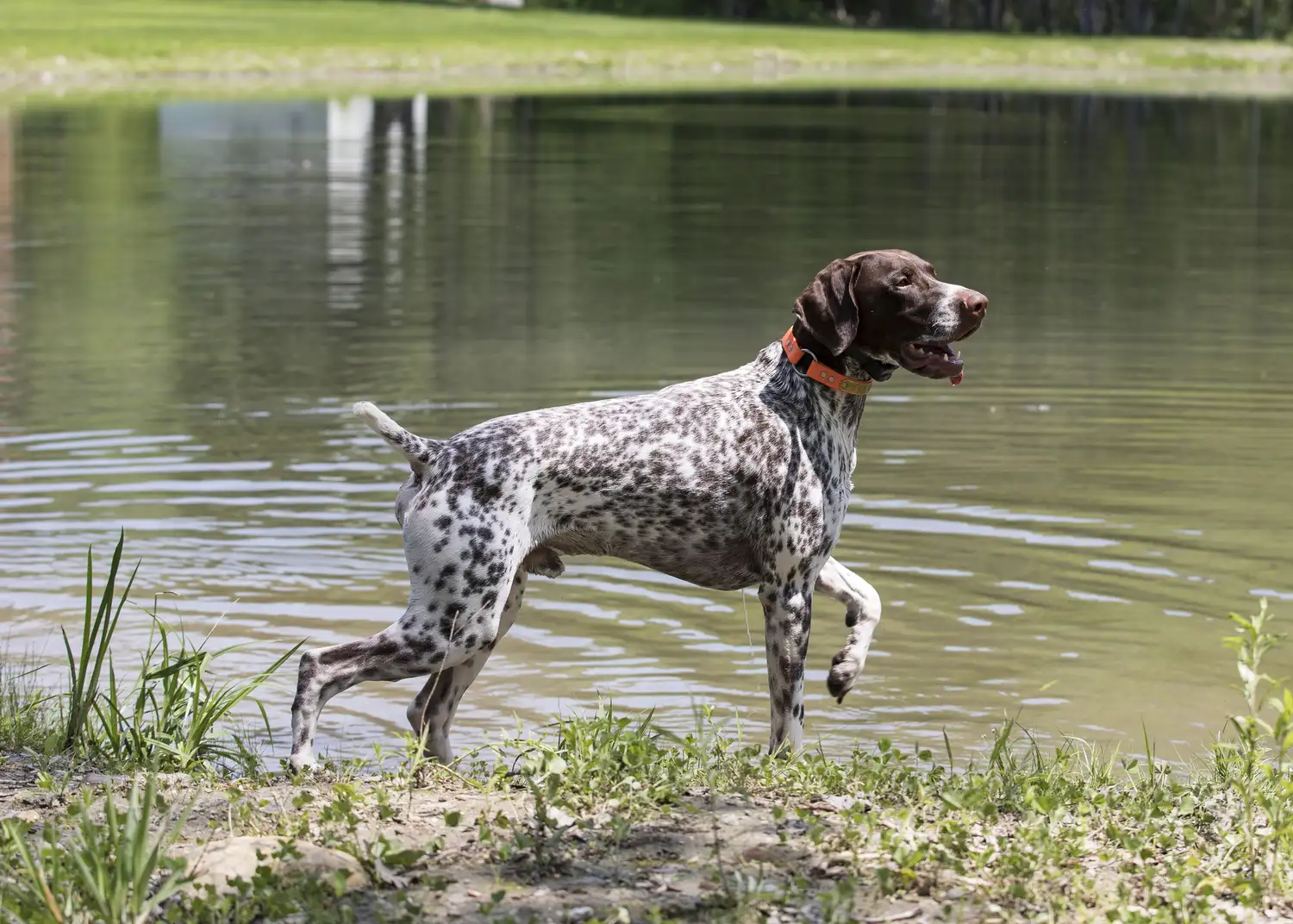
If you’re looking for an active pup to be your running or hiking buddy, consider the German shorthaired pointer. And If your pooch does need to cool off while you’re out adventuring, a quick dip in a lake or creek should do the trick, since these athletic pups love to swim. Once they get going, however, German shorthaired pointers often don’t want to stop. So, you may need to limit their activity or enforce rest breaks to prevent them from overdoing it (and potentially overheating).
Breed Overview
07 of 15
Chihuahua
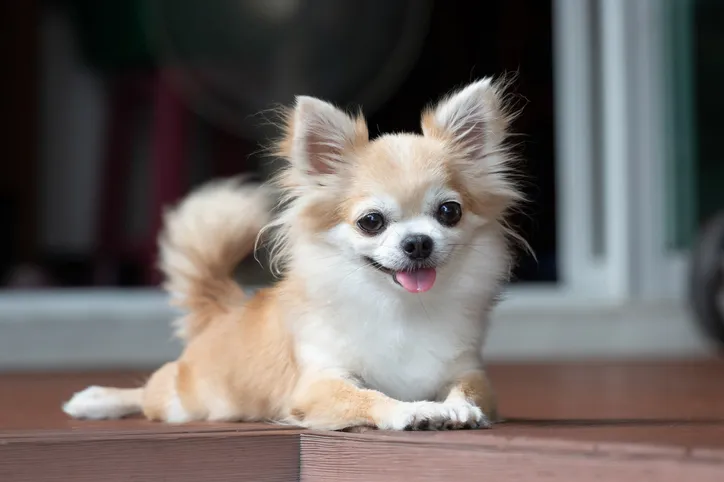
Since they’re small in stature and have thin fur, Chihuahuas can lose body heat quickly in cold weather. But when the sun comes out, these petite pooches are happy as can be. That’s largely due to the fact that this smart, sassy breed originated in the Mexican state of Chihuahua, much of which has a scorching, dry desert climate.
Breed Overview
08 of 15
Ibizan Hound
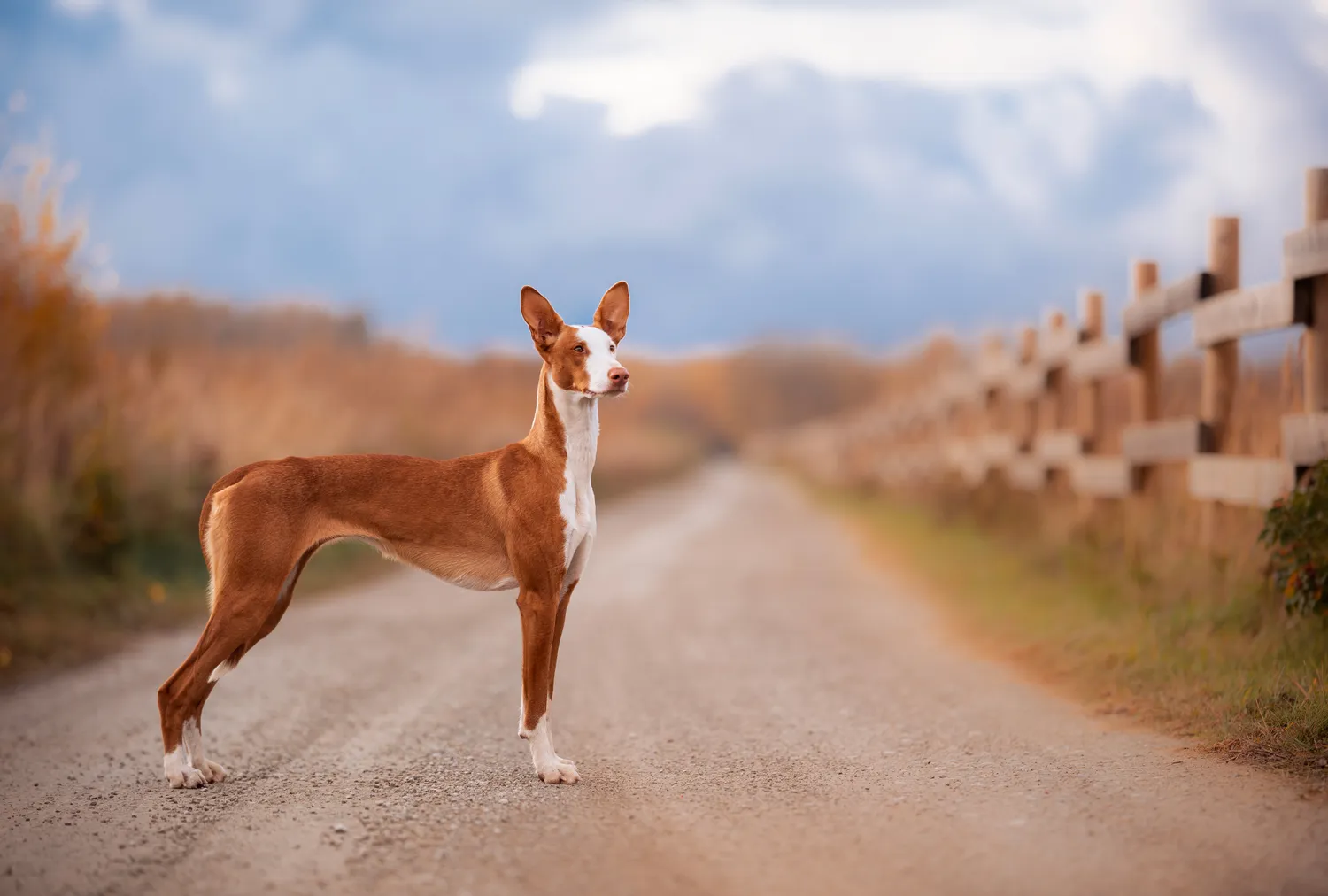
A lanky frame, upright ears, and a short, wiry coat make the Ibizan hound an ideal choice for a hot climate. The breed originated in the Balearic Islands, an archipelago off the coast of Spain in the Mediterranean, where the winters are mild and the summers tend to be balmy. These high-energy pups need lots of exercise, but after a long walk or a dog sport session, they’re happy to relax and take it easy.
Breed Overview
09 of 15
Airedale Terrier
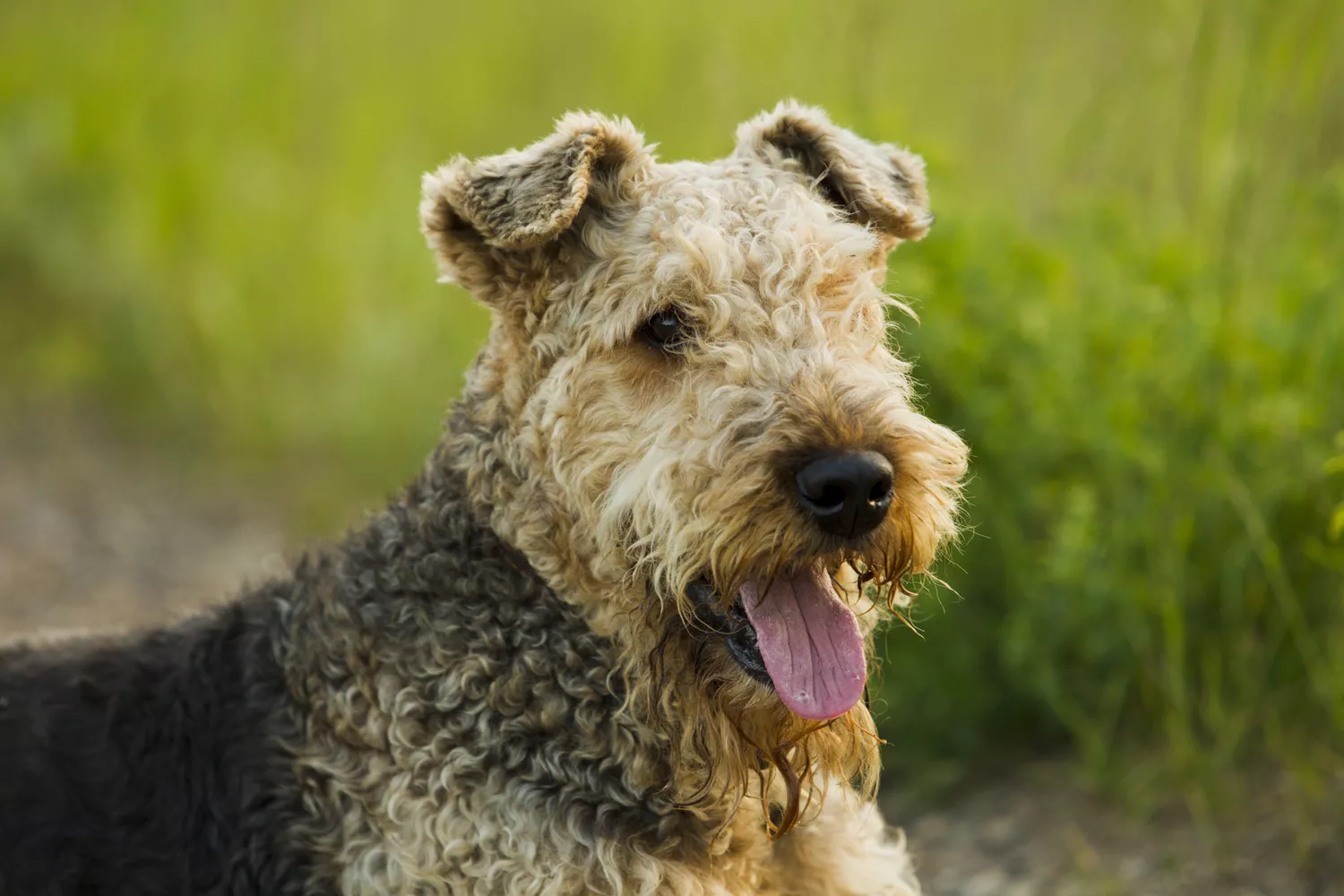
Airedale terriers are adaptable dogs who do well in both hot and cold temperatures—so they may be a good option if you live in a place that experiences all four seasons. Their bodies are covered in thick, wiry fur, which helps insulate them from the heat. However, if you’re a first-time pet parent, you may want to consider some other options, as Airedale terriers can be a handful.
Breed Overview
10 of 15
Great Dane
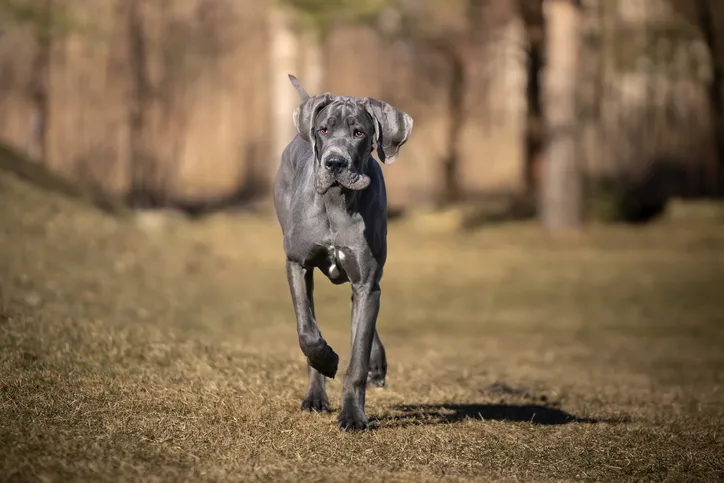
As long as they’ve got a comfy spot to relax in, Great Danes don’t mind the warm weather. These gentle giants are natural couch potatoes, which means you probably don’t have to worry about them running around too much and overheating on a scorching day. But if you live in a warm climate and you like to spend a lot of time outdoors, consider bringing home a Great Dane with lighter-colored fur, which will help reflect the sun.
Breed Overview
11 of 15
Xoloitzcuintli
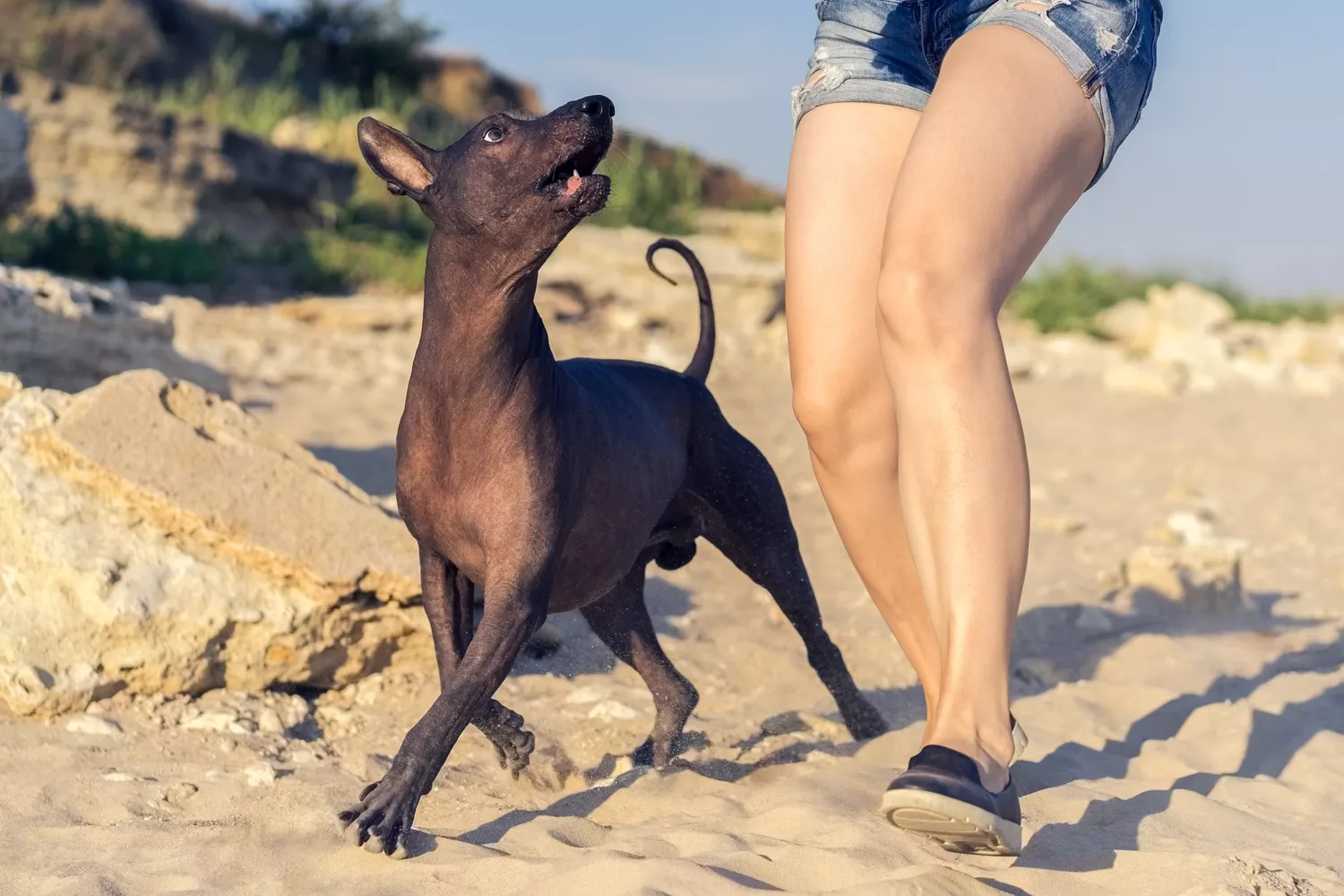
This unique breed comes from Mexico, which has a hot and humid climate. Though they are generally tolerant of heat, these hairless (or nearly hairless) pups need extra protection to avoid getting sunburned. Indoors, they’re watchful, loyal pups who will let you know immediately if someone is at the door.
Breed Overview
Top 10 Hairless Dog Breeds: Adorable Without A Hairdo
12 of 15
Afghan Hound
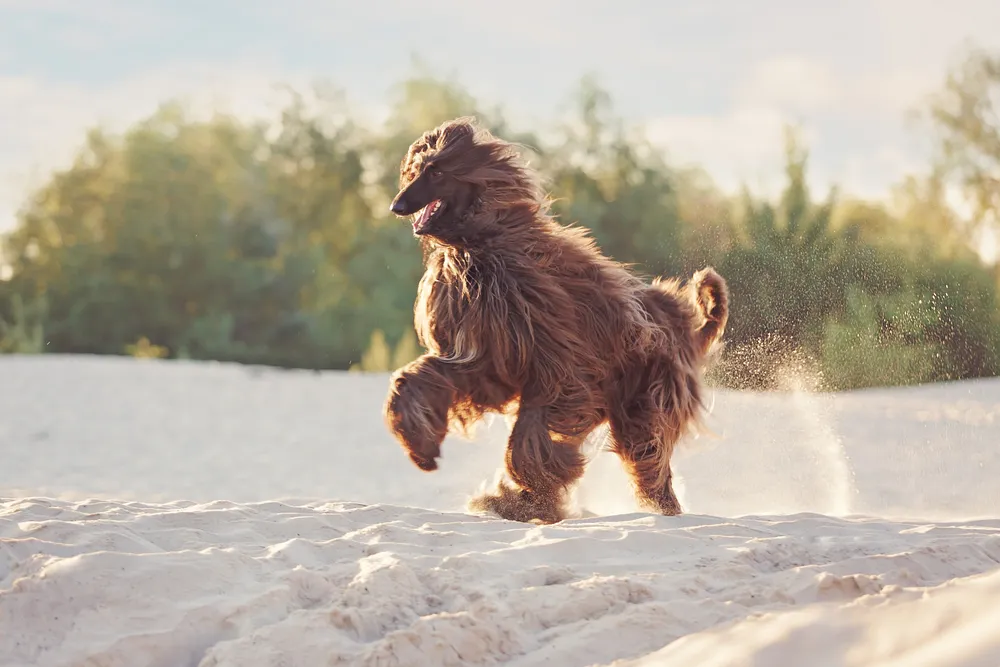
The Afghan hound is a rugged breed developed thousands of years ago in the vicinity of modern-day Afghanistan, India, and Pakistan. Because of their heritage as hunting companions, these tough, versatile pups generally hold up well in all kinds of weather. Their long, flowing locks may require a little extra grooming, but they help protect these elegant creatures from harsh climates, whether hot or cold.
Breed Overview
13 of 15
Italian Greyhound
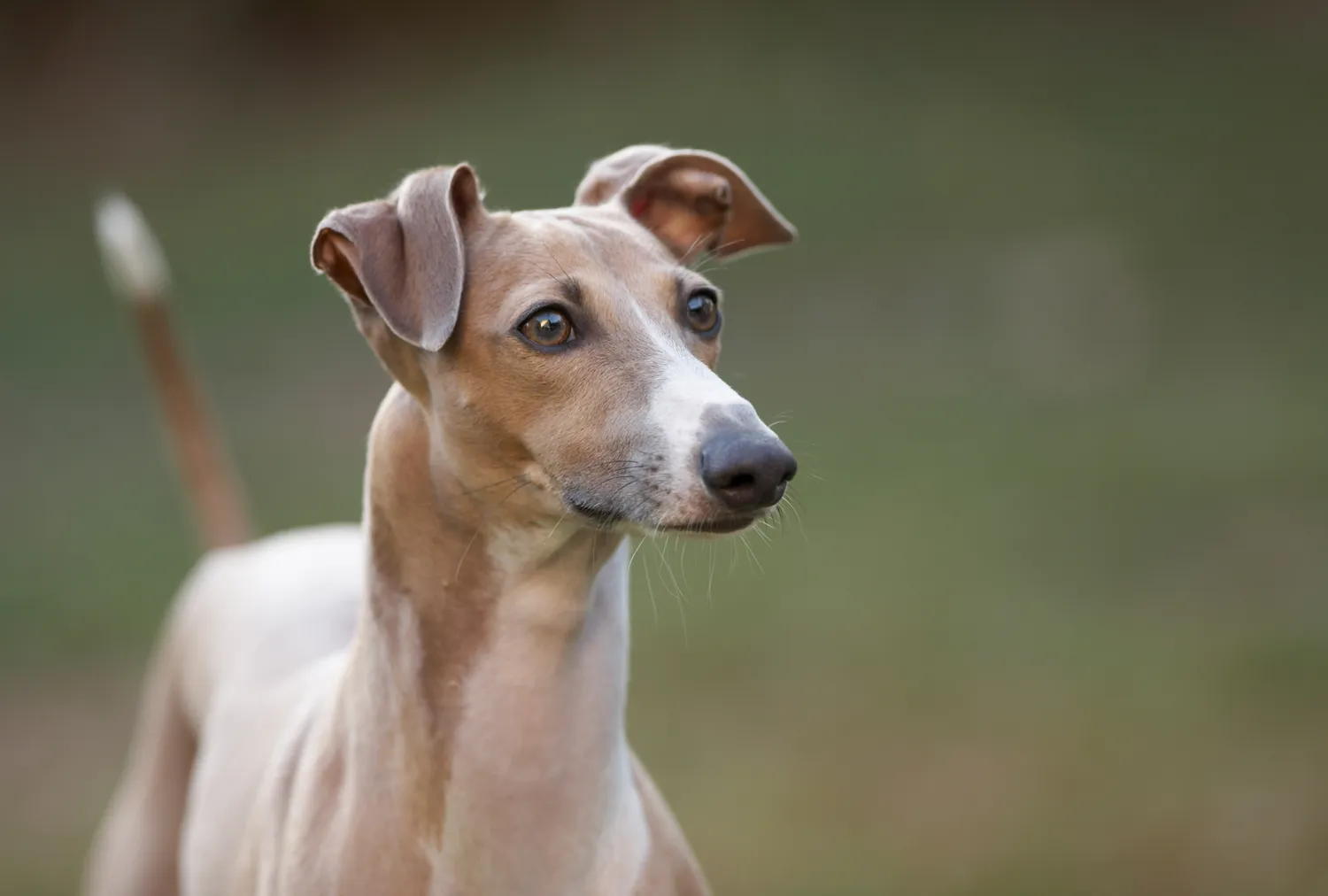
Italian greyhounds, also known as “Iggies,” are famous for seeking out cozy places and donning trendy sweaters when the weather turns brisk. With their long legs, slender bodies, and thin coats, they’re ideally suited for warmer locales. They love to run and play, but as with other energetic breeds, you’ll want to keep an eye on them to make sure they don’t overdo it—and be sure to put sunscreen on the parts of their little bodies that are exposed to the sun.
Breed Overview
14 of 15
Australian Cattle Dog
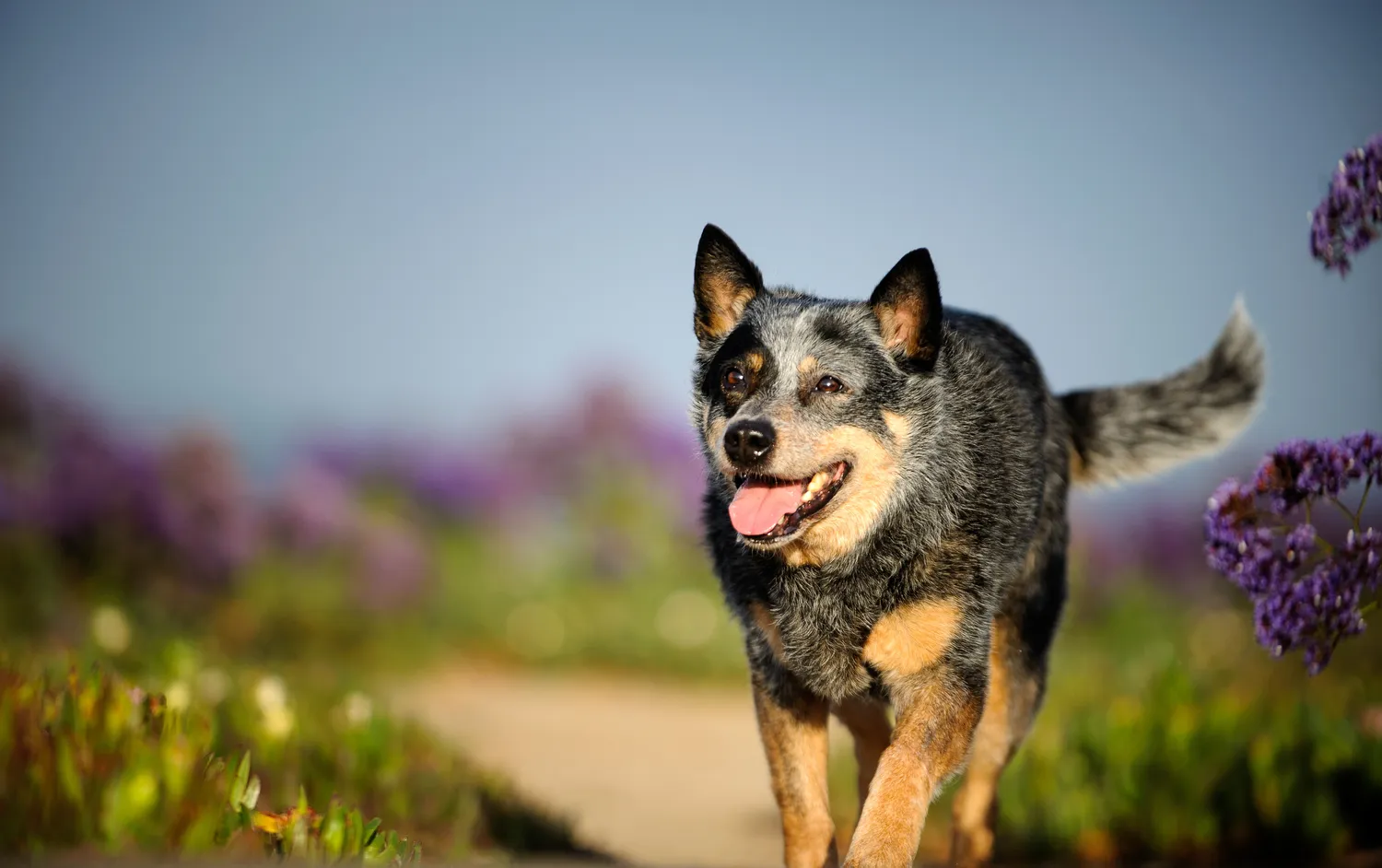
Blue heelers are herding dogs that were originally developed to work outdoors in the harsh Australian outback, so they’re generally not phased by warm temps. These Down Under pups make great hiking or running companions but, because of their working dog mentality, they need lots of exercise and stimulation. Only bring one home if you’re able to commit to meeting their needs, which include proper training and socialization.
Breed Overview
15 of 15
Chinese Crested
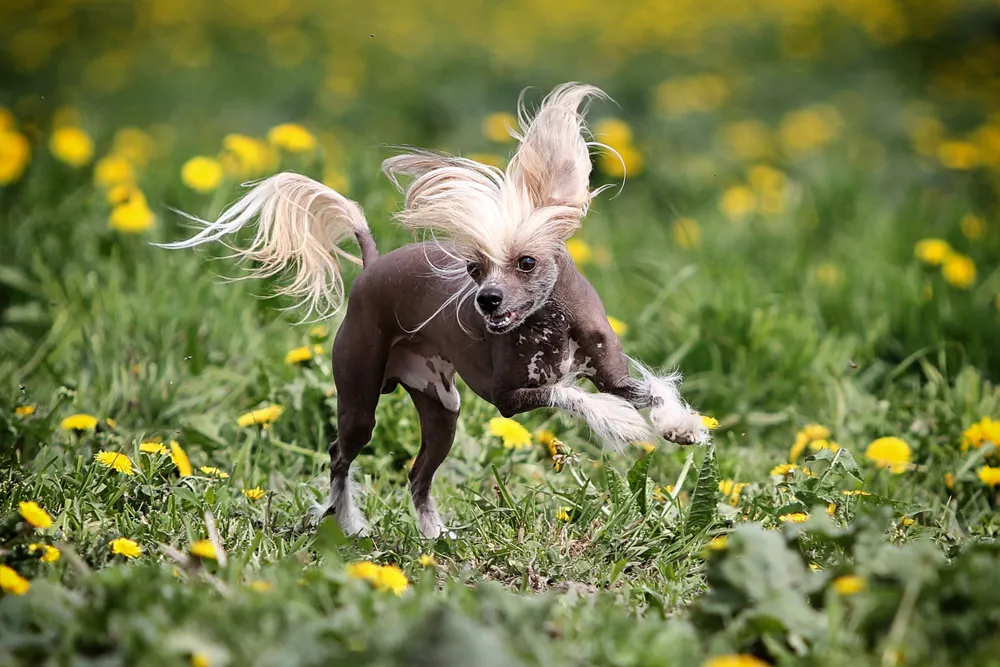
Erect ears and a small, lithe body help the Chinese crested chill when temperatures rise. Many of these pups are completely or nearly hairless (except for the silky strands on their heads, paws and tails), so their tender skin is vulnerable to the sun. Be sure to provide plenty of shade or invest in dog-friendly sunscreen if you’re planning an outdoor excursion. Otherwise, these intelligent, easy-going pups are relatively low-maintenance; they can thrive just about anywhere.
Breed Overview
Breeds to Avoid
If you live in a warm climate, it’s best to avoid dogs that were bred for cold, snow, and ice climates, such as:
Samoyed
Bernese mountain dog
Akita
Alaskan malamute
Saint Bernard
Siberian husky
Also, unless you have ample air conditioning, you may want to steer clear of dogs with flat faces (known as “brachycephalic” breeds). Because of the unique shape of their skulls, these pups are more prone to overheating. This includes breeds like:
French Bulldog
Pekingese
Pug
Boston terrier
Shih tzu
Boxer



