Train Your Dog Like a Pro: Simple Steps That Actually Work
Ready to train your dog or puppy? Proper training and socialization are essential needs. Begin training as soon as possible to teach them to sit, stay, come, go to their crate, and potty outside. It's something you can tackle as a beginner.
Dog training might feel overwhelming, especially for first-time owners. While it's a significant task, breaking it into steps makes it manageable. Here's some information to get you started.
Dog Training Basics
Start a dog obedience program. Establish a basic foundation to create consistent protocols for smoother training for you and your dog.
Use positive reinforcement. Reward behaviors you like and ignore ones you don't. Rewards can include treats, toys, or affection. You can even train potty-trained dogs to use doggy doorbells to signal when they need to go outside.
Make training fun. If you both enjoy learning, training becomes more effective. Keep sessions short to avoid frustration, maintain a light tone, and be fair.
Housetraining and Crate Training
Unless your dog stays outdoors, which isn't recommended, teach them where to potty. Housetraining (or potty training) is among the first tasks.
Crate training supports housetraining and other training aspects:
Crate training dogs and puppies: Learn the basics of getting dogs to enjoy the crate. It helps with housebreaking and gives them their personal space.
How to housetrain your dog: While housetraining isn't complicated, it's not easy. Consistency and diligence are crucial.
Housetraining Accidents vs. Submissive/Excitement Urination
It’s normal for dogs to have accidents in the house while they are in the process of being potty trained. It’s important to have patience and follow the appropriate steps to get the best results.
But if accidents persist, it might not be a housebreaking issue after all. Your dog might urinate due to excitement or submissive behavior.
If your dog urinates and acts submissively, they’re exhibiting submissive urination, which is usually caused by fear. If your dog urinates while happy or when meeting someone, they’re exhibiting excitement urination.
It’s important to discuss submissive/excitement urination with your vet to be sure there isn’t an underlying medical reason for these accidents. If your dog is healthy, you can use training to change their behavior and prevent accidents.
Leash Training Dogs and Puppies
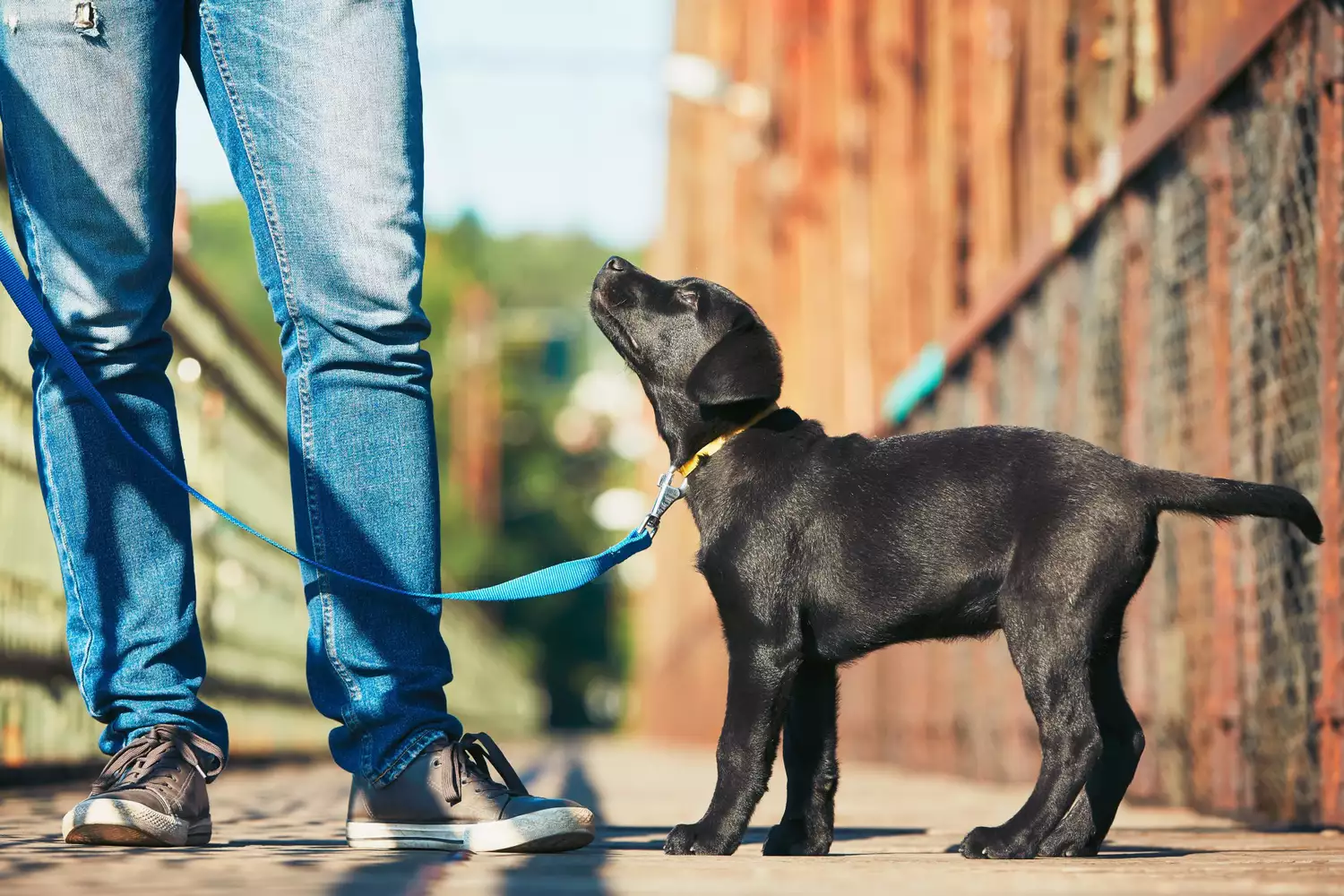
Every dog should learn to walk on a leash. Besides legal requirements, leashes are sometimes essential for safety.
Learn to introduce your dog to a leash and a no-pull harness, then teach them to walk properly, even beside a bike.
A loose leash walk prevents pulling or lunging, improving the experience for both of you.
How to Socialize Dogs and Puppies
Socialization involves exposing your puppy or adult dog to new people, animals, and places.
Socialized dogs are less likely to have behavior issues and are generally more accepted. It also helps prevent fears and phobias.
Ultimately, socializing your dog or puppy leads to a happier, well-behaved pet.
Clicker Training for Dogs
Clicker training, a form of positive reinforcement, is an effective dog training method. While optional, many find it helpful.
Use it to teach both basic and advanced commands and tricks. Learning clicker training is quick and straightforward.
Basic Commands and Fun Tricks
There are some basic dog training commands and dog tricks that every dog should know, including:
Come
Speak
Drop it
Stay
Back up
Basic commands give your dog structure. In addition, they can help you overcome common dog behavior problems and will help keep your dog safe.
Showing off your dog's tricks adds fun. Once you've mastered the basics, move on to more advanced training that will mentally stimulate your dog.
Proofing Behaviors and Troubleshooting
Proofing is the final step in dog training. Learn proofing to ensure obedience in various places, like parks or friends' houses, just as at home.
Proofing means your dog will be able to exhibit appropriate behaviors no matter where they are, and regardless of how familiar they are with the environment. This ensures they will behave properly, even when in a new place and around strangers or distractions.
Be aware, though, that behavior problems might still arise even in final training stages.
Also, while training, keep the following in mind:
Practice, practice, practice: Train in diverse settings with varied distractions. Without proofing, your dog might behave at home but forget how to behave outside.
Recognize common dog behavior problems: Knowing potential issues helps you address them before escalation. Learning about common issues can also shed light on how to tackle them.
Advanced Dog Training
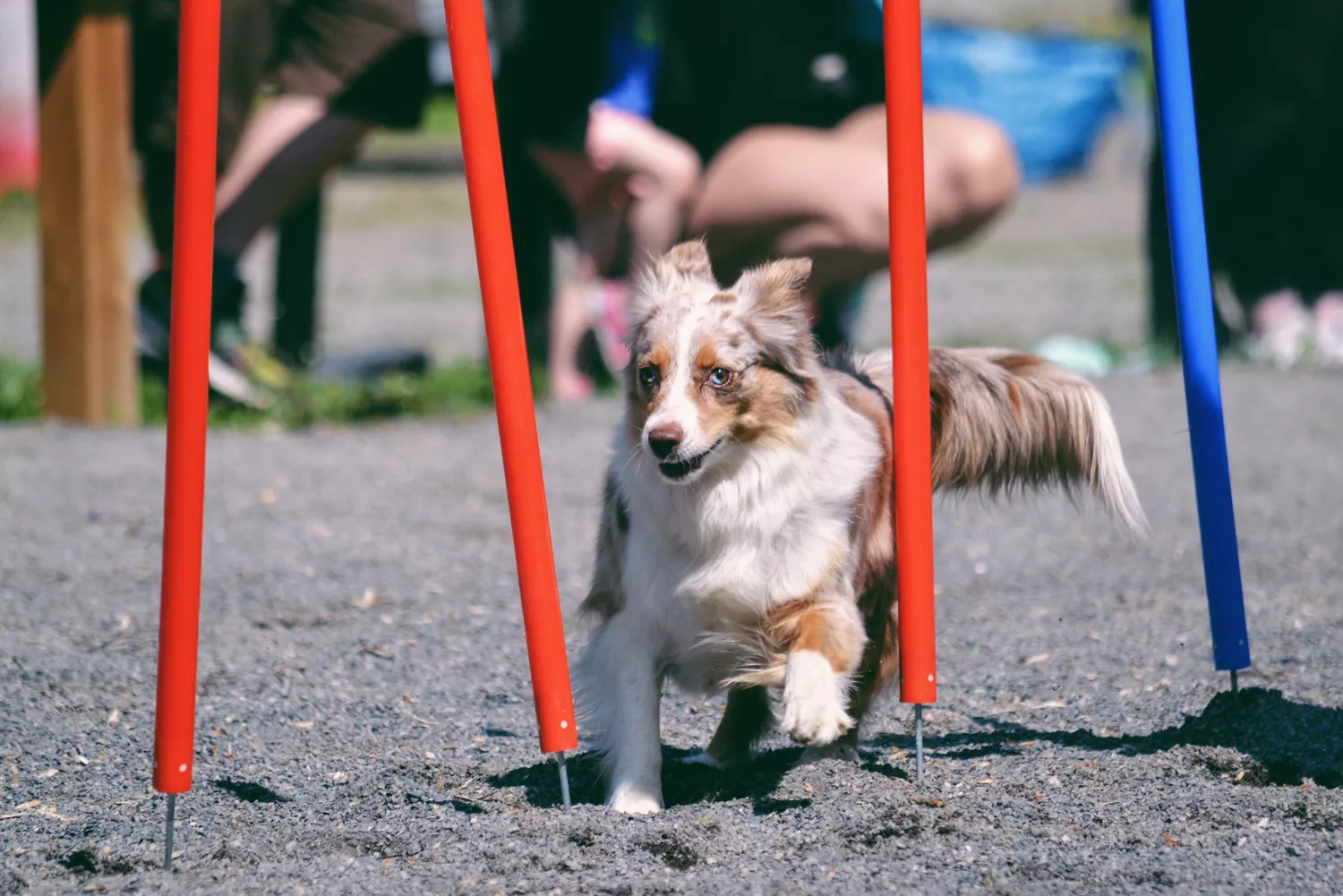
After mastering basics, consider advancing to more complex tricks or dog sports. These keep your dog active, fit, and mentally stimulated and strengthen your bond.
Training is ongoing and never complete. Continuously work on obedience throughout your dog's life. Just like language skills, unused training can fade. Regularly practice basic tricks and commands to keep them fresh and spend quality time with your dog.