Cherry Eye in Cats
Cherry eye in cats happens when the third eyelid becomes inflamed and red, resembling a small cherry. This is more than just a cosmetic issue and can cause irritation and discomfort. Here's what pet parents should know about cherry eye in cats.
What Is Cherry Eye in Cats?
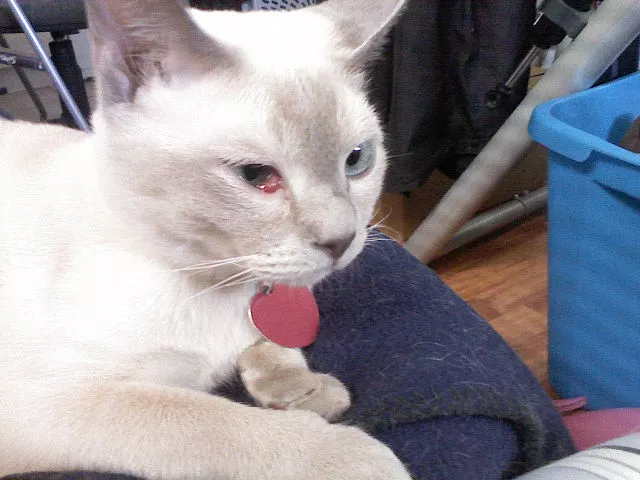
Cherry eye in cats is the protrusion of the third eyelid protrudes, swelling and reddening into a visible "blob" of tissue along the eye's edge. Normally, a gland in the third eyelid protects and lubricates a cat's eye and remains hidden against the eye socket corner. However, in cherry eye, this gland becomes dislodged, disrupting tear flow.
Medically known as "prolapsed nictitating membrane," cherry eye is observed in dogs and rabbits. Humans lack a third eyelid, so we cannot develop cherry eye.
Symptoms of Cherry Eye in Cats
The primary indicator of cherry eye in cats is a pink or red fleshy protrusion from the inner corner of the eye. It is commonly described as a pink bubble or swelling, and it can be large enough to partially block the eye. Cherry eye may occur sporadically or persist consistently.
Cherry eye can cause discomfort in some cats, prompting them to paw at the eye or rub their face on surfaces. Without a functional third eyelid, the eye may lack proper lubrication, leading to irritation, infections, and corneal ulcers. A corneal ulcer is very painful and can lead to permanent eye damage.
What Causes Cherry Eye in Cats
Cherry eye develops when the fibers supporting the third eyelid weaken, causing the membrane and its tear gland to swell and protrude. While the exact cause in cats remains unknown and can occur spontaneously, possible contributing factors include inflammation and anatomical issues, such as in brachycephalic (flat-faced) cats or irregular (scrolled) cartilage in the third eyelid.1
How Vets Diagnose Cherry Eye in Cats
Veterinarians easily recognize cherry eye. Upon identification, they seek an underlying cause by closely examining your cat's eye for injuries or foreign particles.
How to Treat Cherry Eye in Cats
Correcting cherry eye typically results in long-term benefits for the eye, reducing the risk of further damage. Surgical correction is often the most effective treatment option.
Eye Medications
A veterinarian may recommend lubricating eye drops to protect and moisturize the eye. If cherry eye has led to secondary issues, ophthalmic ointments or additional eye drops may be necessary.
Surgery
When cherry eye is chronic or causes additional problems, veterinarians recommend corrective surgery. This may involve stitching the gland back into place, allowing inflammation to subside so the membrane can effectively lubricate the eye.
Prognosis for Cats with Cherry Eye
Cherry eye is not usually a critical condition, but chronic cases suggest an underlying inflammatory issue that requires treatment. In rare cases, it can lead to vision loss, pain, or eye loss due to severe corneal scarring or rupture.
With proper home care, most cats recover well from cherry eye surgery. Ensure your cat wears a cone or e-collar alternative to prevent eye rubbing. Administer medications as directed and maintain regular follow-ups with your veterinarian.
How to Prevent Cherry Eye in Cats
Sadly, there is no guaranteed way to prevent cherry eye in cats. If a cat is predisposed to cherry eye, it may still occur intermittently. However, you can ensure your cat's eyes remain hydrated by using vet-recommended eye drops. Early detection simplifies treatment, so contact your vet at the first sign of eye problems and attend routine wellness checkups.



