Understanding Cat Anal Glands: What’s That Smell and How to Manage It?
Cats and many other mammals have special glands called anal glands or sacs located around their rectum. These glands typically go unnoticed until a cat owner smells the secretions from the glands or there is an issue with them. Knowing the purpose of these glands, as well as the potential issues that they can develop, will help you keep your cat happy and healthy.
Cat Anal Gland Anatomy
Both male and female cats have two pea-sized anal glands located near the rectal opening. From the outside, you can see two small holes on either side of the anus. If you imagine the rectal opening as the face of a clock, the glands sit at about five o’clock and seven o’clock.
These small openings lead to balloon-like sacs under the cat’s skin. These sacs fill with a foul-smelling fluid that is released naturally when a cat defecates. Normally, the fluid is liquid, but it can thicken and become gritty if it remains in the sacs too long or due to an underlying problem.
Why Do Cats Have Anal Glands?
Anal glands help cats mark their territory. In the wild, cats use various methods to mark territory, and releasing anal gland fluid is one way they signal their presence to other animals.
When a cat defecates, the stool presses against the anal glands, squeezing them to release fluid with the feces. Cats can also express their anal glands when scared, similar to a skunk. This often occurs when a stressed cat visits the vet or groomer, causing the fluid to spray or drip, resulting in a bad smell.
Signs of Anal Gland Problems in Cats
Signs of anal gland issues in cats include:
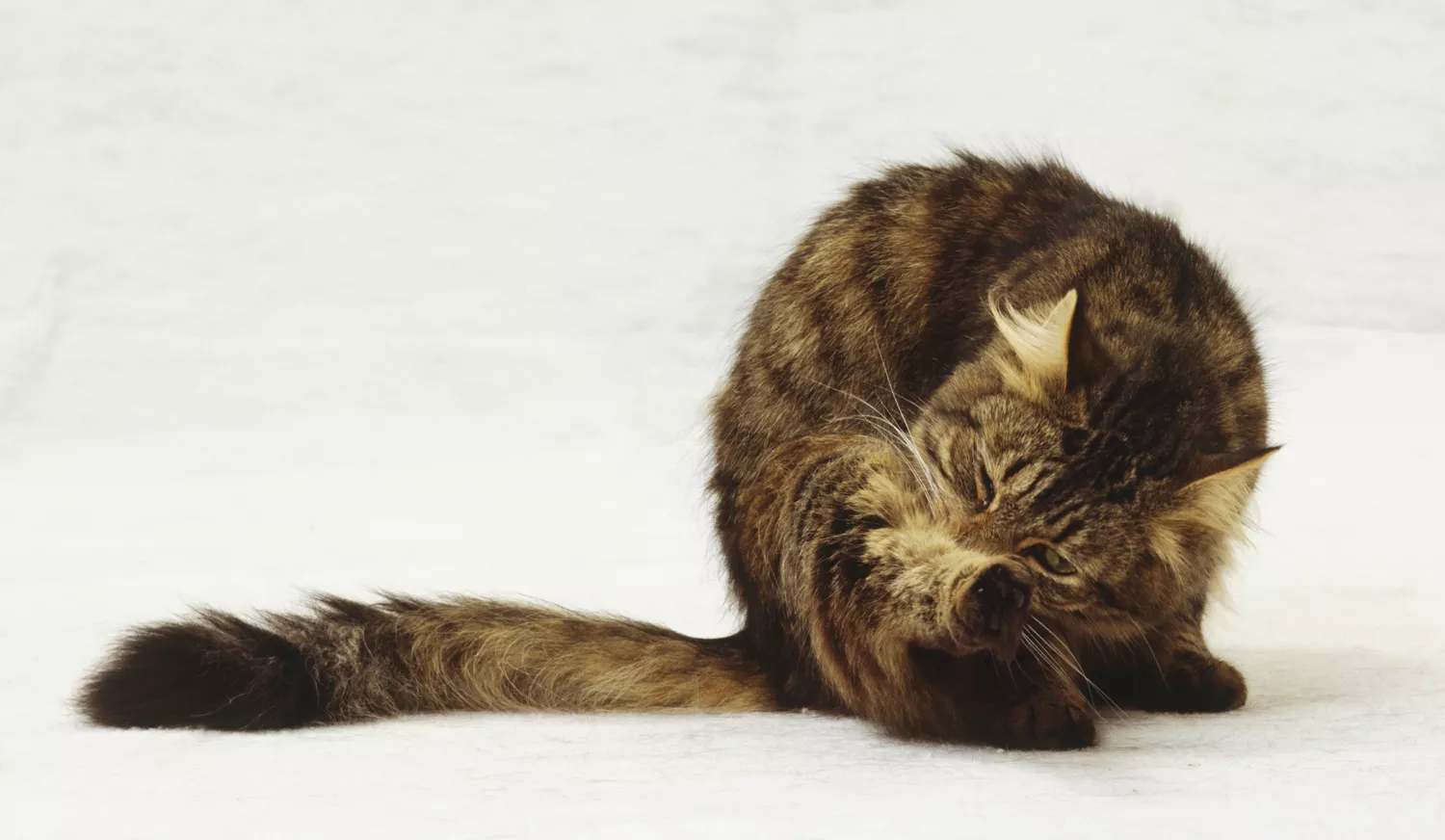
Scooting the hind end on the ground
Obsessive licking at the rectal opening
Crying when defecating
Blood in the feces
Foul-smelling fluid noted
Cats with discomfort in their hind end due to anal gland problems may scoot or drag their hind end on the ground, trying to relieve pressure and discomfort from full sacs. An odor or fluid may be noticeable afterward. Obsessive licking of the rectal area and crying when defecating are also signs of gland issues. Additionally, blood in your cat’s feces or on the carpet after scooting can indicate an anal gland problem.
Cat Anal Gland Problems
Most cats do not need assistance with their anal glands, but sometimes they require help. Manual expression of the glands can be unpleasant for both the person and the cat, but it’s necessary if the glands don’t drain during defecation.
If anal glands aren’t expressed naturally or manually, your cat may suffer discomfort, infection, impaction, or a painful rupture. There are several reasons why a cat’s anal glands might not express on their own.
Anal Gland Inflammation
When the internal gland tissues or duct that normally releases fluid becomes inflamed, it can make it difficult or impossible for secretions to exit the body.
Anal Gland Infection
Without regular emptying, fluid in the anal sacs can harbor bacteria, leading to infection. This infection can thicken and bloody the secretions, often preventing them from exiting through the small duct.
Anal Gland Tumors
A growth or tumor in or around the anal gland may block the duct, trapping fluid inside.1
Low Fiber Diet
Cats that don’t naturally express their anal glands regularly may benefit from more fiber in their diet. Dietary fiber increases stool bulk and firmness, which helps apply the necessary pressure on the anal glands during defecation.
Obesity
Some cats are so overweight that the anal glands are unable to be naturally expressed due to the excess fatty tissue and anatomy of the obese cat.2 Weight loss is the best course of action for overweight cats who are having issues with their anal glands.
How to Treat Cat Anal Gland Problems
Treatment for cat anal gland problems will depend on the nature of the issue and its severity. In some cases, there’s an underlying condition that must be addressed. The veterinarian will conduct a physical examination and attempt to manually express the anal glands. The appearance of the fluid can help your vet make a diagnosis and treatment plan.
Infected anal glands: The vet may need to flush out the glands and will likely prescribe antibiotics.
Impacted anal glands: The vet will sedate your cat and remove the contents of the anal glands.
Ruptured anal glands: These need to be cleaned out under sedation while the pain and infection are also managed.
Anal gland tumor: Surgery will be necessary to remove it.
If no inflammation, infection, impaction, rupture, or tumors are found, your cat’s weight and diet may need to be addressed to help manage the anal gland issues.
How to Manually Express Cat Anal Glands
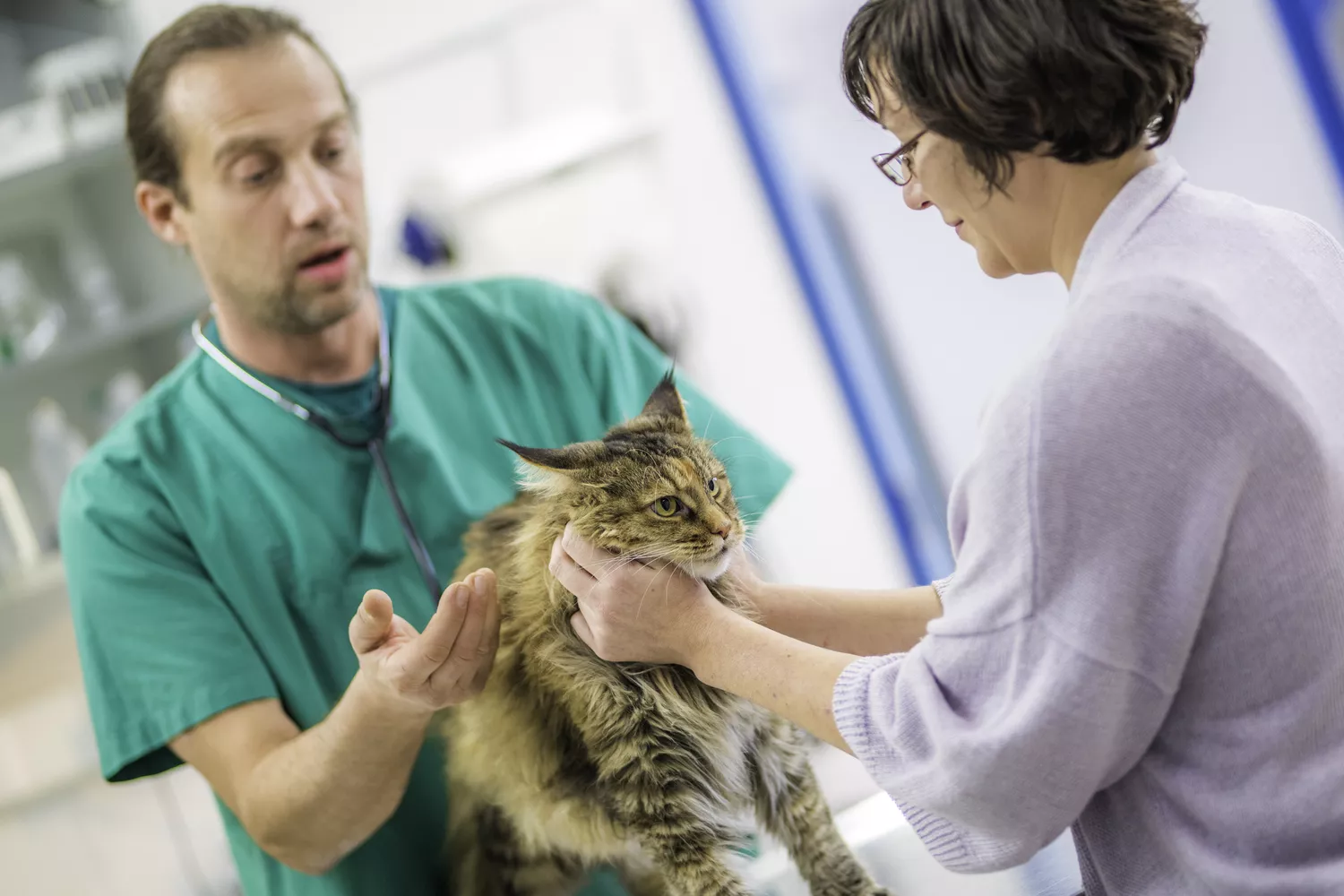
Manual anal gland expression is easy to learn how to do, but many cats will not tolerate this at home. If your cat needs this and you want to try it at home, ask a veterinarian about restraint methods, distraction techniques, and exactly how to safely express a cat’s anal glands.
Manual pressure is applied to the glands by inserting a finger into the rectum and firmly but gently squeezing the small, balloon-like gland on the edge of the rectal opening. This causes the anal gland secretions to come out.
How to Prevent Cat Anal Gland Problems
Cat anal gland problems can’t always be prevented, but you can take steps to reduce the chance of issues.
Feed a high-quality feline diet.
Keep cats from becoming overweight.
Let your veterinarian know if your cat is scooting their rear end or has any inflammation around the rectal area.
Monitor your cat’s stool for diarrhea
Do not attempt to express the anal glands unnecessarily. Manually expressing anal glands without them needing it can irritate the glands unnecessarily, so it is best to leave them alone unless there’s a reason to express them.



