Do Cats Get Jealous? Understanding Anxious Behavior in Cats
Do cats get jealous? Not exactly. Cats, like people, have different personality traits. What may appear as jealousy is often just anxious behavior. Hissing, swatting, scratching, or spraying are ways cats try to control their environment. These behaviors are usually symptoms of anxiety rather than genuine jealousy, even though they may seem similar.
Here's more information on how to recognize anxious behavior in cats and how to handle it.
Why Do Cats Get Jealous?
Just like some people, cats can become anxious when they feel they're being excluded or their environment has changed drastically or suddenly. The anxiety may be triggered by any number of events:
Cats may show signs of anxiety when your routine changes. It may be the arrival of a new family member, such as a newborn baby or pet. Increased time on your computer or phone may also trigger clingy behavior. A sudden change in daily routine, including your cat's feeding schedule, can cause anxiety.
Poor socialization as a kitten may lead a cat to become codependent on you and display signs of anxiety at times. Separation anxiety does occur in cats, so if your cat is always used to you being there and suddenly you are traveling more for work, this can cause anxiety.
An increase in noise, movement of furniture, new visitors, or changes in litter box placement can all cause anxiety in cats.
A lack of personal space, beds, or other belongings can increase anxiety, especially if a cat feels threatened by another pet.
Signs of Jealousy in Cats
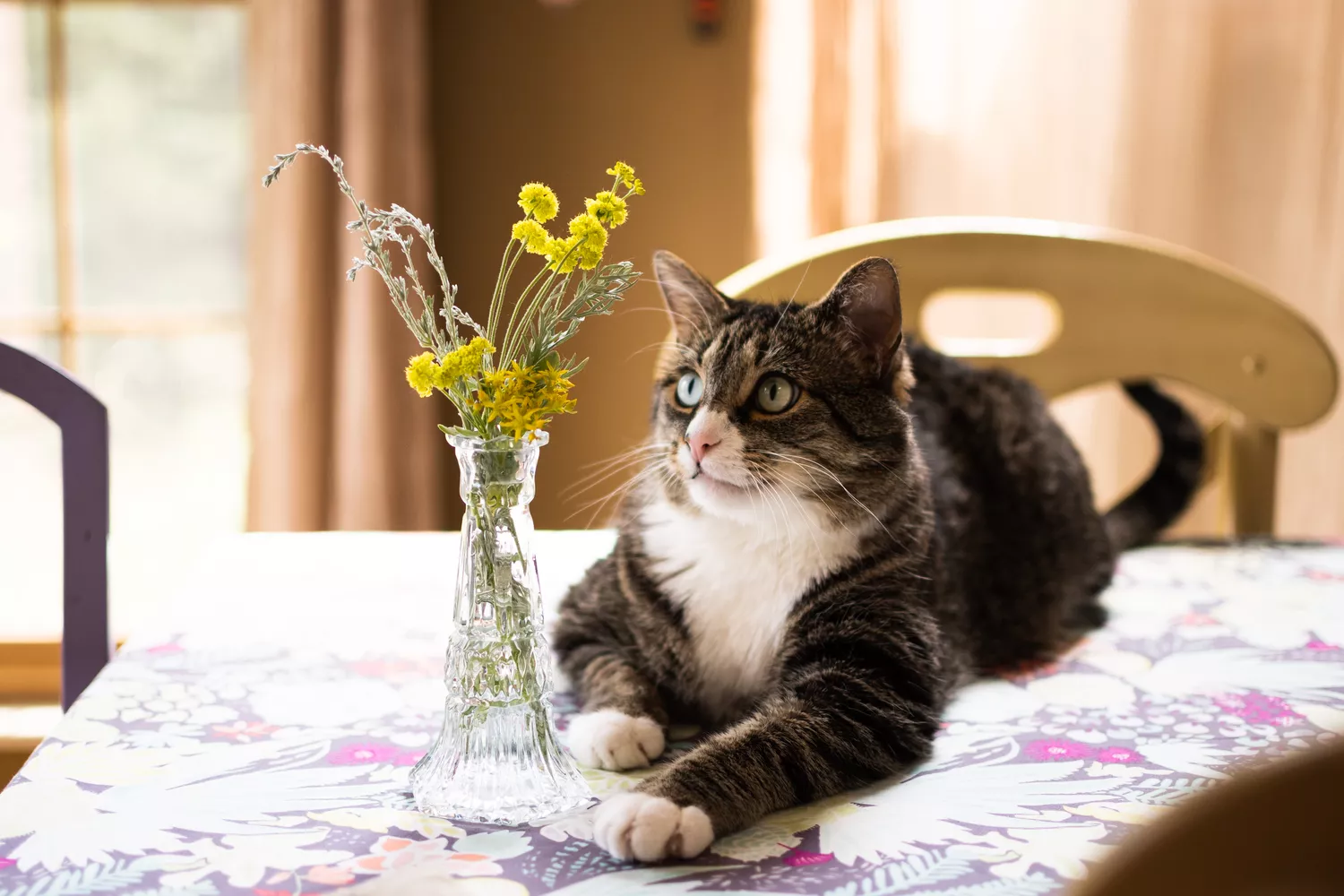
Like it or not, your cat views you as a critical resource for comfort, food, and more. If they perceive anything as a threat to this resource, they may act out. When anxious cats feel their territory or access to resources is threatened, they might display aggressive behaviors, such as:
Hissing, growling and swatting at the object, animal or person that the cat is trying to move outside their territory or away from something they think is theirs.
Intruding on your personal space while you are holding a new baby or video game controller. They may attempt to sit on your lap while you cuddle with your significant other instead of them. These are all attempts to control their environment.
Destructive behavior, including chewing or shredding furniture, curtains, and other items. Objects sitting on a countertop or table, such as a drinking glass or decoration, may be knocked over or broken as well.
Marking outside the litter box. Cats use urine to mark territory and prevent other animals from infringing on their space. This is a cat's attempt to communicate with other beings in their environment that they need space. Urine marking is one of the most problematic and frustrating behaviors for cat owners.
Spraying is another tool cats will use in an attempt to communicate. It is not uncommon for cats to spray areas that they are attempting to claim as their own. Your bed? The new dog's bed? A spot in your closet? Typically, the more important the space is to the cat the more likely they will urinate on it in an attempt to claim it.
How to Address Jealous Behavior
It can be difficult to manage an anxious cat, but there are things you can do to eliminate or lessen the unwanted behaviors.
Determine the Trigger
The first thing you need to do is determine what exactly is provoking these behaviors. Once you figure out the cause of the anxiety, you can address the problem. Ask yourself what has changed in your home:
Did someone new move in?
Did you recently bring home a new baby or pet?
Are you spending more time out of the house?
Has your cat's favorite spots in the house been disturbed?
Spend More Time With Your Cat
The simplest way to reduce anxious behavior in your cat is by spending more time with them. Additional attention often curbs undesirable behavior, as cats may become possessive of their owners. There are many ways to provide your cat with extra attention.
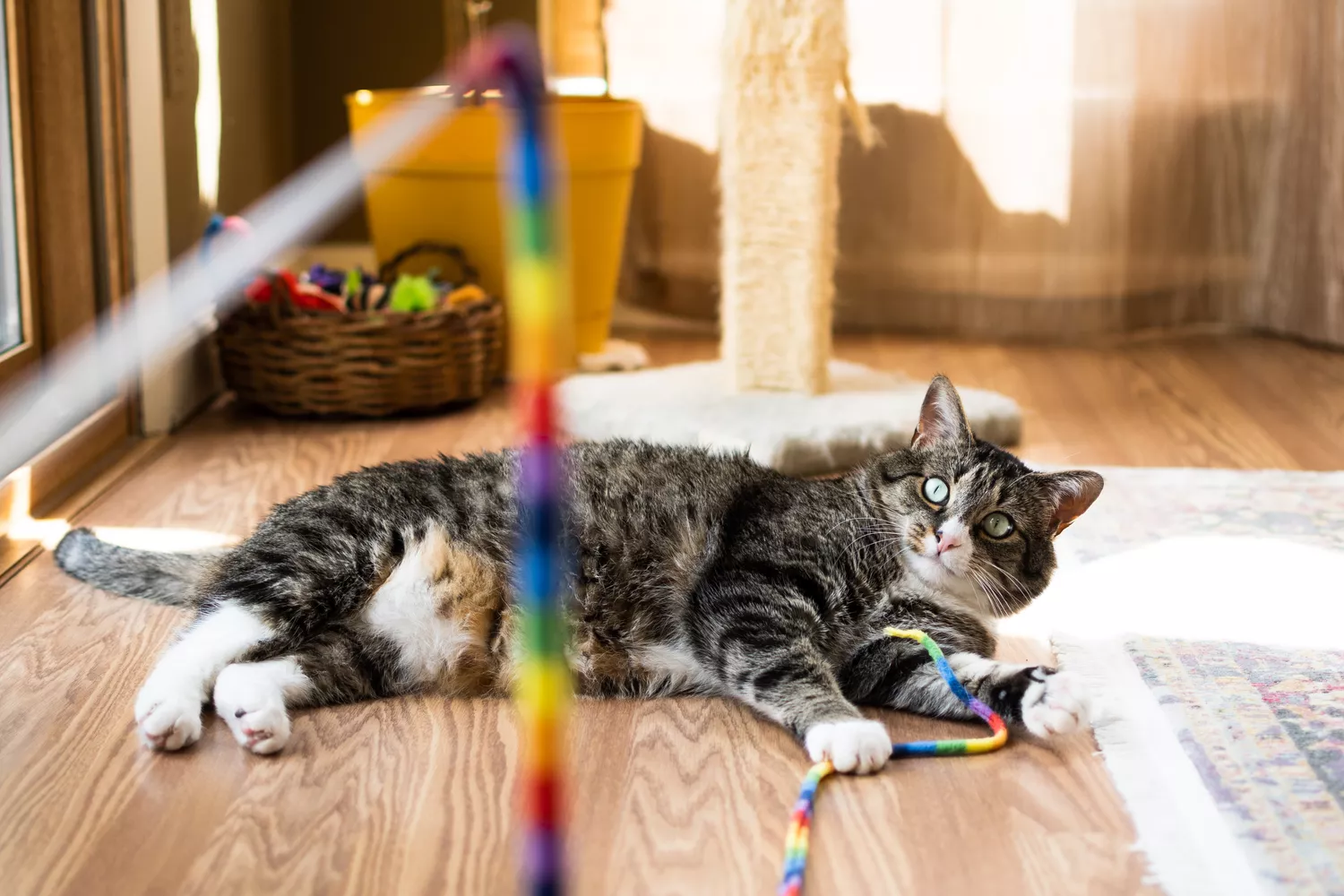
Get a few interactive toys, such as feather wands and laser pointers, that allow you to play with your feline friend.
Make it a point to seek out and pet your cat when you come home or anytime you have a free moment.
Cuddle with your cat on the sofa or bed and give it your undivided attention for a few minutes.
Offer your cat treats when it shows good behavior.
Give Your Cat Personal Space
Many cats enjoy having their own personal space. If you've introduced a new family member—whether a person or animal—you may have unintentionally disrupted your cat’s established area.
To rectify this, provide your cat with a space to reclaim as their own. This could involve relocating the new pet's feeding station to another room or giving your cat a new perch where they can observe the family undisturbed. Also, ensure that your cat’s favorite toys are kept from the newcomer.
For a new person in the home, try to keep their personal belongings out of areas your cat has previously claimed. Encourage them to interact with the cat in or near these locations to help the cat adjust.
Help Your Cat Cope and Learn
If you can't entirely avoid the person, pet, or item causing your cat's anxiety, work on helping your cat adjust to the change. You can reward your cat with treats, praise, attention, and petting when it is near the object or person, for example.
For instance, offer your cat treats while holding your baby. Consider using white noise machines and other sound barriers if construction is occurring nearby. Let visitors or your significant other feed and offer treats to your cat to aid in their adjustment.
If your cat shows no improvement, contact your veterinarian to discuss anti-anxiety supplements, pheromones, or medications that can aid in their faster adjustment and prevent escalating anxiety symptoms. Addressing issues promptly can help restore your cat’s comfort in their environment sooner.



