How to Address Your Cat's Overgrooming: Causes and Solutions
Your cat may overgroom due to medical or behavioral reasons, such as nursing a wound or feeling stressed. By addressing the source of stress and incorporating stress-relieving activities and pheromones into your cat's routine, you can help stop overgrooming.
What Is Overgrooming in Cats?
Overgrooming is when a cat spends an excessive amount of time grooming itself, which can result in hair loss and skin sores. When a cat licks itself, endorphins, natural "feel good" neurotransmitters produced by the brain, are released, making self-grooming feel comforting. Thus, a stressed cat may resort to this behavior for comfort.
Cat owners often report never seeing their cats engage in excessive licking. This may occur because cats feel more comfortable with their owner nearby and don't feel the need to self-calm through licking.
When the owner is absent, the cat might feel uncomfortable and start overgrooming. If you witness your cat overgrooming, avoid punishing it, as this will add stress and could worsen the issue.
What Causes Cat Overgrooming?
Chronic stress, often linked with psychogenic alopecia is usually due to a combination of stressors and permanent changes in routine or environment. This includes events like the absence of a family member due to death, divorce, longer work hours, vacation, or leaving for college, among others such as:
The arrival of a new furry friend or human family member
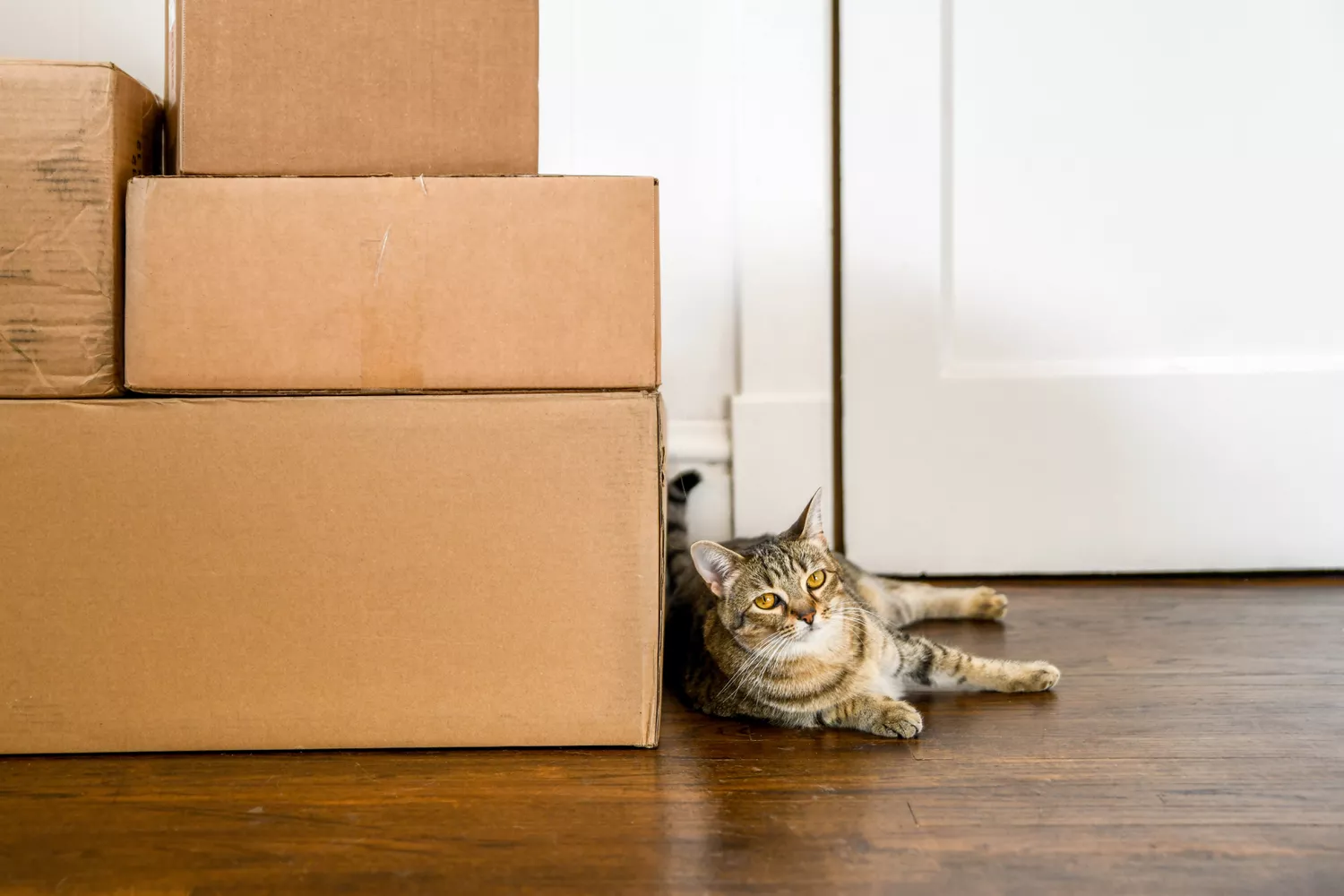
Moving to a new apartment or house
Rearranging some or all of the furniture
Moving the litter box to another location
Lack of environmental enrichment for the kitty
Living in a chaotic household
Some cats may overgroom due to medical issues. For instance, an itch may cause a cat to overgroom for relief. Cats can be allergic to food, fleas, or other environmental factors. Consider recent dietary or environmental changes that might trigger this behavior. If you suspect an allergy, consult a veterinary dermatologist who can test your cat to identify the cause.
Signs of Cat Overgrooming
If your cat overgrooms, you'll notice a line or stripe of very short fur resembling a buzz-cut. This can occur anywhere on the body, but is most common on a foreleg, inner thigh, or belly. Severe behavior may lead to damaged skin, appearing red or sore.
How to Stop the Overgrooming
Consult a veterinarian to rule out medical conditions and confirm a diagnosis of psychogenic alopecia. Meanwhile, try to determine the cause of your cat's anxiety. Identifying and eliminating the source may naturally reduce the behavior. Additionally, here are tips to ease your cat's anxiety and overgrooming:
If your cat is experiencing separation anxiety, ask the person to leave an unwashed shirt or blanket in a sealed ziplock bag. This can provide your upset cat with a comforting scent.
Introduce a new cat gradually to reduce stress levels in both. Even confident cats may suffer from hidden stress that manifests itself as nervous licking.
Play therapy is also a great stress reliever. It can help build your kitty's self-confidence and help it associate a positive experience with the new house or a new pet or person. Interactive games are best, such as chase-the-fishing-pole lure or laser tag for cats.
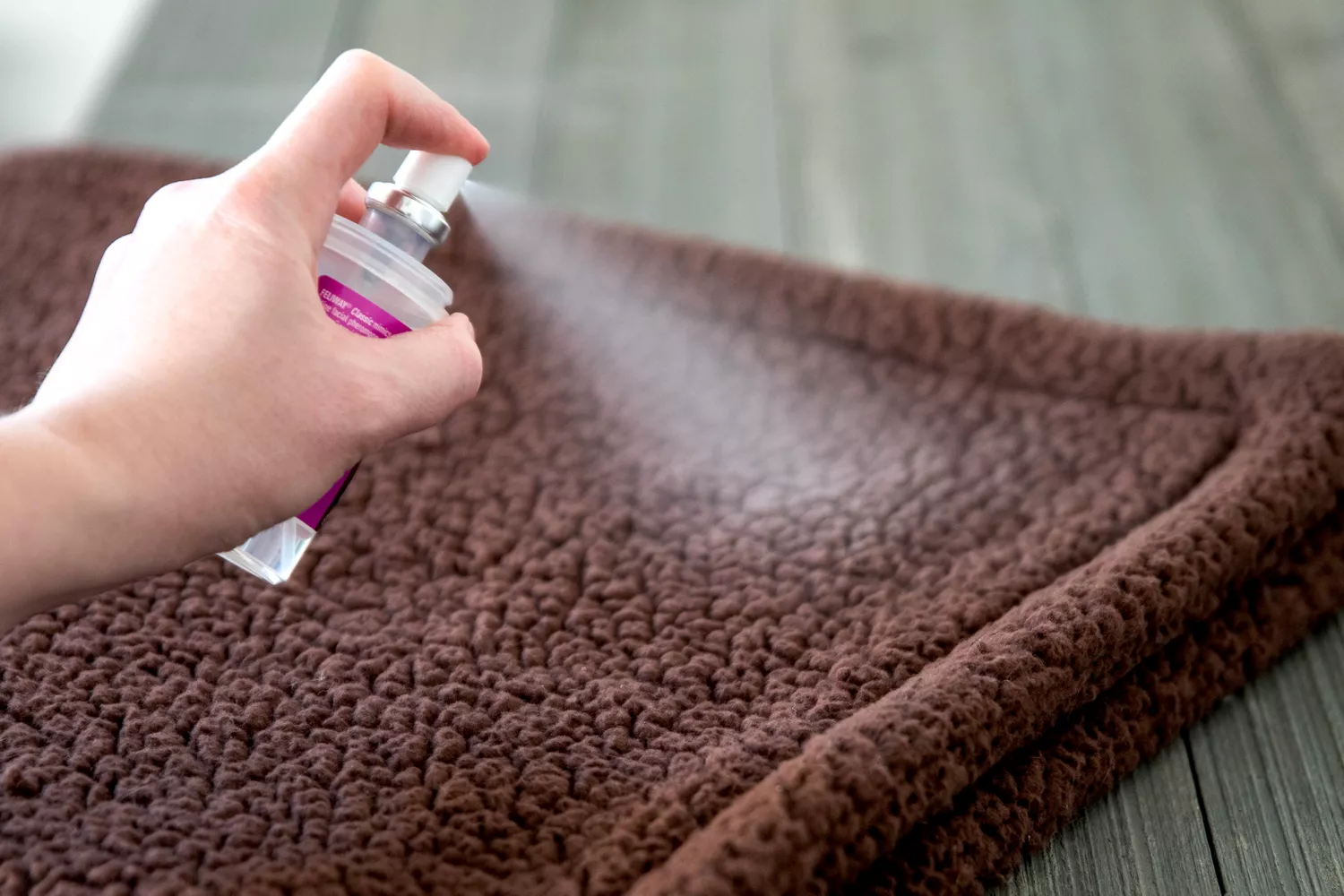
A spray or plug-in pheromone product, like Feliway, can be helpful to relieve stress. Feliway and other synthetic-pheromone products are similar to the scent cats naturally produce. You can spray it or rub it on objects, and it has a calming effect.
During the next vet visit, the doctor will rule out medical reasons for your cat's overgrooming, such as allergies, flea infestation, skin mites, ringworm, bacterial or fungal infections, or metabolic conditions like hyperthyroidism. Skin biopsies, lab work, and a thorough physical exam will assist the vet in diagnosing, with treatment varying based on findings.
In cases absent a medical diagnosis, excessive licking often requires anti-anxiety drug therapy prescribed by a vet to break the cycle. Usually, the cat doesn't need lifelong medication, just temporary assistance to manage stress. Always follow your veterinarian's instructions for medication. Medication and behavior training require time and patience for effectiveness.
Be aware that solutions for psychogenic alopecia may not be permanent. If your cat tends to overgroom, it may recur and indicate that your cat is stressed again.