How to Solve Your Dog's Fear of Car Rides
How does your dog feel about car rides? A dog that loves traveling will joyfully hop in for an adventure. Conversely, a fearful dog might resist getting into the car, causing distress or acting out during the journey. This common phobia can be discouraging, distracting, and potentially unsafe for drivers and dogs alike.
Fortunately, many dogs can overcome this fear and grow comfortable with car rides. The key is a gradual introduction to the experience and associating the car with positive experiences, using ample positive reinforcement.
Why Do Dogs Fear Car Rides?
Multiple factors might cause your dog's fear of car rides. Initially, identify these factors to choose the most suitable approach to help them adjust.
Car Sickness
Just as people do, some dogs get car sick. They may feel nauseated or even vomit during car rides.1 If this sounds like your dog, that queasy, sick feeling may have conditioned your pet to become fearful of riding in cars.
An Unfamiliar Feeling
Dogs unused to car rides might be unsettled by the unfamiliar sensations. Cars have distinct odors, engine sounds, floor vibrations, and rapidly passing scenery. These elements can create a frightening experience for a dog.
Negative Experiences
Some dogs link cars with negative past events, leading to fear. For instance, many dogs only experience car rides when visiting the veterinarian. If your dog has negative feelings about going to the vet, these could extend to car rides.
Adopting a shelter dog might mean unknowingly dealing with their traumatic histories. Their only car rides might have been journeys to the shelter or their abandonment and adoption, which can induce a car phobia.
Similarly, a dog involved in a car accident or hit by a vehicle may develop deep-seated fears of cars in general.
Next Steps
If your dog's fear is due to motion sickness, over-the-counter medications can provide relief. Consult your veterinarian for suitable options and correct dosages. Also, avoiding car rides soon after meals might help alleviate symptoms.
If your dog's fear extends beyond motion sickness, expect to invest more time and effort in addressing the phobia. Gradual introductions to the car and building positive associations can encourage your dog to enjoy rides.
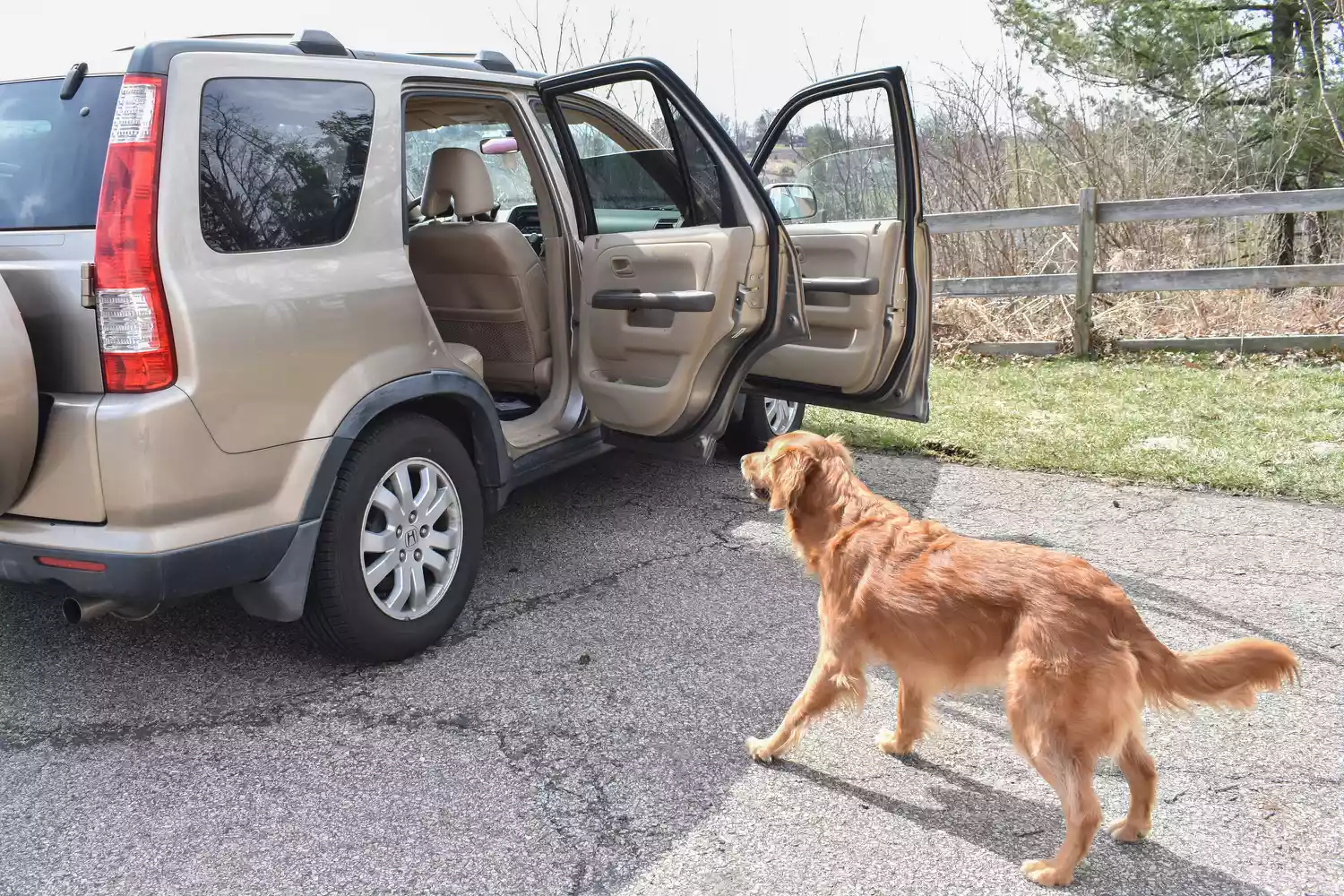
Use treats, praise, and toys. Begin by enticing your dog to the car rather than forcing it to approach. Many dogs with this fear start putting on the brakes as soon as the car comes into view. Instead of dragging your dog to the car, slowly lure it closer using lots of treats and praise. For a mild car phobia, you may be able to get your dog to walk up to the car in a few short training sessions. For more severe phobias, it may require several sessions. To make it worth your dog's while, use valuable, delicious treats or its favorite toys.
Don't forget positive reinforcement. Continue using positive reinforcement to lure the dog inside. Start by opening up all the doors so your dog won't feel trapped once inside. Use treats and praise to coax your dog into the car. This often works better if two of the dog's favorite people work as a team. One can hold the dog on a leash on one side of the car while the other lies across a seat from the other side, using treats and a happy tone of voice to encourage the dog to get inside.
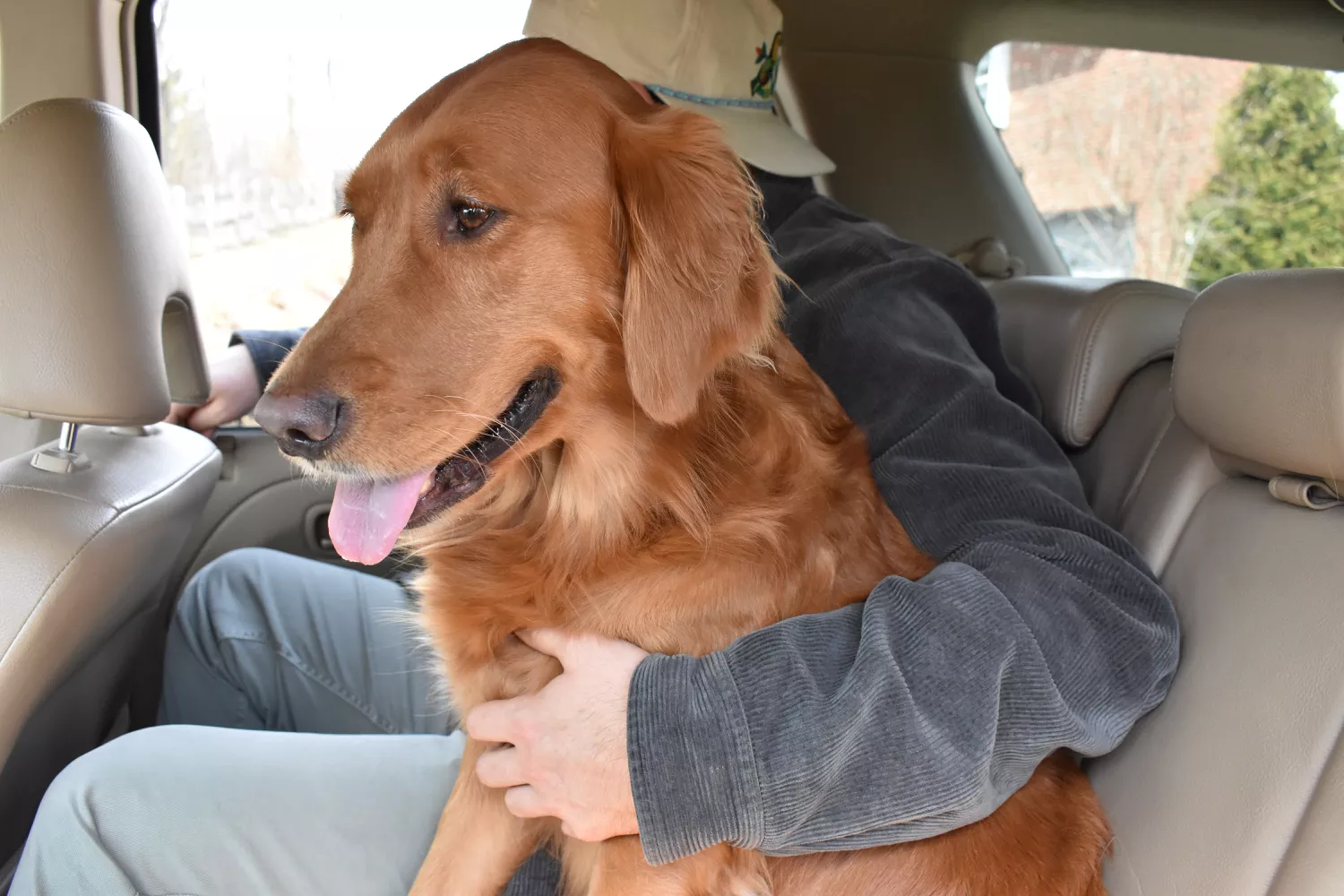
Make it special. Have some special bonding time with your dog inside the car. Don't rush to slam the doors shut and start the engine the minute your dog finally hops inside. Instead, leave the doors open and spend some time snuggling. Slowly work your way up to sitting in the car with the doors closed. Depending on the level of your dog's fear, this part of the process can take as long as a few weeks or more. Make sure to put a dog seat cover on the seat to protect it from dog hair, muddy paws, and drool.
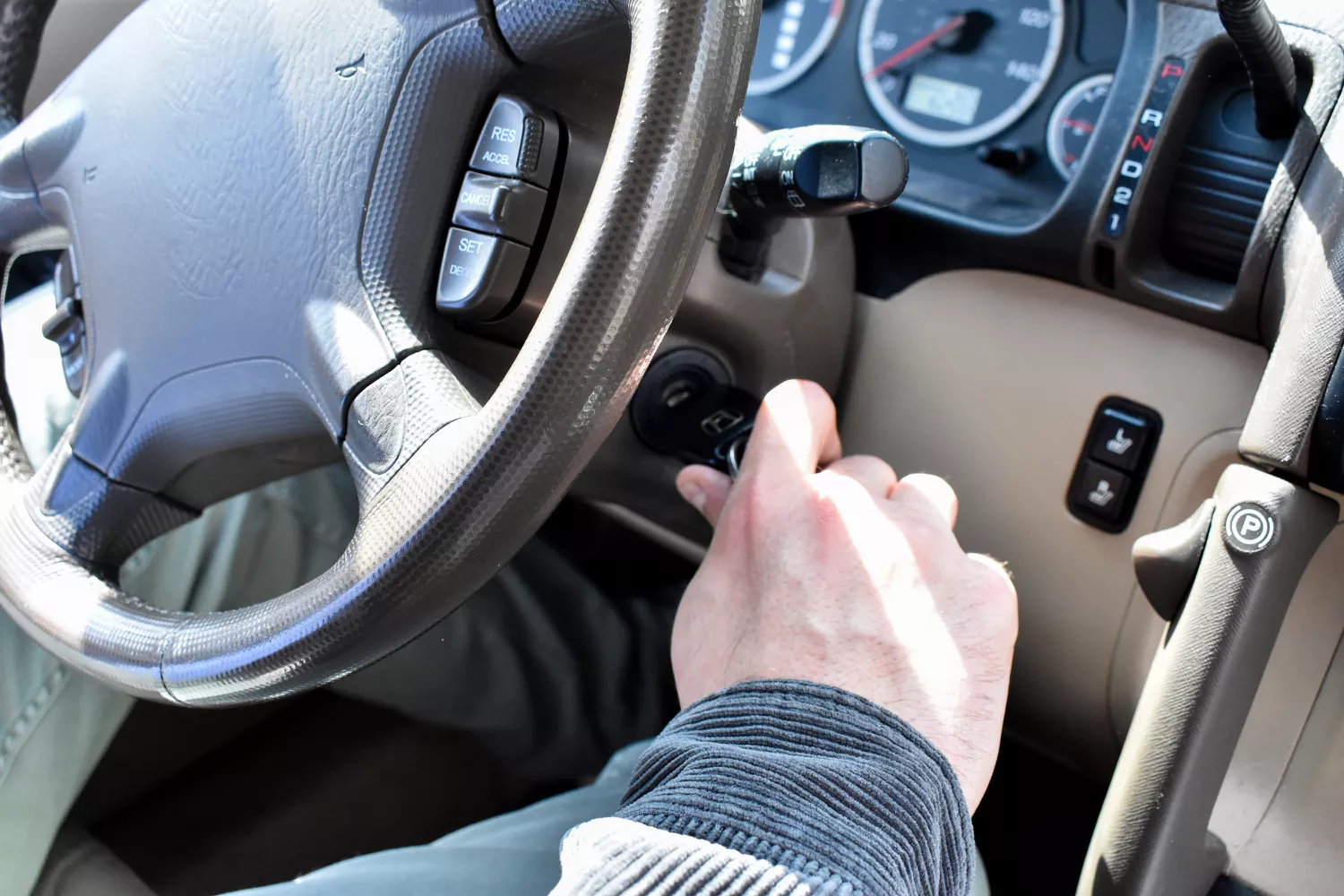
Start your engine. When your dog has become fairly comfortable hanging out with you in the car, start it up. As soon as the car is running, give your dog some treats and talk to it in an encouraging tone of voice; then turn off the engine. Repeat this several times until your dog is completely comfortable sitting in the car with the engine running.
Begin with small trips. Don't make your dog's first car ride a long road trip. The first few times out of the driveway should probably be no farther than around the block, with your helper giving your dog treats the whole way. Gradually work your way up to longer distances.
Take your dog to fun destinations. Your dog's first long car ride should not be to the veterinarian. Instead, take it someplace fun such as the dog park, the beach, or to a drive-thru for a small bite of hamburger. Your dog will soon associate these fun times with going for a ride in the car.
Stay patient and consistent, holding short training sessions. Ensure positivity and end each session before your dog exhibits intense fear.
Every dog is unique in their level of fear and the time needed to overcome it. Should your dog regress to fearful behavior, it’s useful to backtrack a few steps and maintain patience throughout the process.



