English Foxhound: Dog Breed Characteristics & Care
The English foxhound is a medium-large hound dog breed from England with a short, thick coat that often comes in tricolor (black, white, and tan). The dog's long legs and deep chest contribute to their athleticism and endurance.
These scent hounds are wired to hunt in packs of dogs. They are best for an active pet parent who is able to manage both their energy and their prey drive. If you meet their basic needs, you'll be rewarded with a friendly and devoted companion.
Learn all about the English foxhound, including their history, temperament, and care needs.
Breed Overview
Group: Hound
Height: 24 inches
Weight: 60 to 75 pounds
Coat: Short double coat
Coat Color: Black, white, and tan or lemon and white
Life Span: 10 to 13 years
Temperament: Affectionate, companionable, energetic
Hypoallergenic: No
Origin: England
Characteristics of the English Foxhound
The English foxhound generally has a sweet and social personality, as they're a pack hound. They can even get along with kids and other dogs.
A high energy level also helps to shape this breed’s temperament, and these dogs require ample exercise each day.
Affection Level | High |
Friendliness | High |
Kid-Friendly | High |
Pet-Friendly | High |
Exercise Needs | High |
Playfulness | High |
Energy Level | High |
Trainability | High |
Intelligence | Medium |
Tendency to Bark | High |
Amount of Shedding | Medium |
History of the English Foxhound
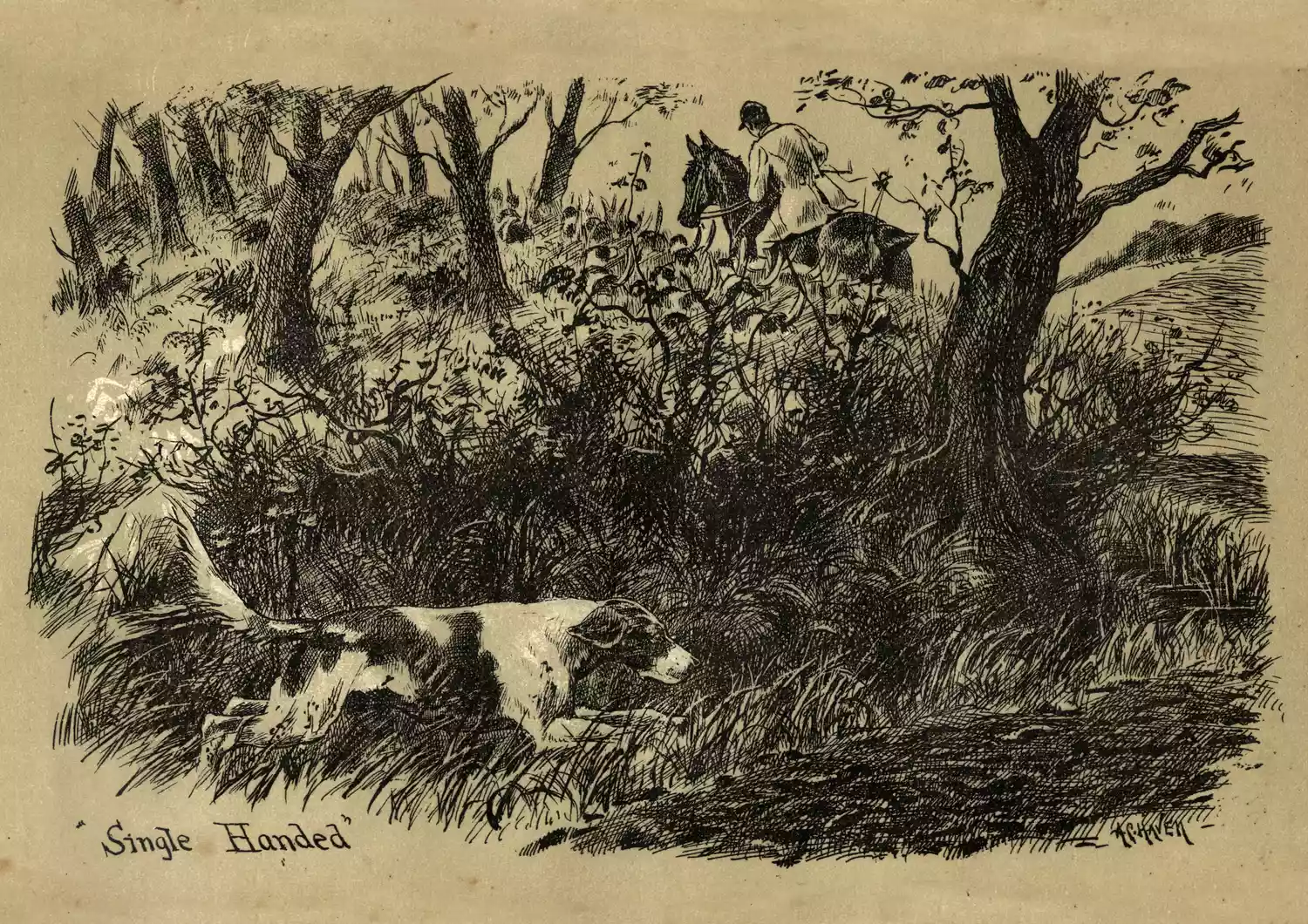
The English foxhound breed can trace its ancestors back to the 1600s in England. People who had previously engaged in stag hunting with their packs of dogs had turned their attention to a new target in the fox due to the decrease in the deer population. So they crossed their large stag-hunting hounds, with their sharp noses and good endurance, with faster and more agile greyhounds and similar dogs.
The English foxhound took shape, and today’s version still strongly resembles the dog that arose hundreds of years ago. Fox hunting was still an elite pastime during the 1700s. It even inspired people in Colonial America, including George Washington, to create their own version of the foxhound by breeding the English foxhound with French hounds.
The English foxhound still remains relatively rare in North America, compared to the American foxhound. The American Kennel Club first recognized the English version in 1909.
English Foxhound Care
Expect to spend lots of time exercising this active breed. Fortunately, the English foxhound generally only requires basic grooming. And this dog usually takes well to training.
Exercise
Aim for at least two hours per day of exercise for an English foxhound. This dog loves to run and explore outdoors. But it’s important to keep them on a leash or in a securely fenced area; otherwise they can quickly run off chasing perceived prey.
Long walks, hikes, running, and cycling all are ideal activities to expend some of a foxhound's energy. Plus, dog sports, such as agility and tracking, can provide mental stimulation as well as physical activity.
Grooming
Brush your dog weekly to remove loose fur and distribute skin oils. Expect periods of higher shedding, often in the spring and fall as the weather changes, during which you’ll have to brush more frequently to keep up with the loose fur.
Bathe your foxhound every month or so, depending on how dirty they get. See whether their ears need cleaning at least weekly. Also, make sure to dry the ears well anytime they get wet.
Trim your dog’s nails roughly once a month. And aim to brush their teeth every day with a canine toothpaste.
Training
Begin training and socialization ideally when your dog is a puppy to instill good manners and prevent bad habits from forming. A puppy obedience class can teach both basic commands and social skills.
English foxhounds typically respond well to positive training methods, such as treats and praise. But they can be a bit stubborn. So it’s important always to be consistent with your commands; don’t let bad behaviors slide.
Common Health Problems
Overall, the English foxhound is a healthy breed. But it is prone to some hereditary health issues1, including:
Bloat: This is a serious medical emergency that requires prompt veterinary attention. Also known as gastric dilatation-volvulus (GDV), it occurs when the dog’s stomach expands and twists, and it can lead to death.
Ear infections: These infections can be caused by fungi or bacteria. They can lead to symptoms like odor from the ears, discharge form the ears, head tilt, and scratching at the ears, among many others. A vet can provide treatment.
Diet and Nutrition
Always provide fresh water for your dog. And feed a quality canine diet with balanced nutrition. It’s typical to feed two measured meals per day.
Because this breed is prone to bloat and potentially life-threatening stomach twisting, which can arise from eating too quickly, you might want to feed smaller, more frequent meals. Also, aim to keep your dog calm around mealtimes.
Make sure to discuss both the type of food and the amount with your vet to ensure that you're meeting your dog's individual needs.
Where to Adopt or Buy an English Foxhound
English foxhounds aren’t incredibly common in North America, but it is still possible to find them at animal shelters and rescue groups. See whether you can get your name on a breed wait list if possible.
If you’re looking for a puppy from a reputable breeder, expect to pay around $600 to $1,000 on average.2
For further information to help you find an English foxhound, check out:
English Foxhound Club of America
Foxhound Rescue
English Foxhound Overview
Like other hunting breeds, the English foxhound has a lot of energy and does best with a family that will spend a lot of time with them outside, exploring, getting exercise, and having fun. They also have a high prey drive that might make them unsuitable for homes with other pets.
Pros of English Foxhounds
Affectionate and family-oriented
Generally thrives in households with other dogs
Low-maintenance grooming
Cons of English Foxhounds
High exercise needs
Often very vocal
Strong prey drive
More Dog Breeds and Further Research
As with any breed, do plenty of research before bringing home an English foxhound to ensure that they're right for your lifestyle. Talk to foxhound owners, rescue groups, reputable breeders, and veterinary professionals. Spend some time around the breed in person too if you can.
If you’re interested in similar breeds, check out:
Beagle
American Foxhound
Harrier
There’s a whole world of potential dog breeds out there—with a little research, you can find the right one to bring home!



