Beagle: Dog Breed Characteristics & Care
The beagle is a recognizable medium-sized dog breed, famous for its large, expressive eyes, floppy ears, and upright, white-tipped tail. It has a short, tricolored coat typically dominated by white and shades of brown.
Beagles are scent hounds, hunting and tracking their prey by ground-scenting, and their keen sense of smell rivals that of bloodhounds and basset hounds.
Discover more about the beagle's history, characteristics, and care needs.
Breed Overview
GROUP: Hound
HEIGHT: 15 inches or less at the shoulder, with two varieties: under 13 inches, and 13 to 15 inches
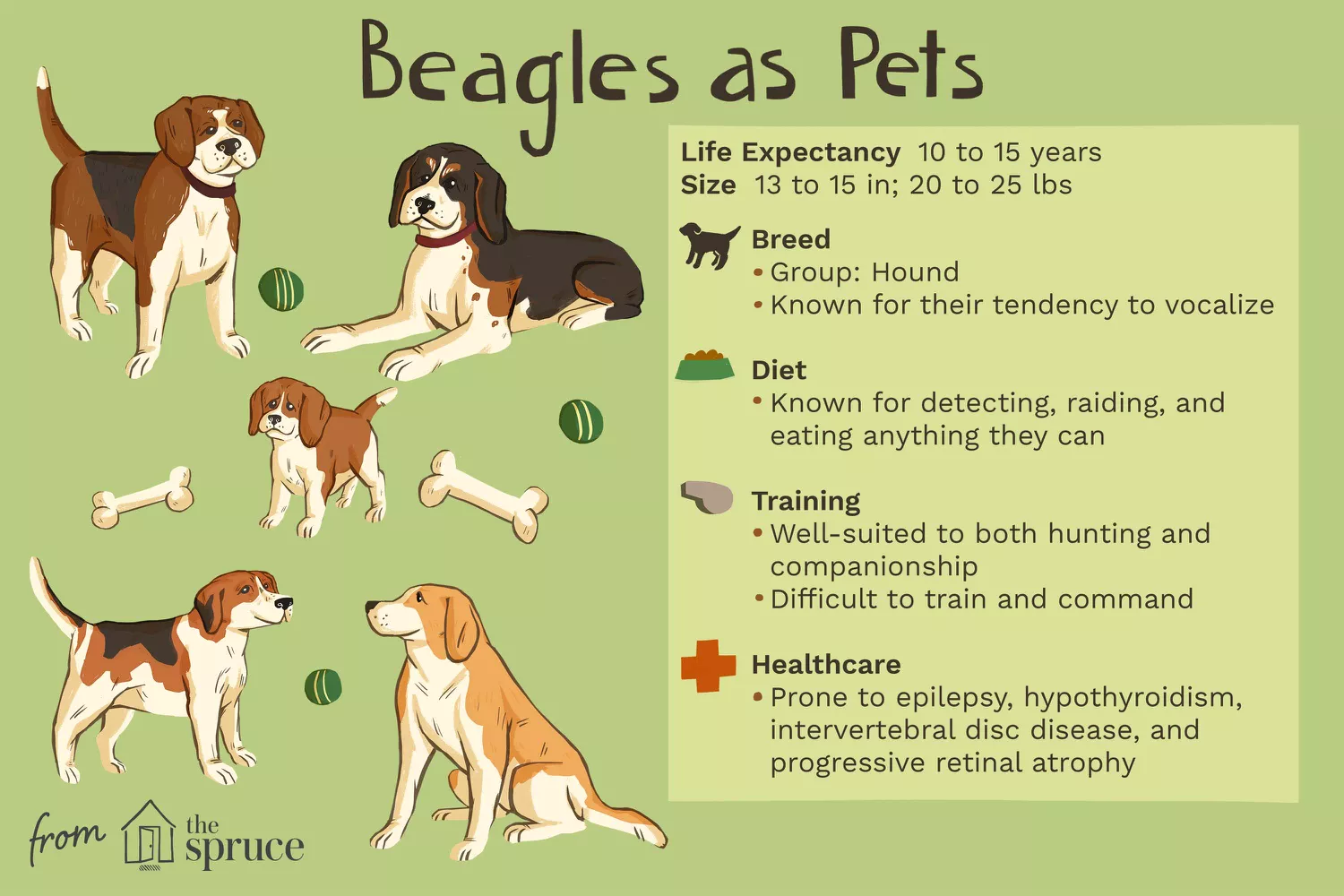
WEIGHT: 20 to 25 pounds
COAT: Short
COAT COLOR: Tricolor combinations such as tan, black, white, reddish brown, and pale lemon
LIFE SPAN: 10 to 15 years
TEMPERAMENT: Active, companionable, keen, attentive, fearless
HYPOALLERGENIC: No
ORIGIN: England
Characteristics of the Beagle
Beagles are energetic, carefree, and optimistic dogs, making them one of the most popular breeds for active households. They can be wonderful companions and great family dogs when properly trained and socialized.
Bred to be in packs, they get along well with other dogs and most do well with cats, especially if raised together.
Affection Level | High |
Friendliness | High |
Kid-Friendly | High |
Pet-Friendly | Medium |
Exercise Needs | High |
Playfulness | High |
Energy Level | High |
Trainability | Medium |
Intelligence | High |
Tendency to Bark | High |
Amount of Shedding | Medium |
1:51
Click Play to Learn More About the Carefree but Stubborn Beagle
History of the Beagle
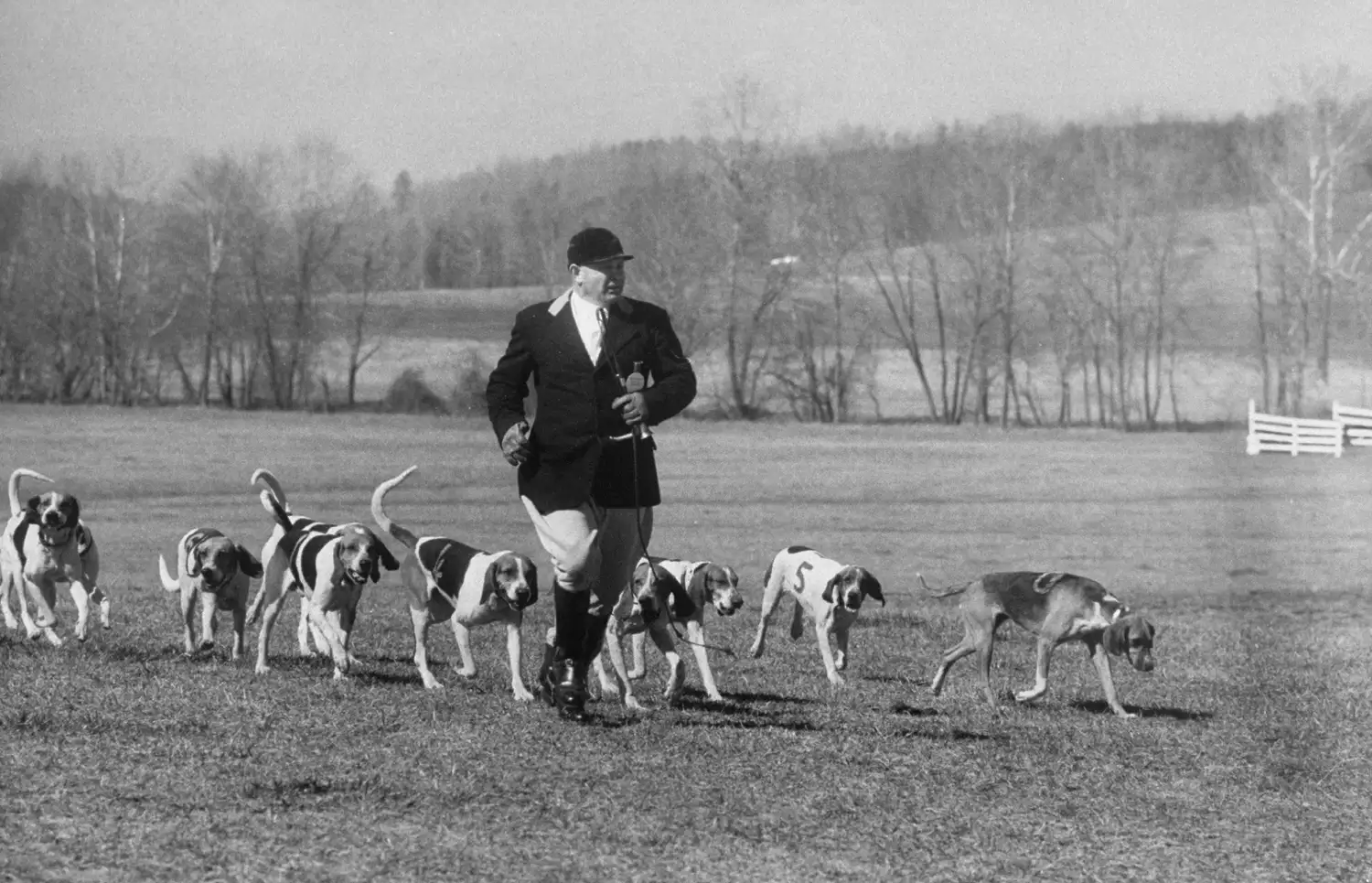
Originally bred in 16th-century England as rabbit-hunting hounds, beagles also served as gun dogs, flushing game for hunters. Over time, the breed was developed in England and, later, in North America.1 Over time, the breed developed in England and later in North America, becoming more refined and widely recognized by the late 19th century, eventually evolving into one of the most popular breeds.
While still used in packs for hunting today, beagles are more commonly seen as companion and family dogs. The breed was recognized by the American Kennel Club (AKC) in 1885.
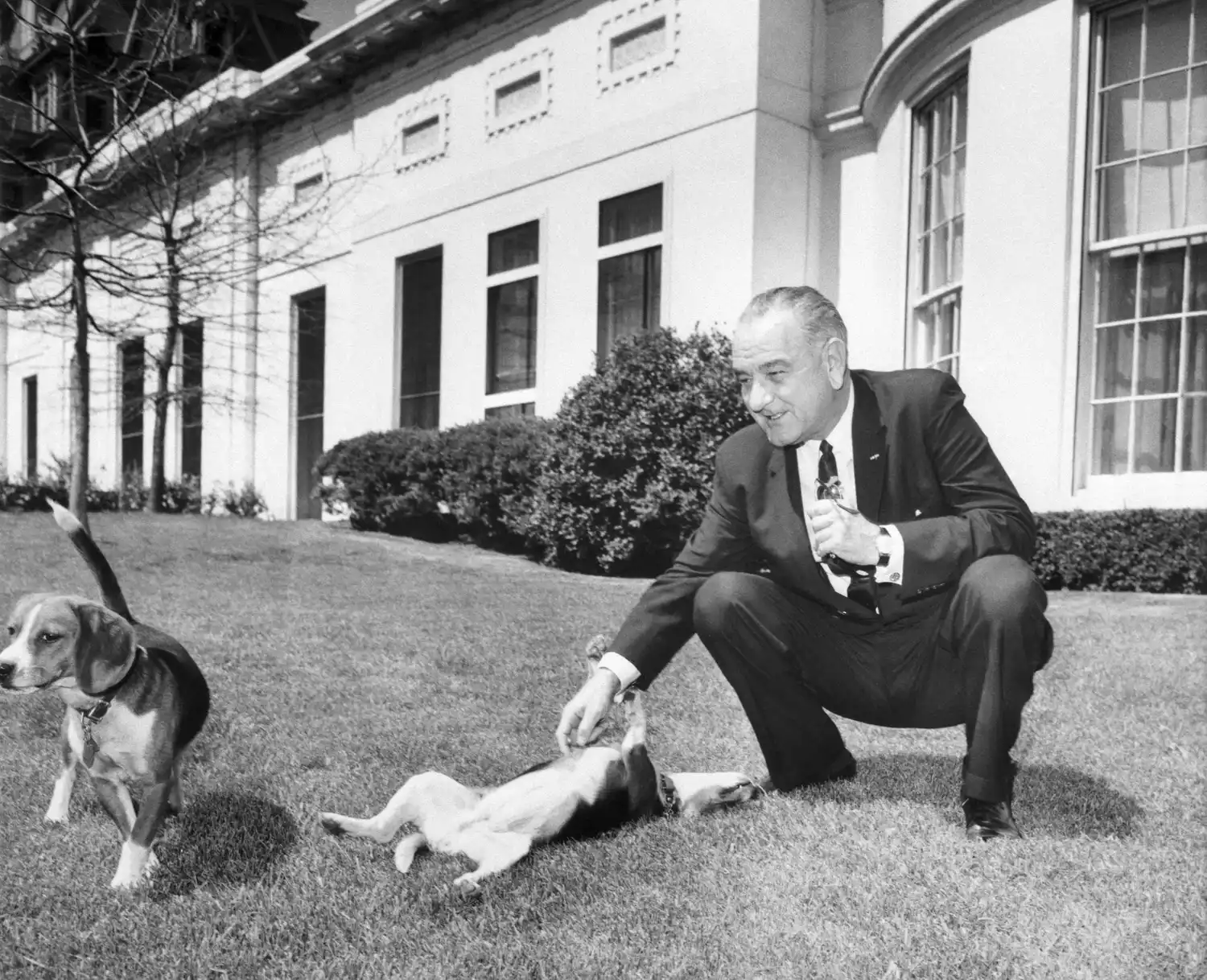
Snoopy from the Peanuts cartoons is a beagle, reflecting the breed's popularity when Charles Schulz began drawing the comic strip in 1950. President Lyndon B. Johnson owned several beagles while in the White House. Beagles are even used by the United States Department of Agriculture to detect contraband food items in luggage.
Beagle Care
These fearless hounds are well-suited to both hunting and companionship, but they need adequate daily exercise, regular grooming, and proper training.
They require human companionship or the company of other pets throughout the day and might not be ideal if you spend most of your time away from home. Beagles tend to bay and bark when detecting an interesting scent, and could become problem barkers due to boredom or separation anxiety; training may help.
Exercise
hough they may sometimes appear lazy, beagles are full of energy and need regular exercise. Without it, they can get bored and unfulfilled, which might spark their mischievous side.
Walk your dog once or twice daily, providing ample opportunities to run and play, aiming for at least an hour of exercise each day.
Because beagles get along with other dogs, freestyle running in a properly enclosed dog park can be fun exercise for both of you.
Grooming
Beagles have short, water-resistant coats with a moderate to high rate of shedding. Routine basic grooming typically suffices to keep them looking their best.Their coat doesn't pick up much debris, so they won't need frequent baths, unless they roll in mud or something stinky.
Keep their floppy ears clean to prevent ear infections. Also, trim their nails regularly to prevent overgrowth, which can affect gait. Additionally, brush their teeth at least a couple of times per week to maintain good oral health and prevent diseases.
Training
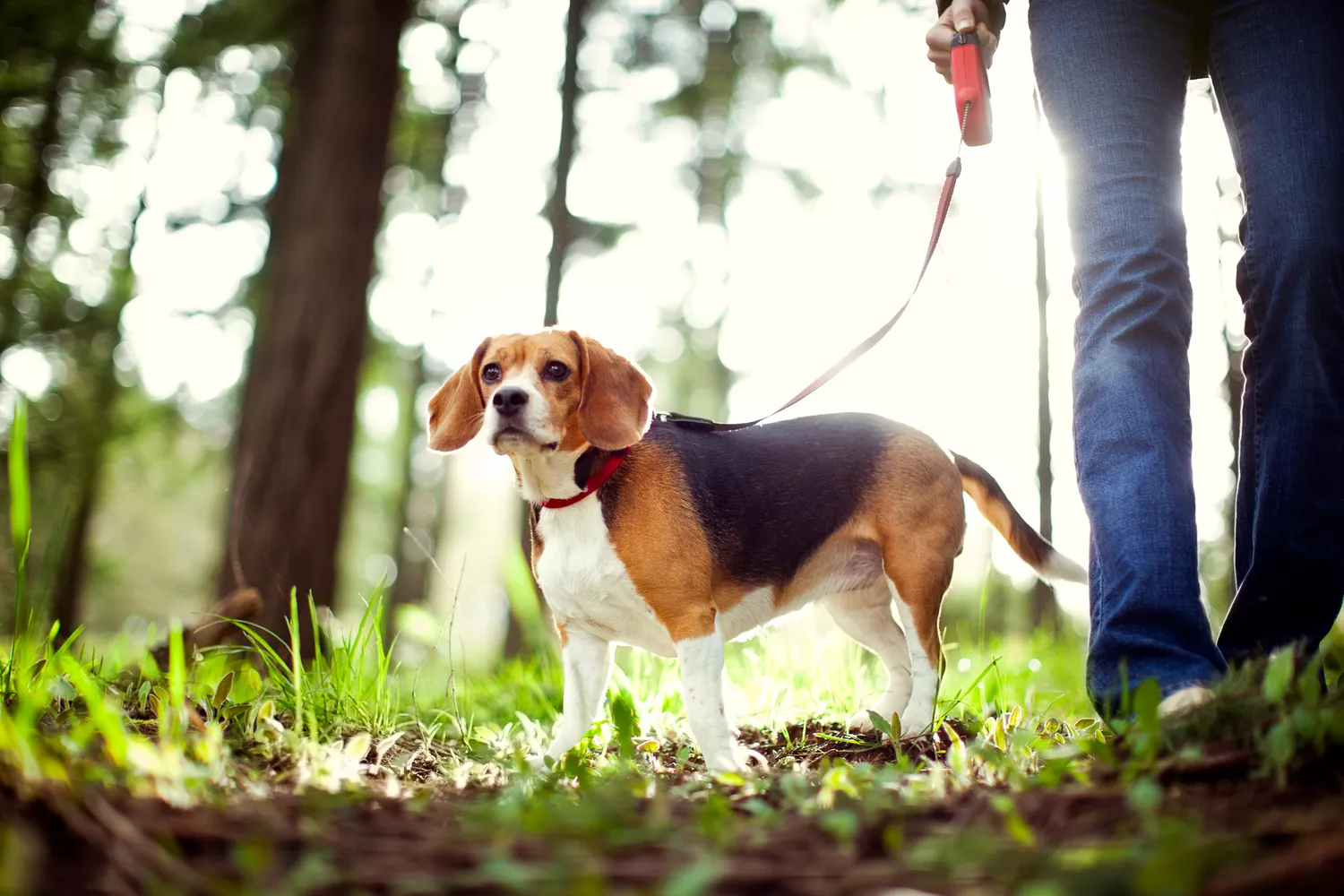
As scent hounds, beagles enjoy sniffing everything along your walks, exercising their minds and bodies. However, strong leash control and training are needed to manage them if they catch a scent they want to track.
Without proper training, beagles can become unruly and defiant due to their strong-willed nature. Their stubborn hound tendencies makes them more difficult to train, so working together should be fun and interesting in order to retain their attention.
Common Health Problems
Responsible breeders strive to maintain the highest breed standards established by kennel clubs like the AKC. Dogs bred by these standards are less likely to inherit health conditions, but some hereditary issues can occur within any breed. Generally, beagles are healthy dogs, but watch for these conditions:
Epilepsy: A neurological disease that causes seizures.
Hypothyroidism: A condition caused by insufficient thyroid hormones.
Intervertebral disc disease: A condition that occurs when the discs between vertebrae bulge and press on nerves.
Progressive retinal atrophy (PRA): A genetic disease that causes damage to the retina and leads to vision loss.
Diet and Nutrition
Beagles love to eat and are notorious for detecting, raiding, and consuming anything they find. Provide two meals a day of up to 3/4 cup of high-quality dog food per meal. The amount varies based on the dog's size, age, activity level, and other factors. Secure all food to prevent raiding.
Keep the dog food and your human food well-secured against this hungry canine. Due to their omnivorous appetites, monitor your dog's weight and take action if they start gaining too much weight. Discuss your dog's needs with your veterinarian for the right food, feeding schedule, and amount.
Where to Adopt or Buy a Beagle
Before adopting or buying a beagle, remember that this dog needs a family that can genuinely and consistently provide ample time and attention. Check your local animal shelter for a beagle in need of a home. If you choose a breeder, thoroughly research them to avoid puppy mills or backyard breeders.
Check state and regional rescue groups, including:
New Jersey: SOS Beagle Rescue
Midwest: Midwest Beagle Rescue, Education & Welfare
North Carolina: Triangle Beagle
New England: Beagles of New England
Pacific Northwest: Cascade Beagle Rescue
Beagle Overview
Beagles are wonderful dogs, making great companions for active people and families. However, frequent barking and scenthound traits might not make them suitable for all situations.
Pros of Beagles
Great family pets
Gets along with other animals
Basic grooming needs
Cons of Beagles
Love to dig
Loud, howling bark
Shed regularly
Can be hard to train
18 Scent Hound Breeds Who Follow Their Noses
More Dog Breeds and Further Research
you, ensure thorough research before getting one. Talk to other beagle owners, reputable breeders, and rescue groups to learn more.
If interested in similar breeds, consider these to compare pros and cons:
Harrier
Dachshund
Basenji
Bluetick Coonhound
Redbone Coonhound
American Foxhound



