Old English Sheepdog: Dog Breed Characteristics & Care
The Old English sheepdog is the original “shaggy dog," a large and athletic breed known for its fluffy coat. Underneath it, however, this affectionate dog is all muscle because they emerged from early types of herding dogs in England, where they historically helped farmers drive cattle and sheep to market.
This playful, sociable, and obedient breed requires an attentive and responsible owner who will give them the love—and proper grooming—that they need to thrive.
Learn all about the Old English sheepdog, from their history to their care needs and more.
Breed Overview
GROUP: Herding
HEIGHT: 22 inches and up (males); 21 inches and up (females)
WEIGHT: 60 to 100 pounds
COAT: Double coat
COAT COLOR: Commonly white with gray markings; may also show grizzle, merle, and any shade of blue coloring
LIFE SPAN: 10 to 12 years
TEMPERAMENT: Intelligent, playful, sociable, bubbly, loving, adaptable
HYPOALLERGENIC: No
ORIGIN: England
Characteristics of the Old English Sheepdog
Whether you need a working farm dog or a cuddly family pet, you’ll be happy with an Old English sheepdog by your side. At the dog park, Old English sheepdogs always steal the show thanks to their adorably messy hairdos. Their bubbly personalities only make them cuter.
Affection Level | High |
Friendliness | High |
Kid-Friendly | High |
Pet-Friendly | Medium |
Exercise Needs | Medium |
Playfulness | High |
Energy Level | Medium |
Trainability | Medium |
Intelligence | High |
Tendency to Bark | Medium |
Amount of Shedding | High |
History of the Old English Sheepdog
Experts speculate on the pedigree of the Old English sheepdog, arguing over which breed they descended from in Europe. There are a handful of dogs, like the Scotch bearded collie and French briard, that could play a role in the sheepdog’s ancestry, but a definitive bloodline hasn’t been decided.
The Old English sheepdog is a fairly modern breed that first emerged in England in the 1800s. Farmers used them as “drover dogs,” driving livestock to market as well as pulling carts and wagons. Drover dogs are known for their stamina, steadiness, and courage.
Owners often docked their tails to prove that they were working dogs, which gave Old English sheepdogs the nickname “bob” or “bobtail.” Old English sheepdogs are born with a tail, but breeders often dock them when they are a few days old.
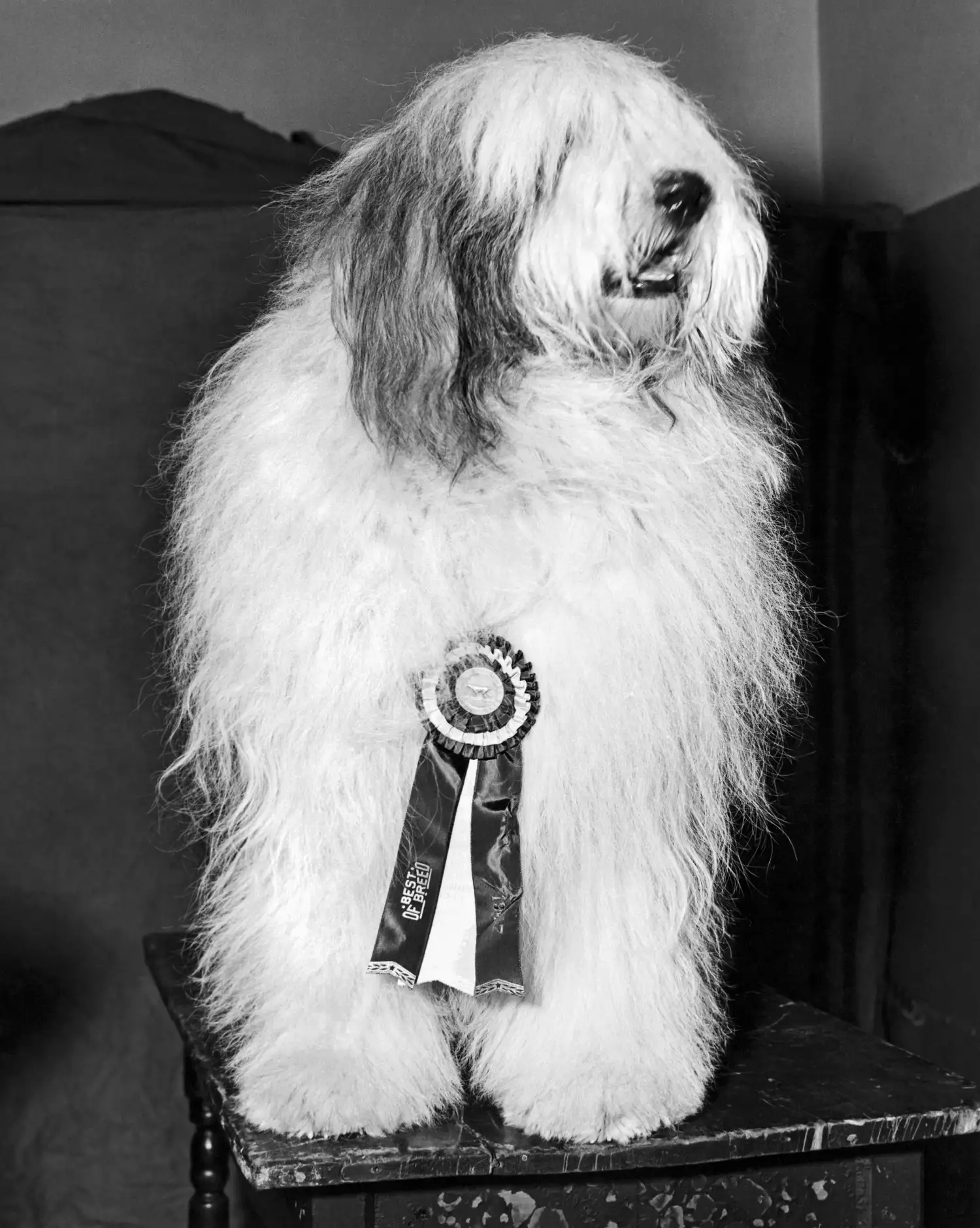
The American Kennel Club recognized this breed as a member of the herding group in 1888 and Old English sheepdogs quickly became a successful show dog and beloved pet.
Old English Sheepdog Care
These dogs typically have great inside manners, so their playfulness is not usually a problem when it’s time to wind down indoors. There’s a hard line between play time and relax time and Old English sheepdogs know it well. They have a friendly demeanor and are not typically seen barking or guarding their territory, but can be protective when necessary. Prospective Old English sheepdog owners should, however, keep in mind that there's a required commitment to regular grooming.
Exercise
Exercise requirements vary among Old English sheepdogs. This breed is by no means a couch potato but is happy to laze around much of the time. Despite that, they do require some regular exercise at least once a day for at least an hour.
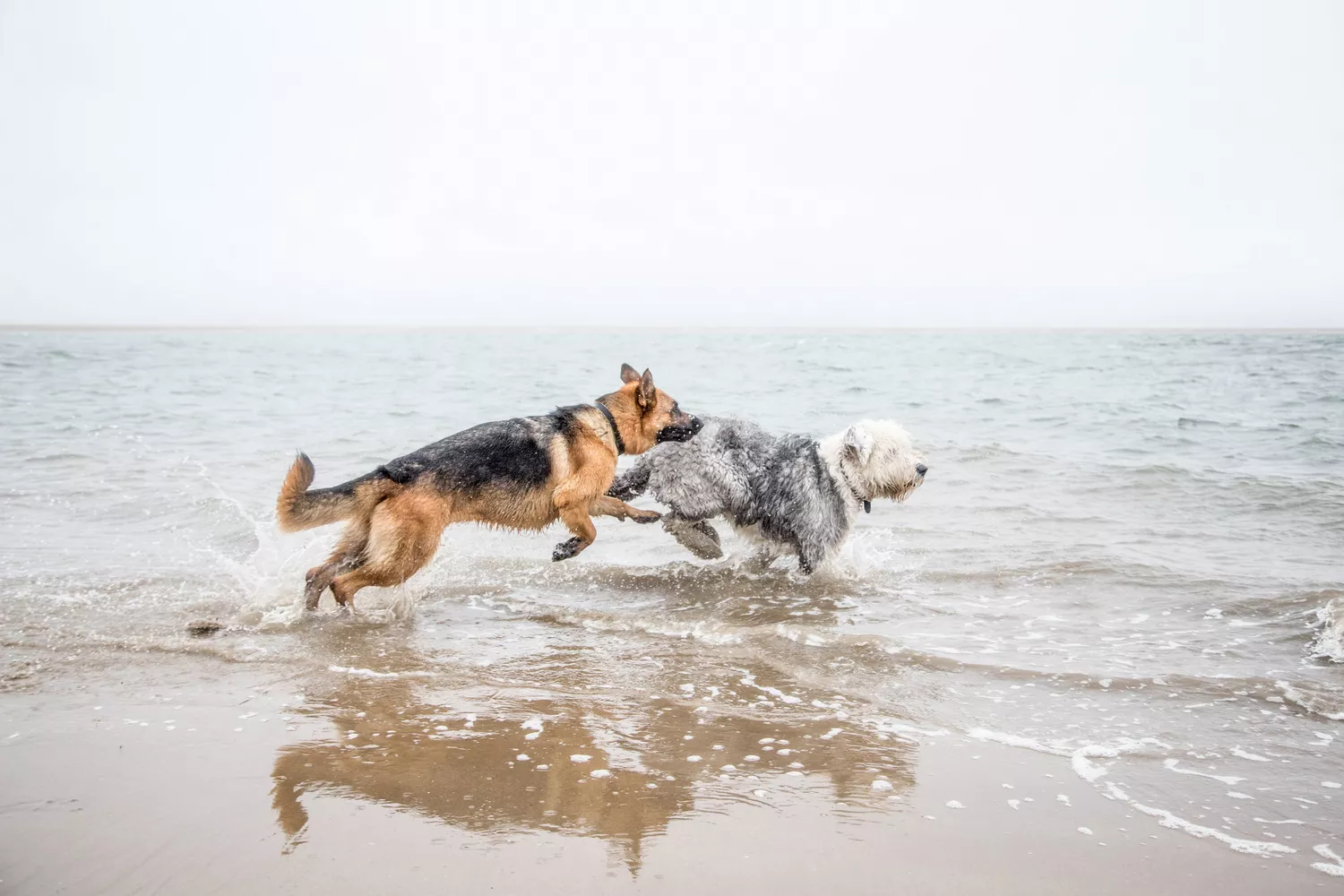
Daily walks will keep them happy and an added outdoor play session is even better for this bouncy breed. Old English sheepdogs love working and herding, so a rousing game of fetch or keep away is one of their favorite activities.
Grooming
Just looking at the voluminous mop of the Old English sheepdog is enough to make a groomer shudder. In actuality, grooming these dogs is just as difficult as grooming any other long-haired dog. Their coat is high-maintenance and grooming can be time-consuming but is crucial for maintaining a happy and healthy sheepdog.
Because their hair is long and prone to tangles, daily brushing is encouraged. This will keep your dog’s coat healthy and free of knots and matting that can collect dirt and bacteria. Daily brushing will also help you manage their heavy shedding.
Regular brushing will also prevent you from eventually having to go to an expensive, professional groomer. If mats do appear, they often must be cut out or shaved. potentially dangerous tasks that are best left to a pro.
Many owners prefer to take their Old English sheepdogs to a professional groomer experienced with long-haired dogs, as bathing these big pups can seem daunting.
Regular grooming can prevent other health issues, like joint problems and infections, so it’s important to keep your sheepdog clean and brushed. Their hair can often block their vision, so keep this area trimmed as needed.
At home, you should trim their nails regularly, check and clean their ears often, and brush their teeth daily.
Training
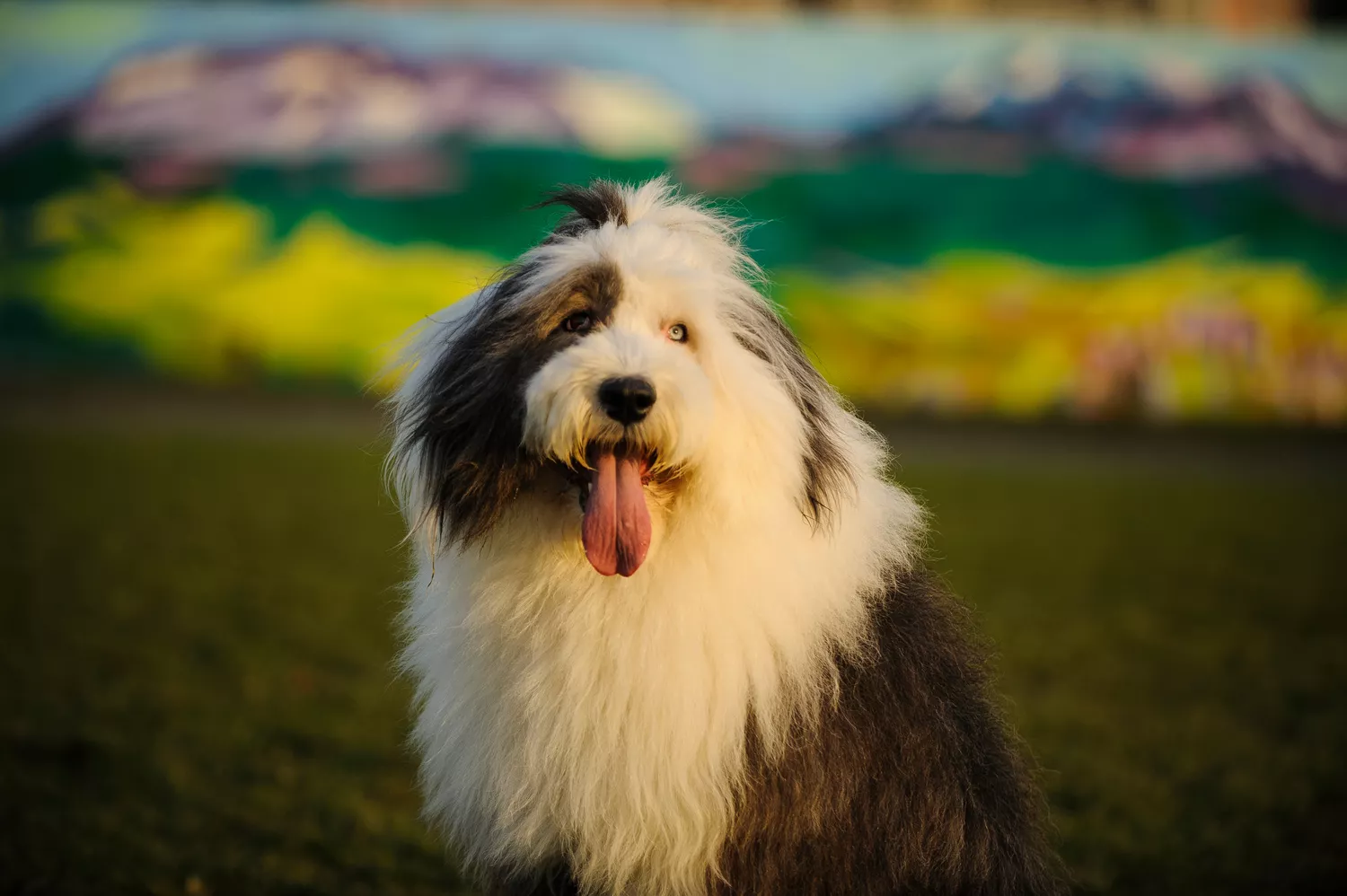
Old English sheepdogs are fairly responsive to behavior training if they are given positive feedback that uses rewards like treats or love. These dogs get along well with kids and other animals when given proper socialization training during puppyhood.
This breed is an alert and responsive one, which makes training easier, but it’s also a breed of independent thinkers. Old English sheepdogs may eventually come up with a way to behave the way they prefer rather than the way you’ve trained them.
When training the Old English sheepdog, it’s imperative to be a firm leader and practice consistency during exercises so independent thinking is less likely.
Common Health Problems
Good breeders will have their puppies screened for conditions and be able to certify the health of a dog’s parents, so it’s important to pay attention to these results when picking out your Old English sheepdog. Health conditions are often difficult to detect in a growing puppy, so choosing a breeder dedicated to health is the best way to assure your Old English sheepdog is in good shape.
Some health problems that can occur in Old English sheepdogs include:
Hip dysplasia: This is the abnormal formation of the hip joint that can lead to lameness.
Cataracts: Cloudy eye lenses may afflict your Old English sheepdog and cause blindness.
Hypothyroidism: Low thyroid function can cause problems with a dog's coat, skin, and activity level.
Bloat: This is a condition that causes a dog’s stomach to twist and contract, leading to death.
Diet and Nutrition
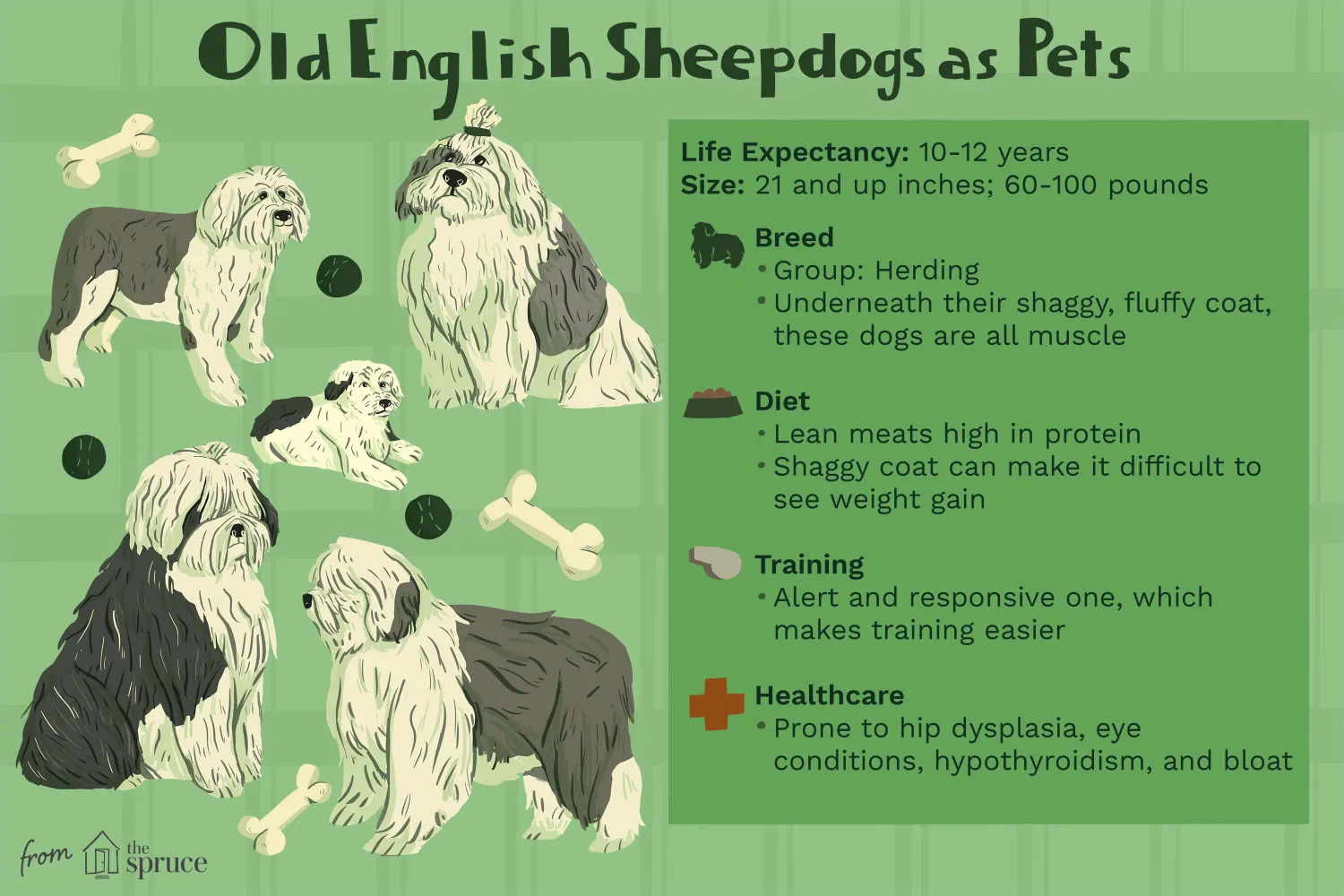
Staying conscious of an Old English sheepdog’s diet is incredibly important. The dog’s shaggy coat can often make it difficult to see weight gain, so keeping them on a consistent and nutritious diet will tremendously help prevent obesity and other adverse health effects related to weight gain.
Proper feeding can also help prevent problems, particularly those which result from eating too quickly. If you notice fast eating is an issue with your pet, look into slow feeder bowls or consider feeding smaller, more frequent meals to allow for slower digestion.
Checking out the dog food aisle can be scary—there are so many brands, but which one is best for your pooch? It can be difficult and time-consuming to settle on one. Determine whether or not a particular food will be suitable for your Old English sheepdog by looking at the ingredients and protein content. The best diet will include lean meats high in protein, like chicken or turkey, and other whole foods. Because Old English sheepdogs are not exceedingly active, fat content should be minimal.
The choice between feeding your dog wet or dry food can be a challenging one. Dry kibble encourages chewing and cleans your dog’s teeth while they eat, and canned wet food is easier on their digestive system and is an efficient way to get more water into your pet’s system. Veterinarians often recommend using canned wet food as an addition to dry kibble. Using the two in combination will satisfy your furry friend while maintaining health.
The amount you can feed your pet varies. Some people stick to a one-feeding-a-day routine while others lean towards multiple small meals throughout the day. This will depend on your individual dog’s preferences. Some dogs actually vomit from hunger when they are only fed once a day, but others will refuse to eat so often. Talk to your vet about the best routine for your dog and experiment with them to make sure their diet is a good fit.
If you find yourself needing to switch dog foods, make sure to do it slowly over a period of a few weeks, to allow their digestive system to adjust.
Where to Adopt or Buy an Old English Sheepdog
The Old English Sheepdog Club of America (OESCA) recommends purchasing puppies from responsible breeders who raise their dogs in accordance with the AKC standard. Check to be sure that the breeder will replace or refund the cost of the puppy if they're found to have a life-threatening defect.
Breeders will provide written instructions regarding feeding, health, training, and grooming, as well as ensure that the puppy is:
Free of hip dysplasia, eye defects, and internal parasites
Up to date with vaccinations from common diseases
At least 8 weeks of age
Guaranteed against hereditary faults
The OESCA provides referrals to responsible breeders as well as a directory of rescue organizations throughout the U.S.
Old English Sheepdog Overview
To determine if this bouncy, protective herding dog is the best fit for you, consider your lifestyle and commitment level before choosing your next furry friend. Old English sheepdogs make wonderful pets, but also require time and resources for training and grooming.
Pros of Old English Sheepdogs
Great family pet
Tolerant of cold climates
Fast learner
Cons of Old English Sheepdogs
Extensive grooming needs
Hard to recognize weight gain under the voluminous coat
An independent thinker; may deviate from trained behaviors
More Dog Breeds and Further Research
Check out a few of our other dog breed profiles for similar pets before you choose:
Australian Shepherd
Shetland Sheepdog
Bouvier des Flandres
Otterhound
Icelandic Sheepdog
Why stop there? There are plenty of dog breeds to learn about before you fall in love with your own.



