Puli: Dog Breed Characteristics & Care
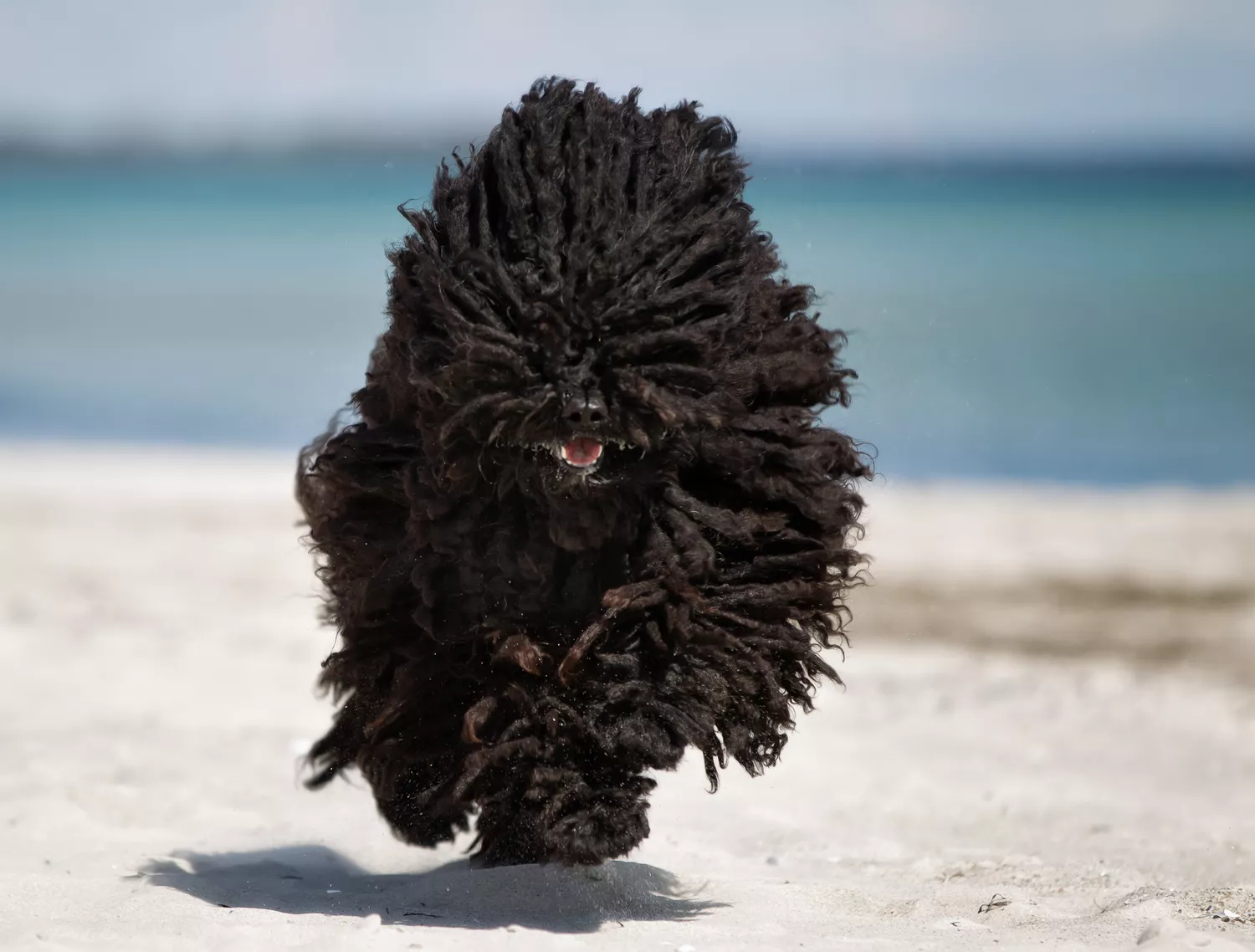
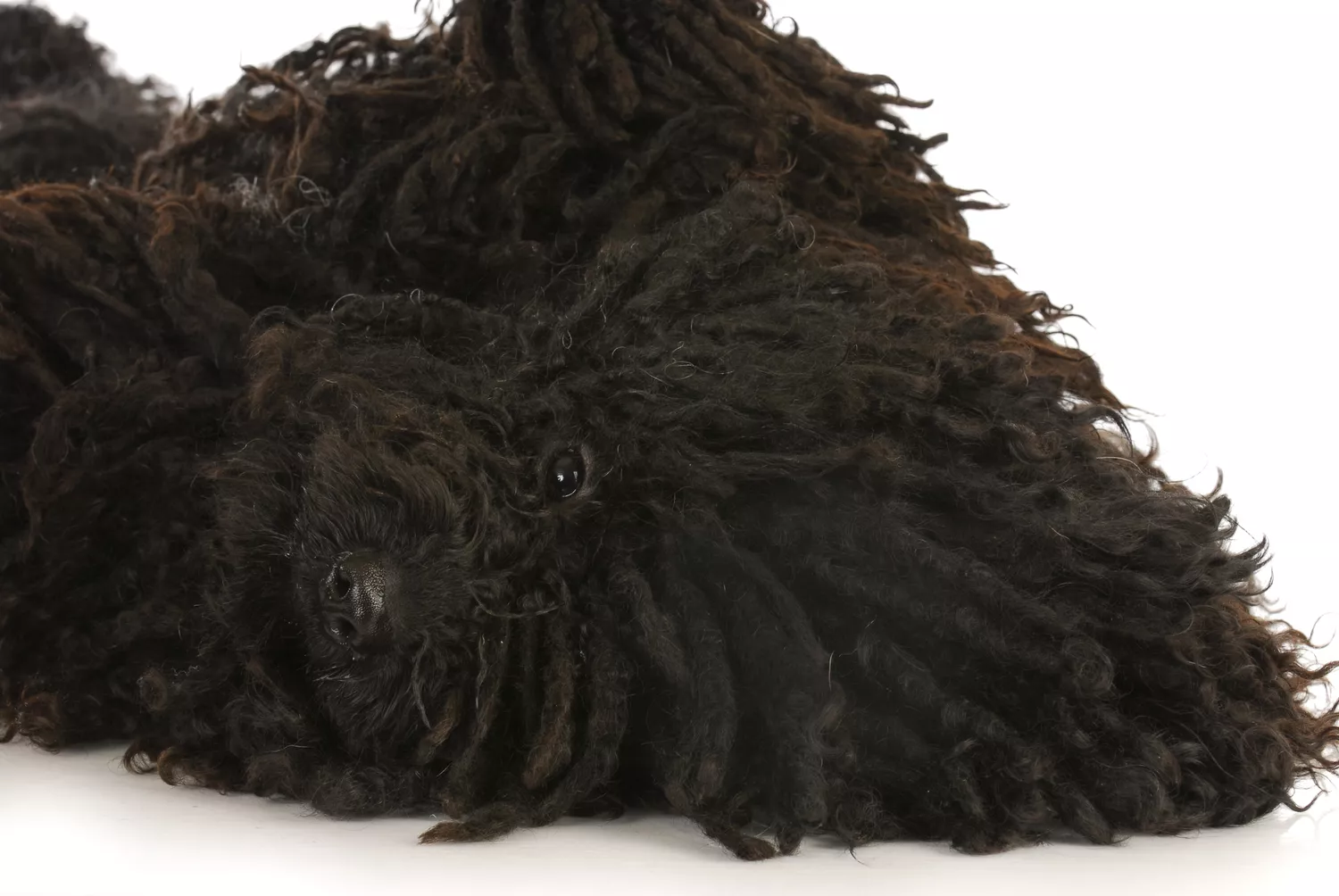
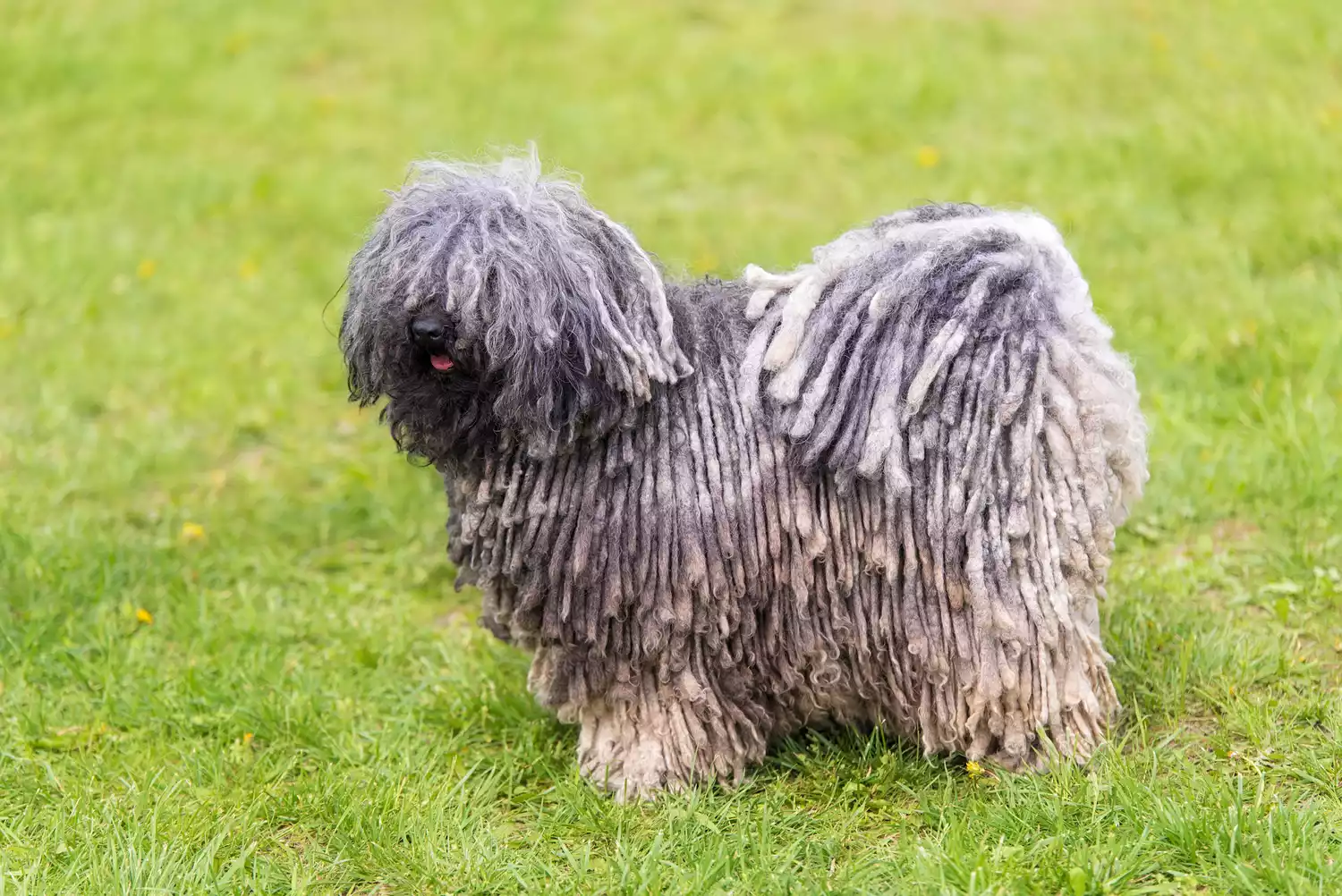
The Puli (pronounced poo-lee) is a medium-sized herding dog, originating from Hungary, recognized for its unique dreadlocked appearance. Its corded coat can grow long enough to reach the ground, giving the impression of floating when it moves. This coat is not just for show; it was developed to protect the Puli from harsh weather conditions and predators like wolves while herding sheep in Hungary.
Breed Overview
GROUP: Herding
HEIGHT: 16 to 17 inches tall at the shoulder
WEIGHT: 25 to 35 pounds
COAT: Dense, weather-resistant coat that forms cords in adults
COAT COLOR: Solid colors only: black, rusty black, gray, or white
LIFE SPAN: 10 to 15 years
TEMPERAMENT: Intelligent, energetic, obedient, loyal, sensitive, loving, and affectionate
HYPOALLERGENIC: Yes
ORIGIN: Hungary
Characteristics of the Puli
These charming dogs are wonderful family companions. Pulis (or pulik) are friendly, energetic, and mischievous. They love to have fun but are also great at reading your mood and know when you need a snuggle. They are active and playful well into their senior years. Pulis get along well with other dogs and love playing with kids, as long as children are taught to respect the dog and not to pull on the dreadlocks. They may or may not get along with cats, depending on the individual dog and whether they were raised together.
Affection Level | High |
Friendliness | High |
Kid-Friendly | High |
Pet-Friendly | Medium |
Exercise Needs | High |
Playfulness | High |
Energy Level | High |
Trainability | High |
Intelligence | High |
Tendency to Bark | High |
Amount of Shedding | Low |
History of the Puli
For centuries, the Puli has served as a sheep herder and farm guardian in Hungary. Naturally protective and vigilant, it maintains its guarding instinct along with the ability to gather and drive sheep. In the absence of sheep, the Puli isn't selective; it will herd family pets, children, and even chickens—virtually anything that moves.
The puli breed survived World War II, and a few dogs made it over to the United States for herd and guard dog use. The puli quickly made an impression in the U.S. and the breed has been recognized by the American Kennel Club since 1936, where it’s part of the Herding Group.
Facebook founder and CEO Mark Zuckerberg and his wife, Cilla, own an unclipped cream-colored puli named Beast who has its own Facebook page with over 2 million followers.
Puli Care
Grooming is probably the biggest challenge of owning a puli, more so than exercise and training. If you own a puli, you have a choice in whether to cord the coat or keep it brushed out or clipped. Many pet pulis are not corded for convenience because it's a lot of work to keep the dreadlocks tidy and fresh.
Exercise
Beneath all that hair, pulis are athletic and energetic. They need plenty of daily exercise and mental stimulation to be happy. Although long walks (aim for an hour a day total), hikes, and games of fetch can do the trick, many puli owners participate in organized dog sports like herding, agility, flyball, and obedience. It's also a herding dog that needs a large fenced-in yard to run around and dispel all of its energy.
Grooming
A puli’s cords form naturally, starting when a puppy is about nine months old. You will need to help the coat along, separating the mats to the skin. Your breeder or a groomer knowledgeable in corded coats can help you guide the coat so it cords properly and doesn’t turn into one giant mat.
Bathing a corded puli takes a special technique and patience, as it takes a long time to get the cords wet and to rinse the soap out completely. Drying is the real challenge—it can take hours—just as it does to dry a wool sweater—starting with wringing out the cords starting at the ends, and squeezing more moisture out with towels. Some owners use a special cage dryer for dogs, but you can use a blow dryer and absorbent microfiber towels to do the job. It’s vital to make sure the cords are thoroughly dry after bathing or the damp cords can mildew.
If you choose to keep your puli brushed out or trimmed and not corded, it’s extremely important to still thoroughly brush the dog out from the skin at least once a week to prevent mats from forming. The hair above the eyes can also be trimmed to help the dog see better.
Offer a tip for keeping the puli's coat properly maintained without excessive struggle, such as regularly scheduling grooming sessions and using specific tools like microfiber towels for drying.
Training
Pulis are highly intelligent and easy to train and with positive methods, these dogs can be taught lots of fun tricks. Early socialization for puppies is important to curb the breed’s natural wariness of strangers and to help the puli develop into a confident adult dog.
Common Health Problems
Like most purebred dogs, the puli is prone to a few genetic conditions. Responsible breeders test their adult dogs before breeding them to avoid passing on inherited diseases. The Puli Club of America, which is the national club for the breed in the United States, requires all member breeders to participate in the Orthopedic Foundation for Animal’s Canine Health Information Center (CHIC) program testing for the following:
OFA or Penn Hip/hip dysplasia: Abnormal development of the hip joints
OFA for luxating patella (knees): Knee cap slippage resulting in lameness
OFA Degenerative Myelopathy (DNA test): Degenerative spinal cord condition
Canine Eye Registry (CERF): Informs breeders of canine eye disease
Additional recommended testing includes OFA for elbows, OFA for cardiac (heart), OFA for thyroid, and brainstem auditory evoked response (BAER) hearing test.1
Diet and Nutrition
Feed your puli a high-quality dog food. Your breeder or veterinarian can give you a recommendation regarding the best food for this breed due to its predisposition to some hereditary joint conditions. It’s important not to allow your puli to become overweight. Feed scheduled meals using a measuring cup or scale to ensure your puli isn’t consuming more than they need. Keeping the bowl filled with food all the time can lead to snacking and overeating.
Where to Adopt or Buy
If you want a puppy, spend some time searching for a reputable breeder. Once you find a breeder, you might have to wait a while for a puppy to become available. Expect to pay a breeder between $800 to $1,600 for a puli puppy. If you are looking to adopt, some adult puli mixes may find their way into rescue. The Puli Club of America maintains a rescue website as well as a list of breeders on its website.
Puli Overview
Pros
Loving and playful
Alert watchdog
Healthy and long-lived
Cons
May bark a lot
Needs a lot of exercise
Doesn’t do well when left alone
25 Herding Dog Breeds for Managing Livestock
More Dog Breeds and Further Research
If you like the puli, and especially its unique long-haired coat, you might also like these breeds:
Komondor
Polish lowland sheepdog
Pumi
There’s a whole world of potential dog breeds out there—with a little research, you can find the right one to bring home!



