Australian Kelpie: Dog Breed Characteristics & Care
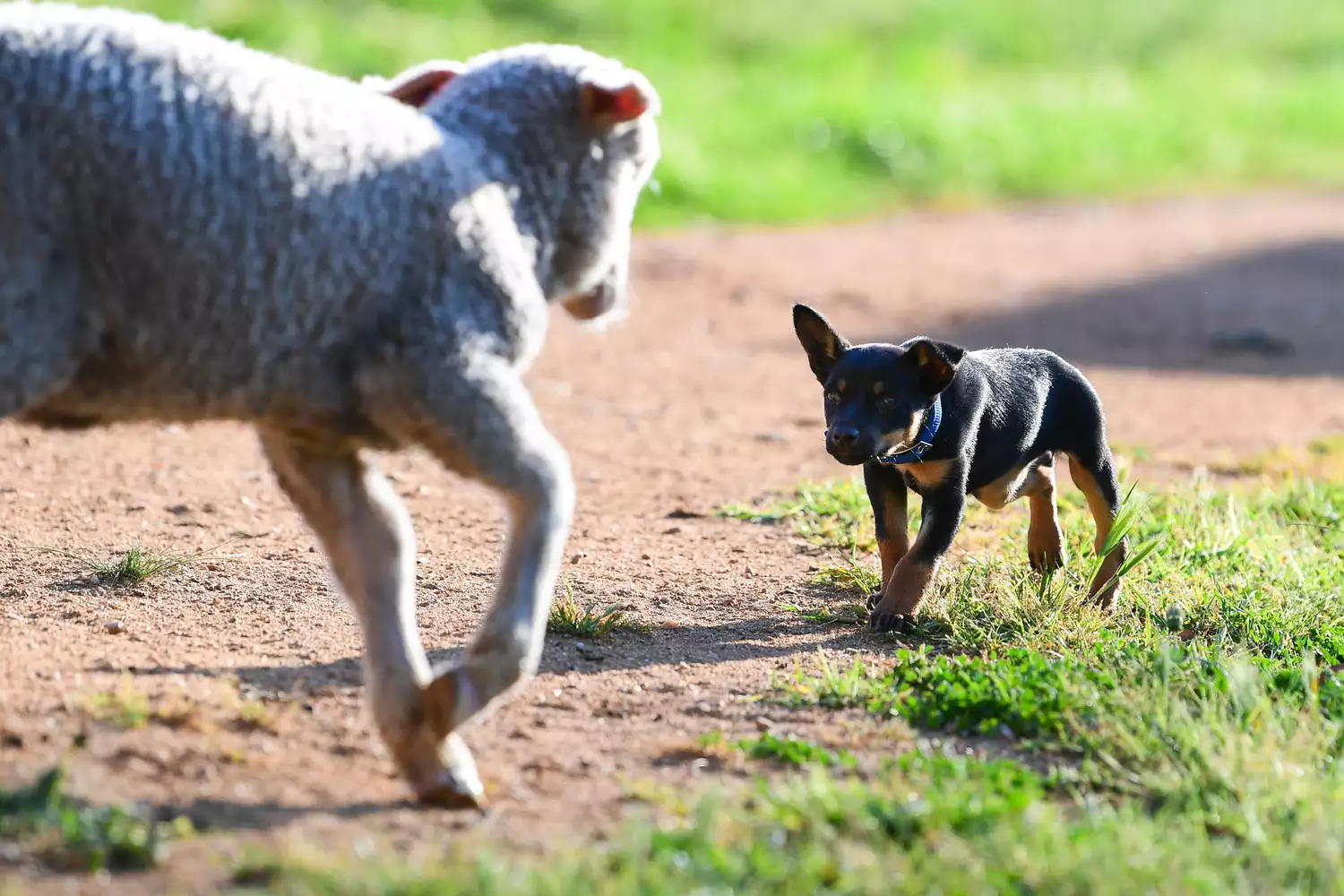
The Australian kelpie is a medium-sized herding dog breed from Australia. Known for their athletic builds and energetic personalities, these dogs are highly intelligent and driven. They thrive on hard work and need tasks to stay engaged; being idle at home does not suit them. Most working Australian kelpies herd sheep, but some also manage cattle.
Discover more about the Australian kelpie to determine if this breed is right for you.
Breed Overview
GROUP: Herding (UKC)
HEIGHT: 17 to 20 inches
WEIGHT: 30 to 45 pounds
COAT: Moderately short, straight, and weather-resistant with a brushy tail; may be longer on the neck and the backs of the thighs
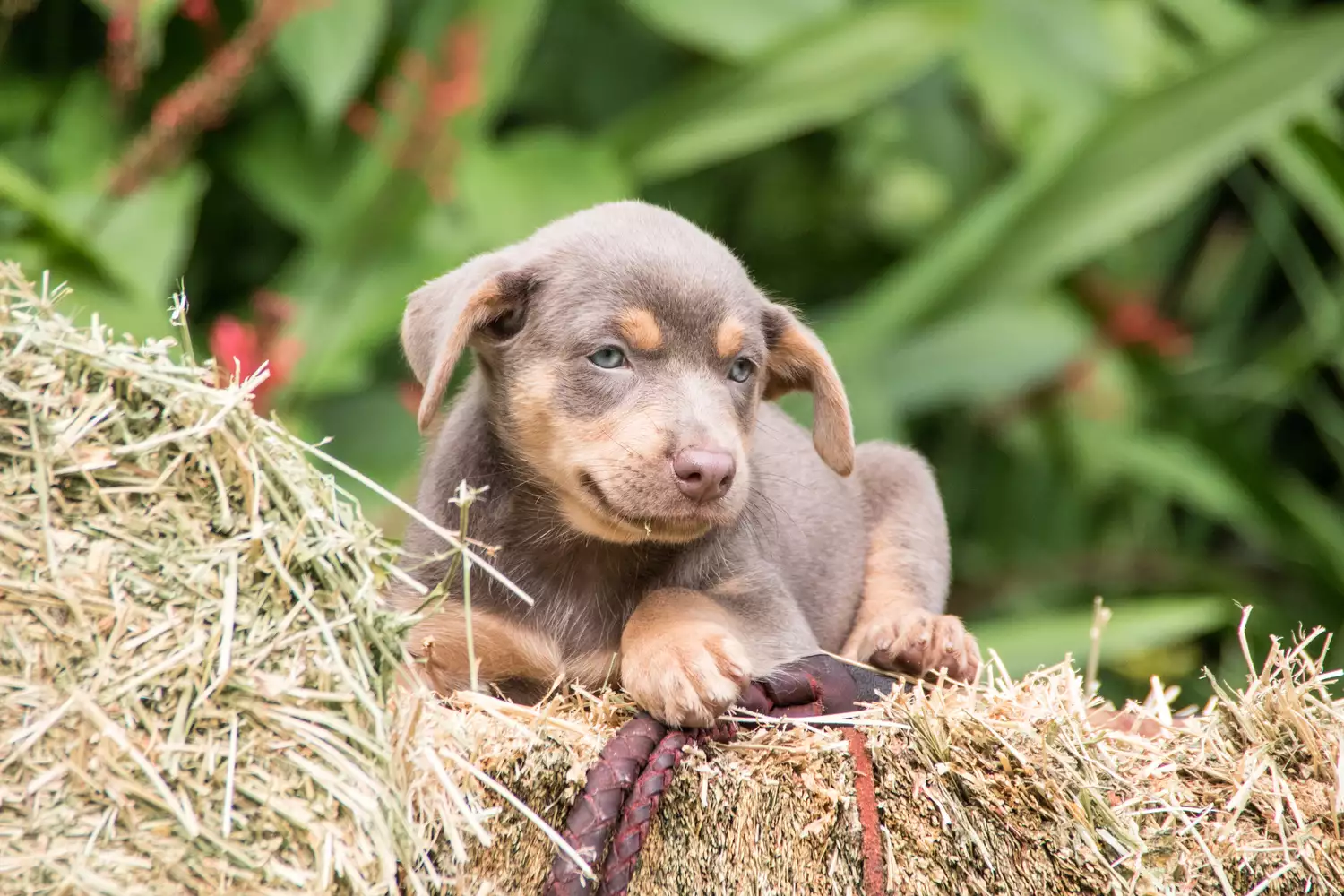
COAT COLOR: Black, with or without tan markings; blue (gray) ranging from dark to light, with or without tan markings; red ranging from chocolate to light red, with or without tan markings; tan ranging from dark to cream
LIFE SPAN: 10 to 13 years
TEMPERAMENT: Intelligent, eager, energetic, loyal, alert, friendly
HYPOALLERGENIC: No
ORIGIN: Australia
Characteristics of the Australian Kelpie
The Australian kelpie has a friendly, affectionate personality that makes them a suitable family dog.
The breed can be loving and even cuddly with children and typically gets along well with other pets. However, they might need to be discouraged from excessive herding of family members.
They are highly trainable, eager to please, and loyal. The Australian kelpie can be the ultimate companion for those who understand the breed’s special needs.
Affection Level | High |
Friendliness | High |
Kid-Friendly | High |
Pet-Friendly | High |
Exercise Needs | High |
Playfulness | High |
Energy Level | High |
Trainability | High |
Intelligence | High |
Tendency to Bark | High |
Amount of Shedding | High |
History of the Australian Kelpie
Though the name suggests the Australian kelpie breed was developed in Australia, its ancestors are in fact Scottish.
Medium-sized working collies of various types—some longhaired and some smooth, some black and tan, and some red—were imported into Australia in the late 1800s to help Australian farmers manage their enormous flocks of thousands of sheep in difficult weather and terrain.
One female considered to be the foundation of the breed was named “Kelpie,” which is the name of a shape-shifting aquatic creature in Celtic mythology. When Kelpie was eventually bred, her puppies were impressive sheepherders. The line of dogs came to be called “Kelpie’s pups,” and later, simply kelpies (without capitalization).1
Although the breed is a well-known working dog in Australia, the Australian kelpie is not as recognized in the United States since they are rarely kept as pets. However, a few thousand kelpies can be found working on ranches and farms in North America.
The Australian kelpie is part of the American Kennel Club Foundation Stock Service, the first step toward the breed’s eventual full recognition. The United Kennel Club fully recognizes the breed as a member of the Herding Dog Group. The Australian kelpie is also recognized by the international kennel club Fédération Cynologique International (Group 1: Sheepdogs and Cattle Dogs).
Australian Kelpie Care
Australian kelpies are bred to work all day in difficult conditions so they need an extreme amount of exercise. You'll only need basic grooming skills for this breed, which is helpful because you won't have time for it since you'll be out exercising your kelpie.
Exercise
If an Australian kelpie is primarily a pet, be prepared to offer hours of daily exercise and mental engagement. This can be in the form of various activities like:
Jogging
Hiking
Retrieving games
Trick training
Herding
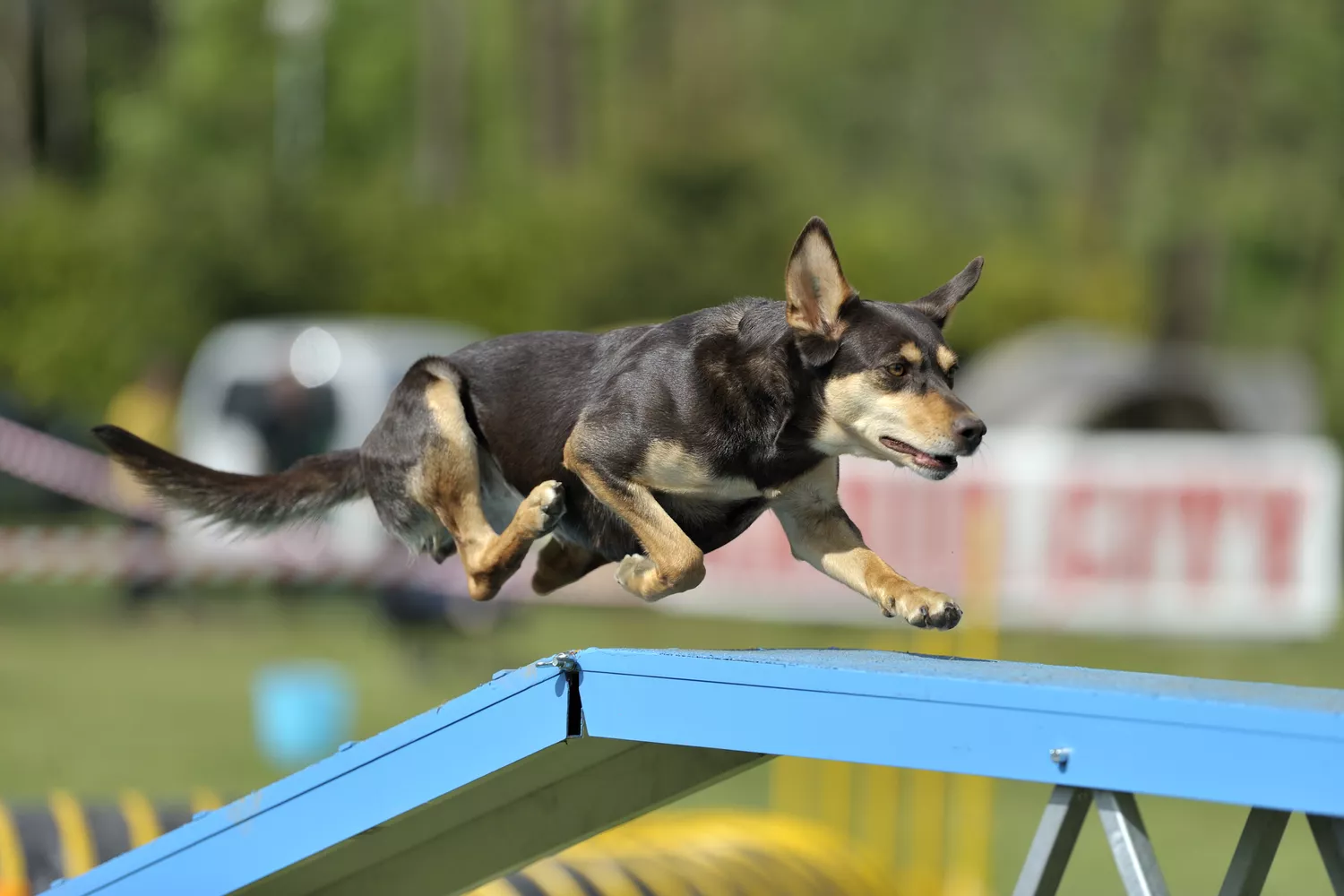
Agility
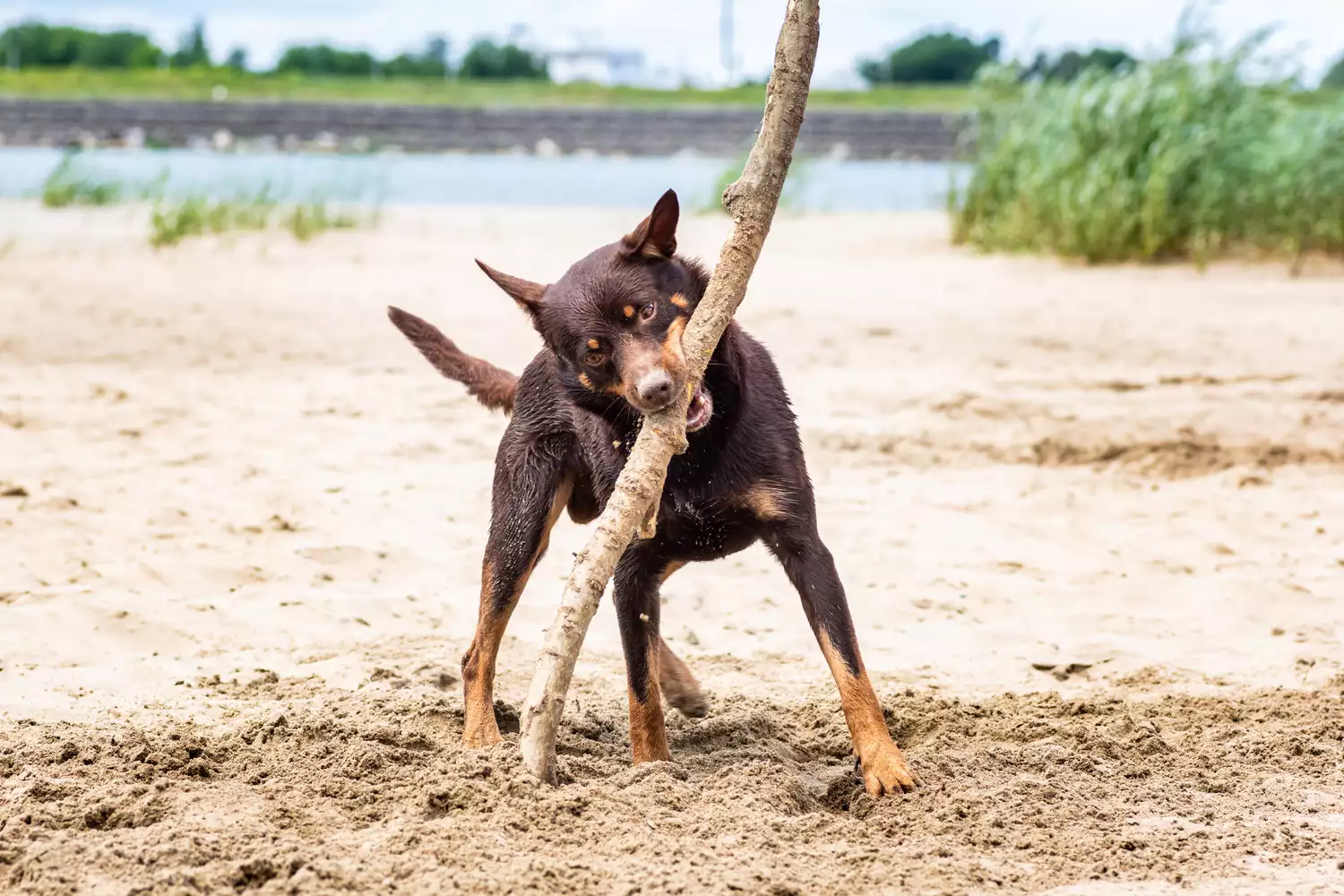
Swimming
Disc dog events
Competitive canine sports
The breed has impressive endurance; if you’re looking for a running partner, the Australian kelpie is your dog.
A kelpie isn’t meant to be on a leash at all times, so provide free running opportunities in a safe area away from traffic.
Grooming
The Australian kelpie's short, weather-resistant coat is wash-and-wear. Brush it weekly, or more frequently if you want to reduce shedding, as it sheds considerably. Bathe your dog when they become dirty.
Inspect the nails every two weeks, trimming them as needed. Working dogs may naturally wear their nails down, requiring fewer nail trims.
Check their ears monthly for debris or redness, and clean with a pet ear cleaner and cotton balls if you notice wax or debris buildup.
To help maintain your dog’s oral health, brush their teeth at least a few times a week with a canine toothpaste.
Training
Like many herding breeds, Australian kelpies are extremely intelligent and obedient. Their intelligence rivals that of the renowned border collie.
Kelpies can be trained to perform a variety of tasks and are eager to acquire new skills.
Training is an excellent way to put a kelpie’s powerful brain to work, and can go a long way toward fending off boredom. Positive reinforcement methods like clicker training give great results with an Australian kelpie.
Australian kelpie puppies require significant socialization early in life to help them accept friendly strangers and adapt to urban environments.
Also, the breed may bark excessively, particularly if not taught to stop after sounding an alarm.

Common Health Problems
Australian kelpies are in general a very healthy and hardy breed. However, as with all breeds, certain genetic issues have been identified in the Australian kelpie. These include the following:
Cerebellar abiotrophy: This is a developmental disorder of the brain. Symptoms include difficulty moving and ataxia. It is an incurable genetic disease.
Collie eye anomaly: This is a disorder that can cause several problems with the eyes including vision loss. Symptoms include sunken eyeballs, abnormally small eyeballs, and signs of blindness.
Progressive retinal atrophy: This is a group of degenerative eye diseases that can lead to blindness.2
Diet and Nutrition
Australian kelpies, especially working kelpies, need to eat energy-dense, high-quality food to fuel their active bodies. If you’re unsure what to feed your kelpie, or how much to feed, ask your veterinarian or breeder to advise you.
Excess weight contributes to joint disorders like arthritis, elbow dysplasia, and hip dysplasia, and can lead to other health issues like diabetes.
When kelpies get enough exercise, they're unlikely to become overweight, but older kelpies or those recovering from an injury might need a lower-calorie diet to prevent weight gain.
Where to Adopt or Buy an Australian Kelpie
Expect to pay between $500 and $1,500 for an Australian kelpie puppy from a breeder.
Rescues are more challenging to find, but inquiries can be made.
For more information, visit these websites:
The Working Kelpie – USA
Australian Kelpie Rescue
AKC Kelpie Breeders
Australian Kelpie Overview
The Australian kelpie is not a good choice for the average pet parent, but if you’re looking for a performance or working dog, the breed may be a great fit. Different breeders specialize in different types of working ability. For instance, you might want a dog with different qualities depending on if you want an Australian kelpie to work on a large sheep ranch, herd cattle, or one that is well-suited to help out on a small hobby farm.
Pros of Australian Kelpies
Intelligent and highly trainable
Loyal, friendly, and hardworking
Low-maintenance coat
Cons of Australian Kelpies
Needs huge amounts of exercise
Requires daily mental stimulation
Barking can be an issue
The Fascinating World of Australian Dogs: 9 Breeds from Down Under
More Dog Breeds and Further Research
The Australian kelpie is a beautiful dog that may be tough to keep in the average household because of their breeding and physical needs. But if you like the Australian kelpie, you might also like these breeds:
Australian Shepherd
Blue Heeler (Australian Cattle Dog)
Border Collie
Otherwise, check out all of our other dog breed articles to help you find the perfect dog for you and your family.



