King Shepherd: Dog Breed Characteristics & Care
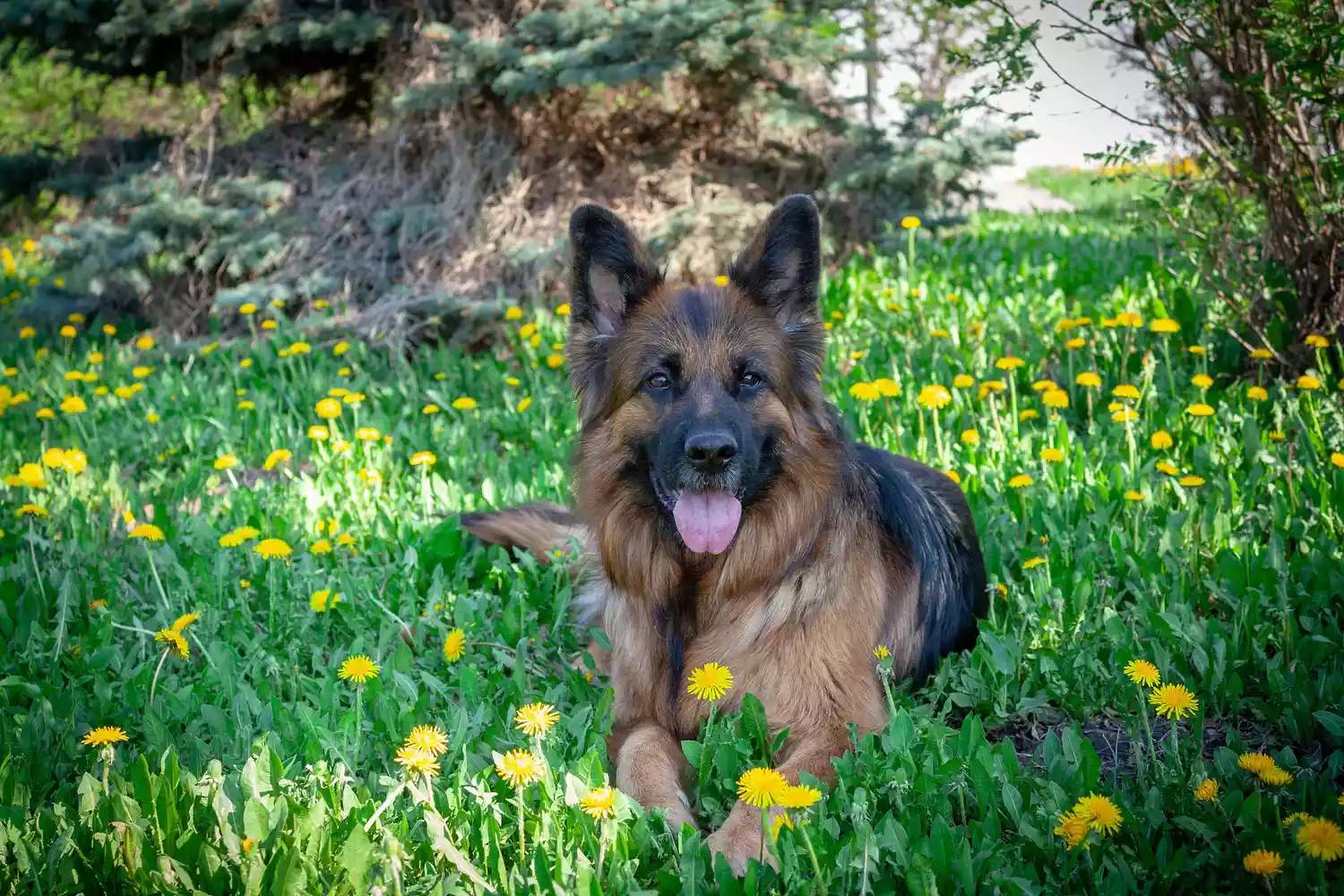
The king shepherd is a giant breed dog originating from the United States, characterized by pointed ears, a long snout, and dense fur covering a strong, sturdy body. Although not recognized by the American Kennel Club (AKC), these dogs retain many personality traits from their mixed origins.
As their name suggests, king shepherds are large hybrid dogs resulting from the crossbreeding of German shepherds and Shiloh shepherds. Their massive size distinguishes them from their close relatives. They are just a bit smaller and lighter than a wolf.
Learn all about the king shepherd’s history, care needs, temperament, and more.
Breed Overview
Group: Hybrid
Height: 27 to 31 inches (males); 25 to 27 inches (females)
Weight: 90 to 150 pounds (males); 75 to 110 pounds (females)
Coat: Long, course, and either straight or wavy
Coat Color: Black, white, tan, brown, gray, or silver
Life Span: 10 to 11 years
Temperament: Intelligent, calm, friendly, loyal, protective
Hypoallergenic: No
Origin: United States
Characteristics of the King Shepherd
King shepherds have very calm, adaptable personalities, and are generally very friendly. These dogs are a great choice for families with kids, as they're typically very gentle with children and other pets.
They're best suited for single-family homes with fenced-in outdoor spaces due to their large size and high exercise needs. These dogs can live in an apartment if they have the ideal space, but a house is better suited for their needs. In an apartment, a large crate is required.
King shepherds can serve as efficient working dogs or be content as companions, and their level of intelligence makes them easily trainable.
They are also loyal and protective of their family, but not aggressive. However, this breed bonds closely with their humans, and can become destructive in the house when left alone too often.
Affection Level | Moderate |
Friendliness | Moderate |
Kid-Friendliness | High |
Pet-Friendliness | Moderate |
Exercise Needs | High |
Playfulness | High |
Energy Level | High |
Trainability | High |
Intelligence | High |
Tendency to Bark | High |
Amount of Shedding | High |
History of the King Shepherd
The terms "designer breed" or “hybrid dog” may include dogs like Labradoodles and Yorkipoos, but also refer to the giant, rugged-looking king shepherd.
Originating in the United States in the 1990s, these dogs were originally bred to create a German shepherd mix that had fewer health issues than a purebred German shepherd.
American breeders David Turkheimer and Shelley Watts-Cross first bred a German shepherd with a Shiloh shepherd (a hybrid of the German shepherd and Alaskan malamute) to elevate the best qualities of the German shepherd.
In order to achieve the long-haired look they wanted, the breeders also incorporated long-haired German shepherds from European lineages. These European lines didn't just give king shepherds their distinctive coats, but also boosted genetic variation. This was essential to reduce the risk of genetic issues that have become common in longstanding lineages because of inbreeding.
Because the king shepherd is a relatively new breed—and still fairly rare among American families—it is not yet recognized by the American Kennel Club. It is, however, recognized by the American Rare Breed Association (ARBA), World Wide Kennel Club (WWKC), and Eastern Rare Breed Dog Club (ERBDC), among additional smaller organizations.
17 Dogs That Look Like German Shepherds
King Shepherd Care
If you're looking for a low-maintenance dog, the king shepherd may not be the right pet for you. Between their grooming and exercise requirements, king shepherds need lots of time, energy, and attention in order to thrive.
Exercise
King shepherds are a high-energy breed that needs extensive exercise. Strenuous activity for at least one hour per day is a must. These dogs thrive in active, single-family homes with lots of space to run, walk, explore, and play.
Playing games like fetch, tug-of-war, or hide and seek are great ways to keep this breed entertained. These dogs also excel in canine sports like agility training.
Because they're very intelligent, king shepherds benefit from exercise routines that incorporate mental stimulation. Also, they can become bored very easily, so it's vital to keep them engaged—and exercised—to prevent them from becoming destructive.
Grooming
King shepherds have thick, double coats that shed heavily. Brushing your dog several times per week (or even daily) can help reduce shedding and keep their coat healthy, clean, and tangle-free. It is very important to have a dog vacuum when owning a king shepherd.
When it comes to baths, the king shepherd only requires standard bathing every three to four months. Check your dog's ears and clean their teeth regularly to prevent infections.
If your king shepherd is especially active, running and walking can help keep their nails worn down, but trimmings should be performed as necessary.
Training
King shepherds are highly intelligent dogs, making training relatively simple for pet parents that are consistent and engaging.
Basic obedience lessons can start in puppyhood between 8 and 16 weeks of age, while more involved training should continue through the dog's life. Because king shepherds are so eager to please their family, they can learn simple commands fairly quickly.
Begin socializing your dog when you first bring them home to ensure they stay friendly and well-mannered with strangers and other animals.
Common Health Problems
While king shepherds are generally healthy dogs, they're still prone to certain health issues like most breeds. Responsible breeders will test parent dogs for inherited diseases to prevent passing problems on to puppies; however, this breed's genetic variation does offer additional protection against genetic disorders.
The following are common conditions that king shepherds may experience:
Elbow and hip dysplasia: These conditions cause malformations in the joints as they grow, which can lead to pain, instability, or weakness. Dysplasia is especially common in large-breed dogs.
Von Willebrand disease: This genetic disorder affects the blood's ability to clot after injury.
Hypothyroidism: Affecting the thyroid, this endocrine disease reduces your dog's metabolic rate, which can lead to weight gain and other health problems in the future.
Gastric dilatation-volvulus (GDV or bloat): Common in large and giant breeds, this consists of gases expanding in the stomach that cause it to twist. Your veterinarian may recommend preventative surgery to tack the stomach down.
Eye issues: Specific to the breed issues include pannus, glaucoma, and corneal dystrophy.
Allergies: King shepherds are at risk for skin allergies like canine atopic dermatitis.
Diet and Nutrition
Feed your king shepherd a high-quality diet with plenty of protein. This breed typically eats between 3 and 4 cups of dry food per day, and it's important to split these portions into several smaller meals to help prevent bloat.
Since king shepherds are also prone to joint problems, be especially mindful of your dog's weight. Canine obesity or excessive weight gain can put added stress on your dog's joints.
To create a meal plan with the proper nutrients and portions, talk to your veterinarian about the best diet based on your specific dog's age, weight, and activity level.
Where to Adopt or Buy a King Shepherd
Since king shepherds are still a new dog breed, they're not as likely to be found in shelters as their German shepherd cousins. Visit your local shelter to meet similar dogs in need of forever homes.
If you plan to purchase a king shepherd puppy, it's essential to research responsible breeders that readily provide the litter's family medical history. Your breeder should also allow you to meet the litter's parents and see the conditions in which their dogs are kept.
These puppies typically cost between $1,500 and $2,500, but prices may vary based on pedigree and availability.
To start your search, check out these breeding clubs:
American King Shepherd Club International (recognized by the ARBA)
King Shepherd Club of America
King Shepherd Overview
Before adding a king shepherd to your family, ensure that your home, schedule, and lifestyle can accommodate this large, energetic breed. These dogs require considerable grooming and daily strenuous exercise.
Pros of King Shepherds
Sweet, gentle, and good-natured with children and other pets
Loyal to family, but not aggressive
Intelligent and easy to train
Cons of King Shepherds
Requires daily grooming to prevent excessive shedding
Very high exercise needs; may become destructive when bored
Not suitable for apartments or homes without outdoor space
10 Gentle Giant Dog Breeds That Make Great Pets
More Dog Breeds and Further Research
If you love the king shepherd, you may also like these similar breeds:
German shepherd
Alaskan Malamute
Czech Sheepdog
Miniature American Shepherd
There's a whole world of dog breeds out there that can join your family. With a little research, you can find the perfect match for your home!



