Briard: Dog Breed Characteristics & Care
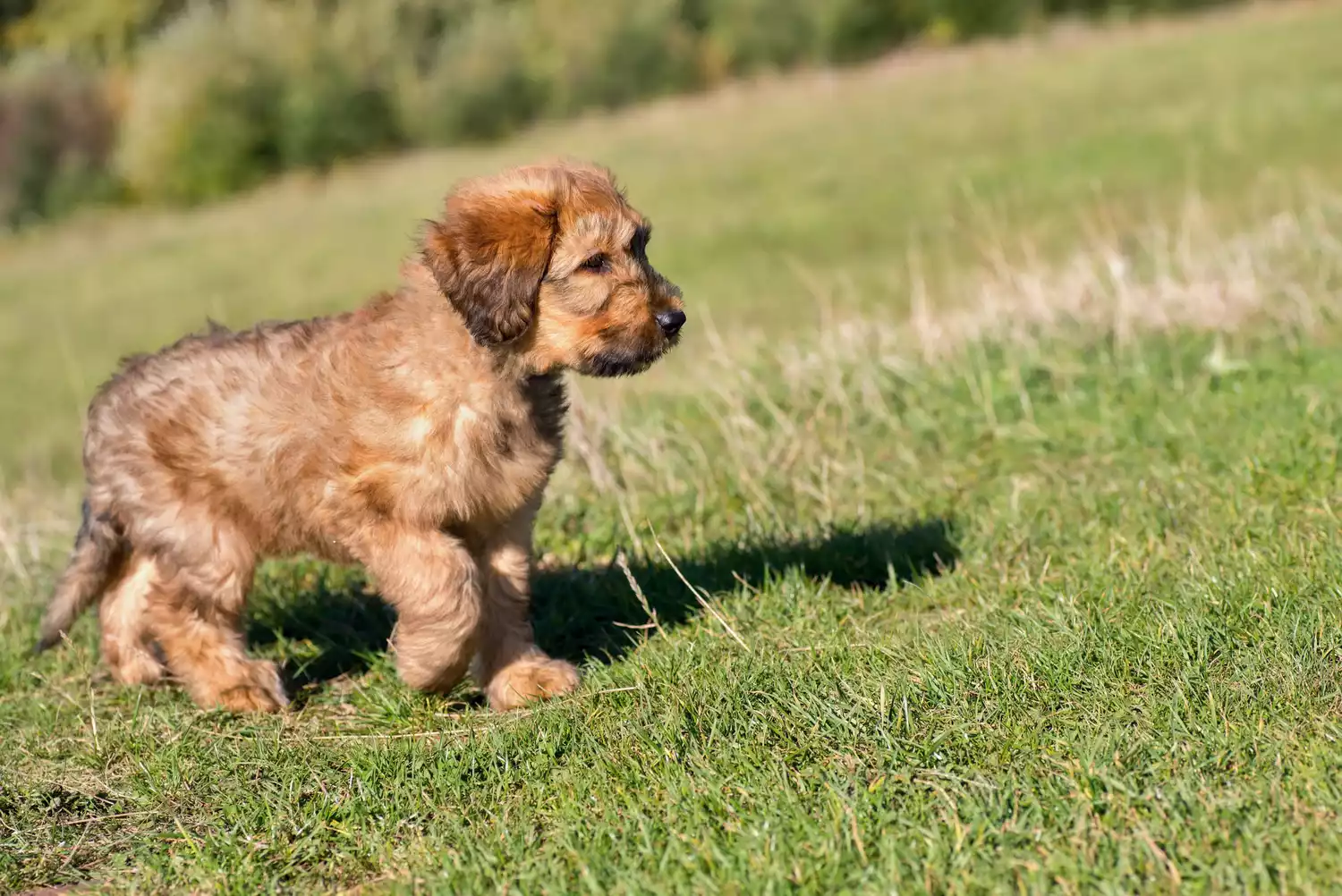
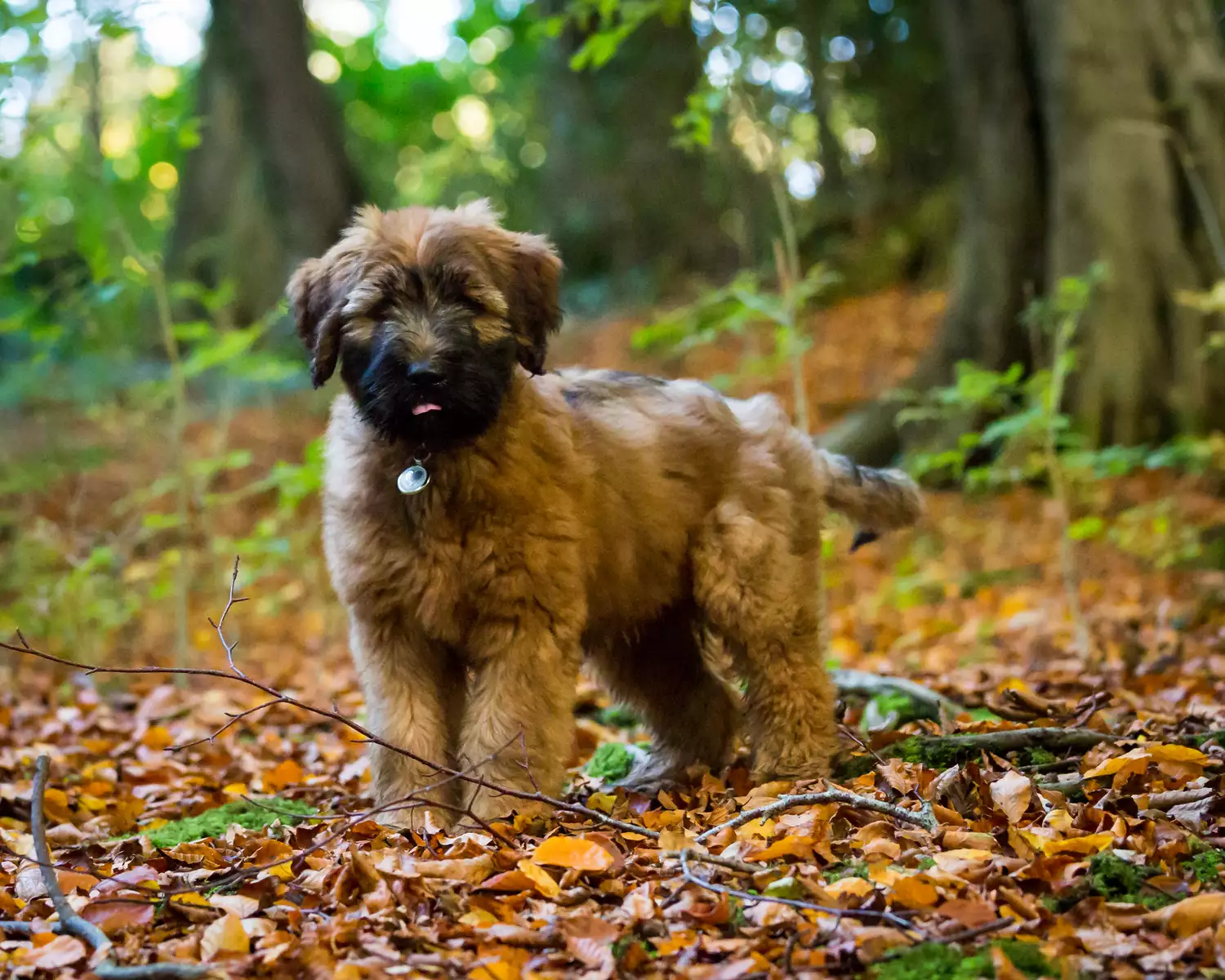
The briard dog is a large herding breed from France with either floppy or pointed ears, a sturdy body, wavy fur, and shaggy facial hair. These quick and fearless dogs are well-known for their athleticism when it comes to herding, but it's their smart and friendly personalities that have made them such a well-loved breed.
Briards are unmistakably loving toward their humans. They do best in homes with active families that plan to spend plenty of time with their dog, and the briard's warm spirit and good nature are a perfect match for affectionate owners. Their unique looks and herding prowess have given these dogs a special place in breed enthusiasts' hearts for centuries.
Learn more about the briard’s history, temperament, and care needs.
Breed Overview
Group: Herding
Height: 23 to 27 inches (males); 22 to 25.5 inches (females)
Weight: 55 to 100 pounds
Coat: Double coat with wiry, wavy outercoat and soft undercoat
Coat Color: Solid black, gray, tawny, white, or combinations of two colors
Life Span: 10 to 12 years
Temperament: Loyal, affectionate, intelligent, companionable, active
Hypoallergenic: No
Origin: France
Characteristics of the Briard
Briards are known for their companionable temperament that is especially suited for homes with children. They can also be independent; your dog will be happiest in the company of its family, but many briards are also content with a few hours alone. Most importantly, your dog will benefit from plenty of playful activities each day when you're together.
Since they were bred to be herding dogs, briards also retain many of these working characteristics. Your dog will require considerable daily exercise to stay healthy and well-mannered at home.
This breed's herding instincts also signify a high prey drive, so it's important to introduce your briard to other animals to encourage a social personality throughout life. Thankfully, this intelligent breed is typically easy to train.
Affection Level | High |
Friendliness | High |
Kid-Friendly | High |
Pet-Friendly | High |
Exercise Needs | Medium-High |
Playfulness | Medium-High |
Energy Level | Medium-High |
Trainability | Medium-High |
Intelligence | High |
Tendency to Bark | Medium |
Amount of Shedding | Low |
History of the Briard
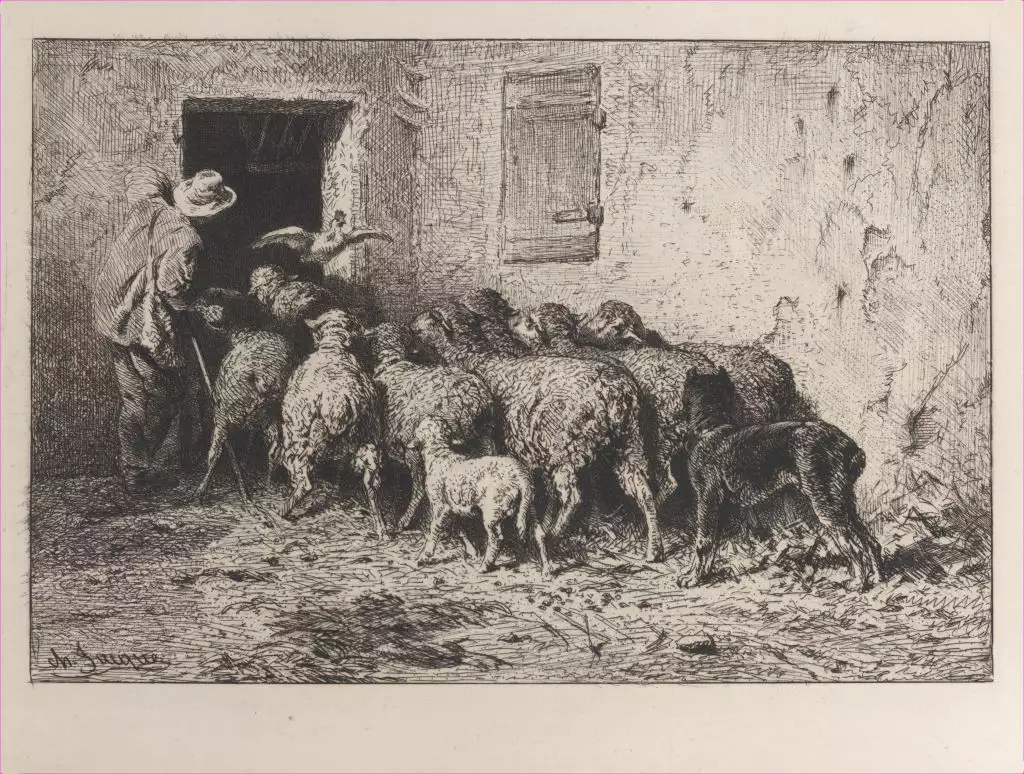
Briards have a long and storied past, appearing in popular culture as early as the 14th century. These dogs were originally bred to herd and guard sheep in the dairy belt of Northern France. The briard's name in their home region is Chien Berger de Brie, or “Shepherd Dog Brie,” referencing the popular Brie cheese from the French dairy belt.
The breed was also a favorite of Napoleon, a French revolutionary, who wasn’t known to care much for dogs in the first place. The French appreciated and revered the briard’s intelligence and athleticism. The breed was considered a “two for one” dog of sorts: briards were as capable of herding sheep as protecting them from predators (and even protecting local vegetation from the sheep).
For a long time, the briard was a mainstay on French farms, and for good reason. In addition to their herding skills, these dogs are extremely sweet-natured and affectionate.
Briards also proved incredibly useful during the French and Indian War when they were used to carry supplies, guard access points, and search for wounded soldiers. For their heroic efforts, they were named the official dog breed of the French army.
The briard's introduction to the United States can be traced back to former U.S. president Thomas Jefferson. Following a period as the U.S. Ambassador to France, Jefferson purchased a pregnant briard named Bergère in the late 1780s. He brought her home to Monticello, his Virginia estate, where the first generation of briards officially made their mark on American soil.
Over time, Jefferson had more of the breed sent over to him courtesy of his friend (and Revolutionary War hero) Marquis de Lafayette—a briard lover himself.
Today, briards are well established in American life. As family companions and workers alike, they haven’t left their herding heritage behind, as evidenced by their high trainability and protective natures.
Briard Care
While the briard can be a beloved companion, this breed requires specific care to thrive. Potential owners should prepare for daily exercise and extensive grooming. When it comes to training, the briard is an intelligent dog that typically learns new skills and behaviors quickly.
Exercise
It should come as no surprise that briards love having a job to do. This herding breed comes with a responsibility to channel its energy both physically and mentally. In most family homes, high-intensity activities like biking, hiking, and running can provide the exercise these dogs need.
For mental stimulation, play brain games with your briard. Nose work, hide-and-seek, and playing fetch are fun ways to provide entertainment for this smart breed.
Briards are happy to curl up on the couch by their humans, but walks and other activities are necessary for about 30 to 45 minutes per day.
Grooming
The long fur of a briard is prone to tangles and matting, and as such, it’s crucial to maintain a strict grooming schedule. This includes multiple brushings a week in addition to general care like teeth brushing, ear cleaning, and nail trimming.
On the bright side, briards are light shedders, and while they’re not hypoallergenic, they do leave considerably less fur around than other large, long-haired breeds.
Training
As for training, the briard is always open to learning new tricks and skills. Since they are more than capable of thinking for themselves, their intelligence can occasionally work against them in training.
These dogs might not always put your requests first when training begins, but once they get the hang of a new skill, they're sure to excel at it. This is true for everything from competitive dog sports to service roles.

Common Health Problems
Briards are known to be quite healthy dogs, but like most purebreds, they may experience some inherited health problems. Potential owners should research responsible breeders before adopting a puppy. Breeders can provide health clearances for their puppies, including those from the Canine Eye Registry Foundation and the Orthopedic Foundation for Animals.
Common conditions associated with this breed include:
Elbow and hip dysplasia: Dysplasia is caused by a malformation in your dog's joints as they age. Severe cases may require surgery to help your dog live comfortably.
Von Willebrand disease: This disorder prevents the blood from clotting normally. You should actively help your dog avoid injury.
Progressive retinal atrophy: Affecting the retina in your dog's eye, this disease eventually causes blindness.
Hypothyroidism: Also known as underactive thyroid, this disease inhibits the body from producing normal levels of hormones.
Gastric dilatation-volvulus (GDV or bloat): Common in large dogs, this condition occurs when gases build up in your dog's stomach and cause it to twist. Your veterinarian may recommend preventative surgery to tack the stomach down.
Diet and Nutrition
Feed your briard high-quality dog food at least twice per day. Since this large breed is prone to Bloat, it's best to plan several smaller meals per day rather than one large portion.
Foods high in protein and optimized for your specific dog's age, weight, activity level, and health conditions are best to ensure their nutritional needs are met.
Because briards need a lot of exercise, feel free to supplement with treats in addition to meals, though always keep a close eye on your dog’s weight and adjust daily caloric intake as needed. Your veterinarian can provide a healthy meal plan for your dog in different stages of life.
Where to Adopt or Buy a Briard
Briards aren't the rarest dog breed, but it's not very likely to find these dogs in rescues. Visit your local shelter to meet similar dogs in your area, or contact breed-specific rescues to adopt a briard in need of a forever home.
If you plan to buy a briard puppy, it's essential to find a responsible breeder. Ensure you're provided with the litter's health screenings and are able to meet their parents. These puppies typically cost between $1,000 and $1,500, but prices can be as high as $3,000 depending on pedigree and availability.
The following resources for breed-specific rescues, the national breed club, and the AKC can help you start your search:
Briard Rescue Trust
Briard Club of America
AKC Briard Breeders
Briard Overview
For the right active household, the briard can make a great pet. These dogs need a lot of physical and mental activity daily. Their affectionate personality makes them get along with adults and children alike, but a high prey drive might make them unsuitable for homes with other pets.
Pros of Briards
Incredibly sweet, eager to please their humans
Independent and not overly needy, but loves time with family
Great with children
Cons of Briards
Requires a lot of grooming
Needs mental stimulation to prevent destructive behavior when bored
High exercise needs
10 Best Farm Dog Breeds for Work and Companionship
More Dog Breeds and Further Research
If you love the briard, you may be interested in these similar breeds:
Belgian Sheepdog
Bearded Collie
Polish Lowland Sheepdog
There are so many great dog breeds out there that can join your family. With a little bit of research, you can find your next best friend!



