Australian Cattle Dog (Blue Heeler): Dog Breed Profile, Characteristics, and Care
The Australian Cattle Dog, also known as the blue heeler, is a robust, medium-sized herding dog originating from Australia. Their dense coat has a thick underlayer and a short, weather-resistant outer layer. Blue heelers are known for being hardworking, intelligent, and loyal to their owners. Historically, they were bred to work on farms as herders and flourish when they have tasks to perform.
Learn more about the history, care, and characteristics of the blue heeler.
Breed Overview
GROUP: Herding
HEIGHT: 17 to 20 inches
WEIGHT: 35 to 50 pounds
COAT: Dense double coat
COAT COLOR: Blue or red in mottled or speckled patterns
LIFE SPAN: 12 to 16 years
TEMPERAMENT: Loyal, active, intelligent
HYPOALLERGENIC: No
ORIGIN: Australia
Characteristics of the Blue Heeler
With their strong work ethic, blue heelers become deeply attached to their owners, earning the nickname "shadow dogs" because they dislike separation.
Extremely active, they make excellent running or hiking companions.
While affectionate with family, they are often wary of strangers. When socialized well, they generally get along with other household dogs and dog-friendly cats.
The breed's distinctive blue or red coat is noteworthy, but surprisingly, blue heeler puppies are initially born with white fur. In their first few months, their coats develop blue or red colors, often with speckles or a mottled appearance.1
Affection Level | High |
Friendliness | High |
Kid-Friendly | Medium |
Pet-Friendly | Medium |
Exercise Needs | High |
Playfulness | High |
Energy Level | High |
Trainability | High |
Intelligence | High |
Tendency to Bark | Medium |
Amount of Shedding | Medium |
History of the Blue Heeler
According to the American Kennel Club, Australian settlers bred the blue heeler during the 19th century to help ranchers on the ever-expanding cattle ranches in the Australian grasslands. After many breedings and cross-breedings, ranchers developed a strong canine to handle Australia’s harsh climate.
Dogs brought to Australia from England were bred with the native Australian dingo to create the ancestors of the blue heeler, or Australian cattle dog, we know today.
In May 1980, the Australian cattle dog was accepted for registration by the American Kennel Club. The breed became eligible for show in the Working Group in September of that year and was transferred to the Herding Group in 1983.
Blue Heeler Care
Blue heelers thrive on being physically active, so they aren’t suitable for people who don’t have the time for these energetic canines. However, they are easy when it comes to grooming needs, and aren’t difficult to train.
Exercise
Exercise is a critical part of a blue heeler’s life. Because of their hardworking heritage, the breed craves regular physical and mental stimulation each day. They need at least a 30-minute walk, opportunities to run around, and an outlet for their herding instincts.
A variety of puzzles, chews, and tug toys can help your dog stay satisfied. You can keep your dog entertained with a treat-dispensing puzzle or a rubber toy filled with peanut butter or another treat.
If a blue heeler does not get an outlet for their energy, they can become bored and left to their own devices for entertainment—which could mean chewed-up shoes, furniture, or other destruction in the home.
This breed loves living in homes with a fenced yard or a safe property to run in. In addition, blue heelers don’t like to be left alone for long periods, especially in small spaces, so bring your pal along when going for a walk, hike, or swim.
Grooming
Blue heelers are not high-maintenance in terms of grooming. Bathe them as necessary, trim their nails once a month, brush their teeth daily, and clean their ears on occasion to promote wellness.
Their two-layered coat does need extra attention during times of the year when they do a lot of shedding—for example, during the spring when they shed their winter coat. During this time, it’s important to brush your blue heeler frequently to remove the hair. You'll need an undercoat rake or comb to do the best job.
This is not a breed prone to excessive drooling or doggy odor.
Training
The blue heeler is easy to train because they are intelligent and energetic.
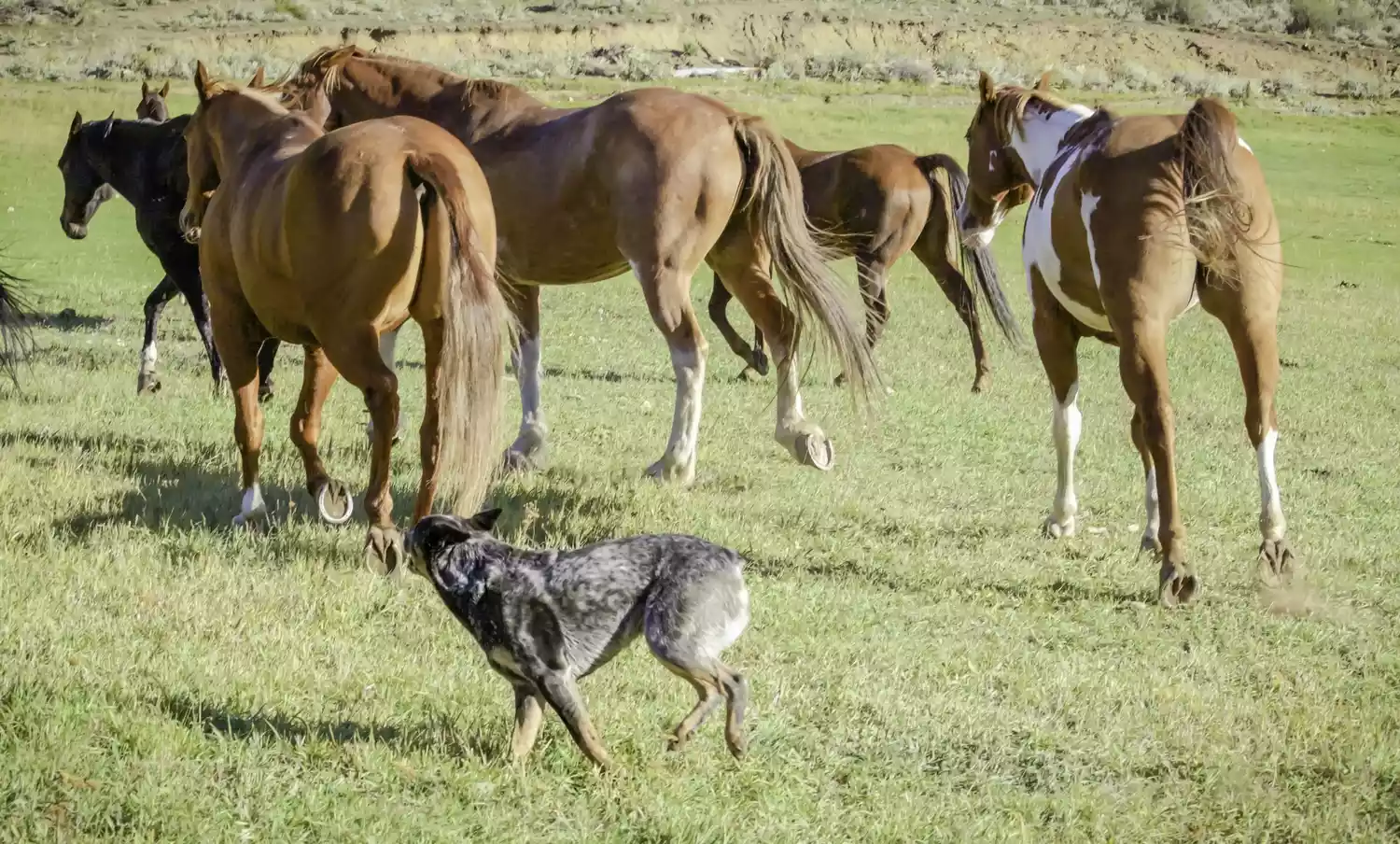
They will herd everything and anything that moves, including children and other pets. For this reason, blue heelers need early socialization and training to understand which behaviors are unacceptable. If early training is neglected, they may nip at running kids or play too rough with other animals.
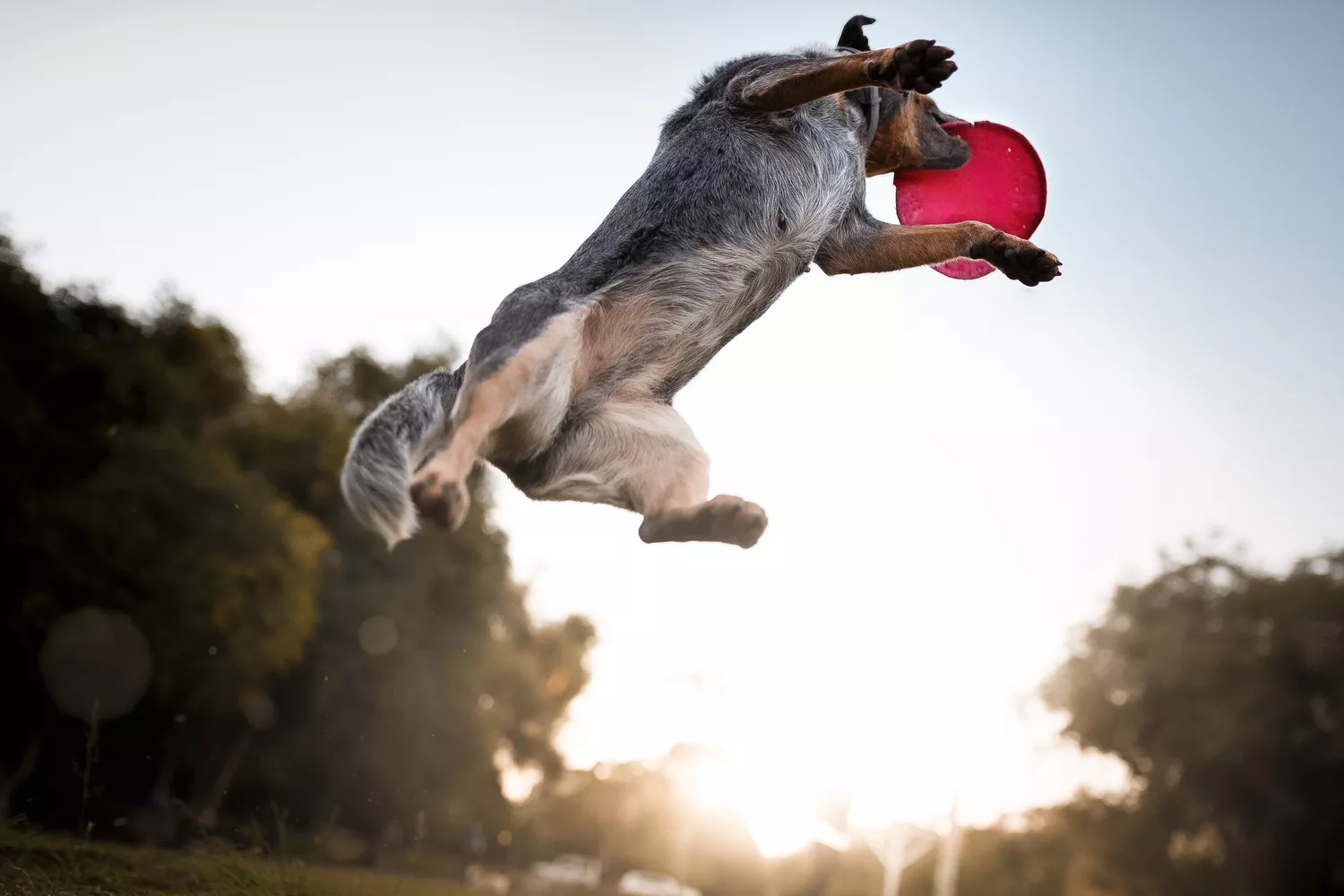
These dogs often excel at canine sports such as agility, flyball, herding competitions, or obedience trials. Plus, the time spent training and interacting with your blue heeler is a good way to not only stimulate their mind but also to further develop the bond between you and your pet.
Common Health Problems
Although blue heelers are generally considered healthy, the following conditions may affect them:
Cruciate ligament tears: These are powerful, athletic dogs. so their joints and ligaments can undergo wear and tear. Tearing of the cruciate ligament (similar to the ACL in humans) is always a concern, so any signs of limping or pain should be checked by a veterinarian.
Hip dysplasia: This condition affects the hips. Signs include limping, "bunny hopping" where both hind limbs move together in a hop-like gait, avoidance of physical activity, and stiffness—especially after a long rest.
Progressive retinal atrophy: Also known as PRA, this is an eye condition involving retinal deterioration leading to impaired vision. Pay attention to how your blue heeler sees at night and if they frequently have enlarged pupils. While this condition is painless, it can lead to complete blindness.
Deafness: Blue heelers are at risk for a genetic predisposition to deafness. Indications of deafness include a lack of responsiveness to sound, jumpiness, and unusual fits of barking.
Diet and Nutrition
Being such active dogs, it is very important to provide proper nutrition for your blue heeler, and to ensure they are taking in enough calories to keep up with their active lifestyle. Most commercial dog food diets will have an adequate balance of nutrients for dogs who spend most of their time as companions.
Blue heelers who are true working dogs or spend hours sprinting and running may benefit from performance diets suited to their specific needs as working dogs. Because these dogs are so active and we want to promote healthy joints, look for foods with glucosamine and chondroitin added, or consider adding on a good joint supplement.
As they age, you may find it beneficial to switch to a canned food diet or to soak their kibble before feeding it to them which can be easier on older dogs with fewer teeth.
Where to Adopt or Buy a Blue Heeler
If you want to purchase a blue heeler from a breeder, do your research to find one that’s reputable and takes great care of their dogs and puppies. These puppies are expensive, costing as much as $2,000.
Check your local animal shelter and rescue groups for blue heelers in need of homes. If you are adopting an older blue heeler into a family with children, check to see if the dog was trained or socialized.
A number of nationwide groups for blue heelers provide online resources to find a dog, including:
Australian Cattle Dog Rescue Association
Australian Cattle Dog Rescue, Inc.
Australian Cattle Dog Club of America
AKC Marketplace
Blue Heeler Pros and Cons
While the blue heeler is a loyal family dog, they are not the right fit for everyone. Before bringing one of these working dogs home, consider that they’re high-energy, thrive when given a job to do, can become bored and destructive, and require proper training and socialization.
Pros of Blue Heelers
Hardworking
Intelligent and curious
Loyal and eager to please
Cons of Blue Heelers
Requires intense mental and physical stimulation
Does not like being left alone
Can be stubborn
More Dog Breeds and Further Research
Before you decide on a blue heeler, be sure to do plenty of research. Talk to blue heeler owners, reputable breeders, and rescue groups to learn more. Make sure you are fully ready to take on the ownership of one of these high-energy dogs.
If you’re interested in similar breeds, check out:
Border Collie
Australian Shepherd
Texas Heeler
Miniature American Shepherd



