Alaskan Klee Kai: Dog Breed Characteristics & Care
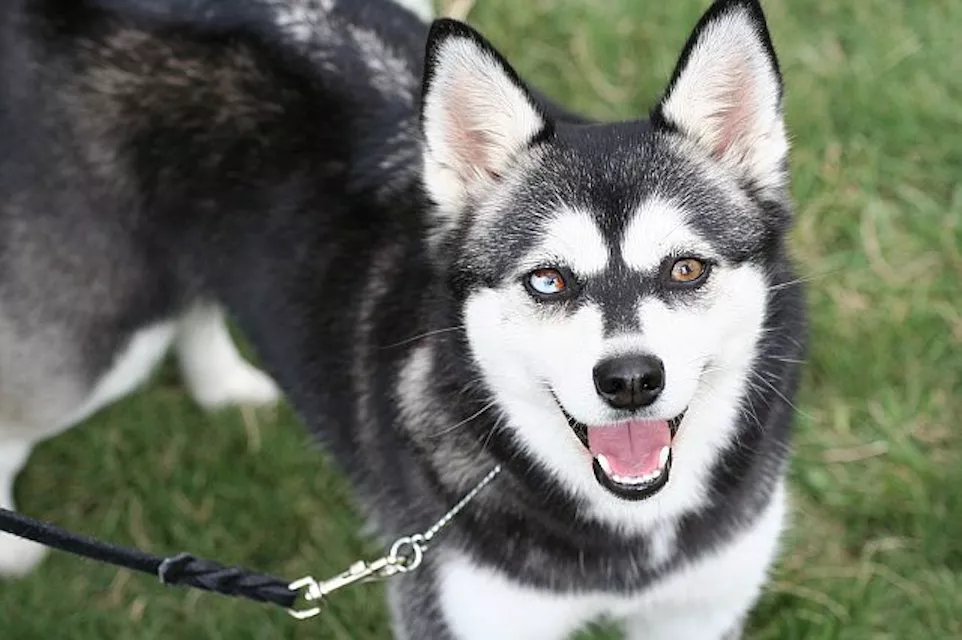
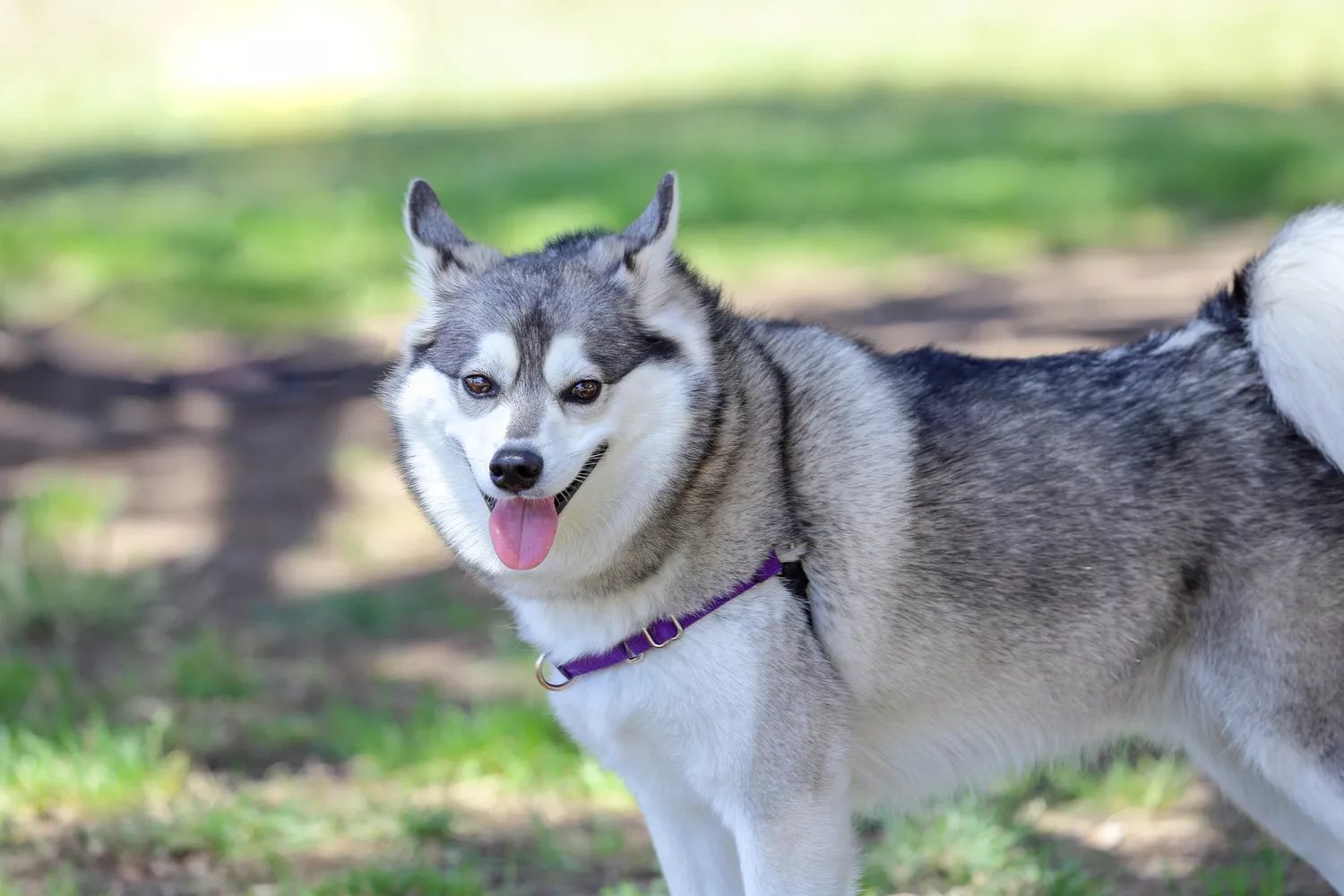
The Alaskan klee kai is a small dog breed originating in the United States that has medium-length, wiry fur and resembles a Siberian husky. The breed does, in fact, have huskies in its ancestry mixed with other breeds to diminish its size. These dogs come in three sizes: toy, miniature, and standard.
With their high energy, intelligence, and alert nature, the Alaskan klee kai can be challenging compared to some other dogs their size. Still, they're generally very loyal and bond closely with their families.
Learn more about the Alaskan klee kai, including the breed's history, temperament, and care needs.
Breed Overview
GROUP: N/A
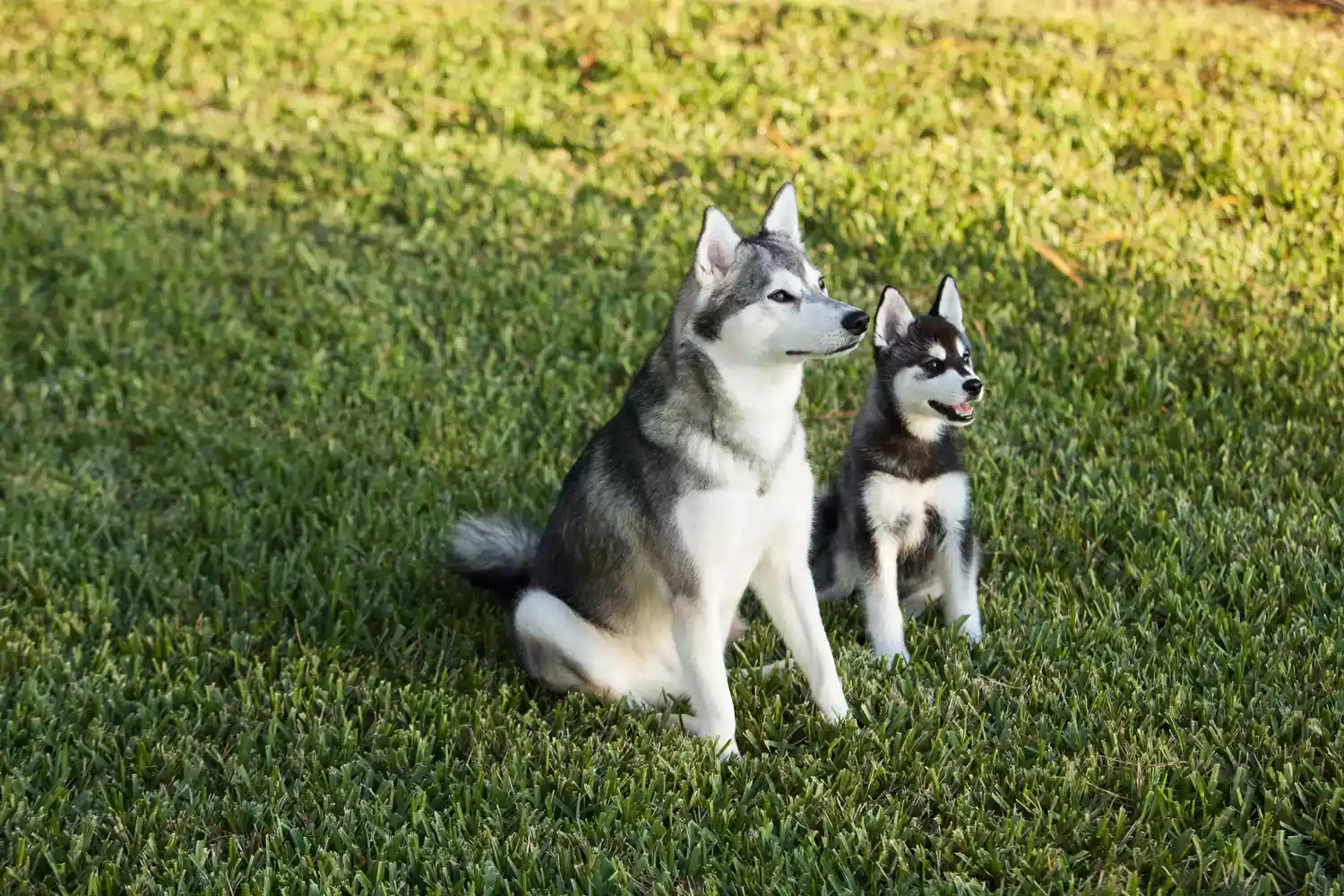
HEIGHT: 13 inches and under (toy), 13 to 15 inches (miniature), 15 to 17.5 inches (standard)
WEIGHT: 6 to 12 pounds (toy), 10 to 18 pounds (miniature), 16 to 25 pounds (standard)
COAT: Medium-length, wiry
COAT COLOR: Black and white, gray and white, or red and white
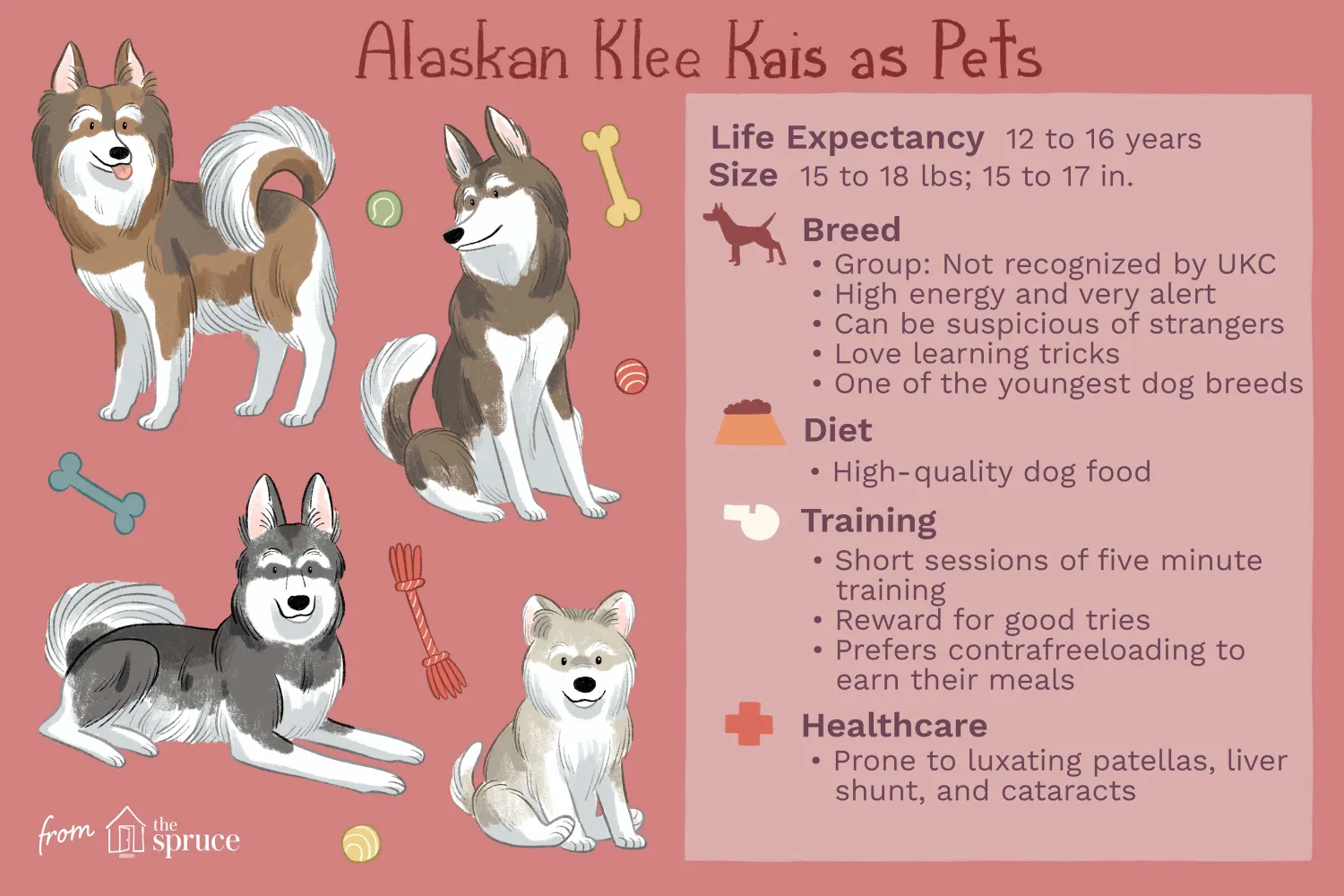
LIFE SPAN: 13 to 16 years
TEMPERAMENT: Alert, loyal, intelligent
HYPOALLERGENIC: No
ORIGIN: United States
Characteristics of the Alaskan Klee Kai
Energetic and alert, Alaskan klee kai have a playful personality and tend to love their humans, though they can be wary of strangers.
Like Siberian huskies, they require plenty of daily exercise and play. Additionally, these dogs are vocal and like to bark, so they might not be the best choice for those living in close quarters.
Affection Level | Medium |
Friendliness | Low |
Kid-Friendly | Low |
Pet-Friendly | Medium |
Exercise Needs | High |
Playfulness | High |
Energy Level | High |
Trainability | Medium |
Intelligence | High |
Tendency to Bark | High |
Amount of Shedding | Medium |
History of the Alaskan Klee Kai
An Alaskan breeder named Linda Spurlin began the development of Alaskan klee kai in the 1970s. Spurlin wanted to create a smaller version of the huskies she was familiar with that had her ideal look and temperament.
Using selective breeding, she crossed Alaskan and Siberian huskies with American Eskimo dogs and schipperkes. The result was a small dog that still could handle the rough Alaskan terrain and could be a good companion. The name klee kai comes from the indigenous Athabaskan language and means “little dog.”
While the breed is still relatively rare, it has gained popularity over the decades. The American Kennel Club does not recognize it yet, but it accepted the breed into the Foundation Stock Service, which records breeding, in 2020.
Some celebrities, such as Miley Cyrus and Joe Jonas, have also welcomed these dogs into their families, further showcasing the breed's growing popularity.
Alaskan Klee Kai Care
Alaskan klee kai are high-energy, intelligent dogs that require plenty of physical activity and mental stimulation. Though smart, they can also be stubborn, making them moderately receptive to training. Fortunately, their grooming needs are relatively straightforward.
Exercise
These dogs require an active owner who can provide at least an hour of exercise daily. A bored Alaskan klee kai can easily develop destructive behaviors or become excessively
Alaskan klee kai possess excellent endurance and enjoy being challenged mentally and physically. Some engaging activities you can enjoy with your dog include:
Long walks
Jogging
Running
Hiking
Dog sports, such as agility, weight pulling, and dock diving
Food puzzles (these can keep your dog busy when you need a break)
Ensure your dog is kept on a leash or in a secure fenced area. These dogs can be difficult to train to come when called, and despite their small size, they have the athleticism to run away quickly.
Grooming
Like huskies, these dogs have a short, dense undercoat and a medium-length, wiry outer coat. Similar to cats, they are self-groomers, but regular grooming is still necessary. They shed a moderate amount, with increased shedding twice a year in spring and fall. Brush them at least weekly to remove loose fur and prevent mats, increasing to daily brushing during heavier shedding periods.
Fortunately, the coat naturally repels dirt and stays pretty clean, so usually only the occasional bath is necessary. Check your dog’s nails once a month or so to see whether they need trimming. And aim to brush their teeth daily. Also, check the dog’s ears regularly and clean them when necessary—this is especially important if they have thyroid issues that can cause ear infections.
Training
These bright dogs are generally quick to learn and enjoy mental challenges. However, their independent, free-thinking nature can complicate training. They typically respond well to positive and rewards-based training methods. Making training seem like a game to them often is a great way to get results.
Start training as early as possible with a puppy obedience class. Socialize your dog while they’re young to help them get along well with others. Alaskan klee kai can be reserved around strangers and often bark when unsettled. Providing them with positive experiences with diverse people and situations can build their comfort and confidence.
These dogs thrive with other pets, including cats, when raised with them from puppyhood. However, they may see small animals like lizards as prey, so consider their high prey drive if you have a multi-pet home.
Supervise children when they interact with the Alaskan klee kai, especially if they are young. Teach children to be gentle with their small dog, and monitor interactions to prevent nipping.
Common Health Problems
Alaskan klee kai overall are healthy dogs. But the breed still is prone to some hereditary health issues1, including:
Patellar luxation: This problem is often seen in small dogs and affects their kneecap, causing it to slip out of place. Dogs with this condition may hold up the leg while they walk.
Autoimmune thyroiditis: This is the most common cause of primary hypothyroidism, which is when the thyroid doesn’t produce enough thyroid hormone.
Heart murmurs: When there’s turbulent blood flow through the heart, a veterinarian can hear a heart murmur, which is described as a whooshing sound. It might be a sign of a heart problem.
Eye diseases: Check your Alaskan klee kai’s eyes often to look for signs of infection or symptoms of conditions like cataracts (cloudy lens).
Factor VII deficiency: This is a bleeding disorder. A dog’s blood is unable to clot properly, so they could bleed excessively after trauma or surgery.
Diet and Nutrition
Always have fresh water available to your dog. And feed a quality, nutritionally balanced canine diet. Discuss the proper variety and quantity with your vet, as this can vary based on size, age, and other factors.
Most owners feed two measured meals per day. Putting meals in a puzzle feeder rather than a bowl can help to provide your dog with some mental stimulation.
As active dogs, Alaskan klee kai aren’t prone to becoming overweight. But it’s still important to measure their food and monitor treat intake to prevent overeating.
Where to Adopt or Buy an Alaskan Klee Kai
For a reputable breeder puppy, expect to pay around $1,500 to $3,0002, though this can vary widely. Breeders also can be difficult to find depending on where you live.
The Alaskan klee kai is a rare dog breed, so it's unlikely to often find one at an animal shelter. Still, it's always worth checking shelters and breed-specific rescue groups for one in need of a home.
To help connect you with an Alaskan klee kai, check out:
Alaskan Klee Kai Association of America
Alaskan Klee Kai National Rescue
Alaskan Klee Kai Overview
Although small and not requiring much space, the Alaskan klee kai isn't for everyone, as they can be high-maintenance and very vocal. They don’t need a complicated grooming routine but require daily exercise and can be challenging to train.
Pros of Alaskan Klee Kai
Intelligent
Loyal
Has the appearance of a husky but can live in a smaller space
Cons of Alaskan Klee Kai
Needs lots of exercise and mental stimulation
Can be wary of strangers
Can be very vocal
More Dog Breeds and Further Research
Before bringing home an Alaskan klee kai, research thoroughly to ensure the breed suits your lifestyle. Speak with veterinarians, klee kai pet parents, reputable breeders, and rescue groups. Additionally, try to meet some Alaskan klee kai in person to learn more.
If you’re interested in similar breeds, check out:
Siberian Husky
American Eskimo Dog
Alaskan Malamute
There’s a whole world of potential dog breeds out there—with a little research, you can find the right one to bring home!



