11 Majestic Facts About Great Pyrenees
The Great Pyrenees was historically used as a flock guardian, watching over and protecting sheep from any threats, including theft and predators. The breed is still used in this capacity today, though the most important job of many Great Pyrenees is that of a beloved family companion. With family, Great Pyrenees are exceptionally devoted and protective, something that extends to both humans and other animals in the family “pack”.
What is a Great Pyrenees dog?
The Great Pyrenees is a massive, white dog that is large and powerful, likely dating back to the 18th century B.C. The Great Pyrenees is an adorable gentle giant, intelligent, loyal to its family, and great with children.
Read on to learn more interesting facts about the Great Pyrenees.
01 of 11
The Great Pyrenees Is Named After a Mountain
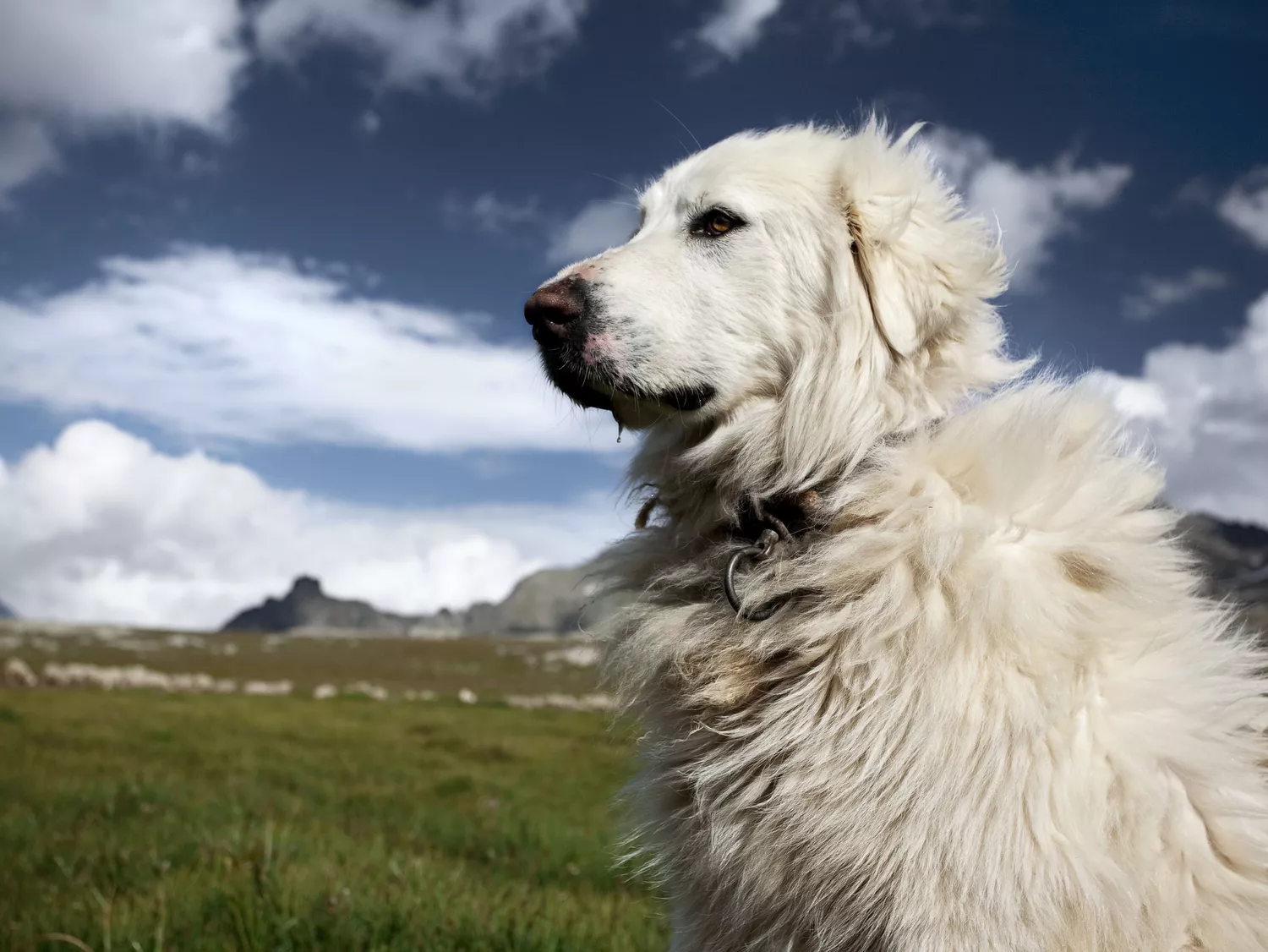
The breed takes its name from the Pyrenees Mountains, a vast range that lies between France and Spain. In these mountains, Great Pyrenees have assisted shepherds as flock guardians for millennia.
02 of 11
The Great Pyrenees Has More Than One Name
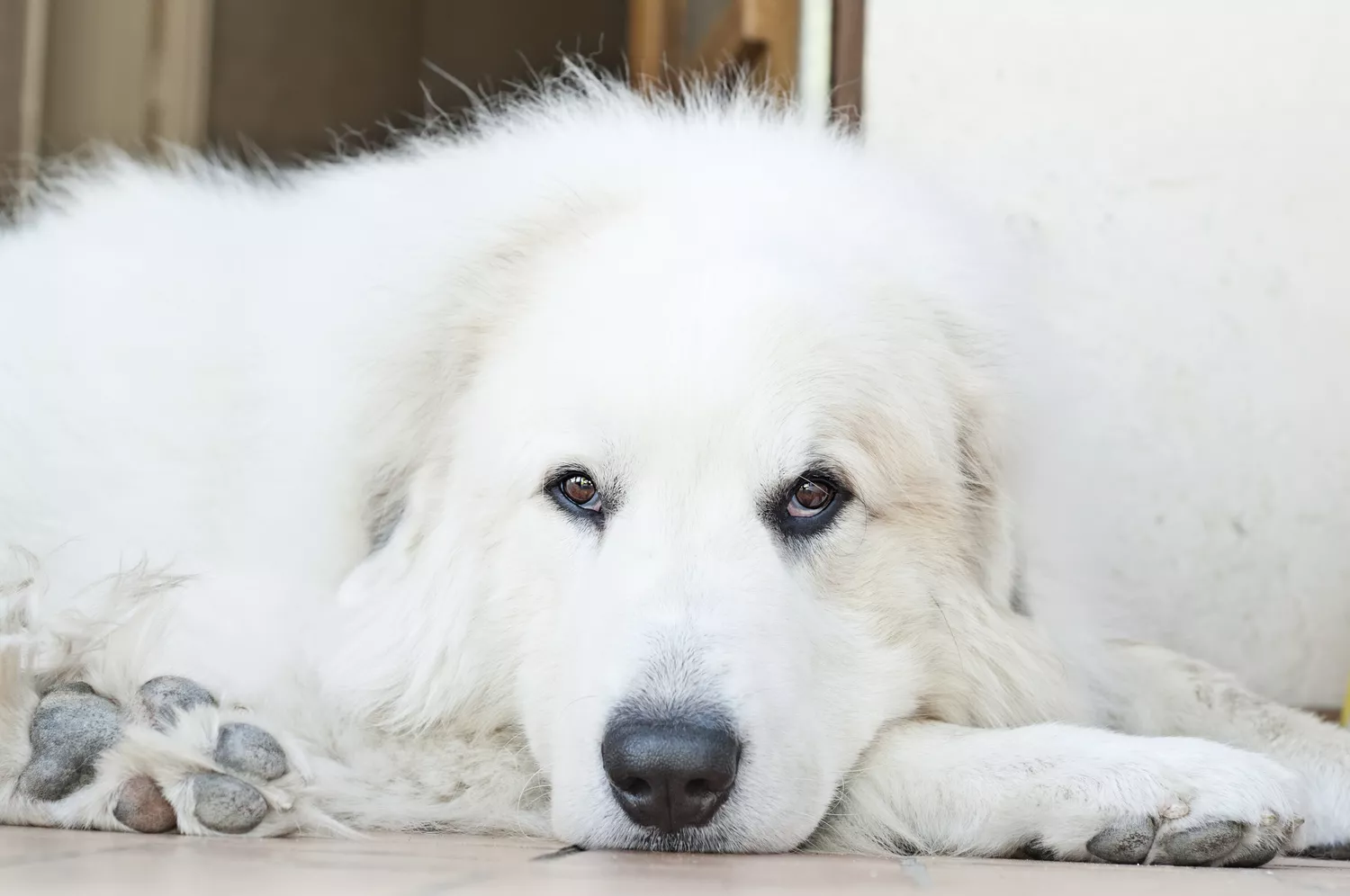
In the United States, this breed is known as the Great Pyrenees. However, in the United Kingdom and other parts of Europe, it is referred to as the Pyrenean mountain dog. In France, it has additional names: Le Chien de Montagne des Pyrenees or Le Chien des Pyrenees.
03 of 11
Great Pyrenees Puppies Grow Quickly
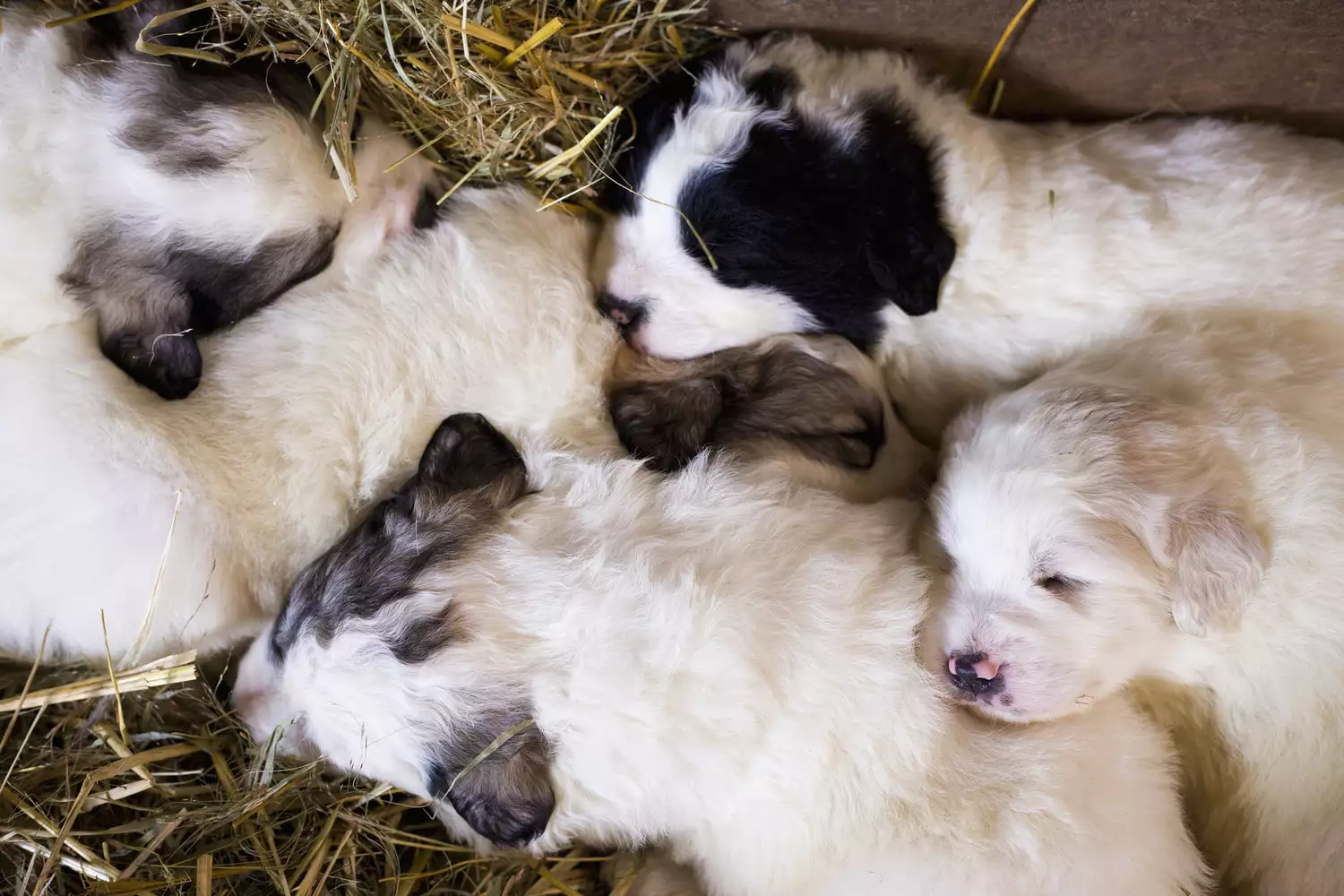
A newborn Great Pyrenees puppy weighs just 1 to 2 pounds, but by 3 months of age Great Pyrenees pups weigh 30 to 40 pounds. At maturity, Great Pyrenees males weigh about 100 pounds; females are about 80 pounds.
04 of 11
The Great Pyrenees Is Around the Same Size as a Wolf
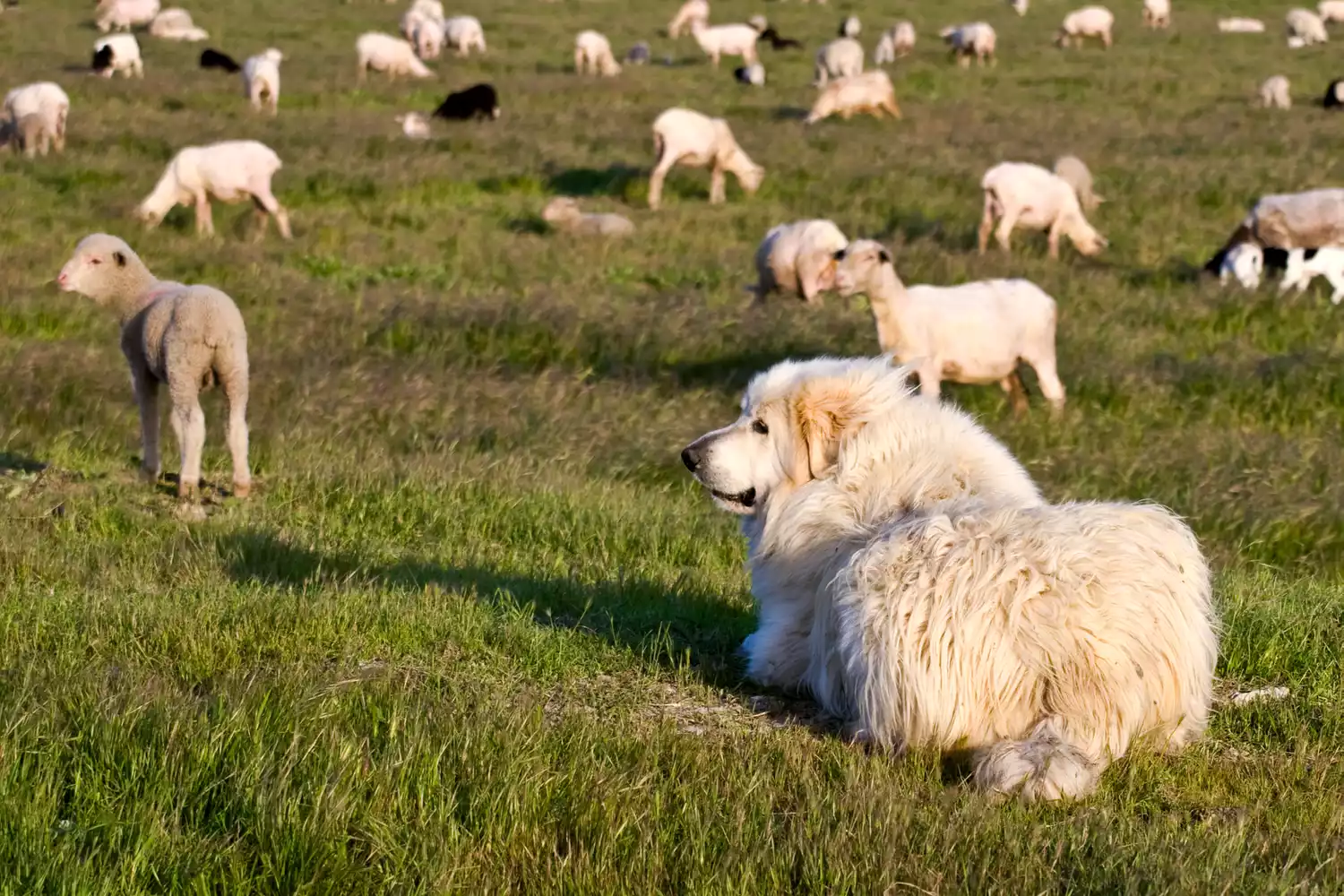
Part of the Great Pyrenees’s job was to fend off wild animals that wanted to make a meal of the sheep. To help in this capacity, the Great Pyrenees is approximately the same size as the European grey wolf (Eurasian wolf), a common predator the dogs encountered while guarding their flocks.
05 of 11
Great Pyrenees Are Not Always Pure White
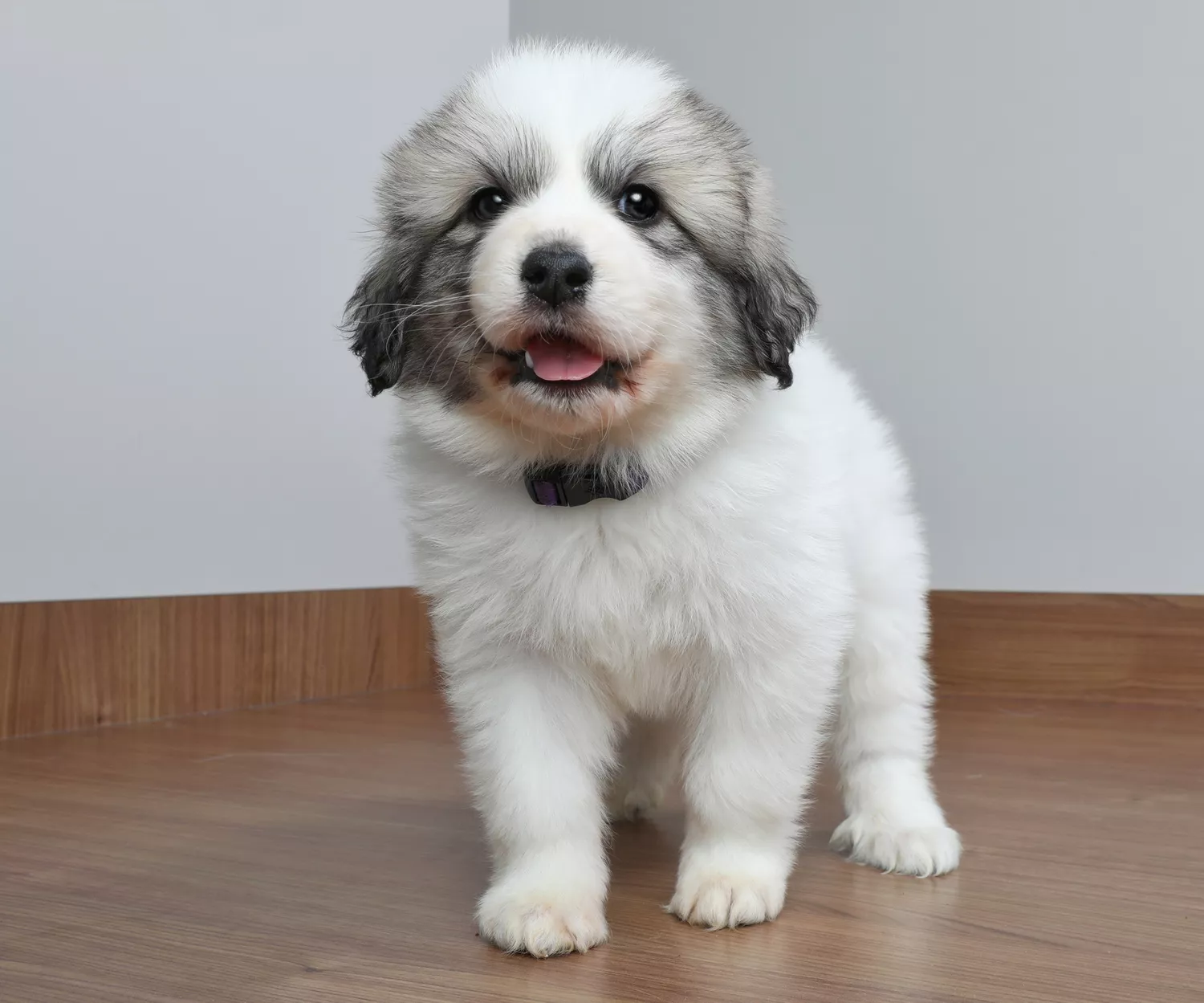
Although the body is primarily white (ranging from bright white to cream), some Great Pyrenees have gray, reddish brown, or tan markings on the ears, head, tail, and body (a few spots only). Darker markings might fade as puppies mature.
06 of 11
The Great Pyrenees is an Ancient Breed
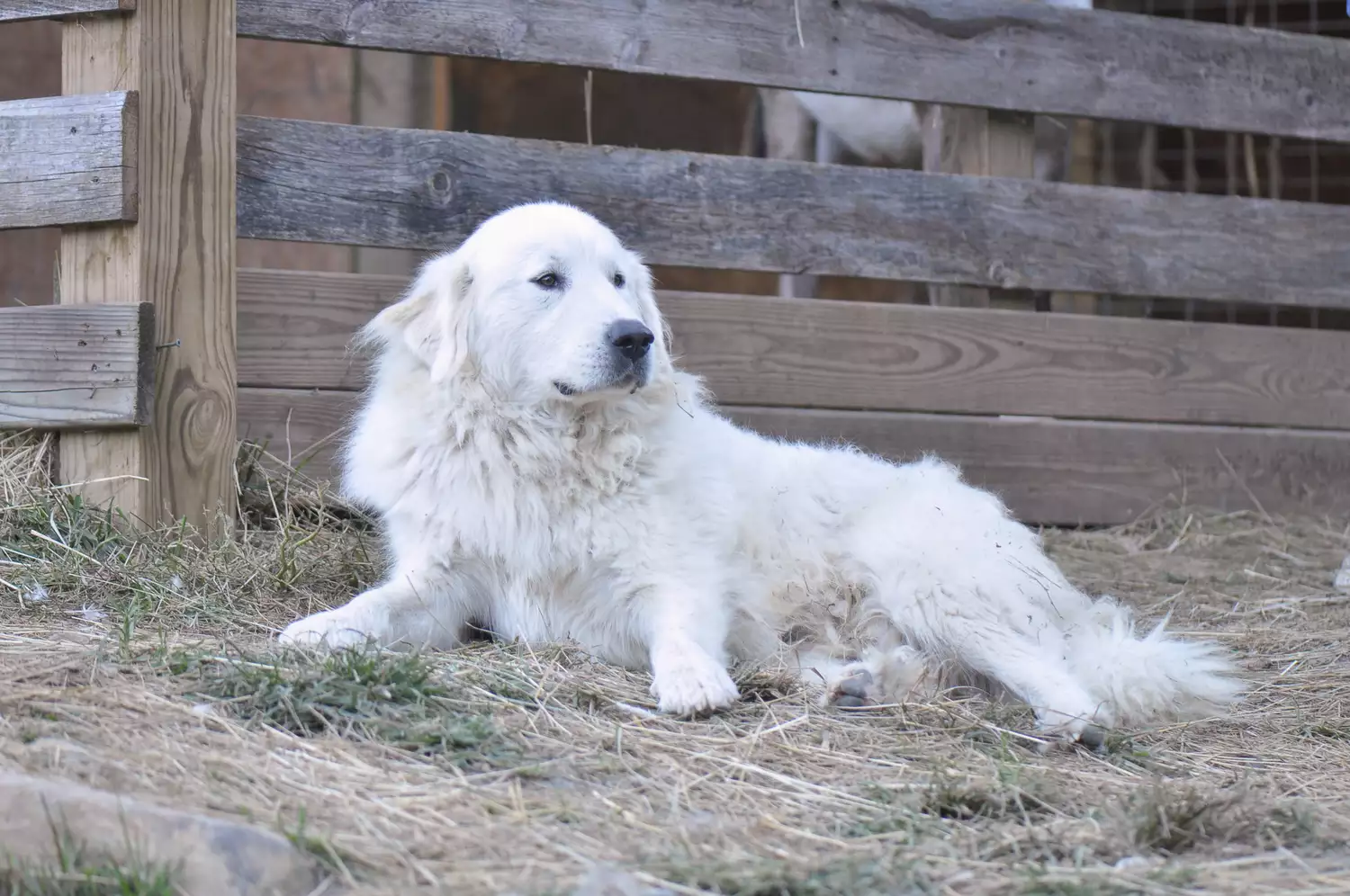
Breed historians believe that the Great Pyrenees can trace its roots back to a group of mostly white mountain flock guardian dogs that lived in Asia Minor 11,000 years ago. These large, white dogs may have come to the Pyrenees Mountains around 3,000 BC, where they evolved into the Great Pyrenees we know today.
07 of 11
The Great Pyrenees Has Its Own National Club
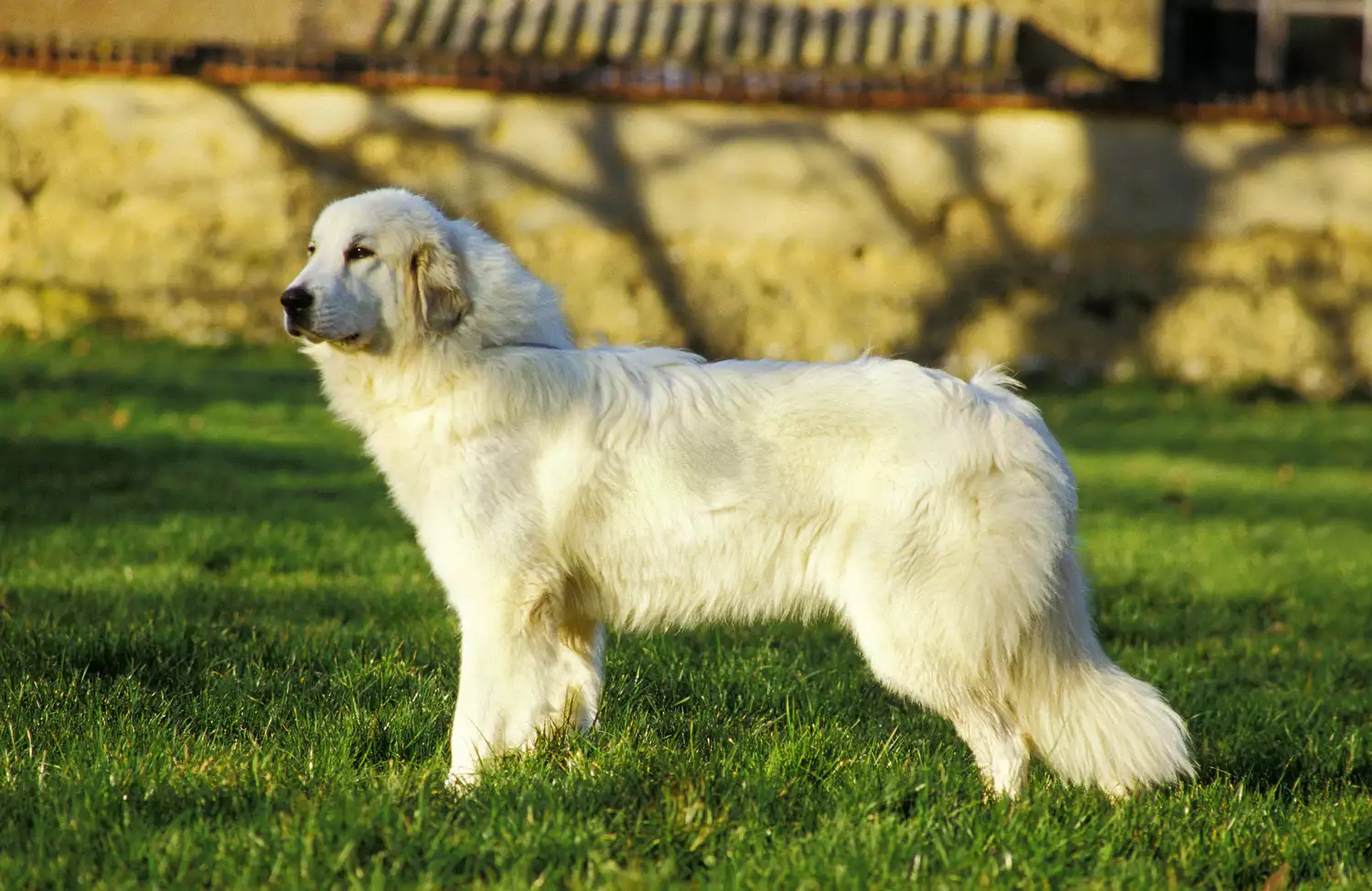
The Great Pyrenees Club of America was recognized in 1935 by the American Kennel Club as the parent club for the Great Pyrenees. Each AKC-recognized breed has only one national parent club, which represents the breed in the United States.
The Great Pyrenees Club of America is a nonprofit organization that offers breed education, sanctions breed competitions and events, facilitates breed rescue, and maintains the breed standard, which is the written description of the ideal Great Pyrenees.
08 of 11
Great Pyrenees Can Be Devoted Family Members
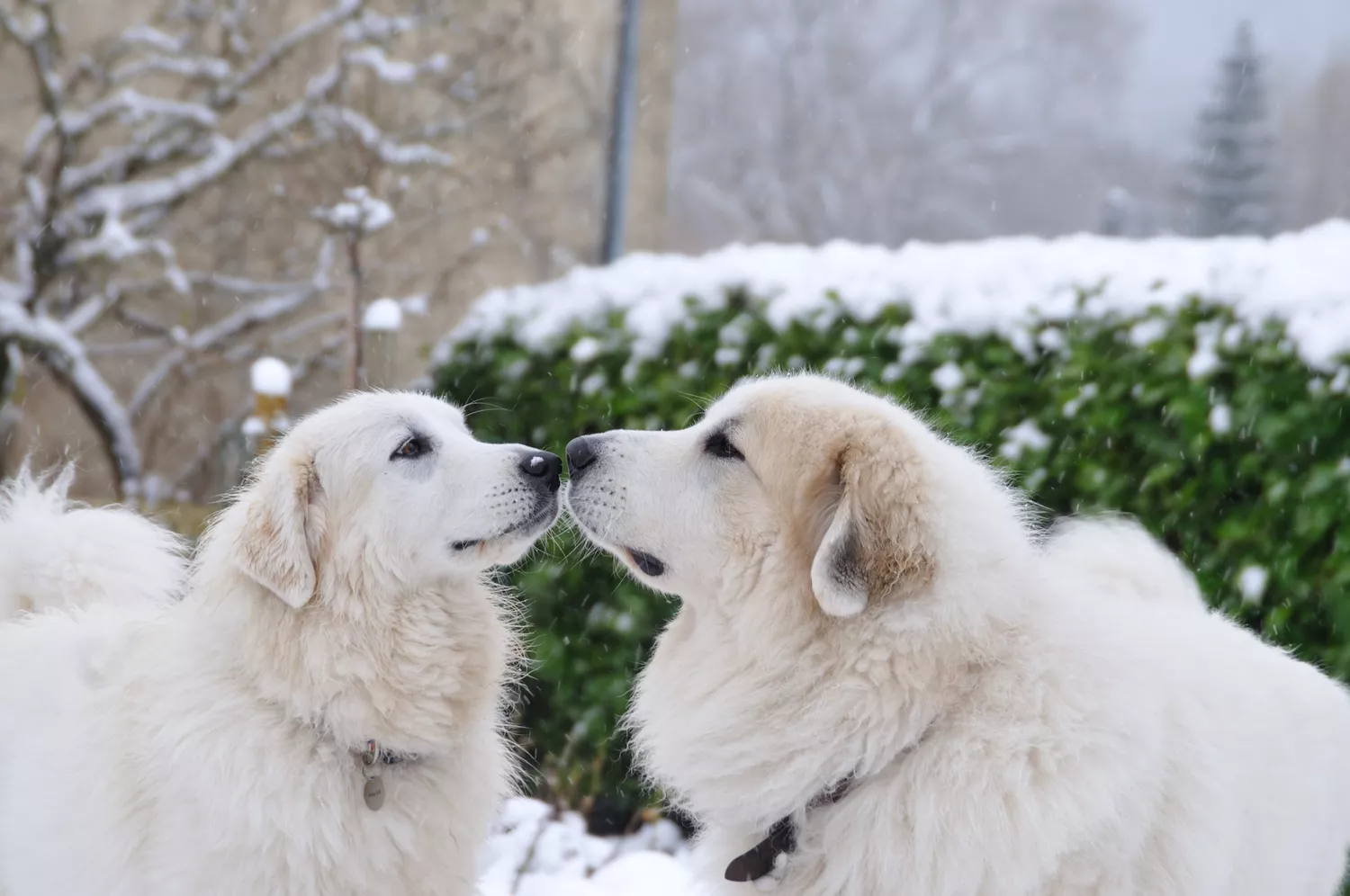
Great Pyrenees have a natural affinity for animals and children, watching over them and keeping them safe from harm. The breed’s calm demeanor and patient temperament makes them excellent family dogs.
09 of 11
Great Pyrenees Are Naturally Protective
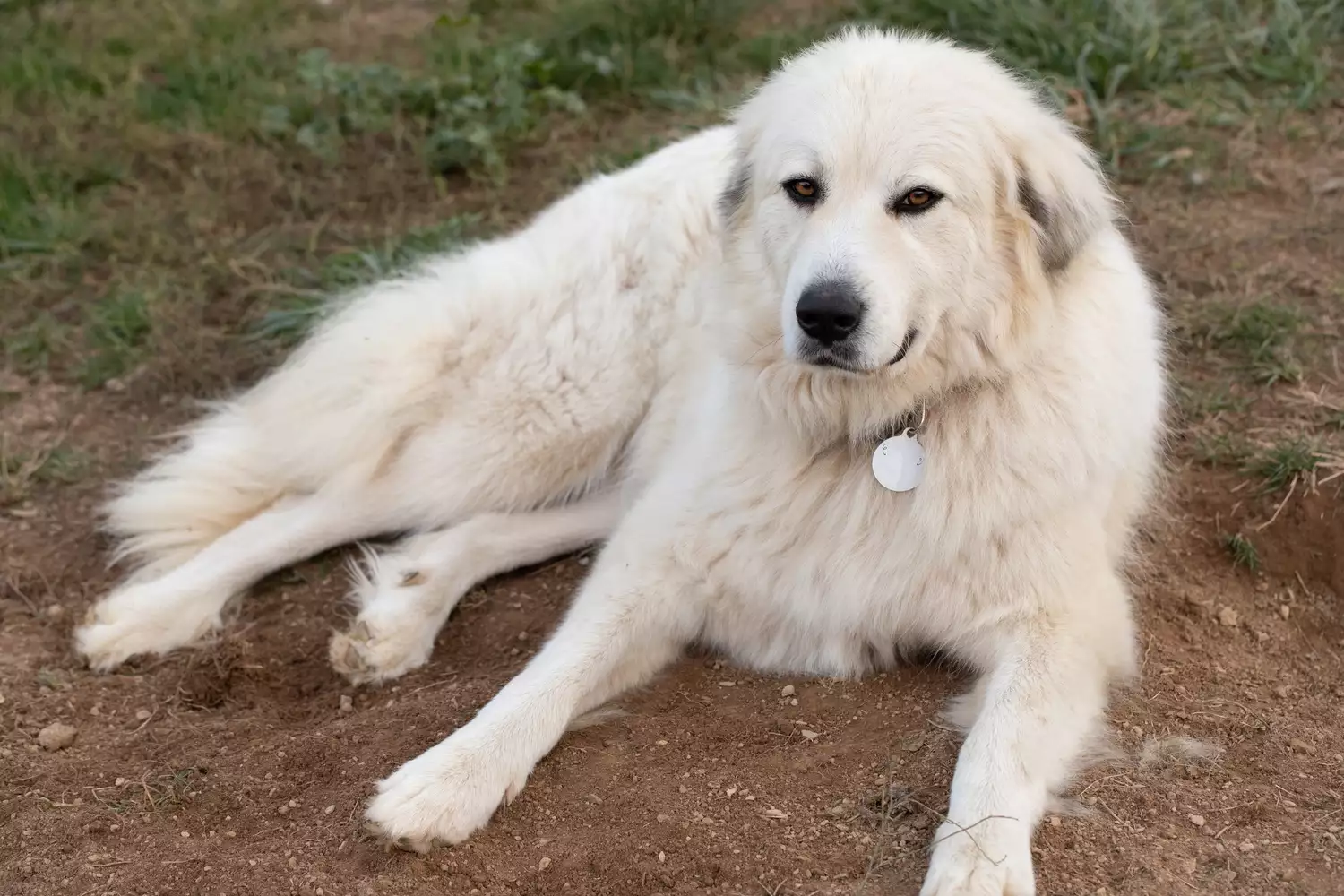
The breed is territorial, has a strong instinct to guard and protect the family and the home, and is naturally wary of strangers. Early socialization and training are important to help the Great Pyrenees learn to be accepting of friendly visitors.
10 of 11
Great Pyrenees Don't Need as Much Exercise as You Might Expect
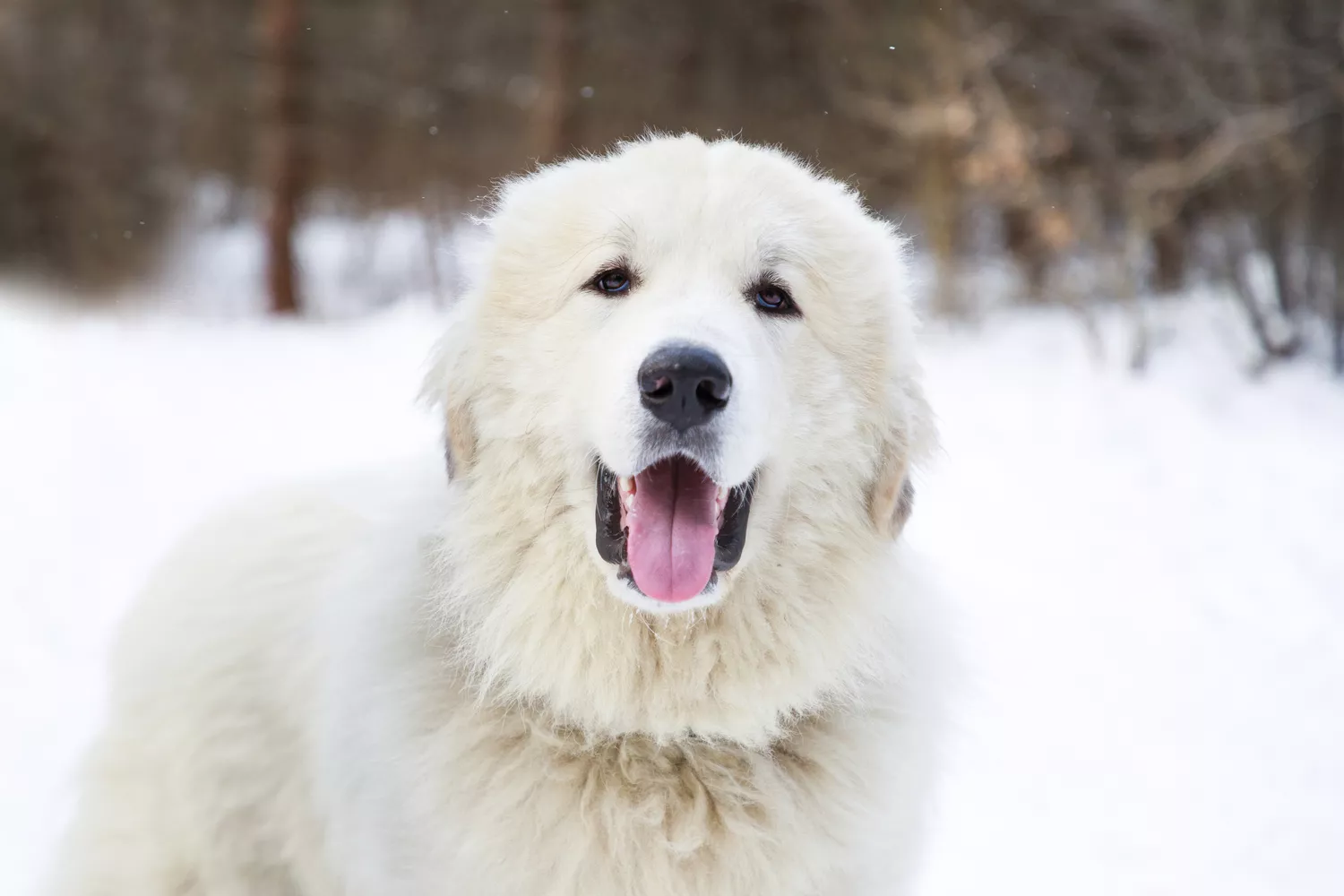
Though massive, the Great Pyrenees does not demand hours of exercise a day. Much of the working Great Pyrenees’s day was spent sitting or lying with the flock, ever alert for approaching danger. Great Pyrenees need moderate daily exercise, which can include leashed walks and off-leash exploring in a securely fenced yard.
Consider providing early socialization and training to help your Great Pyrenees become accustomed to friendly visitors. Ensure you have a secure yard if allowing off-leash exploring, and keep your Great Pyrenees inside at night to prevent excessive barking that could disturb neighbors.
11 of 11
Great Pyrenees Can Have Nocturnal Habits
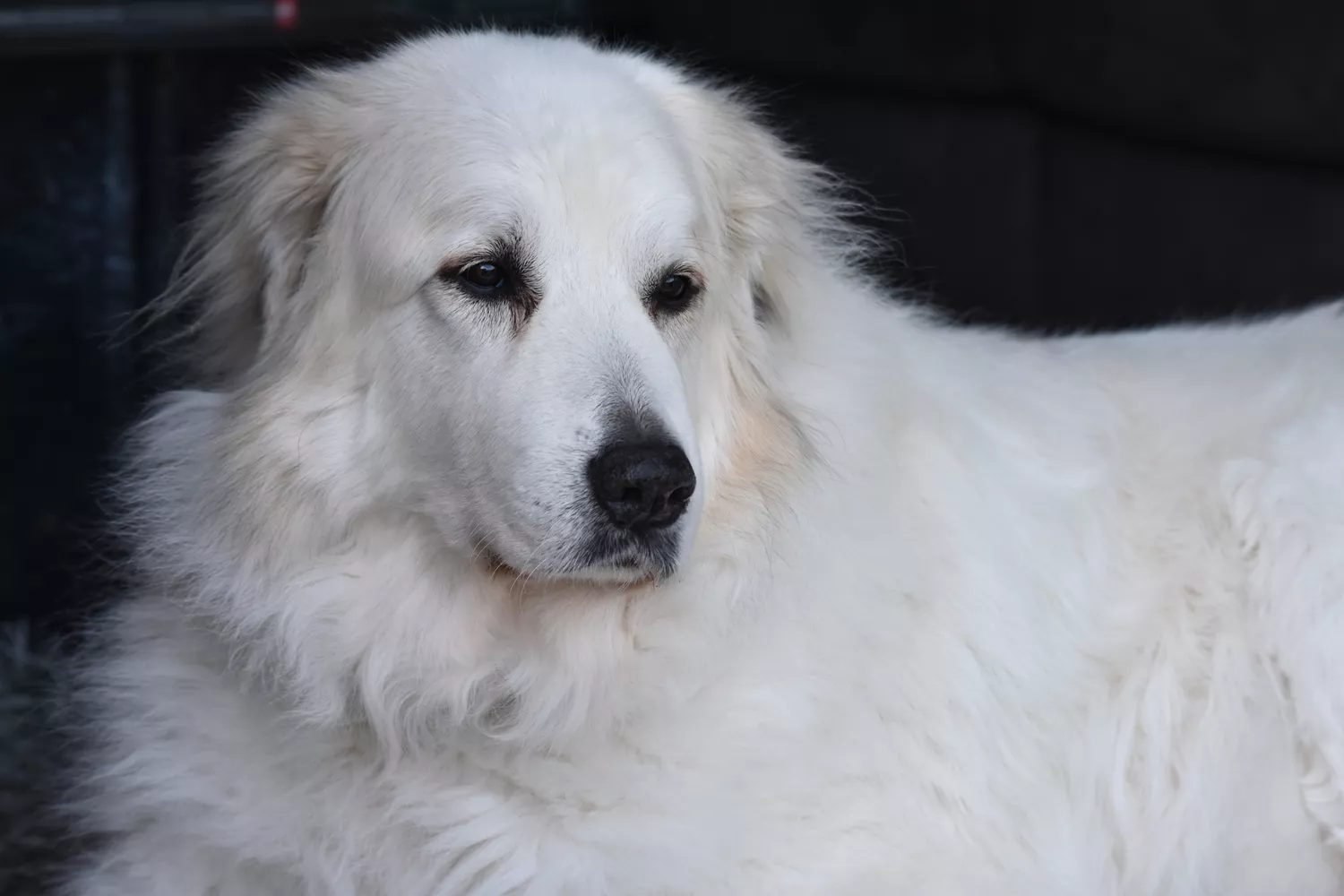
Many Great Pyrenees owners report that their dogs like to “patrol” at night, keeping an eye on the home and family. The Great Pyrenees is also known to bark a lot (especially at night) to alert you to anything suspicious. Many Great Pyrenees owners keep their dogs inside at night to avoid upsetting their neighbors.



