Tibetan Mastiff: Dog Breed Characteristics & Care
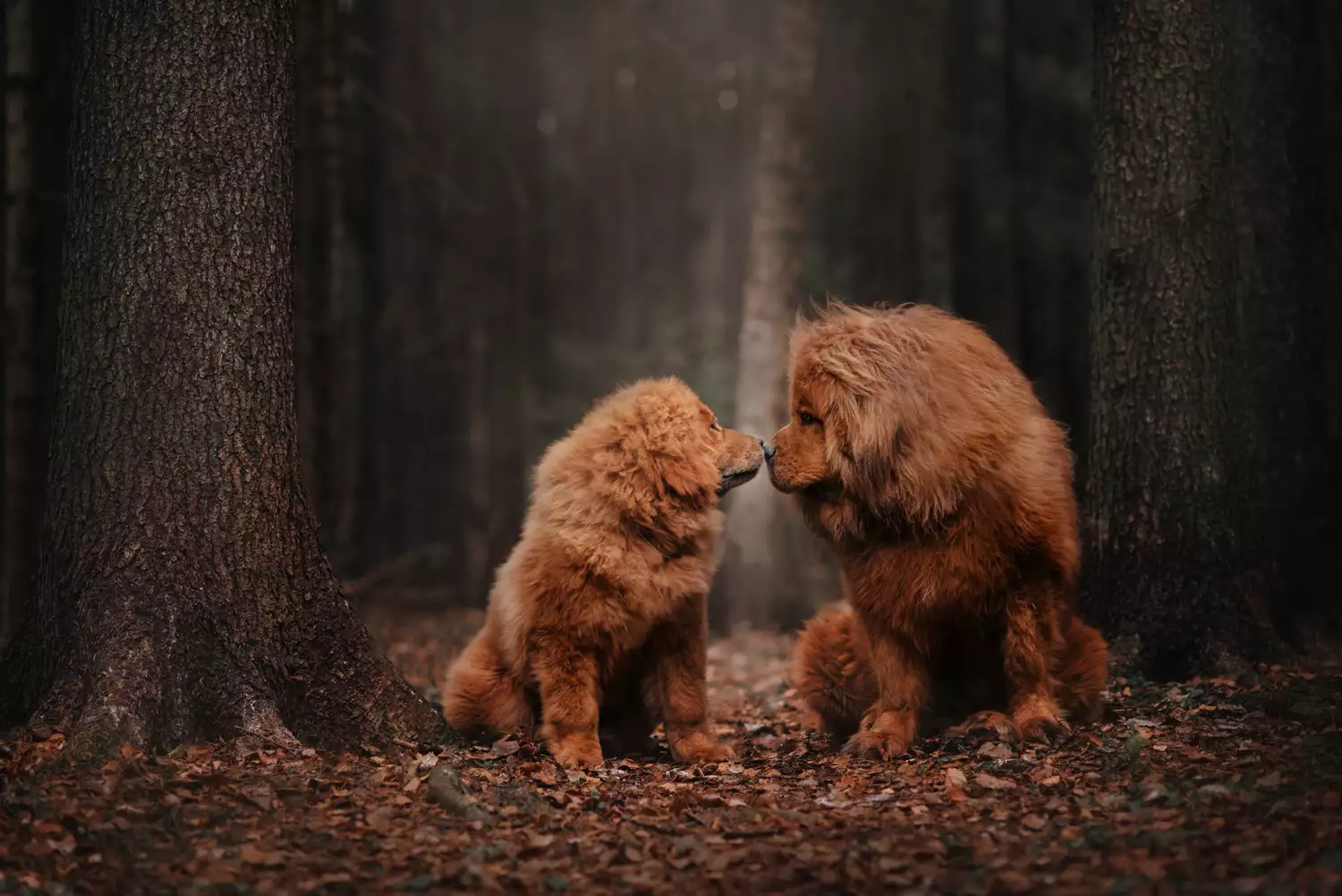
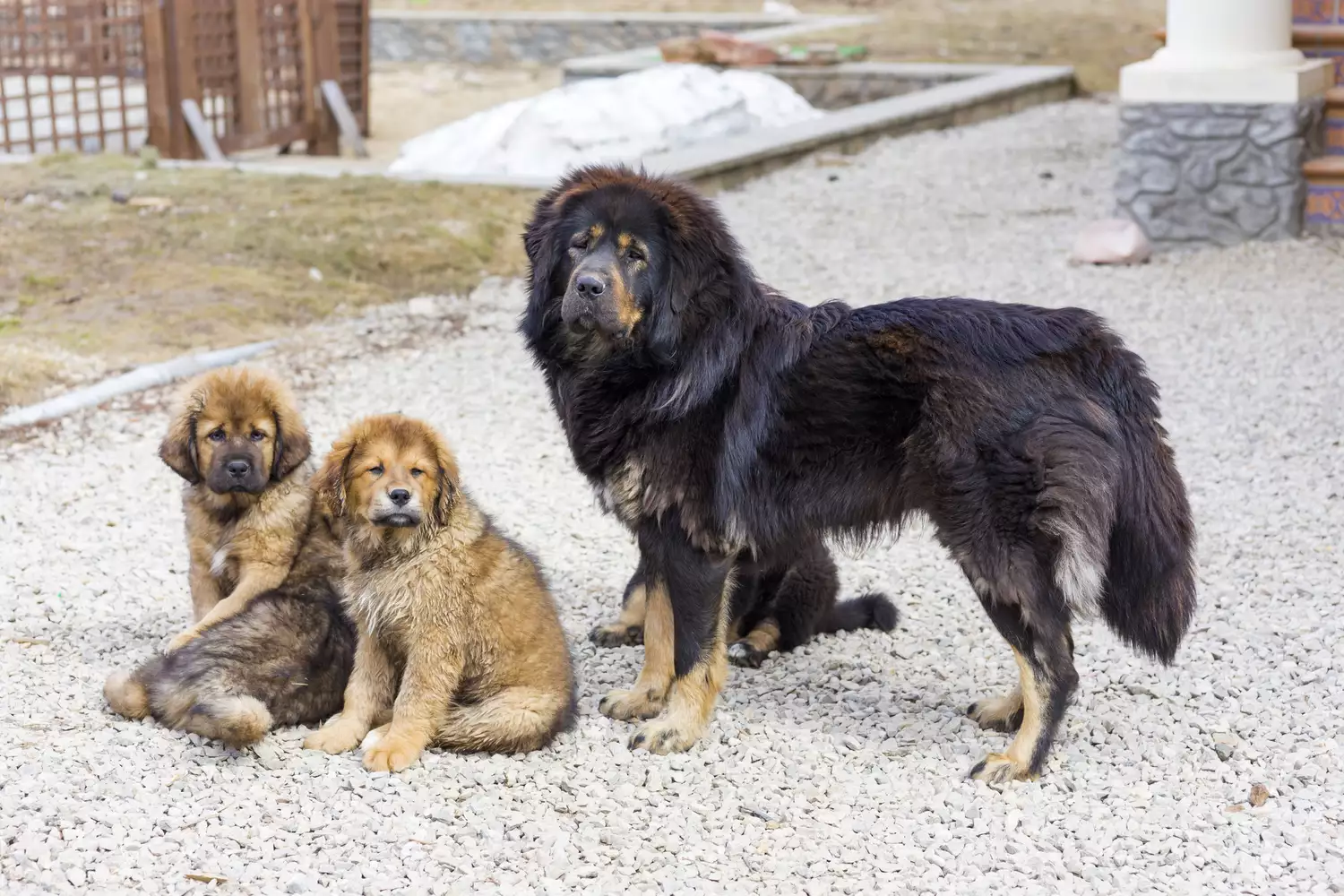
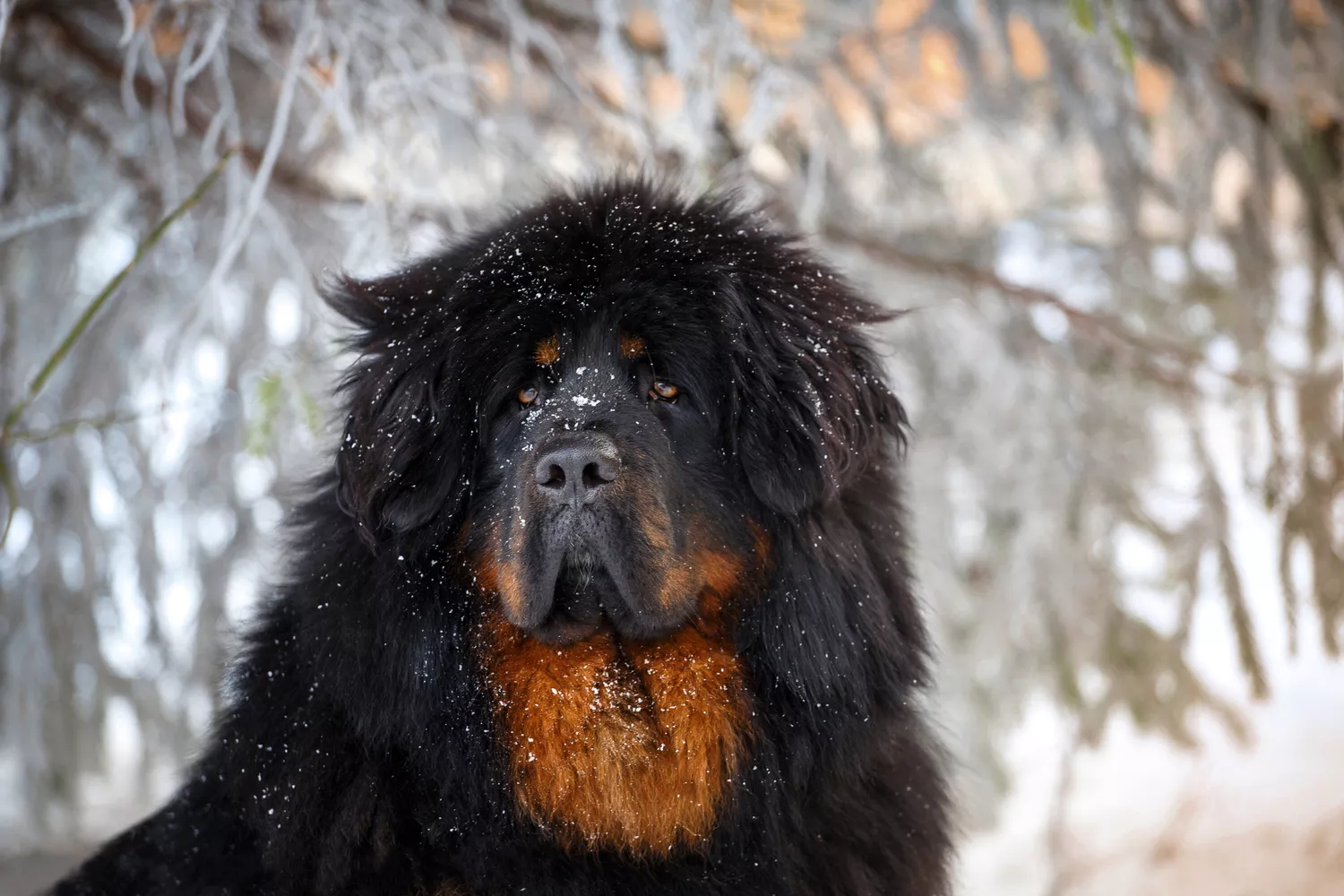
The Tibetan mastiff is a rare, large dog breed from Tibet with a massive, towering frame, flowing mane, and watchful expression. The breed is said to be as magnificent and alert as a lion. Used in Tibet and the Himalayas for thousands of years as powerful and imposing estate guardians, today’s Tibetan mastiff retains those protective instincts, watching over their home and family with endless tenacity.
Learn more about the watchful and powerful Tibetan mastiff and if they are the right dog to add to your home.
Breed Overview
GROUP: Working
HEIGHT: Minimum 24 to 26 inches
WEIGHT: 70 to 150 pounds
COAT: Double outer coat is fine but hard, straight, and stand-off; undercoat is heavy, soft, and woolly
COAT COLOR: Black, brown/chocolate/liver, blue, gray, or gold/yellow
LIFE SPAN: 10 to 12 years
TEMPERAMENT: Intelligent, protective, strong-willed, tenacious, aloof
HYPOALLERGENIC: No
ORIGIN: Tibet
Characteristics of the Tibetan Mastiff
The Tibetan mastiff provides unparalleled loyalty, devotion, and protection to their family. As guardian dogs, they are wary of strangers and territorial of their families and their homes, according to the American Kennel Club (AKC). However, because of their background as guardian dogs, they don't like to take direction from their families and can be difficult to train.
The breed’s guarding instincts are heightened at night, which can cause them to bark loudly and excessively in the evening hours. It’s best to keep your mastiff indoors at night to avoid bothering your neighbors. Also, make sure you have a secure fence to keep your dog from roaming day or night.
Affection Level | Low |
Friendliness | Low |
Kid-Friendly | Medium |
Pet-Friendly | Low |
Exercise Needs | Low |
Playfulness | Low |
Energy Level | Low |
Trainability | Low |
Intelligence | High |
Tendency to Bark | High |
Amount of Shedding | Medium |
History of the Tibetan Mastiff
Due to the isolation of Tibet and a lack of written breeding records, the Tibetan mastiff’s history is shrouded in mystery, according to the AKC. We do know that the Tibetan mastiff is an ancient breed that has existed in Central Asia for thousands of years, and they are thought to be the origin of the different mastiff breeds.
The American Tibetan Mastiff Association says the Tibetan mastiff breed was first introduced outside of the Tibet region in 1847 when Queen Victoria received one as a gift. More than 100 years later, the breed finally made its way to the United States in the 1950s.
The American Tibetan Mastiff Association, which is the national club for the breed in the U.S., was formed in 1974, and the breed received full recognition from the American Kennel Club in 2006.1
Tibetan Mastiff Care
The Tibetan mastiff is best for experienced dog parents. Though their grooming needs aren’t intense, they can be difficult to train and require proper socialization. Care also needs to be taken when it comes to exercise, particularly when they’re young.
Exercise
As with all large and giant breeds, exercise for puppies and young adults must be approached with caution.
Due to the Tibetan mastiff’s large frame and hefty weight, and predisposition to hereditary joint conditions like hip dysplasia, repetitive exercises like jogging or jumping should be limited and/or avoided completely until the dog is at least 2 years old and fully mature.
Even a fully mature Tibetan mastiff is not going to be a jogging partner or agility champion, although most enjoy daily leisurely walks totaling between 30 to 60 minutes.
Grooming
Even with all that fluff, Tibetan mastiffs are surprisingly easy to groom. Their coat sheds very little outside of one seasonal shed (typically in spring or summer) when they blow their coat, losing almost all of their undercoat in just a few weeks.
During this heavy shed, frequent brushing and a bath or two can help, but expect hair everywhere. The rest of the year, the coat sheds very little and requires just weekly brushing, and bathing if dirty.
In addition to coat care and bathing, your dog needs regular tooth brushing, ear cleaning, and nail trimming.
Training
Although Tibetan mastiffs are extremely intelligent and capable of quickly learning basic obedience skills, they can also be stubborn and not particularly inclined to always do what you ask. Training should be started at an early age and rules should be enforced consistently throughout the dog’s lifetime.
Because the Tibetan mastiff is physically large and naturally suspicious of strangers, it is vital that any Tibetan mastiff owner be capable of physically restraining their dog when necessary, whether in public or at home.
The Tibetan mastiff can be difficult to train. Massive and powerful, the breed’s protective instincts are so heightened that some Tibetan mastiffs may not always listen when their owners say a visitor is allowed and not an intruder to be vanquished. Because of this, Tibetan mastiffs should only be owned by experienced dog parents.
Early socialization is mandatory with the Tibetan mastiff—an improperly socialized Tibetan mastiff has the potential to grow into a liability. Introduce your Tibetan mastiff puppy to as many people, places, animals, and things as possible, keeping interactions positive, and going at the dog’s pace.
Even with careful socialization, some Tibetan mastiffs find it difficult to accept strangers or strange animals, especially those entering the dog's property. Many Tibetan mastiffs, including those that receive adequate socialization, are far more relaxed and accepting of strangers when off their own property.
Common Health Problems
The Tibetan mastiff, like many purebred dogs, is prone to certain genetic conditions. Responsible breeders test their adult dogs prior to breeding them to avoid passing on inherited diseases. The American Tibetan Mastiff Association requires (or recommends, depending on the condition) all member breeders to perform certain health tests on all dogs prior to breeding them, as listed below.
Hip dysplasia: This orthopedic condition is an abnormal development of one or both hip joints.
Elbow dysplasia: This skeletal condition leads to malformation and even degeneration of the elbow joints.
Hypothyroidism: This condition presents in dogs as it does in humans. It means your dog's thyroid gland does not produce enough thyroid hormones.
Progressive retinal atrophy: This breed is prone to PRA, which affects the ability of your dog to see. The rods, cones, and/or the pigmented layer of the eye deteriorate, leading to blindness.
Diet and Nutrition
Feeding your Tibetan mastiff may prove tricky. Despite their enormous size, many Tibetan mastiffs don’t have huge appetites, and eat far less than you might assume.
Some Tibetan mastiffs even go on food strikes, refusing to eat for days at a time. For these reasons, it’s especially important to feed your pup high-quality dog food (consult with your breeder or veterinarian for a recommendation).
Pay attention to how much your Tibetan mastiff is eating so you know how much your dog is consuming and whether they're on a food strike. If your Tibetan mastiff happens to have a healthy appetite, avoid overfeeding.
Free feeding can lead to weight gain, which puts stress on the joints and can contribute to health issues. Feeding measured meals allows you to track how much your Tibetan mastiff is eating, whether it’s too much, too little, or just right.
Where to Adopt or Buy
Expect to pay between $1,500 to $5,000 for a purebred Tibetan mastiff.
The Tibetan mastiff is one that requires an experienced dog owner. Anyone considering a Tibetan mastiff should reach out to a reputable breeder to talk about what’s it’s like to live with the breed.
Some adult Tibetan mastiffs might find themselves in rescue on occasion. More often though, anyone searching for a Tibetan mastiff will need to track down a reputable breeder and get on a waitlist (often a long waitlist) for a puppy.
Here are a few helpful resources to start your search:
The American Tibetan Mastiff Association
Tibetan Mastiff Rescue (and active Facebook page)
AKC Marketplace
Tibetan Mastiff Overview
Although Tibetan mastiffs are incredibly loyal and protective family dogs, they are only a fit for certain families. Before bringing one of these working dogs home, carefully consider their needs and your lifestyle to determine if they’re right for you.
Pros of Tibetan Mastiffs
Exceptional guard dog
Doesn’t require a lot of exercise
Sheds very little outside of seasonal shedding
Cons of Tibetan Mastiffs
Difficult to train
Highly territorial and requires intensive socialization
May be aggressive with other dogs or humans
More Dog Breeds and Further Research
The Tibetan mastiff breed is rare and a challenge to train. But if you appreciate this dog, you might also like these breeds:
Bullmastiff
Mastiff
Neapolitan Mastiff
Otherwise, there’s a whole world of potential dog breeds out there—with a little research, you can find the right one to bring home.



