Newfoundland (Newfie): Dog Breed Characteristics & Care
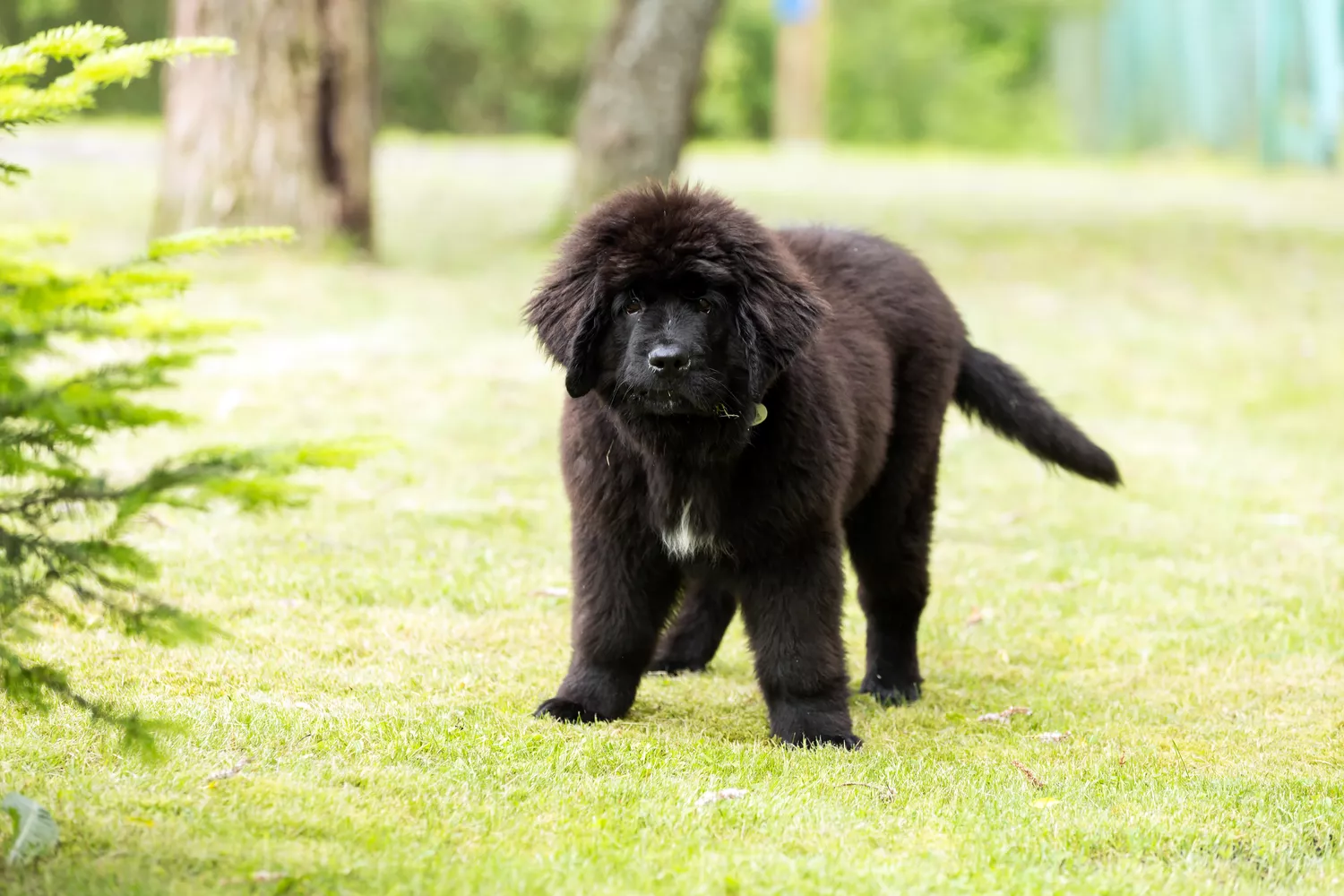
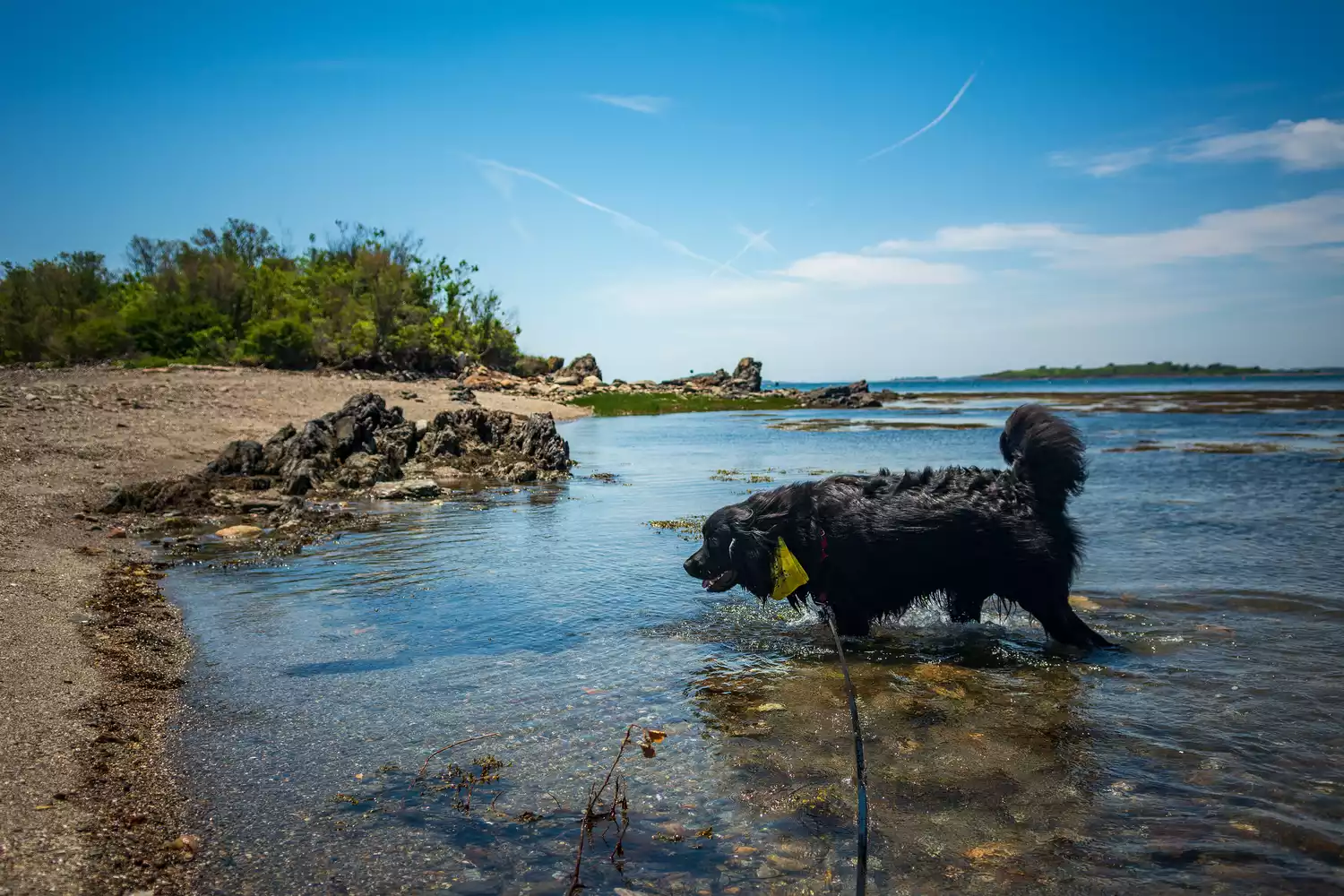
The Newfoundland dog is a giant breed with a hardworking and gentle disposition. Often called the Newfie, the breed is intelligent, sweet, and very loyal. They make for affectionate companions, and they naturally take to work in water rescue and other jobs. These dogs were bred for life on the water with a thick coat to insulate them and webbed paws for swimming.
Learn more about the Newfoundland dog, including the breed’s history, temperament, and health.
Breed Overview
GROUP: Working
HEIGHT: 26 inches (females); 28 inches (males)
WEIGHT: 100 to 120 pounds (females); 130 to 150 pounds (males)
COAT: Medium-length double coat
COAT COLOR: Black, brown, gray, white and black
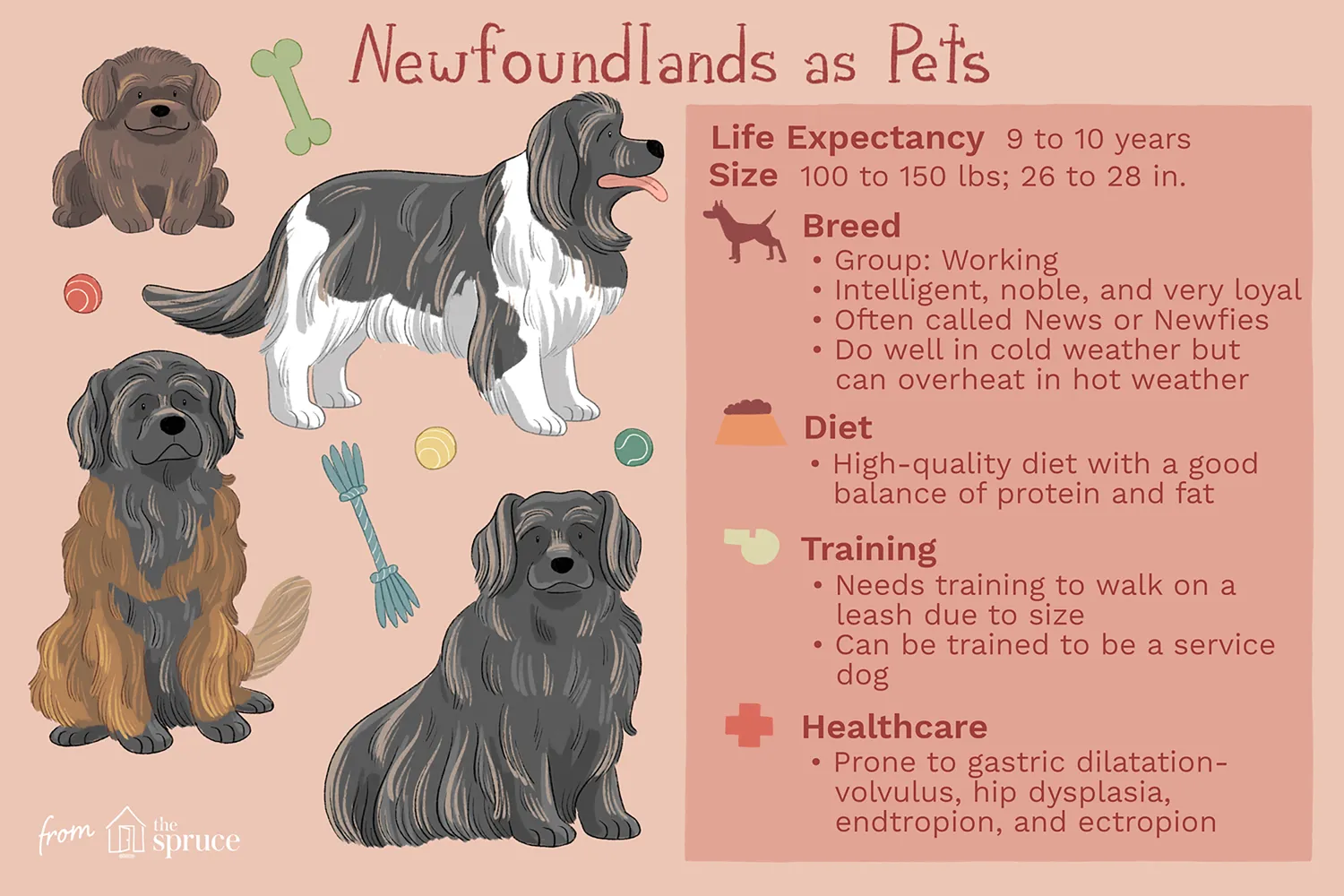
LIFE SPAN: 9 to 10 years
TEMPERAMENT: Loyal, sweet-tempered, gentle
HYPOALLERGENIC: No
ORIGIN: Canada
Characteristics of the Newfoundland Dog
Newfoundland dogs generally have a very sweet personality, and they love people. They're even typically great around kids thanks to their calm and gentle temperament.
Newfies have a moderate energy level and thus don't need an excessive amount of exercise and play each day.
Affection Level | High |
Friendliness | High |
Kid-Friendly | High |
Pet-Friendly | High |
Exercise Needs | Medium |
Playfulness | Medium |
Energy Level | Medium |
Trainability | Medium |
Intelligence | High |
Tendency to Bark | Low |
Amount of Shedding | Medium |
History of the Newfoundland Dog
The Newfoundland dog breed originates from the Canadian province of Newfoundland, where it has a rich history as a working dog. Dating back to the early 1800s, Newfies were used to assist fishermen, aid in water rescues, and haul fishing nets and carts.
It is believed that the ancestors of Newfies were brought to Newfoundland by European fisherman. Although their exact lineage is widely debated, the most popular theory suggests that the Newfie evolved from Great Pyrenees dogs and black retrievers.
Newfoundlands made their way to England in the 1800s, where the bred was further refined. The American Kennel Club recognized the breed in 1886.
There have been several famous Newfies throughout history. Explorers Lewis and Clark brought a Newfoundland named Seaman with them as they journeyed across the land. Other famous owners include Emily Dickinson, Ulysses S. Grant, Lyndon B. Johnson, Robert F. Kennedy, composer Richard Wagner, and ornithologist John James Audubon.
Newfoundland Dog Care
Newfies have a strong drive to work and protect. They need daily exercise and proper training and socialization to ensure they are well-mannered dogs. Plus, their thick coat requires a moderate amount of grooming.
Exercise
Newfies should get at least a half hour to an hour of daily exercise to keep them fit and happy. Most love long walks and hikes, and they adore swimming.
In addition, training in dog sports, such as dock diving, and other canine activities, such as search and rescue, can help satisfy their need for a job and provide both mental stimulation and physical activity.
While Newfoundlands generally do well in cold weather, their thick coat can cause them to overheat in hot weather. So keep outdoor activities short in the heat, and make sure your dog always has a place to go to cool down. For indoor play, Newfies should have a home that has space for them to move around freely.
Grooming
Newfoundlands have a thick, medium-length double coat that serves as insulation from cold waters. Plan to brush at least weekly to remove loose fur and prevent mats.
Shedding can increase as the weather changes in the spring and fall, potentially requiring daily brushing to keep up with all the loose fur.
Baths will be required roughly every month or two unless your dog gets dirty. Many people take their Newfie to a groomer because their large size can be difficult to manage in an at-home bath.
The breed also can drool quite a bit and require regular cleanup with a damp cloth.
Moreover, nail trims will be necessary every month or so, depending on how much your dog naturally wears them down. And it’s ideal to brush a Newfie’s teeth daily, in addition to checking and cleaning their ears regularly.
Training
Newfies are intelligent dogs, and they respond fairly well to training. Their giant size makes both training and socialization essential, so you can maintain control of your dog.
Aim to start early in puppyhood with basic obedience and exposing your Newfie to different people, other animals, and situations.
Newfies learn well with lots of consistent and positive reinforcement; harsh methods can hinder training.
Common Health Problems
Newfoundland dogs are prone to some common health conditions1, including:
Hip dysplasia: This is an orthopedic condition. It impacts the development of the hip joint, and can cause symptoms like pain, limping, and exercise intolerance.
Heart disease: This breed is prone to a genetic heart condition, subvalvular aortic stenosis (SAS). These dogs can also be prone to dilated cardiomyopathy (DCM).
Cystinuria: This is an inherited condition. It can cause stones in the kidneys, ureters, and bladder.
Ear infections: These infections can be caused by bacteria or fungi. Symptoms include odor from the ears, shaking the head, head tilt, and ear discharge.
Gastric dilatation-volvulus (GDV): Also known as bloat, this occurs when the stomach expands and rotates after filling with fluid, food, or gas. It’s an emergency and can be fatal.
Diet and Nutrition
Always provide fresh water for your Newfie. And feed a quality, nutritionally balanced dog food—typically in two meals per day. Discuss the variety and quantity with your vet, as this can vary based on age, activity level, and other factors.
Newfies generally eat more than the average-size dog, so be prepared to have a high budget for dog food. However, always monitor your dog’s weight and treat intake to ensure they are not overeating.
Like other deep-chested dog breeds, Newfoundlands can experience bloat and stomach torsion. This can be the result of eating too quickly. To help prevent this condition, an option is to feed smaller, more frequent meals throughout the day. You also can slow eating with a puzzle toy.
Where to Adopt or Buy a Newfoundland Dog
Check local animal shelters and breed-specific rescue organizations for a Newfoundland dog in need of a home.
If you’re looking for a puppy from a reputable breeder, expect to pay around $2,000 to $3,000 on average2, though this can vary widely depending on such factors as age and bloodline.
For more information on finding a Newfie, check:
Newfoundland Club of America
Big Dogs Huge Paws
Newfoundland Rescue
Newfoundland Dog Overview
Newfoundland dogs make loyal and loving pets who enjoy having a job to do. They are large, so they can be hard to manage without proper training. But they are great for active families and people who are willing to take their dog on outdoor adventures where they can swim and play.
Pros of Newfoundland Dogs
Loyal companion
Instincts to protect and assist
Generally calm and sweet
Cons of Newfoundland Dogs
Requires spacious home
Large size can complicate grooming
Slobbery dog
More Dog Breeds and Further Research
If you're considering a Newfoundland dog of your own, make sure to research the breed first. Ask veterinarians, Newfie owners, reputable breeders, and Newfie rescue groups for more information about what it's actually like to live with the breed.
If you’re interested in similar breeds, check out:
Labrador Retriever
Great Pyrenees
Saint Bernard
There’s a whole world of potential dog breeds out there—with a little research, you can find the right one to bring home!



